What the Housing Means for Your Door
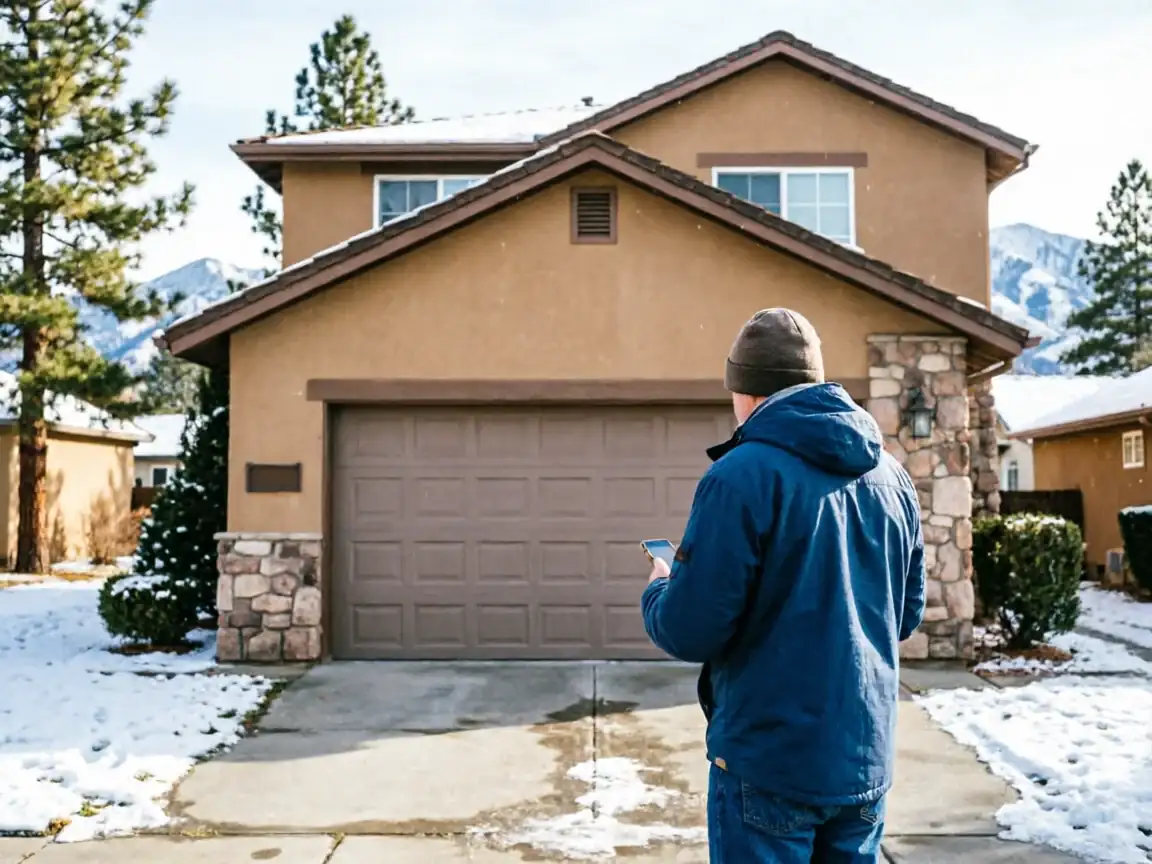
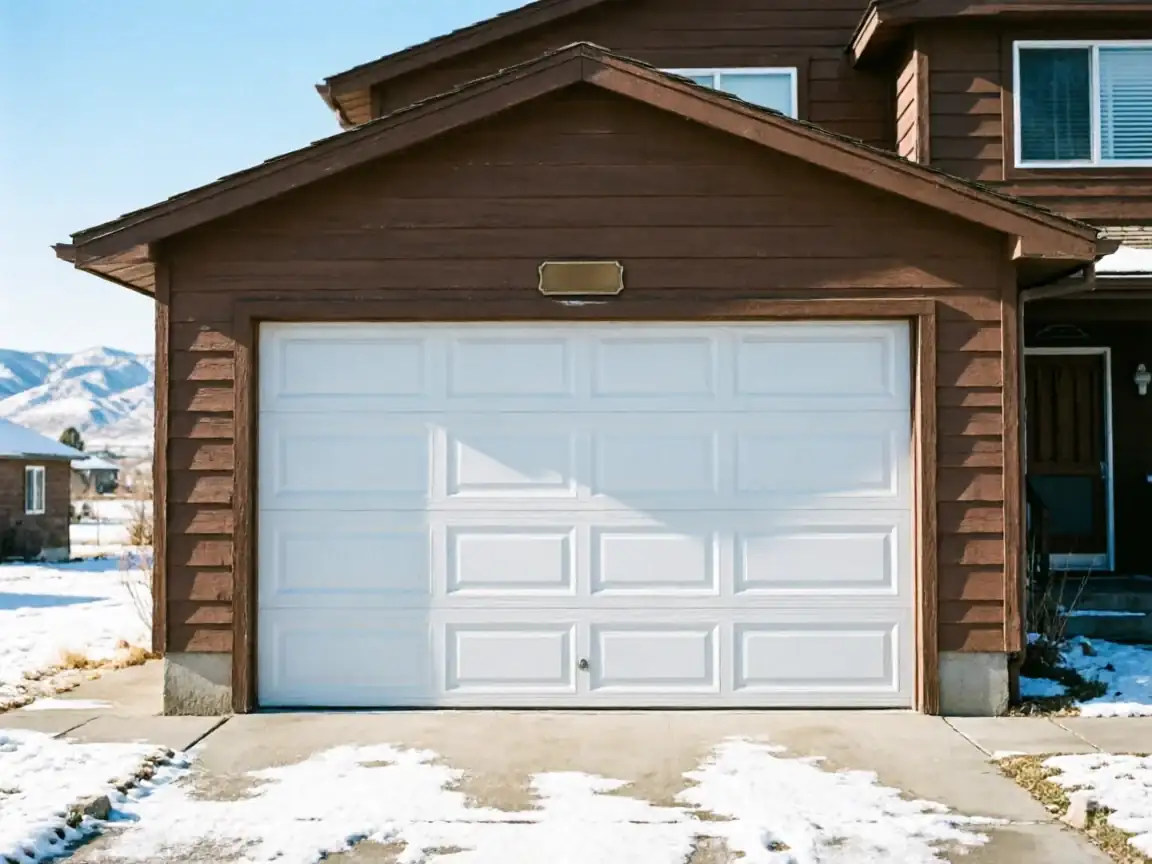
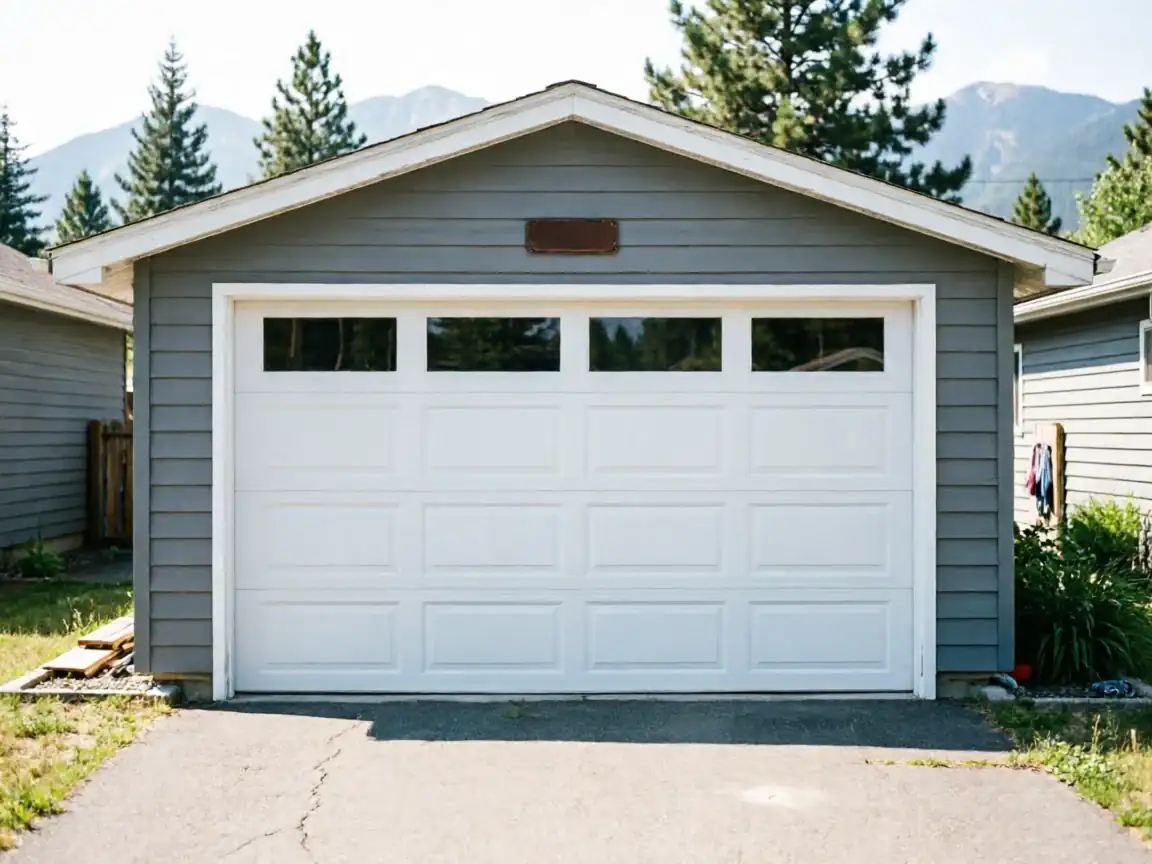
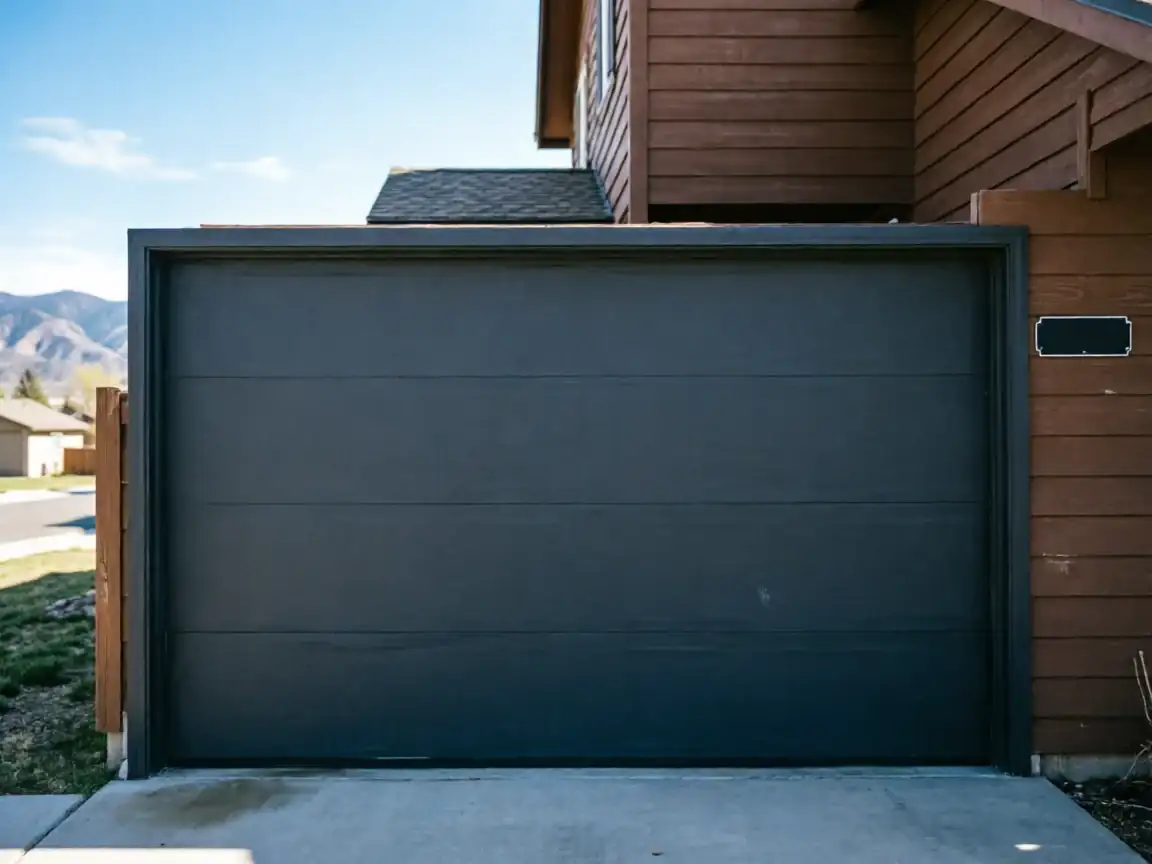
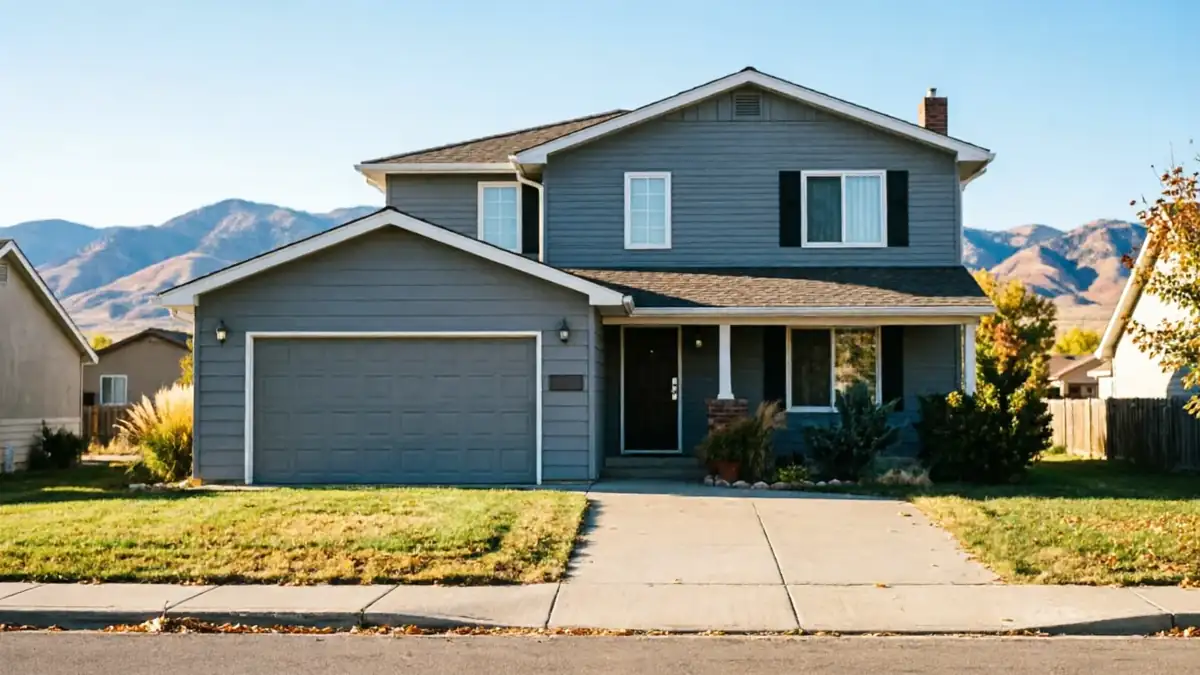
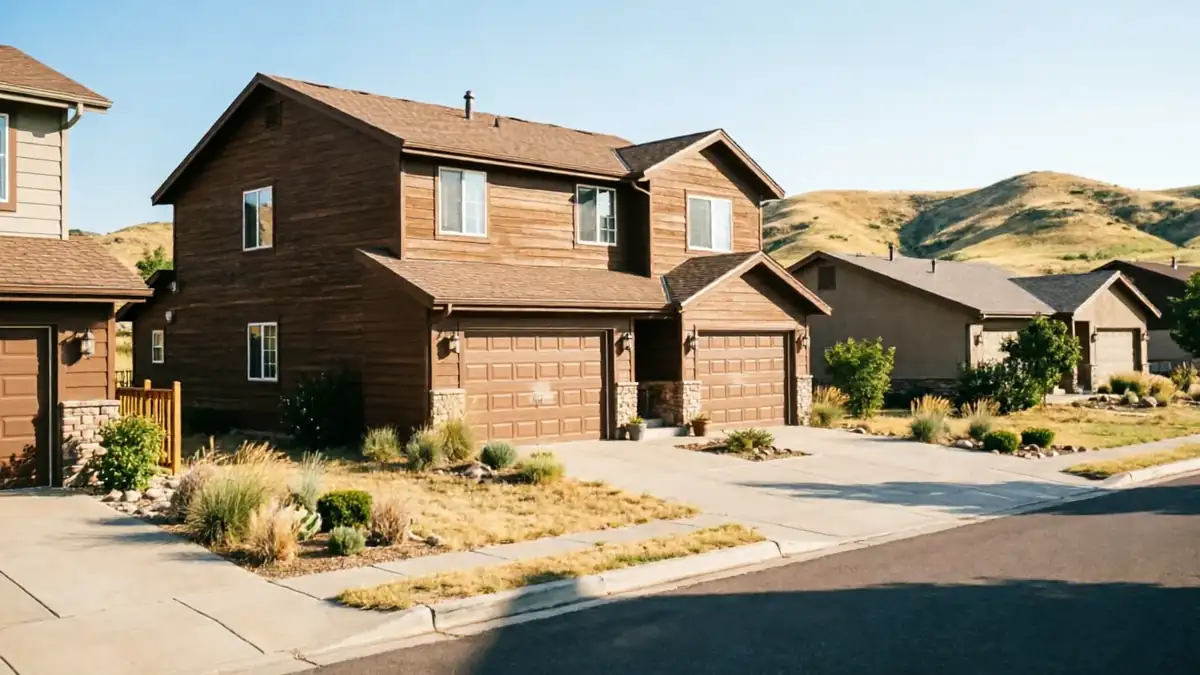
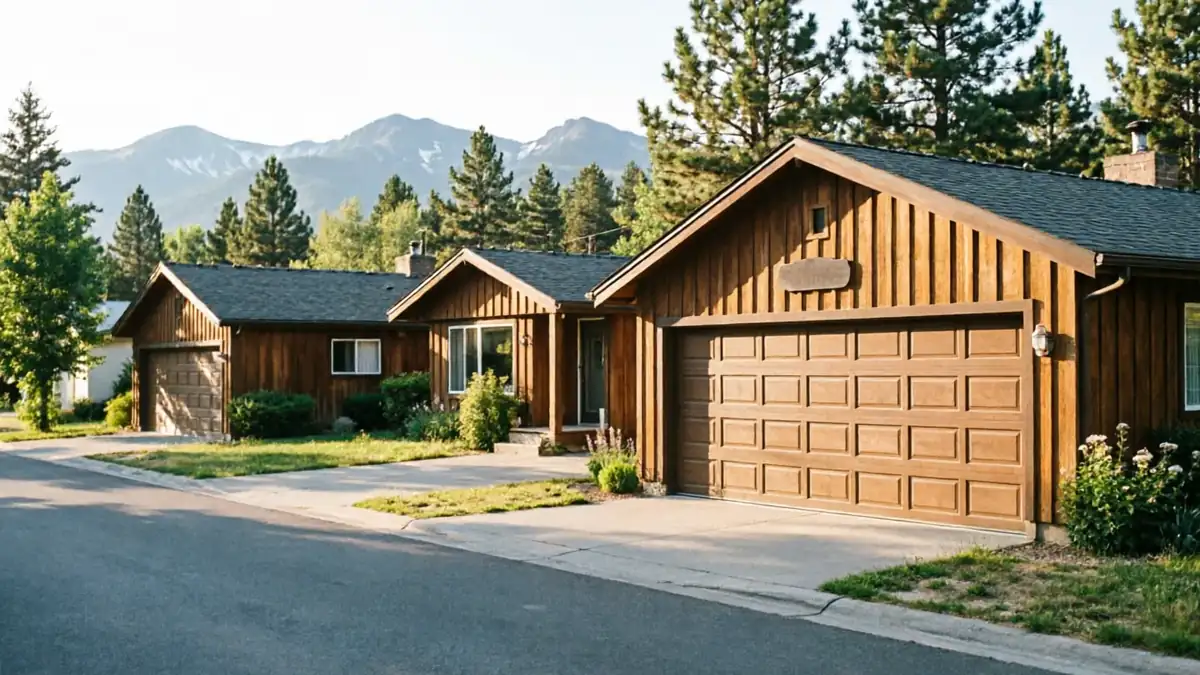
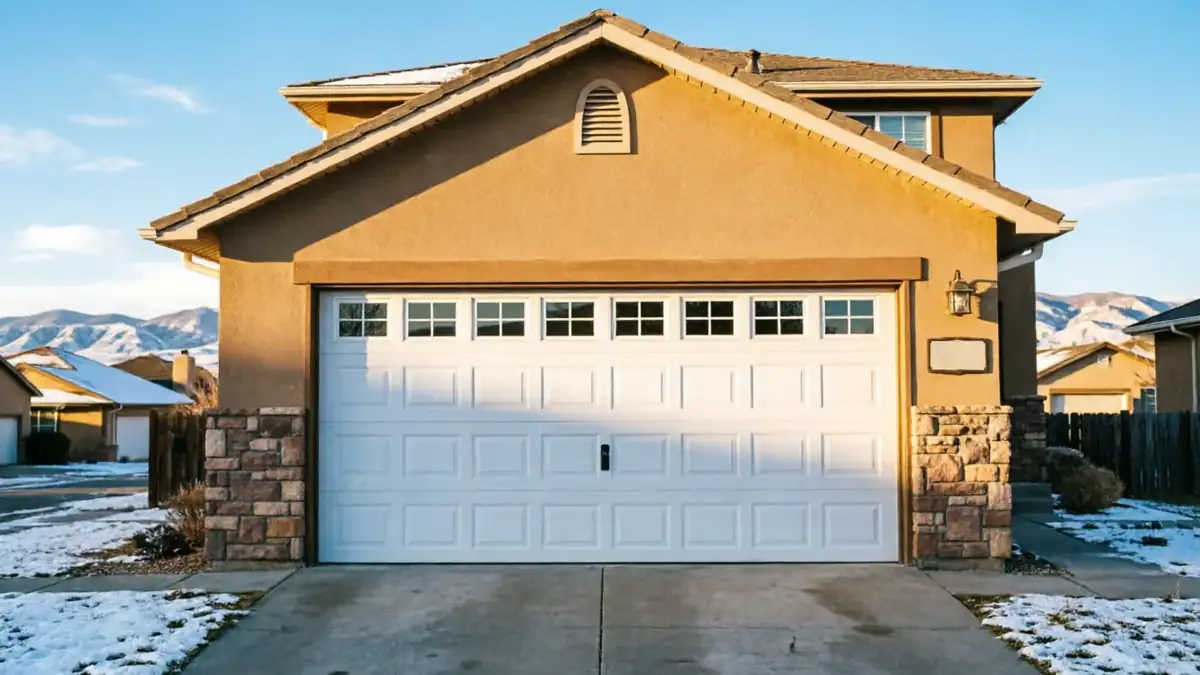
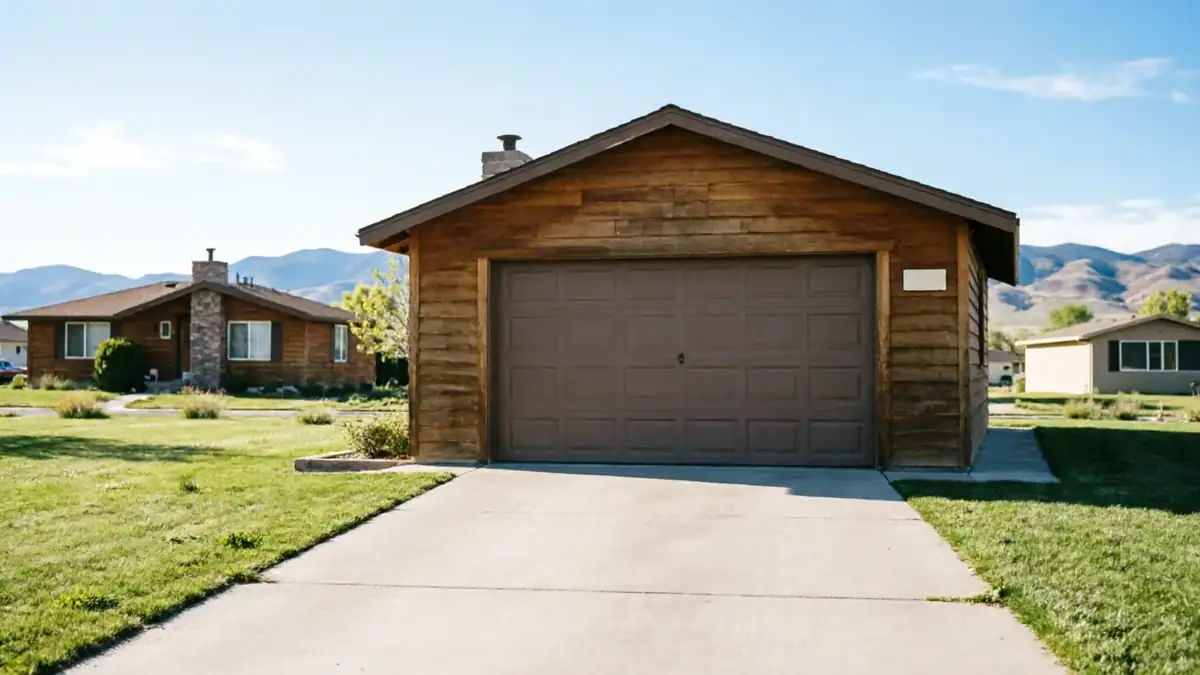
Redlands sits about 5 miles from our shop in Grand Junction, and the housing stock here skews older than the rest of the service area. Across the wider coverage zone homes were built between 1977 and 1998 with a median around 1984, but Redlands leans toward that earlier end, with a median build year of 1977. That seven-year gap matters more than it sounds. Doors and openers installed when a house went up in the mid-to-late 1970s are a different generation of hardware than the 1980s and 90s builds that make up most of the other named areas. You're more likely to find older extension spring setups here, non-insulated steel sections that have gone brittle, and openers that were already due for replacement a decade ago. When we get a call from Redlands, we don't assume the parts on the truck for a 1990 house will fit. We ask the age of the house before we ask what's wrong with the door, because on this street that answer usually points straight at the problem.
What We Do Most in This Area
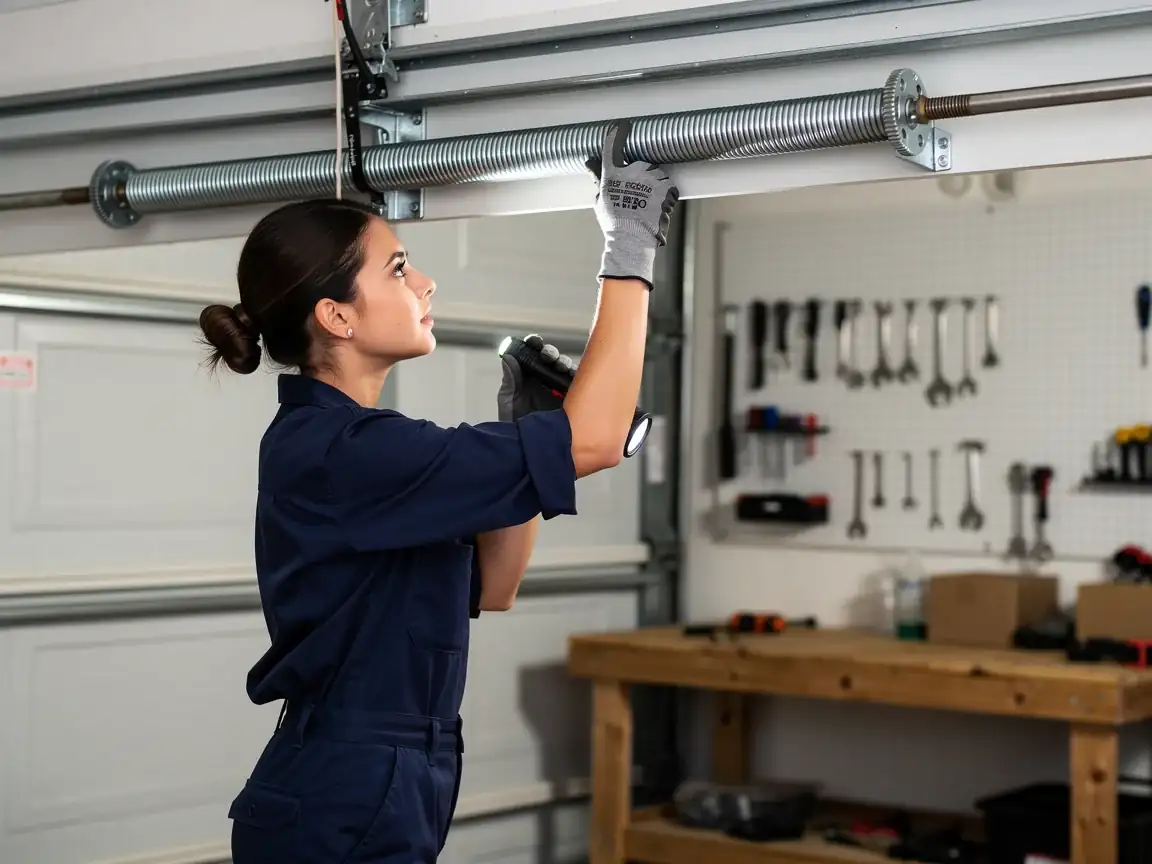
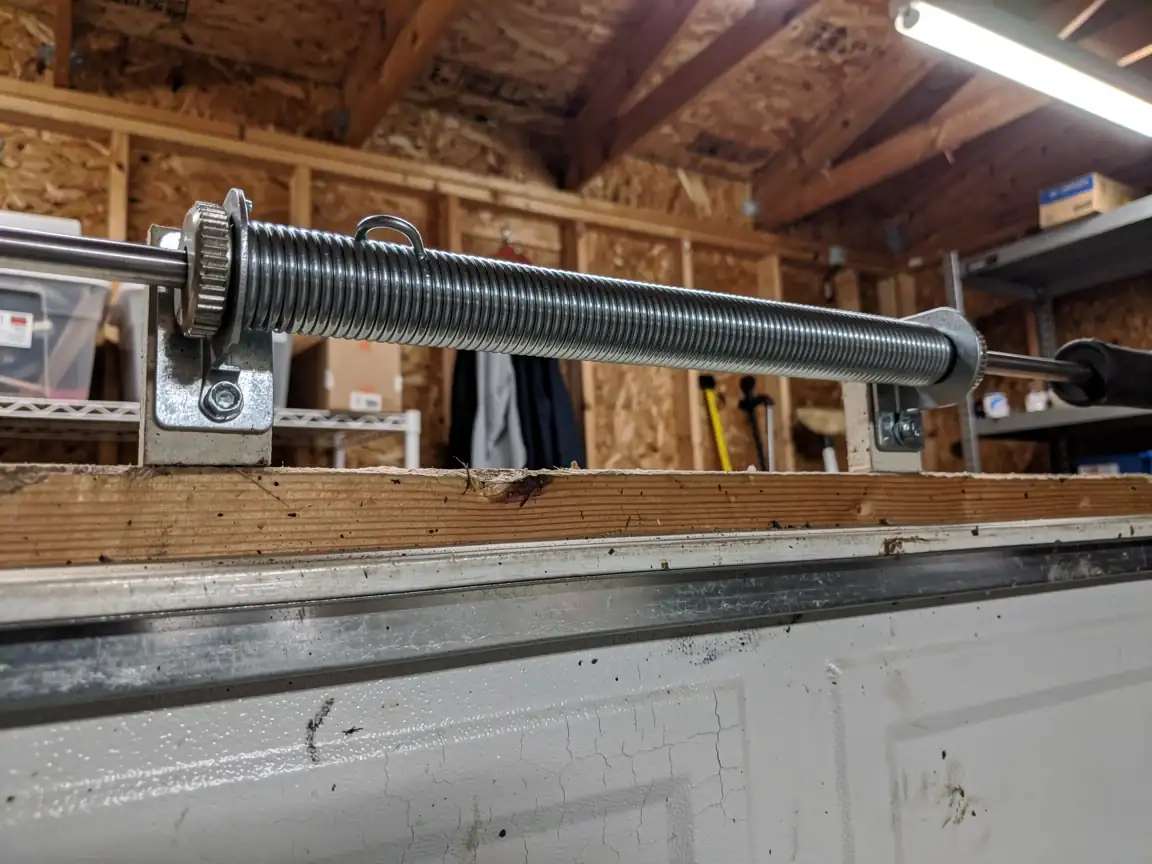
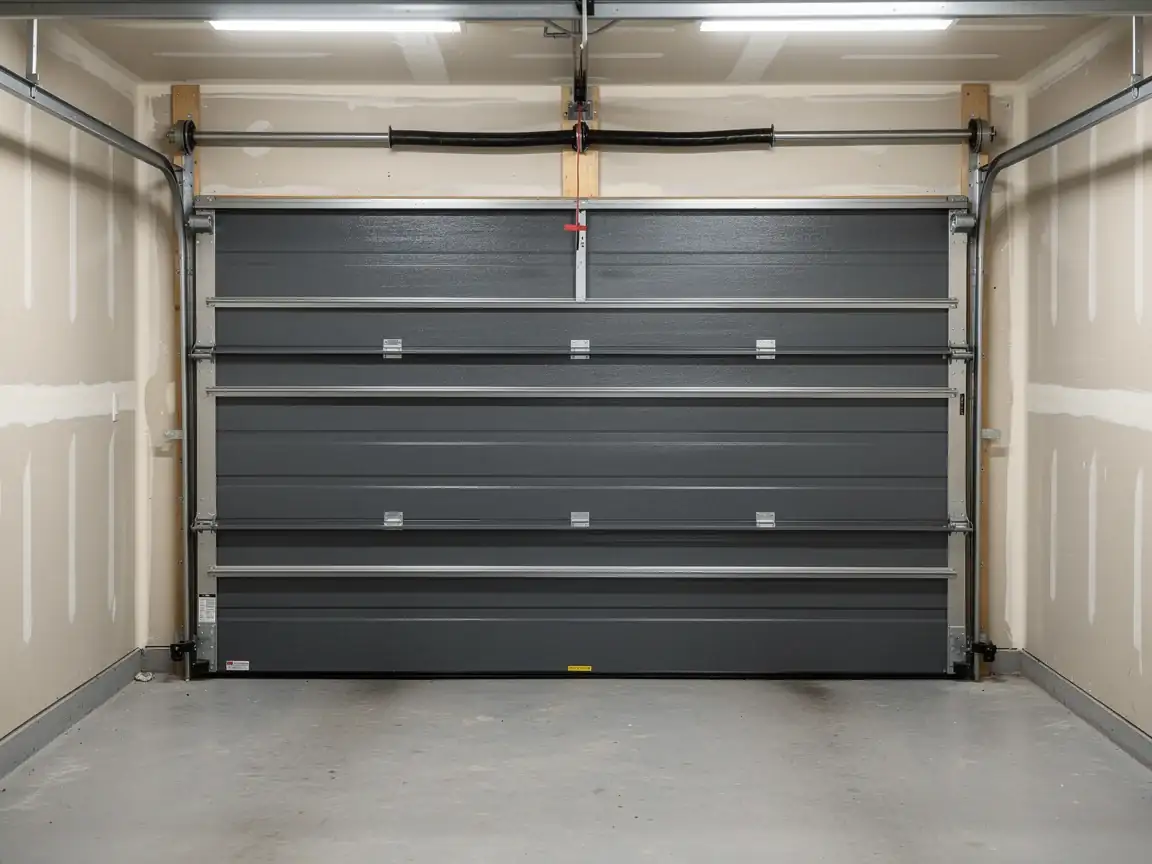
Given the age of the housing here, the calls from Redlands run heavier on hardware replacement than on simple adjustments. Extension springs from the late 1970s have usually been replaced once already, sometimes with mismatched parts, and we see a fair number of doors where the cable drums or end bearings are original. Torsion conversions come up often, since a lot of these doors were never upgraded from the lighter spring systems common to that era. We also get calls about openers that are simply worn out rather than broken outright, since an opener installed alongside a 1977 build is well past any reasonable service life. With winters in this part of Colorado landing in the severe cold band, we also see cold-stiffened springs and frozen track issues more here than you'd expect in a newer, better-sealed house. We don't push full replacement on a door that just needs new rollers and a cable, but on a lot of these older setups, repair is patching a system that's already at the end of its run.
What Was Built Here
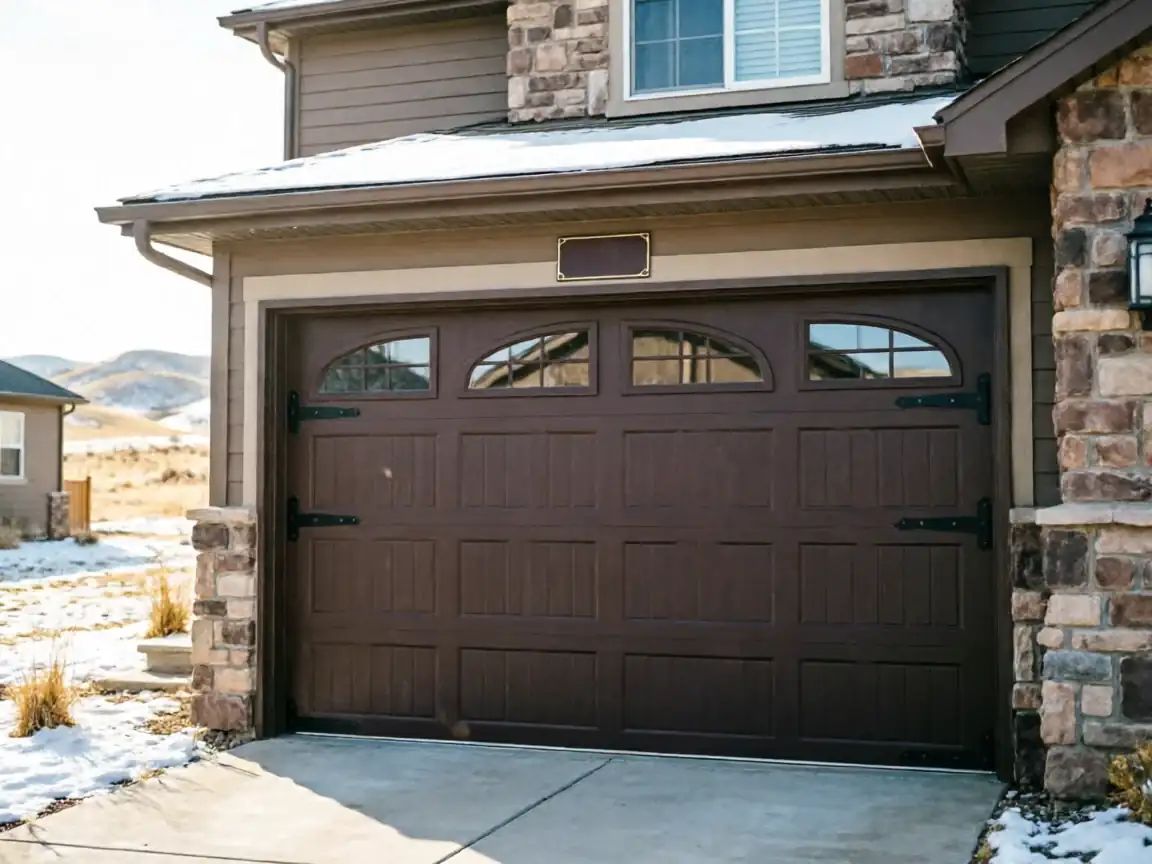
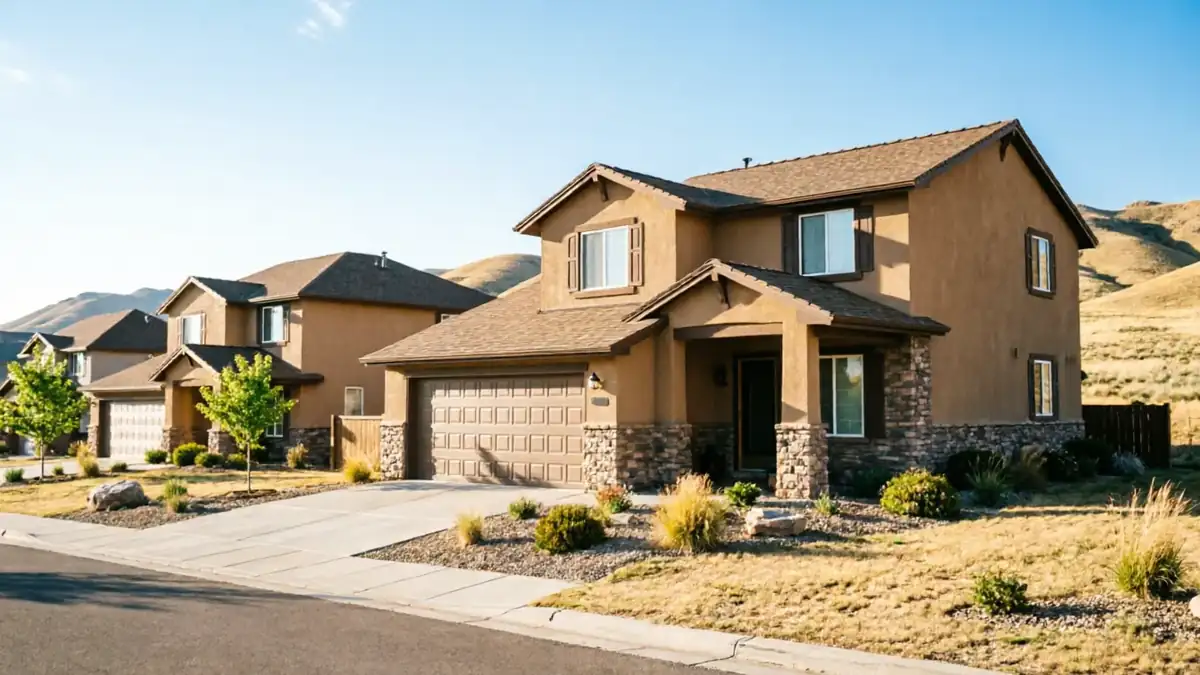
With roughly 3,486 households in Redlands, most of the housing clusters around that 1977 median, which puts a meaningful share of the doors in this area at 45-plus years old if never replaced. The broader service area runs 22,130 households with 14,945 owner-occupied houses, and a median household income of $76,339, but Redlands households run higher than that average, with median income near $97,500. That income level shows up in the calls - owners here are more likely to replace a tired door outright rather than keep patching an original one, especially once they've already paid for one spring replacement on 45-year-old hardware. We don't talk anyone into a full replacement who doesn't need one. But on a door this old, once the drums or torsion tube show wear, repair starts costing more over time than putting in a new door built for current spring ratios.