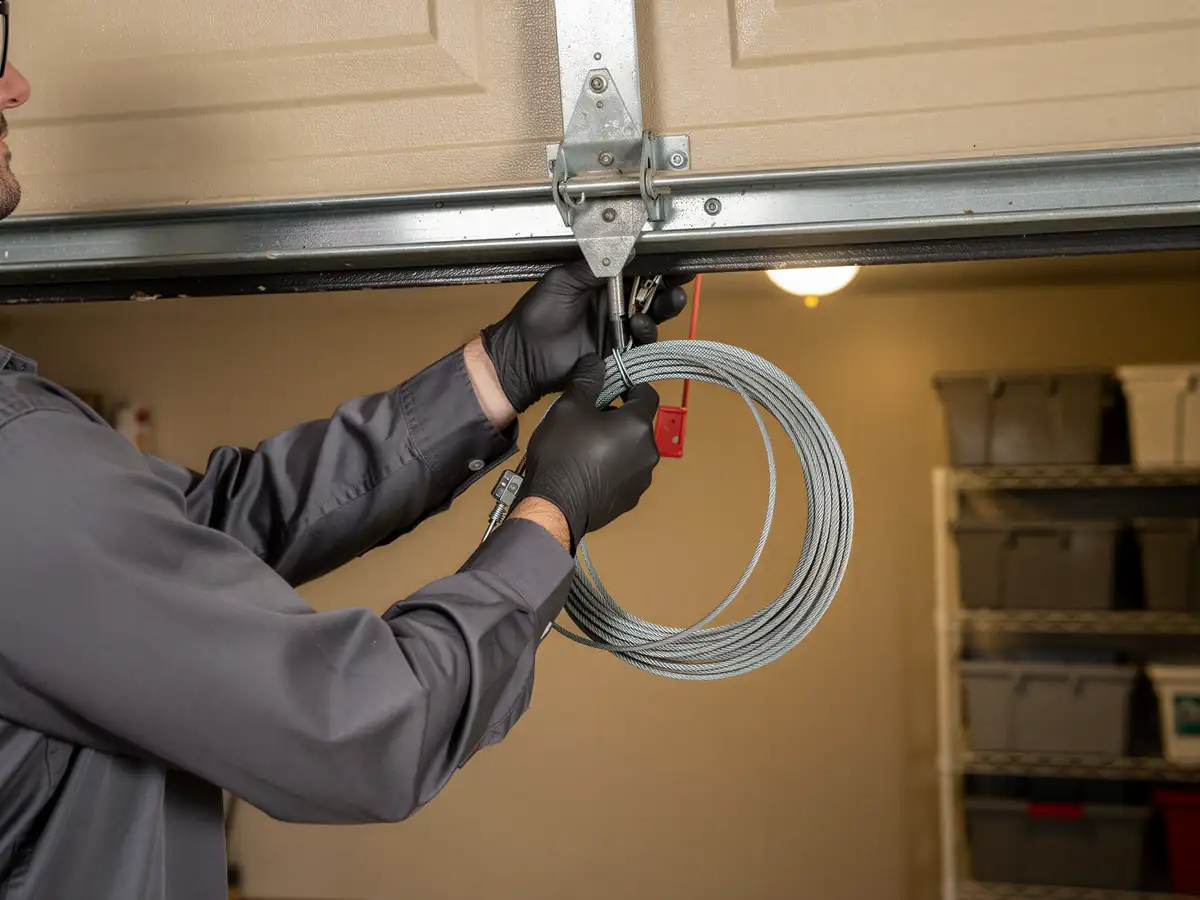
How It Shows Up
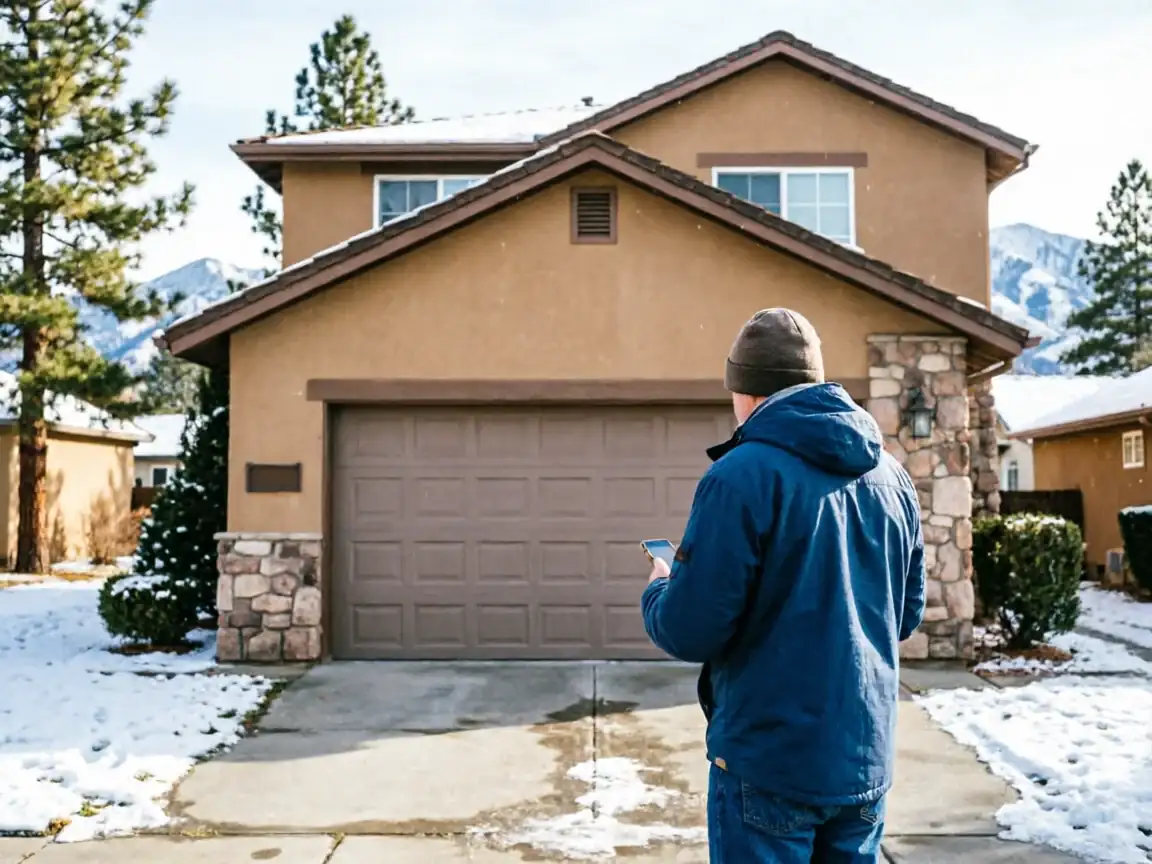
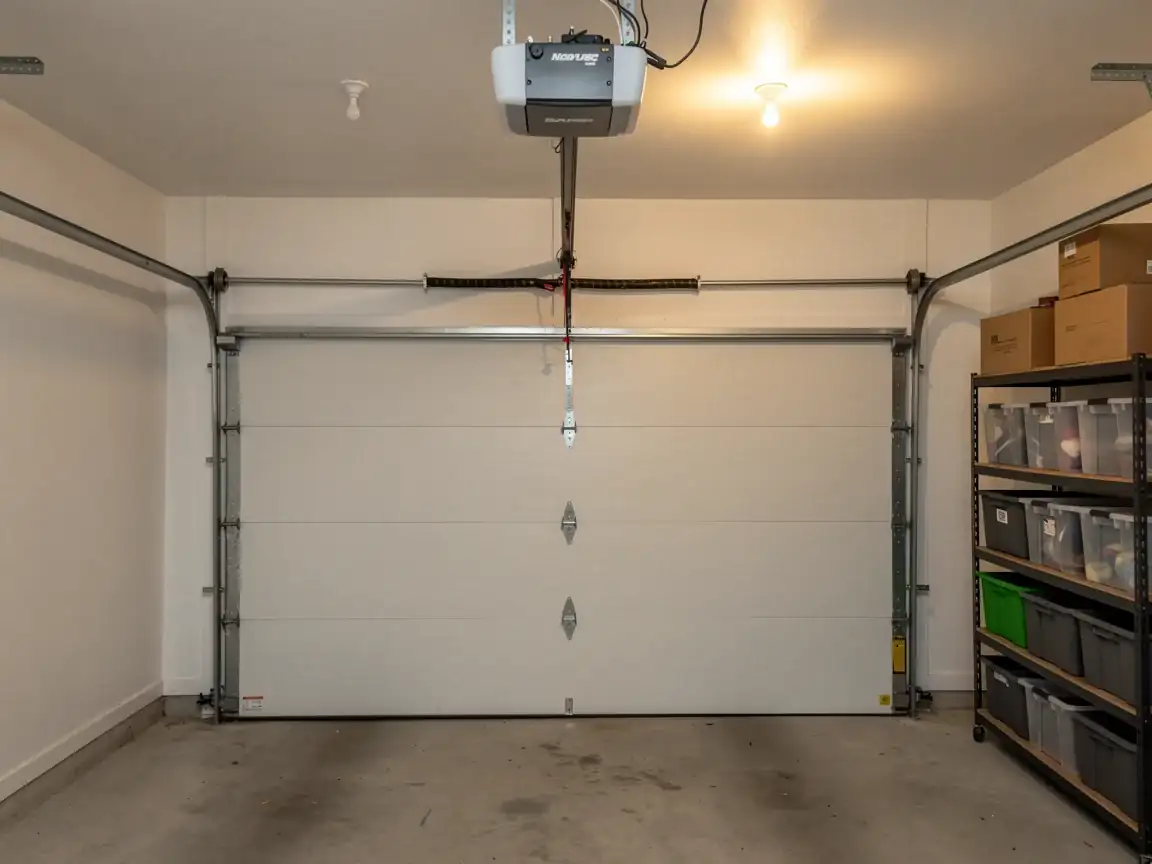
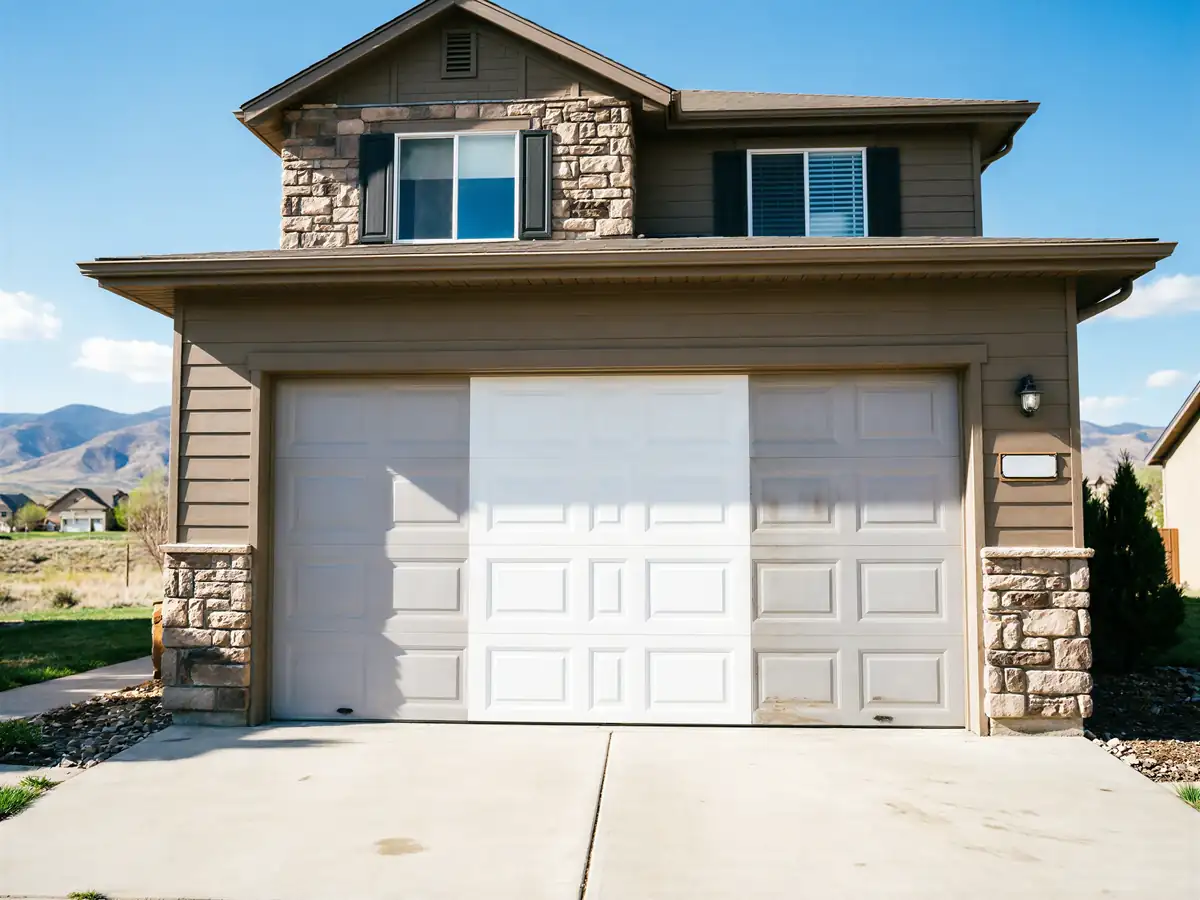
Redlands sits about 5 miles from our shop, and the median house out there went up in 1977 - older than most of the rest of the service area, where the typical build year runs closer to 1984. That matters for cable work specifically: a door hung in 1977 has had roughly five decades for its lift cables to work-harden, rust at the drum wraps, or fray where they cross the bottom bracket. A lot of those original cables were never swapped out, because a cable doesn't usually fail slowly - it fails the morning you need the door open.
What we see on these calls: one cable has stretched or frayed unevenly against its drum while the other side looks fine, so the door racks to one side when you hit the button. Sometimes a strand has already popped and is just waiting on the rest to go. Winters here are cold enough that steel cable gets brittle at the kink points, and a door that was sticky in December shows up with a snapped cable in January. If your door is original hardware on a house from the late 1970s, cable wear is less a maybe and more a when.
The DIY Question
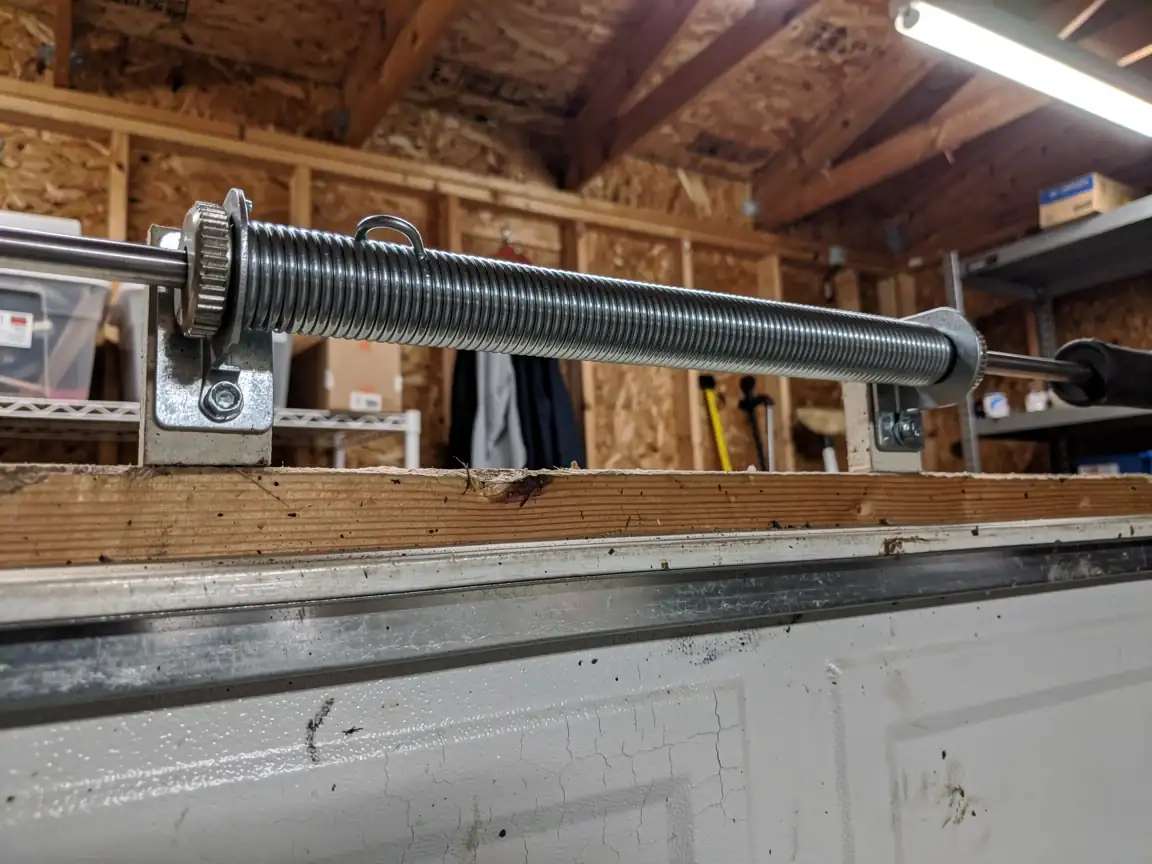
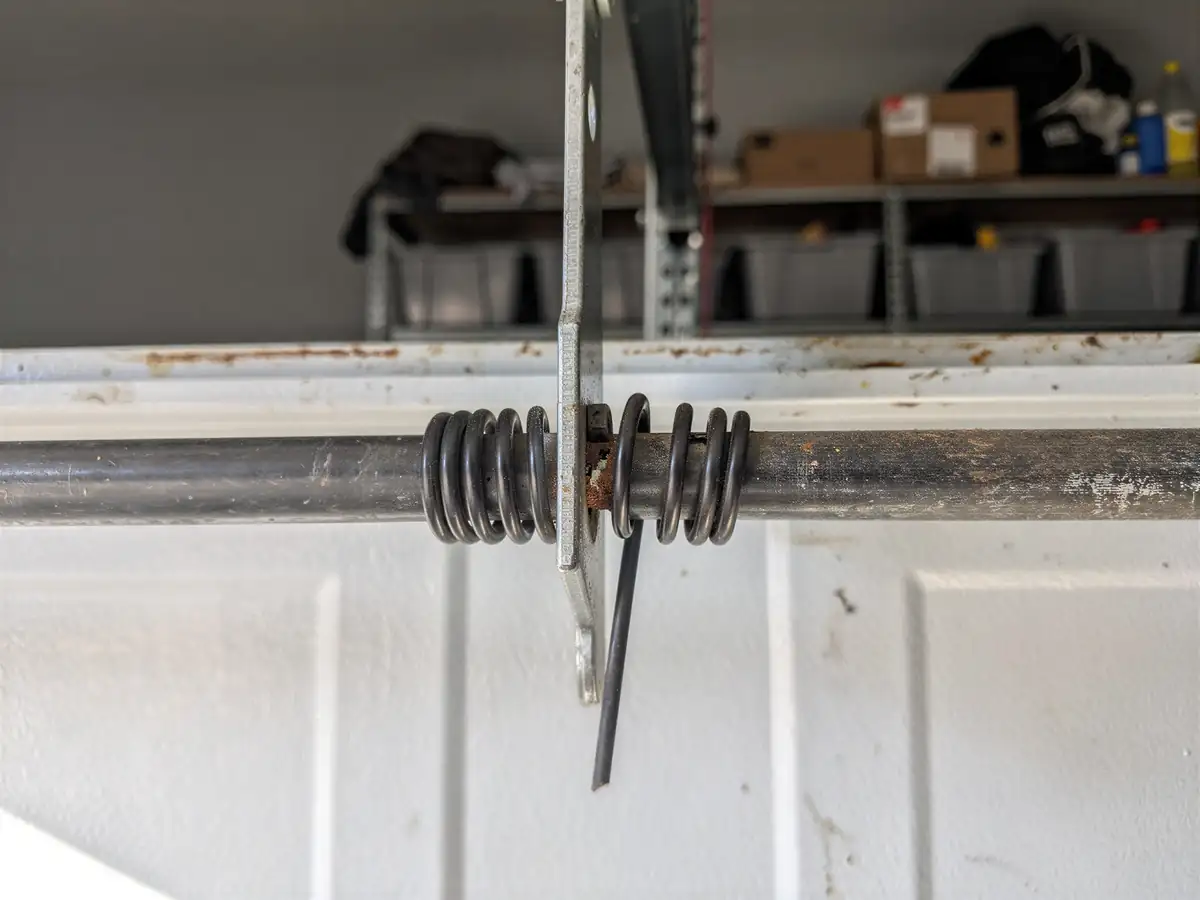
A broken lift cable is under load from a wound torsion or stretched extension spring, and that's the part that makes this a bad DIY job. The spring doesn't know the cable broke - it's still trying to move a door with no cable to transfer that force, which is how people lose fingers or get hit by a swinging bottom bracket. We're not going to tell you how to release that tension yourself.
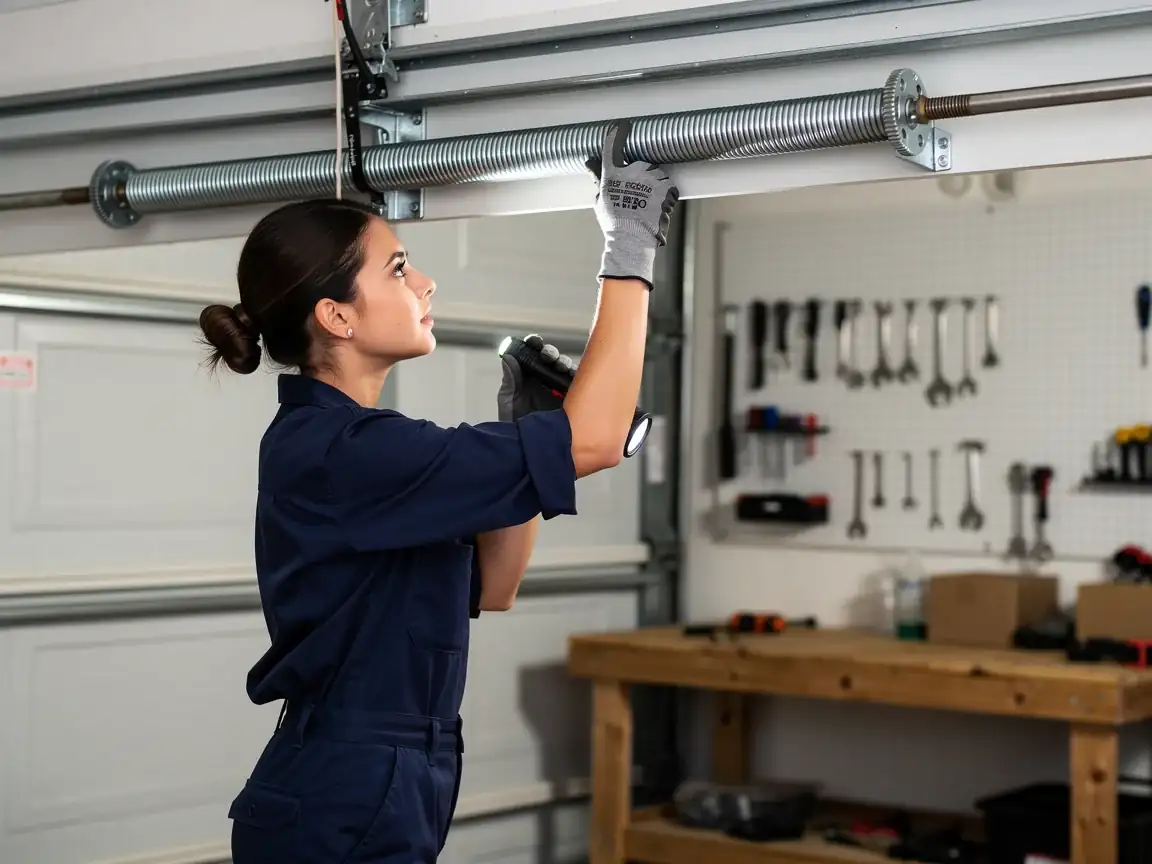
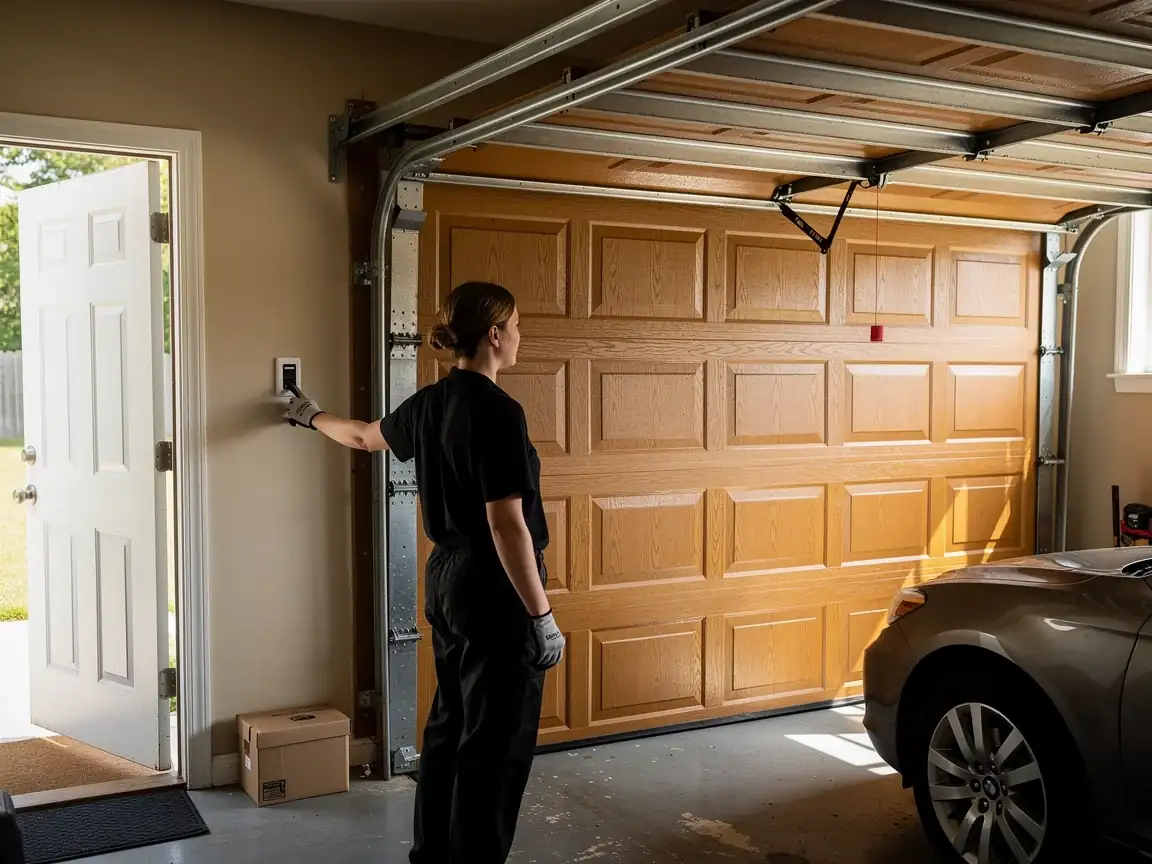
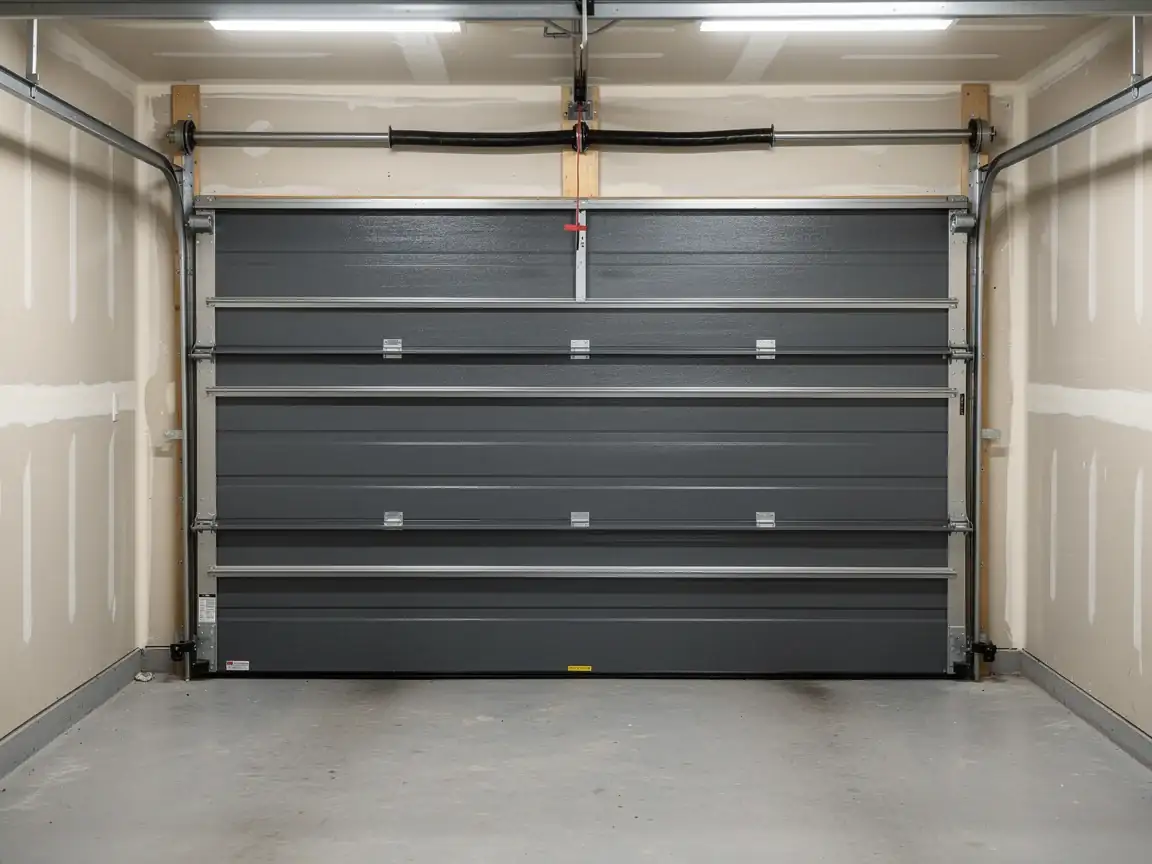
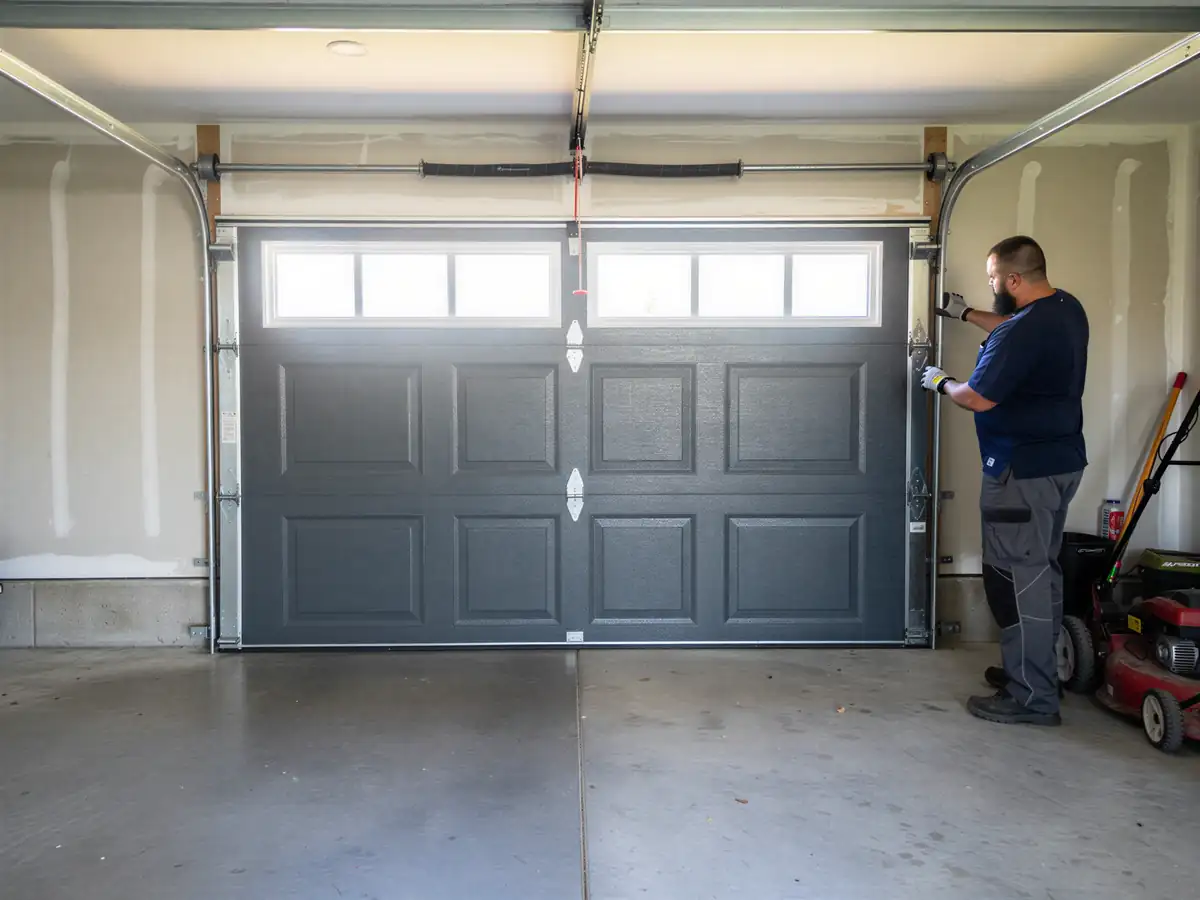
What you can safely check before calling: look at both cables where they wrap the drum at the top of the track. If one is frayed, kinked, or has visible rust bloom while the other is smooth, that's your answer, and it tells us which side to bring parts for. You can also note whether the door still opens by hand with the opener disconnected - if it's heavy or uneven, the spring is carrying the extra load the cable should be sharing, and that's worth mentioning when you call. Past that, leave the drum and spring alone.
Booking a Visit
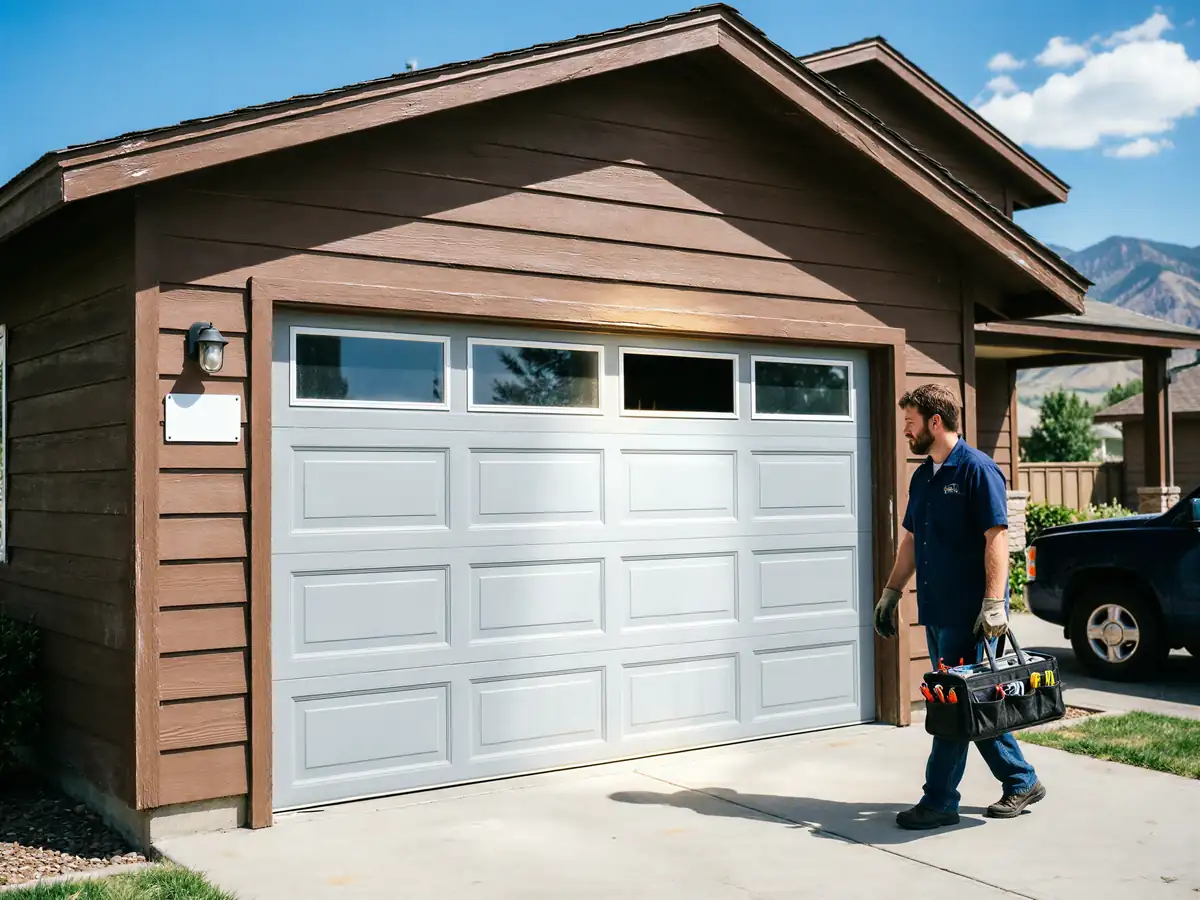
We work out of Grand Junction and cover Redlands as part of the regular route
It's a short drive, not a special trip, so there's no premium for being out this way. When you call, tell us the house is in Redlands and roughly how old the door is; if it matches the neighborhood's late-1970s build era, we'll bring both a standard-length cable set and the clips sized for that older hardware, since drum and bracket dimensions shifted a bit over the following two decades of construction in this area.
Median household income out here runs higher than the broader service area's $76,339, closer to $97,500
Which doesn't change how we price the job but does mean we're often replacing cable on doors that were never cheap builder-grade units to begin with - heavier panels, which puts more load on a worn cable. Have the make of your opener handy if you know it; it's not required, but it saves a step.
Time on the Job
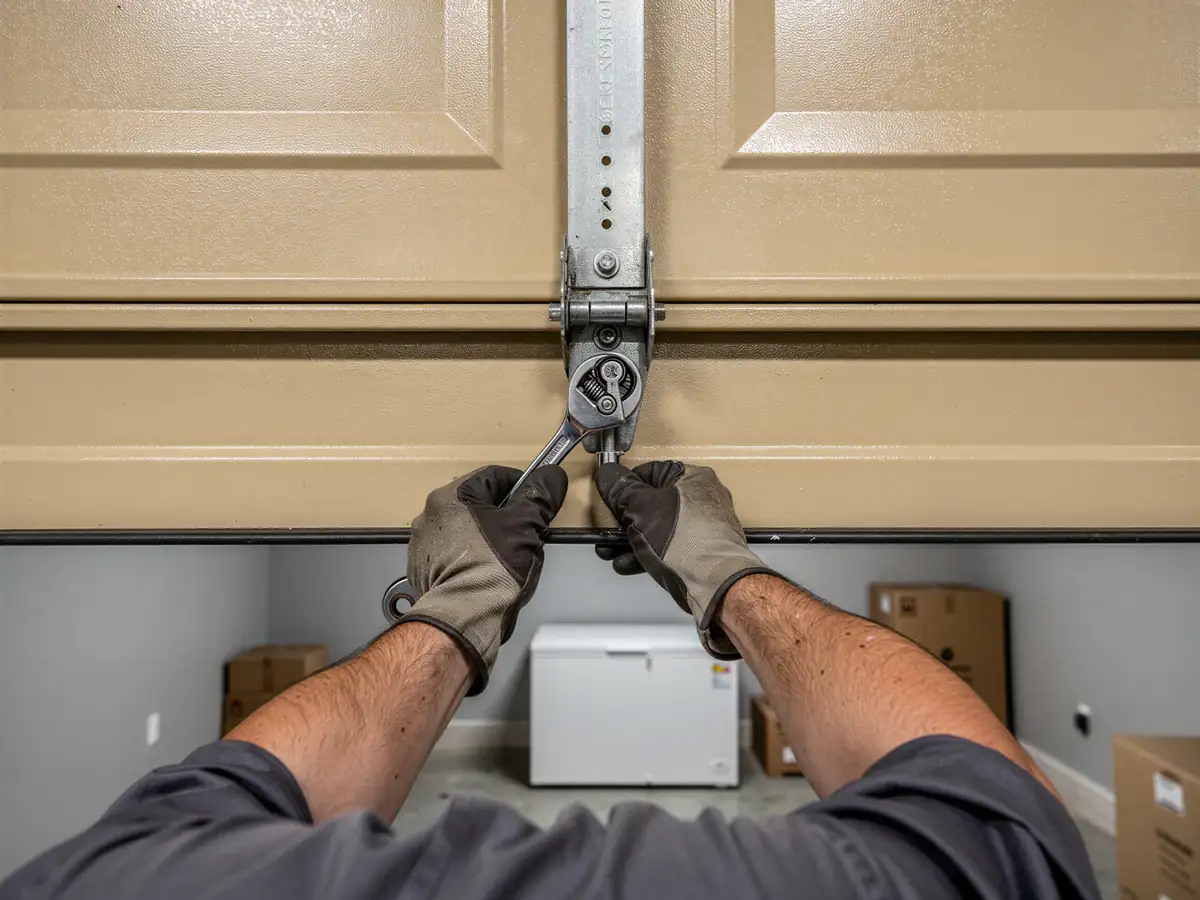
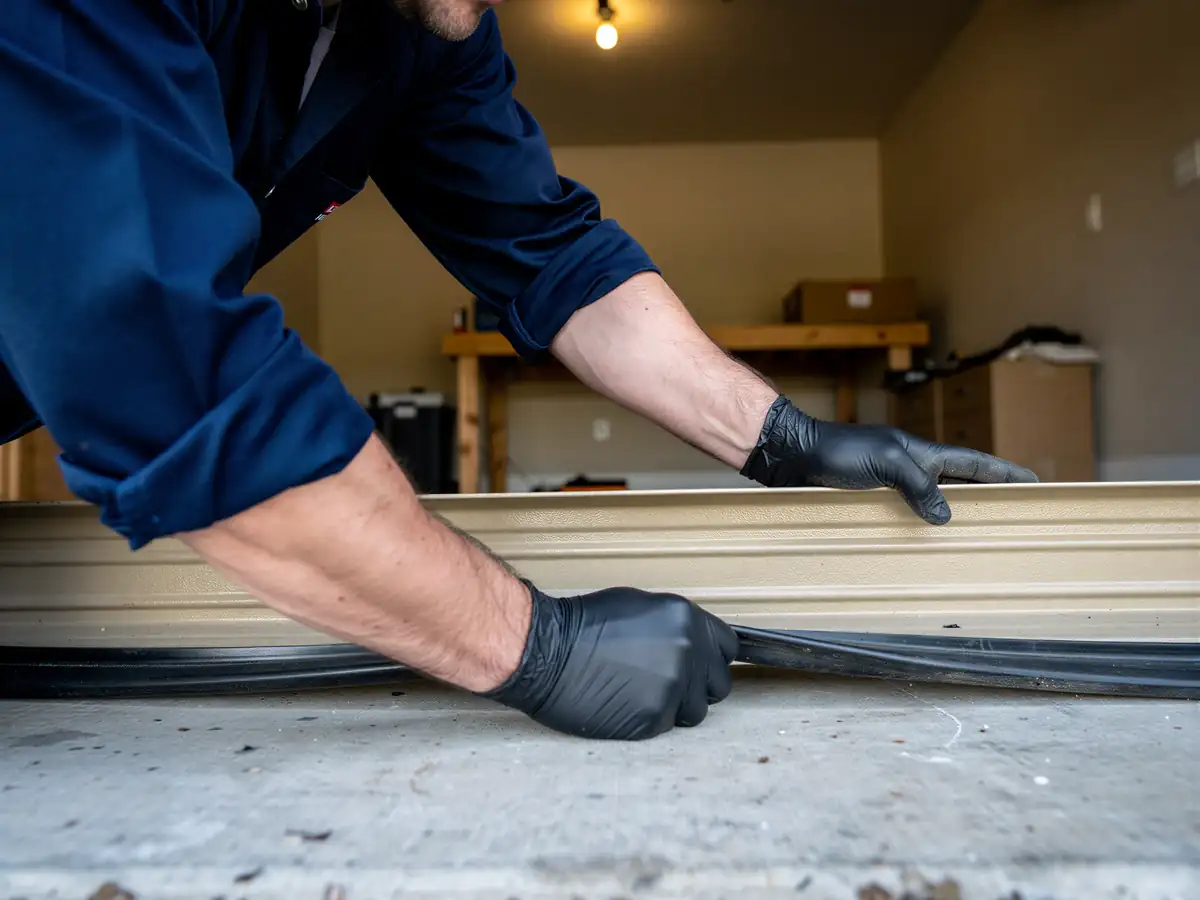
A straightforward two-cable replacement on a residential door, done with the right stock in the truck, is usually a same-visit fix - we wind down the spring, pull the old cable off the drum, set the new one, and re-tension. Where it runs longer is when the drum itself is grooved from decades of the old cable riding in one worn channel, or when the track brackets have rusted enough from cold-season moisture that they need straightening or swapping along with the cable. On a house built in 1977, we check both of those while we're in there, because replacing a cable and leaving a chewed-up drum means you're back out in a year.
One limitation worth saying plainly: if the door itself is original and the bottom section or hinges are also failing, cable repair stops being the right fix and replacement starts making more financial sense - we'll tell you if that's the case rather than patch a door that's done.