The Problem
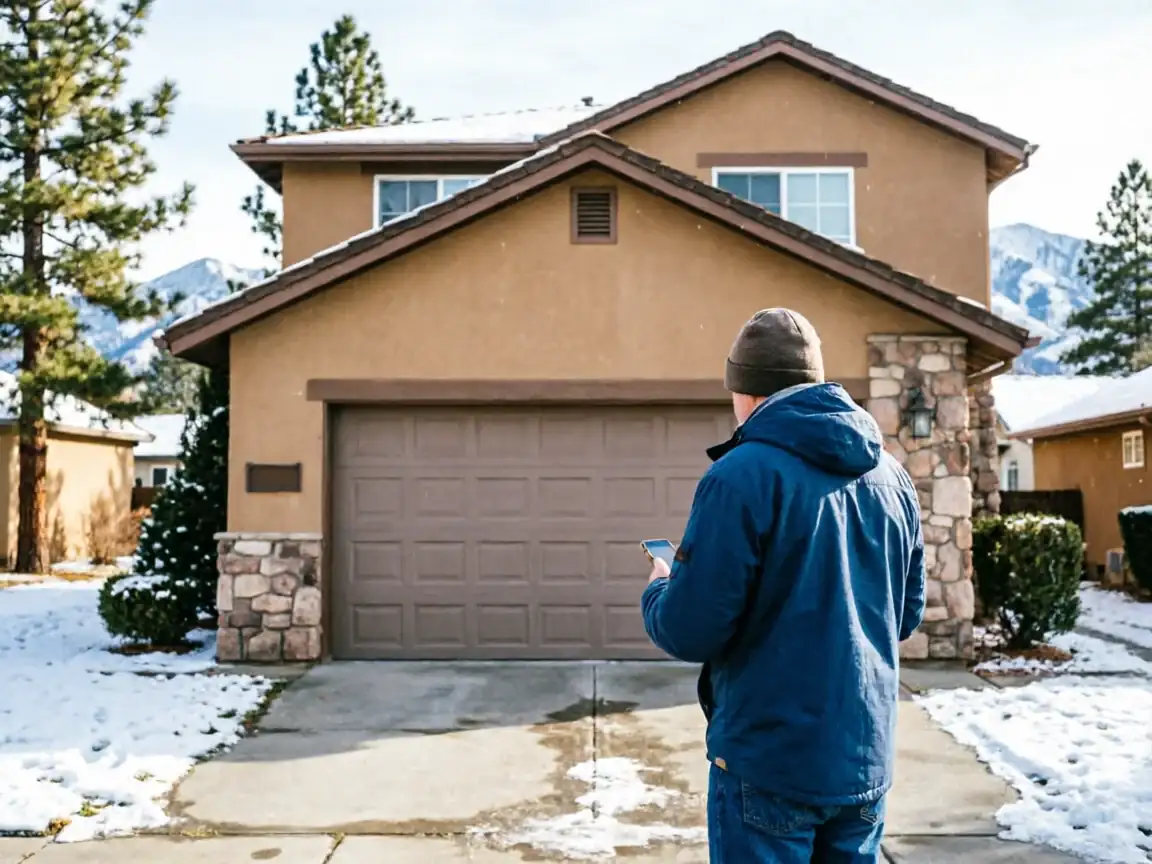
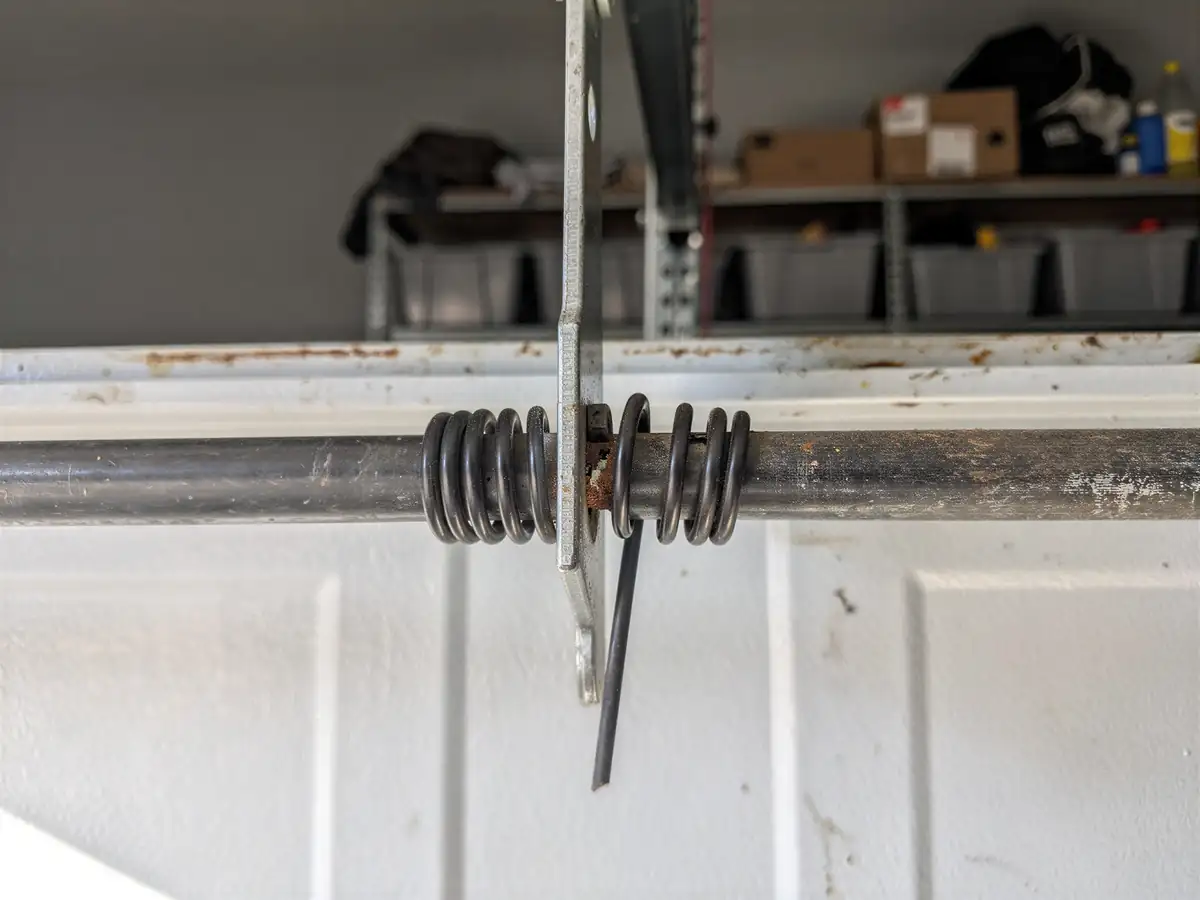
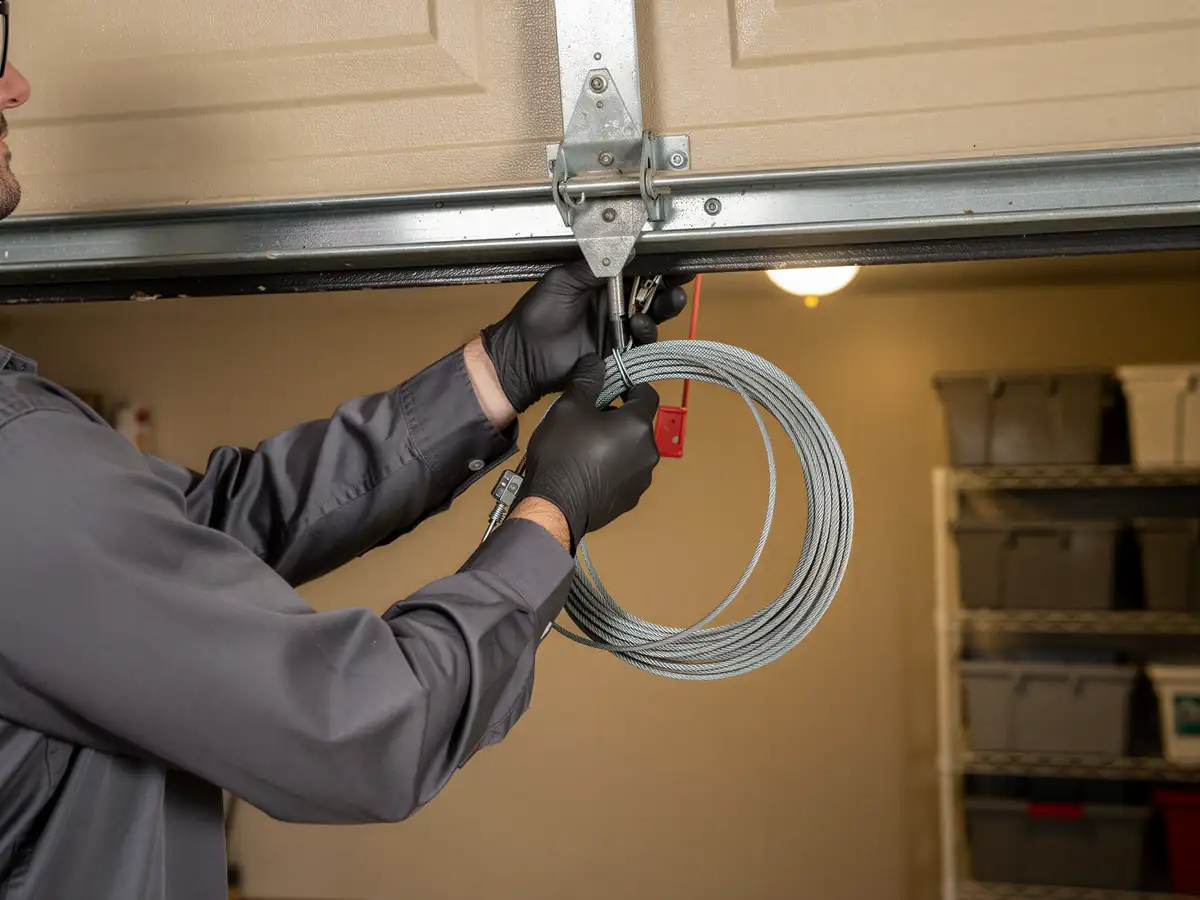
A torsion spring doesn't care that it's Tuesday. It cares about cycles and temperature, and most houses across Orchard Mesa, Redlands, Fruitvale, Clifton were built between 1977 and 1998, with the median landing around 1984. That means a lot of original or first-replacement springs are now 25 to 45 years old, wound from steel that's gone through four decades of expansion and contraction. Cold makes steel more brittle and less forgiving of the small nicks and corrosion spots that build up over that many years. The spring that's been creaking all fall doesn't usually fail on a mild afternoon. It fails on the first hard cold morning, when the metal is stiffest and the door gets asked to lift a weight it's carried ten thousand times before. You hear a bang, the door won't budge or drops fast, and the cable or spring is sitting there wound tight or lying slack across the top of the opening. That's a parts-and-labor call, not a tighten-this-bolt call, and it's not safe to force the door open by hand.
How Local Conditions Play In
Grand Junction sits in a cold-severe climate band, and that matters more than people think for a garage that isn't heated or insulated. Lubricant on an old spring or roller thickens in low temperatures, which adds resistance right when the steel is already less flexible. Houses from the 1980s and 90s stock common to this service area were mostly built with standard torsion hardware sized for the doors of that era - not lighter modern insulated panels, not heavier modern steel doors. If a spring was ever swapped for a mismatched replacement, the cold exposes that mismatch fast, because an under-sized spring is already working harder every cycle before temperature becomes a factor. None of this means every door is at risk every winter. It means a 40-year-old spring in an uninsulated garage, in a climate that actually drops hard, is carrying more stacked-up risk than the same spring would in a mild coastal town. That's the local math, not a scare tactic.
Checking It Yourself
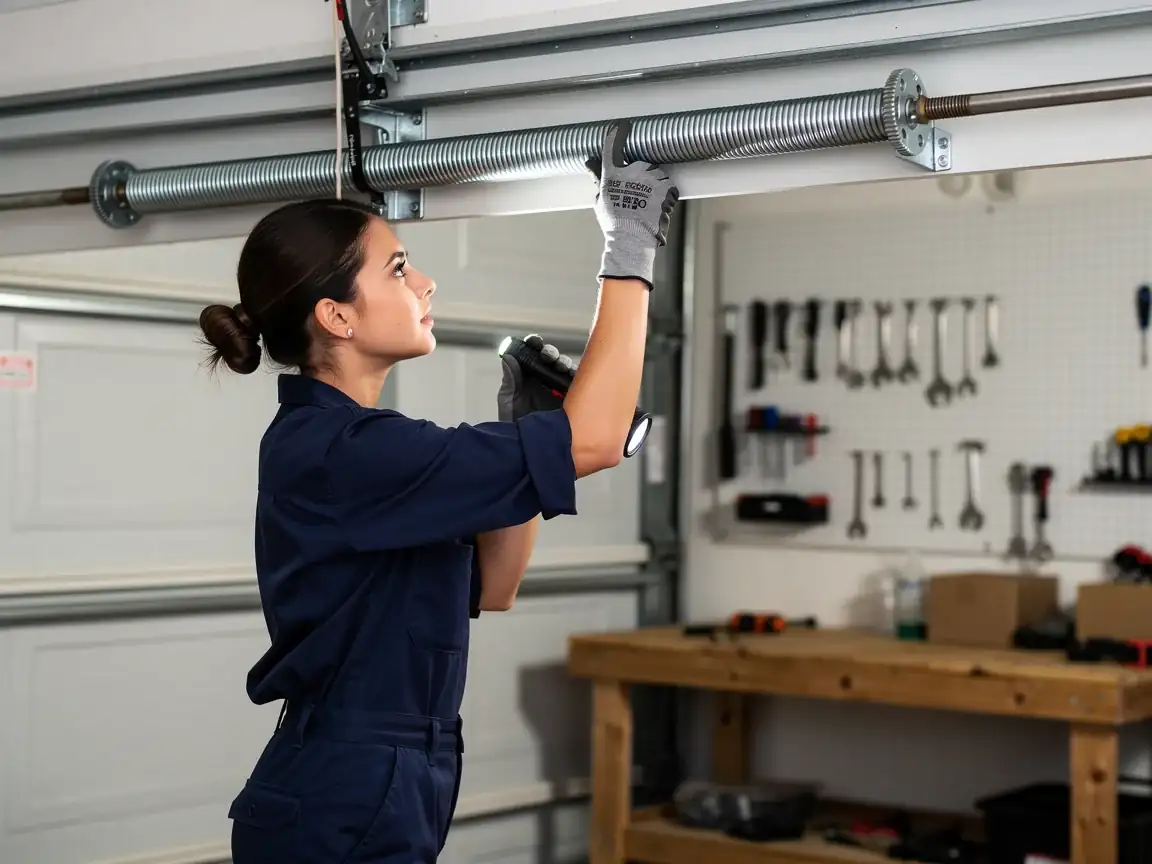
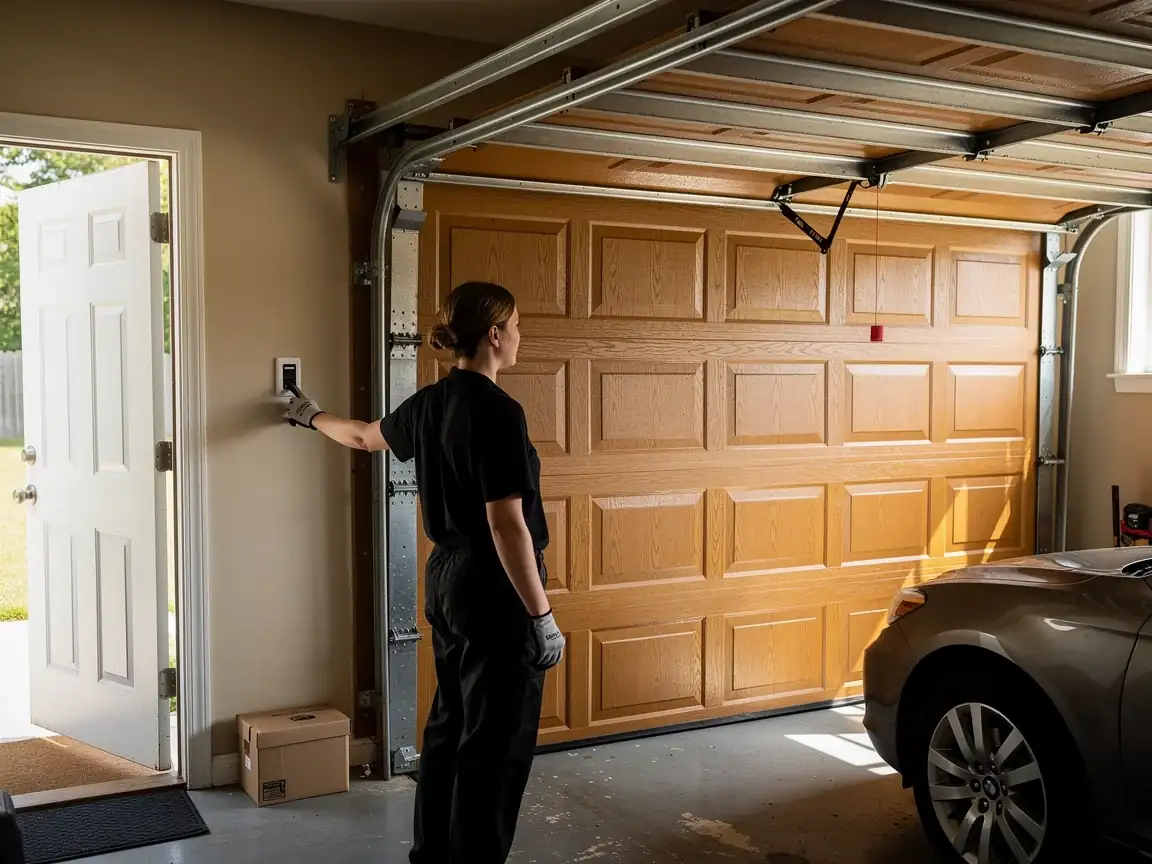
You can look at a torsion spring without touching it. Open the garage, look up at the shaft above the door - most Grand Junction houses of this era have a single or double torsion spring mounted there. Check for a visible gap in the coil, rust streaks on the winding, or a spring that looks stretched compared to its mate on a two-spring setup. Lift the door halfway by hand with the opener disconnected; it should hold its position on its own. If it drops or shoots up, the spring is out of balance and working harder than it should, which matters more once the metal is cold-stiff. Don't cut the spring, don't loosen the winding cones, and don't try to re-tension it yourself - that's the one part of this job where a mistake can put someone in the hospital. A visual check and a hand-lift test are the limit of what's safe to do without the right bars and clamps.