How It Shows Up
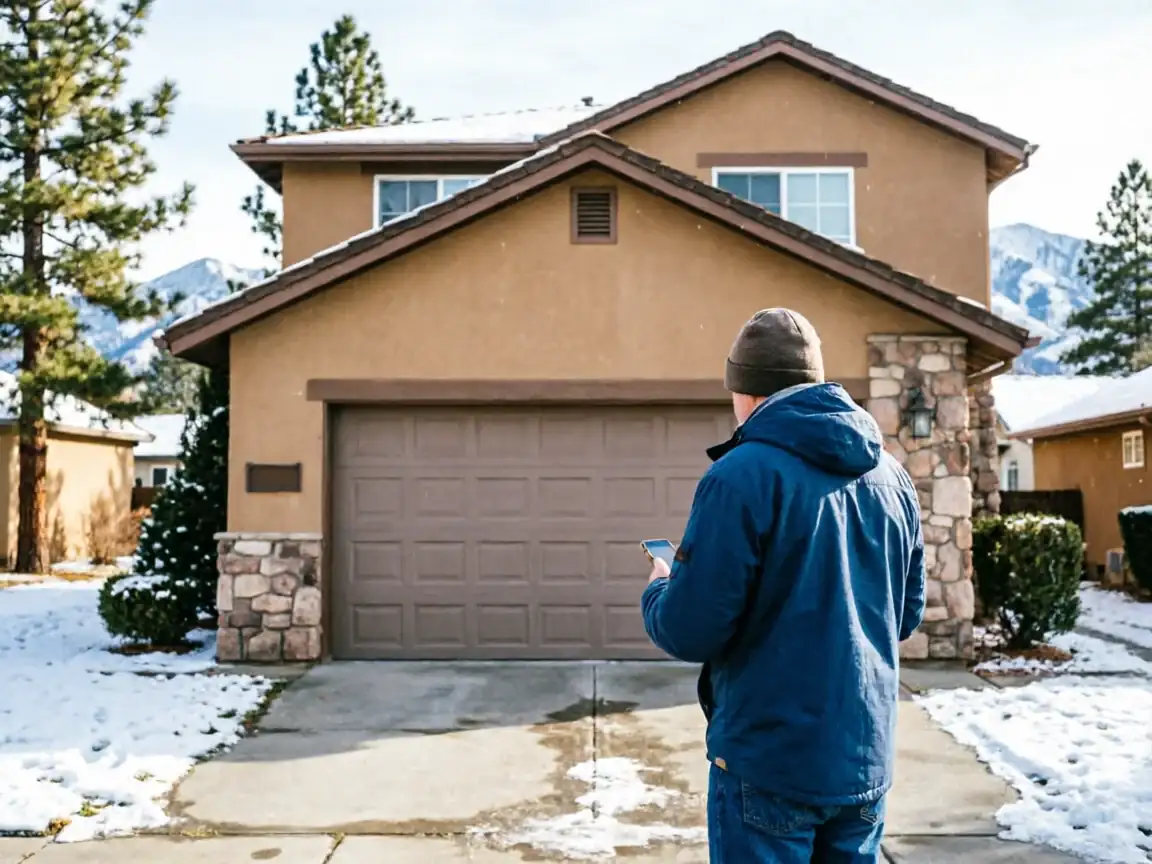
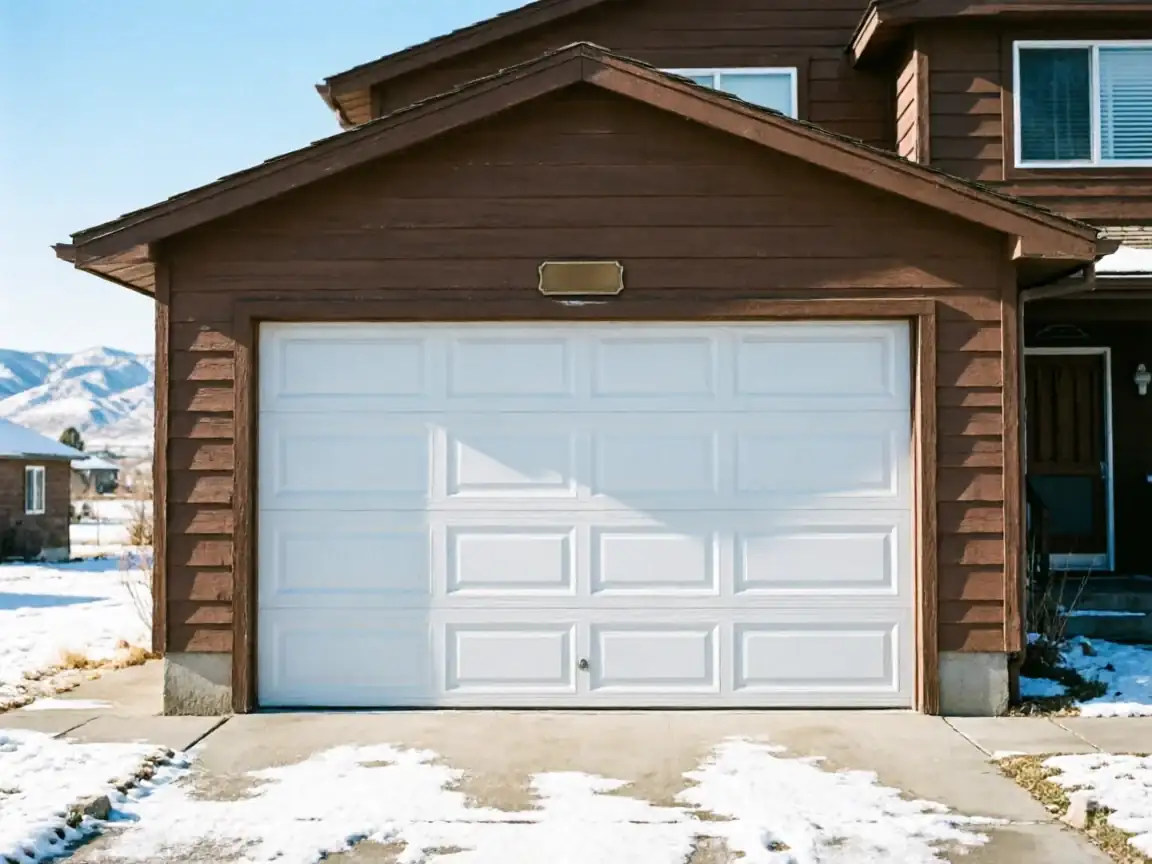
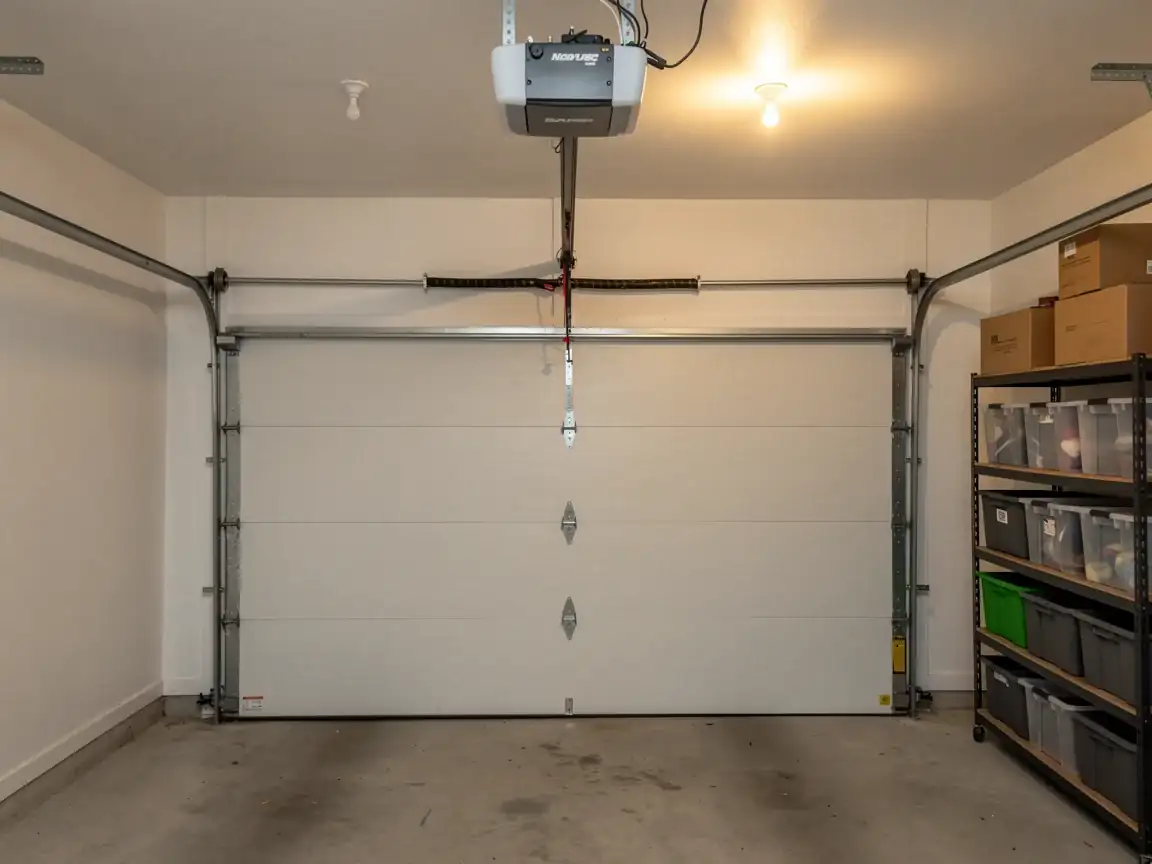
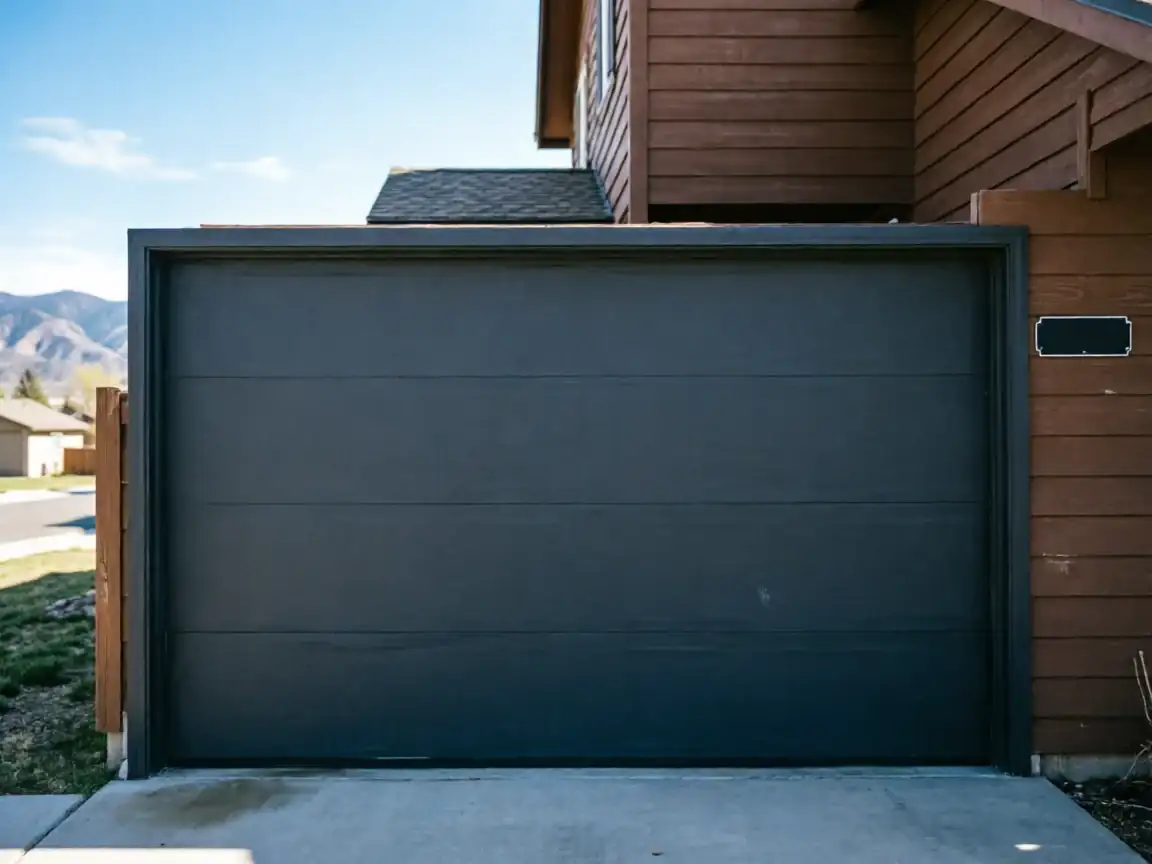
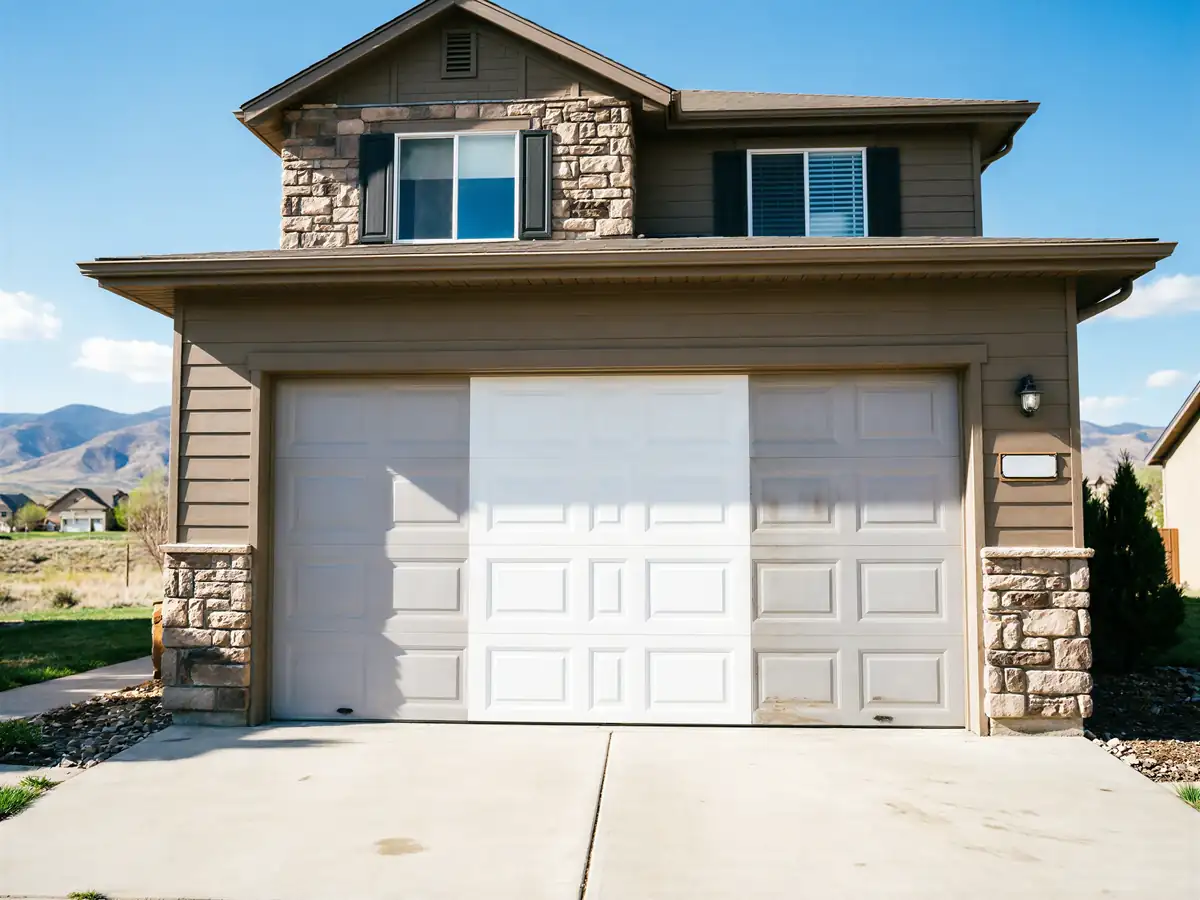
Redlands is a small pocket, about 3,486 households, which means the spring calls we get from here are more alike than you'd think. Most of the houses in this stretch went up around 1977, right in the middle of the 1977-1998 window that covers a lot of this service area. A door built then is usually running its original torsion spring and the galvanized coating on that wire has had roughly four and a half decades of winter to work through.
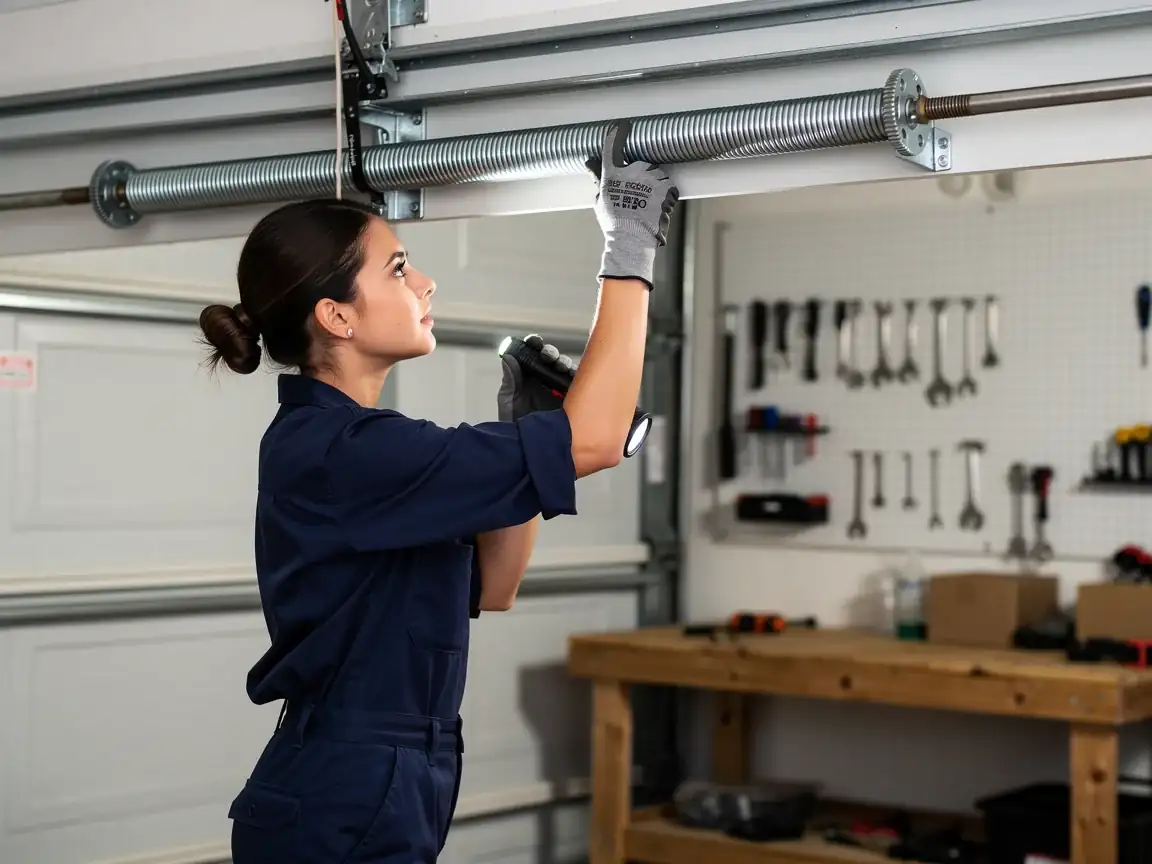
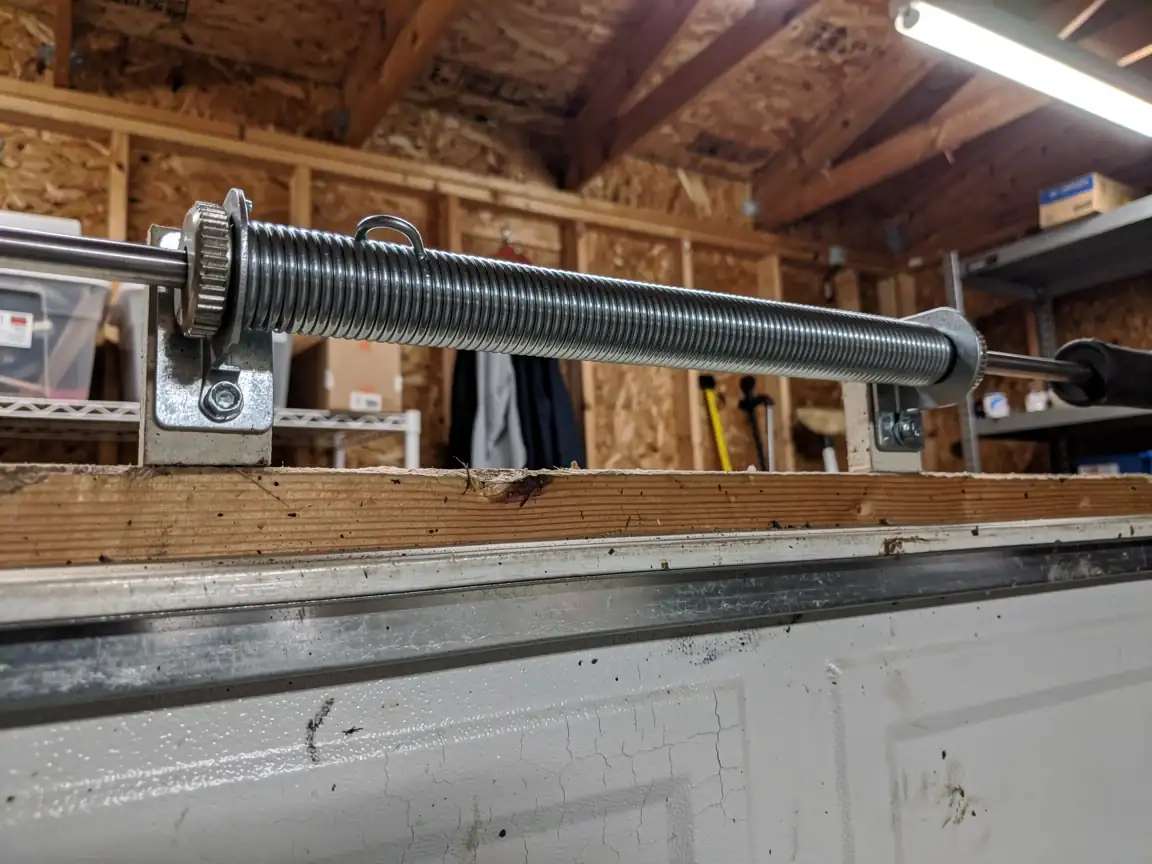
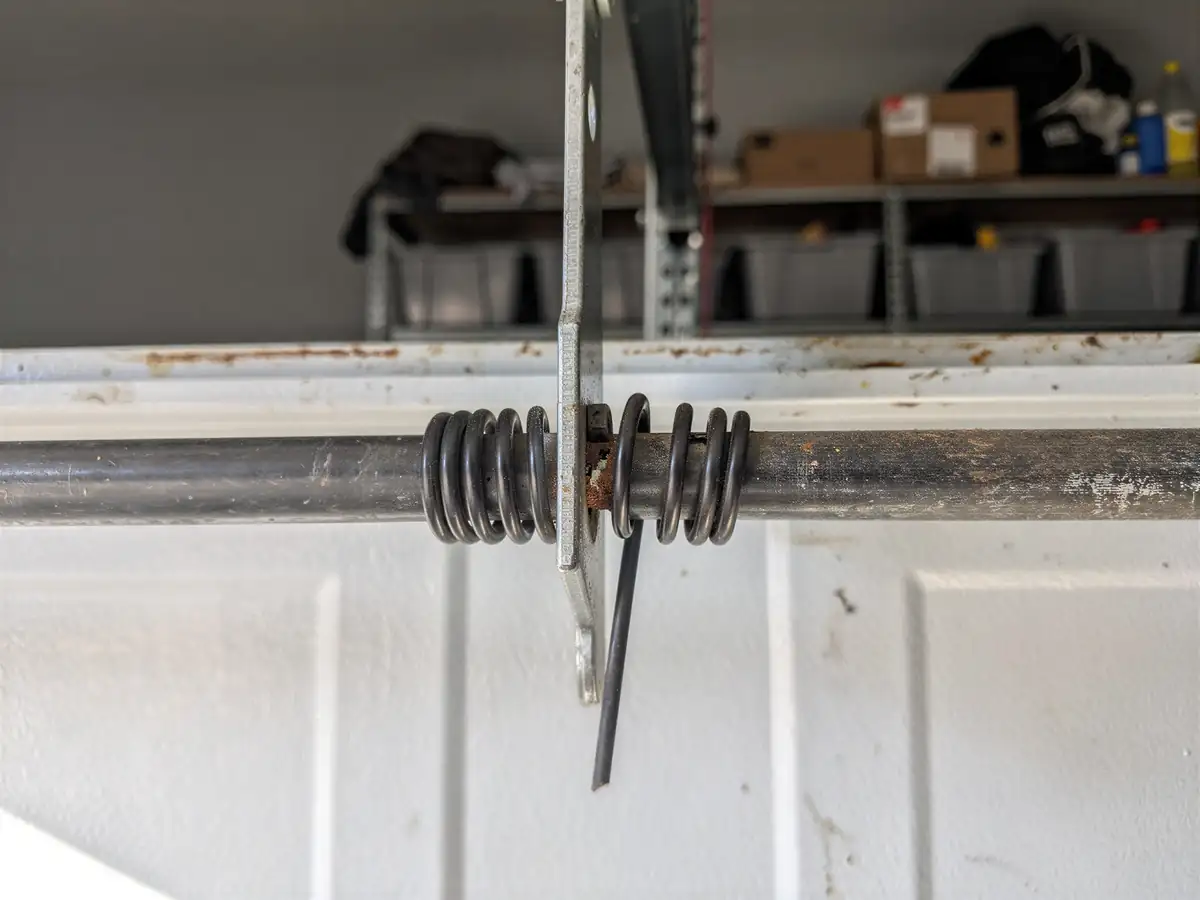
The tell is almost always the same: the door won't lift, or it lifts six inches and stalls, or you hear a bang from the garage and now the opener just hums. That bang is the spring letting go, usually on a cold morning when the steel is stiffest and the grease inside the coil has thickened. Redlands sits in a cold-and-severe climate band, and that swing between a hard freeze overnight and sun on the door by afternoon is what fatigues old wire faster than age alone would.
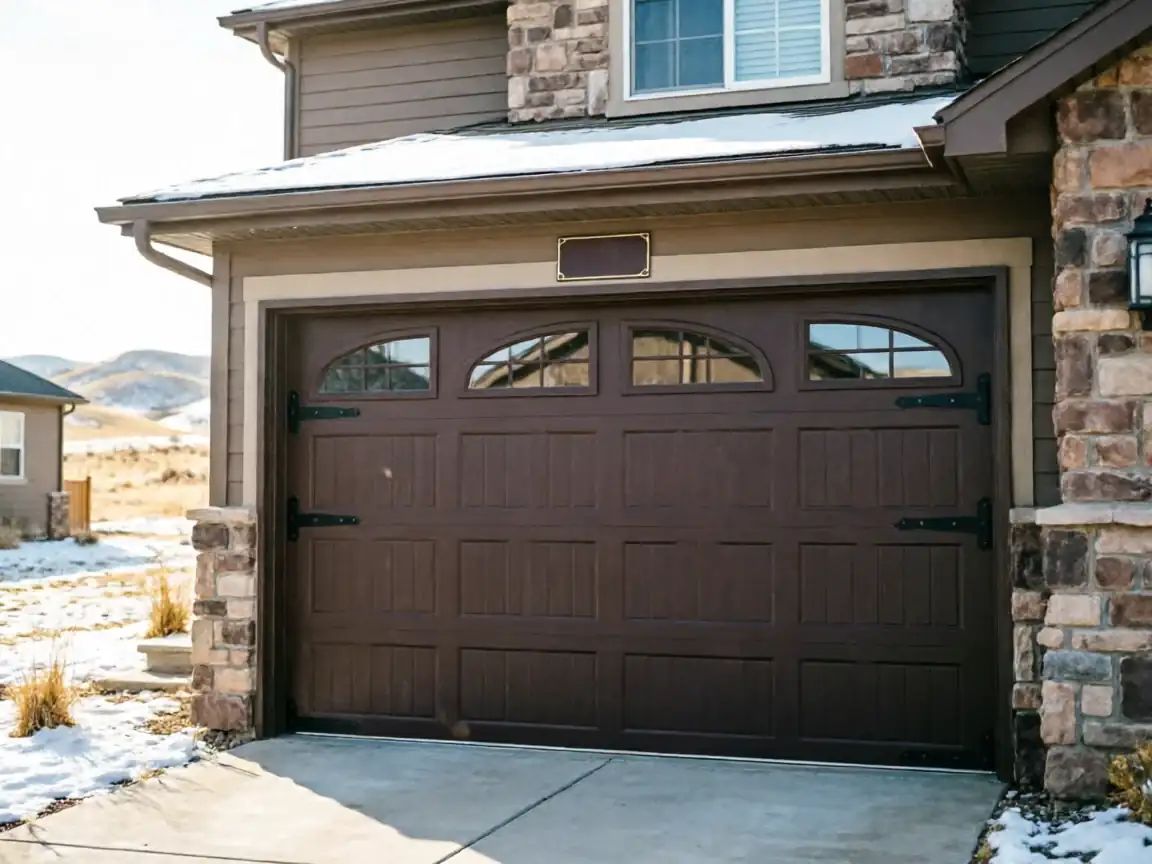
On a 1977-era door you'll also sometimes find a single spring doing a job that current code would split across two, which matters for how we price and how long the fix holds up over the next few winters.
The DIY Question
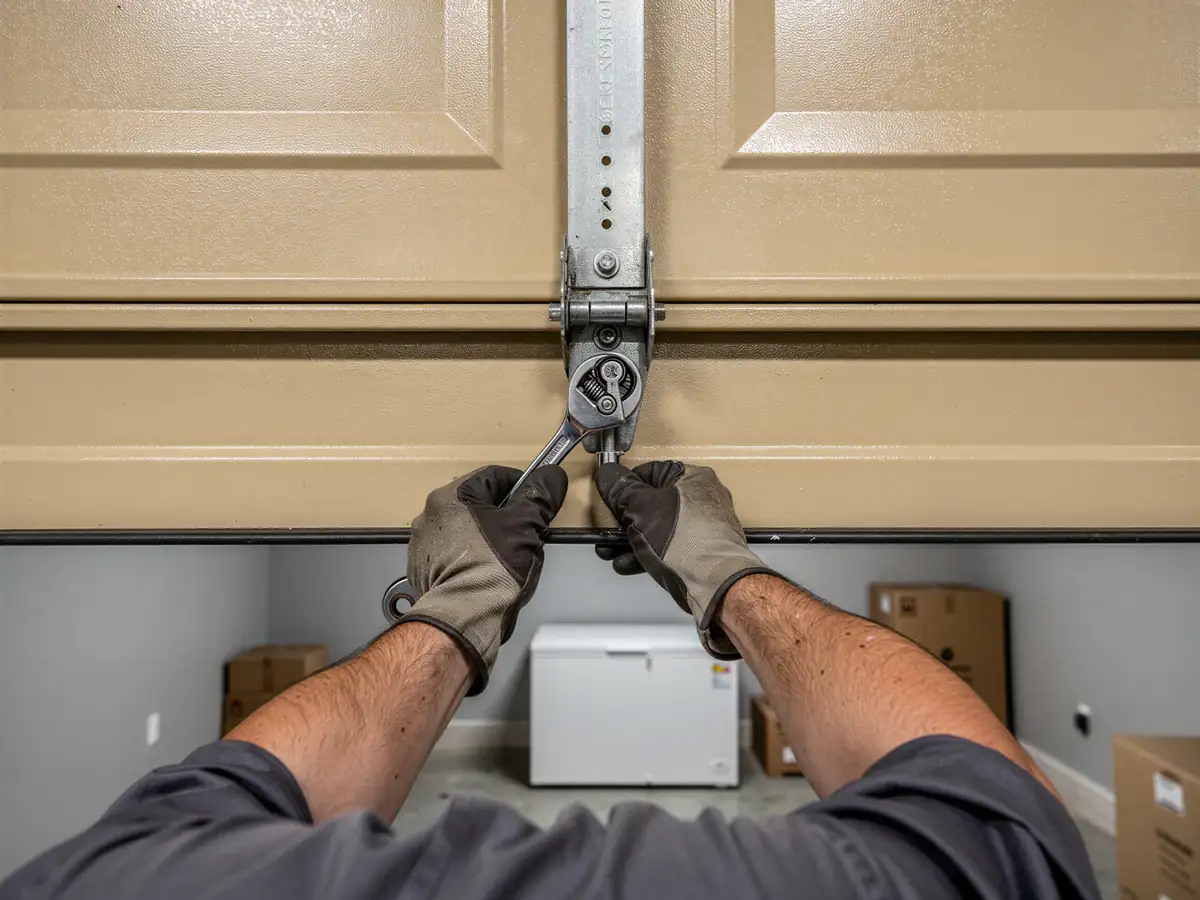
A broken torsion spring is not a job to open YouTube for. The spring is wound under enough tension to break bone, and on a door from 1977 you're also dealing with original end bearings and a center support bracket that's been rated for one spring's worth of stress for forty-some years. We've been called out after a homeowner's own wrench slipped off the winding bar.
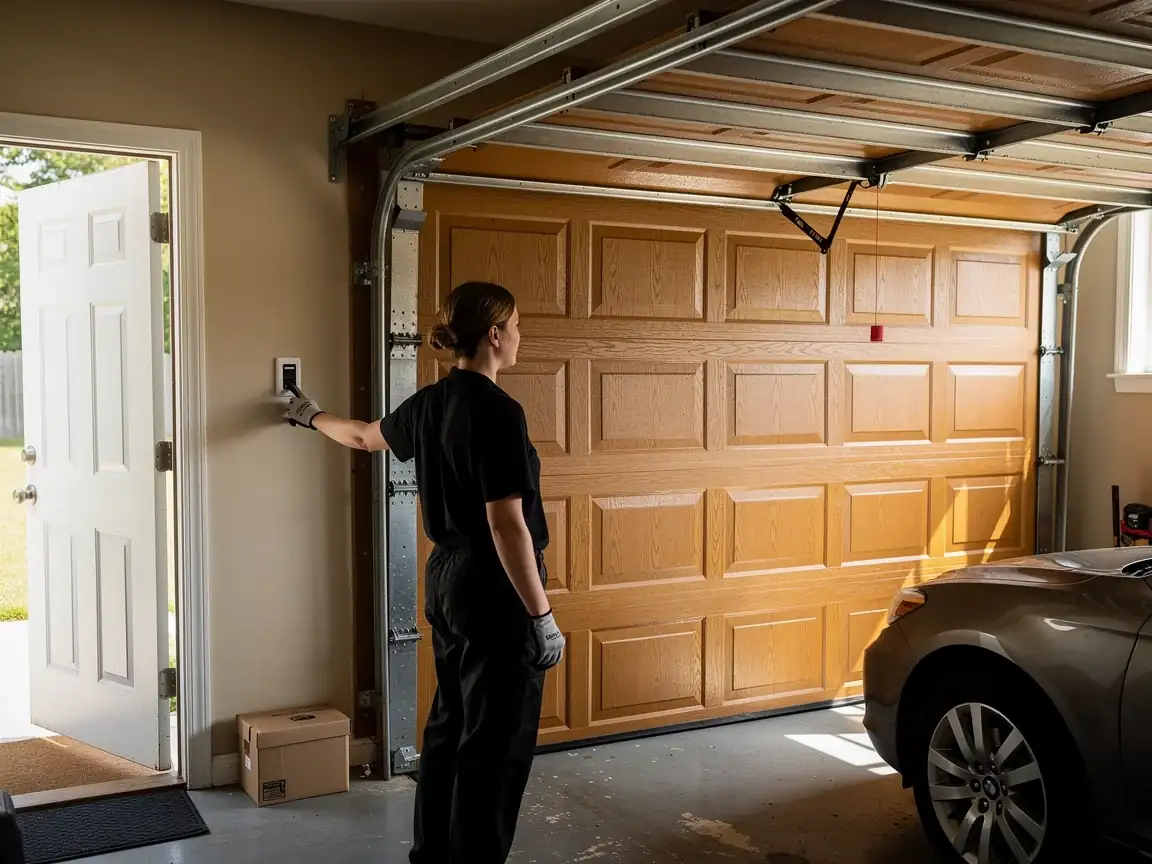
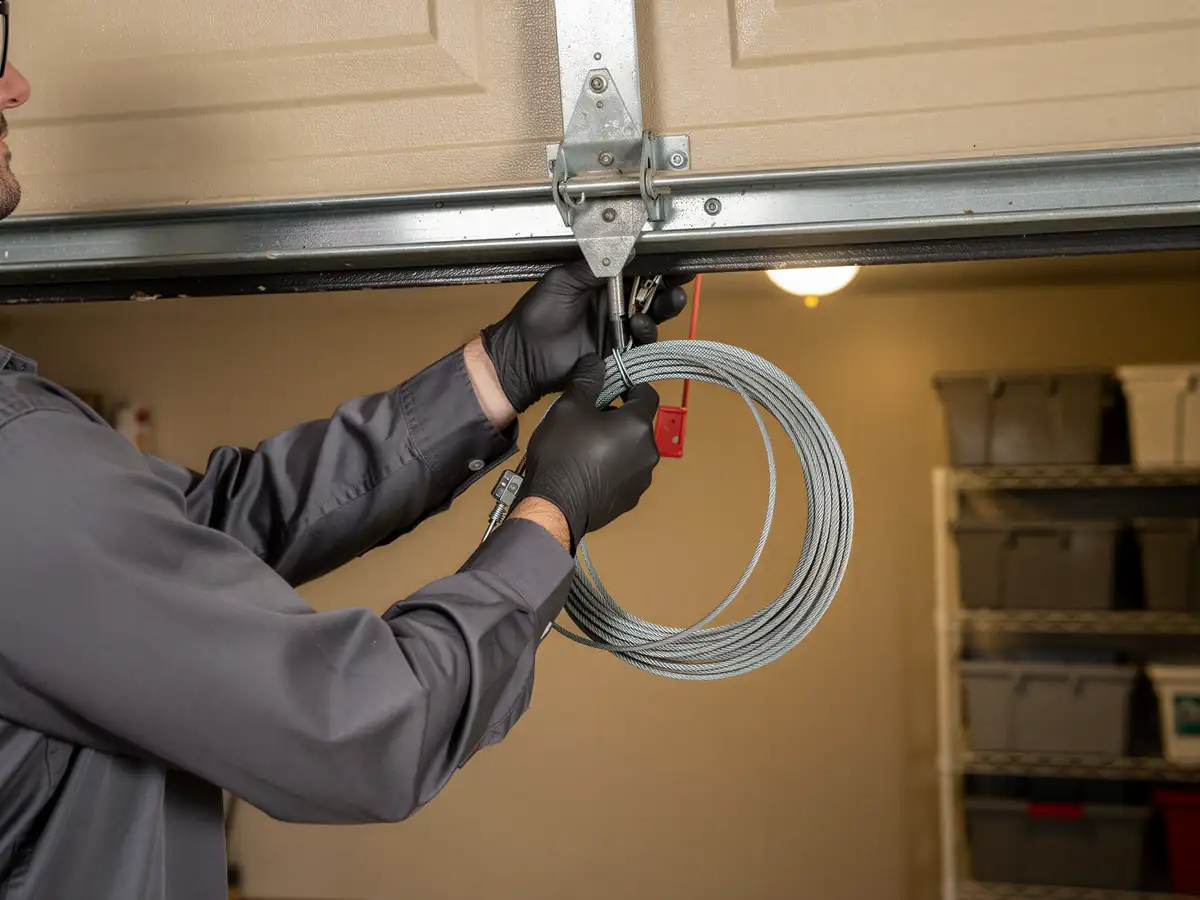
What you can safely check yourself: whether the opener motor runs but the door doesn't move (spring, not opener), whether the cable looks frayed near the bottom bracket, and whether the door is noticeably heavier to lift by hand than it used to be. All three tell us something before we even arrive.
Here's the honest limit: if the torsion tube, bearing plates, or track on a door this old are rusted or bent, replacing just the spring is a short-term patch. We'll tell you straight if the door's hardware is past the point where a spring swap makes sense versus a full replacement, rather than selling a repair that'll be back in your driveway in a year.
Booking a Visit
We run out of Grand Junction
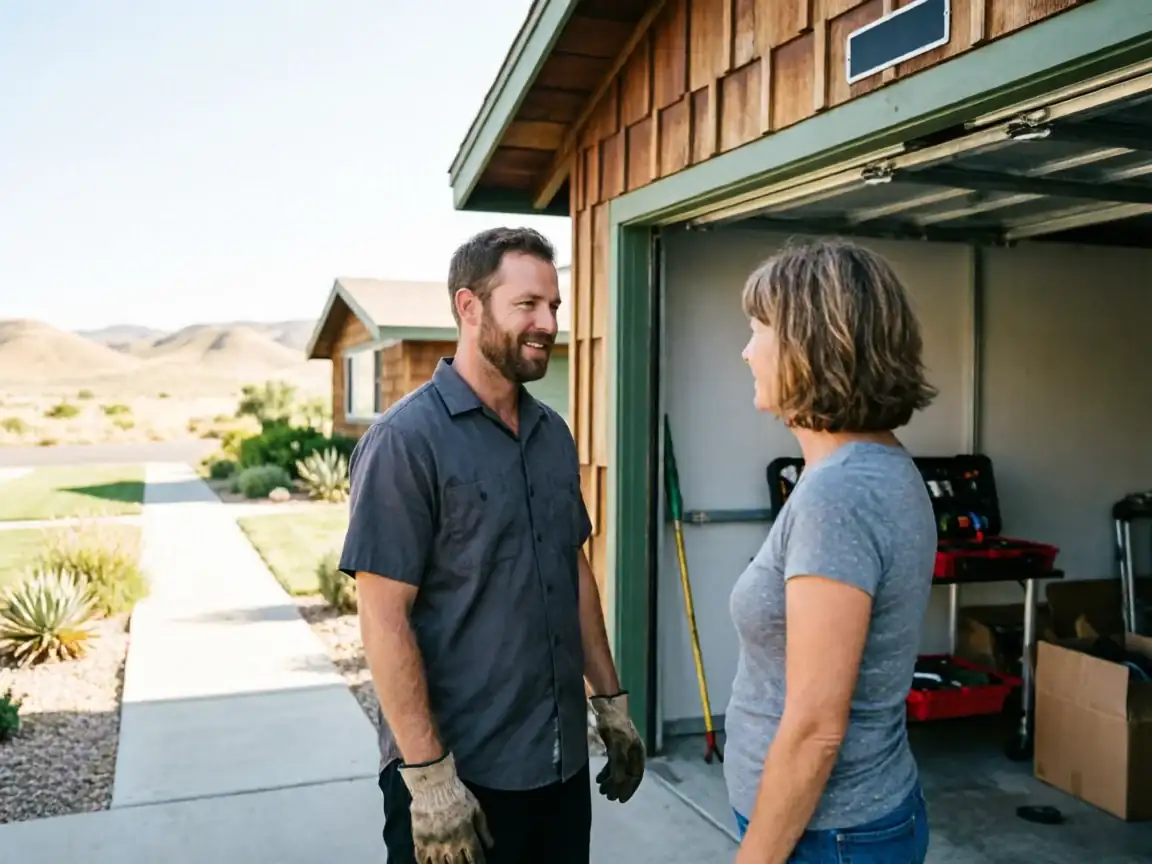
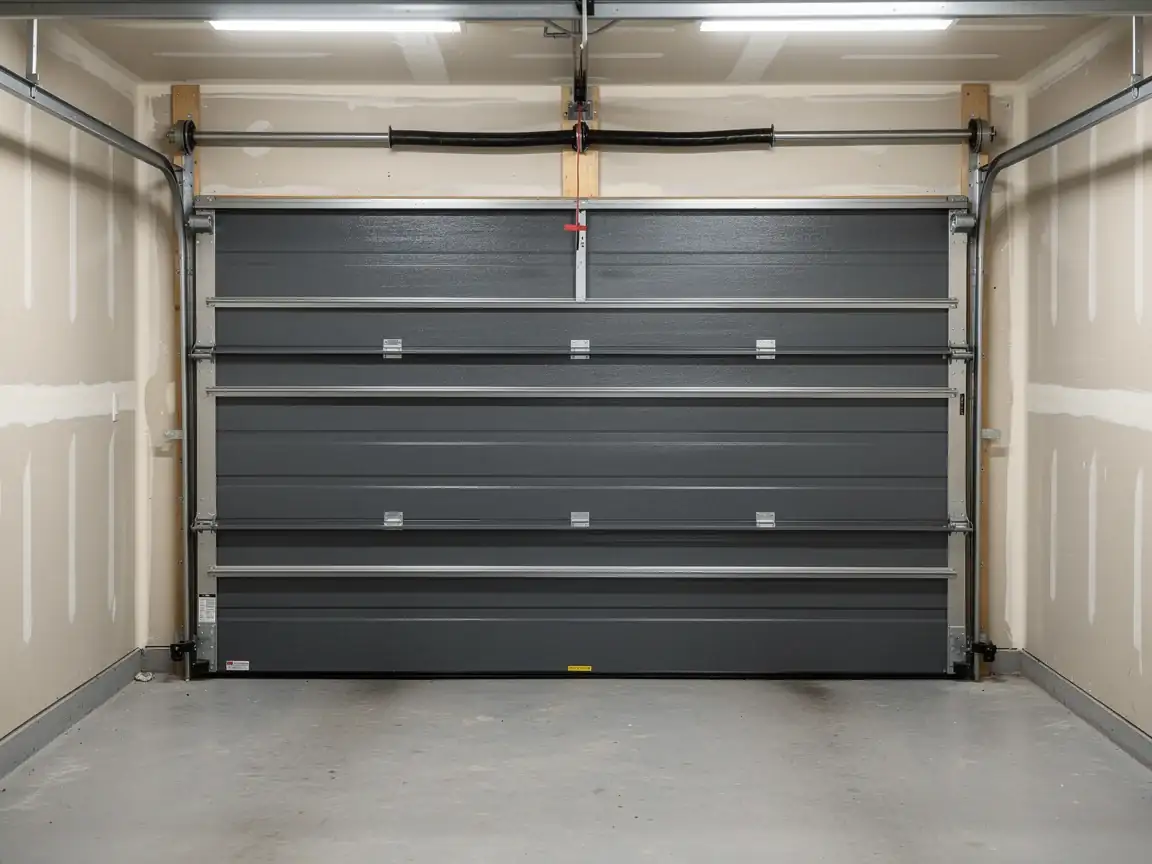
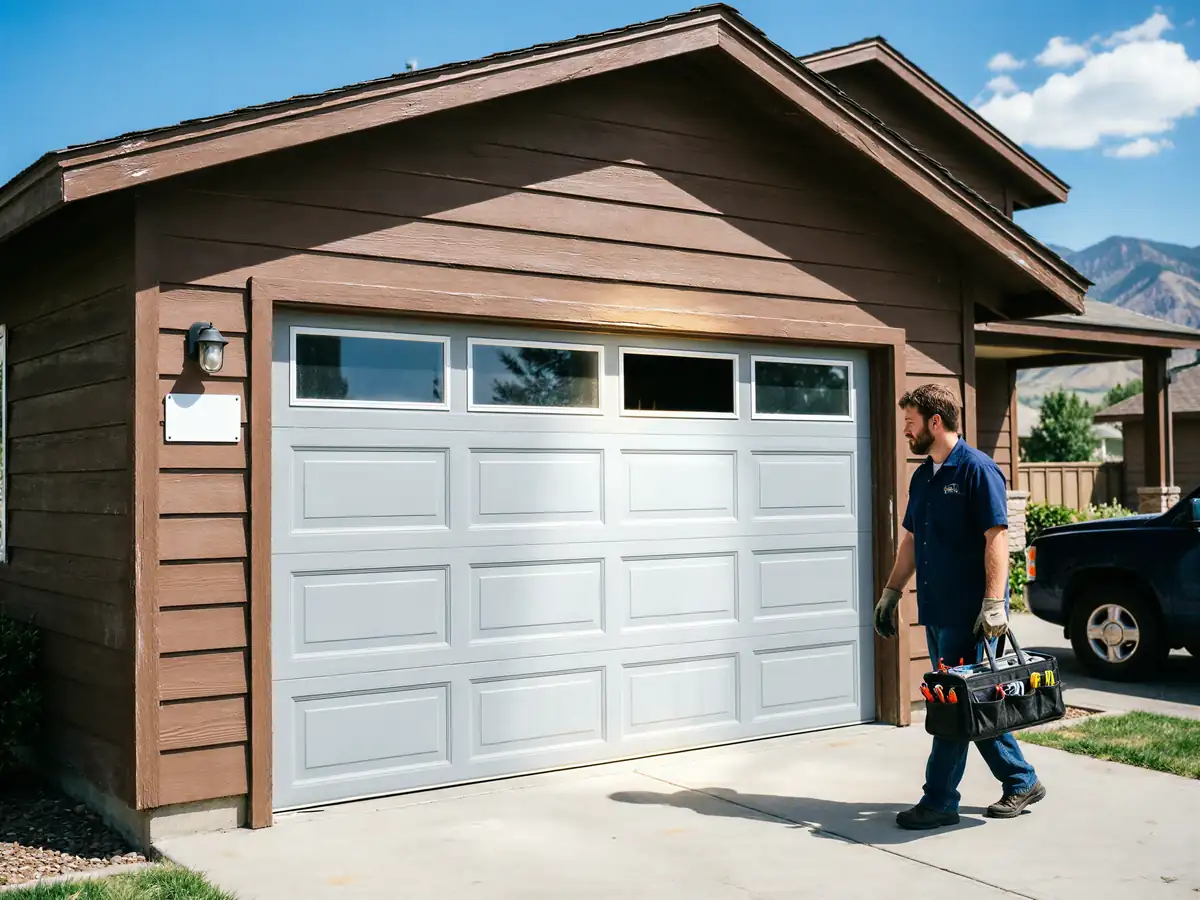
And Redlands is about 5 miles out, so a visit here is a normal part of the route, not a special trip. When you call, tell us the door's rough age if you know it - for most Redlands houses that's late 1970s - and whether it's a single spring over the center or two springs, one over each side. That alone tells us what's likely on the truck before we leave the shop.
- 5 miles
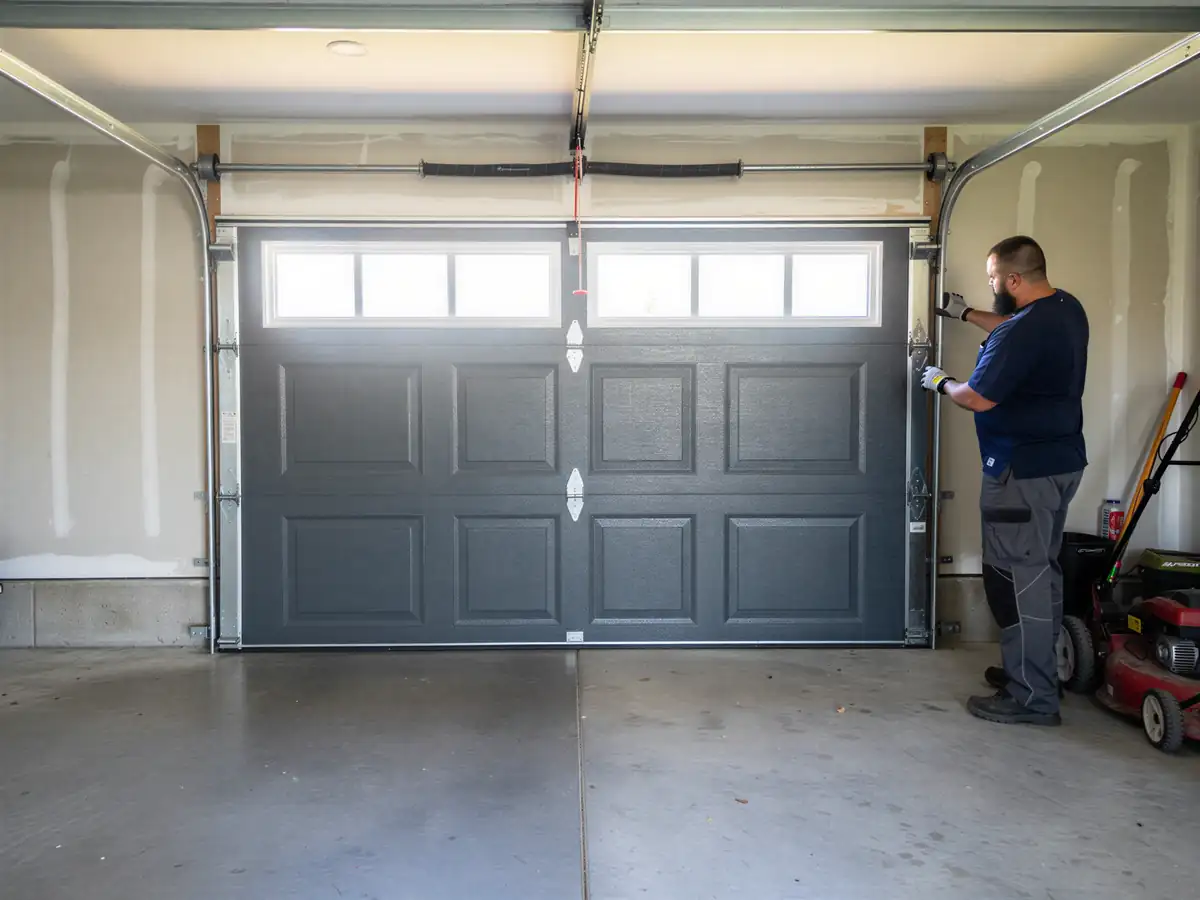
If you don't know the spring count, a photo of the top of the closed door
Centered on the horizontal bar above it, is enough for us to size the job ahead of time. Redlands households run a median income noticeably higher than the service-area average, and we've found that the deciding question here is less about cost and more about getting it done right the first time rather than coming back to it twice.
Time on the Job
A standard torsion spring replacement on a single door runs under two hours once we're on site, including balancing the door afterward so it doesn't drift up or down on its own. Two-spring jobs, more common on wider doors, add some time because we're matching wind and wire gauge on both sides rather than one.
What slows things down on the 1977-era houses specifically: seized set screws on the winding cones, a torsion tube that's pitted enough to need cleaning before a new spring will seat right, or a center bearing plate that's loose from decades of flex. None of that is unusual for a door this age, but it's why we won't quote an exact time over the phone before we've looked at the hardware in person.
We don't carry every spring size on every truck - some wind and wire combinations for older or custom doors need to be ordered, which can add a day or two. We'll tell you up front if your door falls into that category instead of guessing at the shop.