What the Housing Means for Your Door
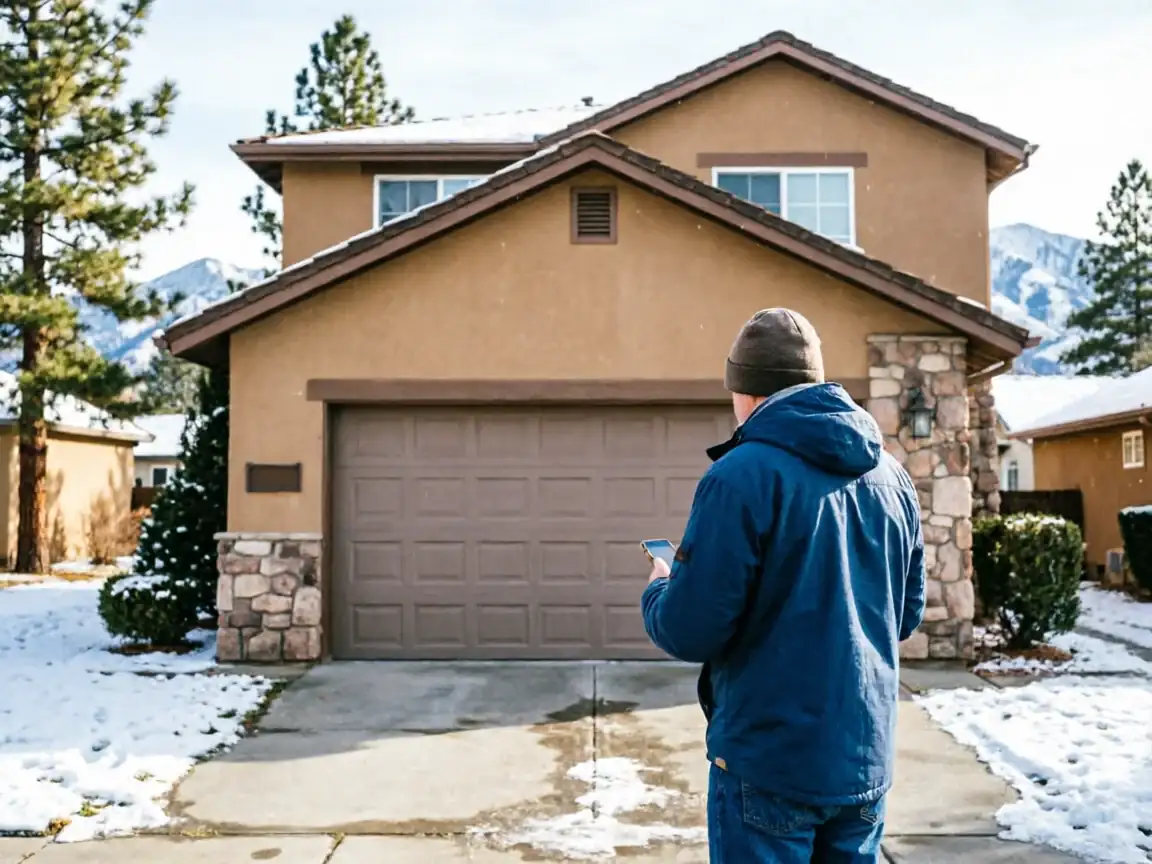
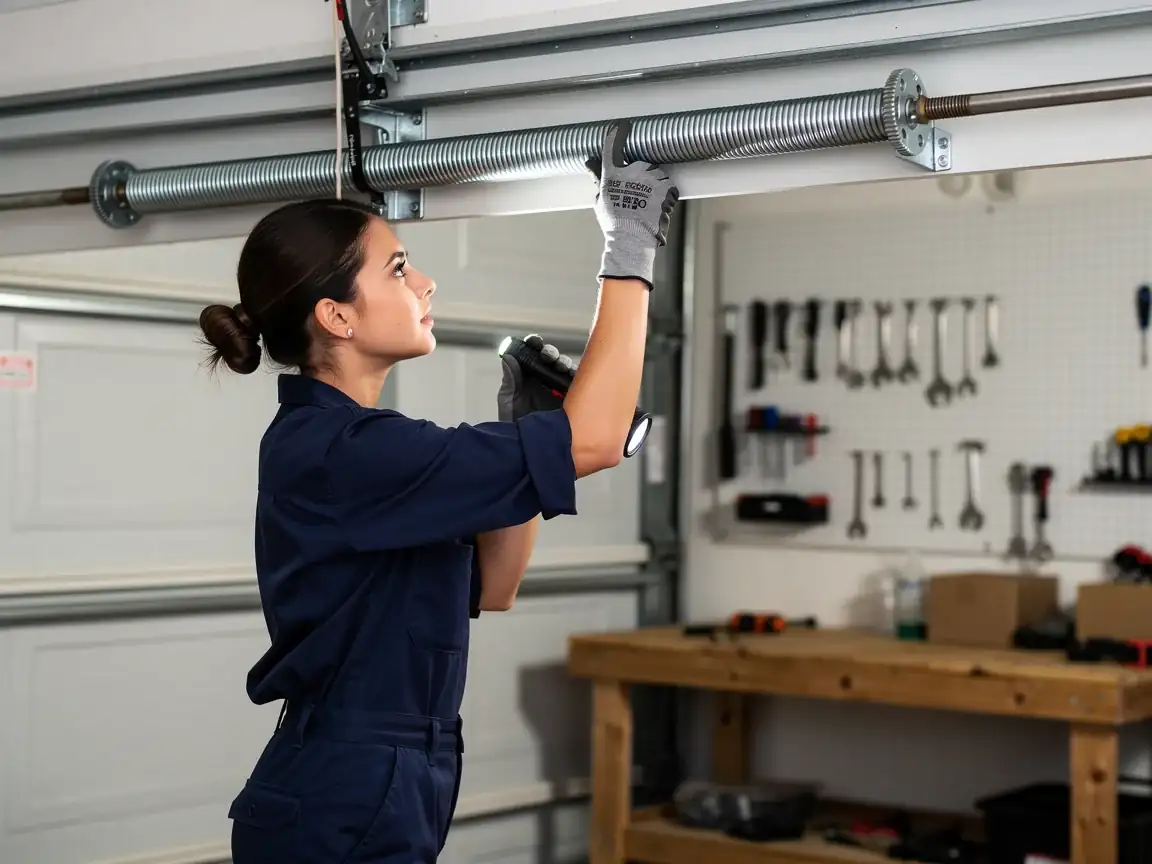
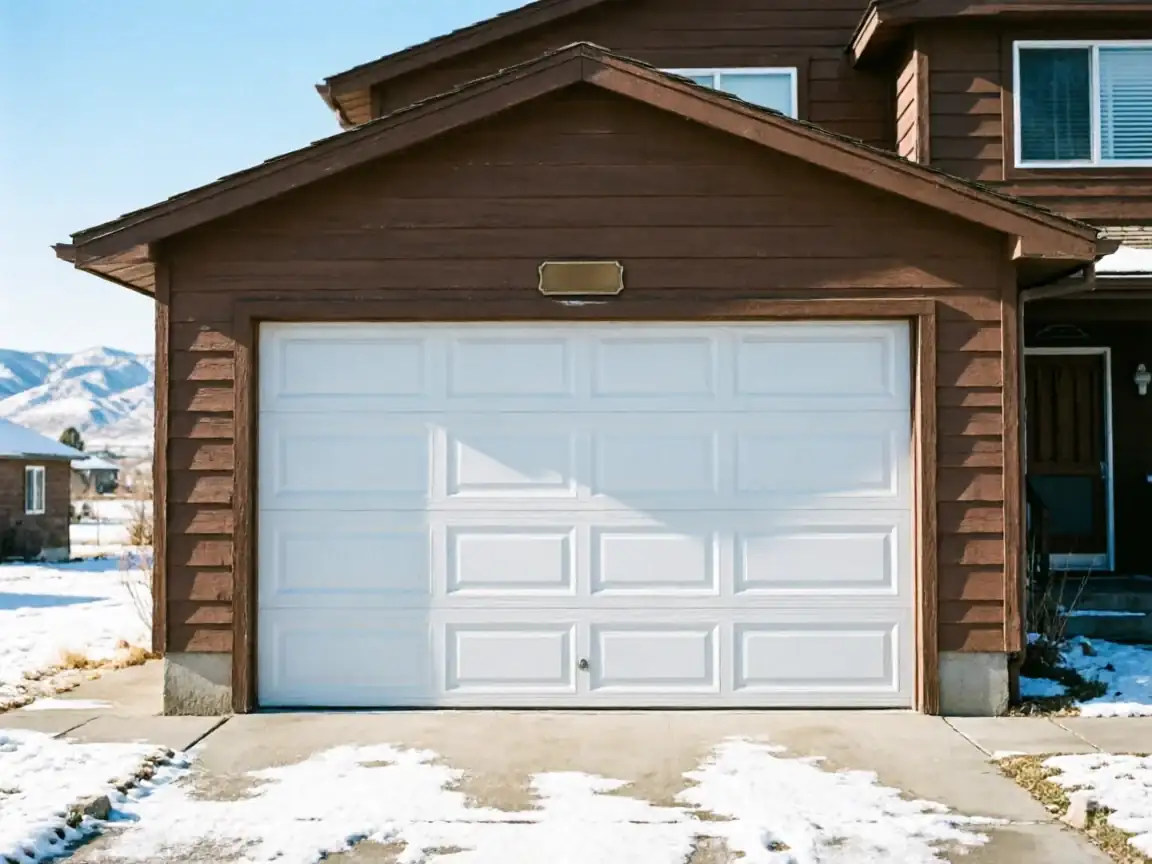
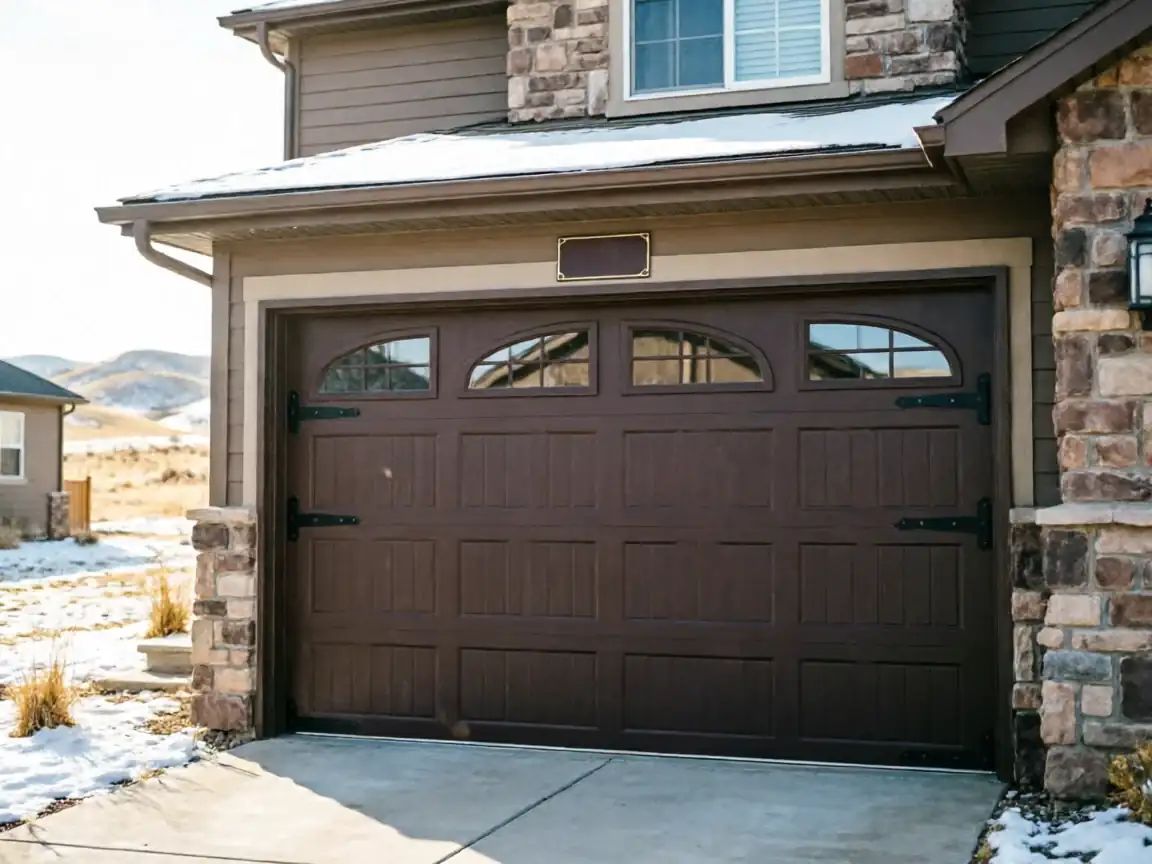
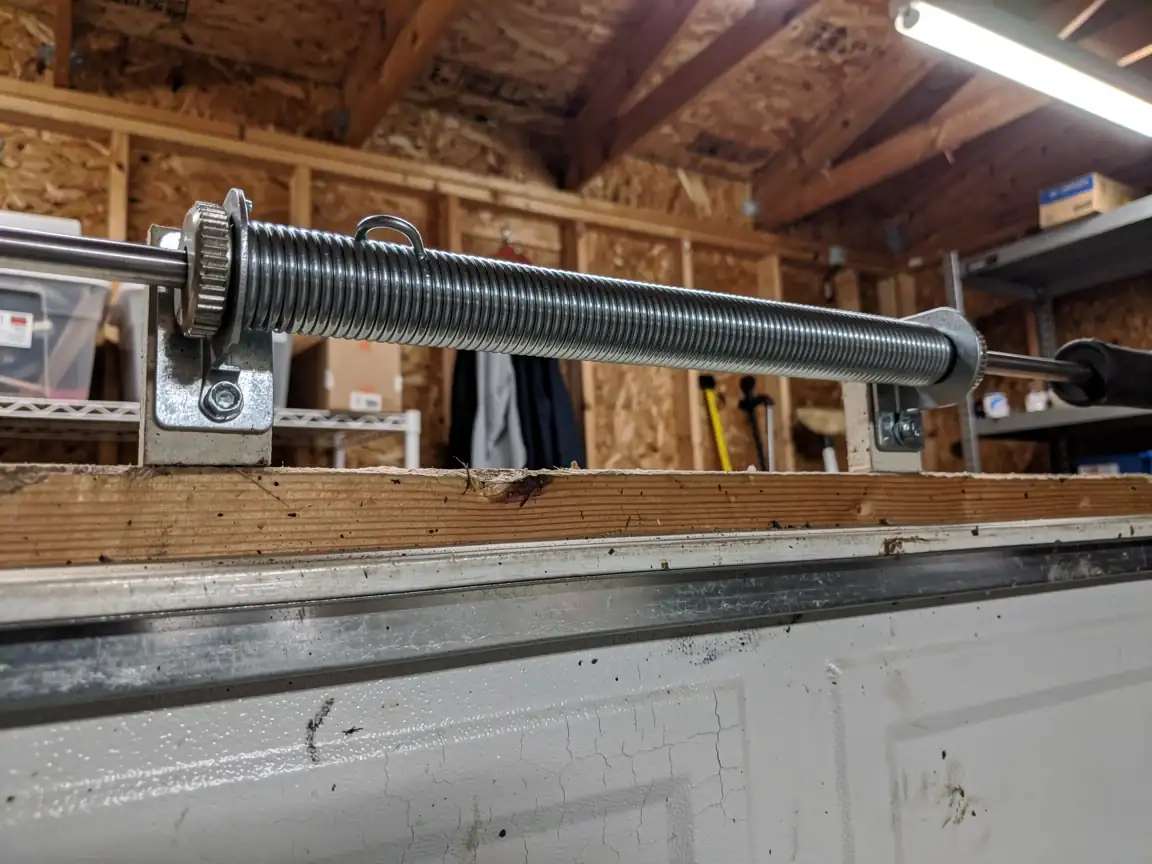
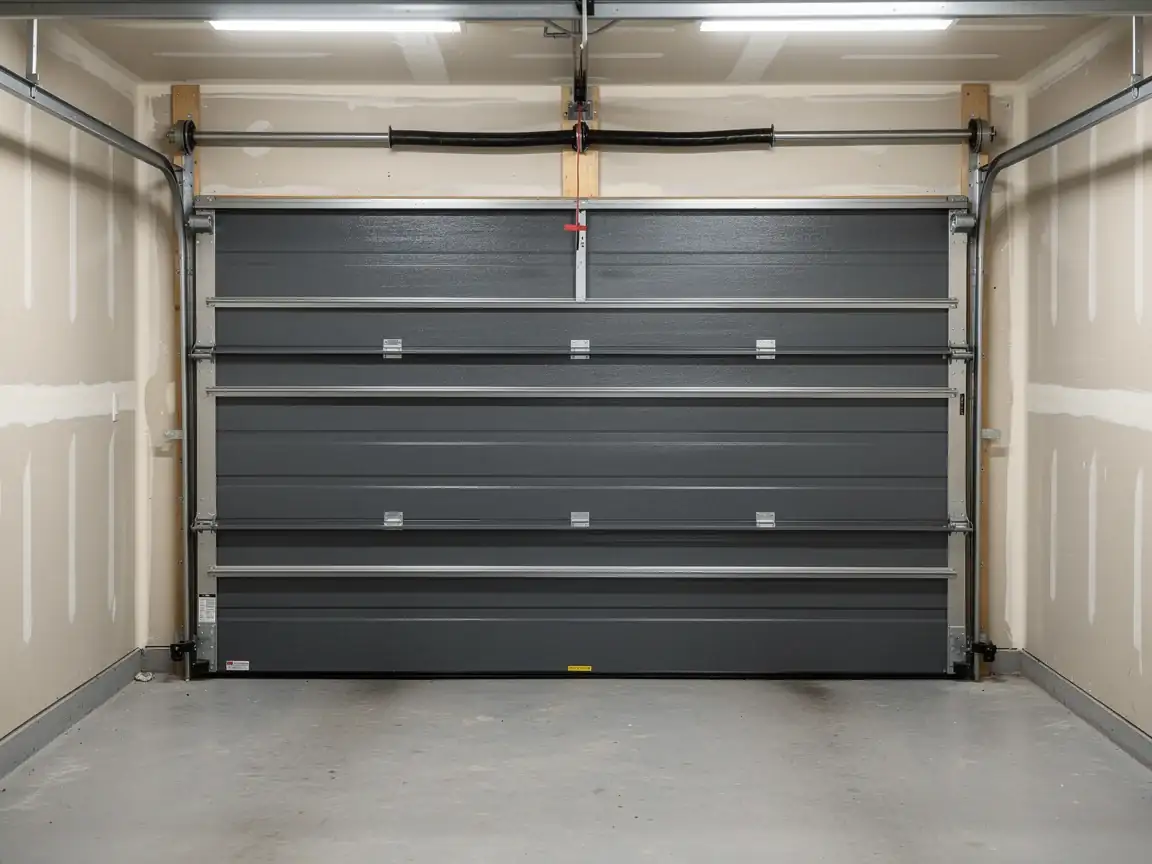
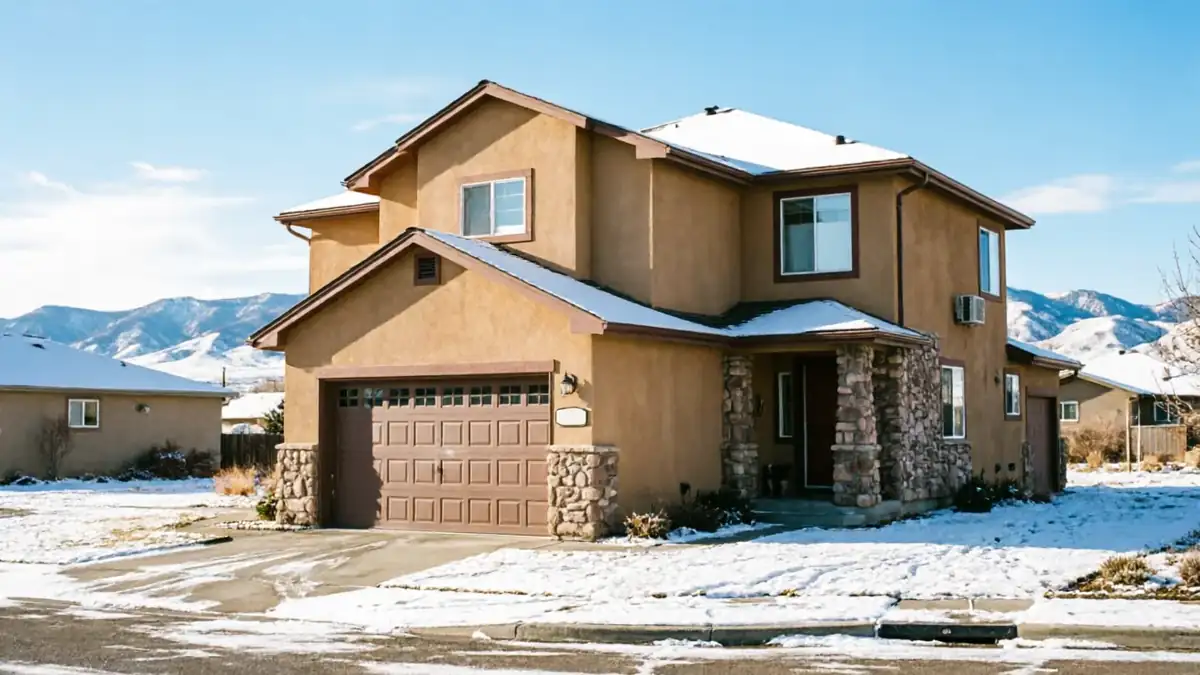
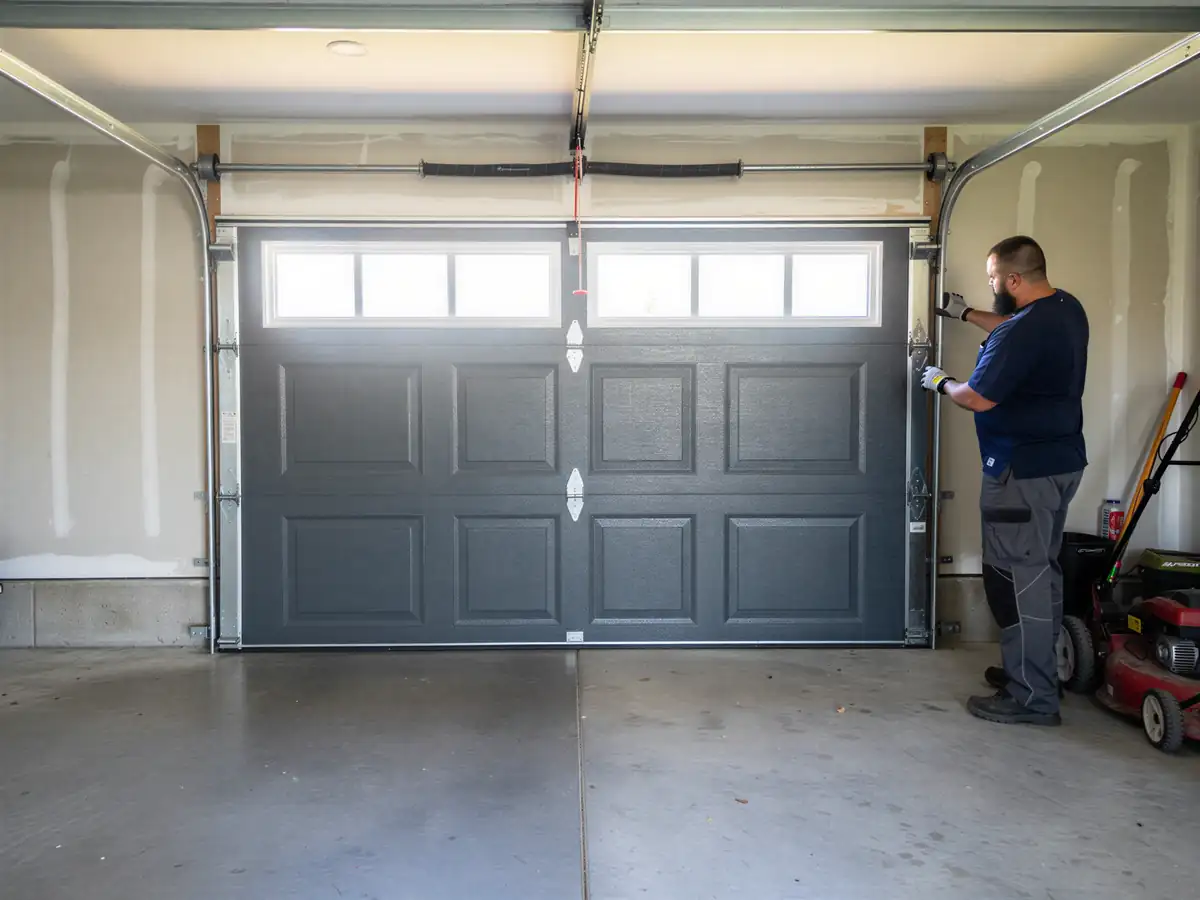
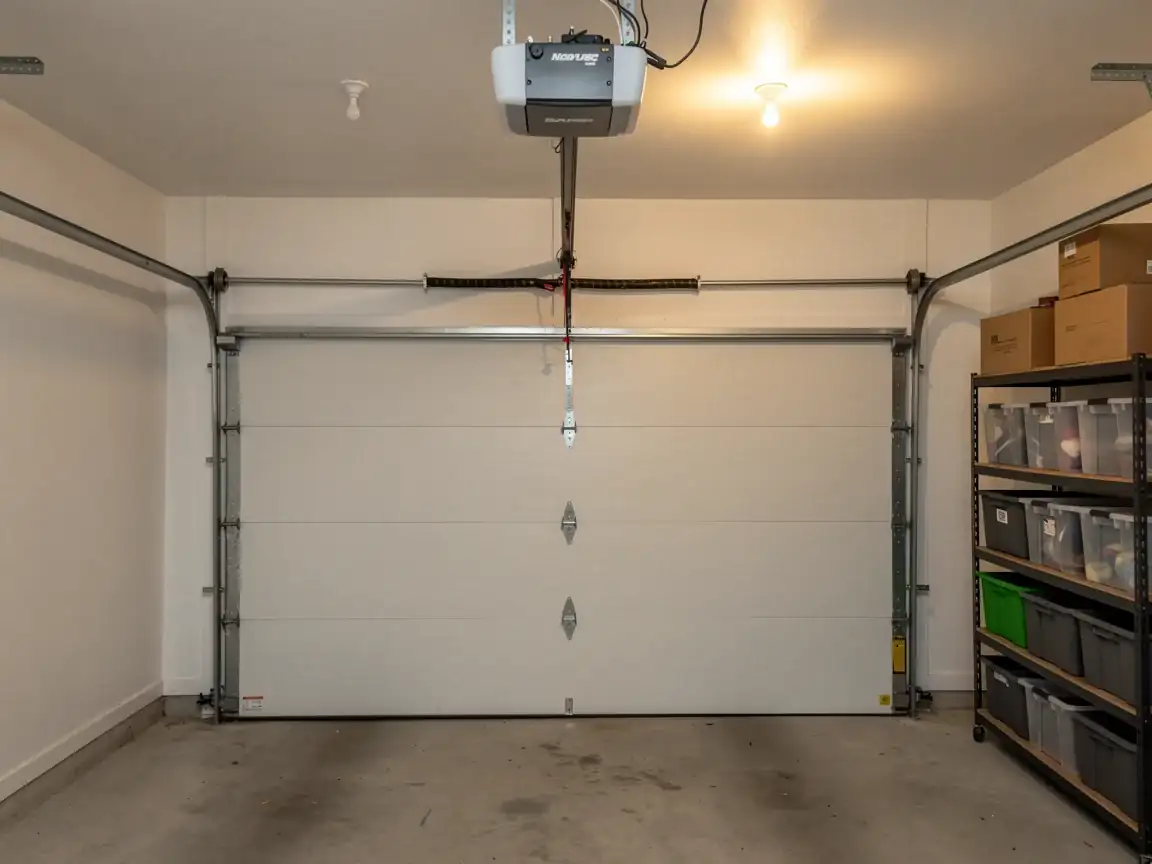
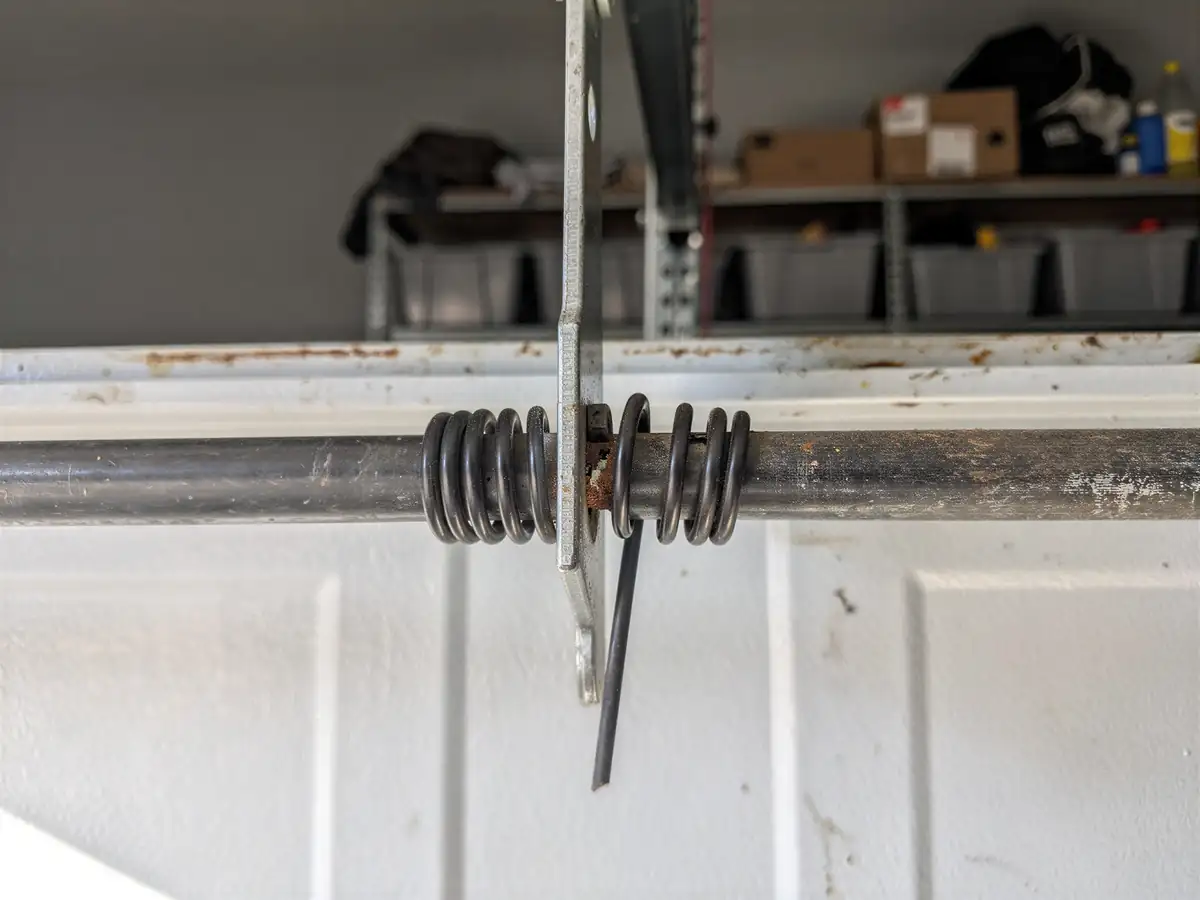
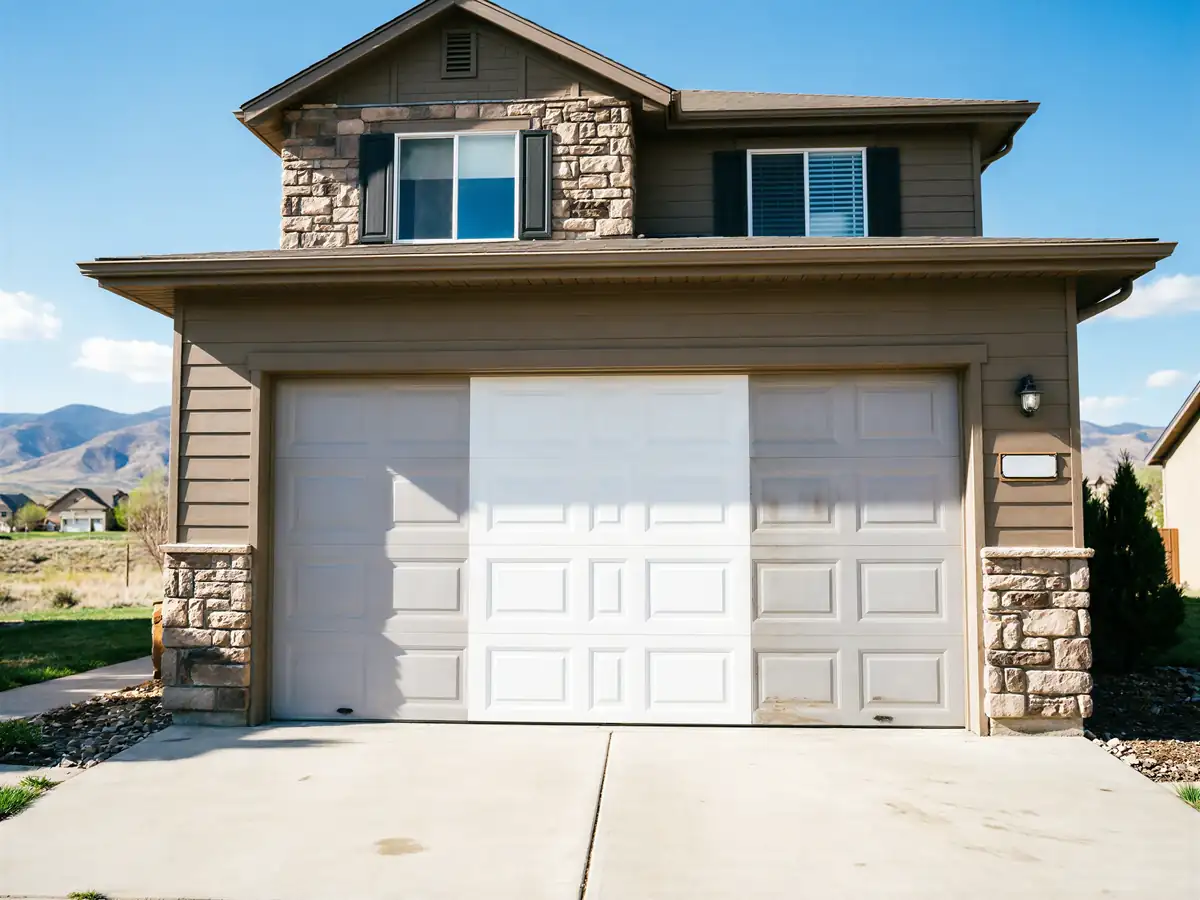
Fruitvale's houses mostly went up between 1977 and 1998, with the median landing around 1984. That matters more than people think. A door built in 1984 is not the same animal as one built in 1955 or one built last year. By the mid-80s, most builders had moved off the old wood-panel single-layer doors and onto steel sectional doors with extension springs mounted along the horizontal tracks, not the torsion springs over the header you see in newer construction. Extension spring setups use a different failure pattern - the springs stretch and fatigue over years of cycling, and the safety cables that should catch a broken spring are often missing or frayed on doors that have never been serviced. If your house falls in that 1977-to-1998 window, the opener is also likely a first or second-generation chain-drive unit, possibly swapped once already. We see a lot of these setups, and knowing the era ahead of time means we usually know what parts to bring on the truck before we see the door.
What We Do Most in This Area
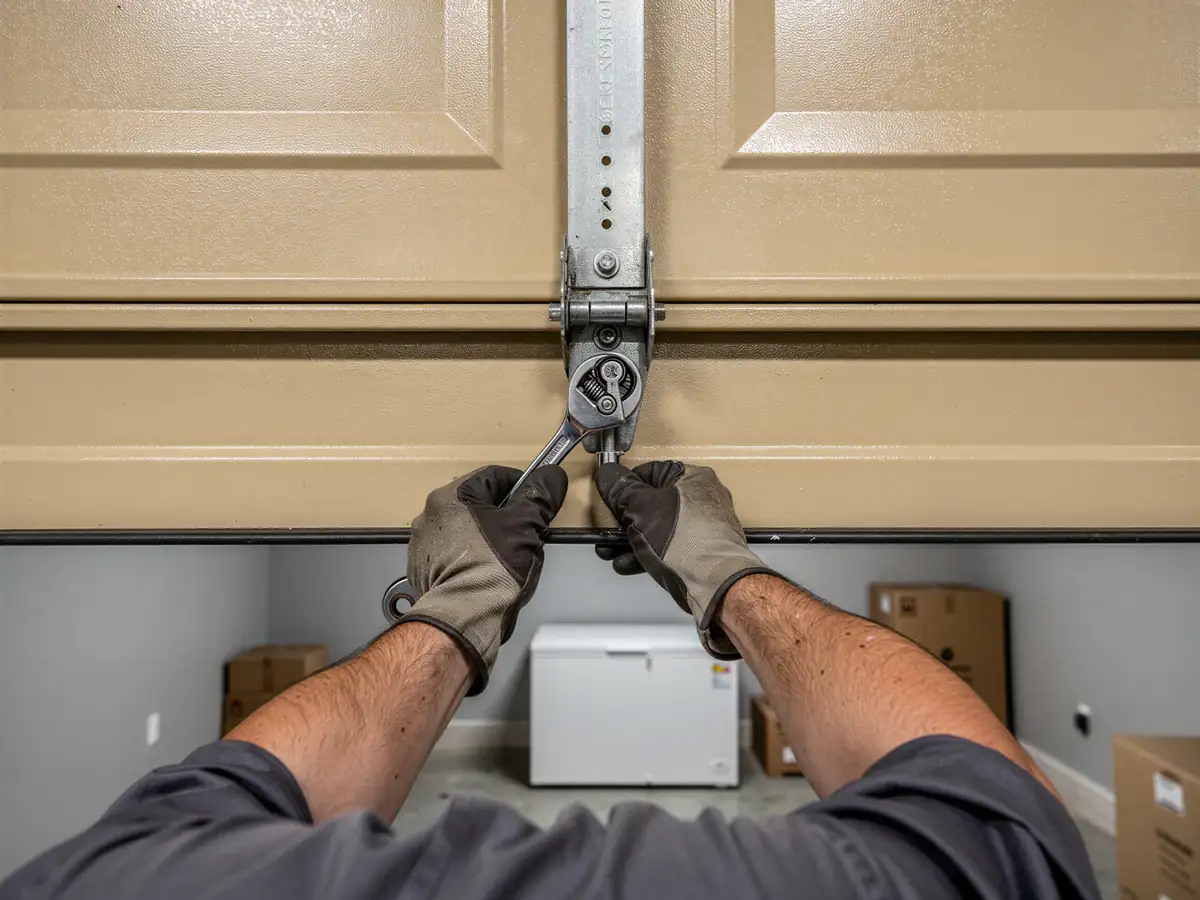
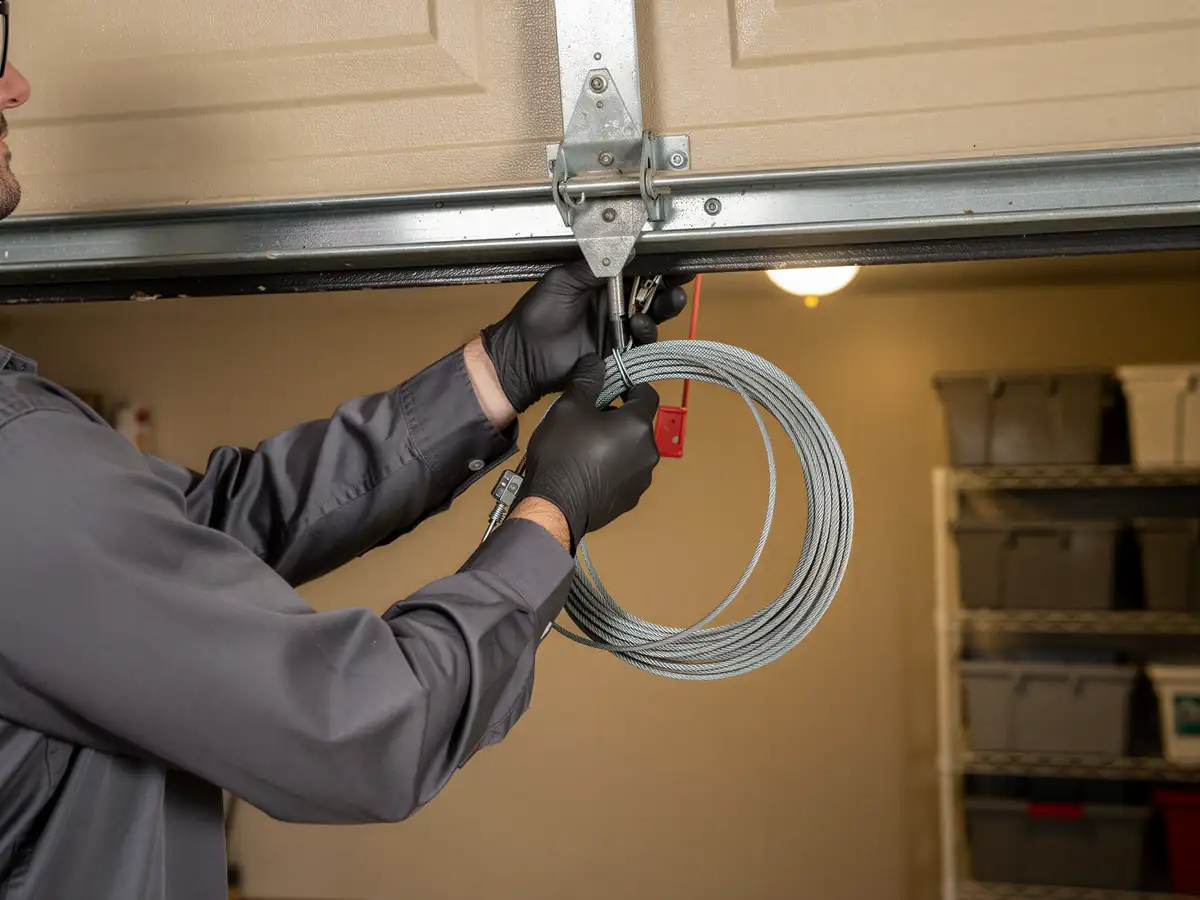
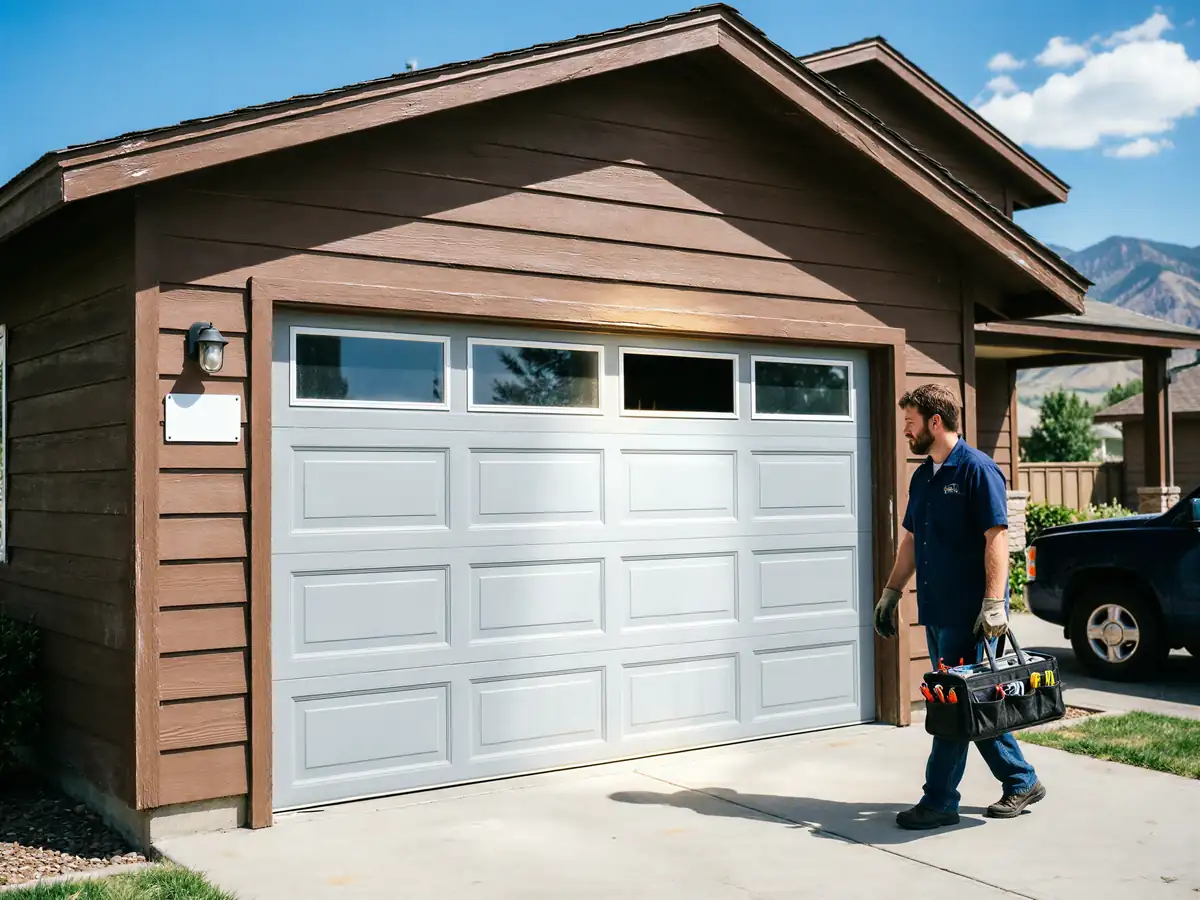
Given the age of the stock here, the calls skew toward extension spring replacement, frayed or snapped safety cables, and worn rollers on tracks that have been in service for three or four decades. We also see a fair number of openers from that original build era finally giving out - the gears inside strip, or the logic board just stops responding. Less common, but still regular, are doors where the original steel panels have dented or rusted at the bottom section, which is where moisture collects first. One thing we don't do is treat every old door as a lost cause - plenty of these 1980s steel doors are solid once the spring and hardware are brought up to safe working order, and replacing the whole door isn't always the right call just because it's old.
What Was Built Here
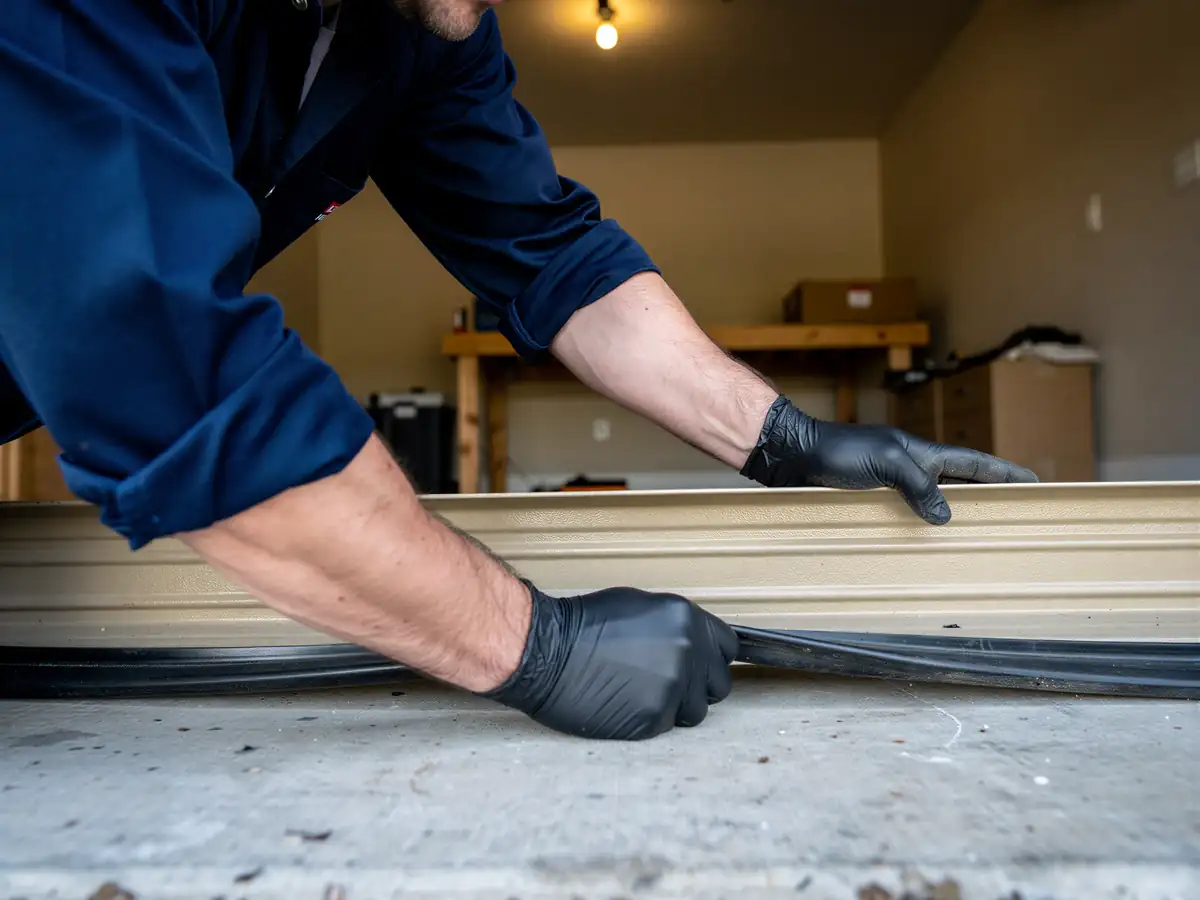
Across the broader service area there are 22,130 households and 14,945 owner-occupied houses, and Fruitvale makes up a meaningful share of that with roughly 3,332 households of its own. Median household income in the area runs $76,339, which tracks with the steady, well-kept condition of most of the doors we find here - owners tend to fix a spring or a cable rather than let a door sit broken. The winters here fall into a cold, severe climate band, which is hard on steel doors and their seals: freeze-thaw cycling loosens fasteners and stiffens springs, and that's a real factor in why doors built in the 80s and 90s are due for hardware service now, even if the panels themselves still look fine.