How It Shows Up
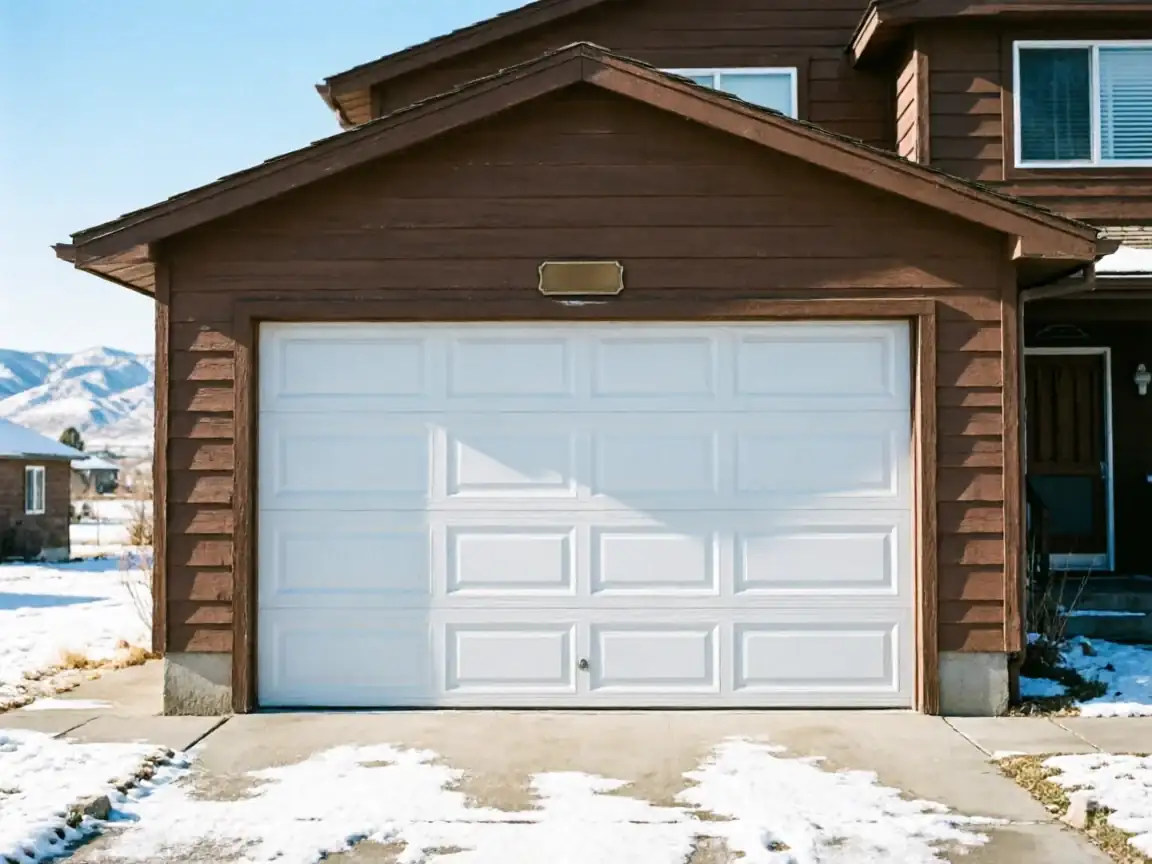
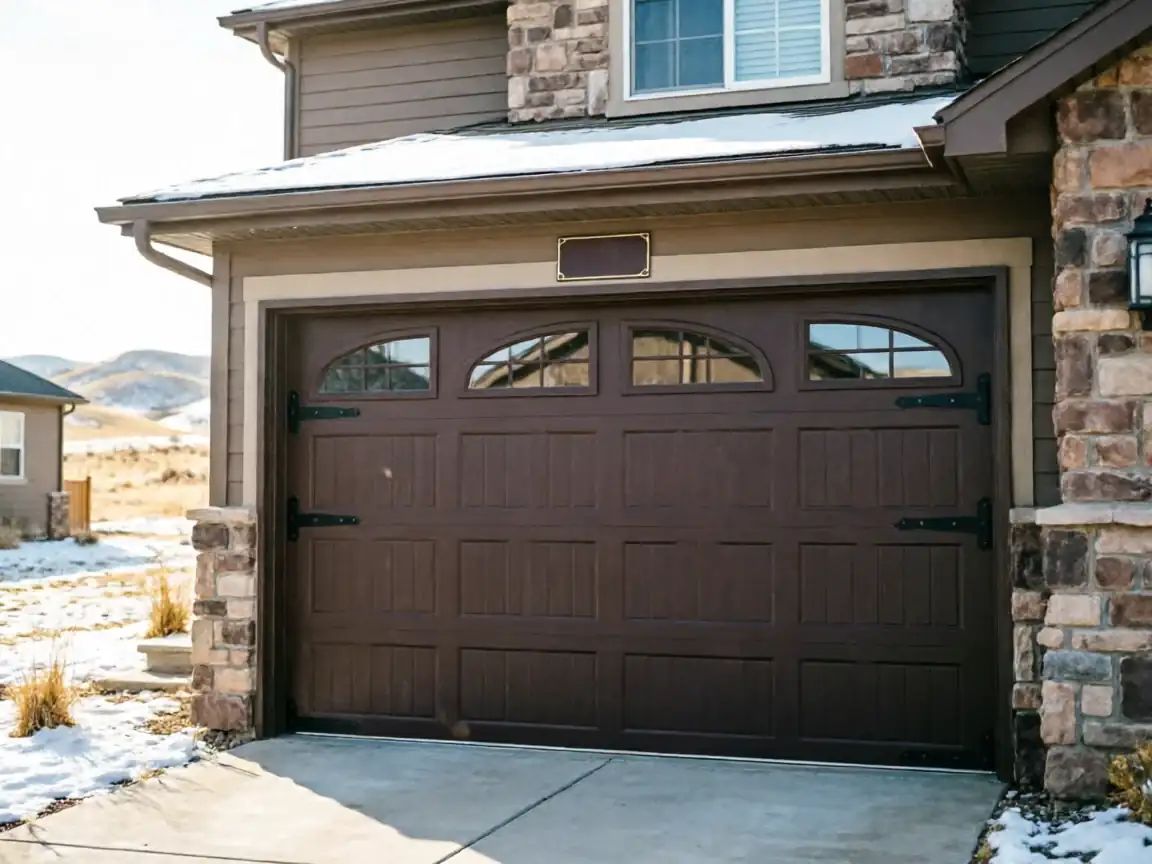
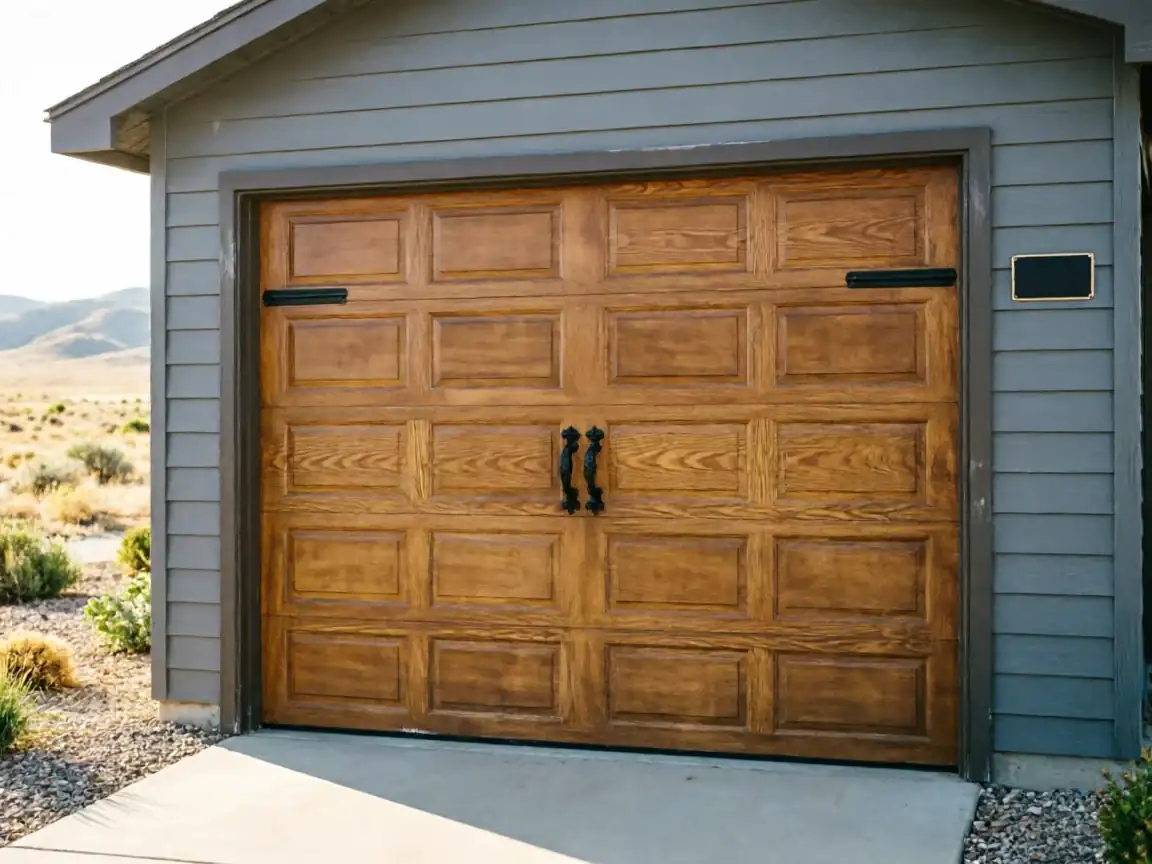
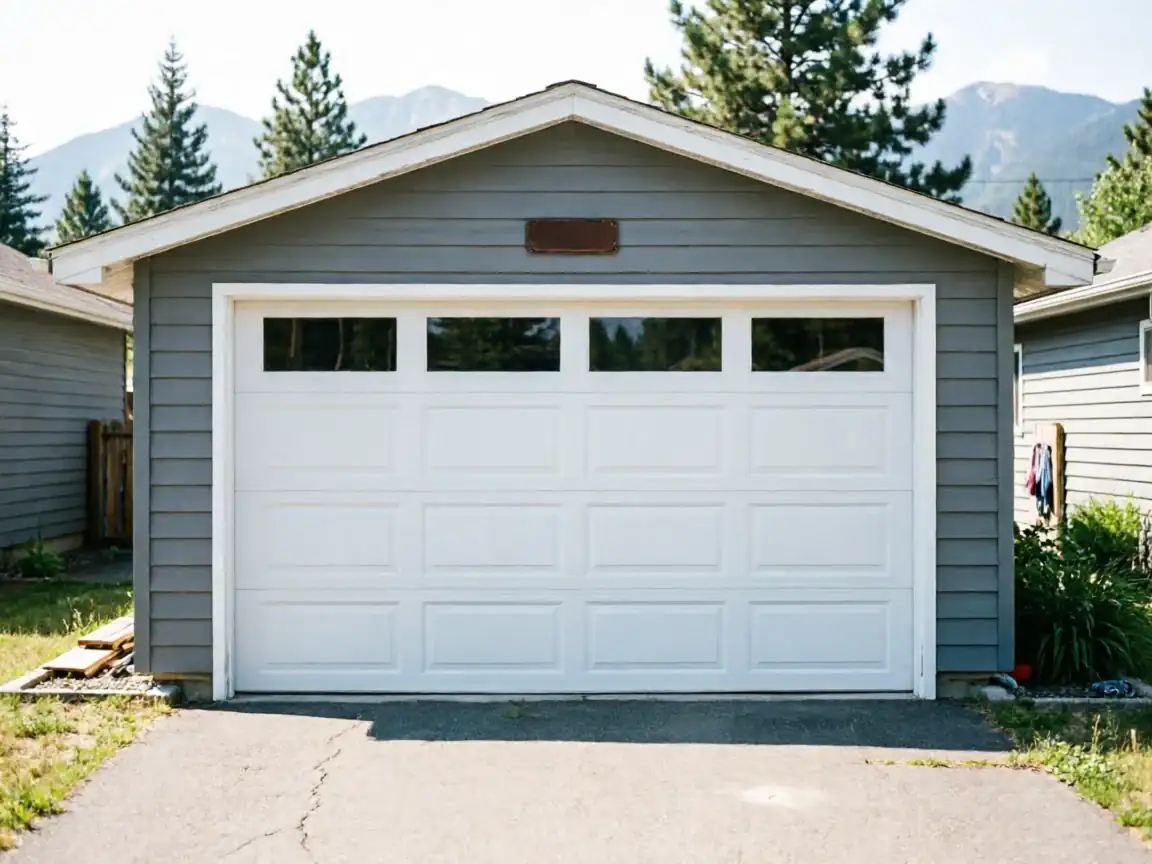
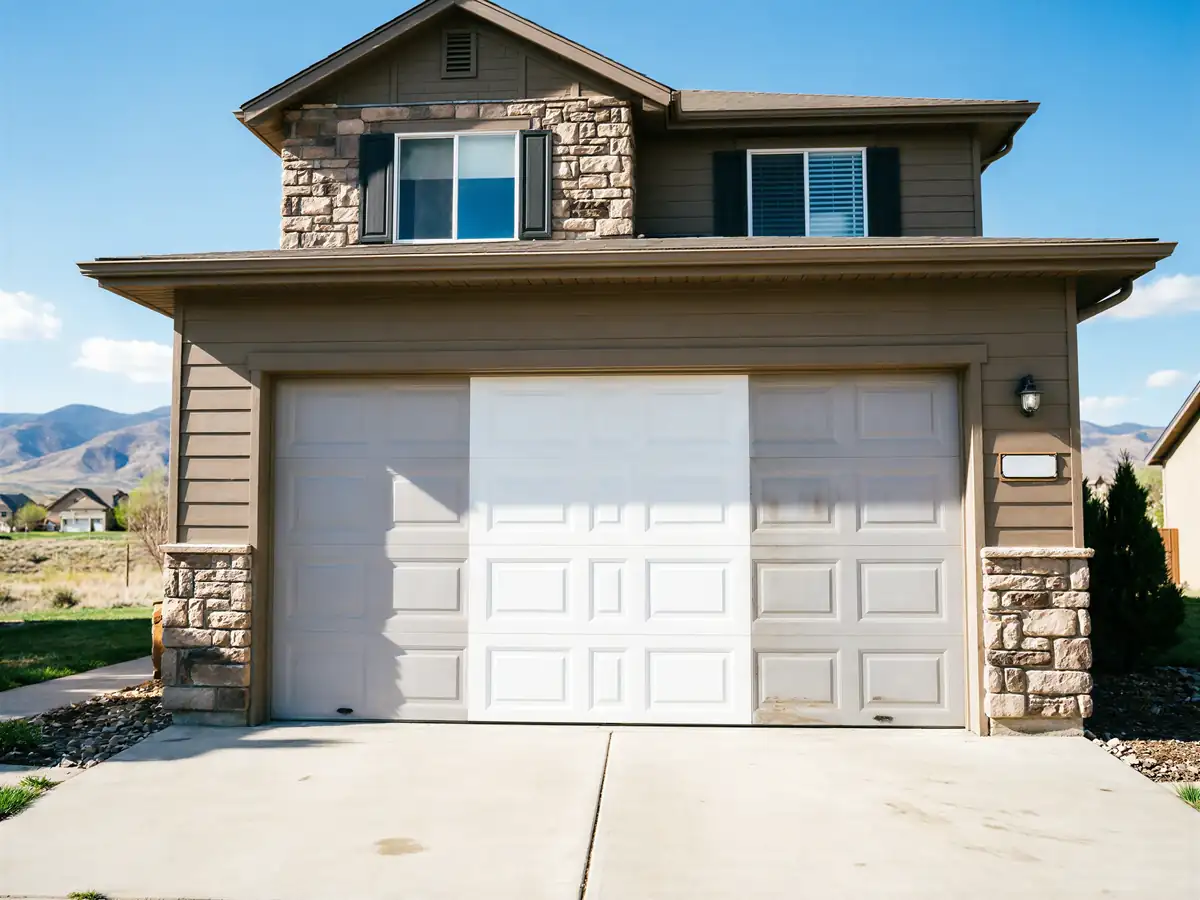
Redlands is about five miles out from our shop in Grand Junction, which is close enough that a cracked or caved-in panel doesn't turn into a half-day round trip. That matters because panel damage out here tends to follow a pattern tied to when the houses went up. Most homes in this part of the valley were built between 1977 and 1998, and a lot of garage doors still running are original or close to it - steel sectional doors with the window-light cutouts and panel proportions that were standard for that build era.
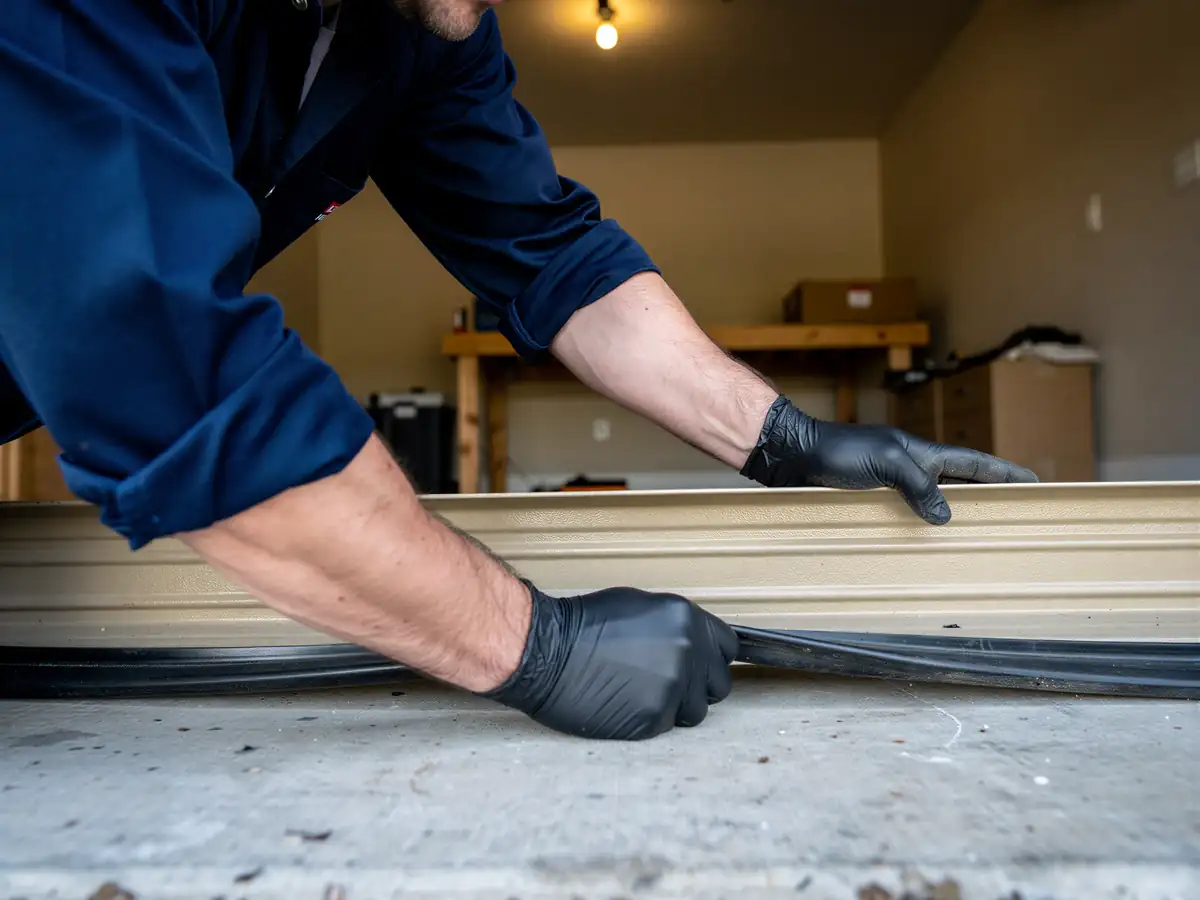
On doors that old, a hit from a car bumper or a wind-driven gust doesn't just dent the skin, it usually creases the seam where that panel meets its neighbor, and matching steel gauge and panel height gets harder the older the door is. We also see corrosion at the bottom panel first, since that's the section closest to runoff and road grit, and in a cold-winter climate like ours that steel has had years to pick up rust along the seams before anyone notices the panel's actually failing structurally, not just cosmetically.
A single bent panel on a newer door is usually a straightforward swap. A single bent panel on a door from the late 1970s or 1980s is a parts-matching problem first and a repair second.
The DIY Question
You can buy a replacement panel online and bolt it in yourself if the door is a common size and a recent model - that part isn't complicated. Where it goes wrong on Redlands-era doors is sourcing: a panel made to current dimensions often doesn't match the hole spacing, the hinge stile width, or the track clearance on a door built when the stock here was mostly going up in the 1980s and 90s. Order the wrong panel and you've got a door that doesn't seal square, which on a cold-climate door means air leaking straight through the gap all winter.
The honest limitation here: if your door is old enough and the replacement panel isn't a clean match, we'll tell you straight that a full door replacement costs less grief than forcing a mismatched panel to work, even if the rest of the door still runs fine. We're not going to install a panel we know will bow or won't track true just to get a job done faster.
If you're set on doing it yourself, measure twice before you order - panel height, number of sections, and hinge spacing all matter more on an older door than a new one, and a return on a steel panel after it's been drilled isn't something most suppliers will take back.
Booking a Visit
We cover Redlands from Grand Junction, about five miles away
So there's no branch or depot out here - every visit starts with that drive. In practice that means we schedule panel jobs in the same window as other calls on this side of the valley when we can, since a single panel swap doesn't take long once the right part is in hand, and it's more efficient for everyone if we're not making a dedicated trip for a 45-minute job.
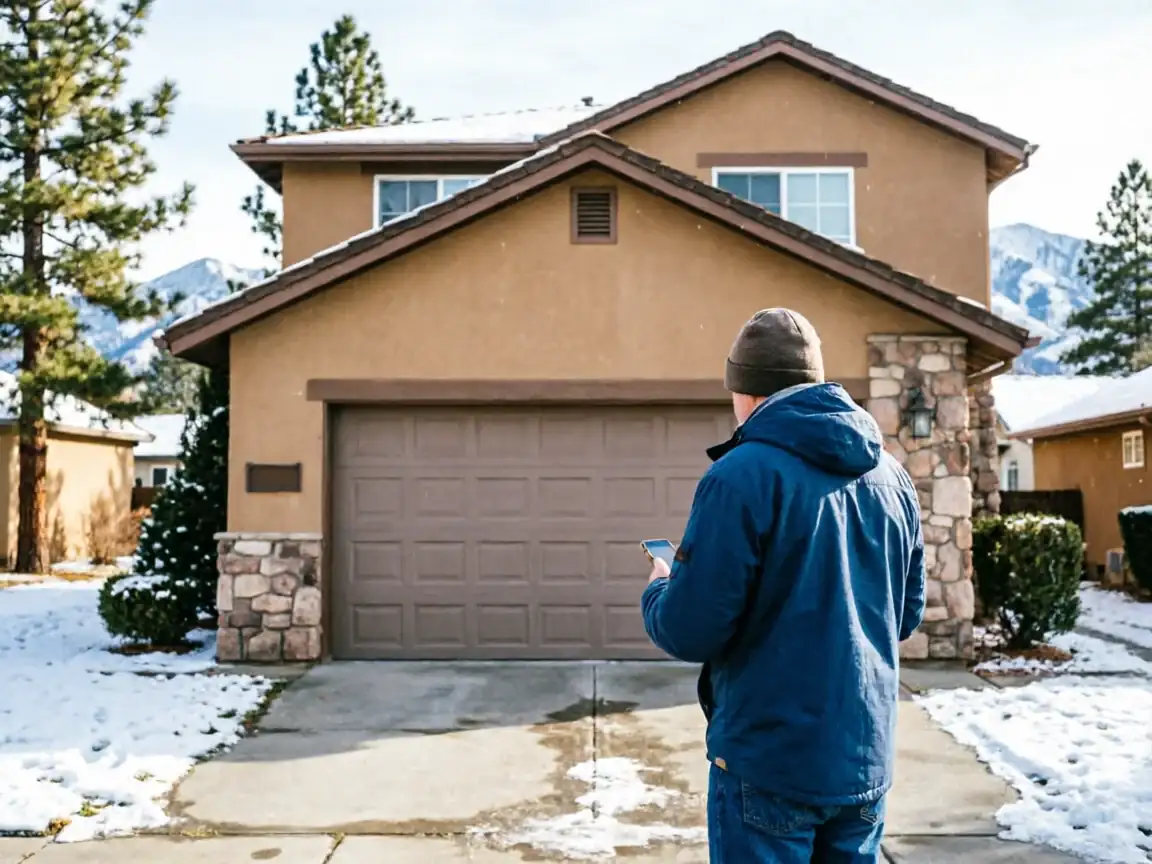
When you call, the two things that speed things up are the door's approximate age and a photo of the damaged panel
Including the full door if you can get it. With houses here mostly dating 1977 to 1998, we can usually narrow down the likely panel style and hinge pattern before we even load the truck, which cuts down on a second trip to go back for the right part.
We don't give a fixed response time for Redlands specifically since every visit here is a drive from Grand Junction
Not a local dispatch - but knowing roughly how far out you are helps us plan the route and bring the right stock the first time.
Time on the Job
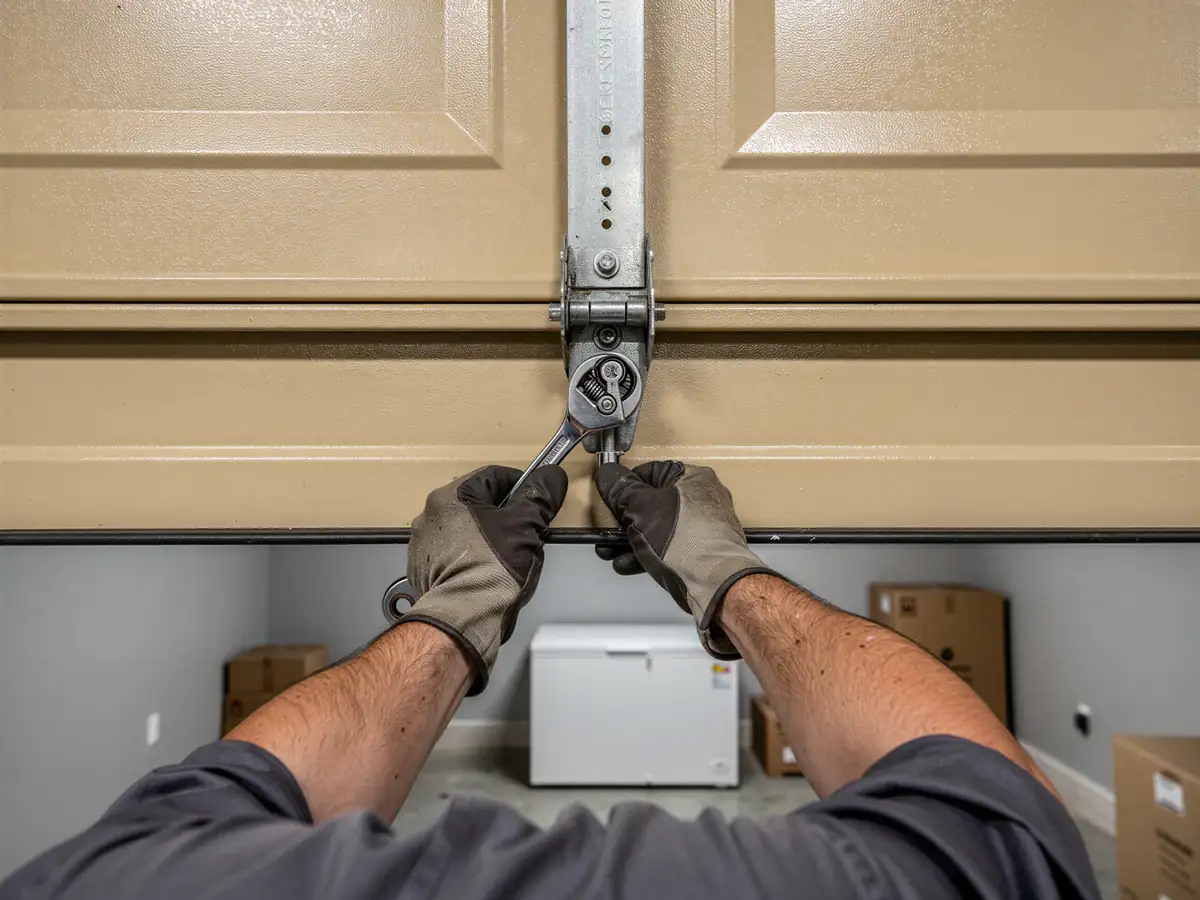
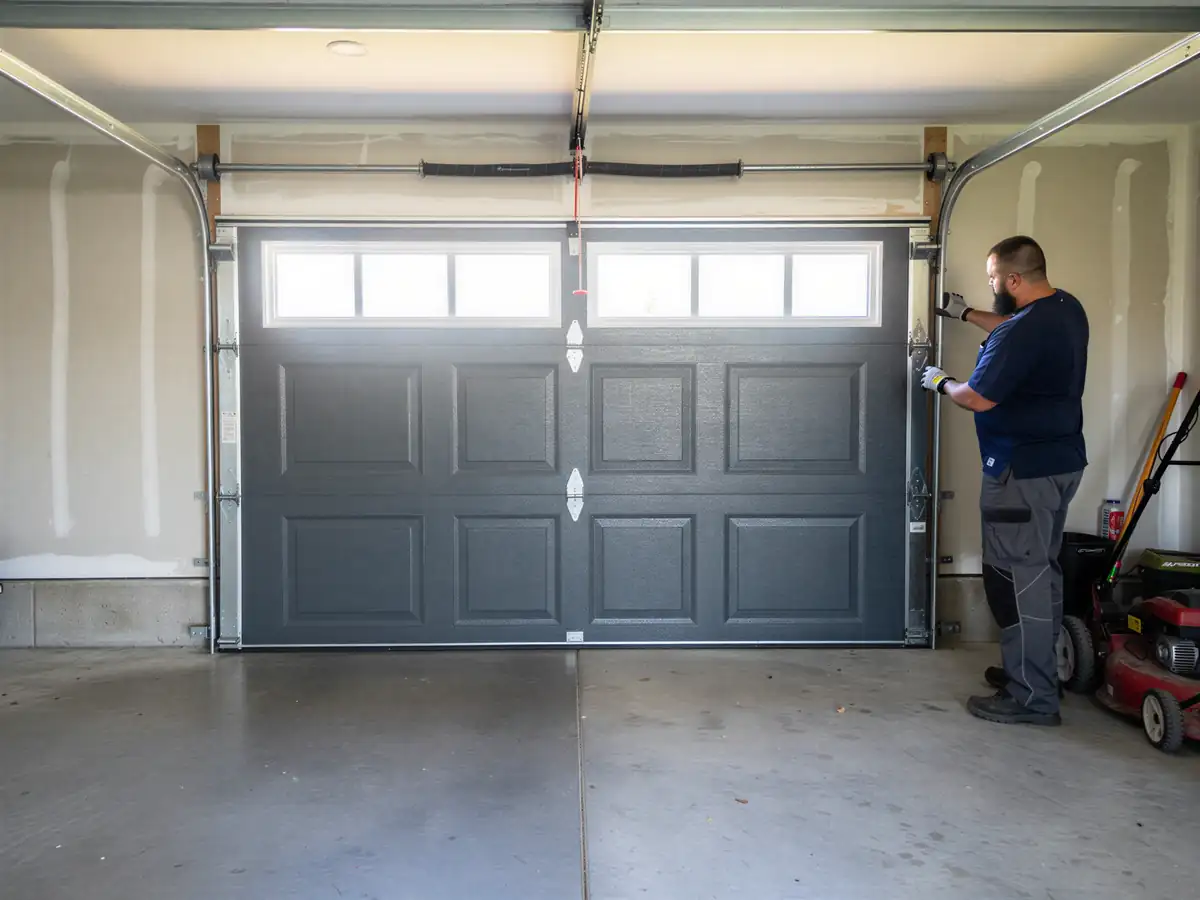
A single panel swap on a door where we've got a matching part in hand usually doesn't eat the whole visit - most of the time on-site goes into leveling the new panel against the old sections so the door doesn't bind in the track, especially on older steel doors where the frame has settled a bit over the decades. The honest limitation is parts lead time: if your panel is an uncommon color, an unusual window-light pattern, or a size that isn't stocked locally, we may need to order it before we can schedule the install, and that wait is on the supplier's timeline, not ours.
On a 1980s-era door, we'll also check the rest of the panels while we're in there. If one section is already rusting through at the bottom, there's a decent chance its neighbor isn't far behind, and it's worth knowing that before you've paid for one repair and need a second a year later. We'd rather tell you that up front than have you call us back in twelve months for the exact same problem one panel over.