How It Shows Up
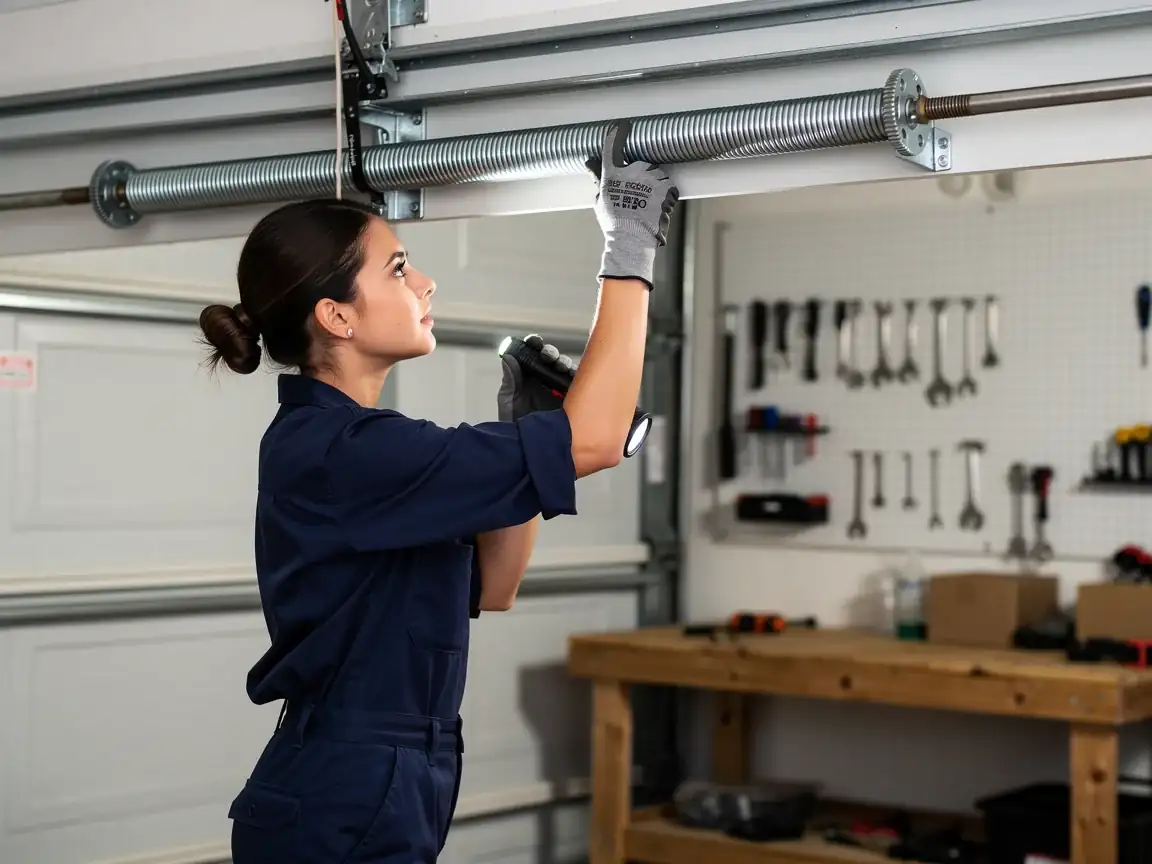
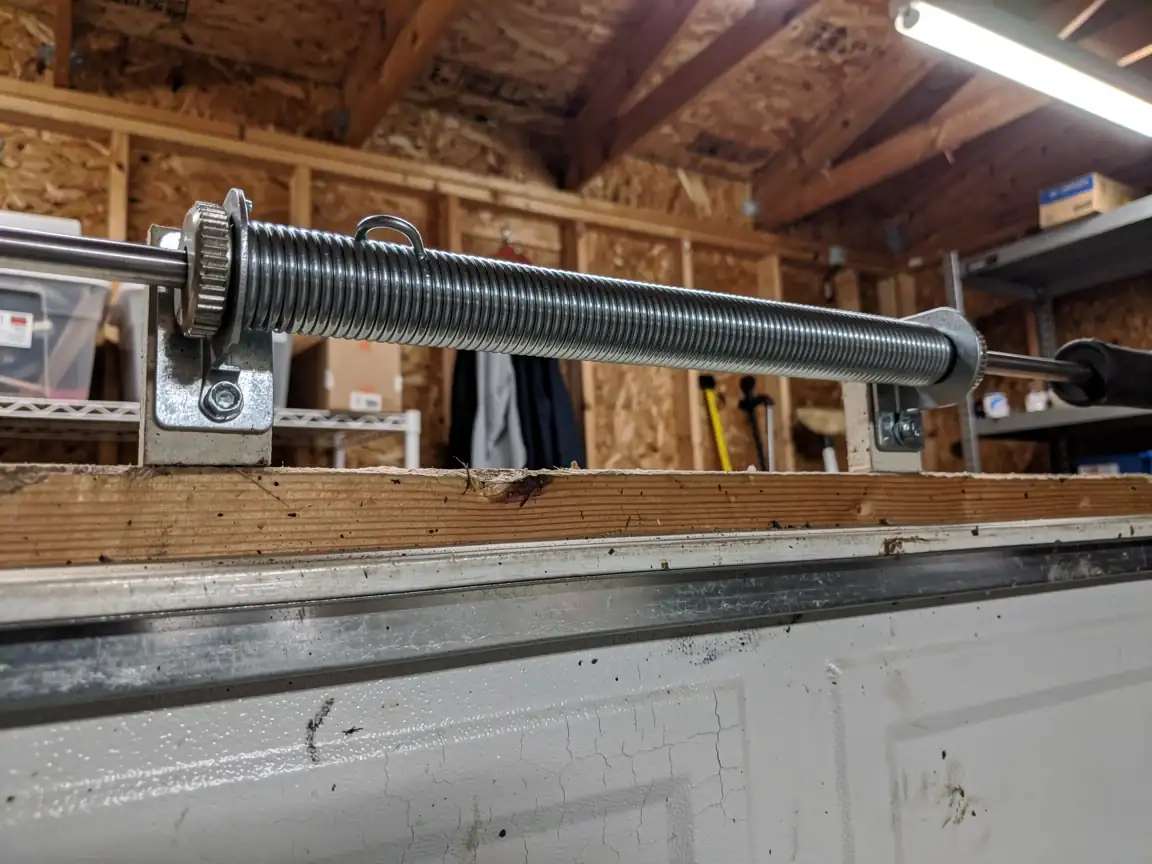
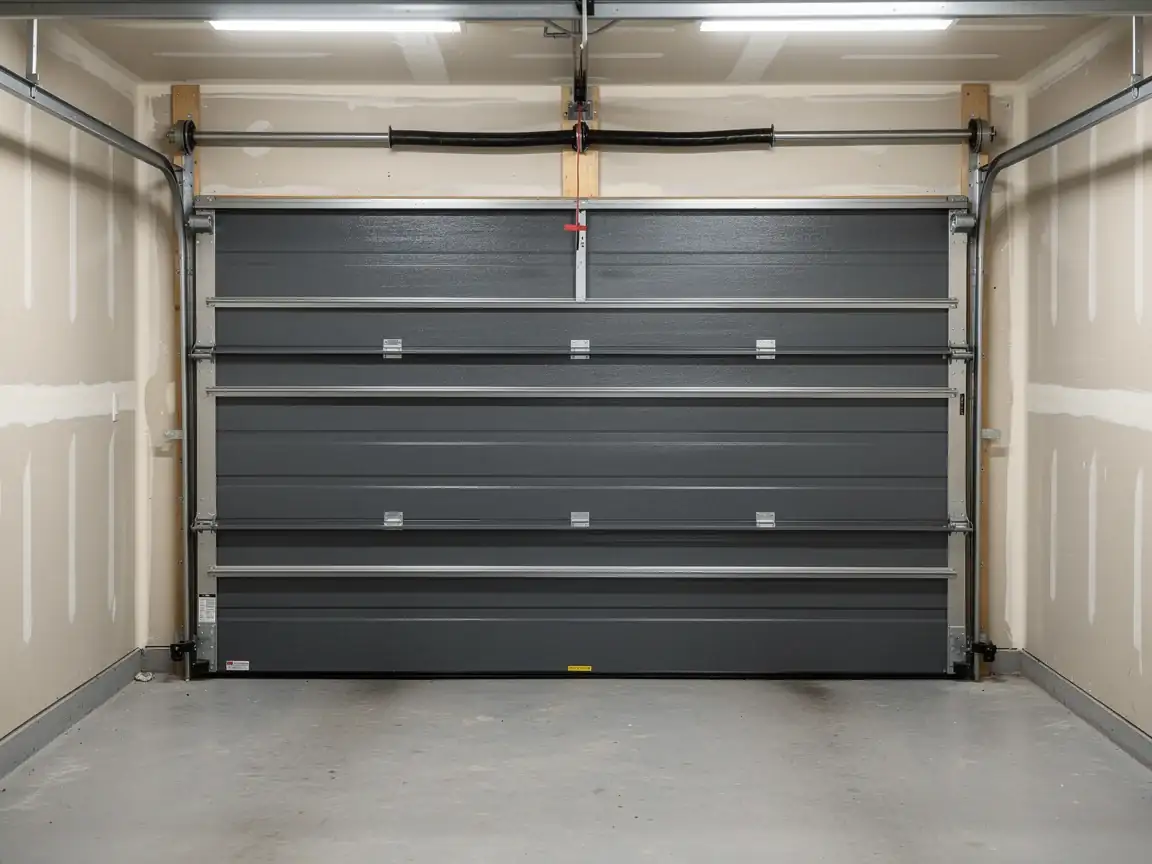
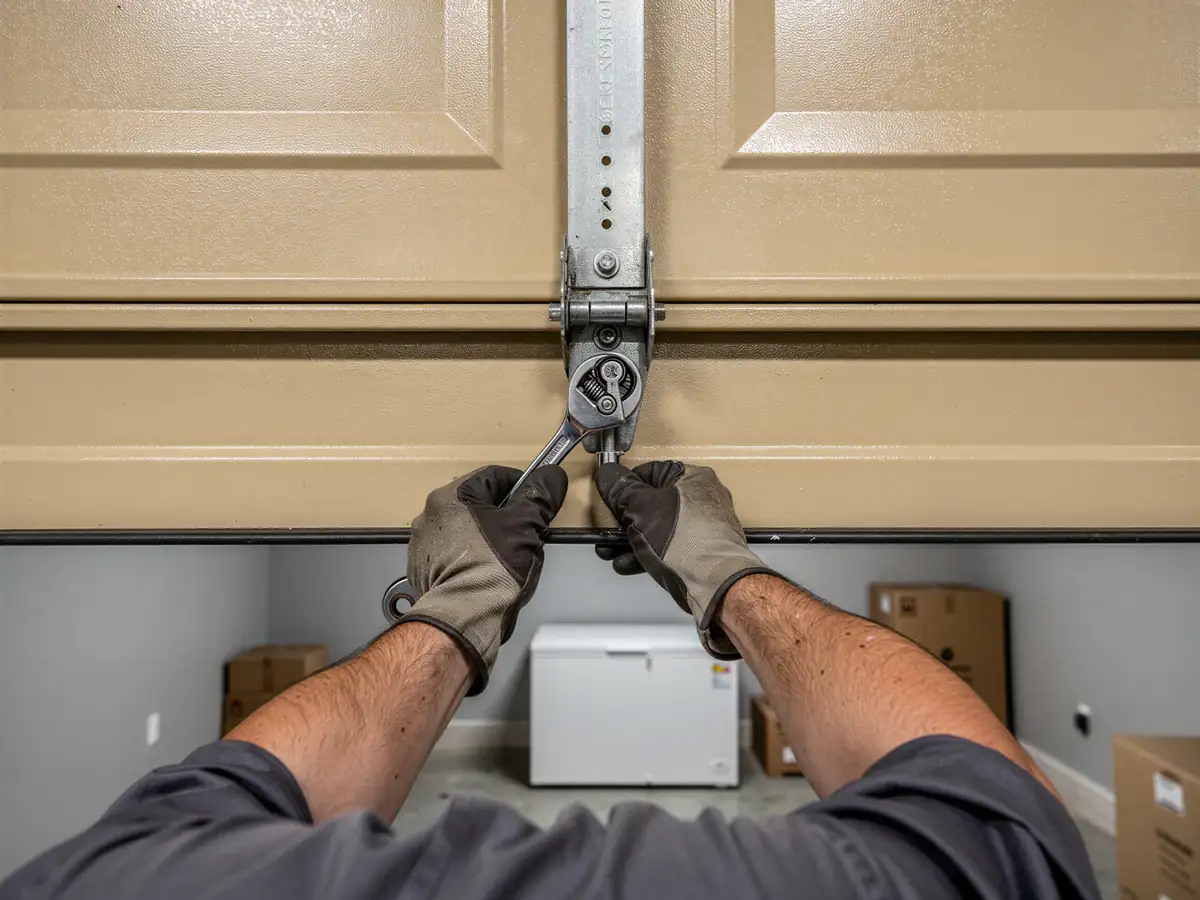
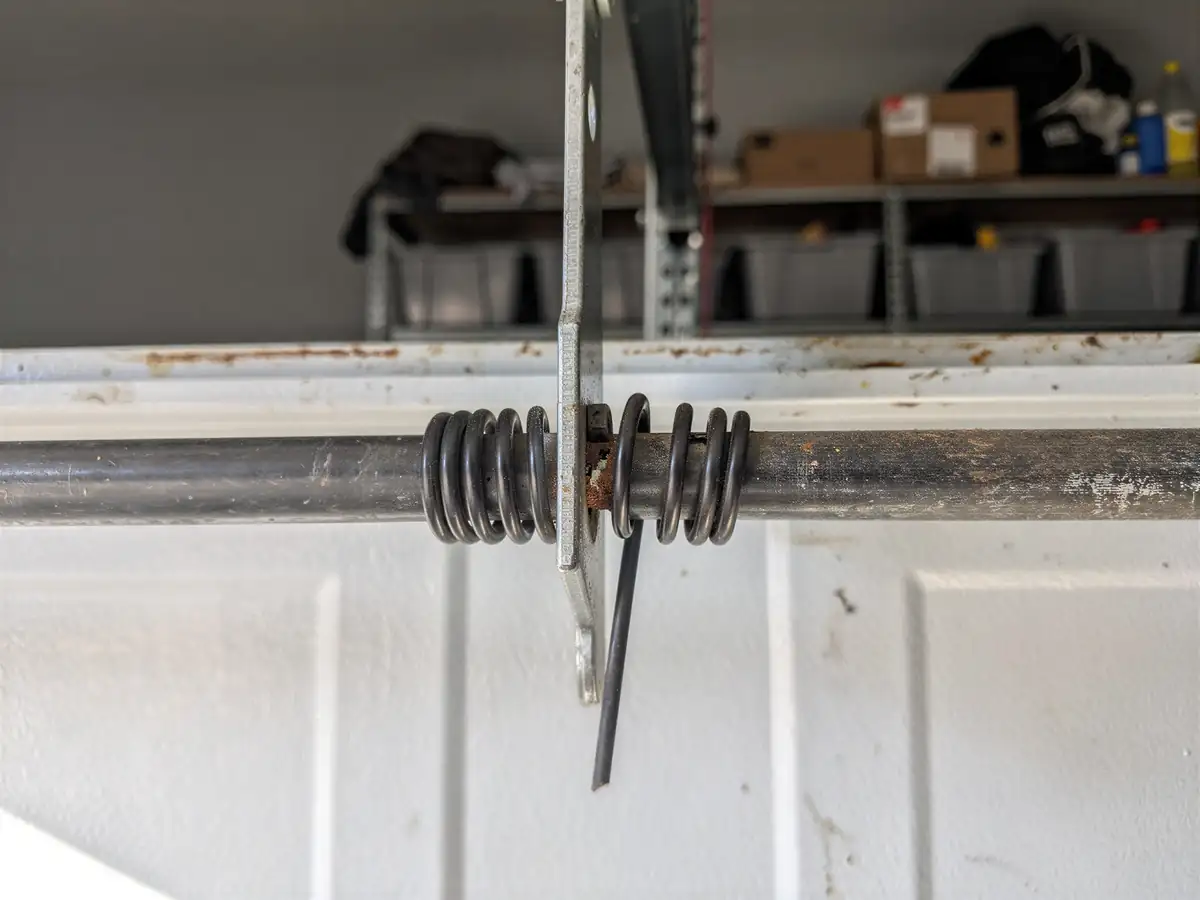
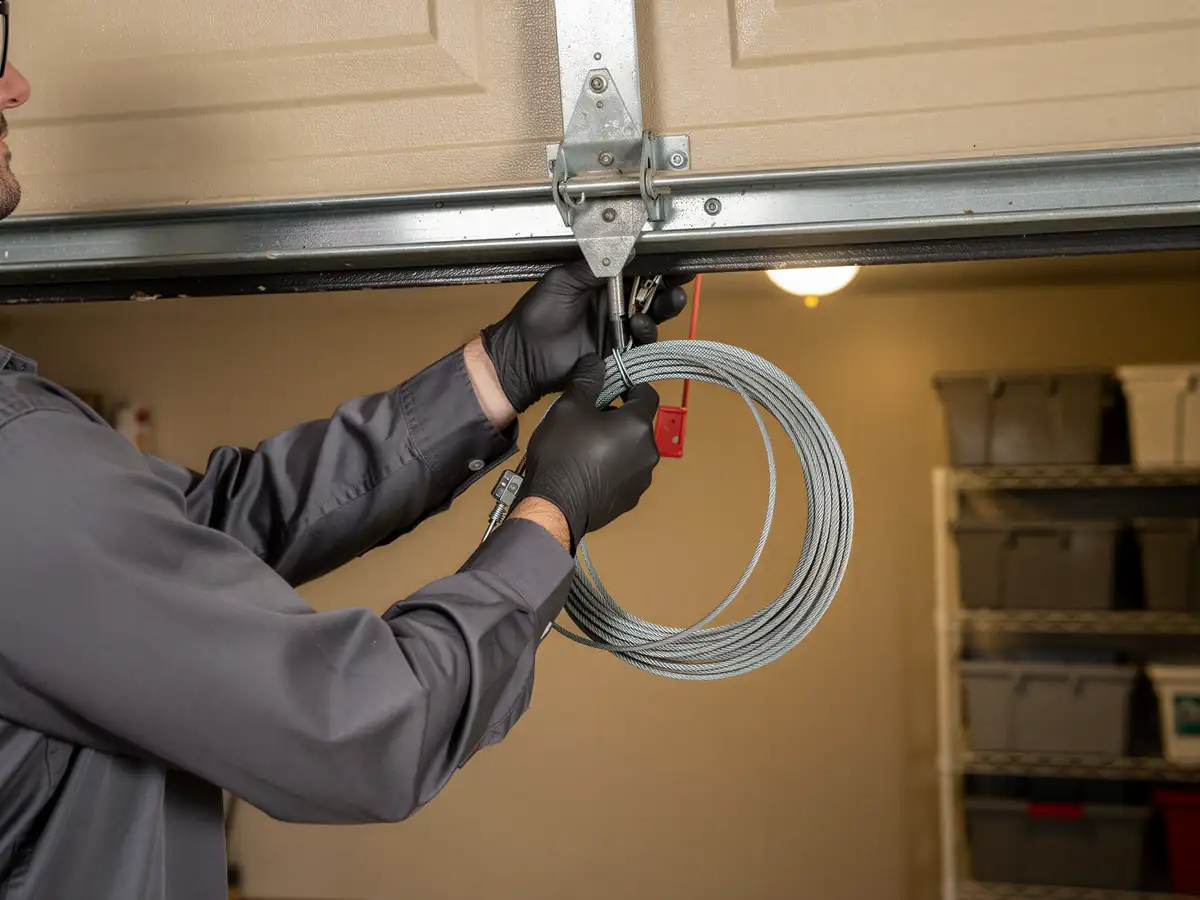
A broken cable almost always announces itself the same way: the door hangs crooked, drops suddenly on one side, or won't move at all when you hit the opener. Sometimes you'll see the cable itself, frayed and curling off the bottom bracket or the drum at the top of the track. On older torsion setups, which are common across this service area, a snapped cable can also let the spring unwind with real force, so a door that looks merely stuck can actually be dangerous to touch.
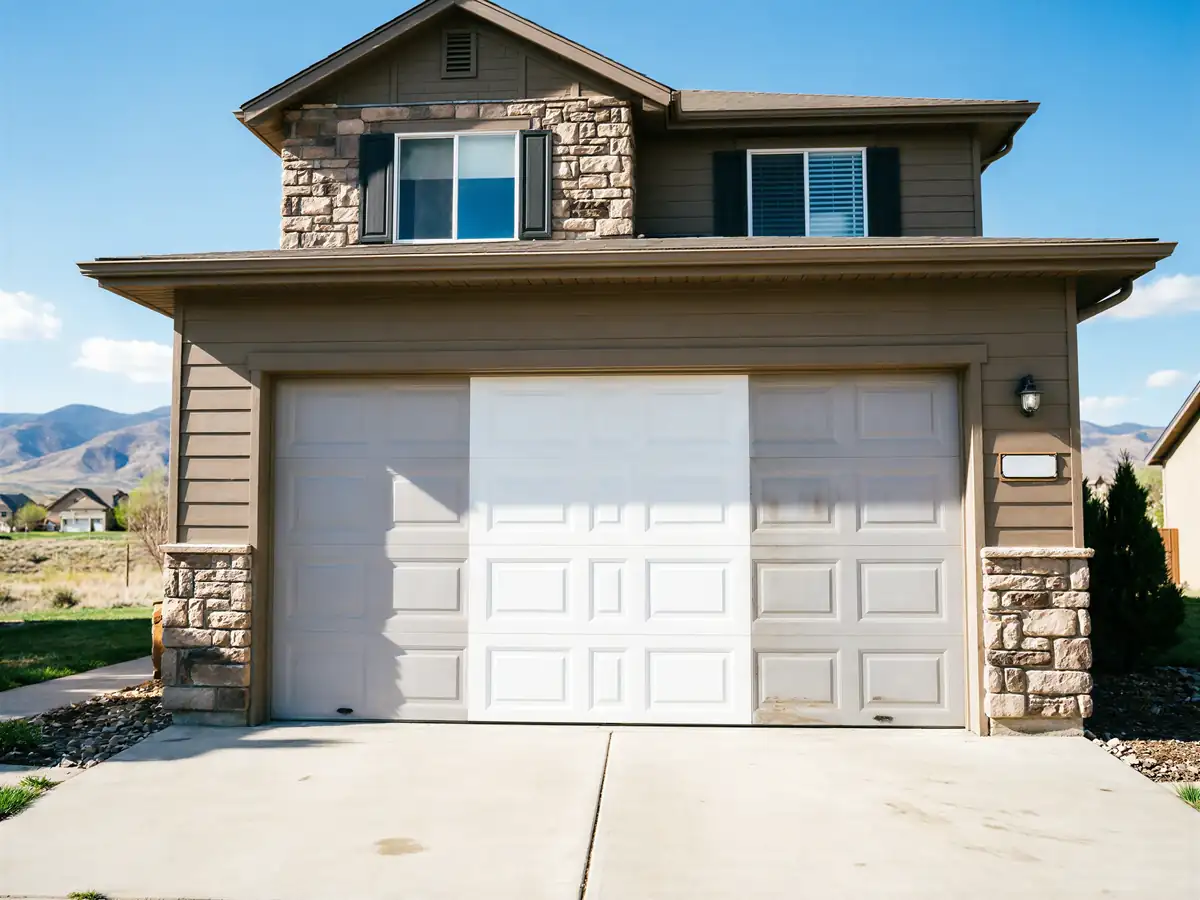
We see a mix of failure types: a cable jumping off the drum from a worn bearing, strands fraying where the cable wraps the bottom bracket, and full snaps on doors that have gone a long time without anyone checking the hardware. On double-wide doors, an uneven cable - one side holding, one side gone - puts a door badly out of square, which stresses the tracks and rollers even after the cable gets replaced.
If your door moves but makes a grinding or popping sound before it drops, that's often a cable about to go, not yet gone. Catching it there is cheaper and safer than waiting for the snap.
What You Pay
We don't publish a flat number for cable repair because the job isn't flat. A single cable replacement on a standard single door is a different job than replacing both cables on a double door that's also bent a track or chewed up a roller from running unbalanced. What we can tell you: across this service area, where median household income sits around $76,339, most homeowners treat a cable job as a repair, not a reason to replace the whole door - the door and opener are usually fine once the cable and any damaged hardware are sorted.
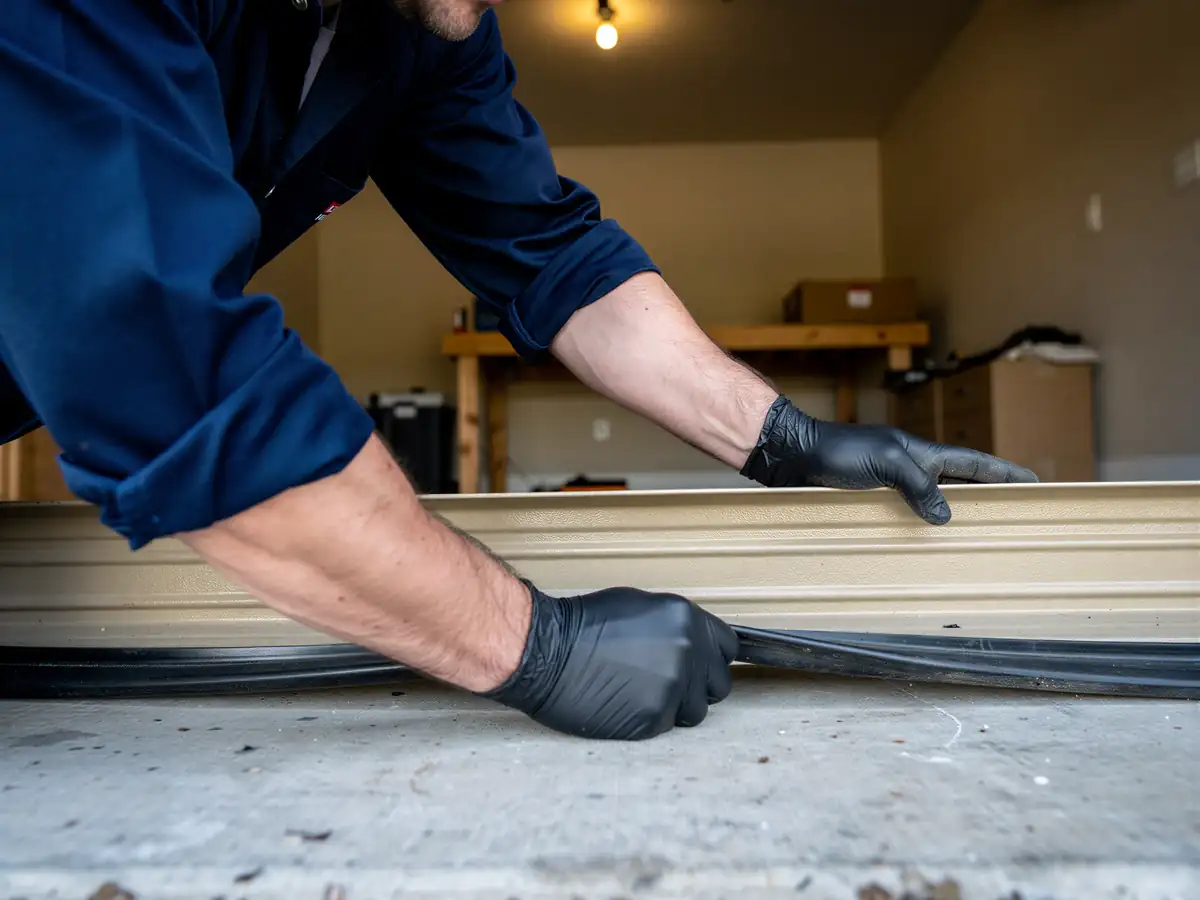
The honest limitation here is that we can't quote a cable job sight unseen. A tech needs to see the drums, the spring condition, and whether the door frame itself got racked before pulling a number together. What we avoid is tacking on a spring replacement or full tune-up you didn't ask for - if the spring's fine, we tell you that.
Why It Happens Here
Most of the housing in this service area, across Orchard Mesa, Redlands, Fruitvale, Clifton, was built between 1977 and 1998
With a lot of it clustered in the 1980s and 90s. That generation of garage door hardware is now 30-plus years into service in a lot of houses, and galvanized cable wears from the inside out - fraying where it wraps the drum, long before it looks bad to the eye.
The cold, dry climate here doesn't help
Cable wire doesn't rust the way it might in a wetter region, but cold makes steel more brittle and less forgiving of the small nicks and kinks that build up over decades of use. A cable that's flexed the same way ten thousand times in a severe-cold climate is more likely to snap outright than to stretch and warn you first. Combine original 1980s hardware with that temperature swing and cable failure becomes one of the more predictable calls we get across the service area, especially once a house passes the 30-year mark on its original door.
Booking a Visit
If a cable has already let go, don't try to force the door up or down - with the spring still loaded, that's how people get hurt. Leave it where it is and give us a call. If it's just fraying or popping off the drum intermittently, that's worth getting looked at before it fails outright, since a controlled repair is simpler and cheaper than an emergency one.
We cover the Grand Junction area including Orchard Mesa, Redlands, Fruitvale, Clifton, Fruita. Find more about us at Grand Junction Garage Door Pros.