Serving Grand Junction, CO & nearby
(970) 225-5718
Grand Junction, CO

Garage Doors Built Before Modern Insulation Rules

Grand Junction homes built between 1977 and 1998 often have original garage doors with thin steel and no insulation layer, a weak spot in cold winters.

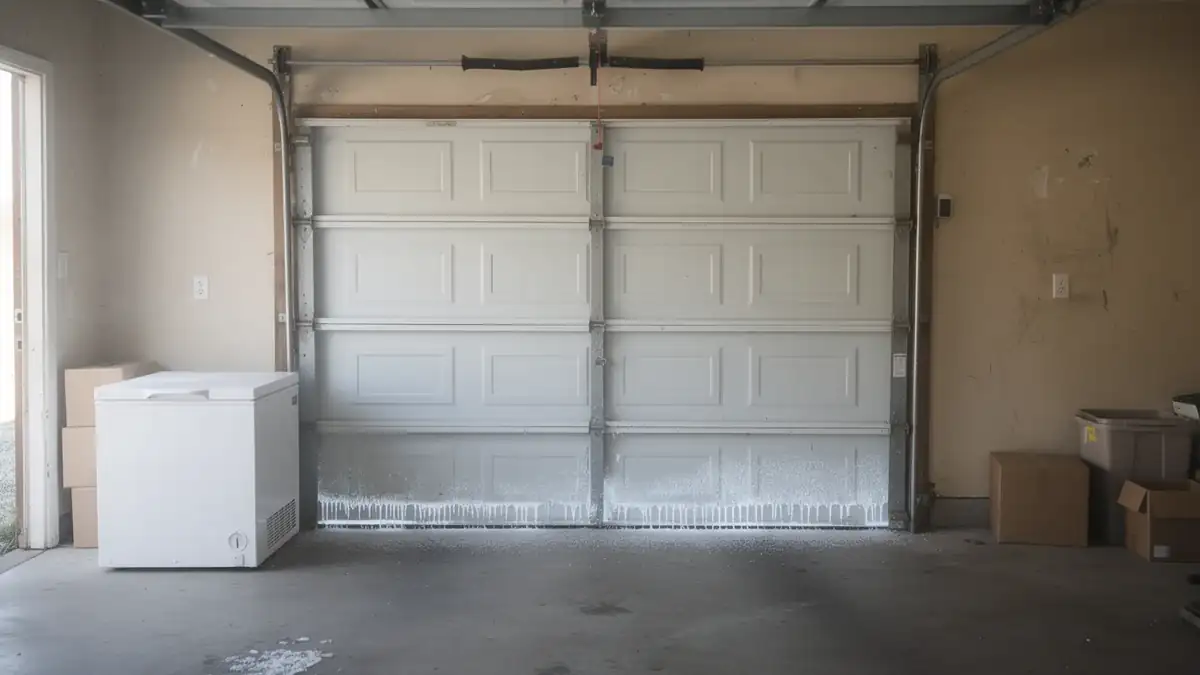
A white garage door with ice and water dripping from the bottom.

The Problem

Most of the housing stock around Grand Junction went up between 1977 and 1998, with the median house dating to 1984. That matters more than people think when it comes to garage doors. A door installed when a house was built in that window is almost always a single layer of steel over an air gap - no foam core, no thermal break, no second skin. It was standard practice then, not a defect. The problem shows up now: that same door is pushing 30 to 45 years old, the steel has thinned at the bottom panel from years of rollers dragging on it, and the hardware is original torsion or extension spring gear that nobody designed to last this long without a rebuild. You'll see it as a door that's heavier to lift by hand than it should be, a bottom seal that's cracked and lets daylight through, or panels that have started to oil-can - that wavy flex you can push in and watch spring back. None of that is cosmetic. It's the door telling you the materials it was built with have reached the end of what they were rated for.

How Local Conditions Play In

This area sits in a cold-severe climate band, and that's the part a generic door inspection misses. An uninsulated steel panel from the 1980s-90s building wave doesn't just look dated - it conducts outside temperature straight into the garage, and if the garage shares a wall with living space, straight into the house. Cold snaps also stiffen the lubricant on original rollers and hinges, which is why a door that worked fine in October starts binding or grinding in January. Steel contracts in the cold too, which widens gaps around an old, brittle bottom seal that was never a great fit to begin with. None of this is unique to one street - it's the same story whether the house sits in Orchard Mesa four miles out, Redlands five miles out, or closer in, because the building stock and the winters are shared across the service area. A door that's merely annoying in a mild climate becomes a real energy drain and a real failure risk here, where the swing between a warm fall afternoon and a hard freeze that night is routine.

Doing Nothing For Now

Not every old door needs to come out this year, and we'll say that plainly. If the panels are still flat, the springs are cycling smoothly, and the only issue is that the door is cold to the touch, you can live with it - add a bottom seal, maybe a layer of rigid foam insulation kit on the inside of the panels, and call it good for a while. That's a reasonable stopgap for a household watching the budget, and at a median income of $76,339 across the area, that's a real consideration for a lot of owners, not a small one. Where we'd push back is if the springs are original: a 30-to-45-year-old torsion spring that hasn't been replaced is living on borrowed cycles, and when it lets go it can take a cable or a panel with it. We don't recommend patching a door that's showing spring fatigue just to delay a decision. That's the one limitation worth saying out loud - a bandage on bad springs isn't a plan, it's a gamble with a timeline you don't control.

Checking It Yourself

You don't need a tape measure to get a sense of what you're working with. Open the door and look at the inside face of the top panel - original builders' doors from the 1977-1998 wave are almost always flat steel on the inside, no foam, no backer board. If you see a smooth painted metal surface with nothing behind it, that's your era confirmed. Next, check the bottom corner brackets for rust streaking or stretched screw holes, a sign the door has been cycling hard for decades. Push on the middle of a panel with your palm - real flex or a popping sound means the steel has fatigued. Last, look at the springs above the door: if they're a single color with no manufacture sticker or date tag, assume they're original and treat them as due, not as fine until they fail. Across the roughly 14,945 owner-occupied houses in this service area, a good share of them are carrying exactly this setup, so you're not dealing with anything unusual - just a door that's reached the age where it needs an honest look.
How it works

From “it’s stuck” to “it’s fixed”

A quick, honest process - no guesswork and no surprises, start to finish.

  1. 1
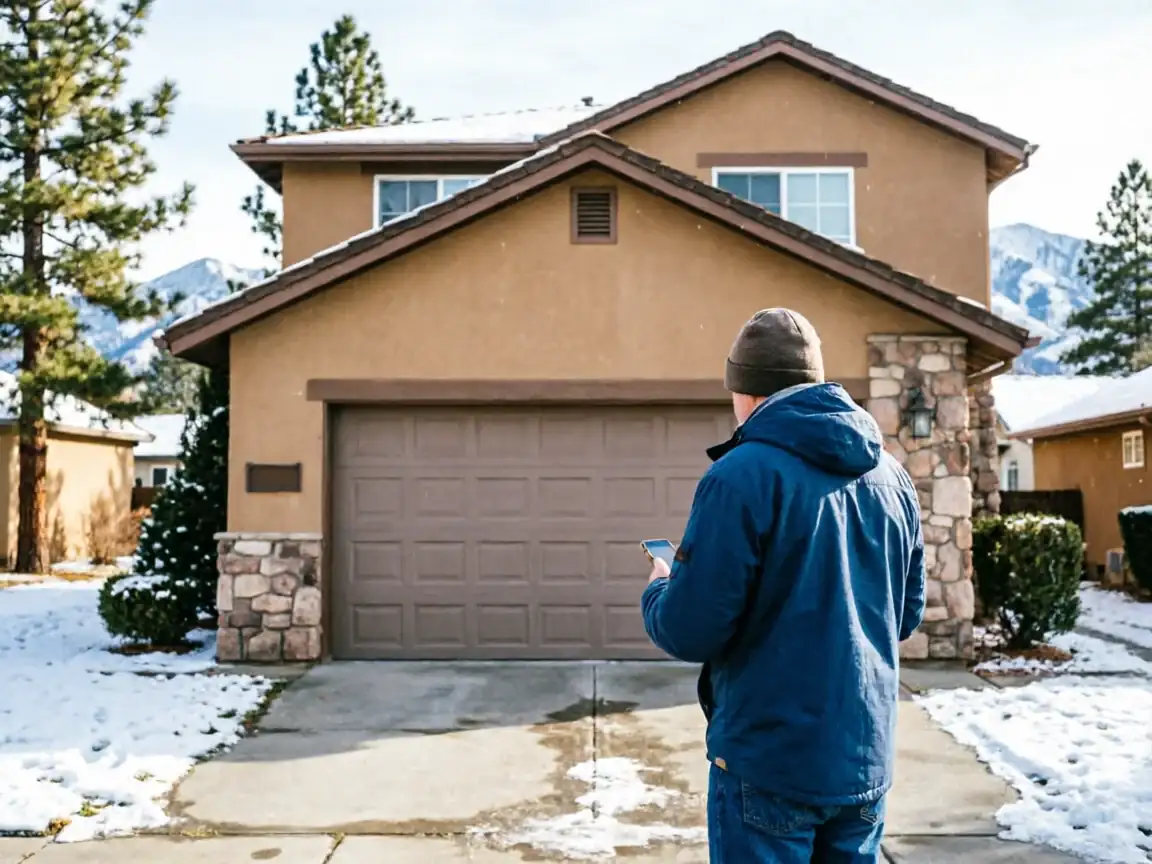
    A person in a blue jacket stands in a snowy driveway looking at a phone.

    Tell us what’s wrong

    Describe the symptom - won’t open, loud bang, opener runs but the door won’t move.

  2. 2
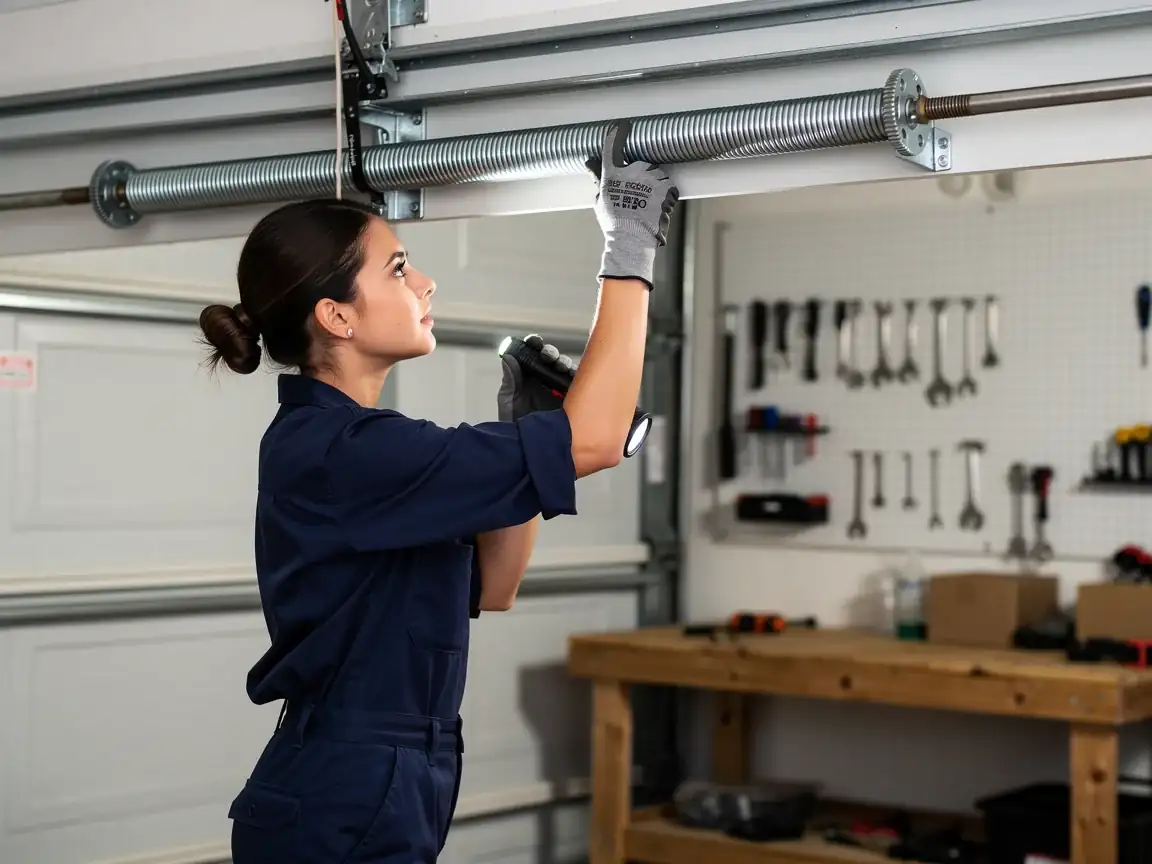
    A technician in a blue jumpsuit inspects a garage door torsion spring with a flashlight.

    On-site diagnosis

    A technician tests the door under power and by hand and finds what actually failed.

  3. 3
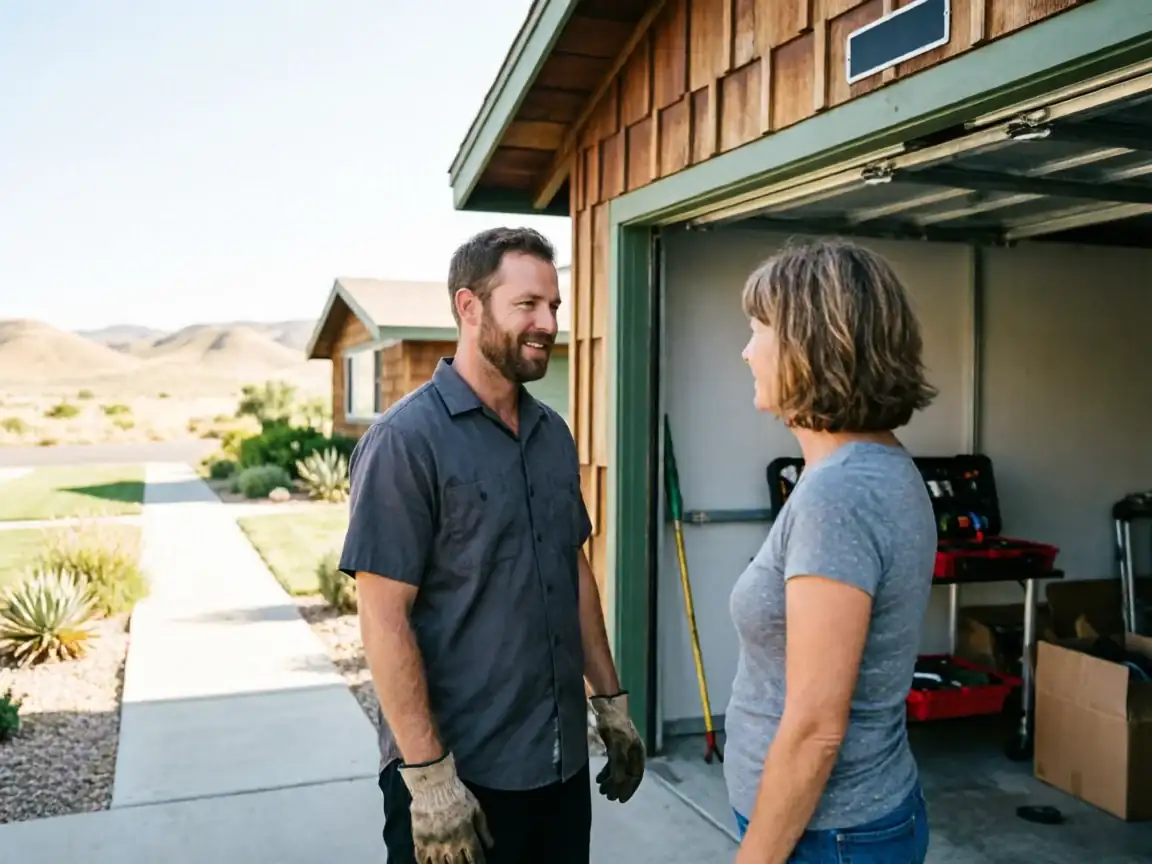
    A technician wearing gloves talks to a woman in front of an open garage.

    Clear, up-front plan

    You get the fix that’s needed and what drives the cost - before any work starts.

  4. 4
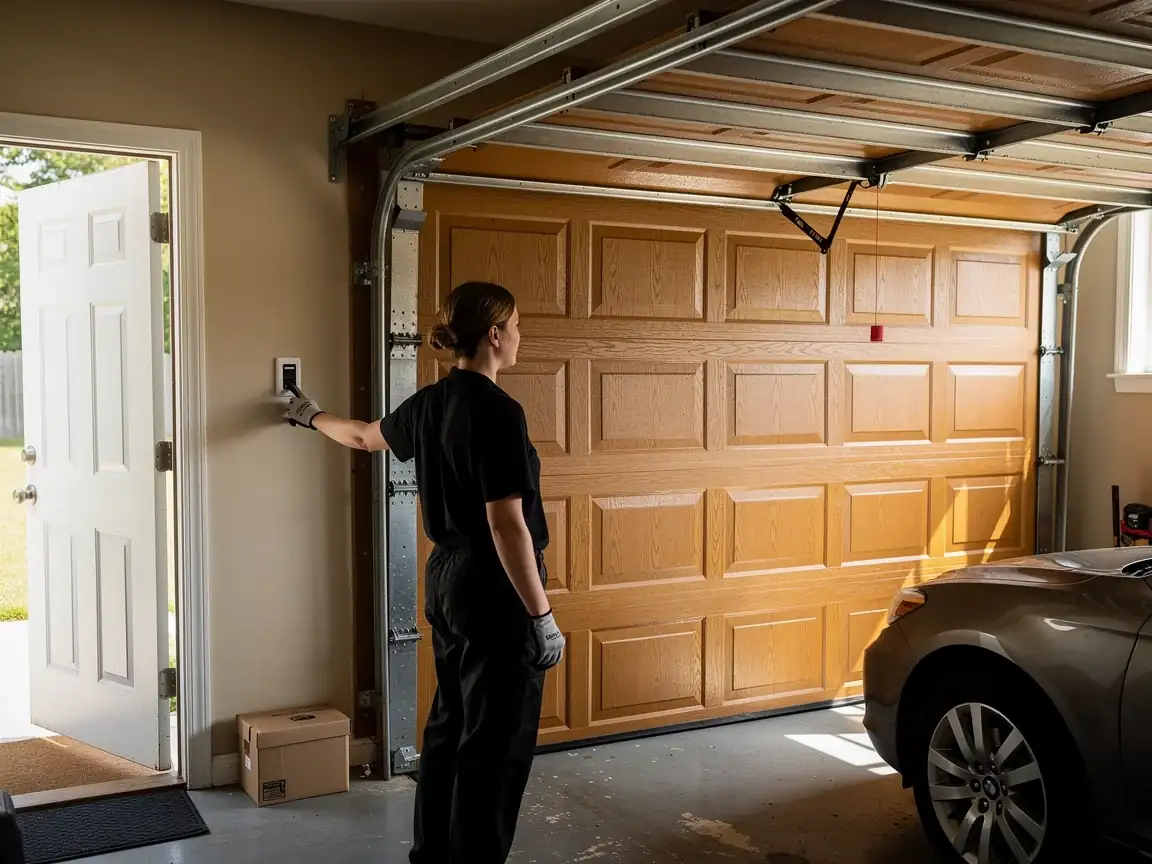
    A technician presses a button on the wall next to a closed wooden garage door.

    Repaired & tested

    The repair is done, the door is set true and tested, and the work area left clean.

Next step

Not sure which repair your door needs in Grand Junction, CO? Describe what it’s doing - every job starts with a diagnosis.

How we work

What to expect

  • Diagnosis firstEvery visit starts by finding what actually failed - not a pre-written parts list.
  • The right part for the doorSprings and openers matched to the door’s weight and age, so the fix holds up.
  • Straight answersWhen a repair makes more sense than a replacement - or the reverse - you hear it plainly.
  • Clean, careful workTension released safely, hardware set true, the door tested under power before we leave.
What we do

Garage Door Services

Repair and installation work for Grand Junction homes and businesses.

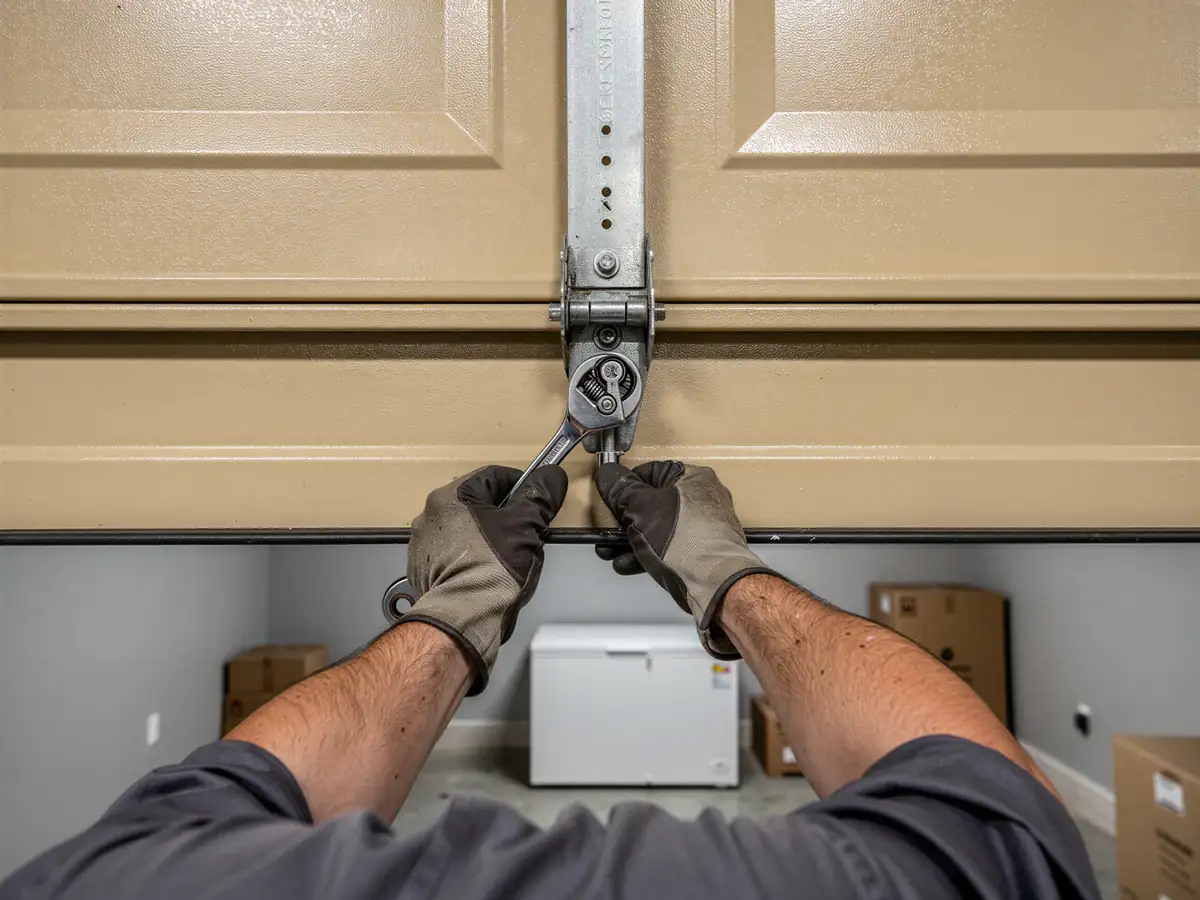
A technician in gloves uses a wrench to adjust a tan garage door.

Garage Door Repair

Garage door repair for Grand Junction homes built mostly between 1977 and 1998, from Orchard Mesa to Redlands. Spring, opener, and track fixes suited to our winters.

Learn more
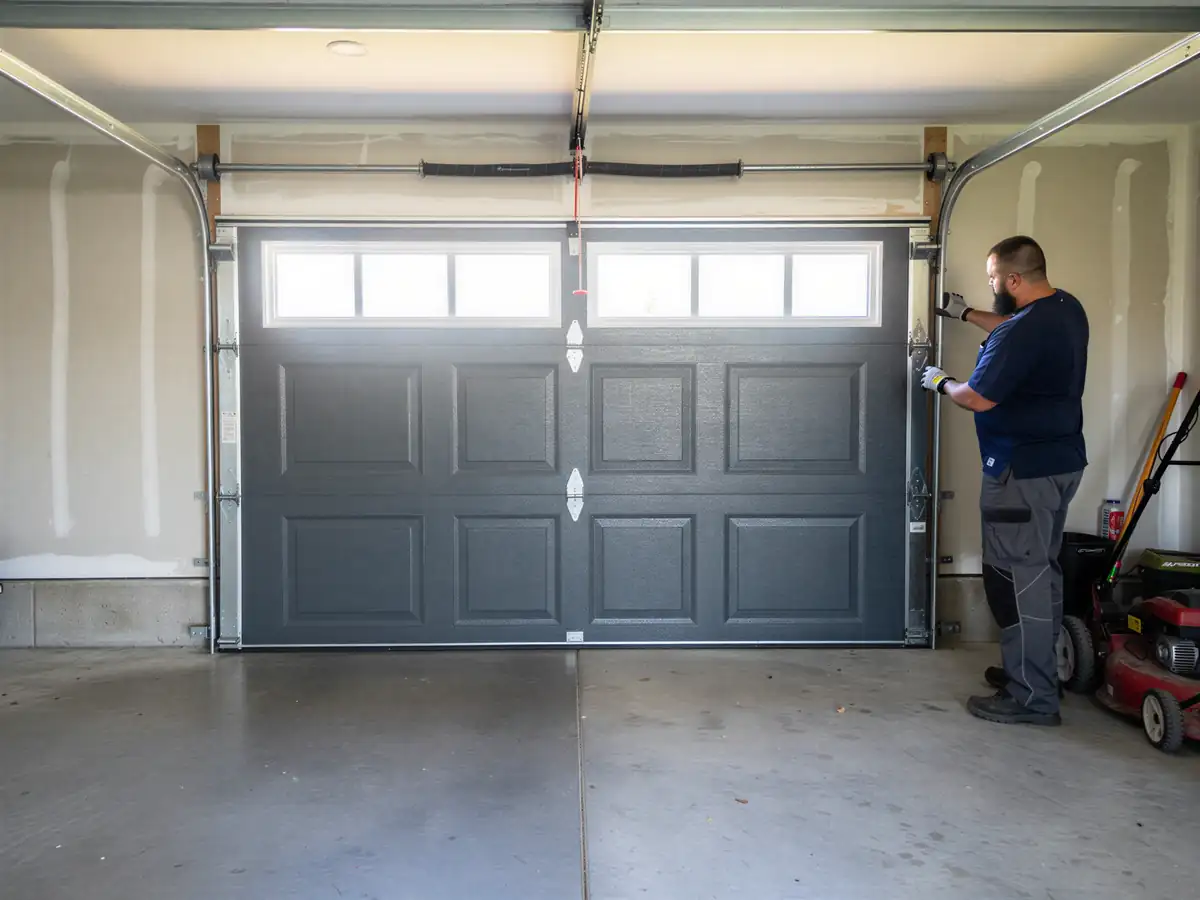
A technician adjusts a closed gray garage door with windows in a garage.

Garage Door Installation

New garage door installation for Grand Junction homes built between 1977 and 1998, matched to our cold-climate winters and the original openings on 1980s-90s houses.

Learn more
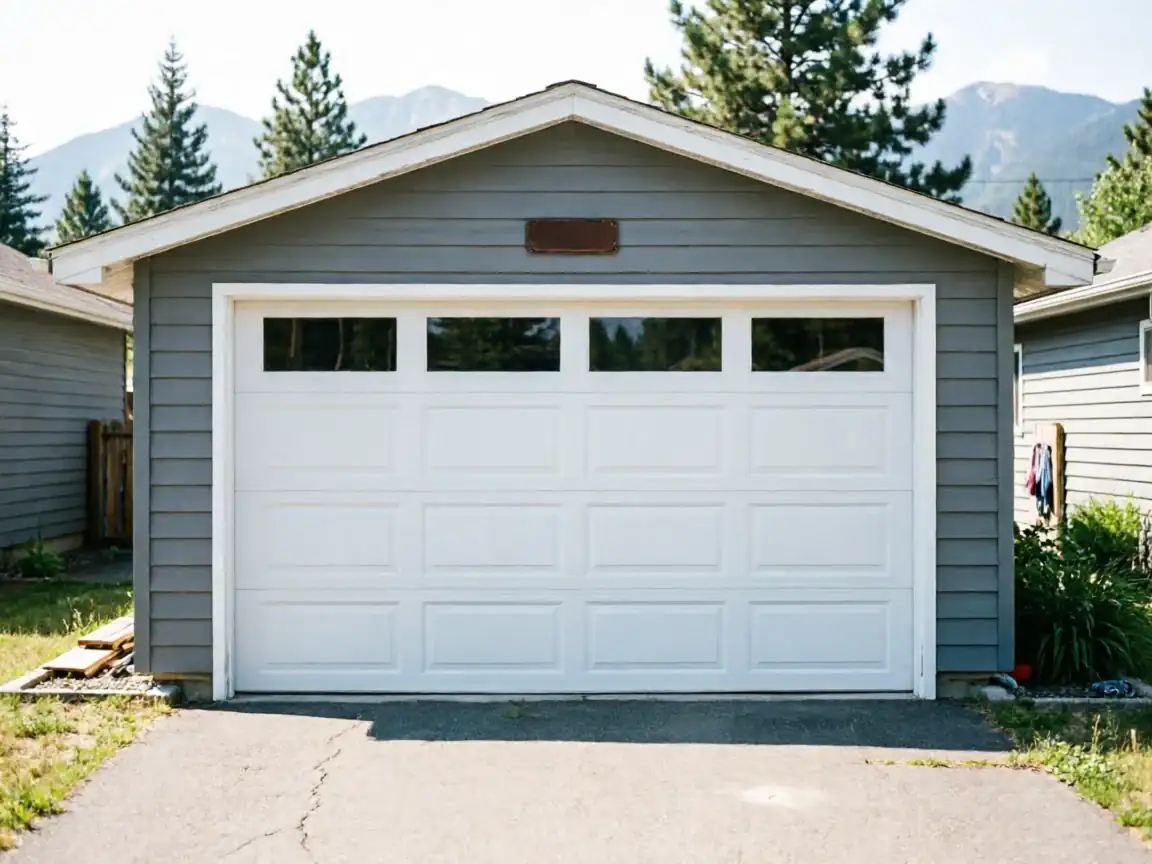
A white garage door with windows is on a gray detached garage.

Garage Door Service

Garage door service in Grand Junction, CO for homes built 1977-1998 with original torsion hardware. Cold-climate wear on springs, cables, and rollers explained plainly.

Learn more
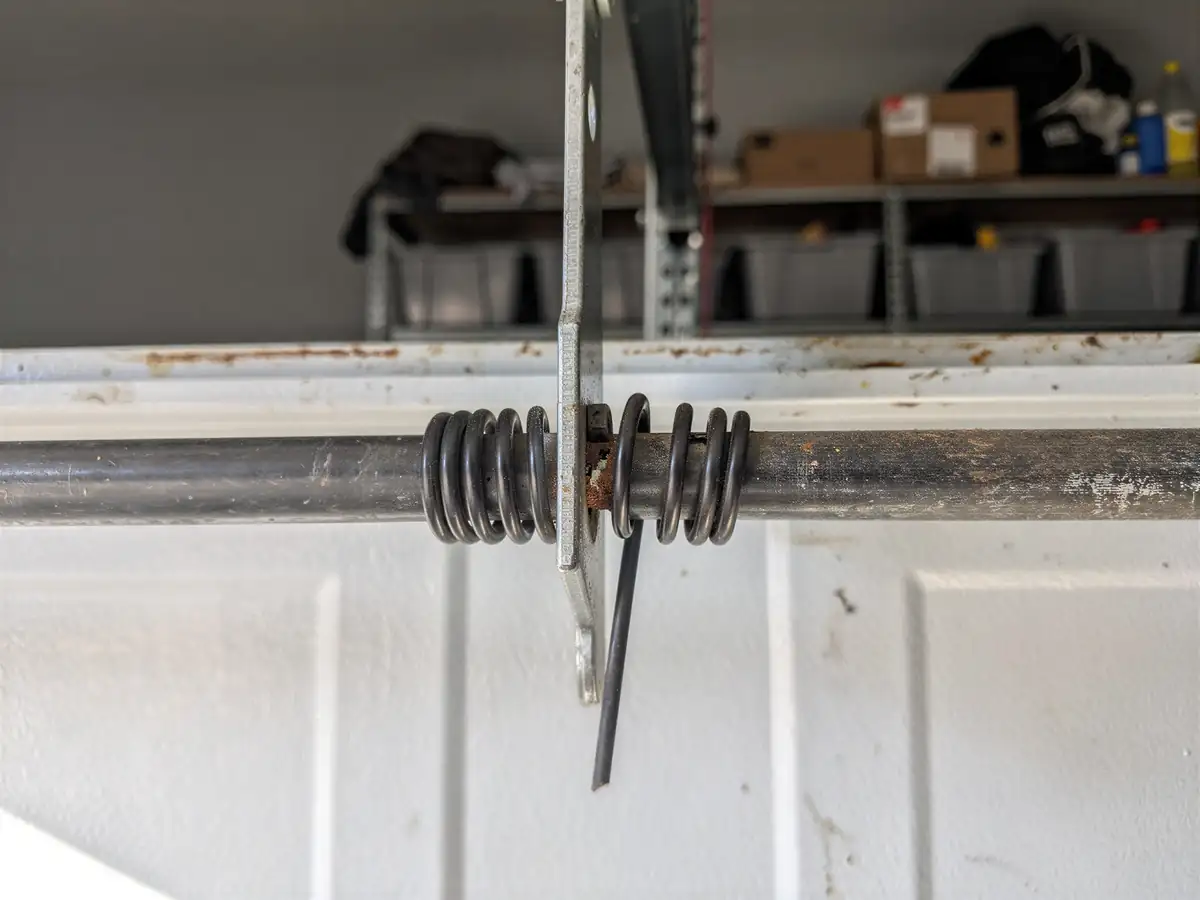
A close-up shows a garage door torsion spring on a metal shaft.

Spring Repair

Broken torsion spring on a house built in the 1980s or 90s? Grand Junction Garage Door Pros fixes spring failures across the valley, from Orchard Mesa to Fruita.

Learn more
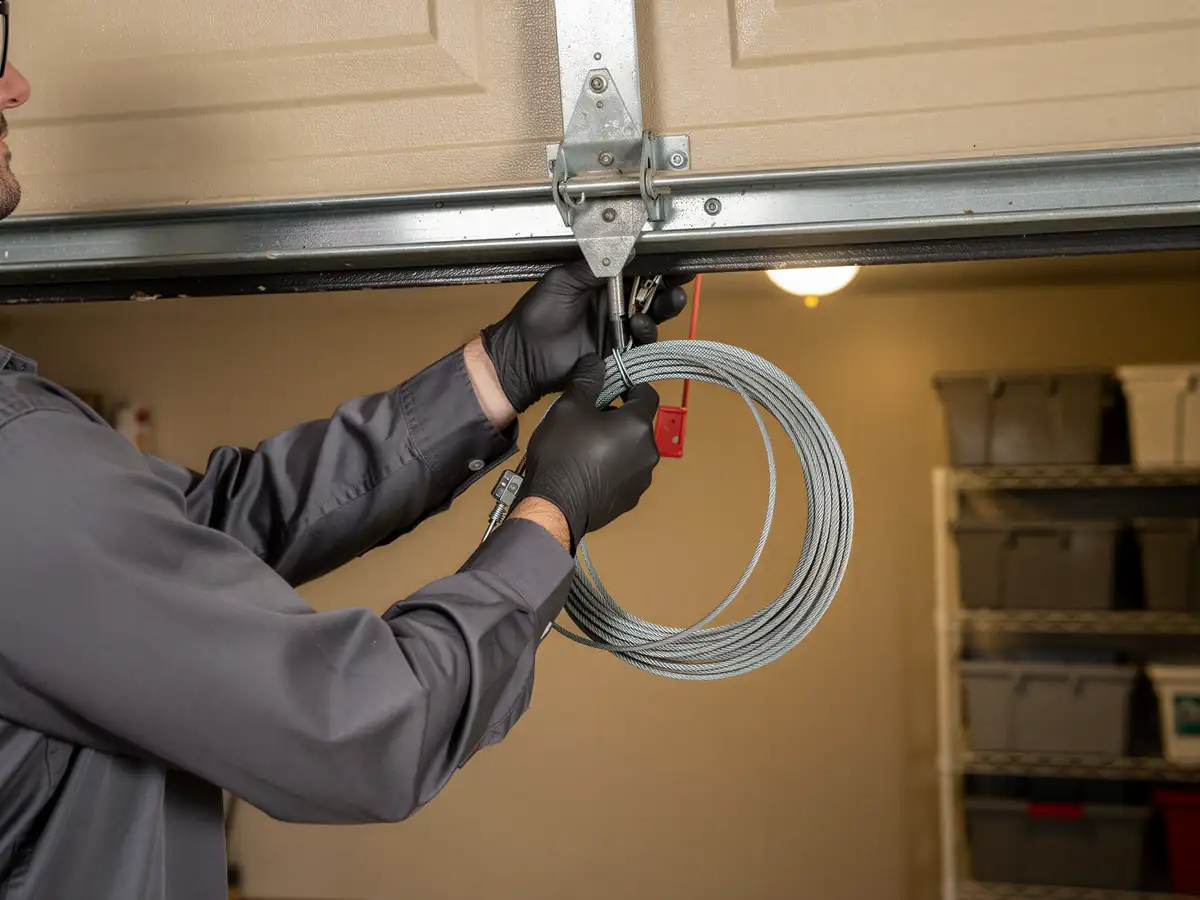
A technician in black gloves holds a coiled garage door cable.

Cable Repair

Snapped or frayed garage door cables are common on Grand Junction's 1980s-90s housing stock. Same-area service covering Orchard Mesa, Redlands, Fruitvale, Clifton.

Learn more
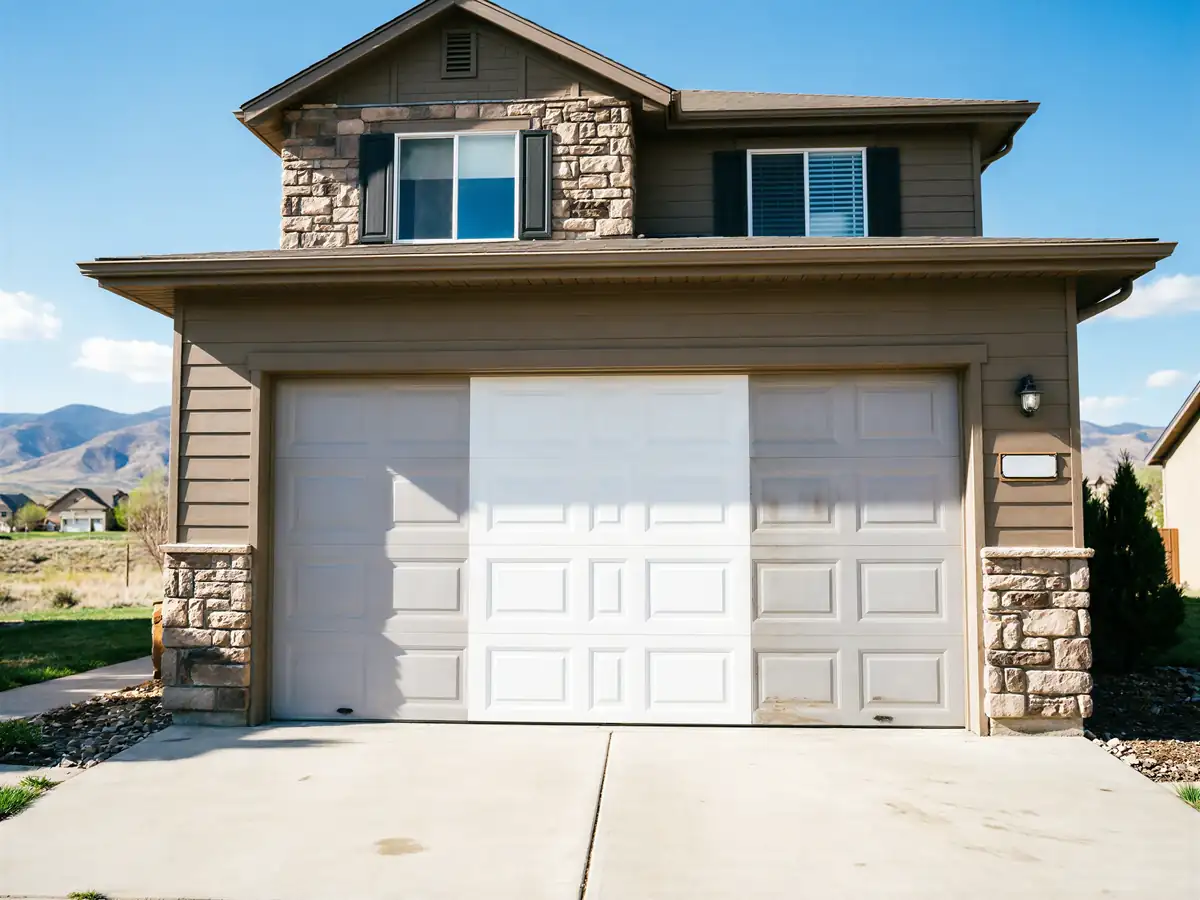
The garage door is half clean and half dirty, with a house and mountains behind it.

Panel Replacement

Dented or cracked garage door panels are common on Grand Junction's 1980s-90s housing stock. We match panels and replace sections across the Western Slope.

Learn more
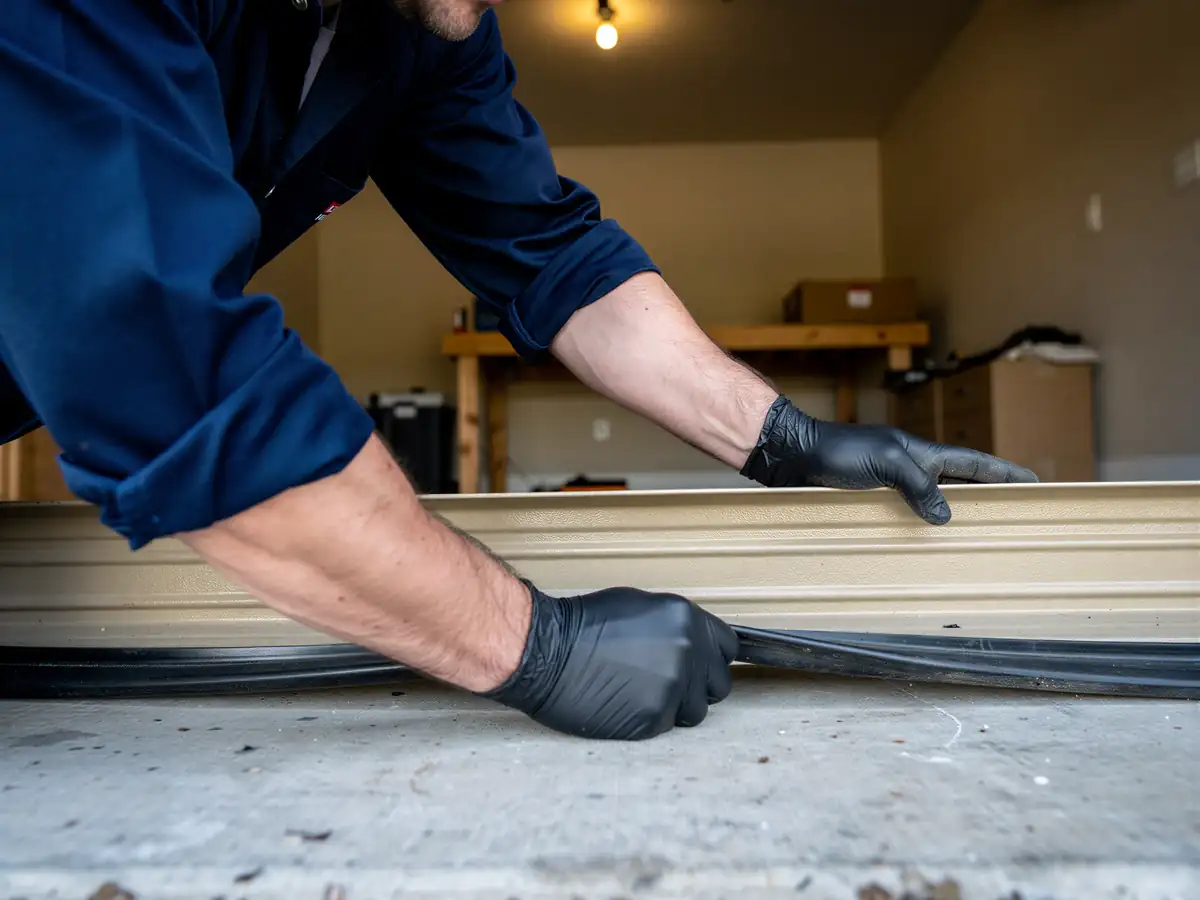
A technician wearing black gloves installs a new seal on the bottom of a garage door.

Maintenance

Garage door maintenance for Grand Junction homes built 1977-1998, where cold winters and original hardware wear springs, rollers, and openers faster than owners expect.

Learn more
A technician walks past a closed gray garage door with windows.

Emergency Garage Door Repair

Broken spring or dead opener at 10pm? We cover Grand Junction and the surrounding mesa towns, with doors built for this valley's cold-season swings.

Learn more
Questions

Frequently asked

Straight answers about garage door repair in Grand Junction. Still unsure? Ask us directly.

Is my garage door too old to insulate instead of replace?

Depends on the panel condition, not just the age. If the steel is still flat and the door isn't oil-canning or rusted through at the bottom, an insulation kit applied to the inside of the panels can cut down the cold transfer without a full replacement. If the panels are already warped or the bottom section is rusted out, insulating it just delays the inevitable.

Why does my door get harder to open in winter?

Cold stiffens the grease on rollers, hinges, and the torsion spring shaft, and steel itself contracts slightly in low temperatures, tightening tolerances that were already worn loose. On a door from the 1977-1998 building wave, those parts are often original, so winter just exposes wear that was already there.

How do I know if my springs are original to the house?

Look for a manufacture date sticker on the spring itself - most newer springs carry one. If there's no sticker, no printed cycle rating, and the house was built in the 1980s-90s range common to this area, treat the spring as original and near the end of its service life regardless of how it looks.

Ready to get your garage door sorted?

Tell us what it’s doing and where you are in Grand Junction - we’ll take it from there.

Request a QuoteCall