What the Housing Means for Your Door
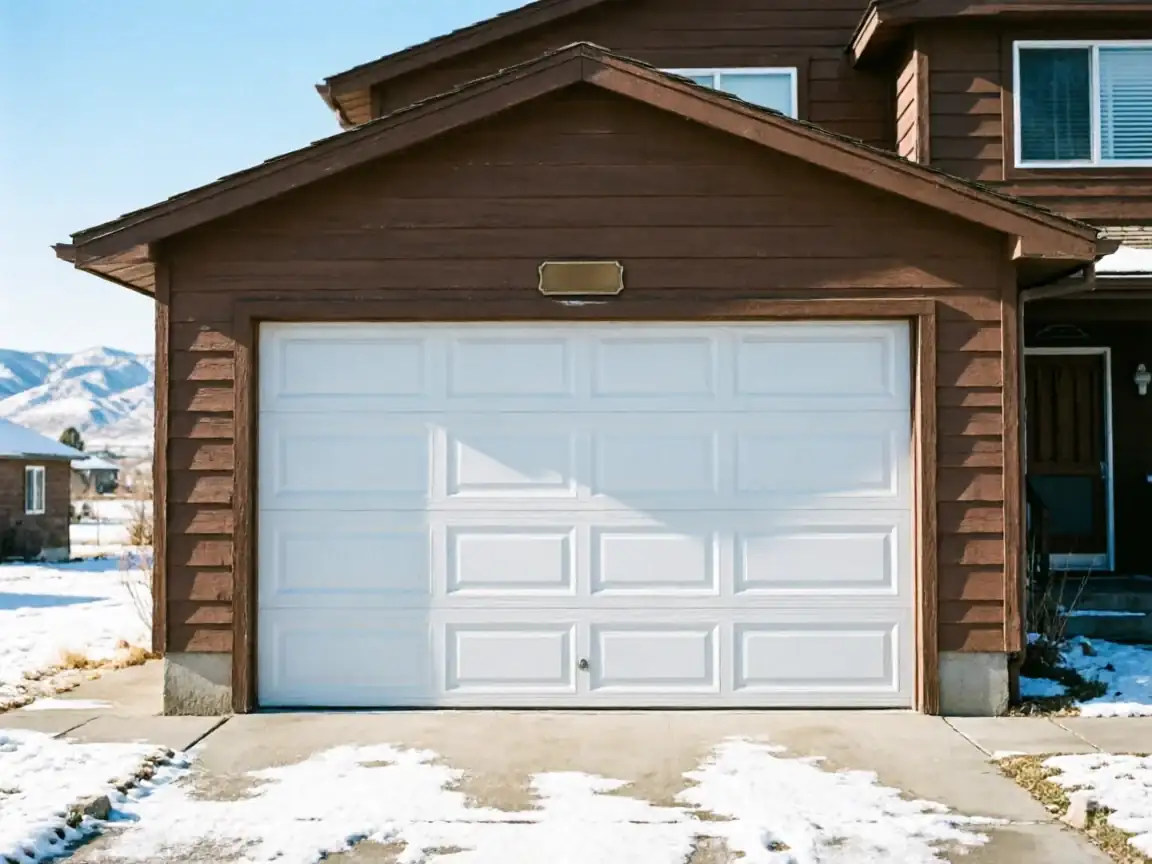
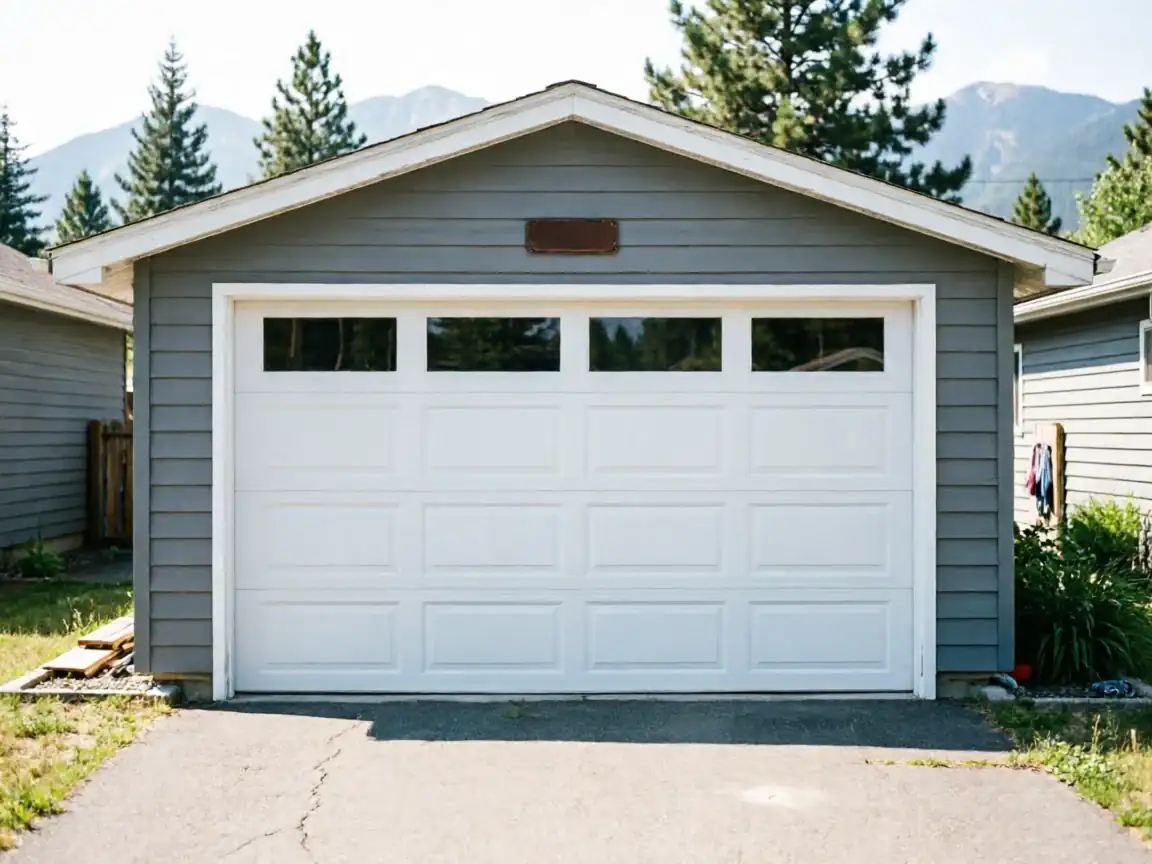
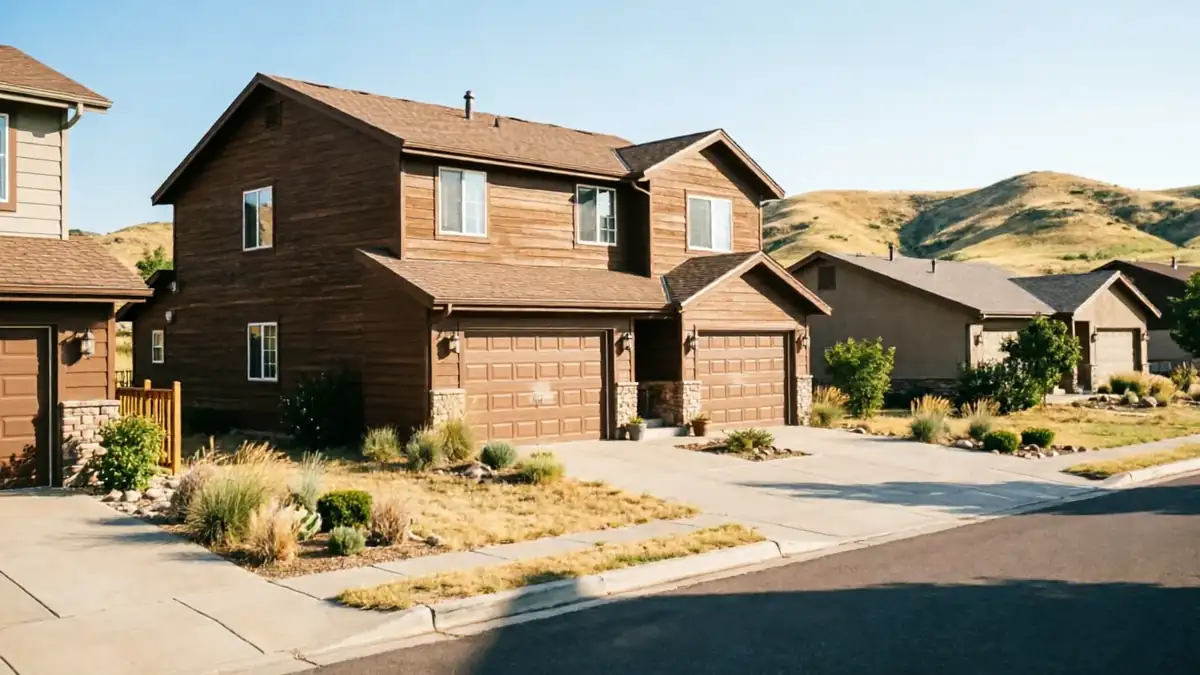
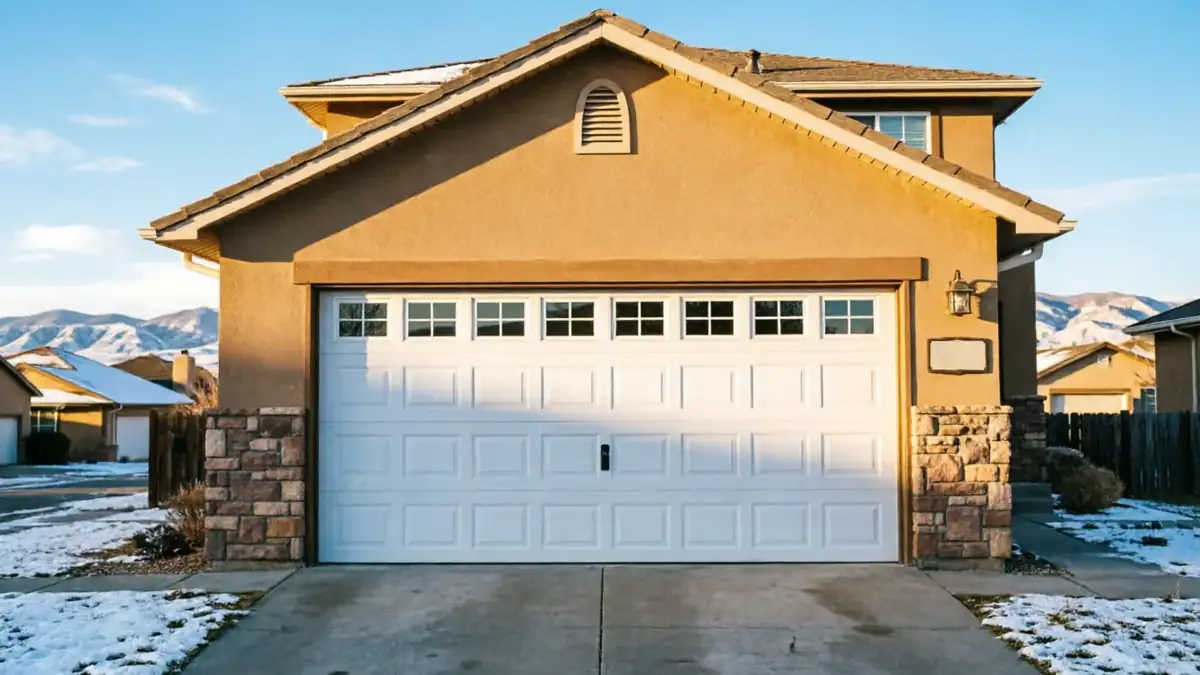
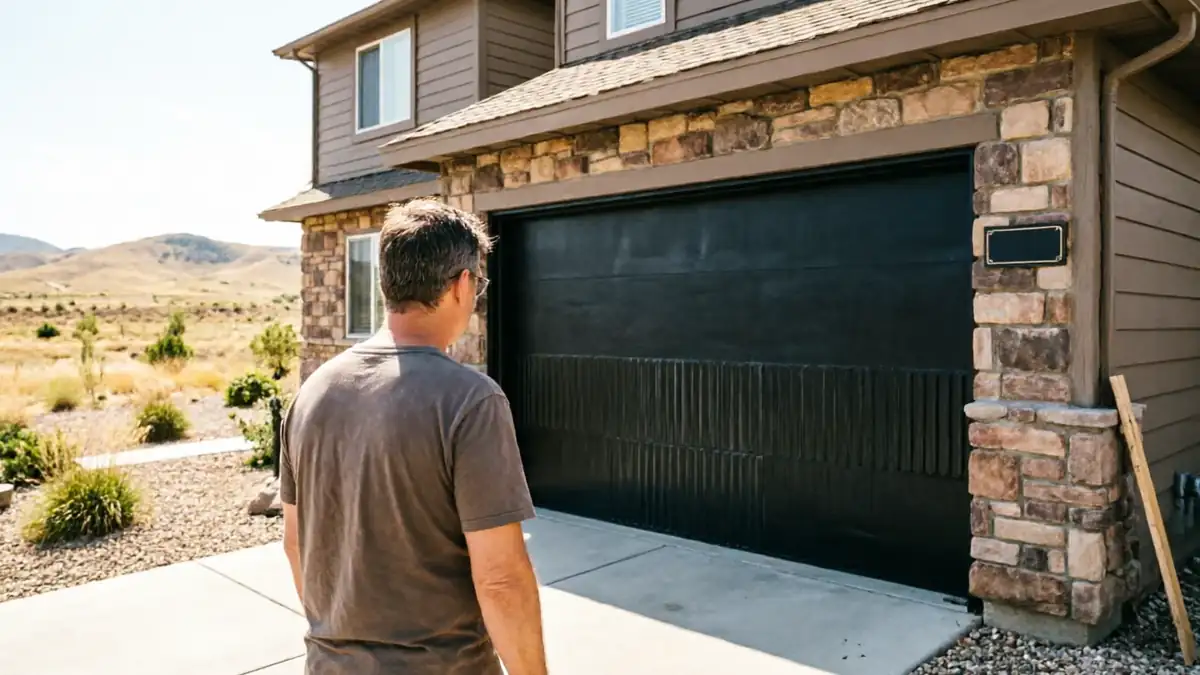
Fruita skews newer than most of the areas we cover out of Grand Junction. The median year built here lands around 1998, a good fourteen years past the 1984 median for the wider service area. That gap matters on a service call. Most Fruita garage doors are still on their original steel sectional panels with factory extension or torsion springs sized for late-90s door weights, not the heavier insulated doors that came later. The openers we find tend to be chain-drive units from that same era, often still the first opener the house ever had. That's a long run for a motor, and when it finally quits, it's usually the circuit board or the drive gear, not the whole unit.
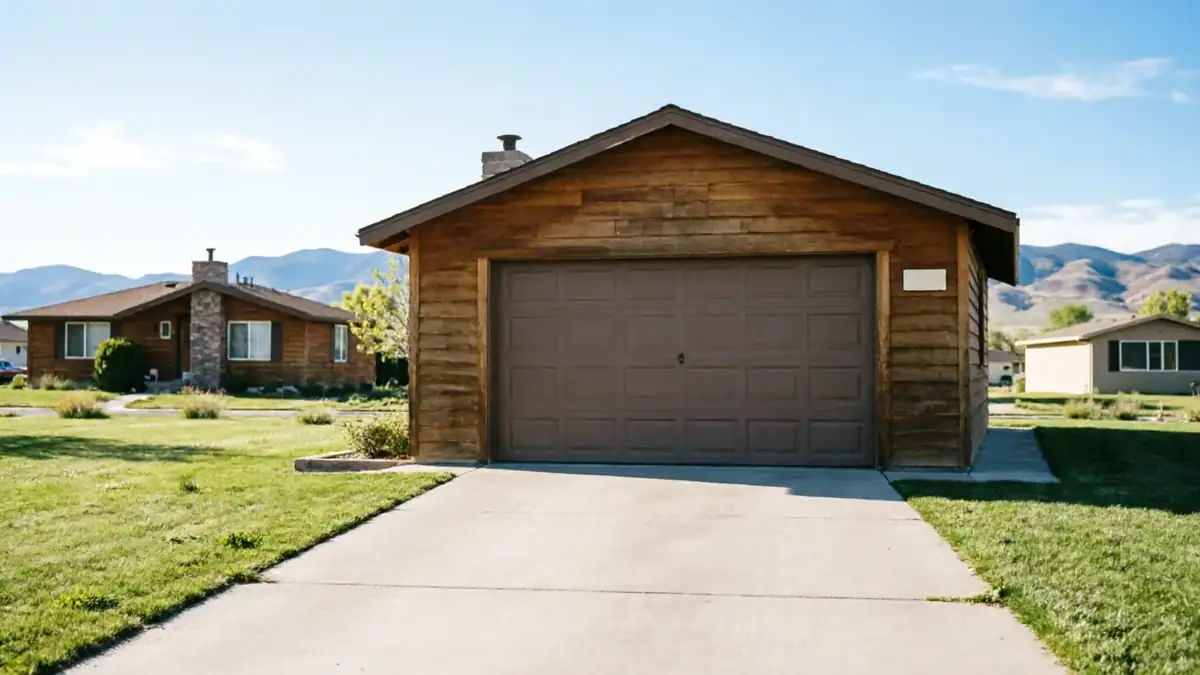
We don't treat a 1998 build the same way we'd treat a 1950s door in an older part of the valley. The hardware is more standardized, parts are easier to source, and most of what fails is wear, not obsolescence. The honest limitation: if your opener predates 1993 wall-control safety standards, we won't just swap a part and call it done - that's a conversation about replacement, not a quick fix.
What We Do Most in This Area
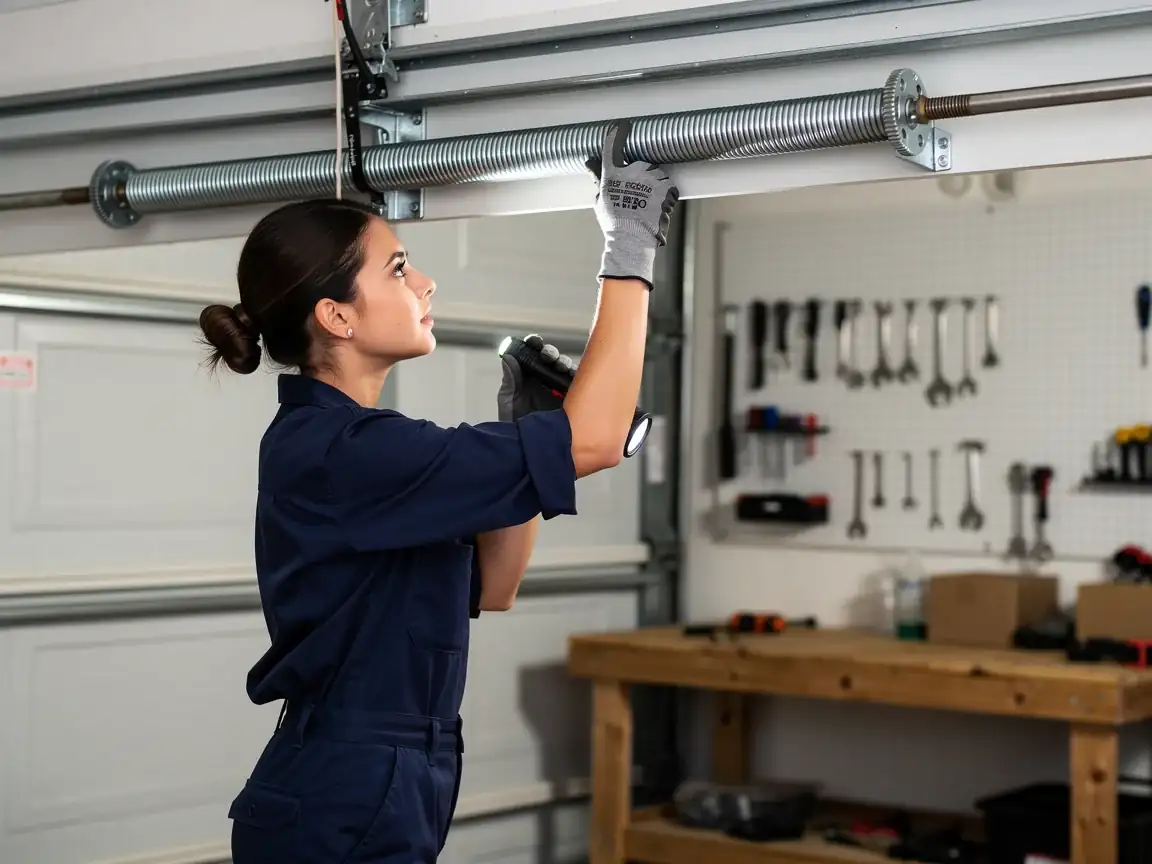
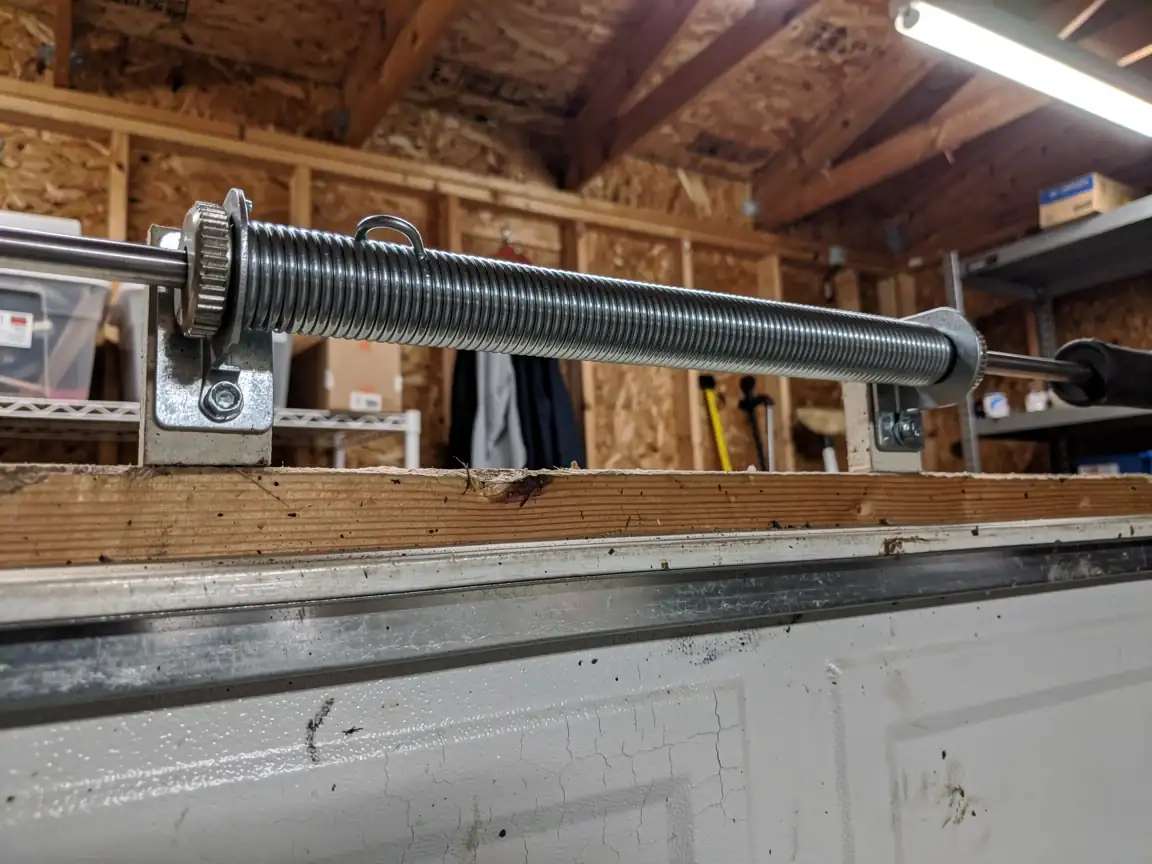
The calls we get from Fruita cluster around a few things: broken torsion springs on doors that have hit their cycle count, opener logic boards that fail quietly (the light blinks, the door won't move), and worn rollers on tracks that have been in service for twenty-plus years without ever being adjusted. With 5,146 households in the area and a median income of $77,680, we see a lot of owner-occupied homes where the door was never touched after the original build - no tune-ups, no roller swaps, just run until it breaks.
We also get more cold-weather calls here than you'd expect for a town this size. Grand Junction's whole service area sits in a cold, severe climate band, and a door that's slightly out of balance in October will bind hard once temperatures drop and the steel contracts. A five-minute balance check in the fall catches most of what would otherwise be an emergency call in January.
Old Streets and New Ones
Fruita sits about 10 miles from our shop in Grand Junction
Past Fruitvale and Clifton on the way out. That drive means we're not doing same-day walk-ins - every Fruita job is scheduled, and we plan the trip around it rather than fitting it in between closer calls in Orchard Mesa or Redlands.
- 10 miles
The town itself reads differently street to street
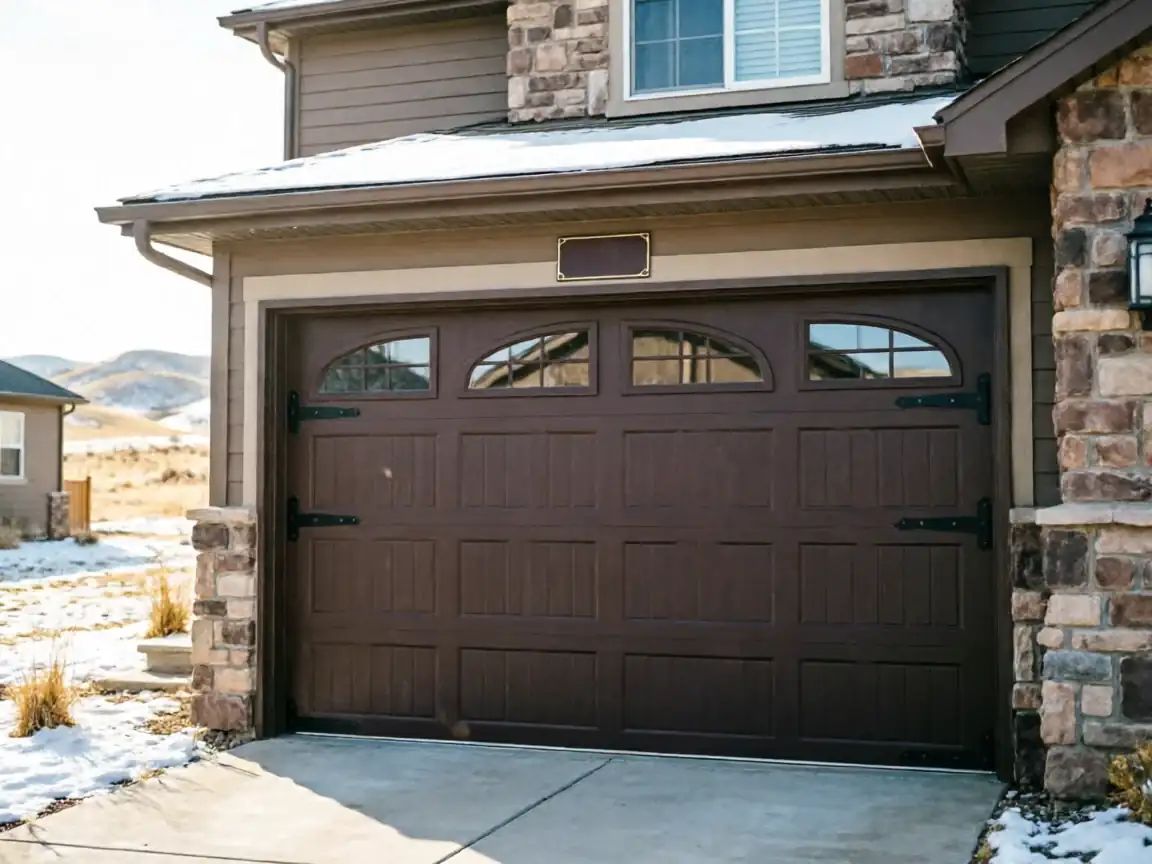
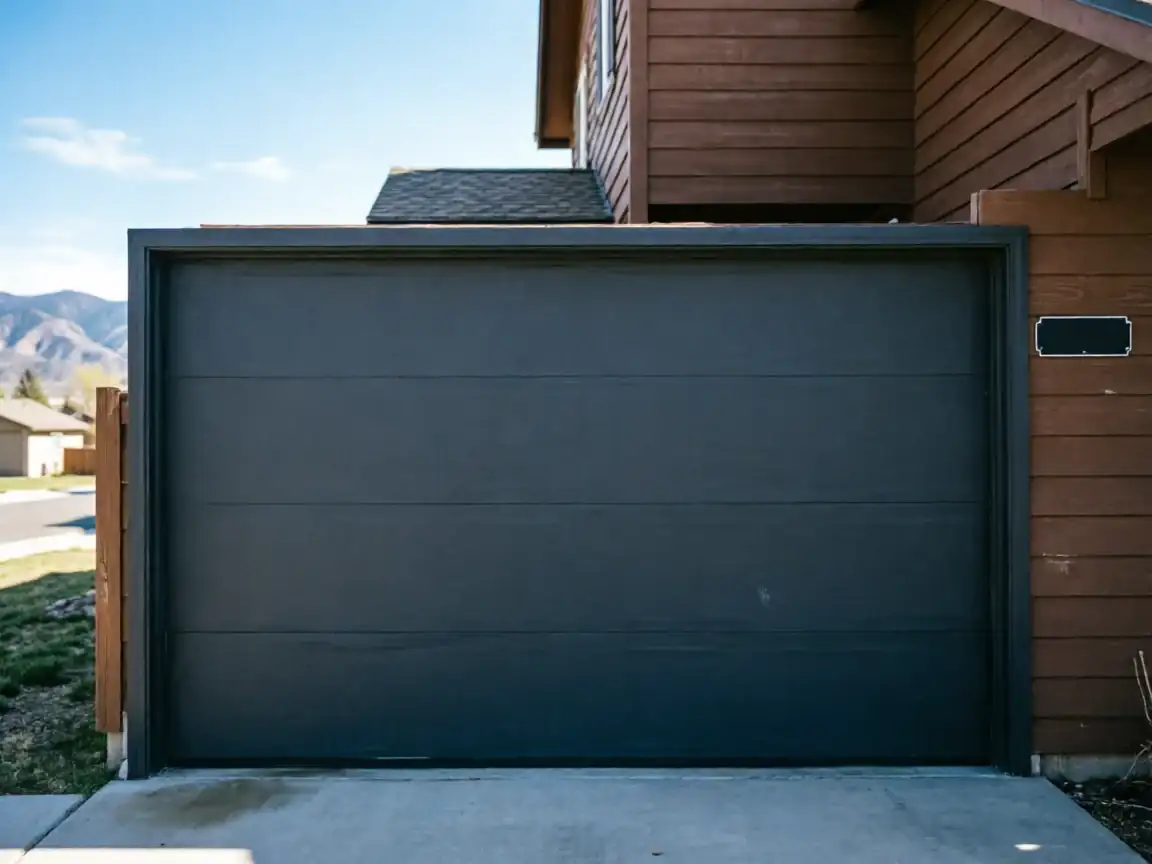
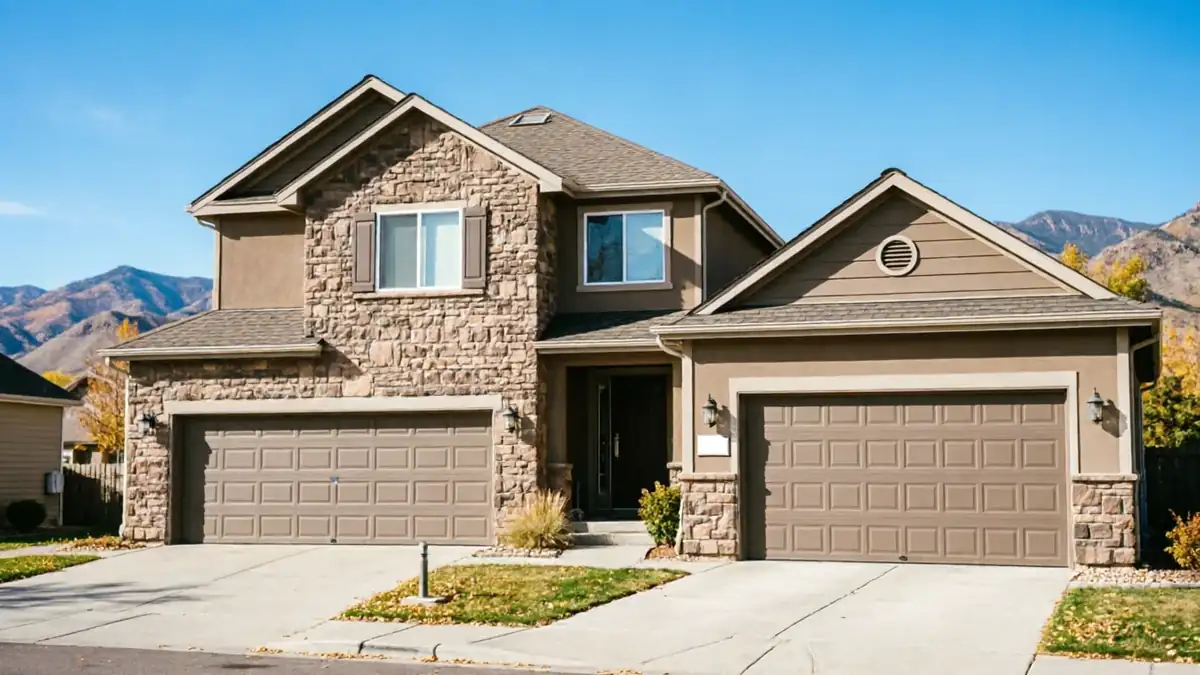
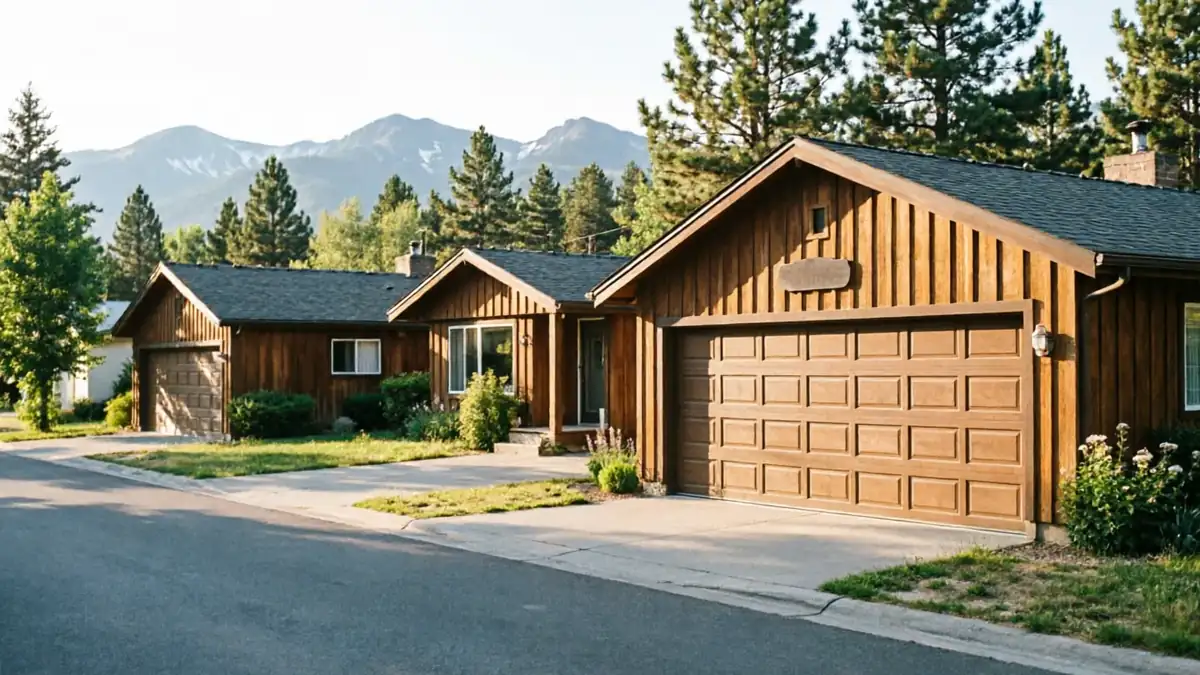
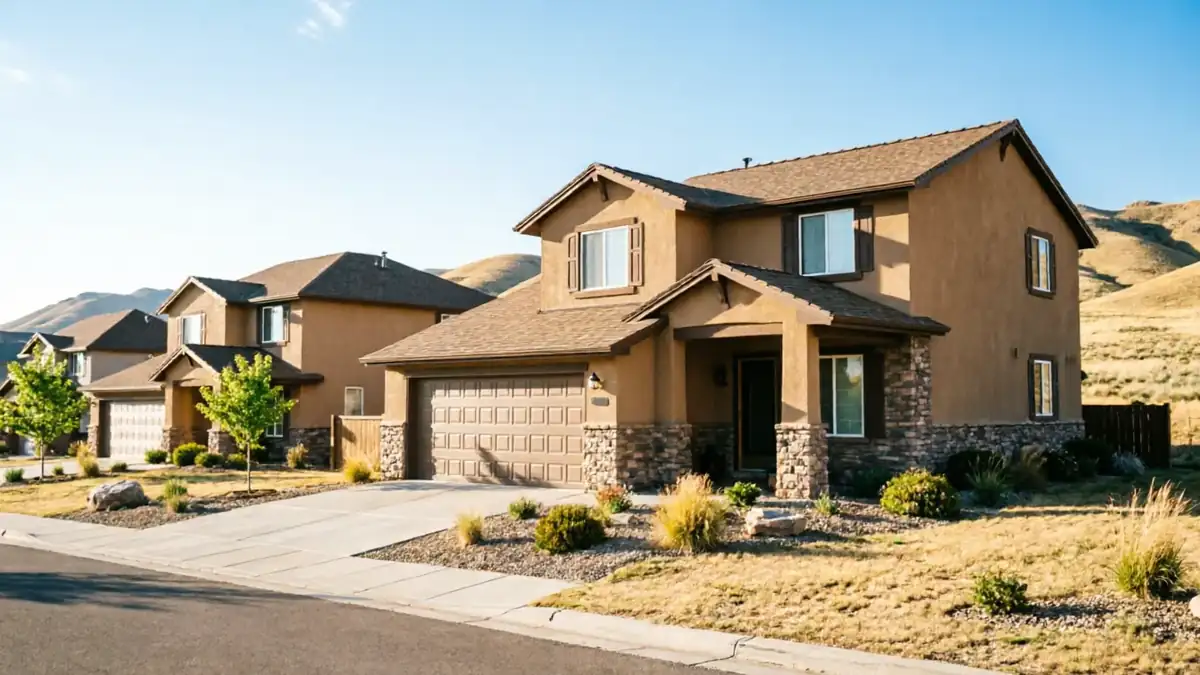
Older in-town blocks have some pre-1990s stock mixed in, closer to what you'd find in but the growth that pushed the median build year to 1998 happened on the newer subdivisions ringing the original town core. Those newer streets have wider garage openings, double doors on three-car layouts, and openers with battery backup built in from the factory - a feature almost nobody retrofits, so if yours doesn't have it, it's probably original equipment nearing the end of its life rather than something that was ever added later.
What Was Built Here
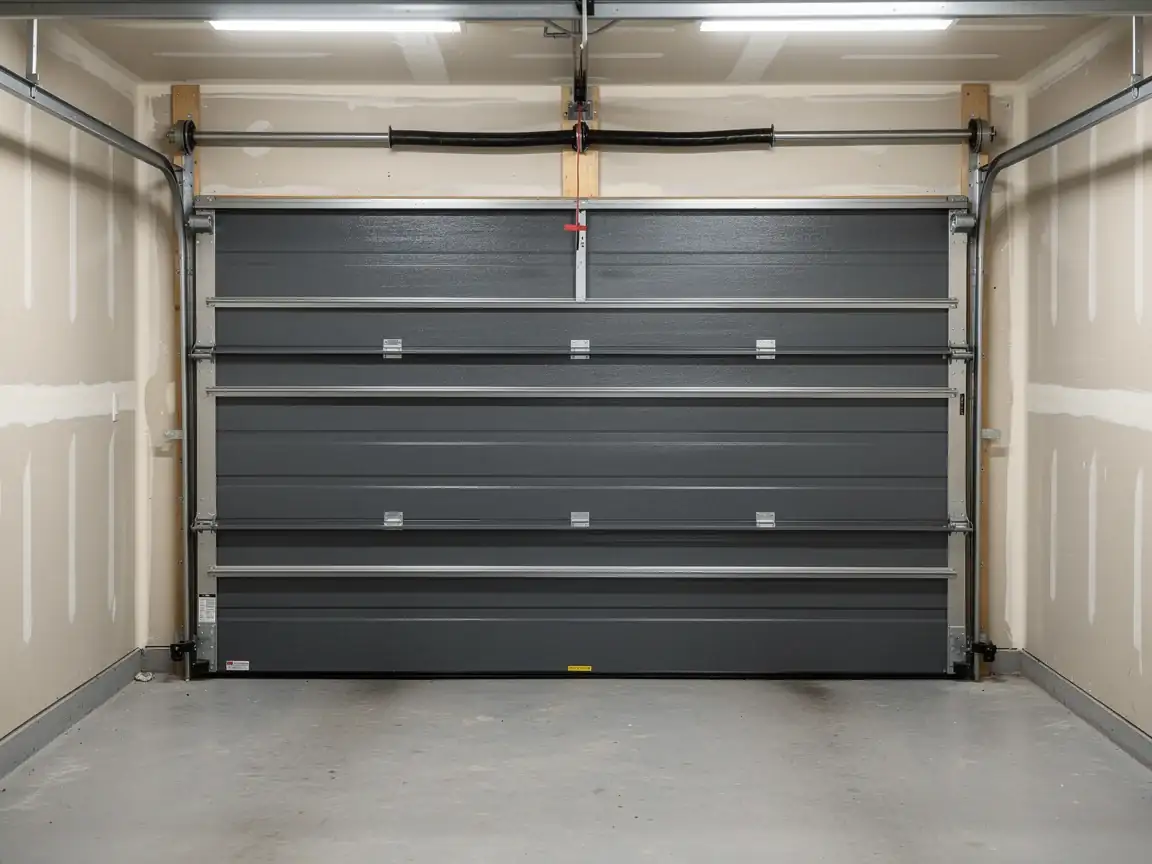
The 1998 median year built puts Fruita toward the tail end of the broader 1977-1998 range that defines construction across the whole service area, and it's visibly newer than the five named areas' combined average of 1980s-90s stock. Practically, that means fewer of the oddball hardware setups we run into closer to the older core neighborhoods - less side-mounted torsion on single-car doors, more standard center-mounted torsion on two-car garages.
We size parts assuming a late-90s build until a homeowner tells us otherwise. Springs, cables, and track brackets from that era are still widely stocked, which keeps most repairs here straightforward and keeps us from having to special-order the harder-to-find pieces that an older door sometimes needs.