How It Shows Up
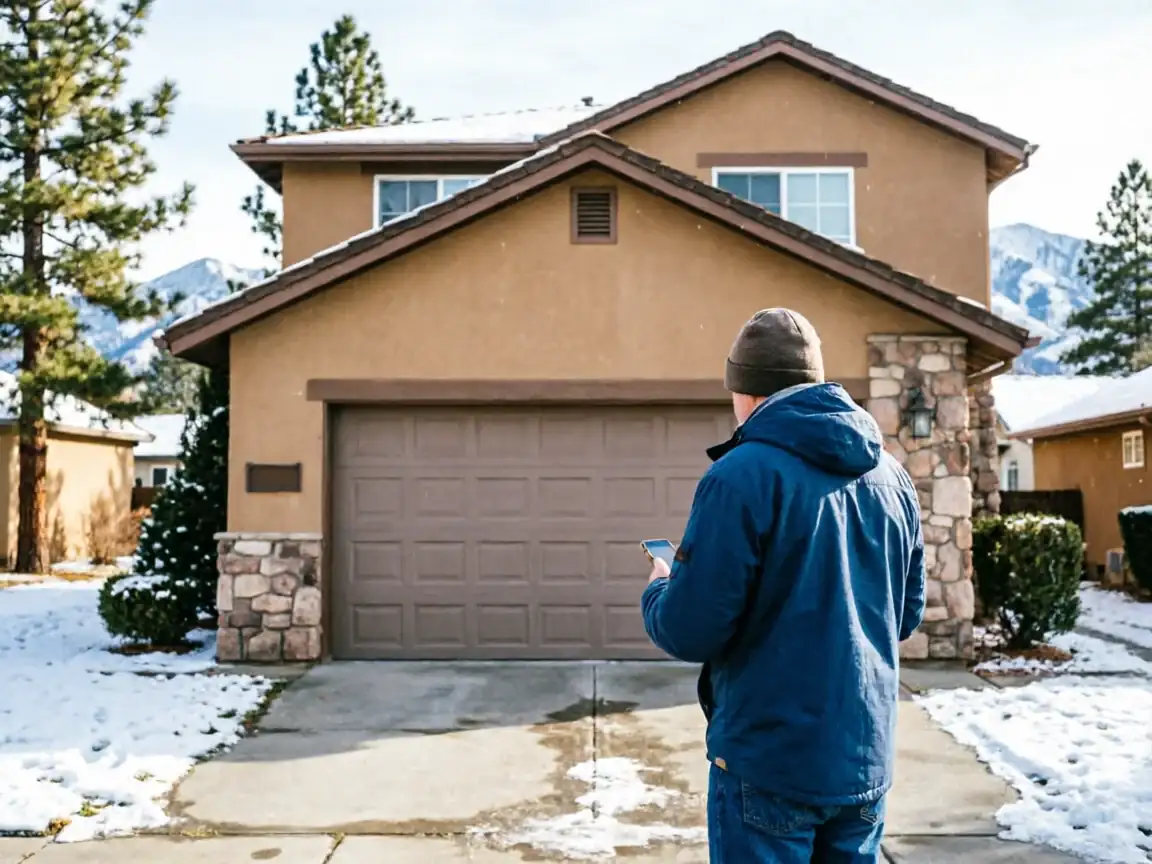
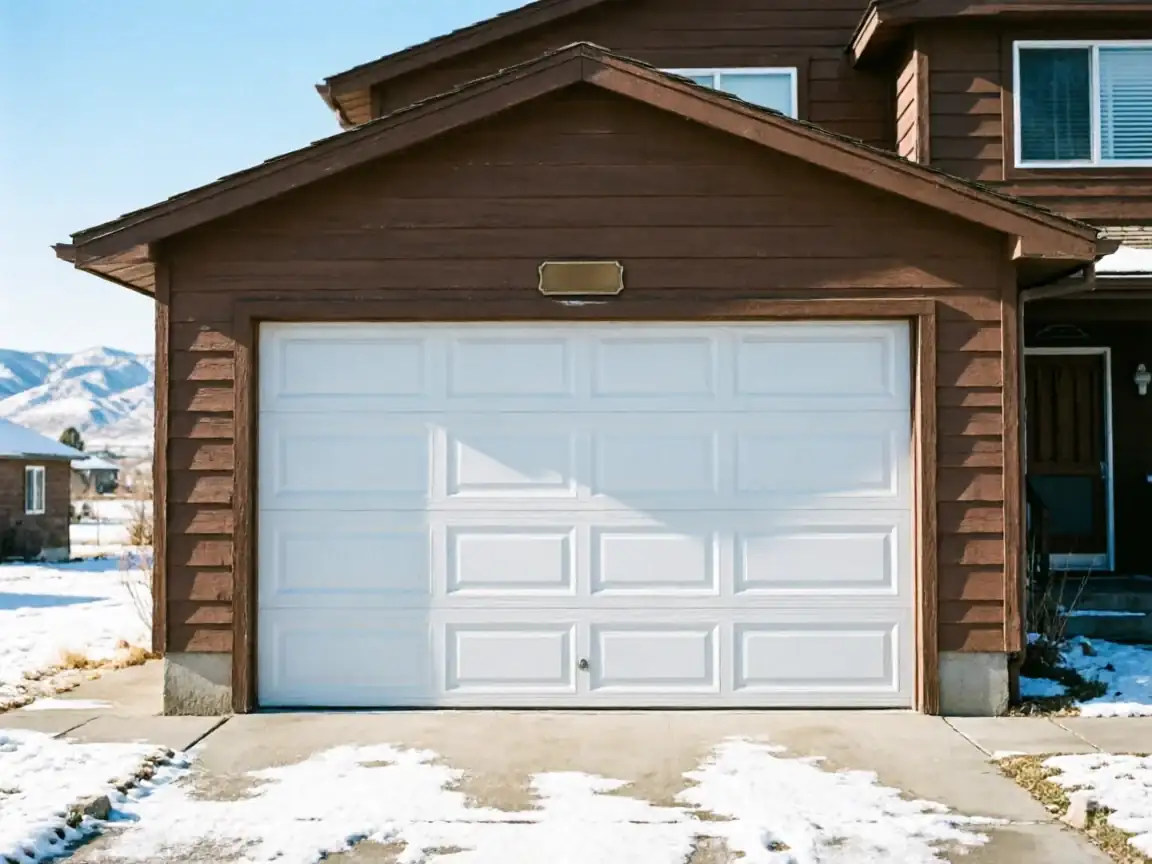
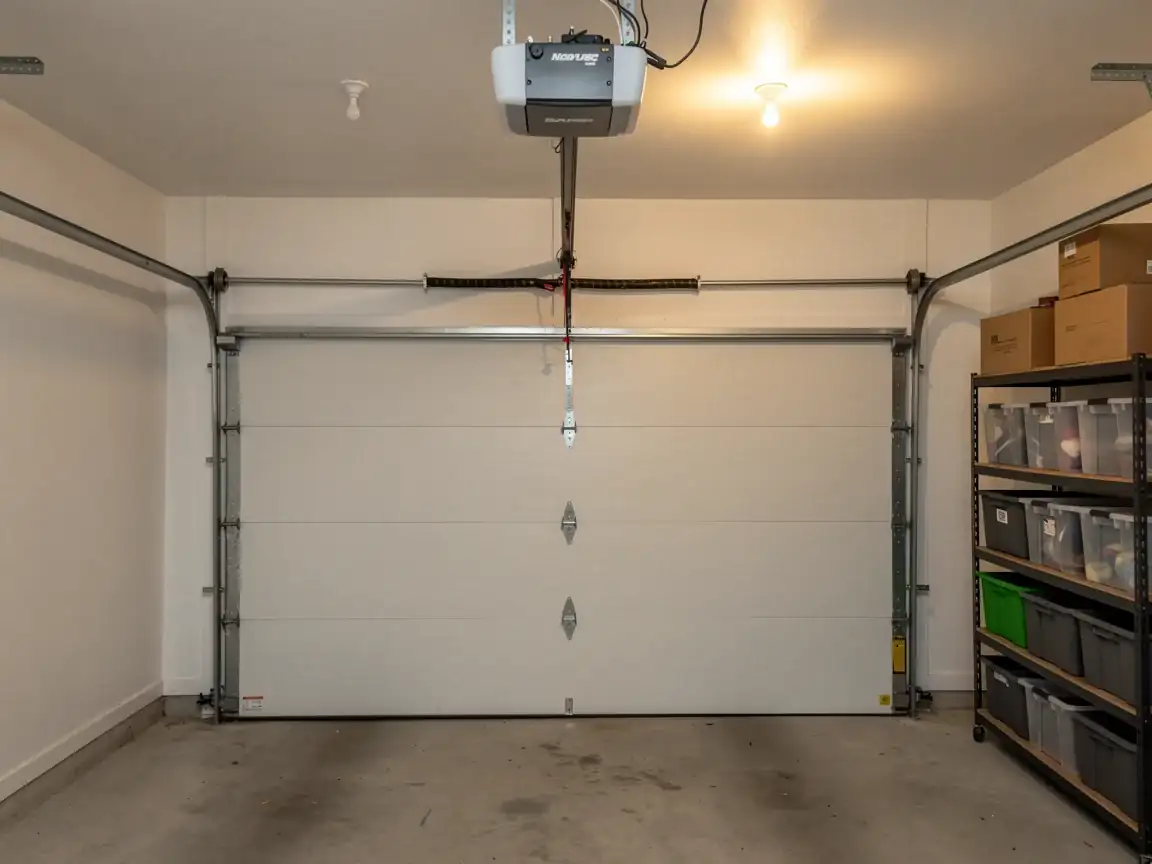
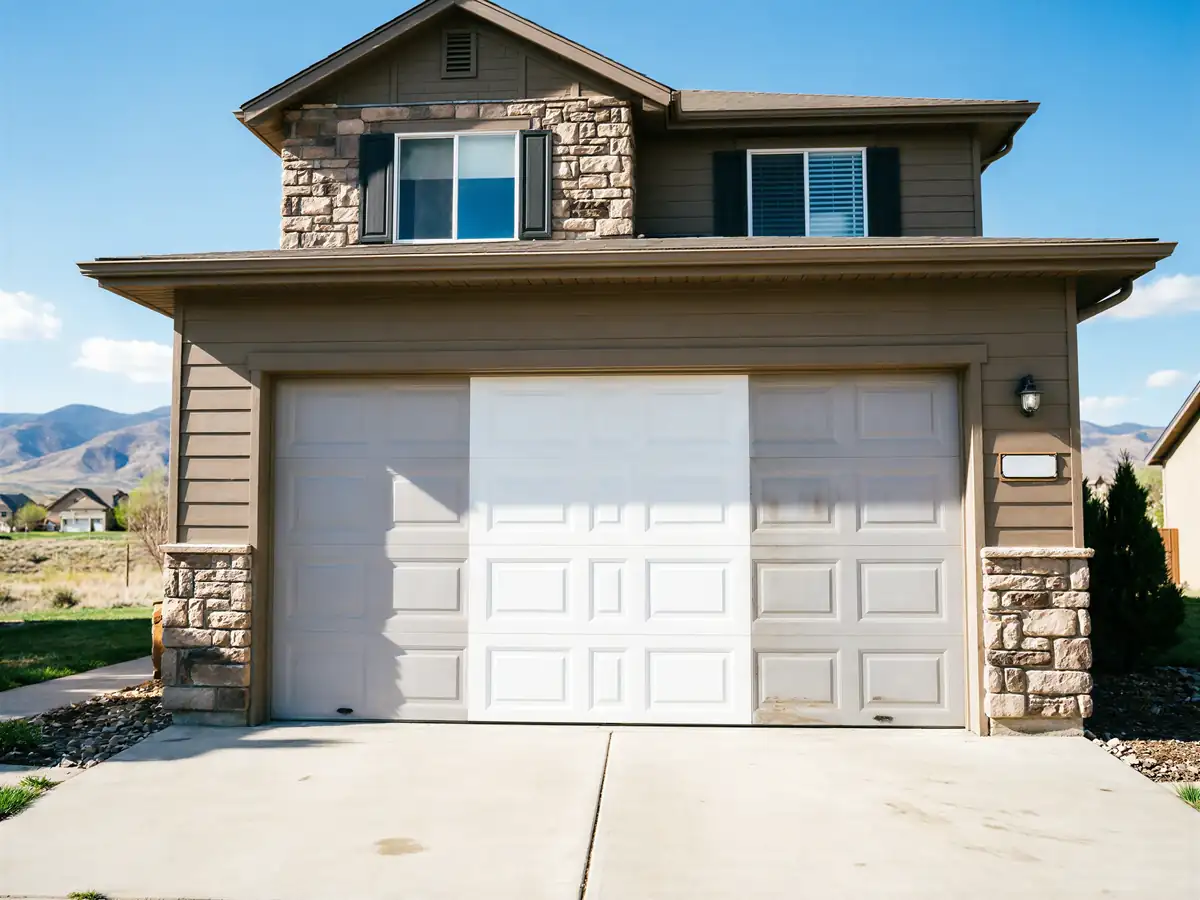
The call we get from Redlands is usually about a door that's gone heavy on one side, or a panel that's started to bow at the bottom corner. That's not random wear. Redlands homes cluster around a median build year of 1977, a few years older than the broader service area's 1984 median, which means a good share of these garage doors are original steel sections on torsion springs that have been cycling for over four decades.
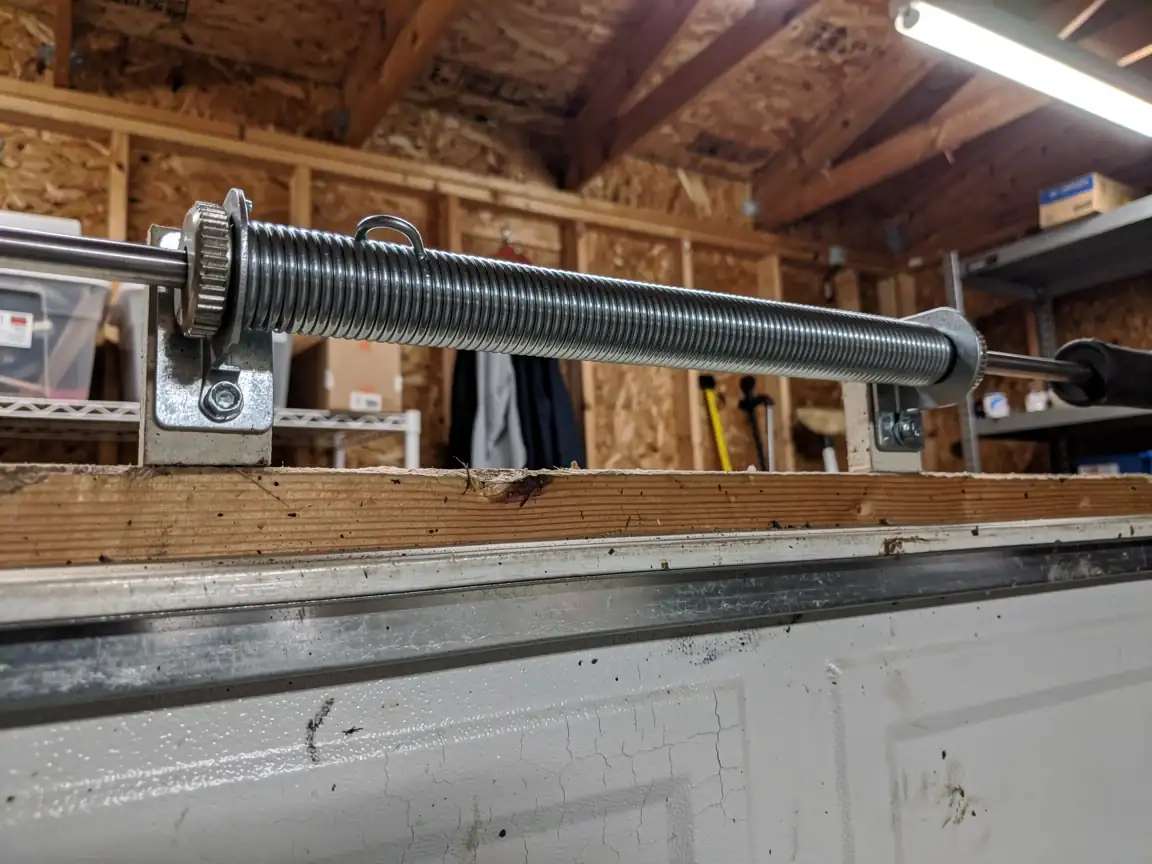
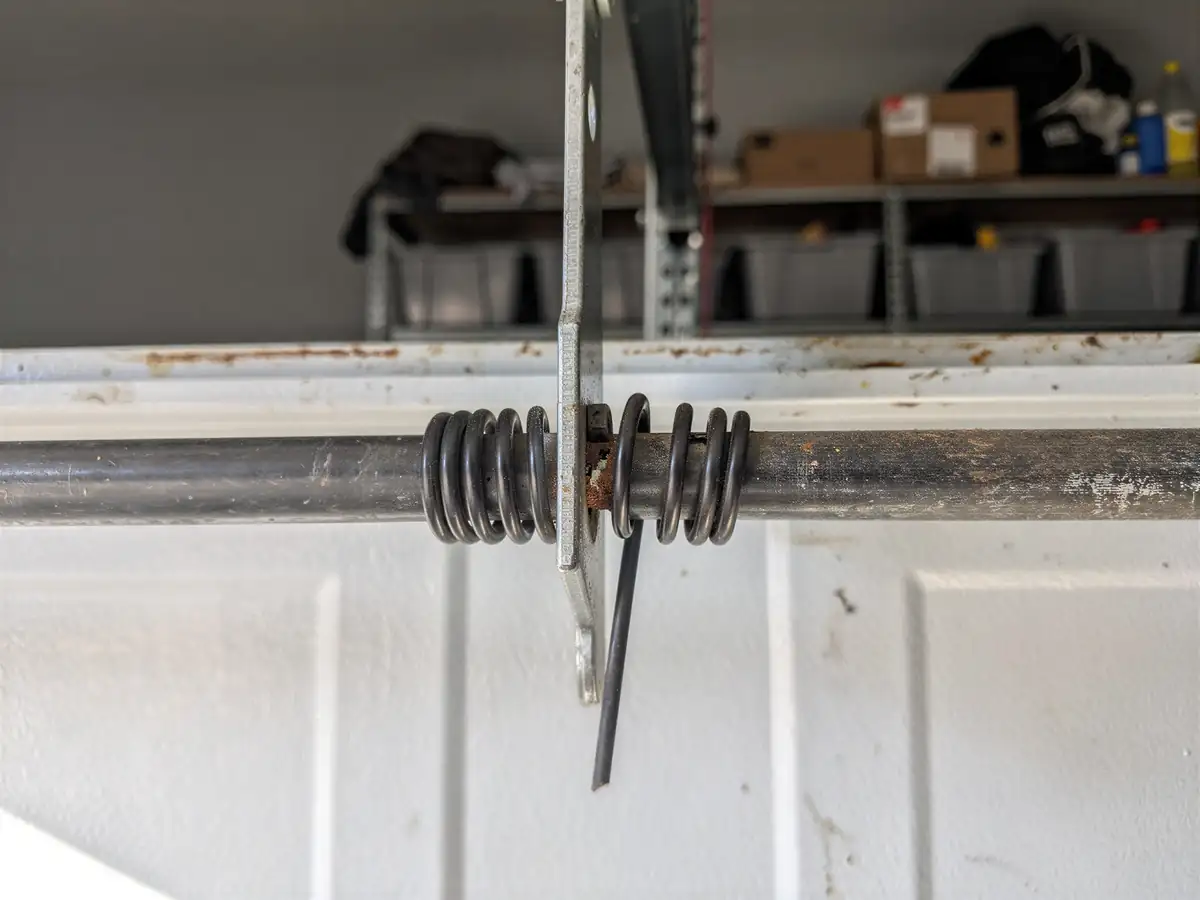
Springs don't fail gracefully. They lose tension a little at a time, and by the time the door feels noticeably heavy, you're close to a full break - usually on a cold morning, because cold makes old steel brittle and lubricant thick. Given the severe cold winters this area sees, that failure pattern is common enough that we plan installs around it rather than treating each one as a surprise.
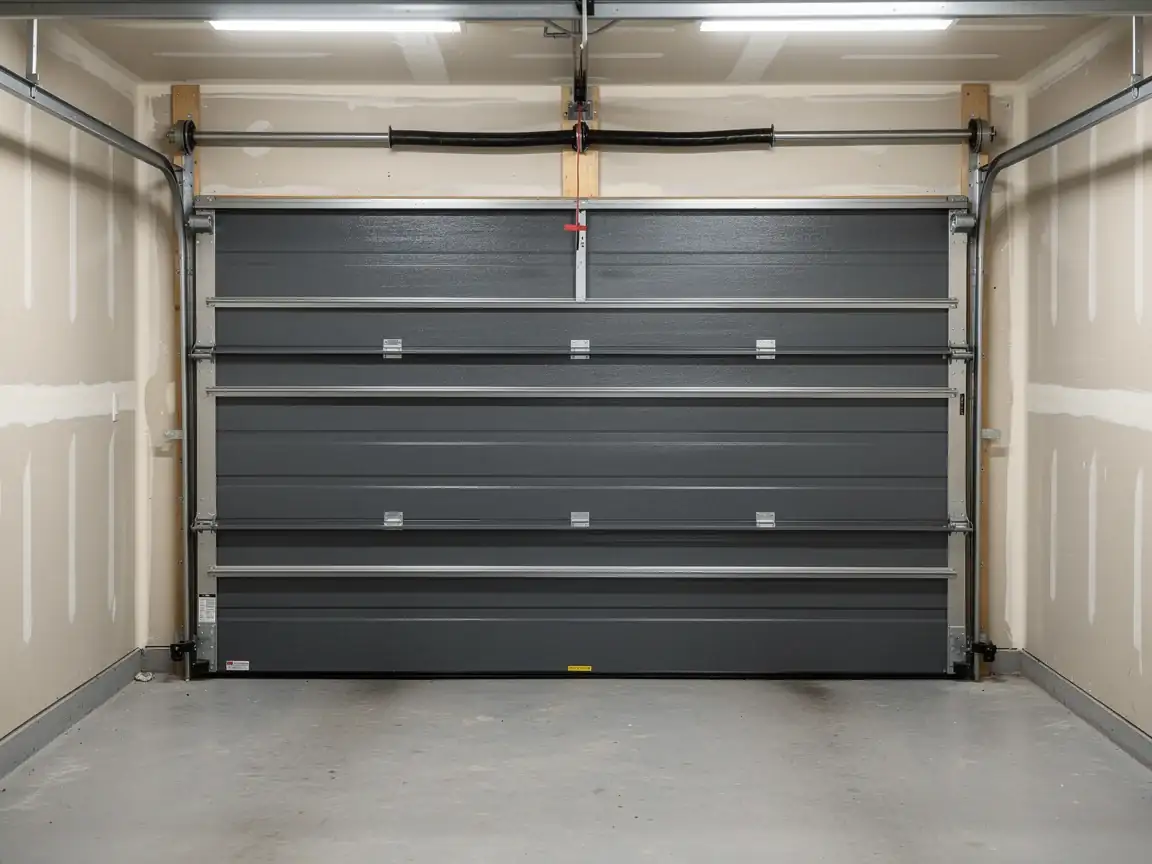
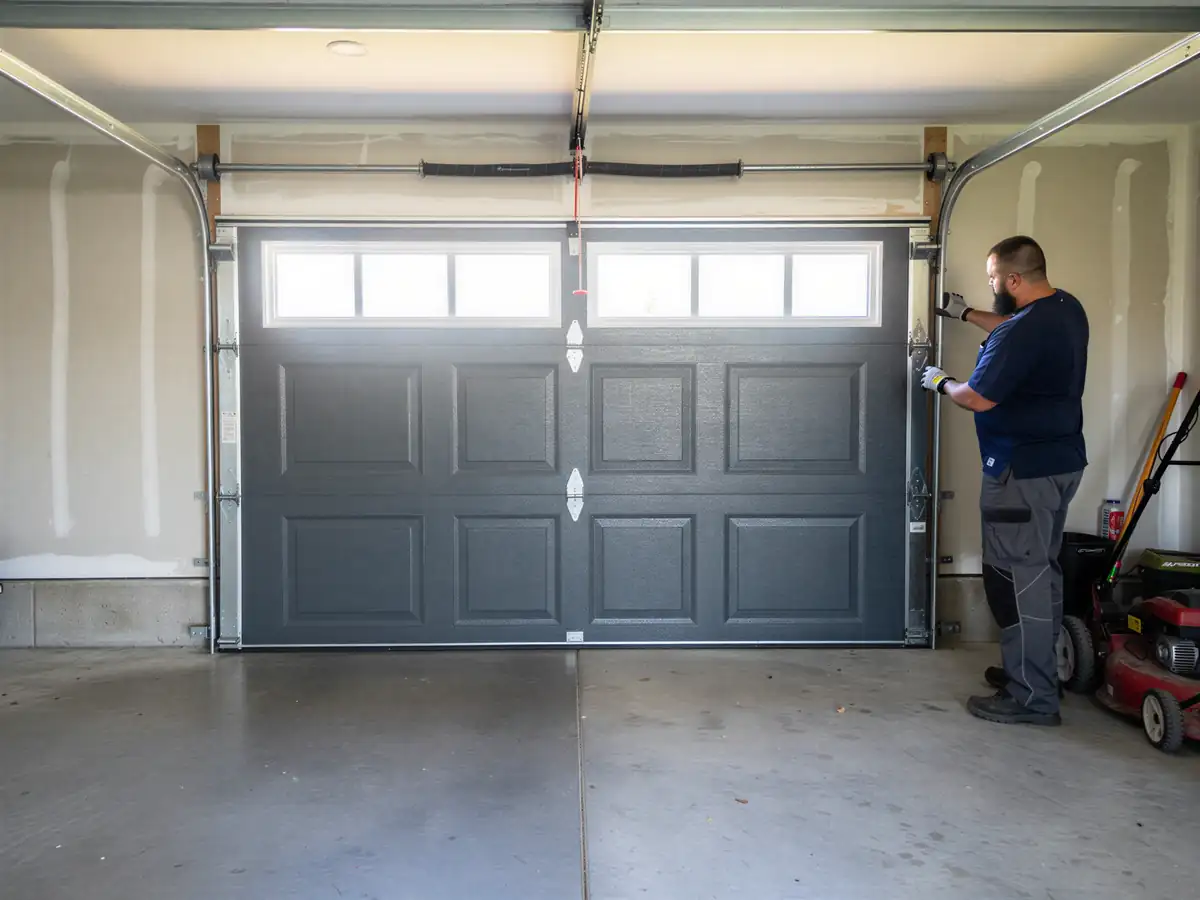
The other thing we see on these older doors is track misalignment from decades of settling. The house has shifted slightly on its foundation over 45-plus years, and the track that was plumb in 1977 isn't plumb now. A new door install is the point where we fix that, not just hang a replacement on a track that's still slightly off.
The DIY Question
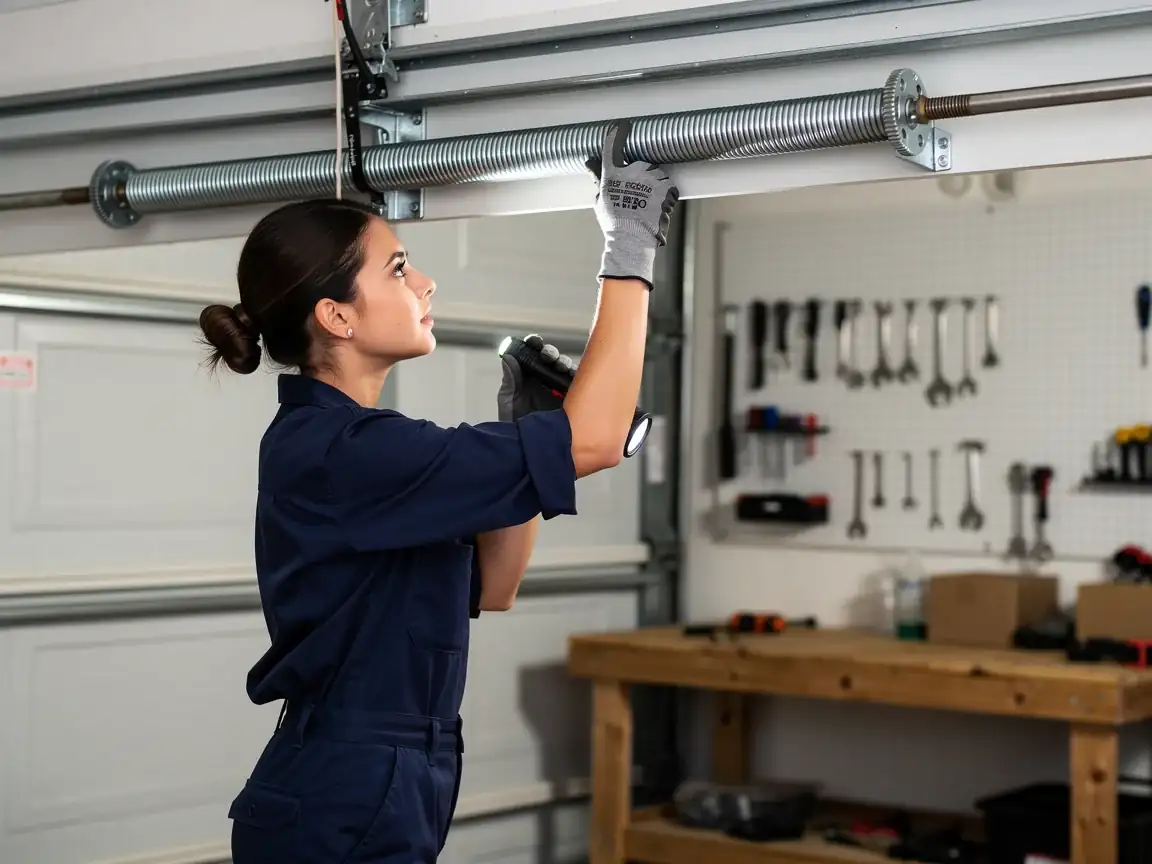
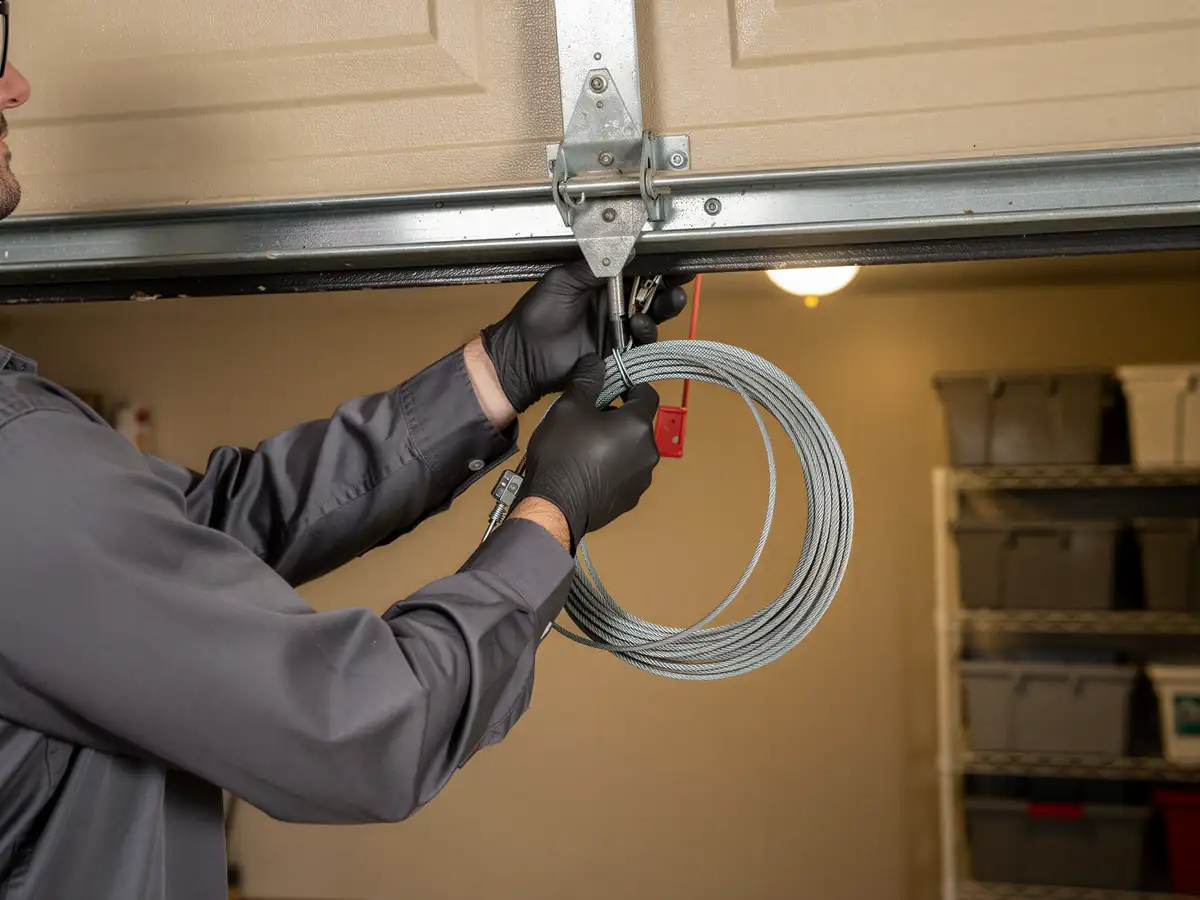
A lot of Redlands homeowners are handy, and I get why swapping a garage door looks like a weekend job. It isn't, not with a torsion spring system. The spring on a standard door is wound under several hundred pounds of tension, and the tools to wind or unwind it safely aren't something most garages have sitting around.
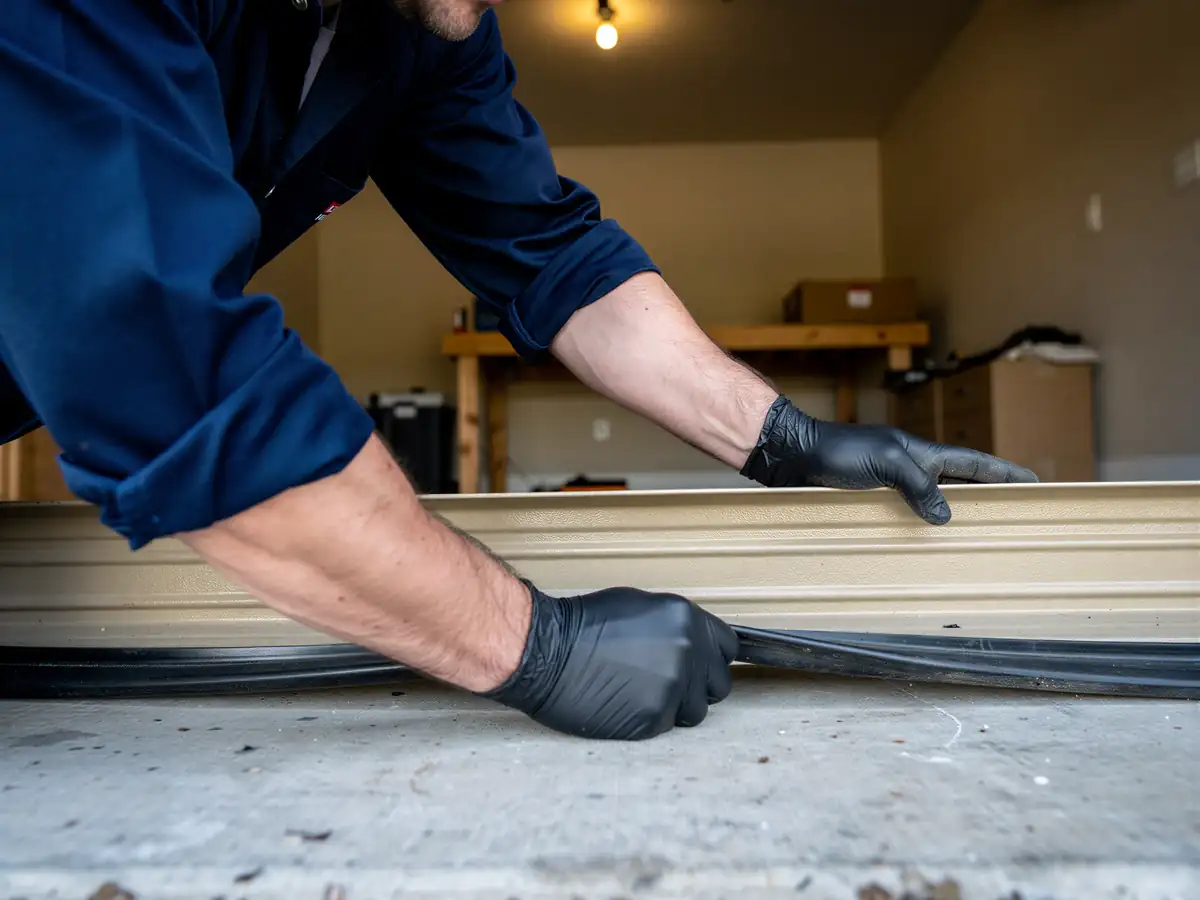
Where DIY makes sense: swapping weatherstripping, replacing a broken roller, lubricating hinges and tracks. Those are fine jobs to do yourself and they extend the life of whatever door you have.
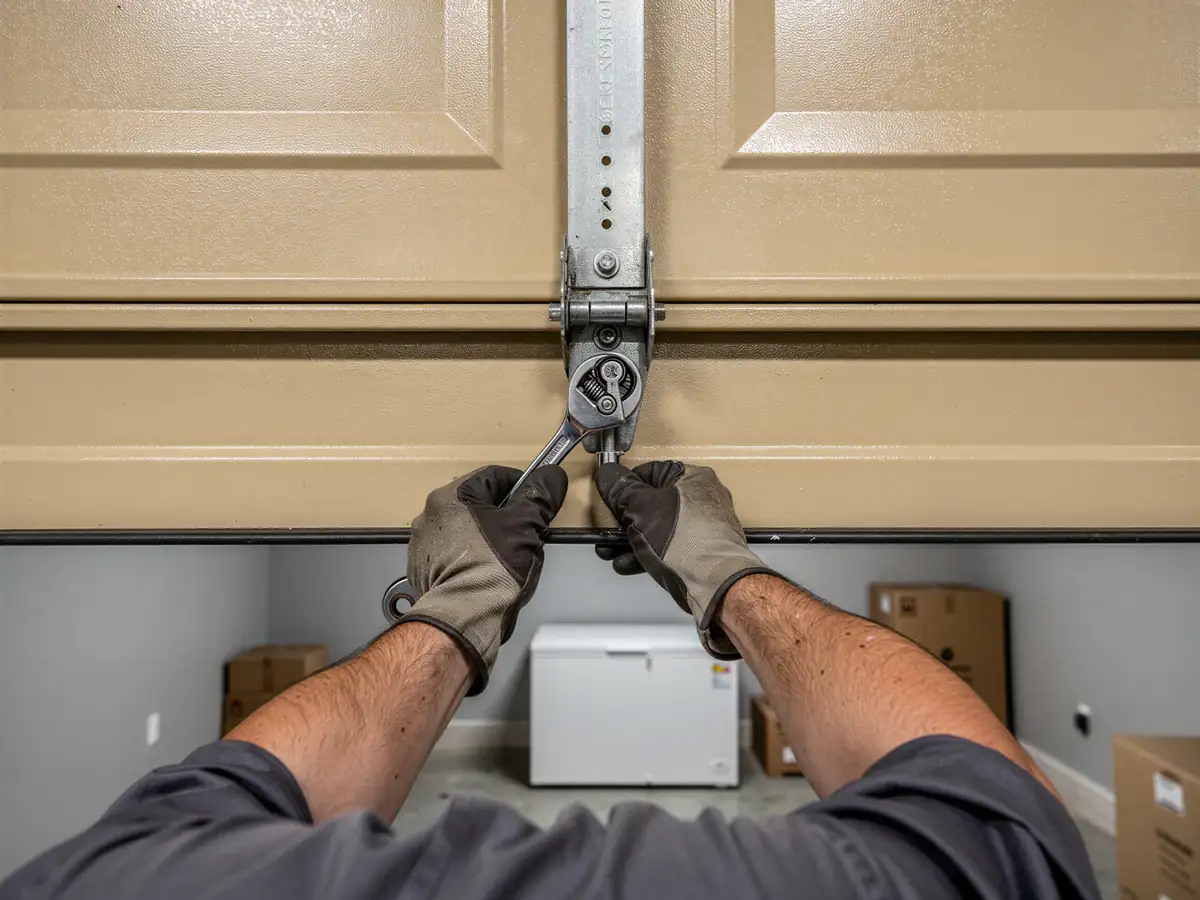
Where it doesn't: anything touching the spring, the cable drums, or the opener's force settings on a new installation. We've seen homeowners get hurt trying to wind a torsion spring with a screwdriver instead of the right winding bars, and we've seen openers set up with force settings so aggressive they'll keep driving the door into an obstruction instead of stopping. If you're installing a new door, the spring sizing and opener calibration are the two places where a mistake costs more than it saves.
Booking a Visit
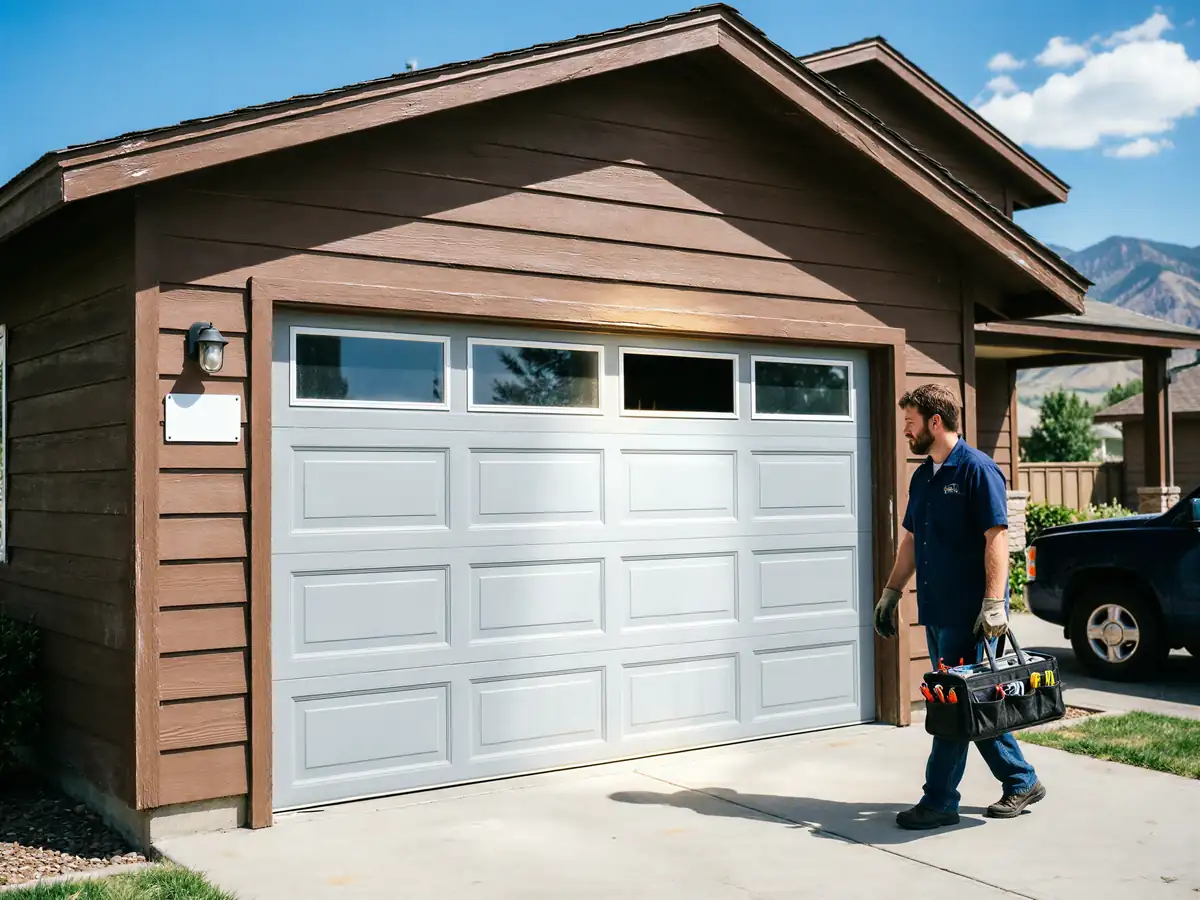
We run installs in Redlands out of Grand Junction, about 5 miles away
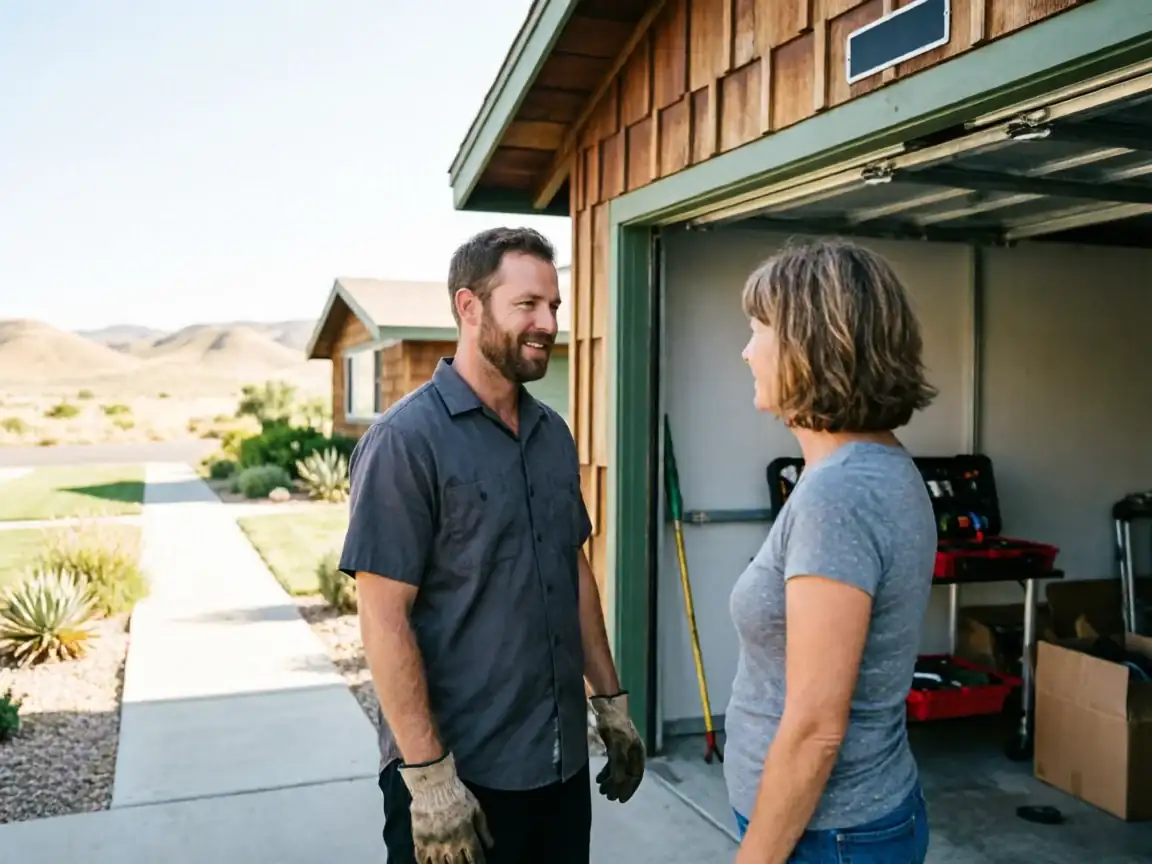
So getting someone out isn't a long haul, but it's also not a storefront you walk into - we schedule the visit, bring the door and hardware, and do the work at your place. Because Redlands sits at the older end of the area's housing stock, we try to get rough opening measurements and a look at the current track and header setup before the install date, so we're not guessing at trim or header clearance on a 1977-era frame.
- 5 miles
Median household income here runs about $97,500, noticeably above the broader area's $76,339
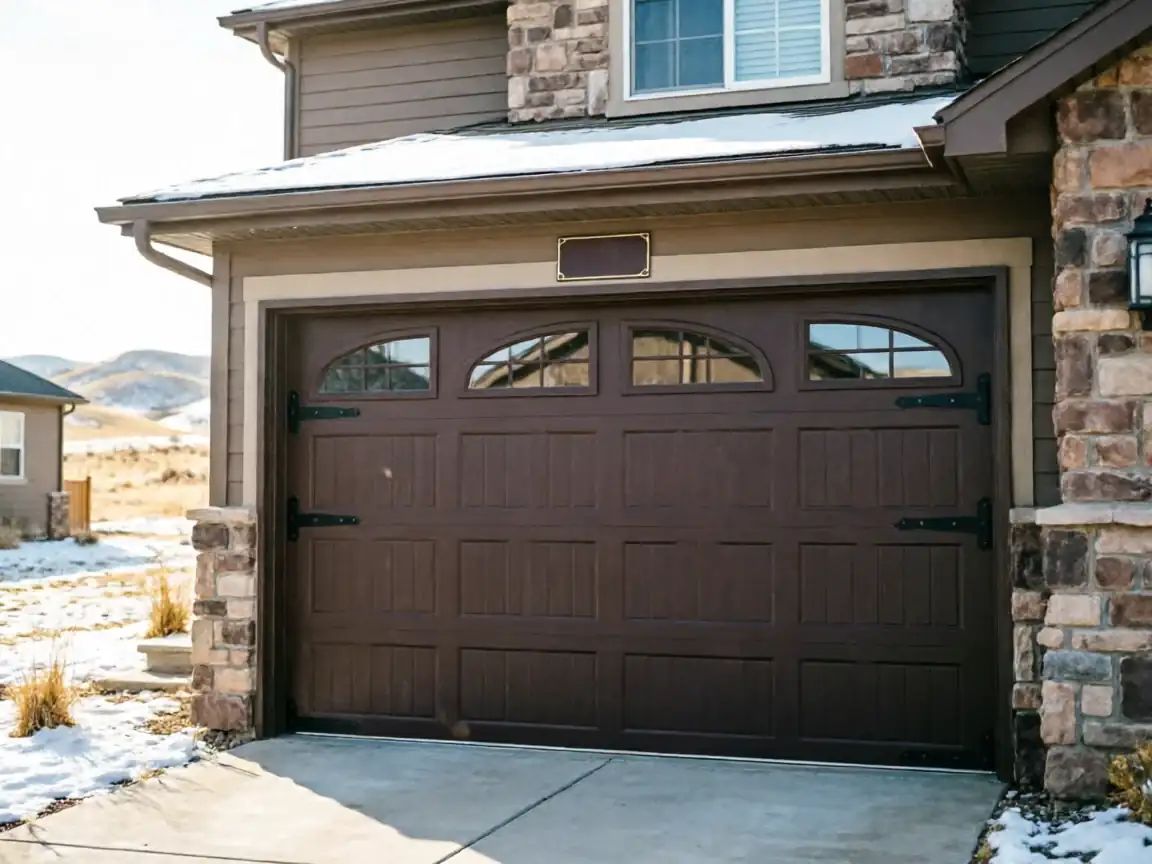
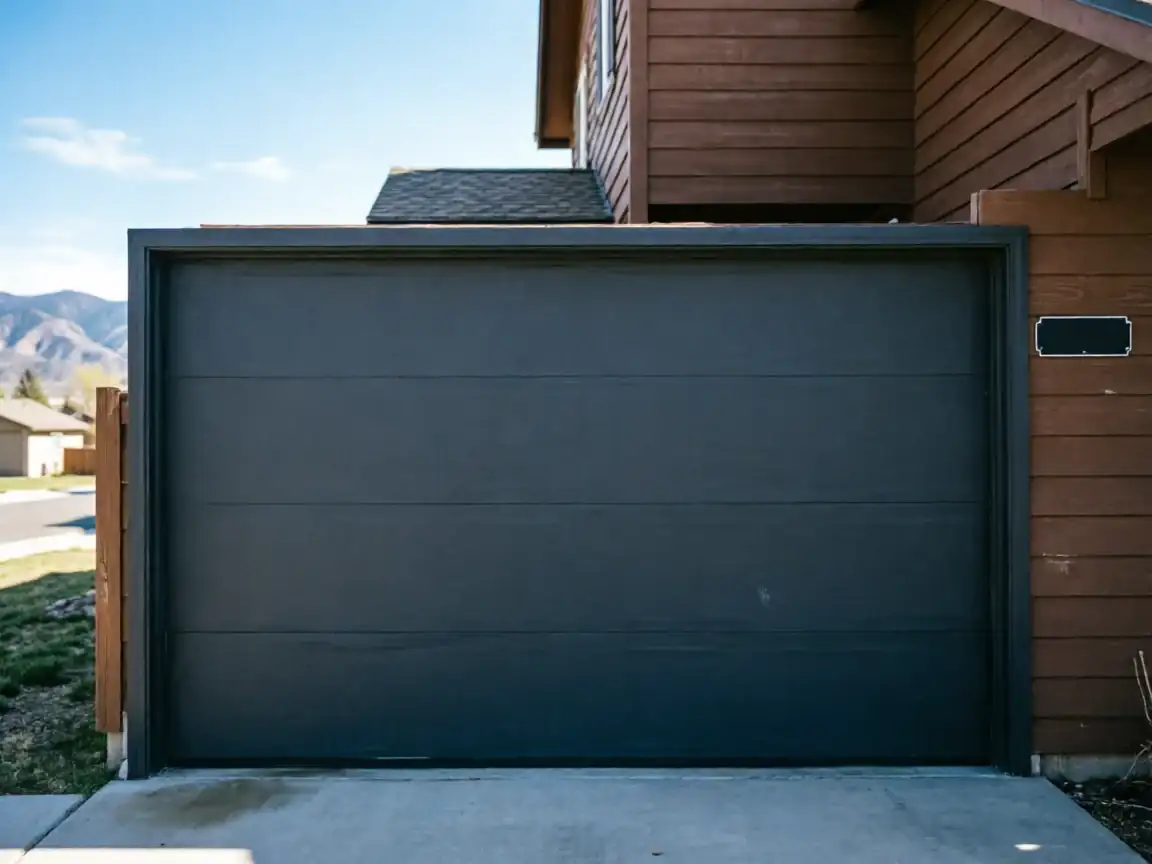
And in practice that means more Redlands jobs come in asking for insulated steel or composite doors rather than the baseline single-layer steel that was standard when these houses were built. That's a reasonable upgrade for this climate - insulated doors hold up better against the severe cold swings here and cut down on the cold-transfer you feel standing in an attached garage in January.
We'll tell you up front if a style you're asking about won't fit your existing opening without header work
Better to know before the truck shows up than after.
Time on the Job
A straightforward single-door swap, same size opening, new torsion springs and opener, usually runs a few hours. Where it runs longer in Redlands specifically is when the 1977-era opening doesn't match current standard door sizes exactly, or when the header above the door needs reinforcing to carry a heavier insulated door than the original. We won't know which until we're measuring in person.
One honest limitation: if your opening is non-standard or the framing needs structural work beyond the door itself, that's outside a standard install and we'll tell you so rather than force a fit. It happens more often in older stock like this than in newer construction, and it's better to flag it than to leave you with a door that doesn't sit right in the frame.
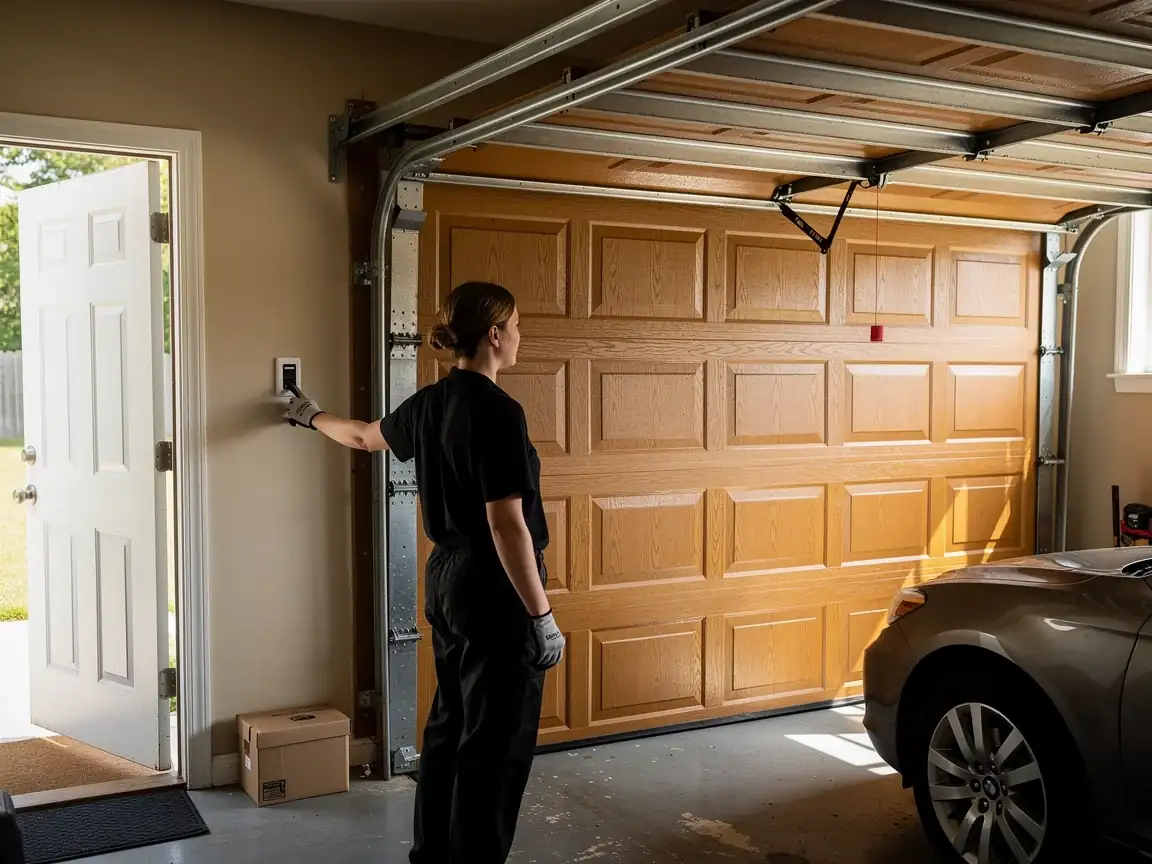
Once the door's in, we test balance, run the opener through its travel limits and force settings, and check that the door reverses properly on contact. On a cold-climate install like this, we also make sure weatherseal is seated tight, since that's the detail that actually keeps a Redlands garage above freezing on the worst days of winter.