How It Shows Up
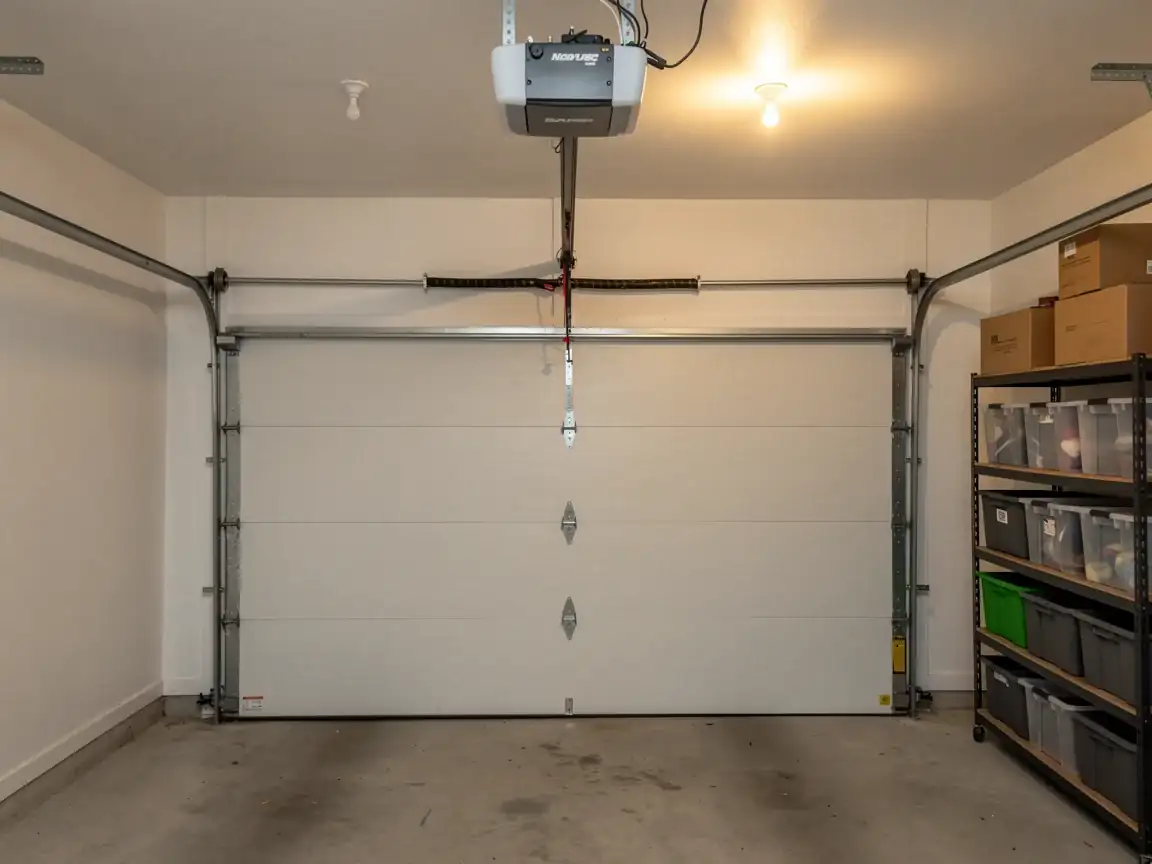
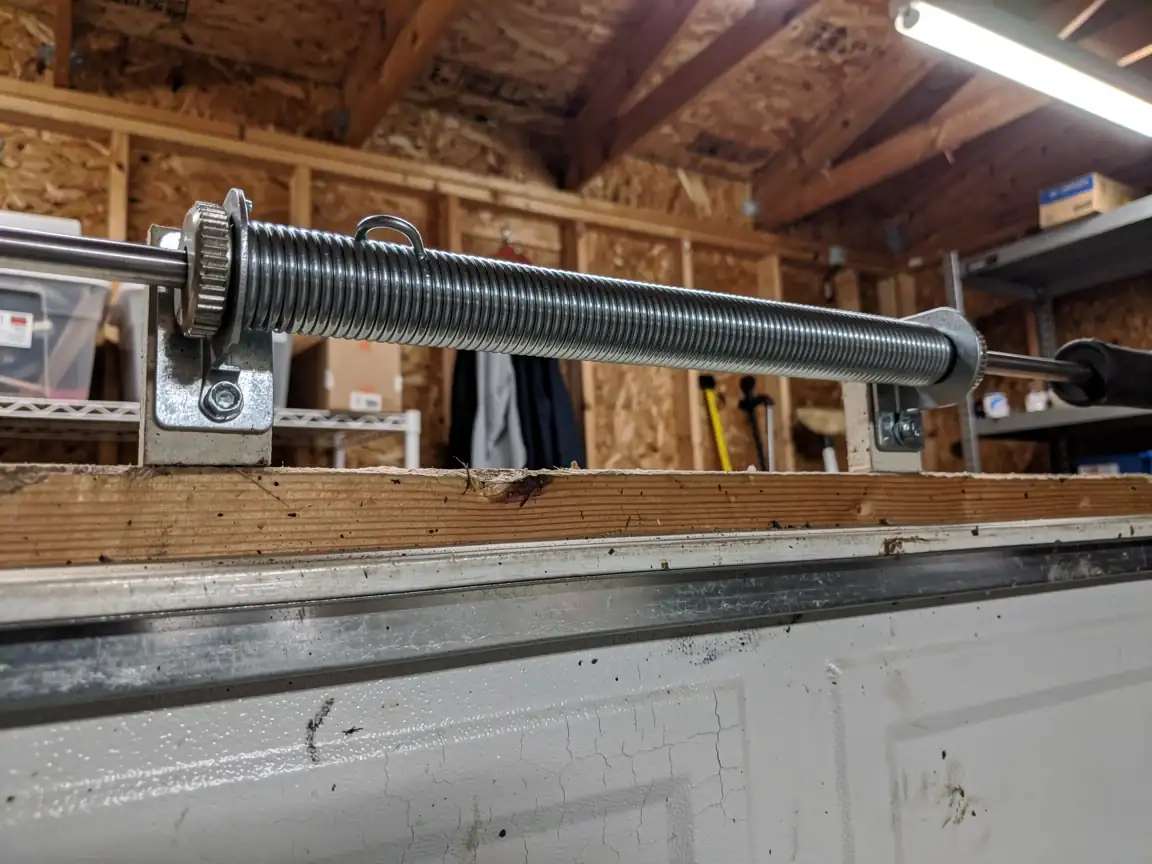
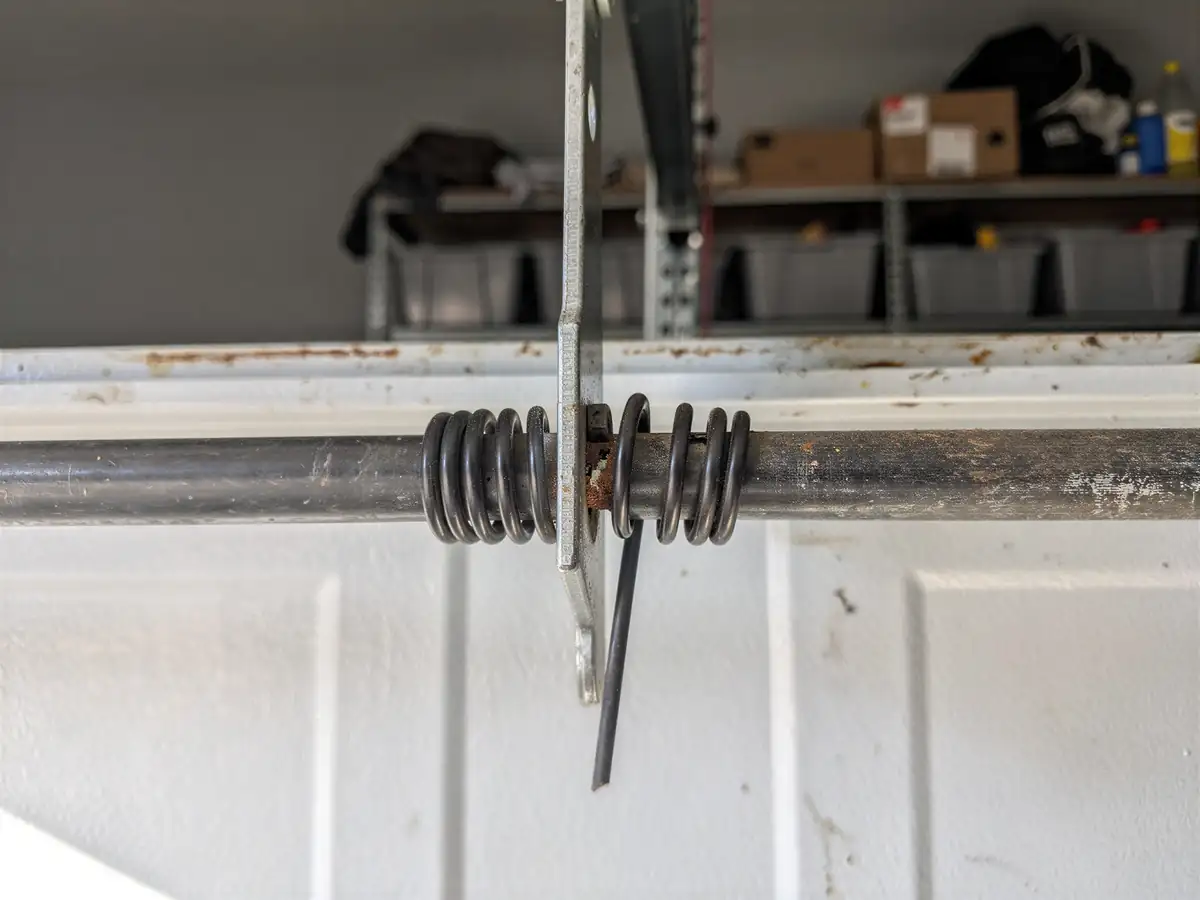
Most houses in Redlands went up around 1977, a few years ahead of the 1984 median you'll find across the wider Grand Junction service area. That gap matters on a garage door. A door installed in the late 1970s was far more likely to come with extension springs mounted along the horizontal track, a lighter-gauge chain-drive opener, and hinges rated for a thinner panel than what gets sold today. None of that is bad hardware - it's just hardware that's now pushing fifty years old, and it fails in specific ways: the extension spring stretches and loses tension unevenly side to side, the chain-drive opener's gear set wears out of a sealed housing that was never meant to be serviced, and the original rollers - often still steel, not nylon - groove the track until the door starts binding on cold mornings.
Winters here sit in a cold, severe band, and that combination - older spring type plus hard freeze-thaw cycling - is what brings on most of the maintenance calls we get from this side of the valley. A spring that's lost 10-15% of its tension doesn't announce itself. The door just gets heavier to lift by hand, and the opener starts straining to make up the difference, which is usually the first thing a homeowner actually notices.
The DIY Question
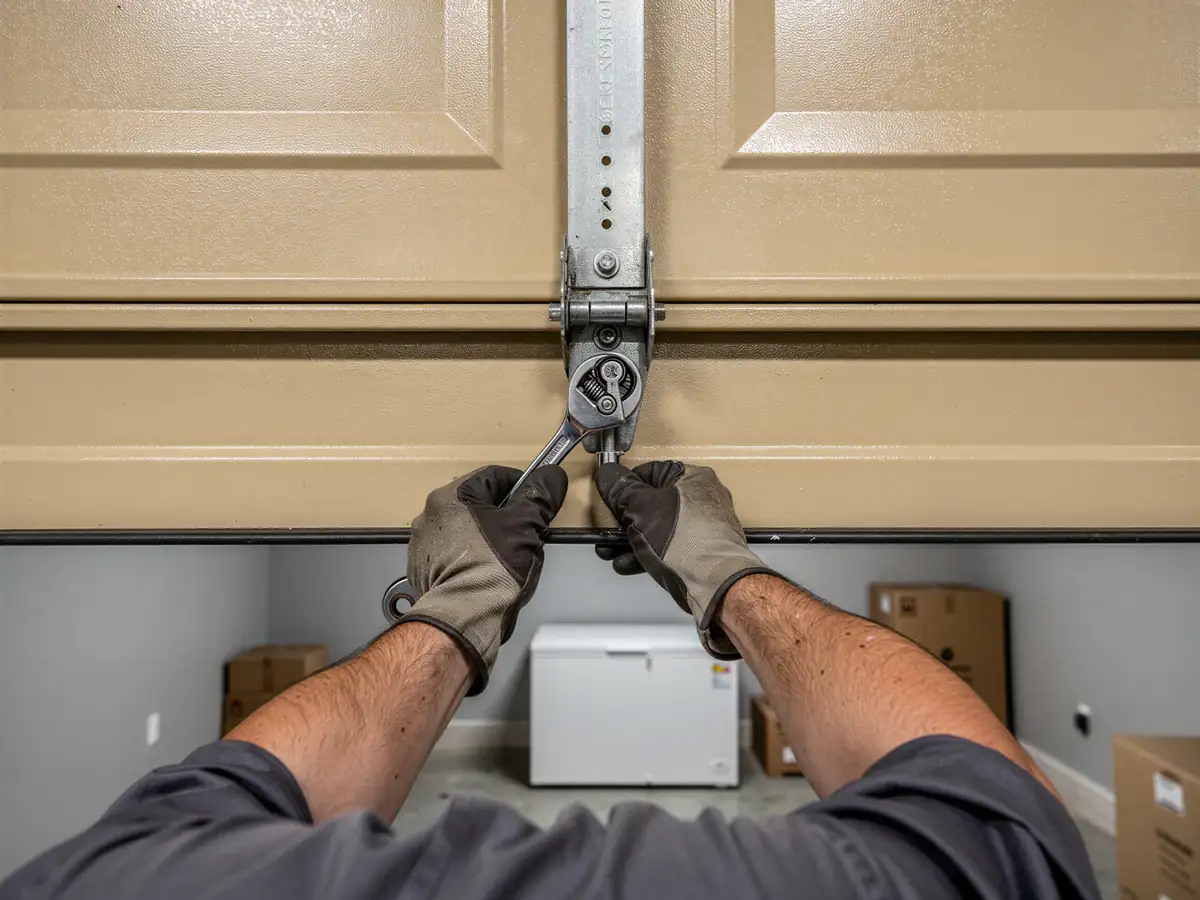
You can do some of this yourself. Clearing track debris, checking that the photo-eye sensors are aligned and clean, and tightening visible hardware - lag screws on the track brackets, hinge bolts - are all reasonable homeowner jobs on a door this age. A can of garage-door-rated lubricant on the rollers and hinges twice a year goes further than people expect.
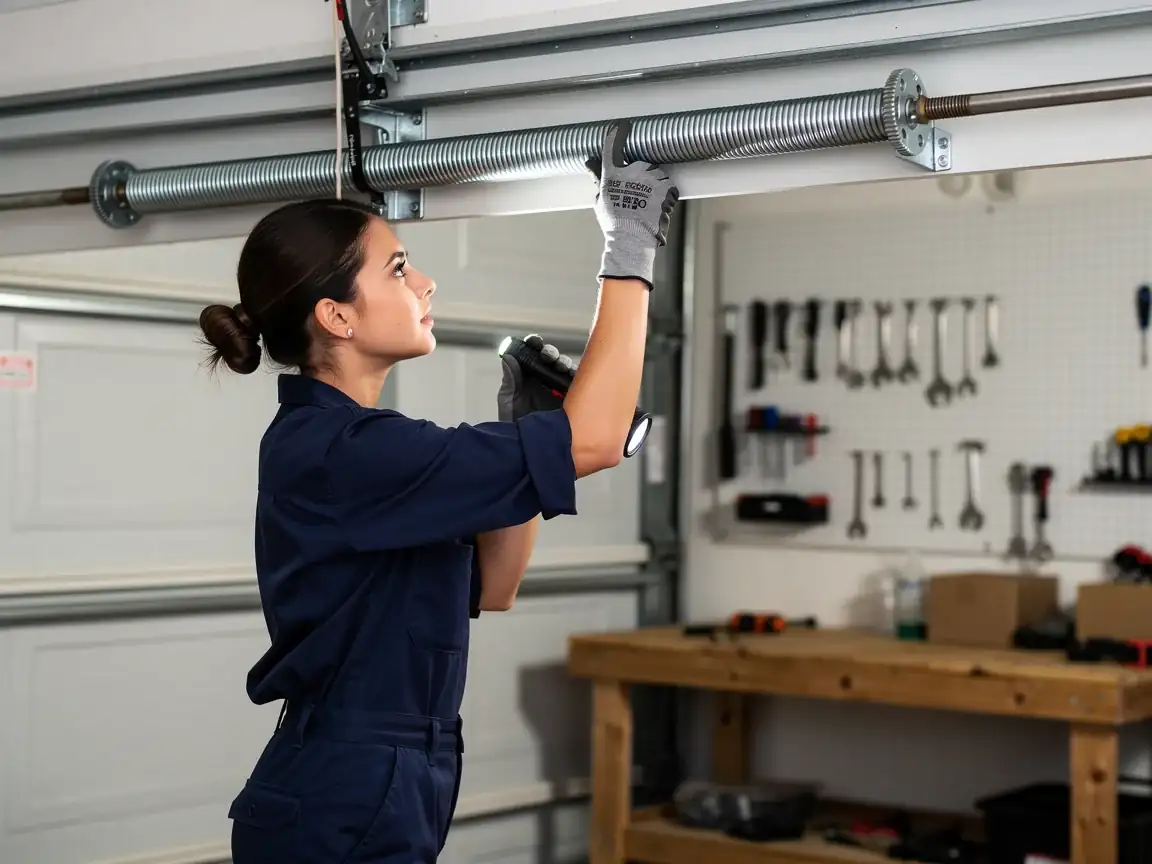
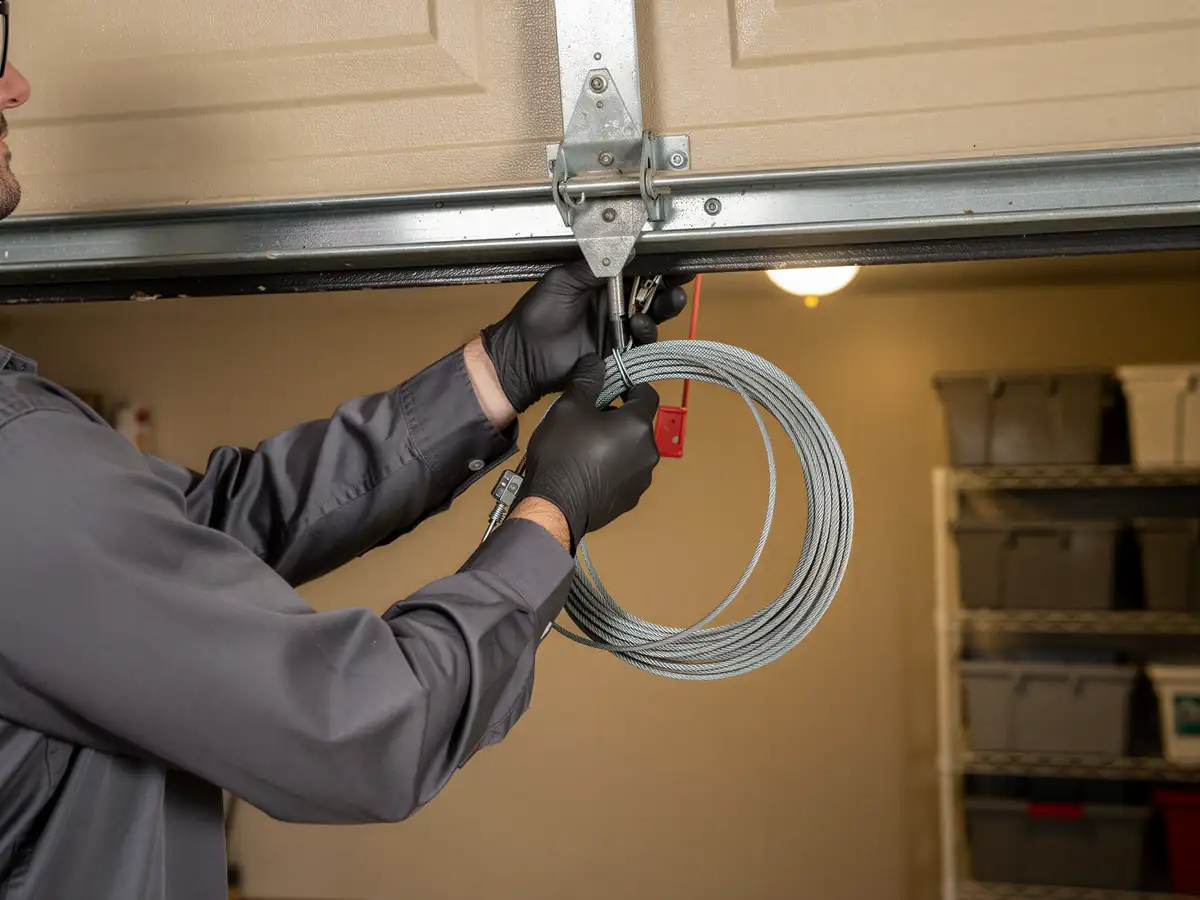
What we don't recommend doing yourself: touching the spring. On a door from the 1977-era stock that's common in Redlands, that's almost always an extension spring system, and those carry enough stored tension to break a bone or worse if the retaining cable has also worn through, which on original 1977 hardware it often has. We also don't recommend opening the opener housing to chase a gear noise - by the time you can hear the gear, it's near the end of its life anyway, and parts for a chain-drive unit that old are frequently discontinued, meaning the honest fix is a new opener rather than a repair.
If your door is original to a 1977-era build and you haven't had the spring tension checked in the last few years, that's the one thing worth calling for before it does it on its own terms.
Booking a Visit
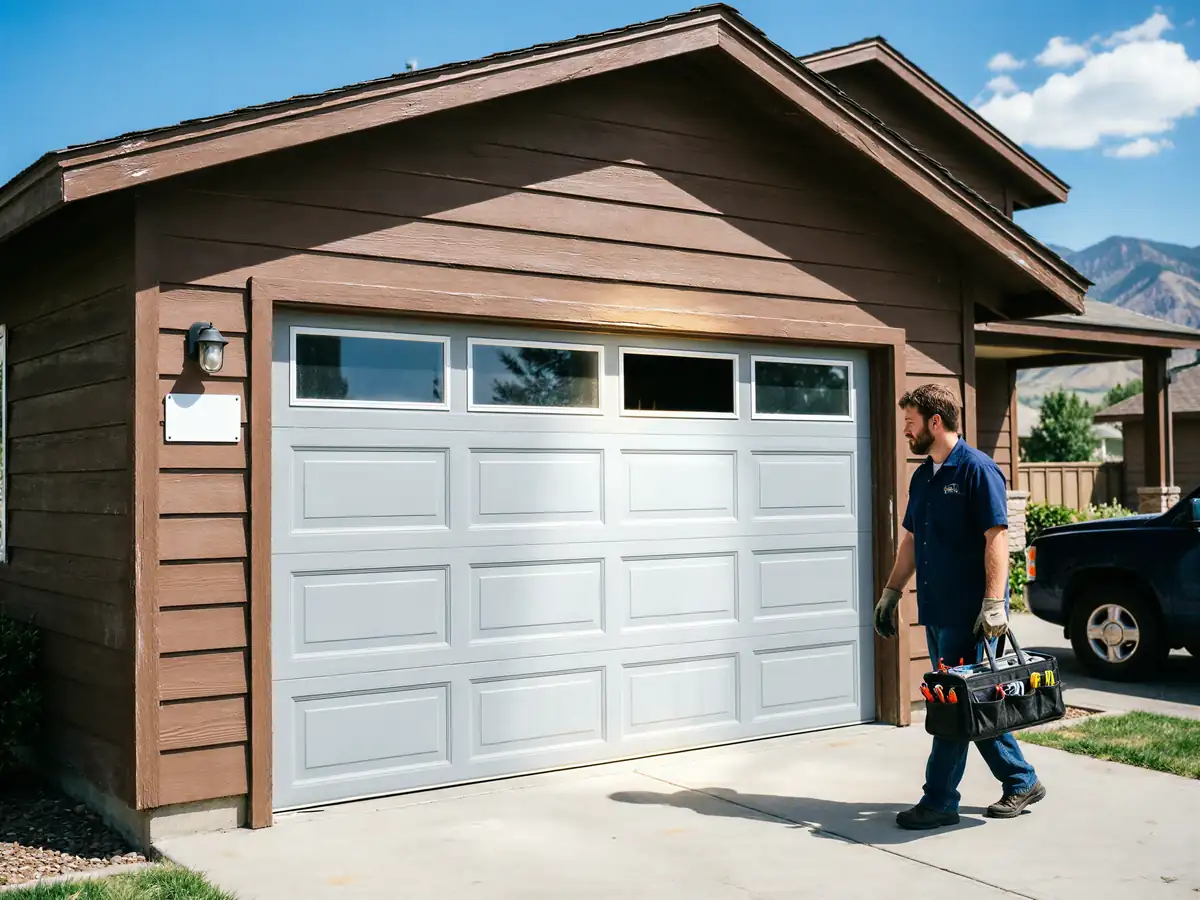
We work out of Grand Junction and cover Redlands as part of the regular route
About 5 miles out. There's no local branch or drop-in counter here - every visit is scheduled and the truck comes from Grand Junction, same as it does for the rest of the service area.
- 5 miles
When you call, it helps to know roughly how old the door is and whether it still has its original opener
Since that tells us what parts to bring rather than diagnosing on the driveway. Redlands' household income runs notably higher than the service area average - $97,500 here against $76,339 across the broader territory - and we mention that only because it tends to mean owners replace worn opener units rather than nurse them along for another decade, which is a reasonable call once a chain-drive unit starts skipping teeth.
With roughly 3,486 households in Redlands
Most on the same housing-stock timeline, we see the same handful of failure points repeat across the area, which makes a maintenance visit fairly predictable in scope once we're on site.
- 3,486 households
Time on the Job
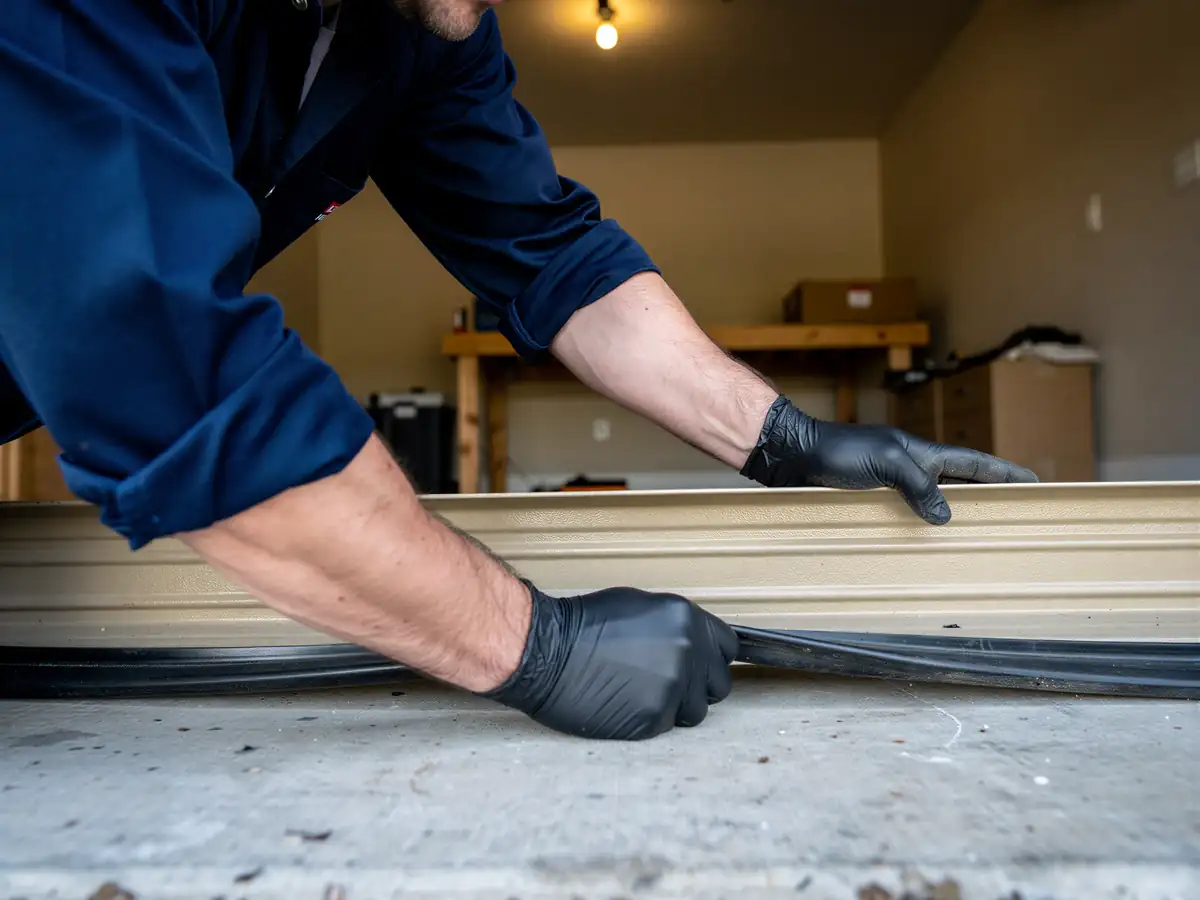
A standard maintenance visit - spring tension check, track and roller inspection, hinge and hardware tightening, opener force and travel-limit adjustment - runs on the shorter end for a door that's been kept up reasonably well. A door that hasn't been touched since it was installed in 1977 takes longer, because we're usually finding and correcting several small issues at once rather than one.
We'll be straight about when maintenance stops making sense. If the spring has already stretched unevenly and the cable show fraying, or if the opener's gear housing is the kind that can't be opened without breaking the seal, patching it is a short-term fix. At that point replacement costs less over a few years than repeated service calls on parts that are past their design life. We'll tell you that on site rather than run the meter on a repair that won't hold.