How It Shows Up
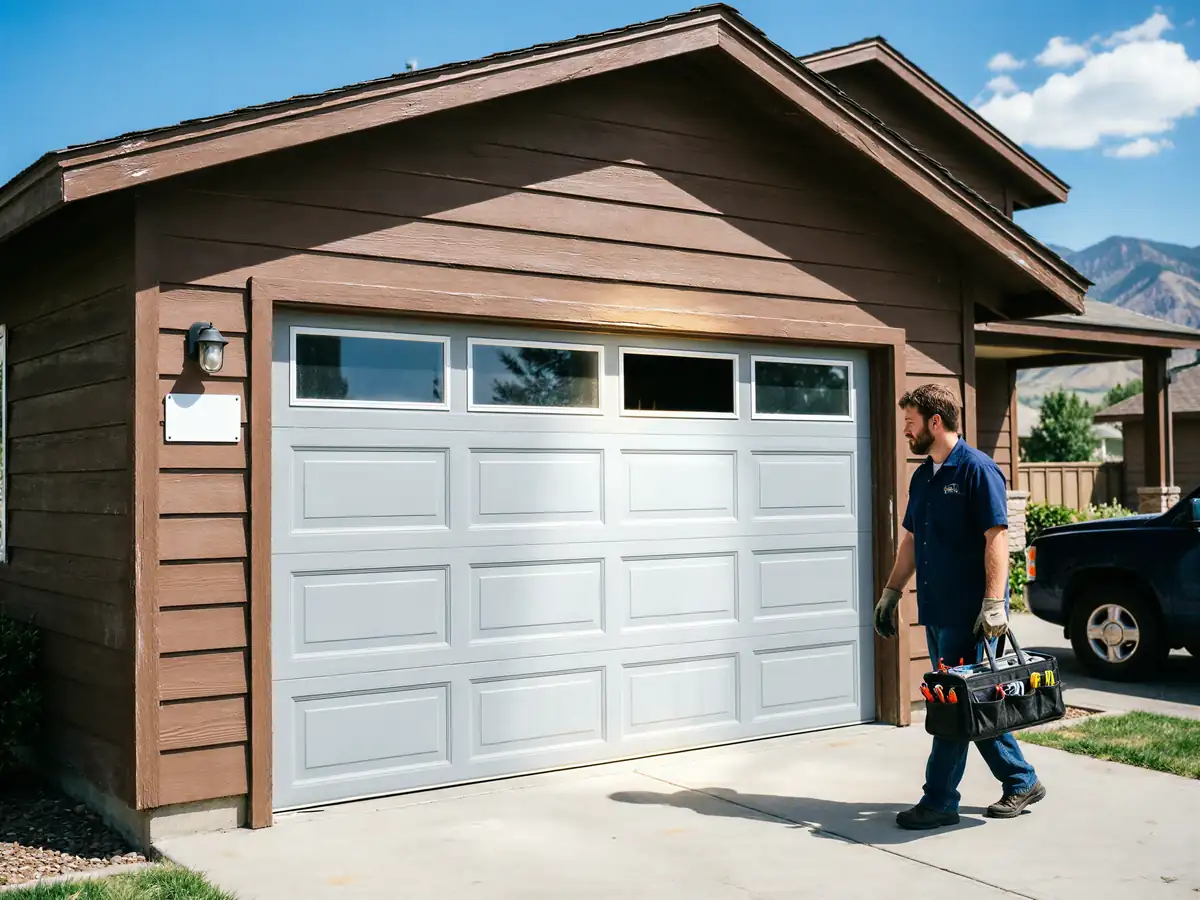
Most of the trouble we see on maintenance calls starts small: a door that groans on the way up, a remote that works on the third try, a panel that shudders at the halfway mark. None of that is dramatic, which is exactly why it gets ignored until the spring snaps or the opener motor burns out on a cold morning.
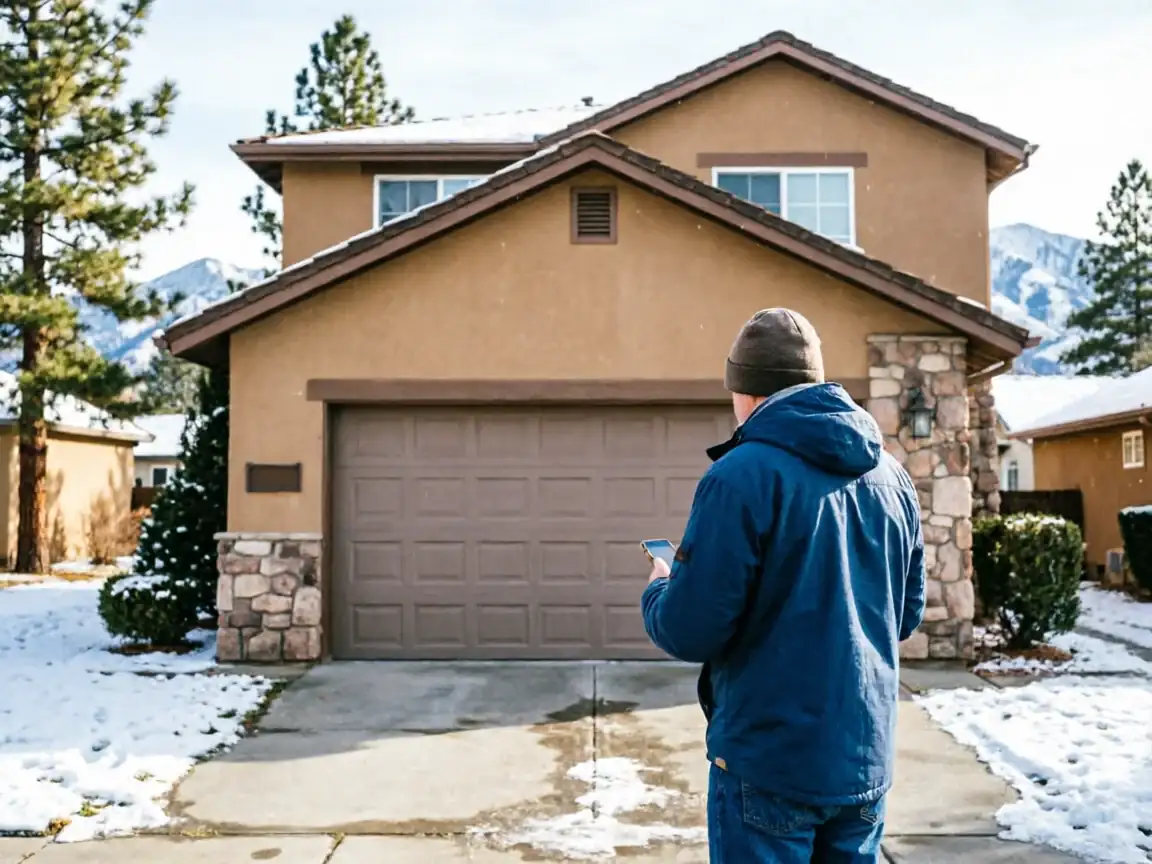
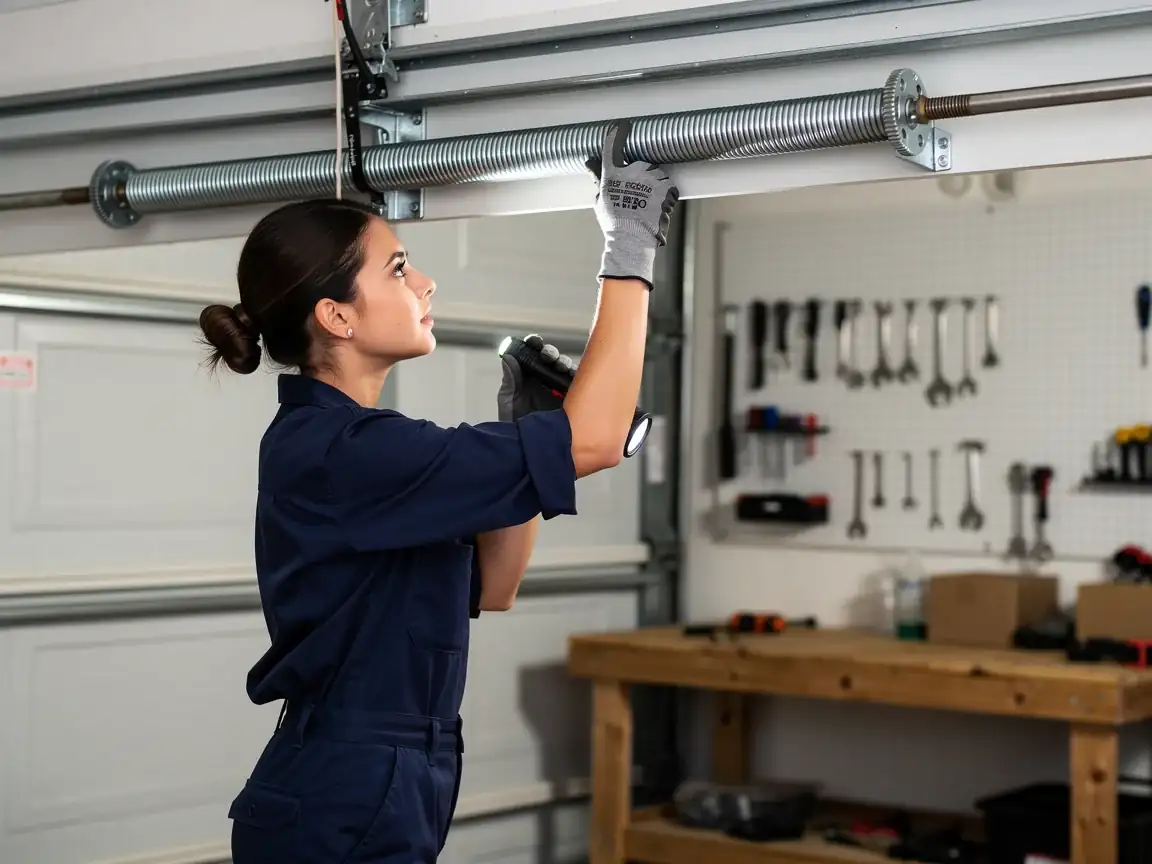
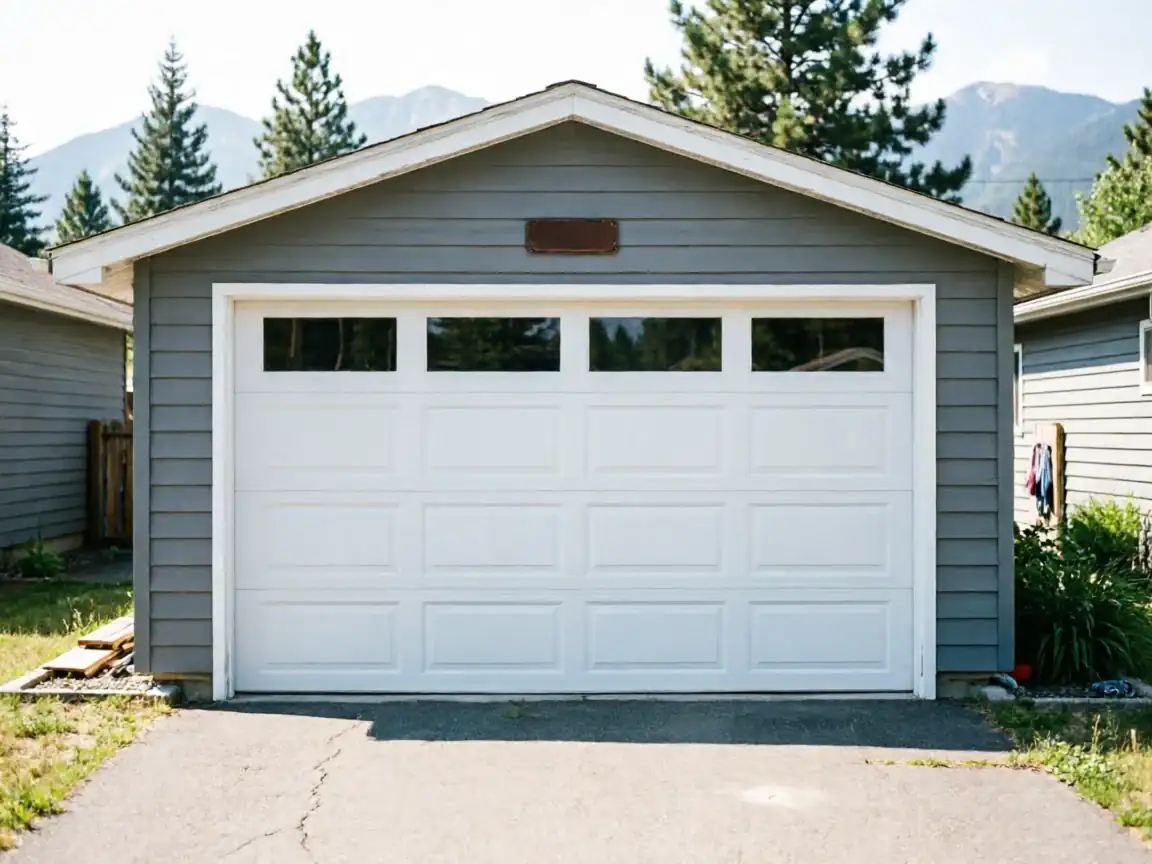
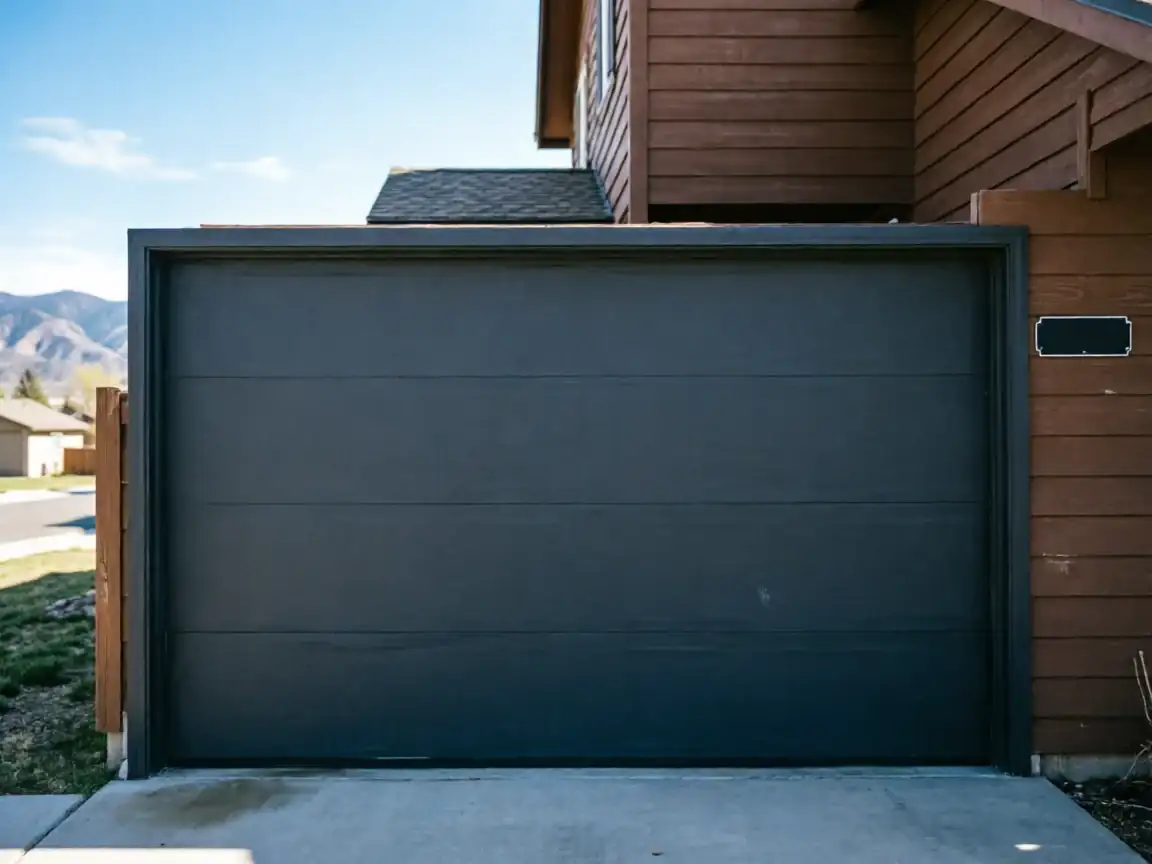
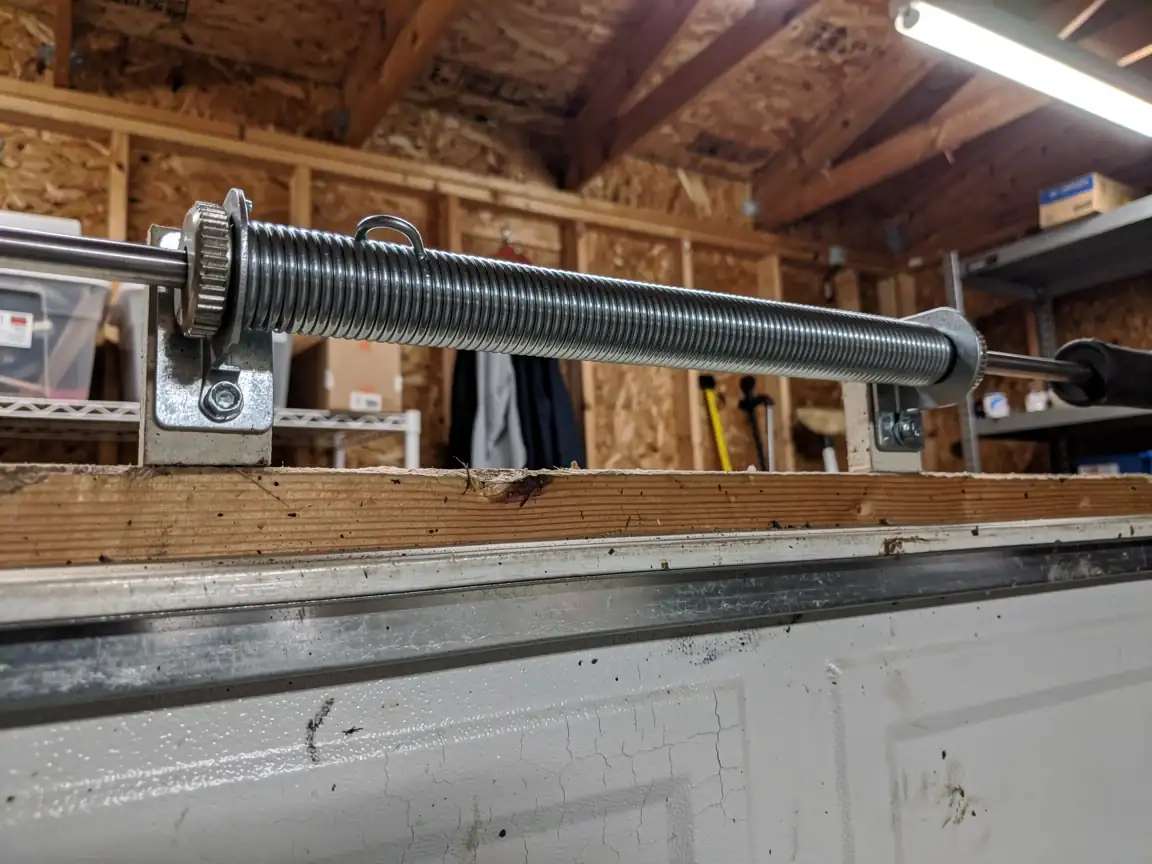
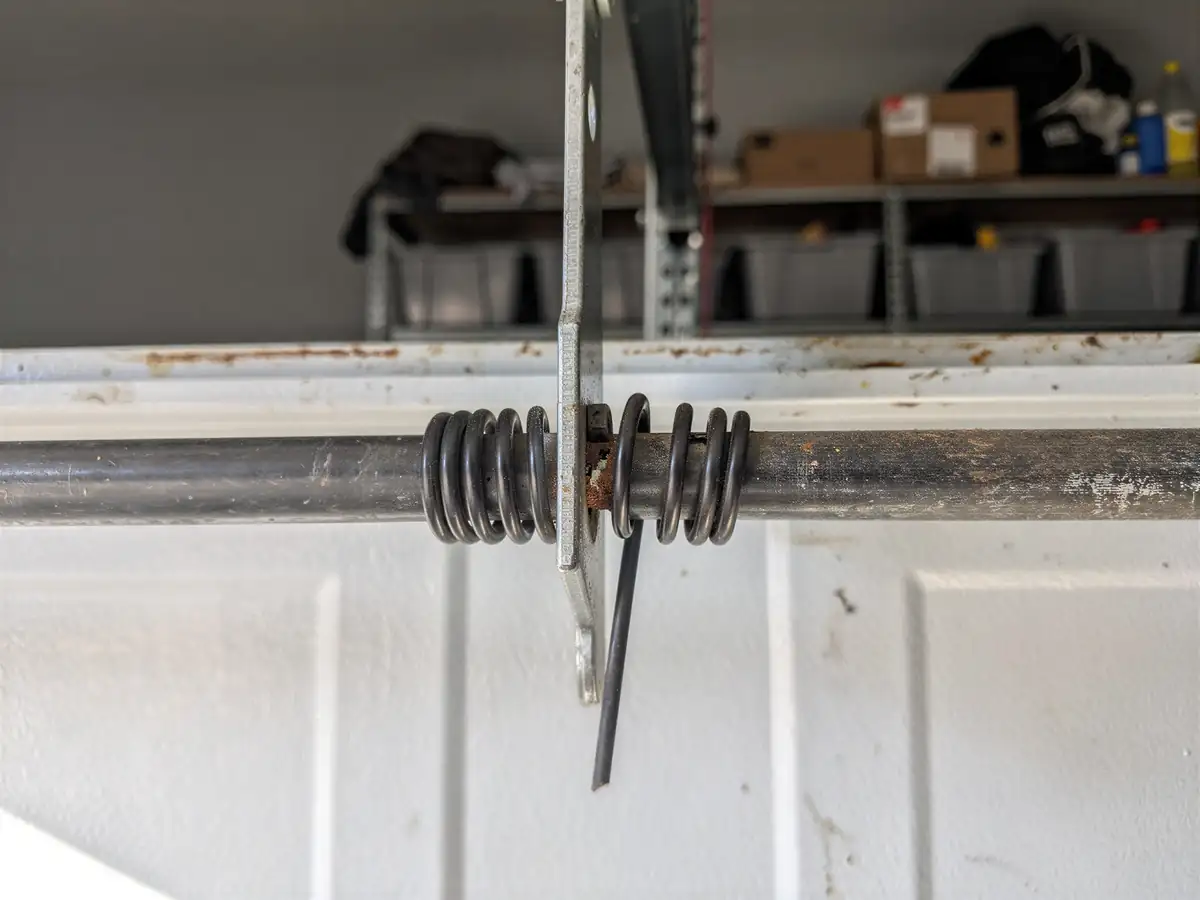
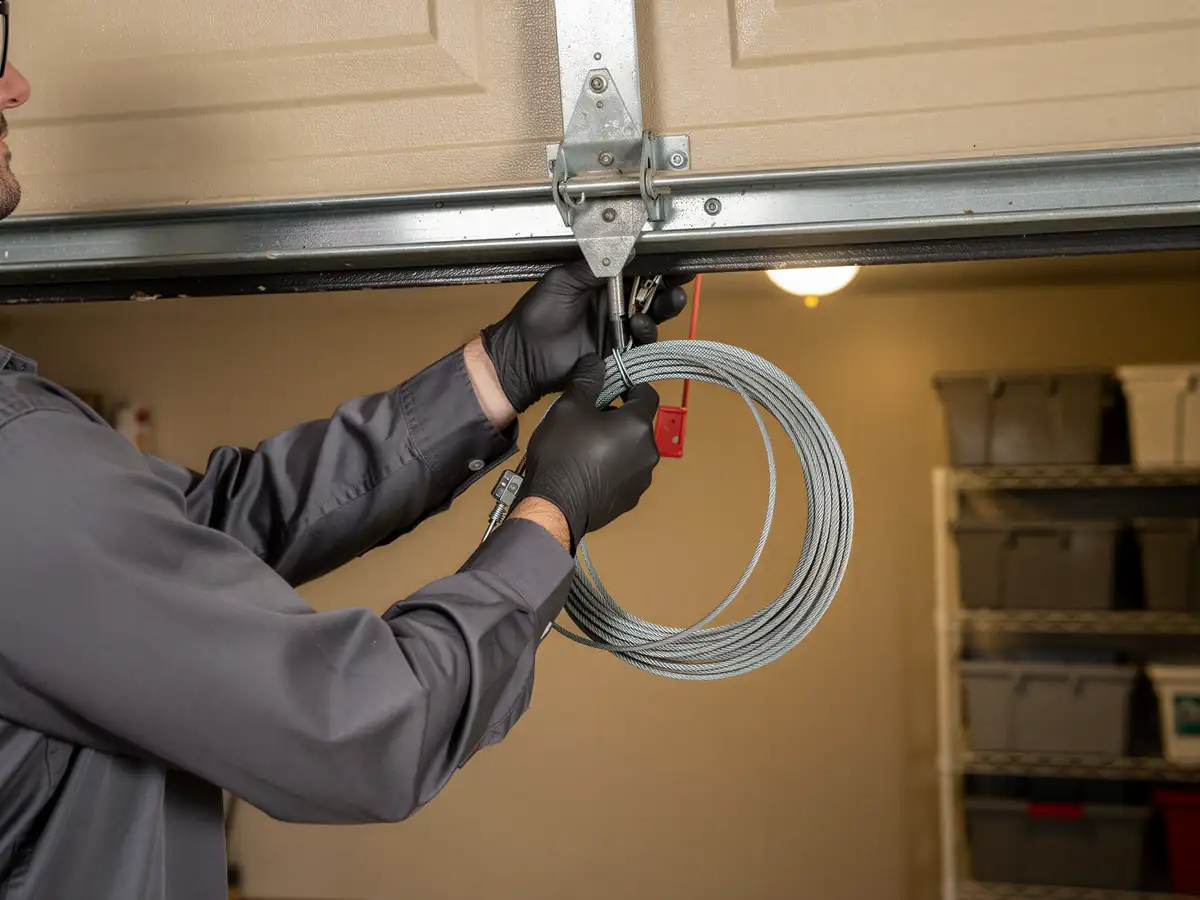
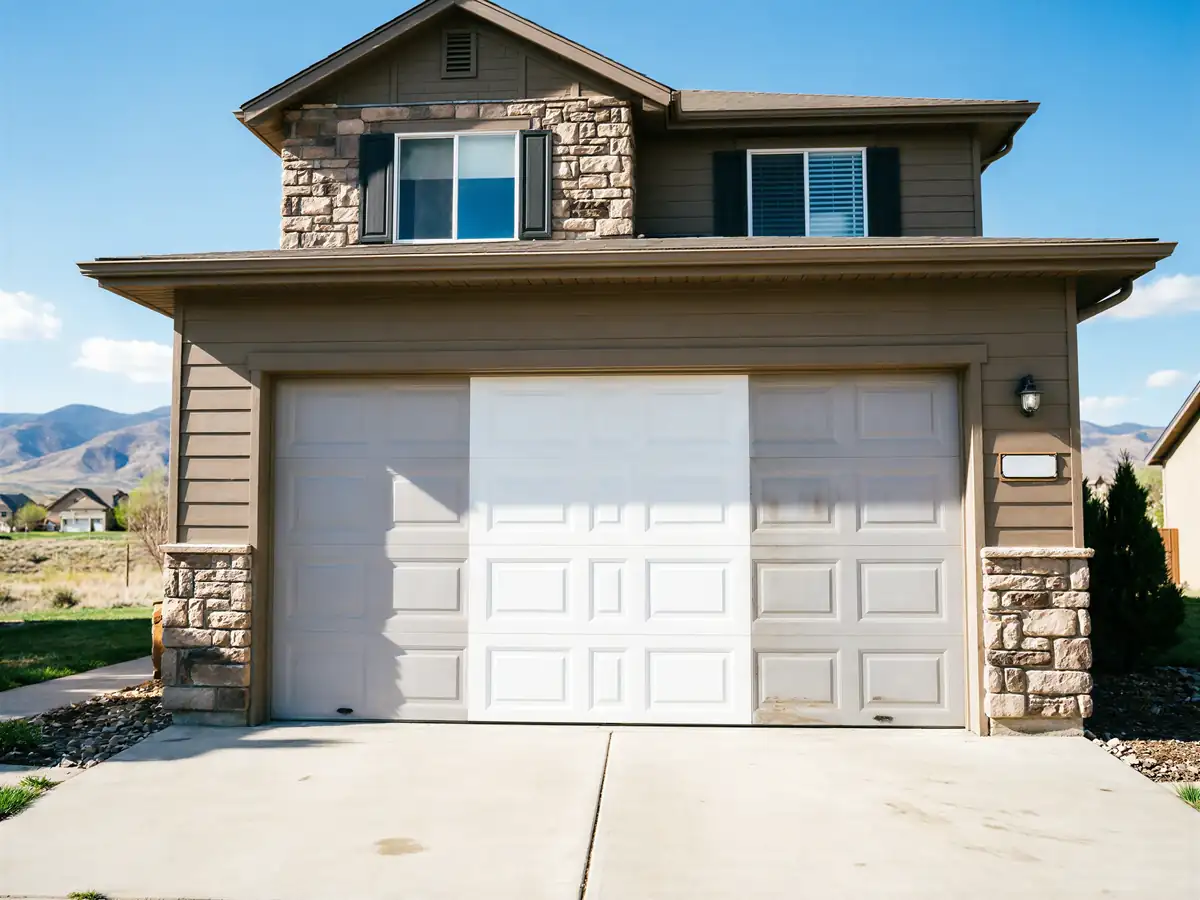
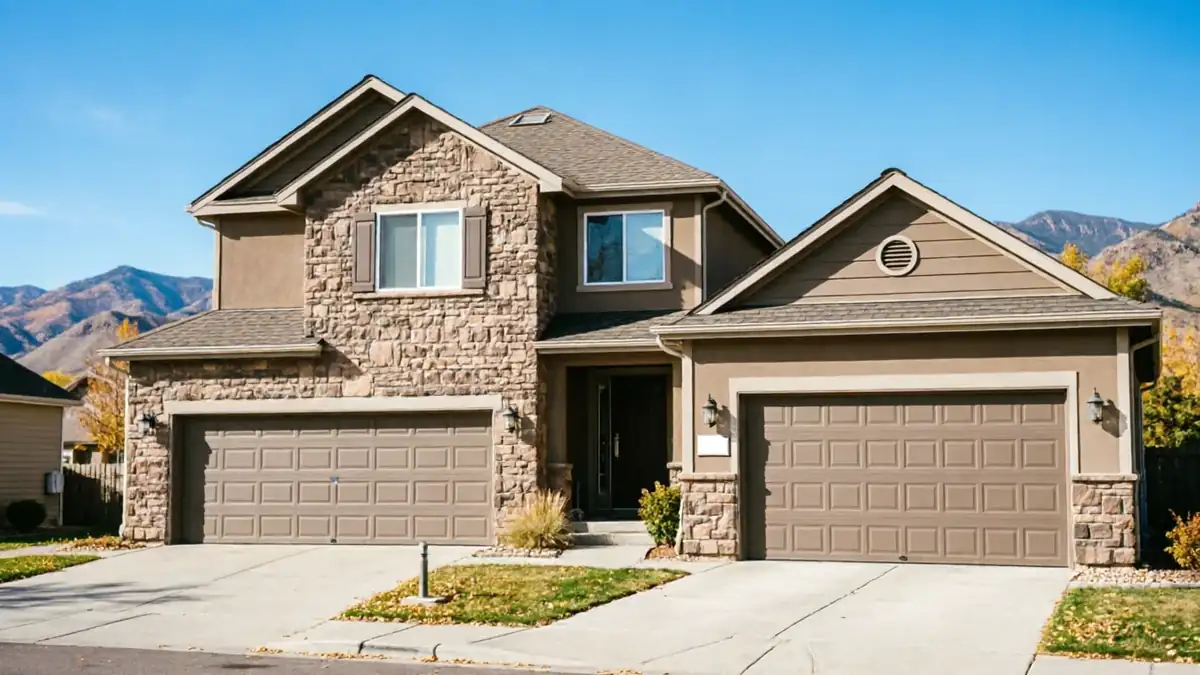
Around Grand Junction, the pattern tracks the housing stock. A lot of the service area's houses went up between 1977 and 1998, with the median landing around 1984 - across the named areas we cover, that's the dominant era of construction. Doors and openers installed with those houses, or replaced once since, are now old enough that bearings are worn, lift cables are fraying at the drum, and torsion springs have logged tens of thousands of cycles past their rated life.
Cold is the other half of it. This is a severe cold climate band, and steel contracts in low temperatures - rollers bind, lubricant thickens, and a spring that was already near the end of its cycle count can let go on the first hard freeze of the season rather than waiting for summer. Maintenance here is less about polish and more about catching the part that's about to fail before it fails on you at 6am with the car trapped inside.
What You Pay
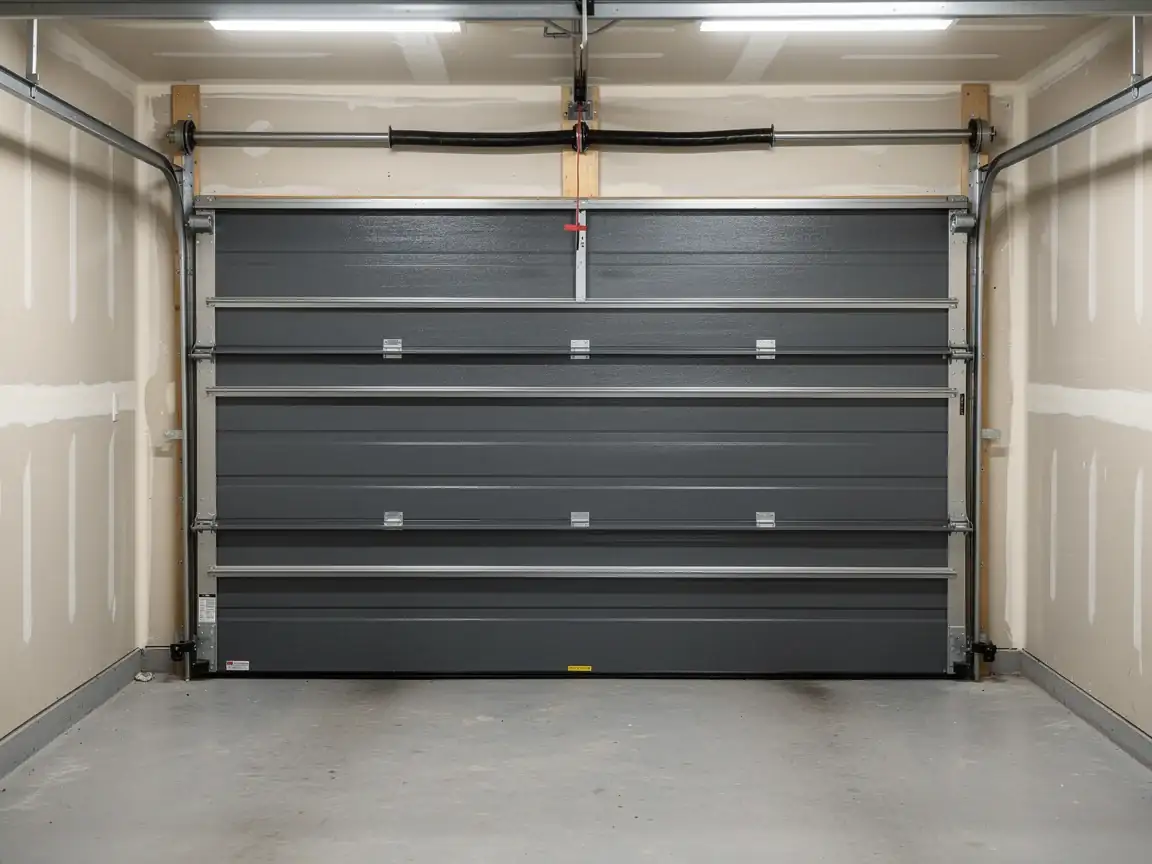
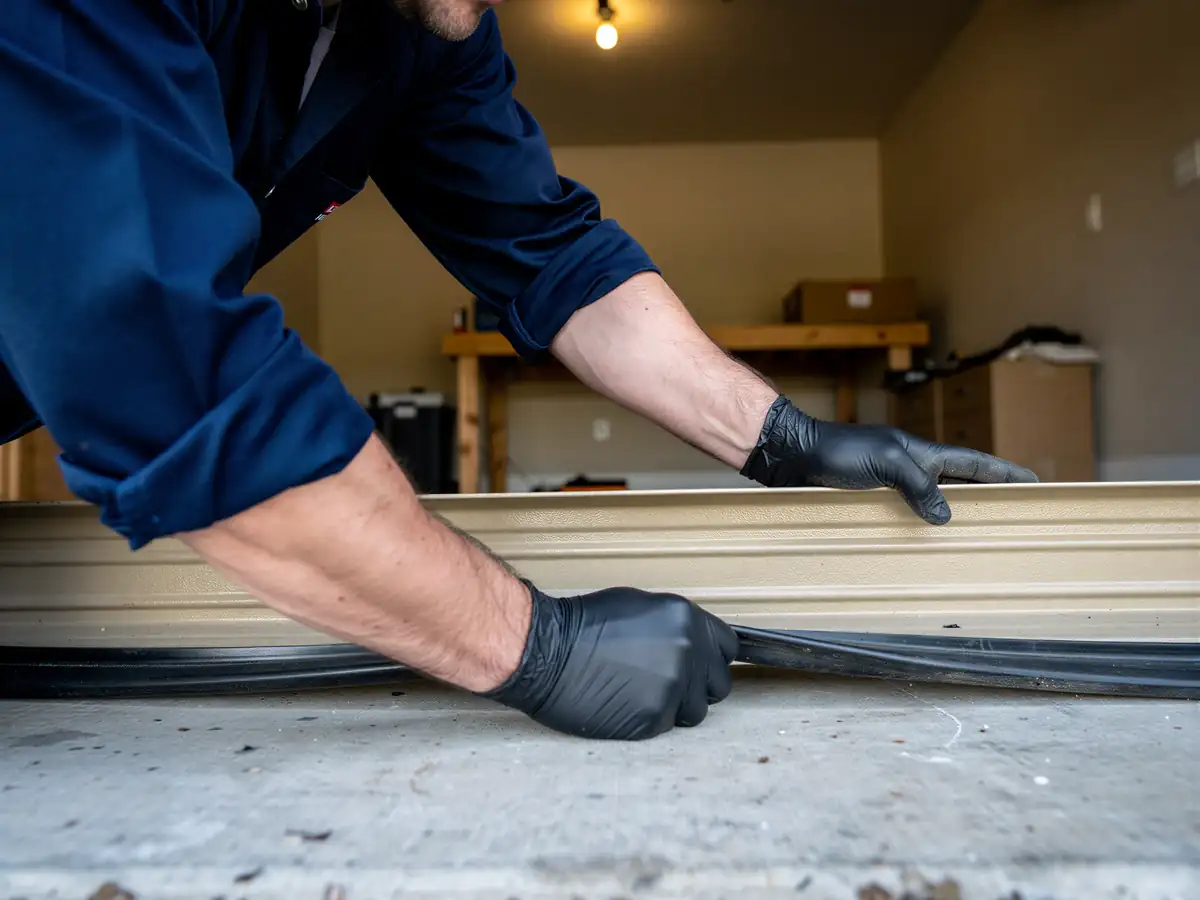
We don't have a flat rate to quote you here, because what a maintenance visit runs depends on what your door actually needs - a tune-up on a five-year-old opener is a different job from resetting spring tension on a door that's been fighting its hardware for a decade. What we can tell you is what drives the number: how many springs the door uses, whether the opener needs lubrication and bolt checks only or a sensor realignment too, and how much the rollers and hinges have worn.
Homes in this area, with a median household income around $76,339 and roughly 14,945 owner-occupied houses across the service area, tend to be paying for upkeep on a door they plan to keep another decade or two rather than replace outright - which makes a regular maintenance visit cheaper over time than letting a worn part turn into an emergency call. Ask for a number before the truck leaves, not after.
Why It Happens Here
The 1977-to-1998 build window matters more than most owners realize
Garage door hardware from that era - torsion springs, the original drums, early-generation chain-drive openers - was built to a service life, not a lifetime. A door installed in 1984, the median year for this stock, is now running hardware that's outlived its intended cycle count by a wide margin, even if it still looks fine from the driveway.
Layer the climate on top of that
Severe cold swings tighten tolerances on steel tracks and rollers, and they're hardest on springs that are already fatigued. A spring near the end of its life in a mild climate might last another year or two; in a severe cold band it's more likely to fail on the first cold snap, because the metal is less forgiving when it's already under tension and cold at the same time.
Across the areas we service near Grand Junction
Orchard Mesa, Redlands, Fruitvale, Clifton, and out to Fruita - the housing age and construction pattern repeats, which is why this maintenance call looks similar from one address to the next even when the houses themselves don't.
Booking a Visit
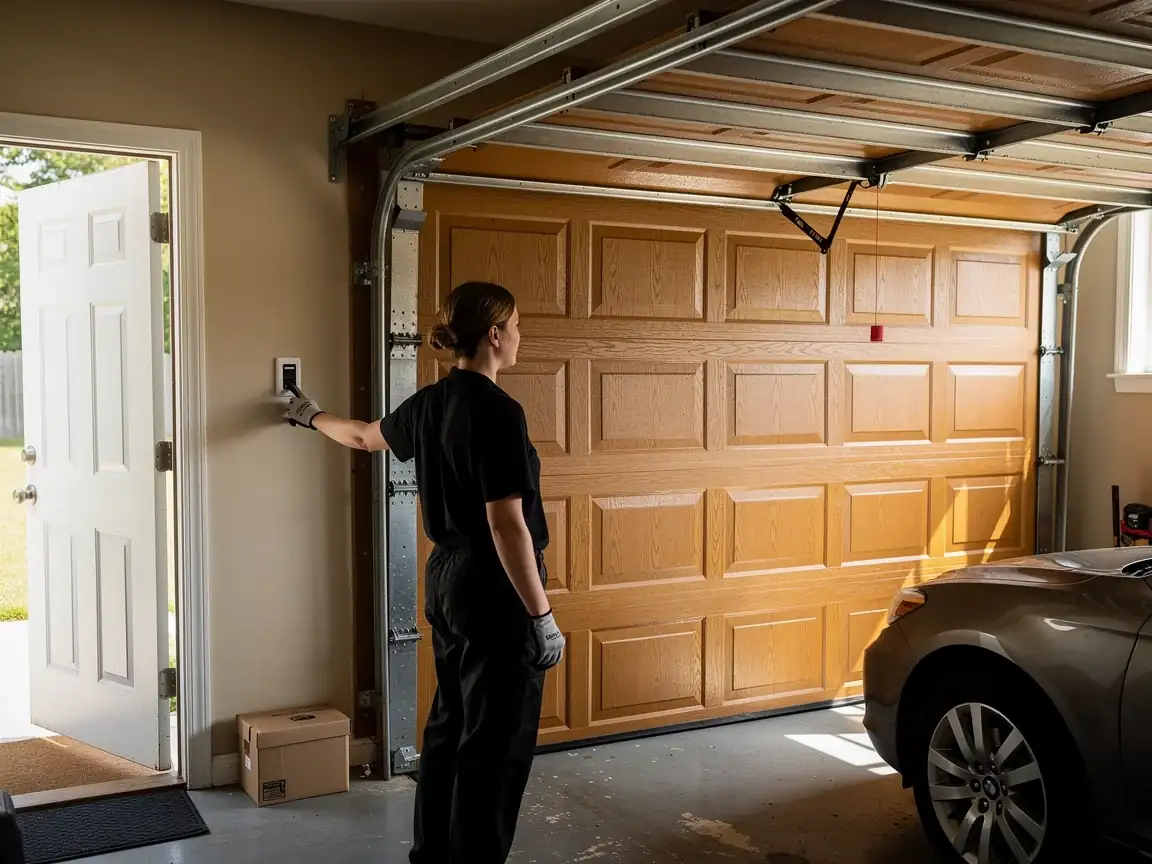
If your door is making a new noise, closing slower than it used to, or the opener light blinks instead of running smooth, that's worth a look before it's worth a repair bill. A maintenance visit is also the right time to ask about the age of your springs and whether your opener's safety sensors still align the way they should - both quietly degrade long before they fail outright.
One limit worth knowing up front: if your door's hardware is old enough or worn enough, a maintenance visit may turn into a conversation about replacement instead of a tune-up, because some parts for older systems aren't worth chasing down piece by piece. We'll tell you that straight rather than keep billing small fixes on a door that's done.
You can reach us through the site to set up a visit.