How It Shows Up
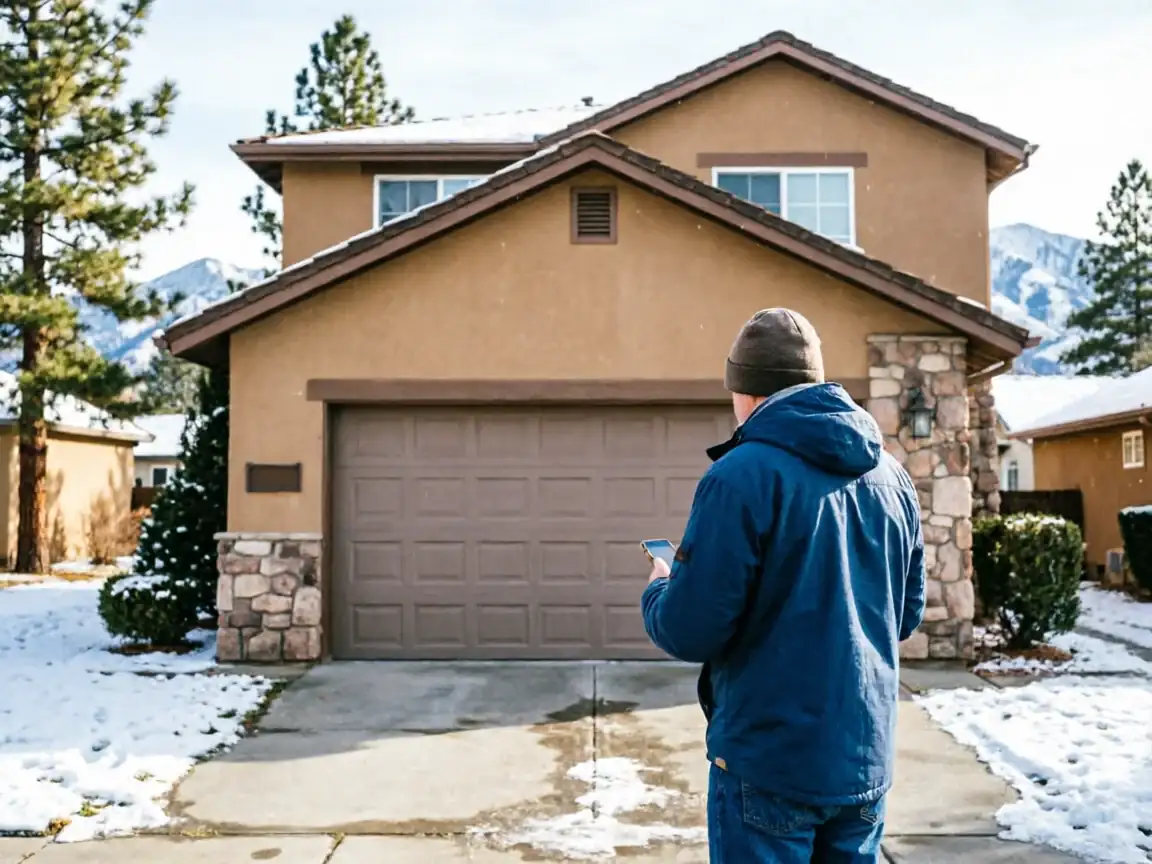
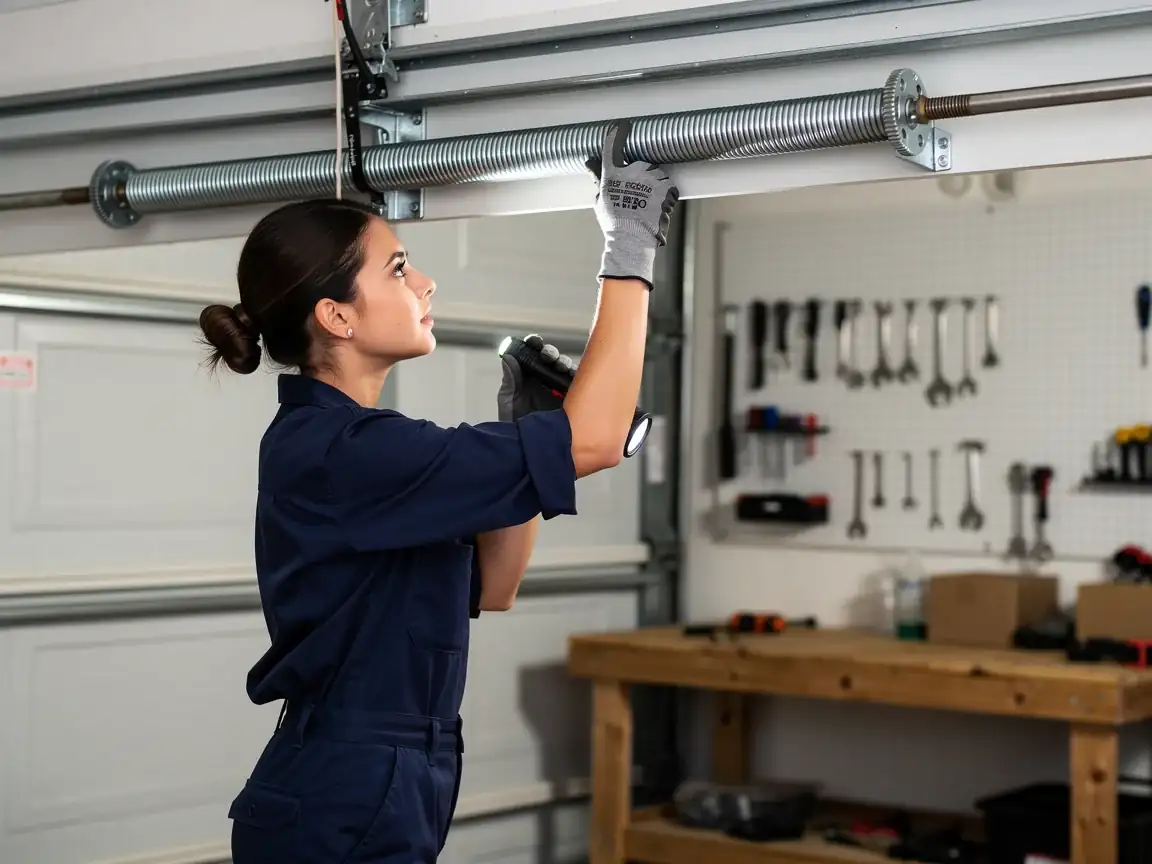
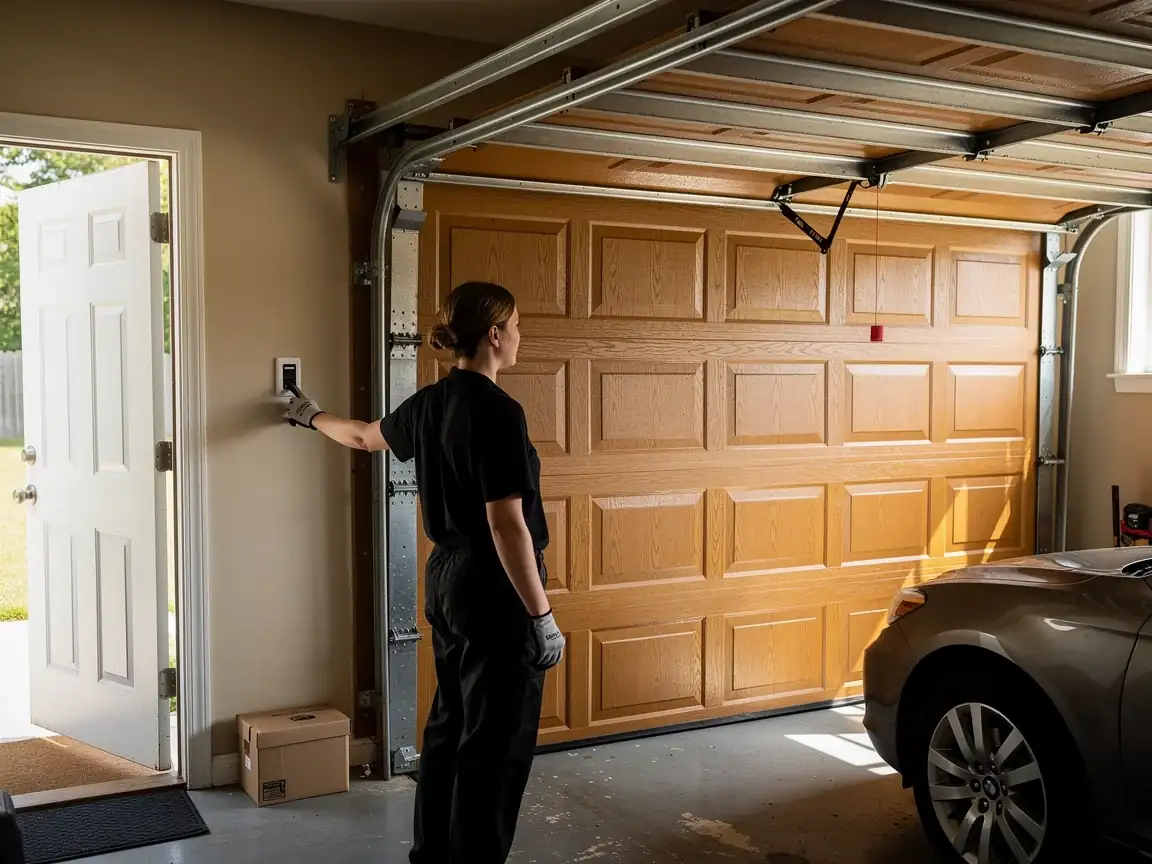
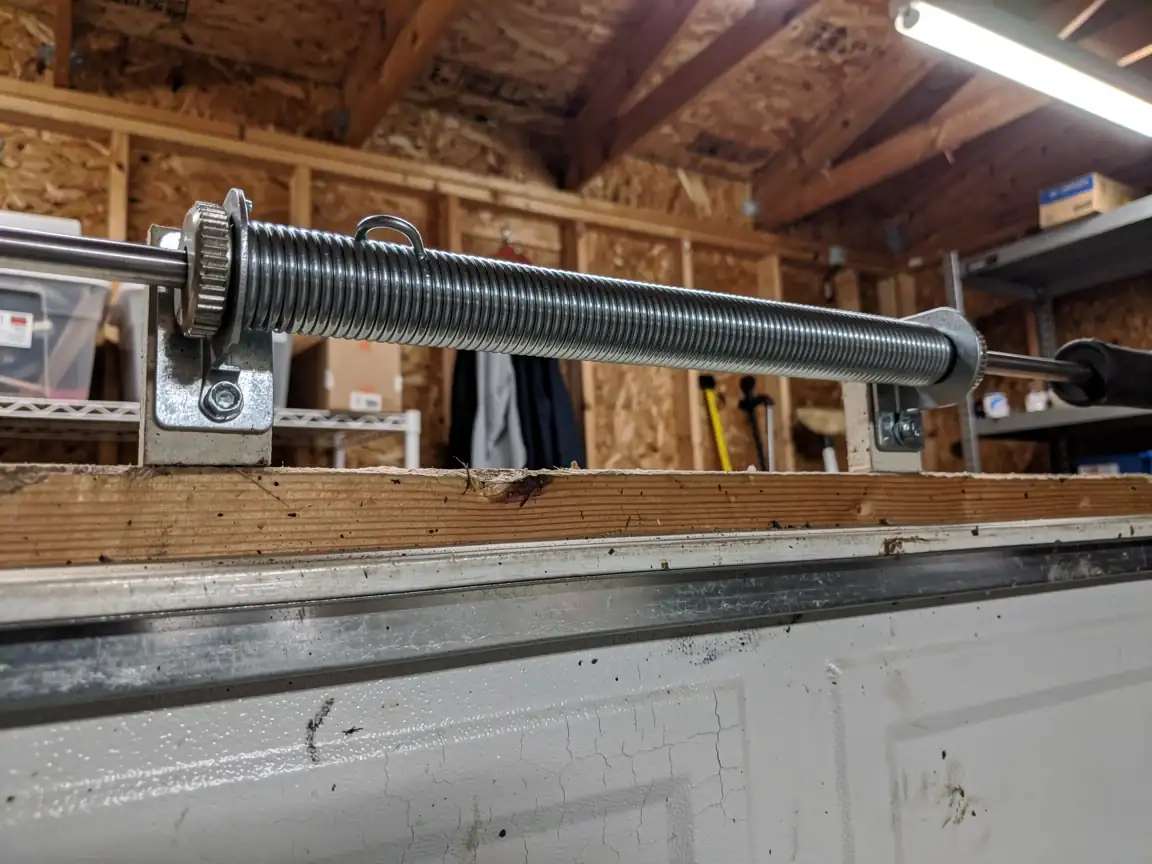
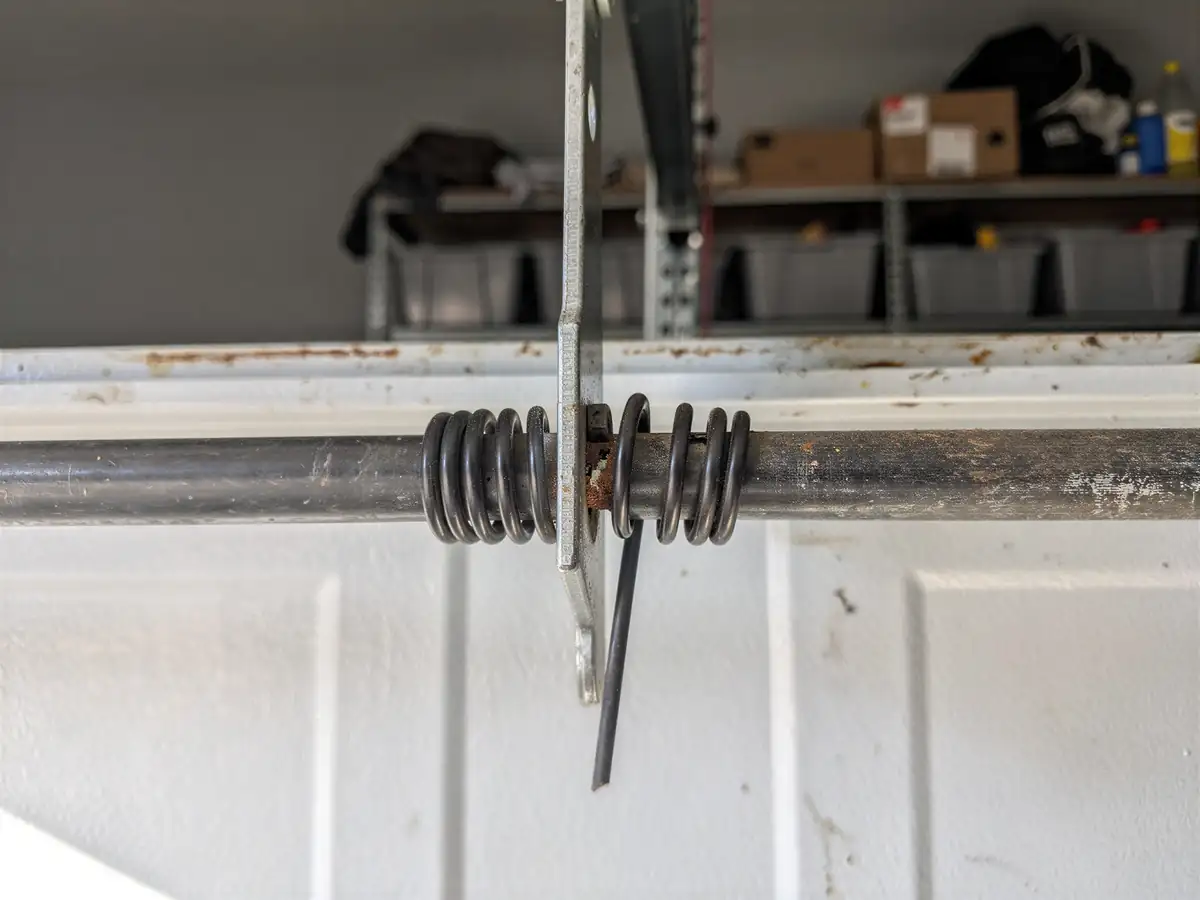
Most emergency calls here start the same way: the door won't move, or it moves and then slams. On a torsion spring setup, the first sign is usually a loud bang from the garage followed by a door that feels twice as heavy when you pull the release cord. On homes with the original openers from the 1980s and 90s building boom in this area, the motor just quits mid-cycle, or the trolley disengages and the door drops.
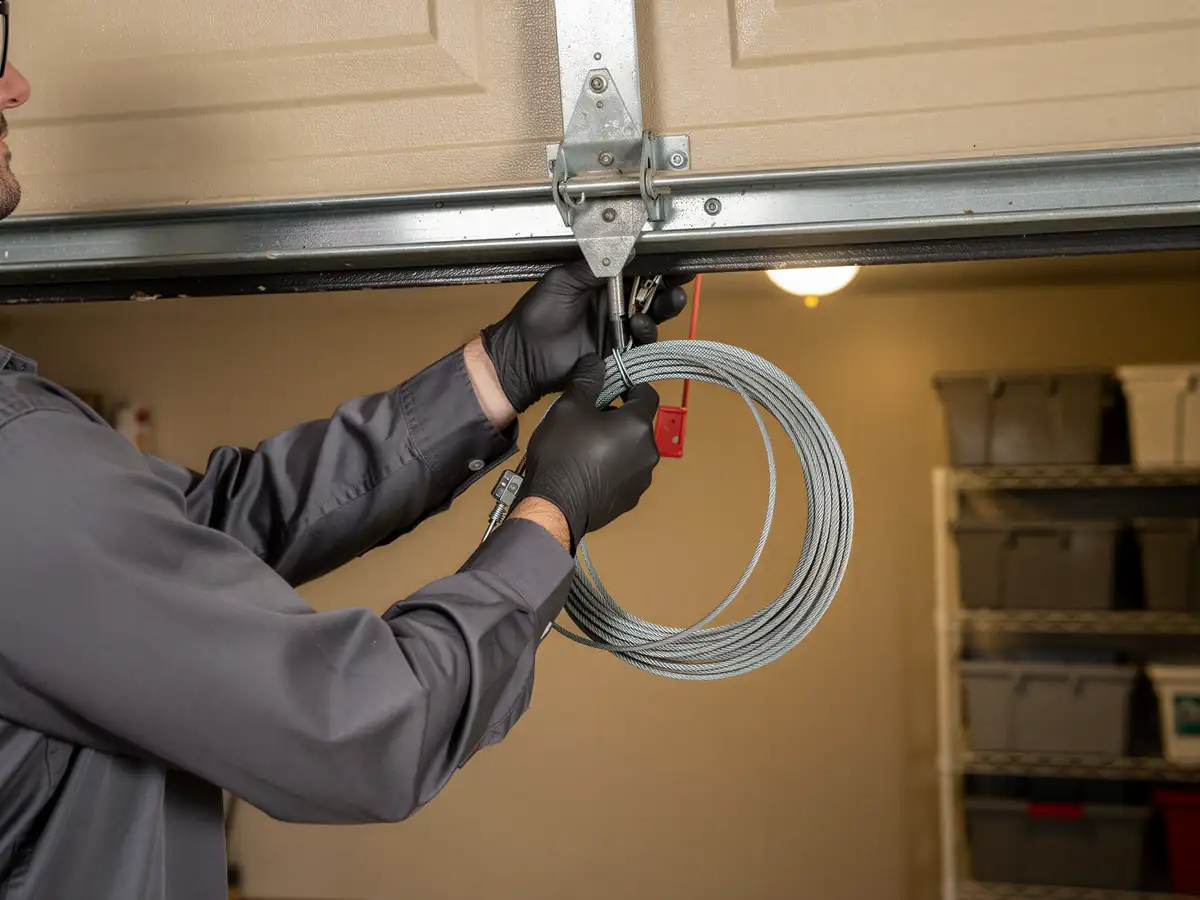
A lot of the housing stock in Grand Junction and the surrounding areas went up between 1977 and 1998, which means a lot of garages are still running factory-original torsion hardware pushing 30-45 years old. That hardware doesn't fail gradually most of the time. It fails on the cycle count, and cold mornings add stress to steel that's already fatigued. You'll also see cable fraying near the bottom bracket on doors from this era, since that's about where the galvanized coating starts to give up.
If the door is off its tracks, don't force it with the opener. Running a motor against a jammed or derailed door usually turns a one-part repair into a full track and roller job.
What You Pay
We don't post a flat number for emergency work because the parts involved vary a lot - a single torsion spring job is a different cost than a broken cable plus a bent track from the same incident, which happens more than you'd think when a spring lets go under load. What we can tell you is that the biggest cost driver on an emergency call isn't the labor, it's whether the door needs one part replaced or several.
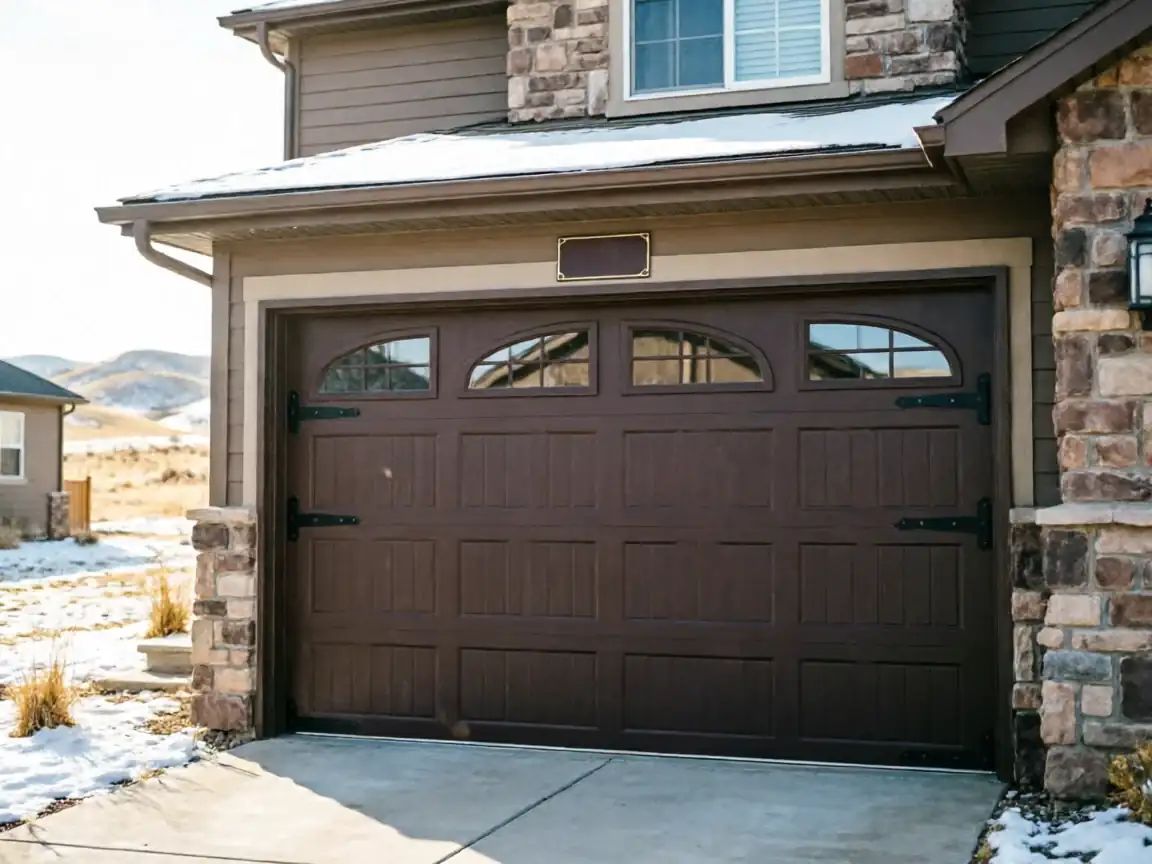
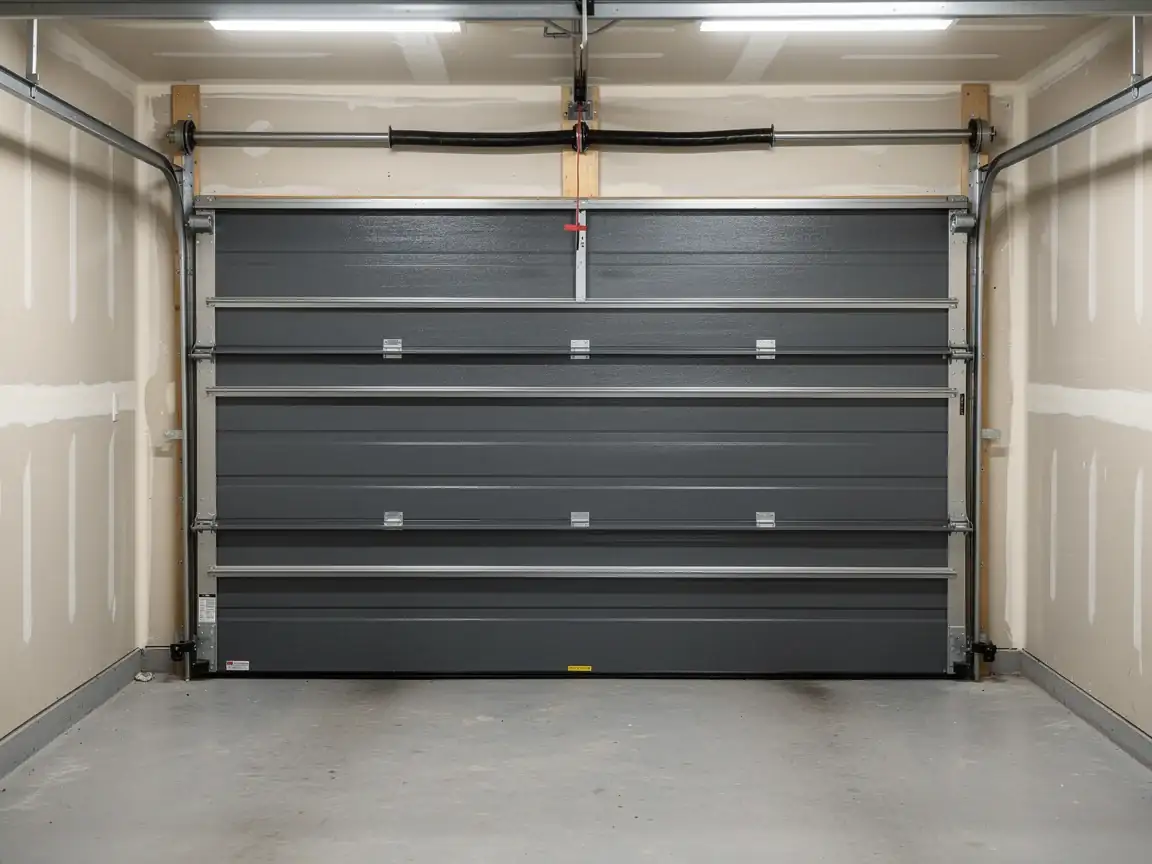
Households across this service area range from modest starter homes to larger properties, and median household income here runs a bit above $76,000, so we see a wide mix of doors - everything from single steel panel doors to heavier insulated double doors with two torsion springs. Heavier doors cost more to fix because the springs and cables are rated higher and cost more to stock.
One honest limitation: if your opener is more than 20 years old and the circuit board is the failed part, we may tell you replacement makes more sense than hunting down a board for a motor that old. We'd rather say that upfront than have you pay for a part that outlives the rest of the unit by a month.
Why It Happens Here
Grand Junction sits in a severe cold climate band
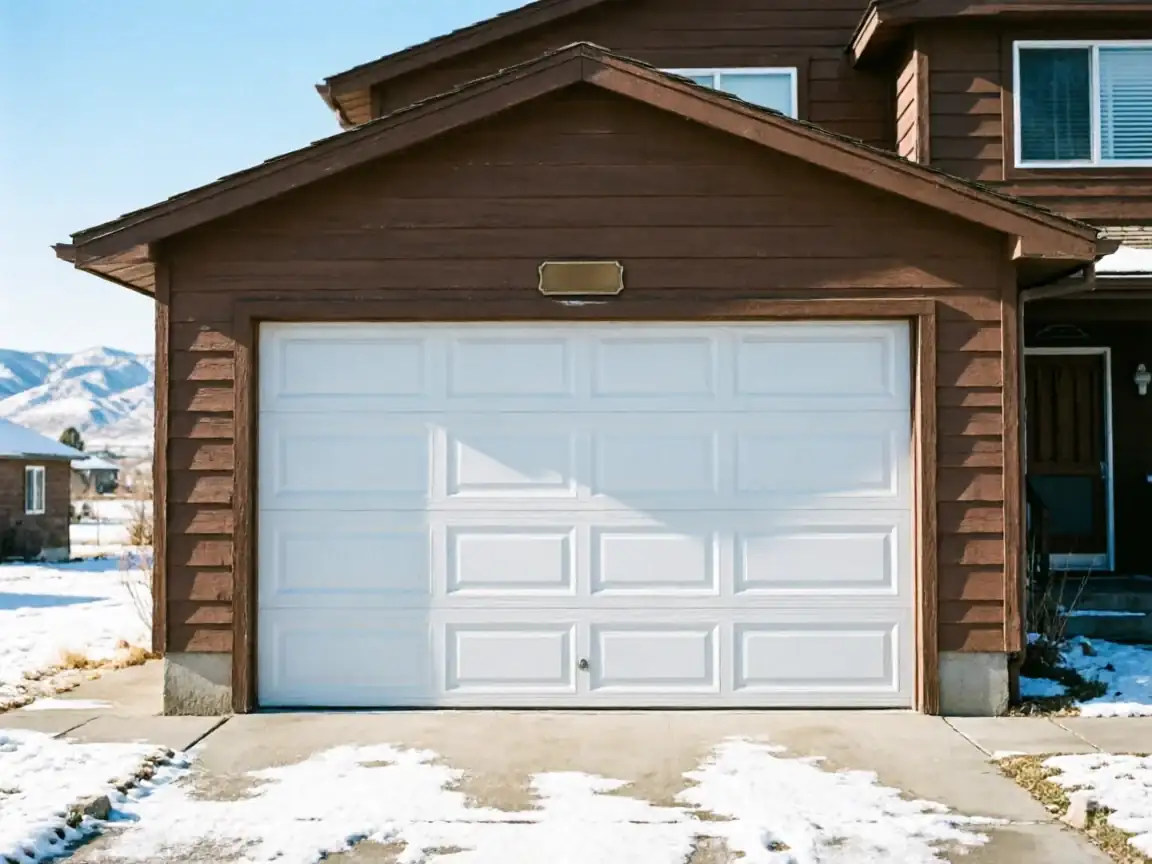
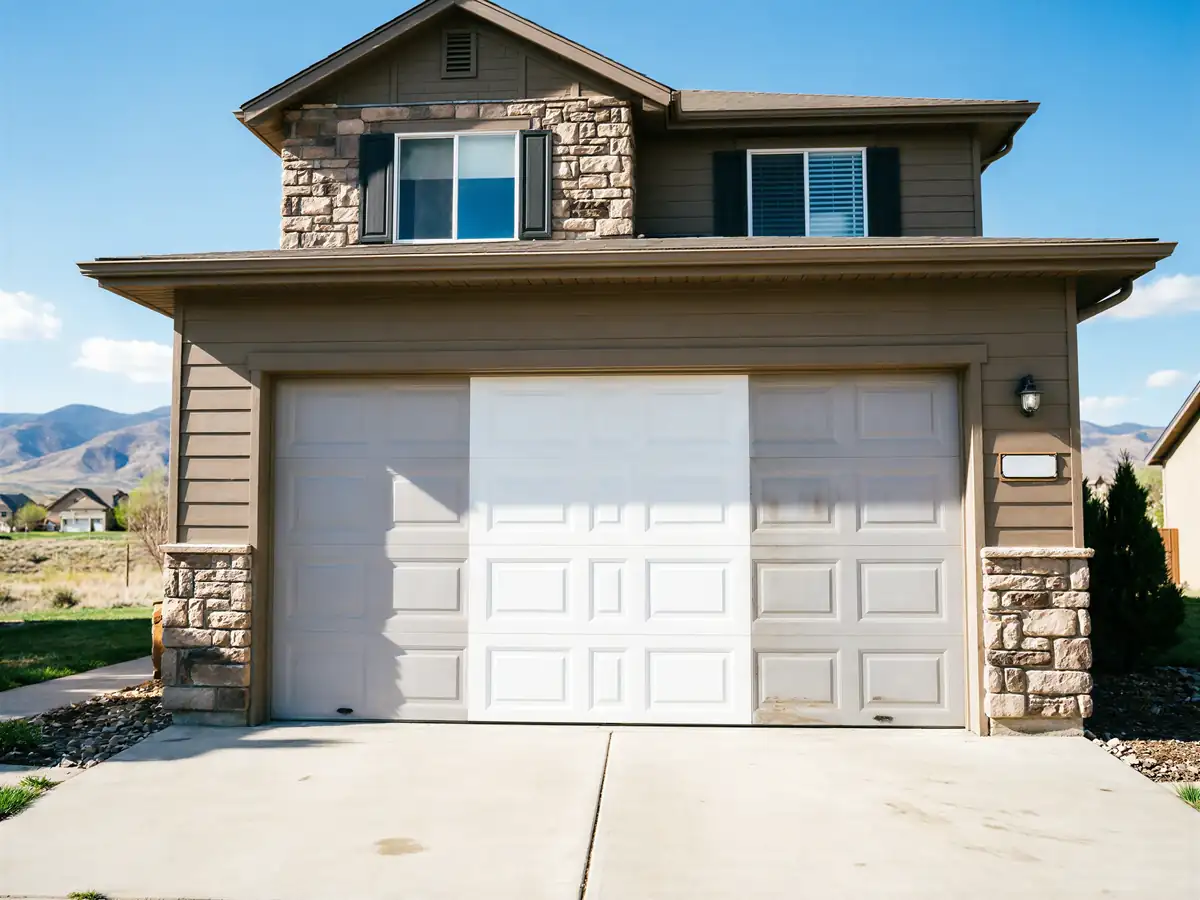
And that matters more for garage doors than people expect. Steel torsion springs lose some of their flex in hard cold, which means the same door that cycled fine in July can bind or snap on a January morning. Houses built in the 1977-1998 stretch that makes up most of this area's stock were built to the codes and materials of that era, not to today's insulated door standards, so a lot of these garages are single-wall steel doors with no thermal break - more prone to warping or sticking when temperatures swing hard between night and day.
Across the roughly 22,130 households and 14,945 owner-occupied houses we draw calls from, the pattern repeats
Older torsion hardware, cold-stressed steel, and openers original to the house. We get similar calls whether the house is in Orchard Mesa, Redlands, Fruitvale, Clifton, or out toward Fruita - the climate and the housing age are the common thread, not any one neighborhood.
- 22,130 households
- 14,945 owner-occupied
Booking a Visit
If your door is stuck open, stuck shut, or came off the track, call rather than trying to force it - a jammed door under opener power is how a $200 repair turns into an $800 one. We run emergency calls across the Grand Junction service area, including Orchard Mesa, Redlands, Fruitvale, Clifton, and Fruita.
When you call, tell us the door type (single or double), whether you heard a bang before it failed, and roughly how old the opener is if you know it. That gets us to your garage with the right spring and cable stock on the truck instead of guessing. You can find general contact and service info on our home page.