The Problem
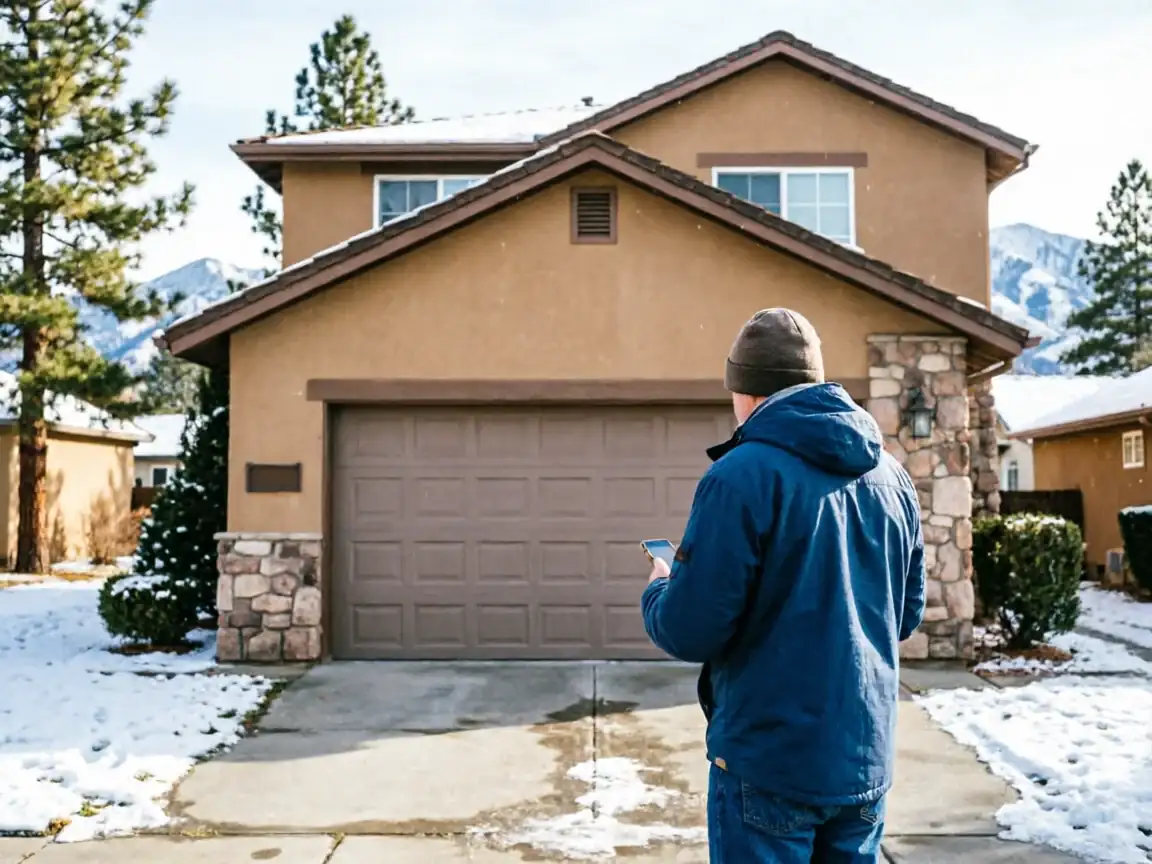
Most of the garage door openers we get called on in Grand Junction went in sometime between 1977 and 1998, with the median house in the service area built around 1984. That matters more than people think. A lot of these are original units or the first replacement somebody put in during the 90s - chain-drive, wired straight into a household circuit, no battery backup. When the power goes, the door doesn't move. Not up, not down, not partway.
That's fine if the outage hits while the door's already closed. It's a different story if you're halfway through pulling in or the door's sitting open when the lights cut out. You end up standing in the driveway pulling the manual release cord, trying to remember which way the latch disengages, in the dark, in the cold. We're not telling you this to scare you - we're telling you because it's the single most common 'why didn't my opener work' call we take, and the cause is almost always the same combination: an older unit with no backup power, paired with an outage nobody planned for.
How Local Conditions Play In
Grand Junction sits in a climate band classified as severe cold, and severe cold means winter storms that take the grid down along with the roads. An opener installed in the late 70s through the 90s wasn't built with surge protection the way current boards are. So you get a two-part failure: the power cuts out during the storm, the door won't open or close, and then when the power comes back online - sometimes with a hard spike - the circuit board on that older unit takes the hit and dies for good.
We see this pattern across Orchard Mesa, Redlands, Fruitvale, Clifton alike, because the housing stock in those areas skews the same way: built in that same twenty-year window, openers aging out at roughly the same pace. It's not a design flaw in any one neighborhood. It's what happens when a whole wave of houses goes up in the same two decades and the mechanical equipment inside them ages together.
Doing Nothing For Now
If your opener still works, there's no reason to replace it just because it's old
A working chain-drive unit from the 80s or 90s will keep opening your door every day without complaint, and we're not going to tell you to swap it out on a schedule - that's not how this works. The honest version: wait until it fails, or until a bad outage fries the board, and then decide.
What we won't do is promise a same-day board swap for every model
Some of the older opener boards aren't stocked anywhere local, and if yours is one of them, you're looking at a lead time, not a same-visit fix. That's a real limitation, not a sales pitch - if your opener dies mid-winter and the part has to be ordered, you'll be on manual release for a few days. Worth knowing before it happens, not after.
Checking It Yourself
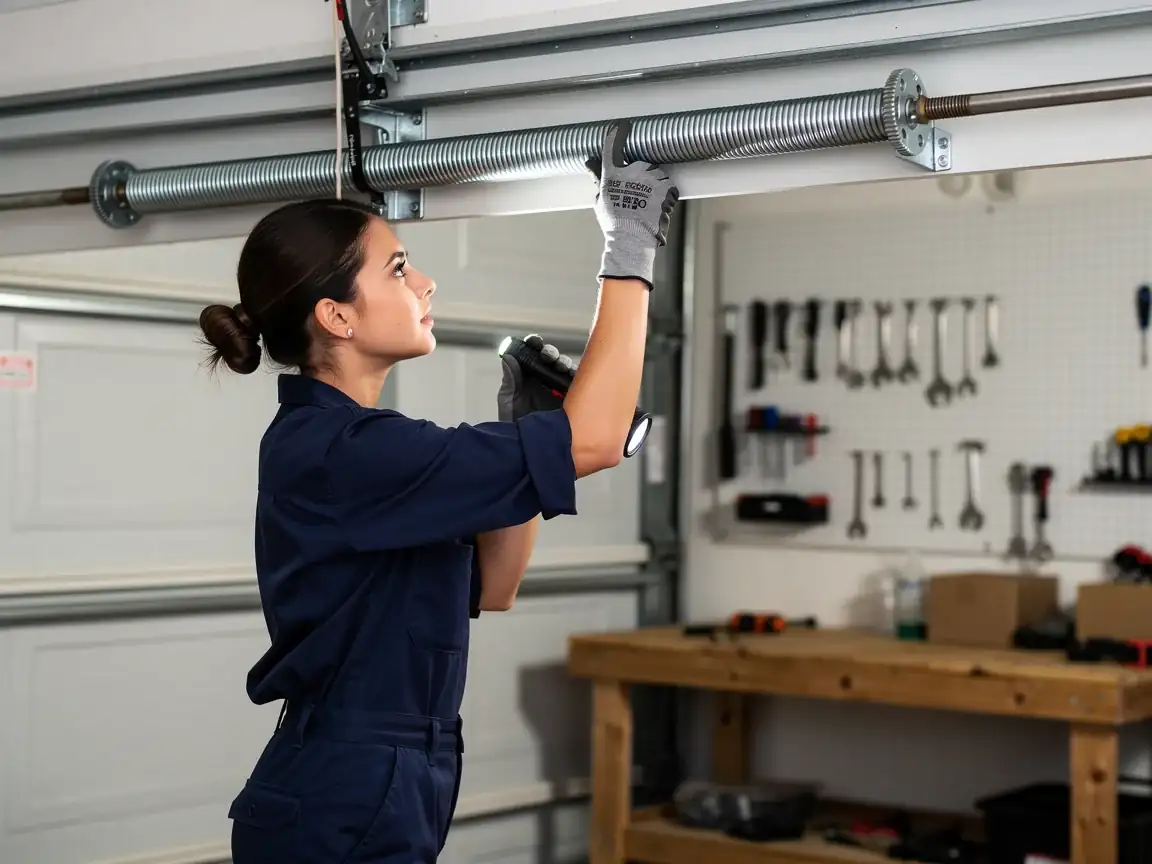
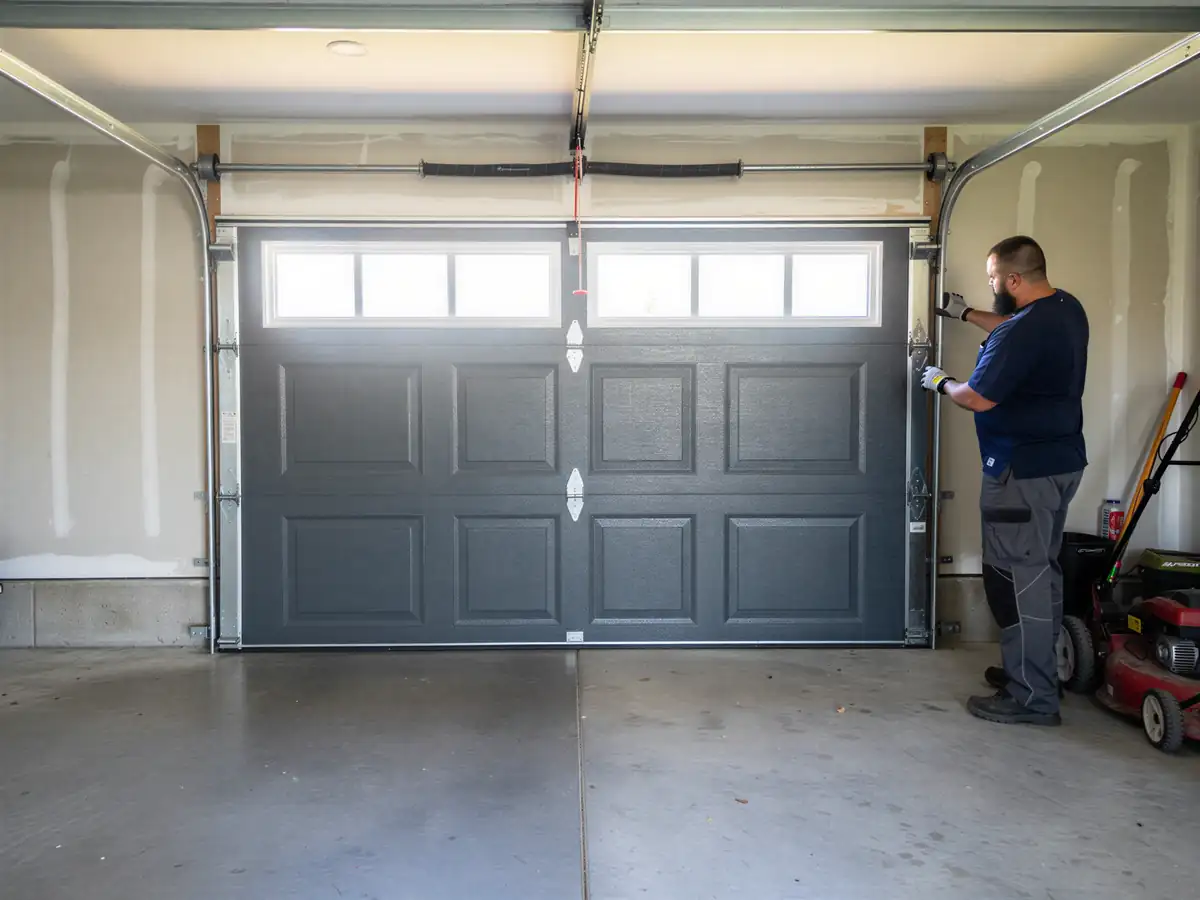
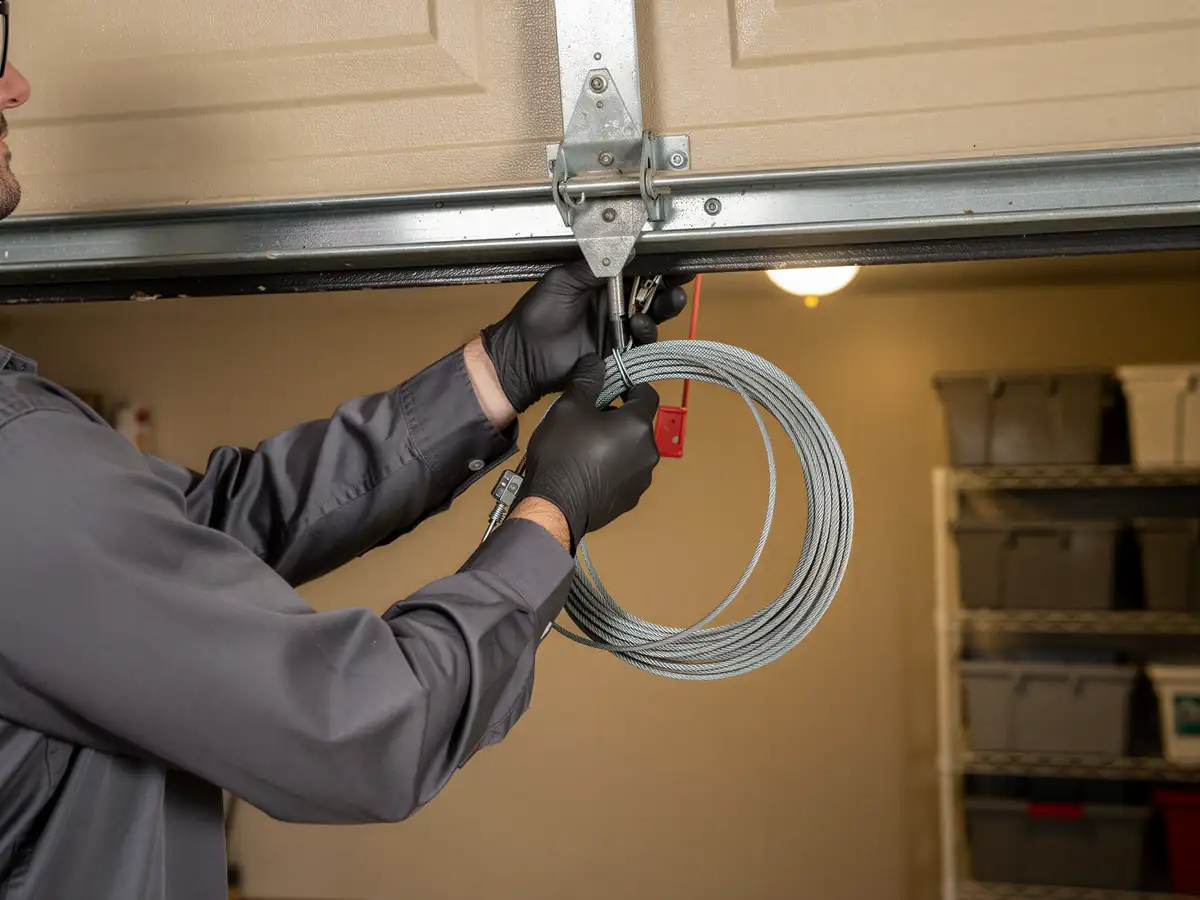
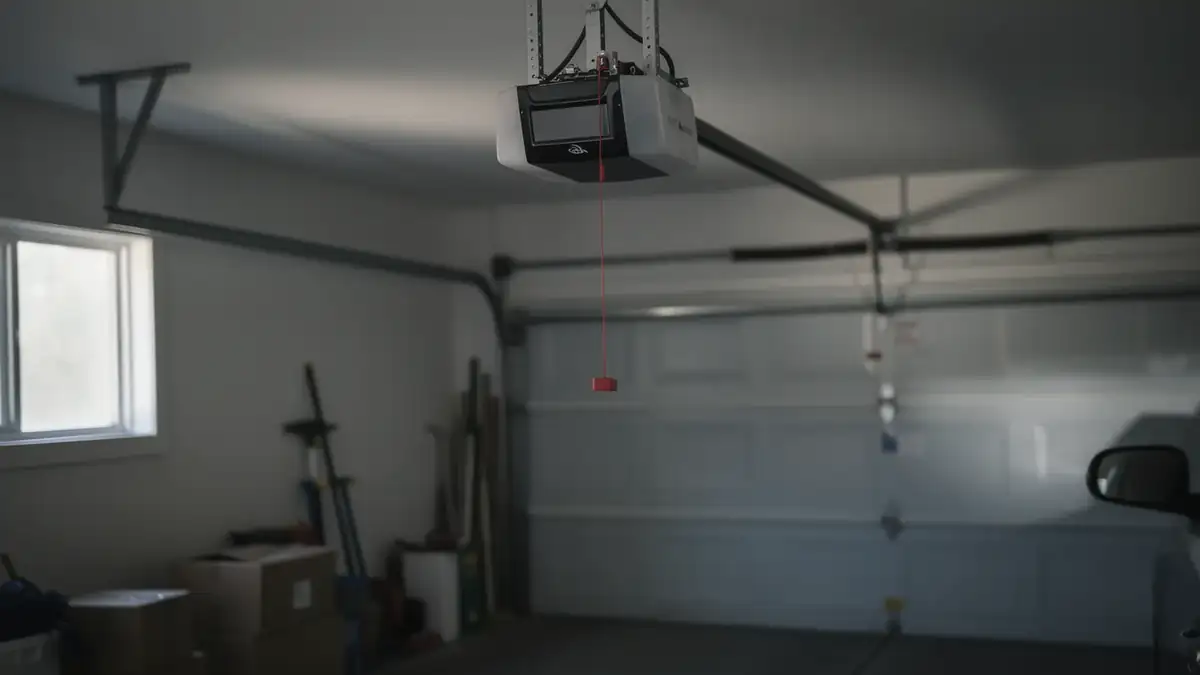
Find your manual release cord - the red handle hanging from a track near the opener motor - and pull it before you ever need it in an emergency. Know which direction disengages the trolley so you're not figuring it out by feel during a storm.
If your opener does have a battery backup (some replacements installed more recently do), test it a couple times a year by pulling the plug and seeing if the door still cycles. If it doesn't, the battery's dead and it's not protecting you.
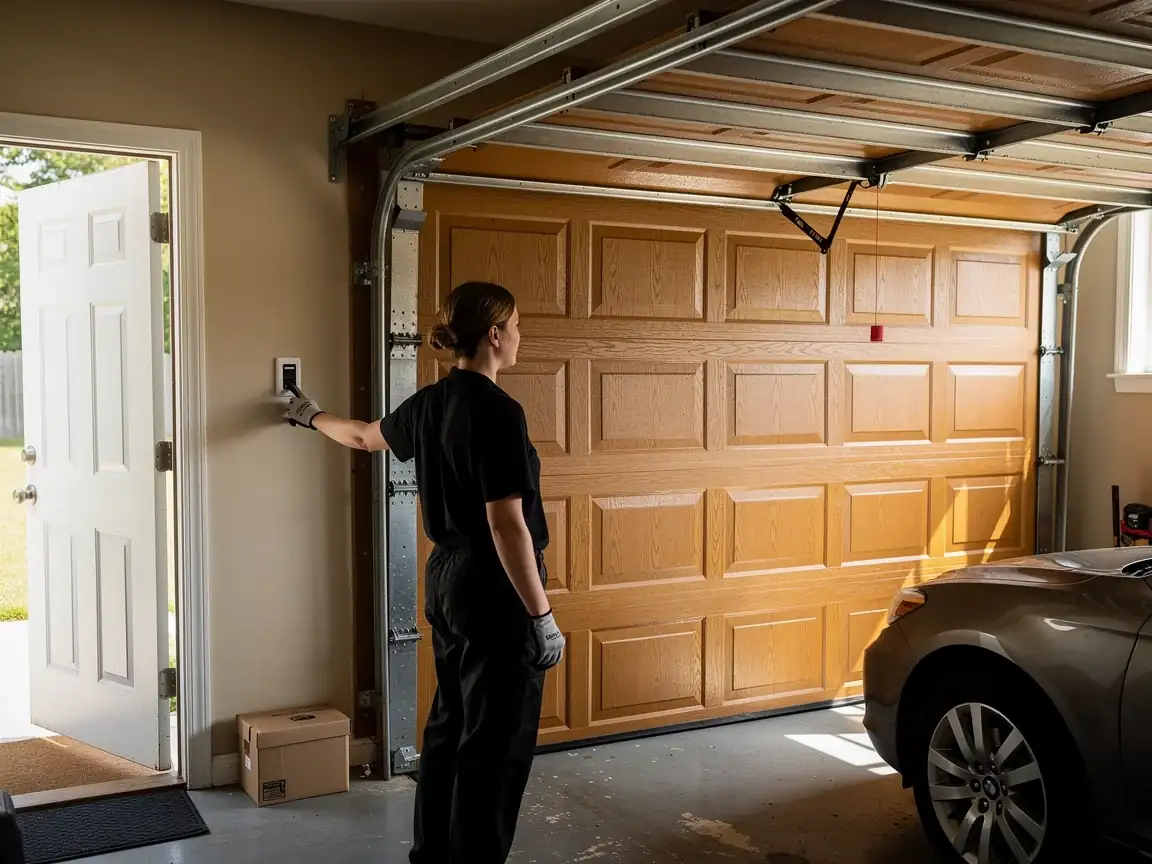
After any outage, listen to the opener the first time it runs. A grinding or hesitating motor, or a unit that trips the breaker on startup, is a sign the board took a hit during the power return. Catching that early is the difference between a $30 part and a dead opener you discover the next time you're late for work.