How It Shows Up
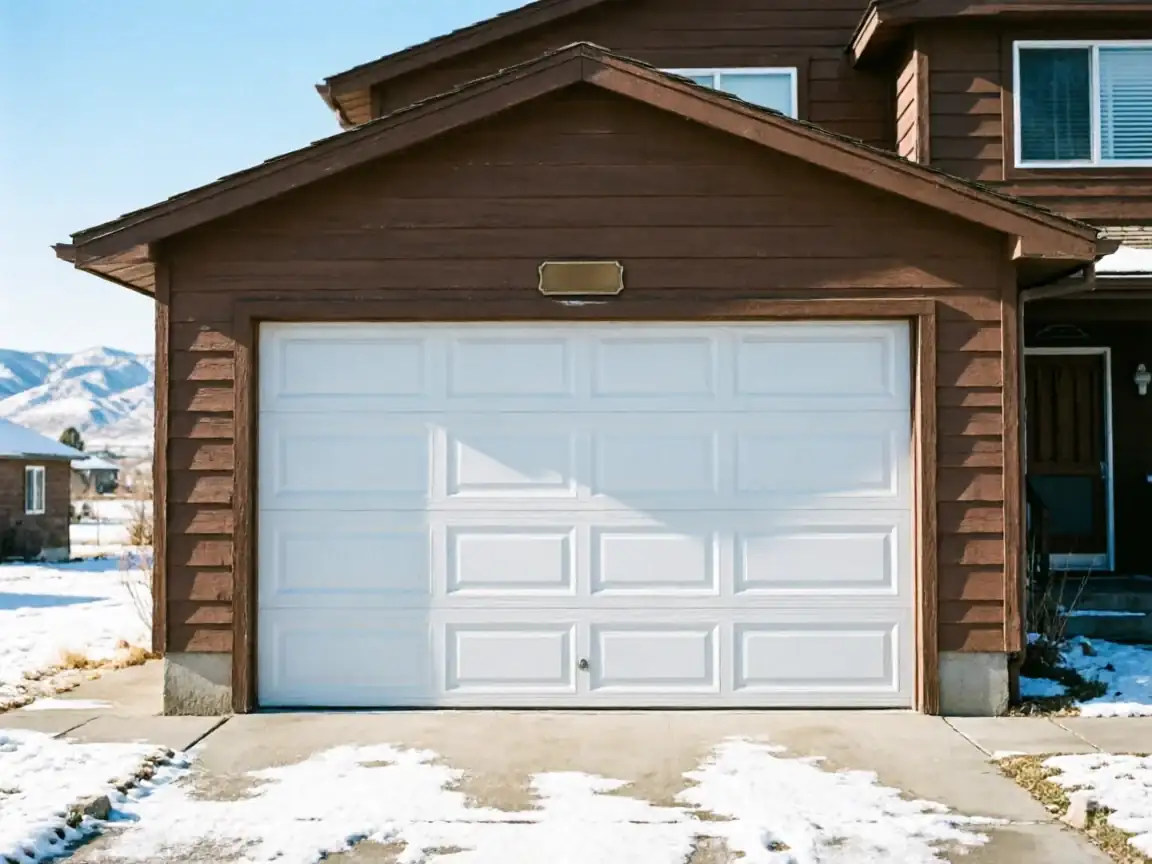
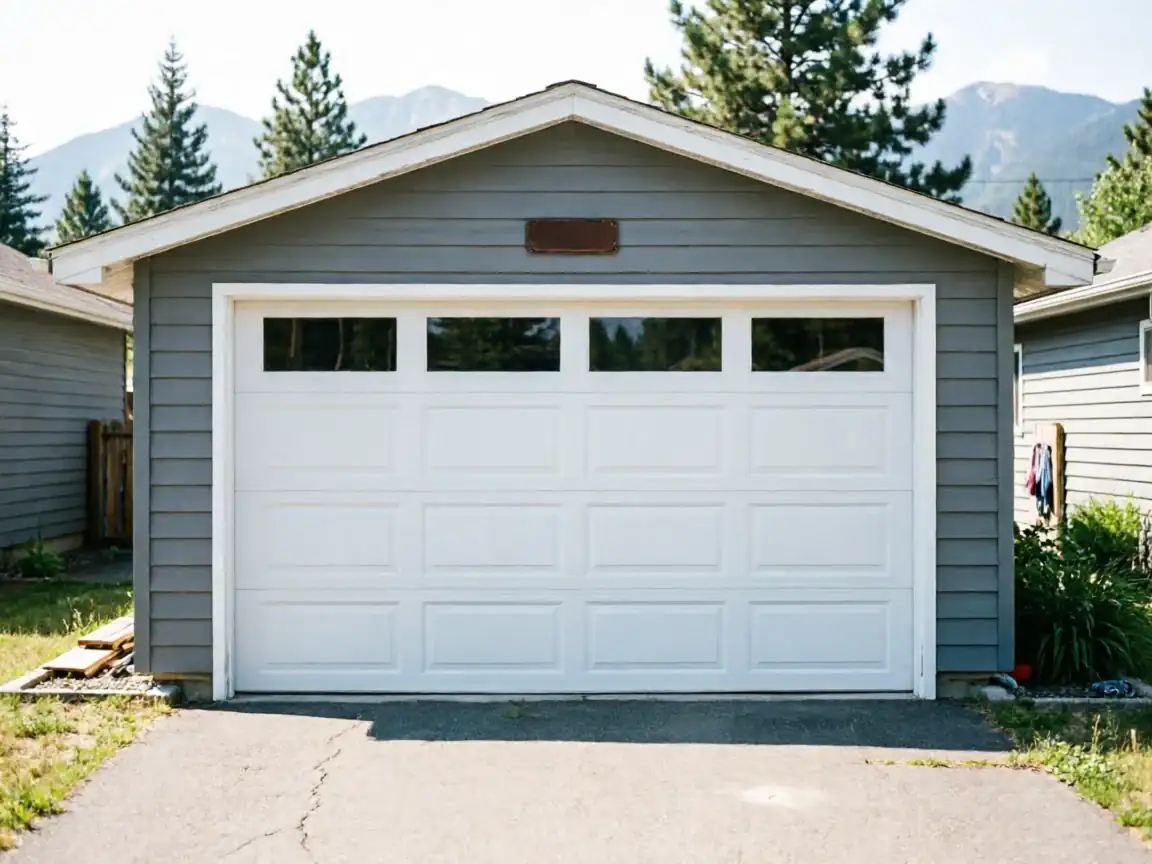
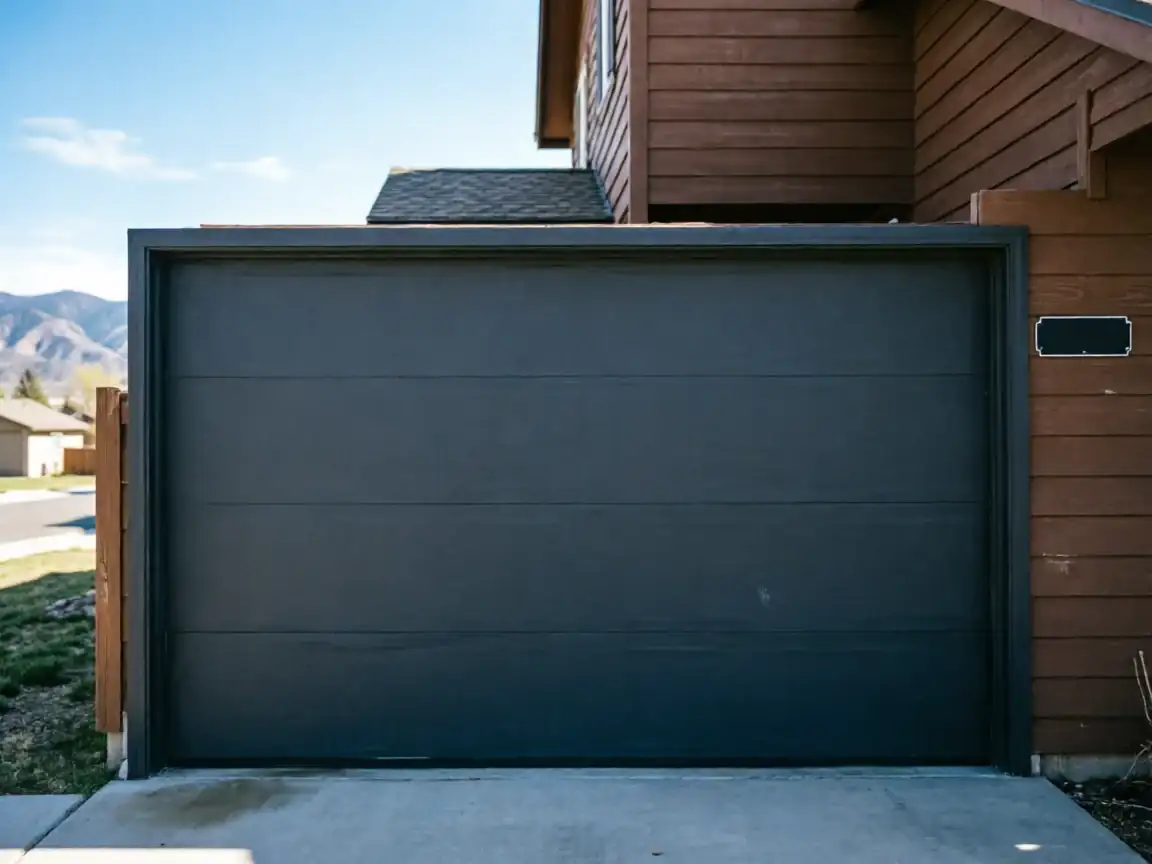
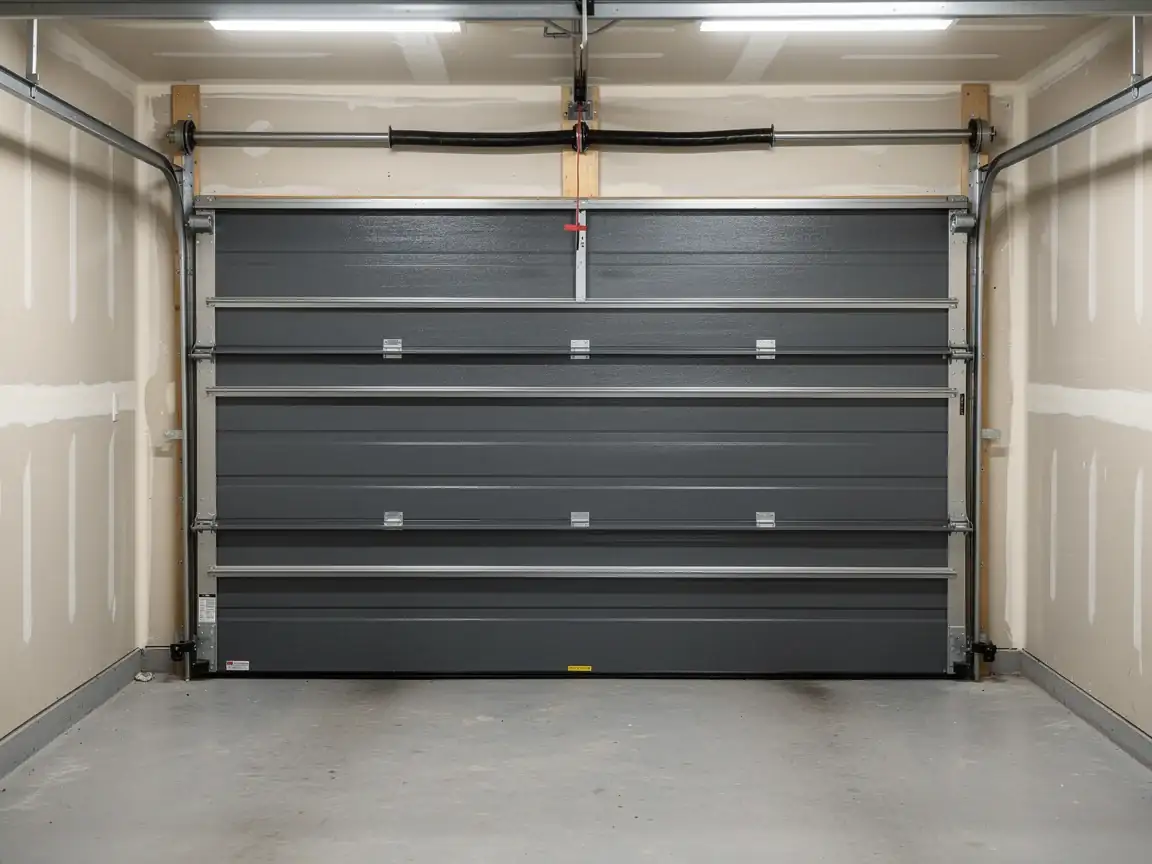
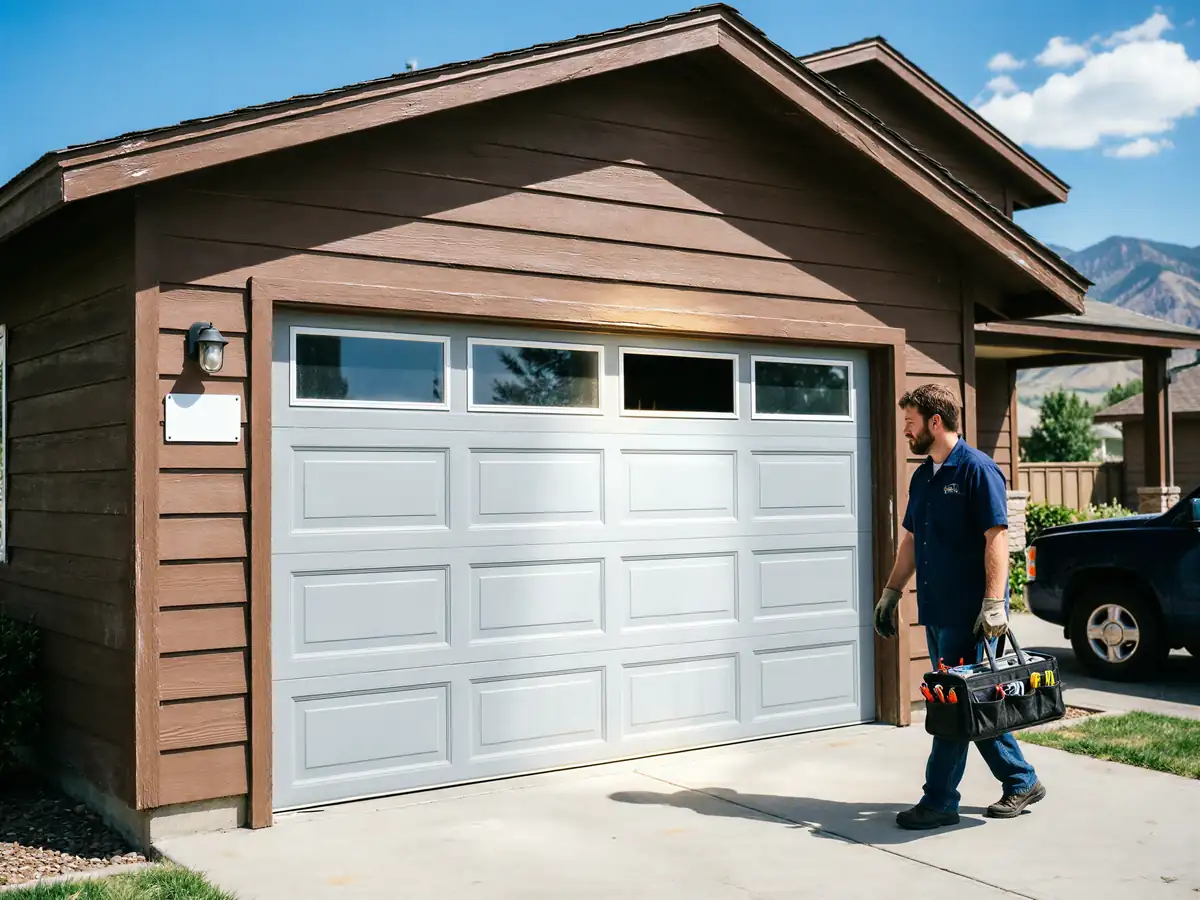
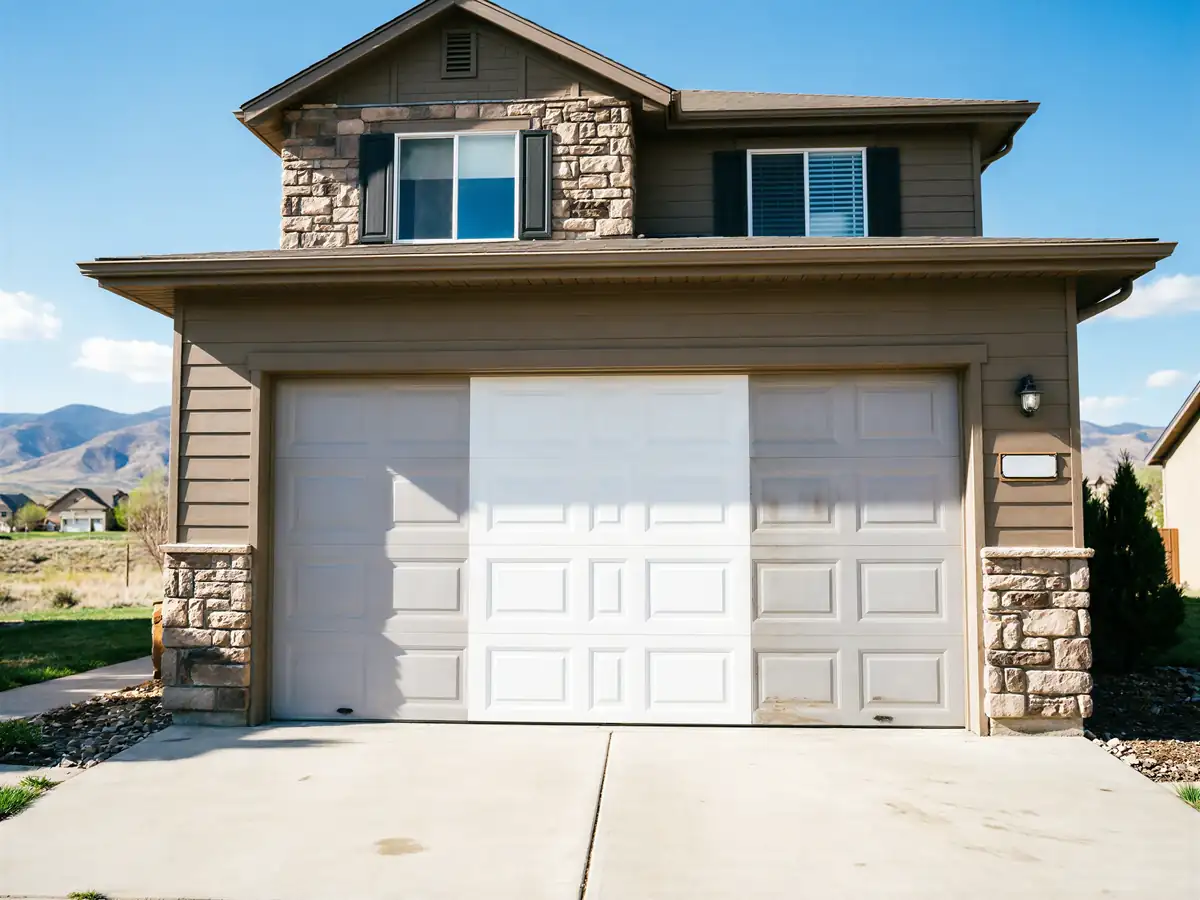
Most of the panel calls we get start the same way: a dent from a backed-into car, a crack along the bottom section where a sprinkler head or snow blower caught it, or a panel that's bowed because the door got hit while it was opening. On the steel sectional doors common in this area, one bad panel usually means the whole section needs to come out, not just the dent pounded flat - the foam-filled panels built since the 1980s don't take body work well once the skin is split.
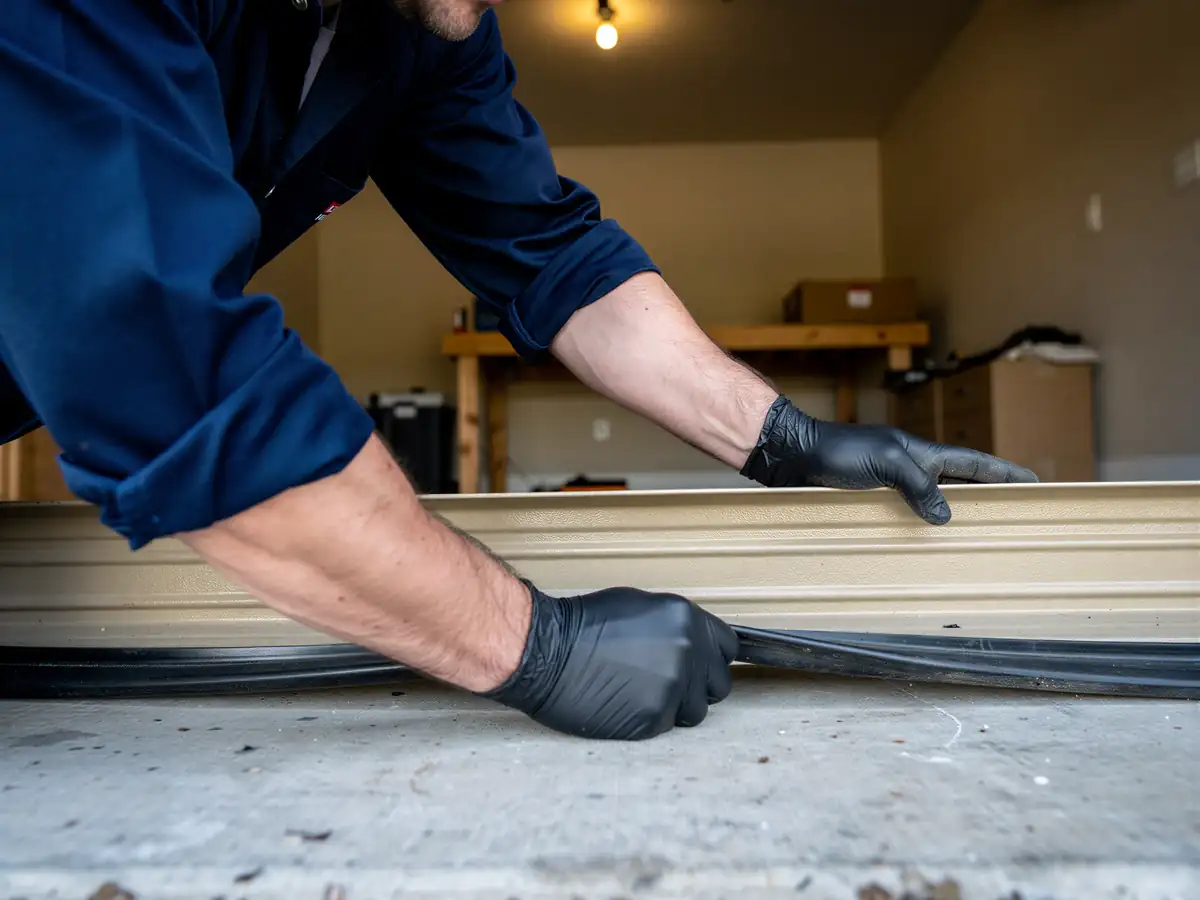
Bottom panels take the worst of it here. They're close to grade, they catch the brunt of plow spray and road grit through a Grand Junction winter, and on older doors from the 1977-1998 building wave the bottom section is often the first thing to rust through from the inside, where moisture sits against the steel skin. By the time a homeowner notices the dent, the panel's usually already weakened enough that a patch won't hold.
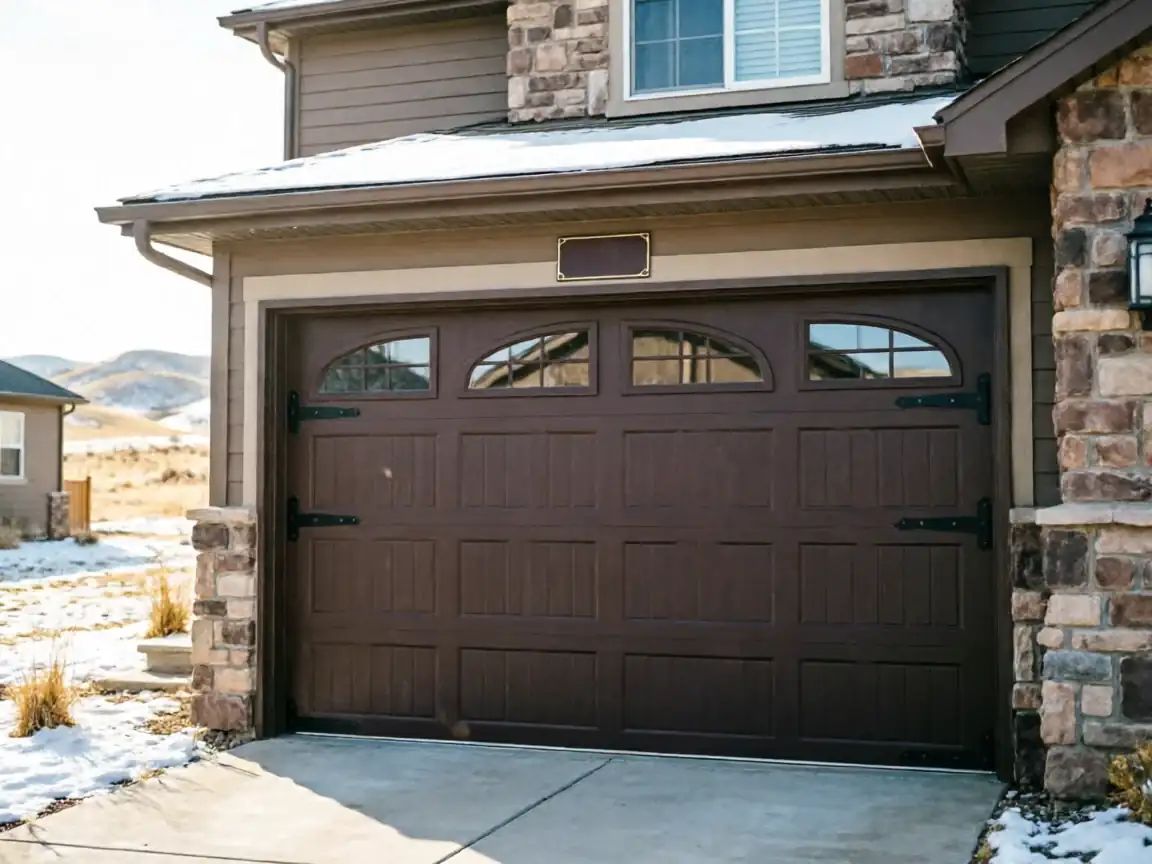
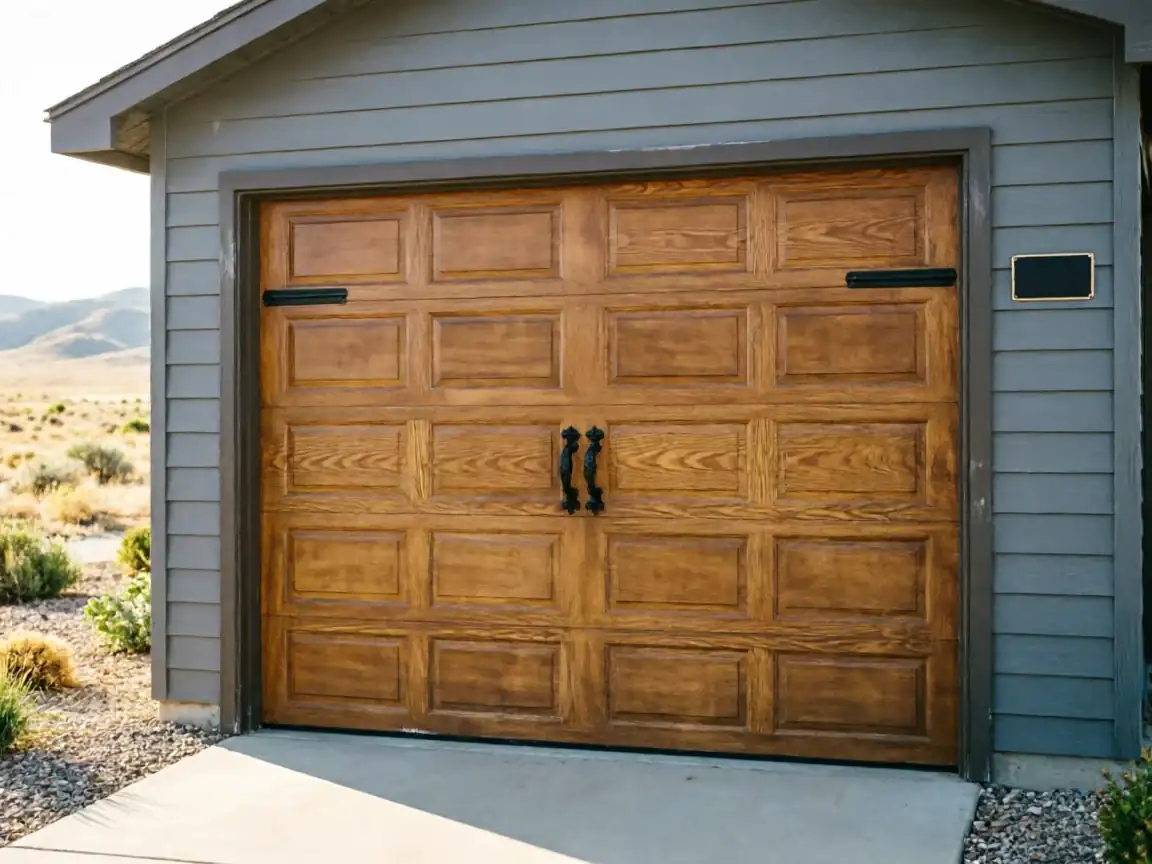
We also see cracked panels on doors that never got hit at all - just wood-grain composite panels from that same era drying out and splitting at the seams after enough freeze-thaw cycles. That's a different repair than a dented steel panel, and matching the replacement section to the existing door is the real work.
What You Pay
We don't publish a flat price for panel replacement because the range depends on three things: the door's age, whether the manufacturer still makes a matching panel, and how many sections are damaged. A single steel panel on a door from the 1980s-90s stock that's still in production is a straightforward swap. A door from that same era that's been discontinued means we're either sourcing a close color and texture match or, if nothing matches, recommending you replace the whole door instead of patching one section forever.
That's the honest limitation: we won't sell you a single-panel fix on a door where the finish won't match, the track will bind from an old panel mismatch, or the rest of the sections are close behind it in failing. Sometimes the right advice is to wait and budget for a full door rather than throw money at a patch. We'll tell you that on the visit, not after the invoice.
We quote on site, after we've measured the door and identified the panel profile, because two doors that look the same from the driveway can take very different parts.
Why It Happens Here
Grand Junction's housing stock skews toward one window
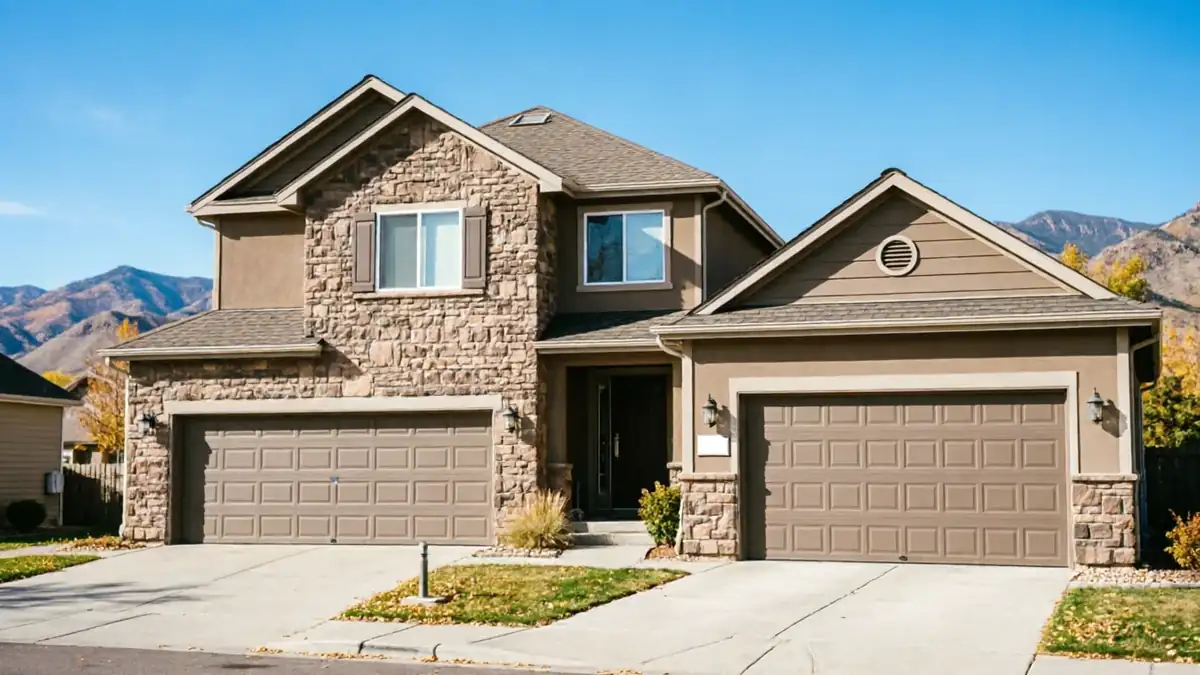
Most of the service area's houses went up between 1977 and 1998, with a median year of 1984, and that's the exact window steel sectional doors with foam-core panels became standard across the region's subdivisions. Thirty-plus years on, those original panels are at the end of their service life even without a dent - the foam settles, the seams flex, and a hit that would've bent and bounced back on a newer panel now splits the skin.
The climate adds to it
This is a severe cold climate band, and the freeze-thaw cycle through fall and winter works on any seam or joint that's already stressed. A panel with a hairline crack in October is a split panel by February. That's a big part of why bottom-section panel calls cluster in the colder months - it's not that people hit their doors more then, it's that marginal panels finally give.
Across the 14,945 owner-occupied houses in the service area
That means a lot of garages are holding doors original to construction, which is worth knowing before you decide whether a panel repair is worth doing versus planning for full replacement in the next few years.
- 14,945 owner-occupied
Booking a Visit
We cover Grand Junction and the surrounding areas - Orchard Mesa, Redlands, Fruitvale, Clifton, Fruita - for panel replacement, and the visit starts with identifying the door's make and panel profile before we talk parts. If your door's old enough that the manufacturer's dropped the matching panel, we'll tell you that on site and lay out the real options instead of ordering a part that won't match.
Bring us the door's brand and model if you know it, or a photo of the damage and the panel's existing color and texture if you don't - it speeds up sourcing. We can usually tell you on the visit whether this is a one-panel job or a sign the whole door's due.
You can reach us through the site to set up a time.