How It Shows Up
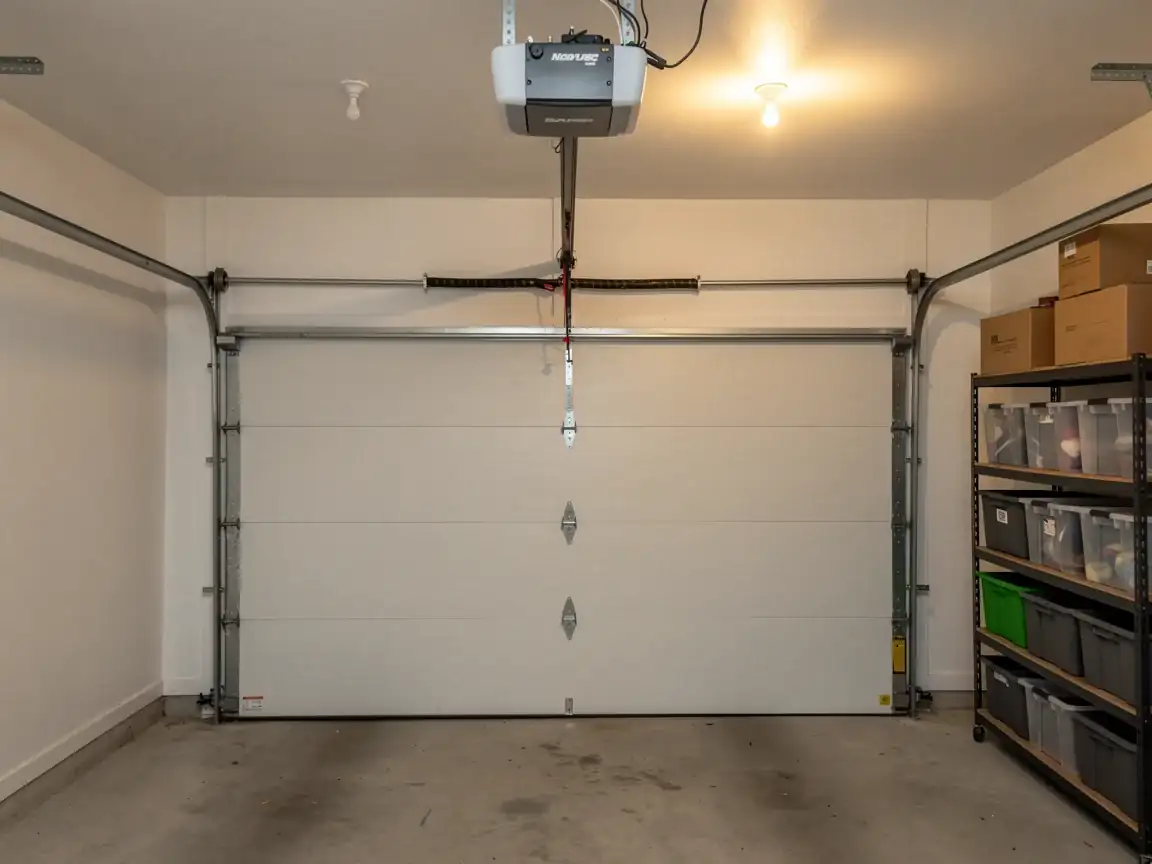
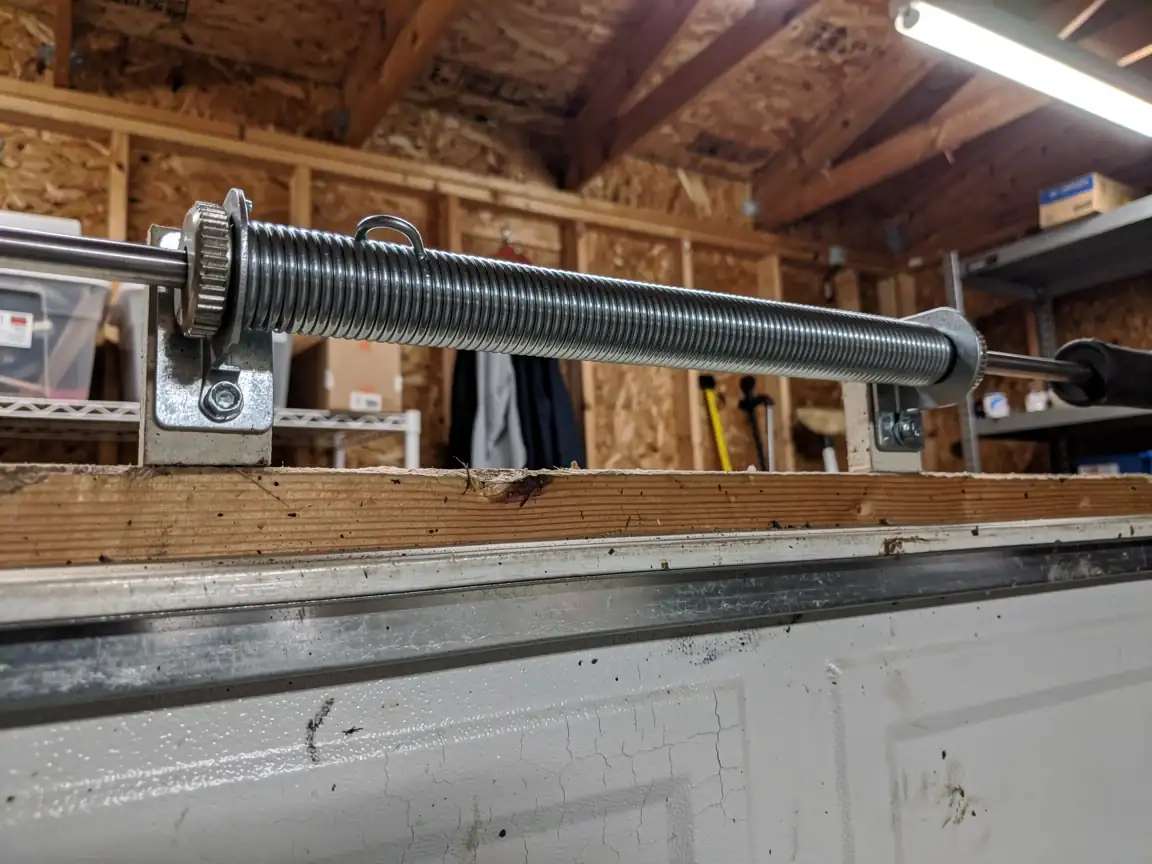
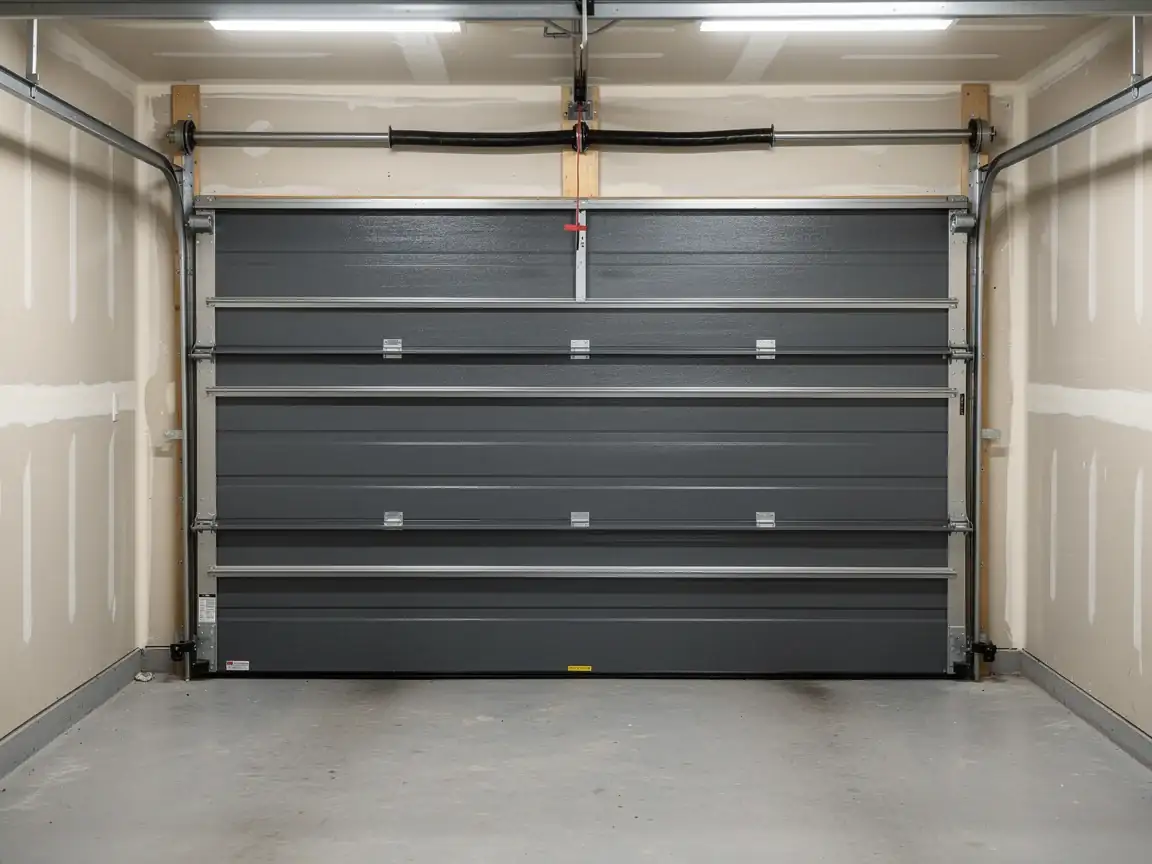
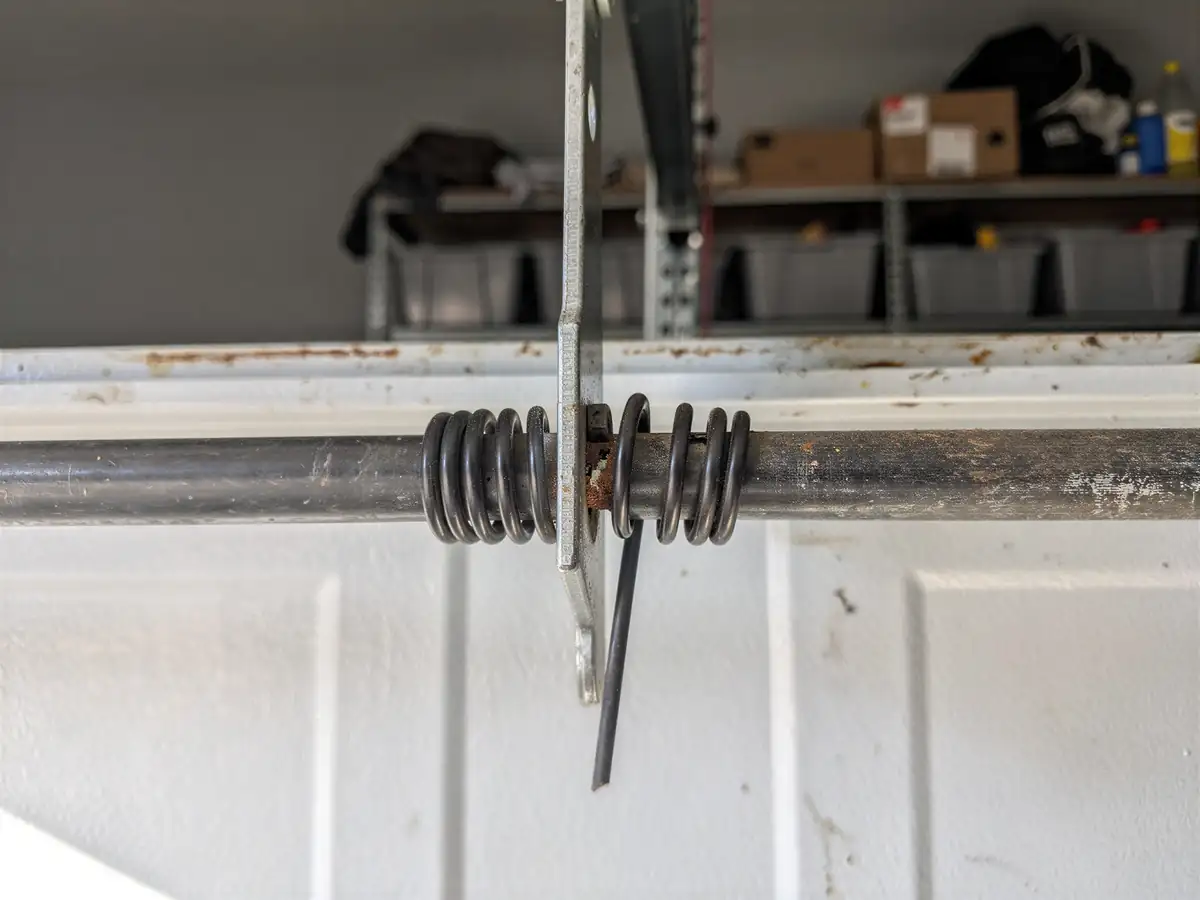
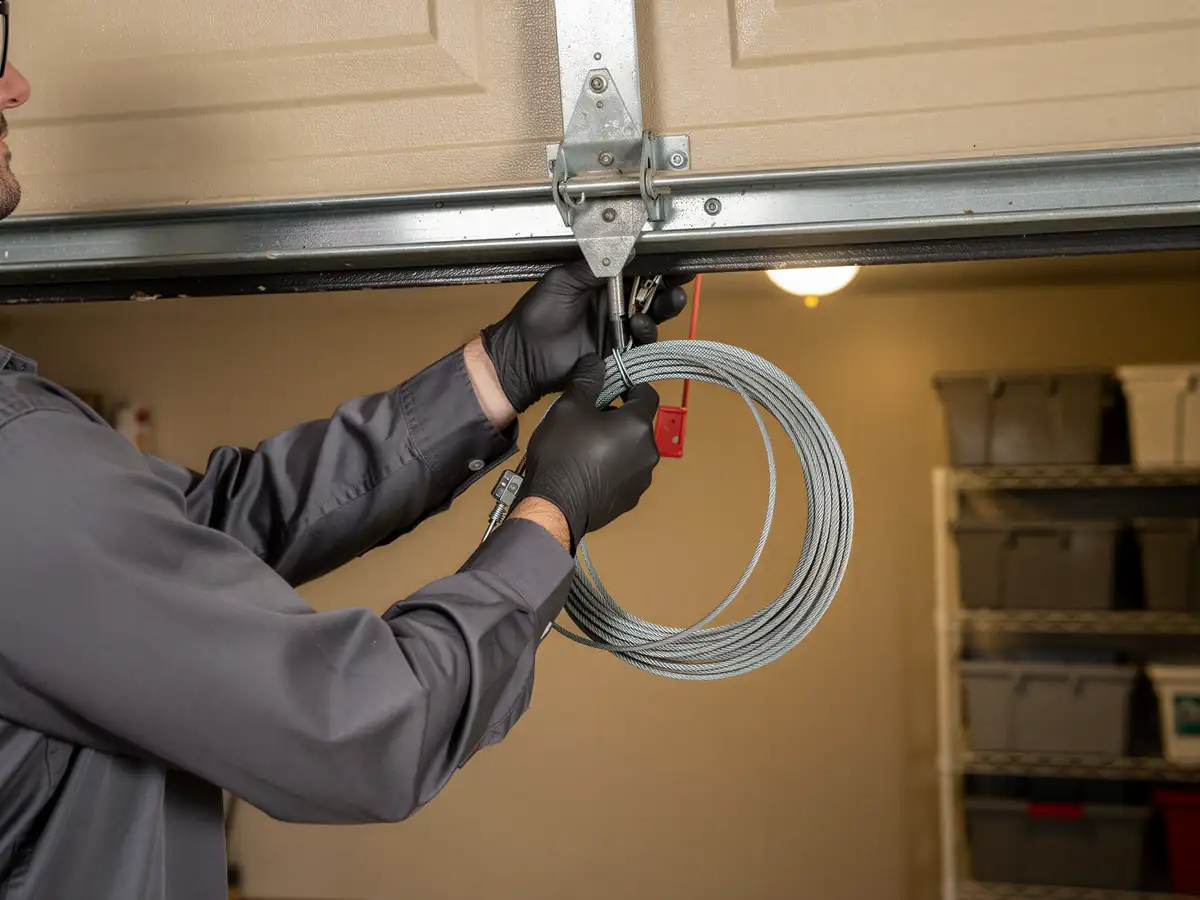
Across the wider Grand Junction service area, the median home was built around 1984. Redlands sits ahead of that curve, with a median build year closer to 1977 - a full home generation earlier. That gap matters more than it sounds like it should. Doors and openers installed in the late 1970s came before the torsion-spring conversions that became standard through the 80s and 90s. A lot of garages out here still run extension springs over the track, or openers that were swapped once in the 90s onto hardware that's never been touched since.
The fault pattern follows the hardware. We see more frayed extension-spring safety cables, more pulley wear, and more openers that are the second or third unit on original track rather than the first. None of that means something is wrong with how the house was built - it means the door has had more years to work, and more owners before this one who may or may not have kept up with it.
Redlands is about 5 miles from Grand Junction, and winters here carry the same severe-cold climate band as the rest of the valley. Cold tightens steel, stiffens old grease, and makes a marginal spring finally let go. On a door from the late 70s, that's often the first real failure anyone's seen since it was installed.
The DIY Question
If your opener is clicking, not lifting, or your door is heavier on one side than the other, the instinct to grab a wrench is understandable - but on hardware this old, the spring is usually holding more stored energy than people expect, not less. Extension springs from that era don't have the safety cables modern code requires, and a sudden release under tension is the single most common injury we hear about secondhand from other owners in this kind of house.
There are things worth doing yourself: clearing the track, checking that the photo-eye sensors are aligned and unobstructed, tightening visible hardware that's rattled loose. None of that touches the spring or the cable drum.
We'll say plainly: a door built on original 1970s-era hardware with no upgrades is often past the point where a repair is worth doing twice. If the track, springs, and opener are all original, replacing the system end to end can cost less over five years than patching failures one at a time. That's a call we make at the house, not over the phone.
Booking a Visit
We cover Redlands from Grand Junction, about 5 miles out
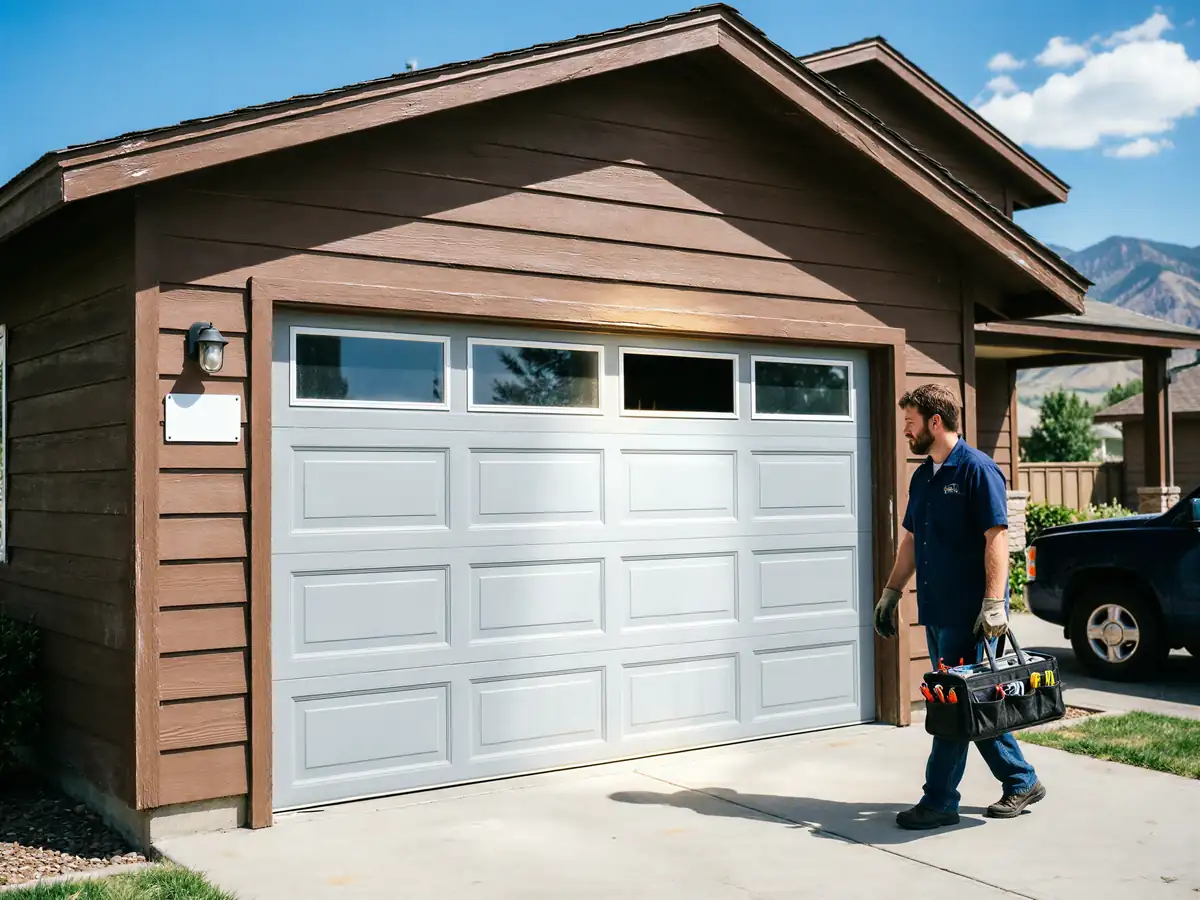
There's no branch office here - the truck comes from the main shop, same as it does for Orchard Mesa, Fruitvale. When you call, tell us the age of the house if you know it and whether the door has ever been upgraded; that alone tells us a lot about what's likely on the spring and the opener before we ever see the garage.
- 5 miles
Redlands households report a median income of $97,500, well above the $76,339 figure for the broader service area
Which tends to show up in how many owners here opt for full opener replacement with modern safety features rather than patching the original unit. Neither choice is wrong. We'll lay out both and the real cost difference between them before you decide.
Time on the Job
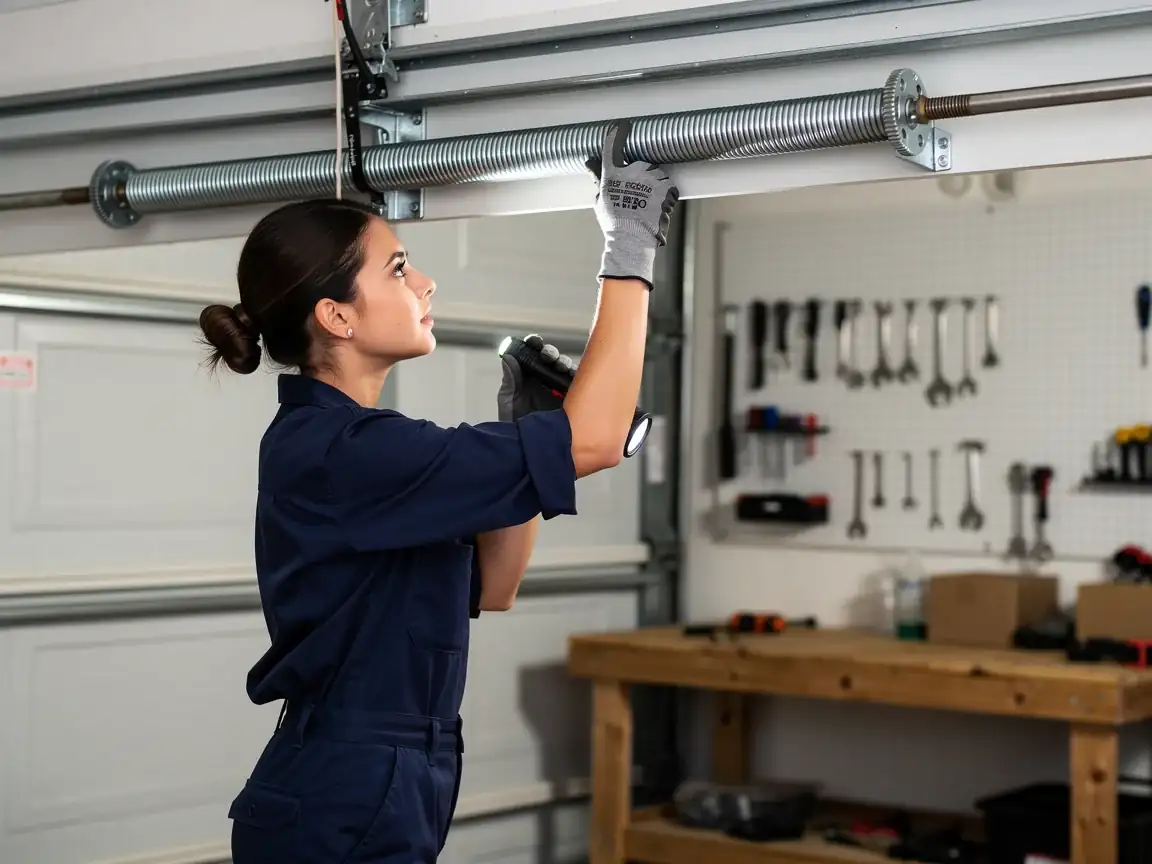
A straightforward spring replacement on an extension-spring door, done right, including a check of the cable and pulleys it's been running on for decades, takes a different amount of time than replacing a modern torsion system - mostly because the older hardware needs a closer look before we can trust it to go back together safely. We won't guess at that number here; what we can tell you is that on a 1970s door, the inspection is the job. Finding a worn pulley or a fatigued hook before it fails is most of what you're paying for.
Redlands is a small slice of a larger area - about 3,486 households, against roughly 22,130 across the full service territory - so we're not running multiple trucks through here on a given day. That's a limitation worth naming: if you need same-day service on a Saturday, we can't promise a slot the way a shop based in town might. What we can promise is that when we get there, we're looking at the door for what it actually is - original hardware from a specific decade - not treating it like whatever came off the truck last.