The Problem
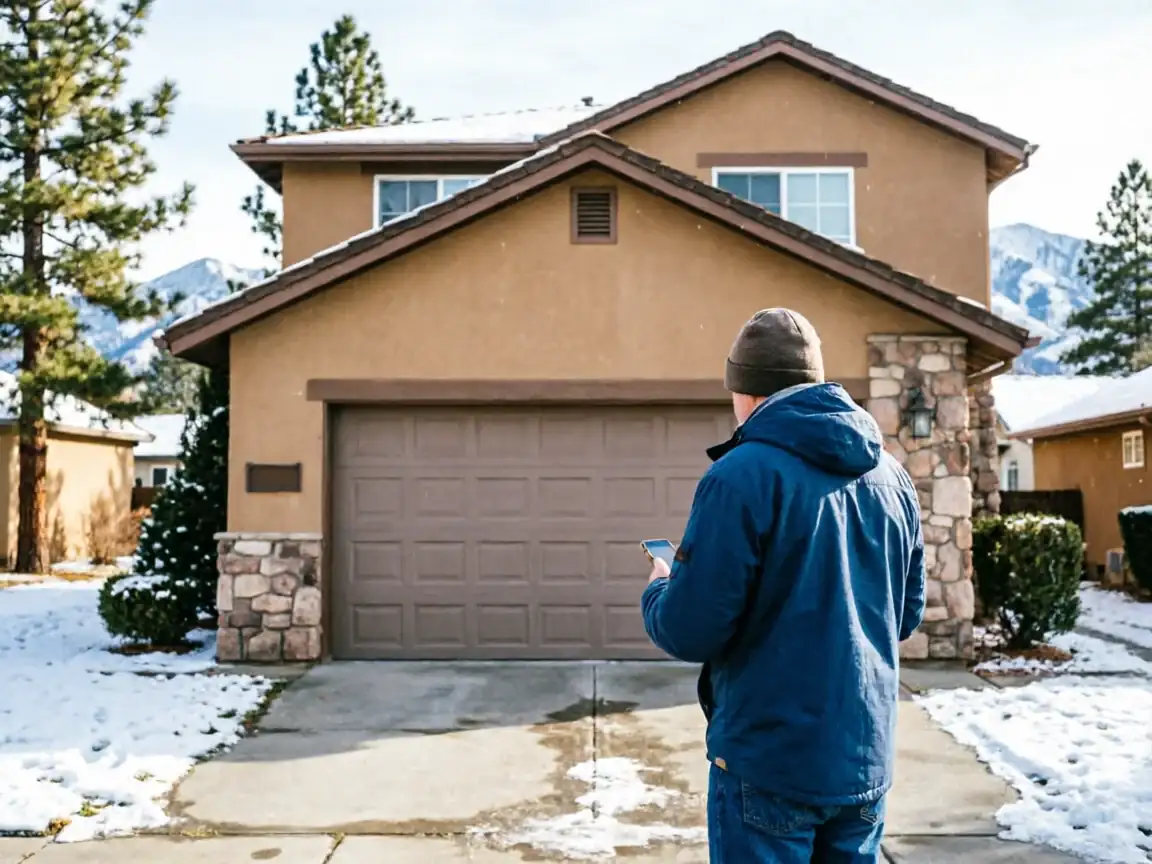
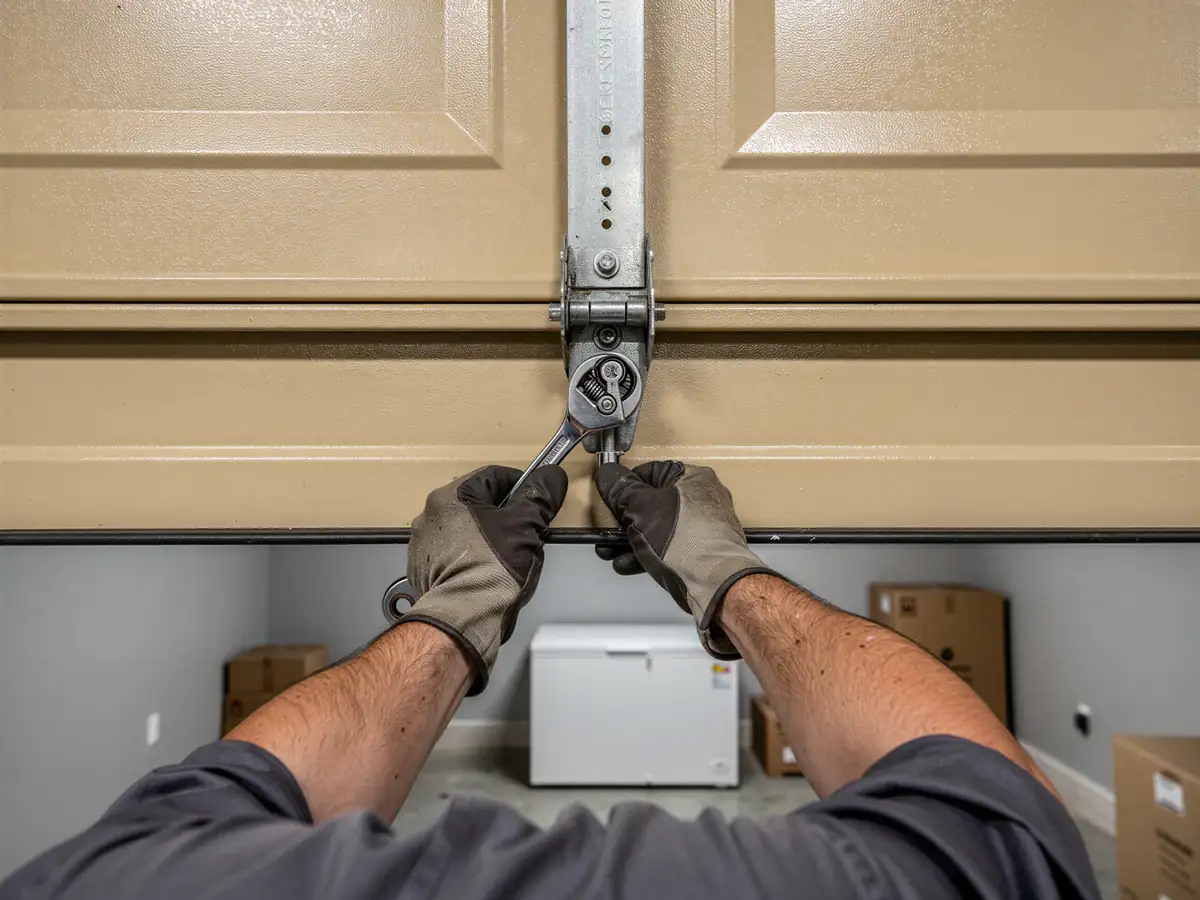
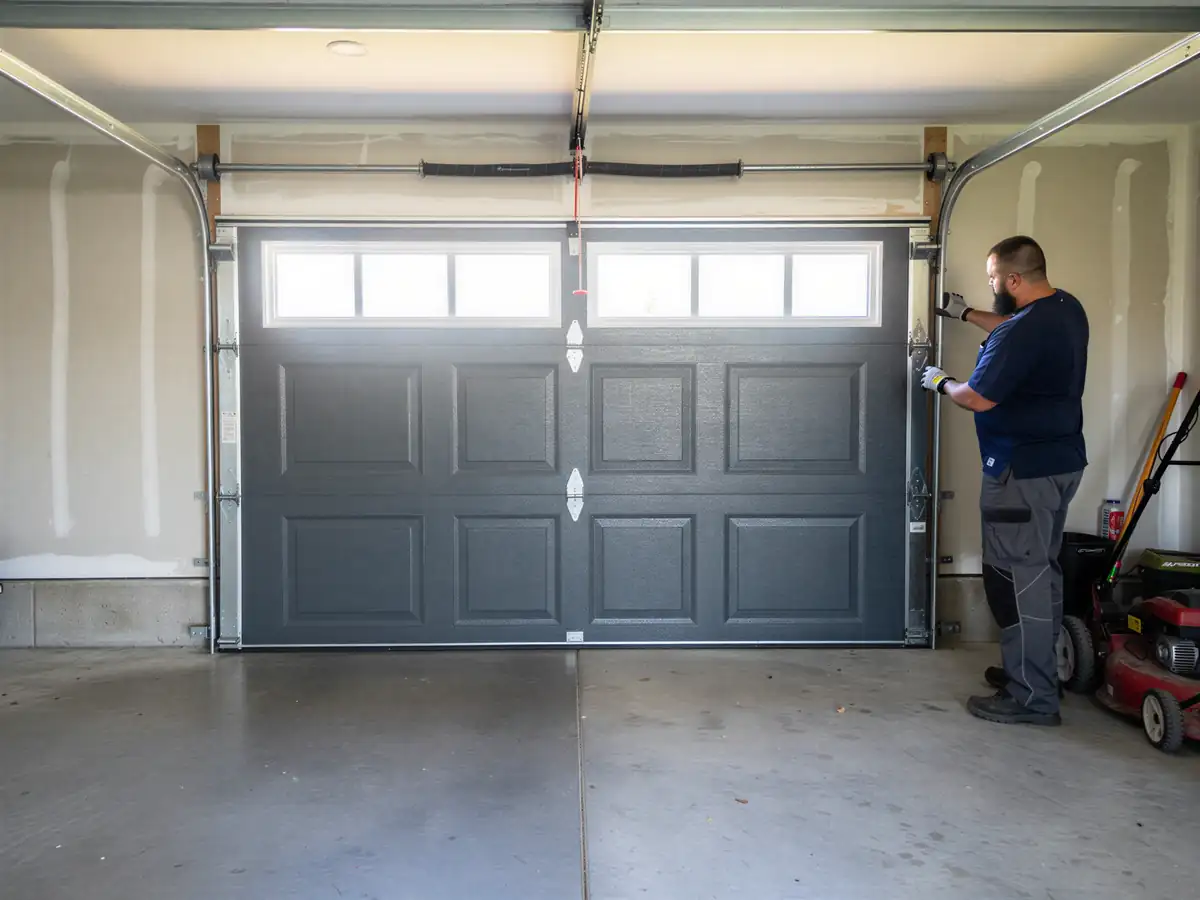
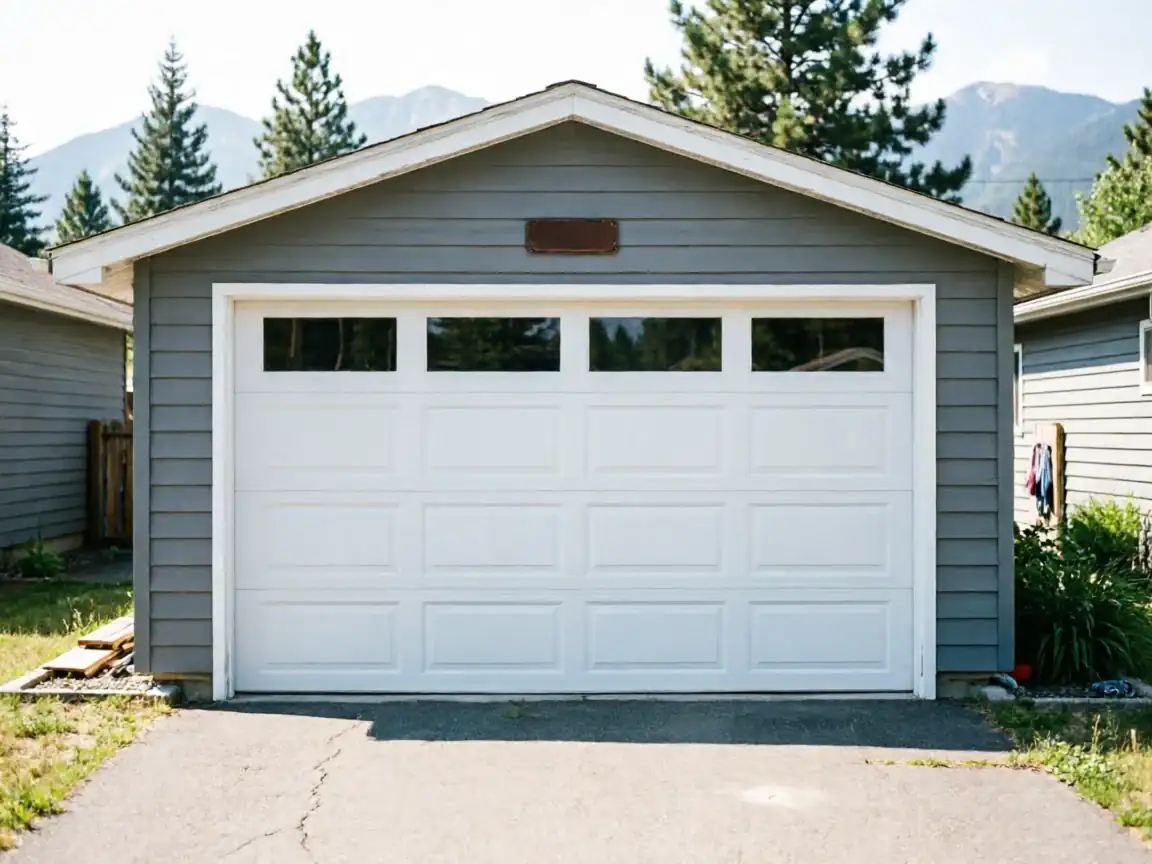
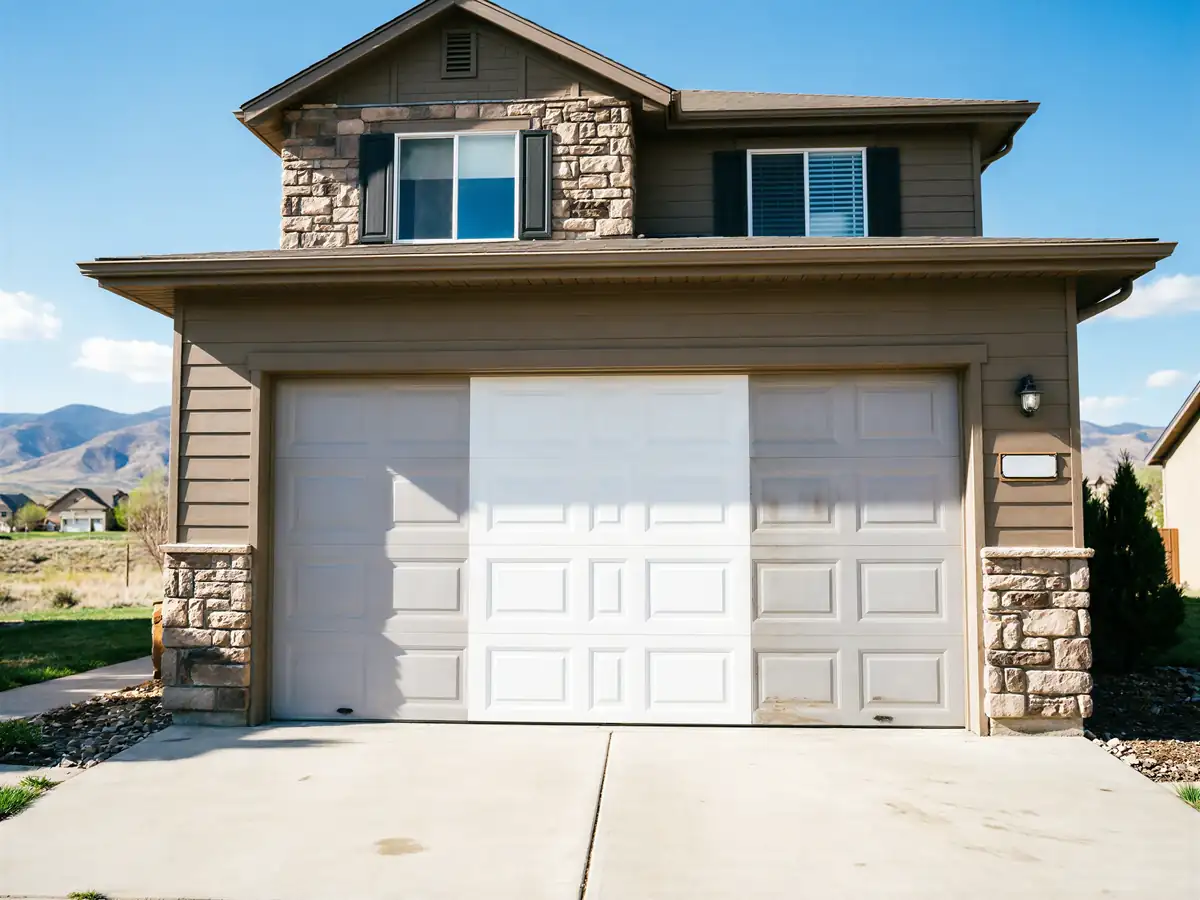
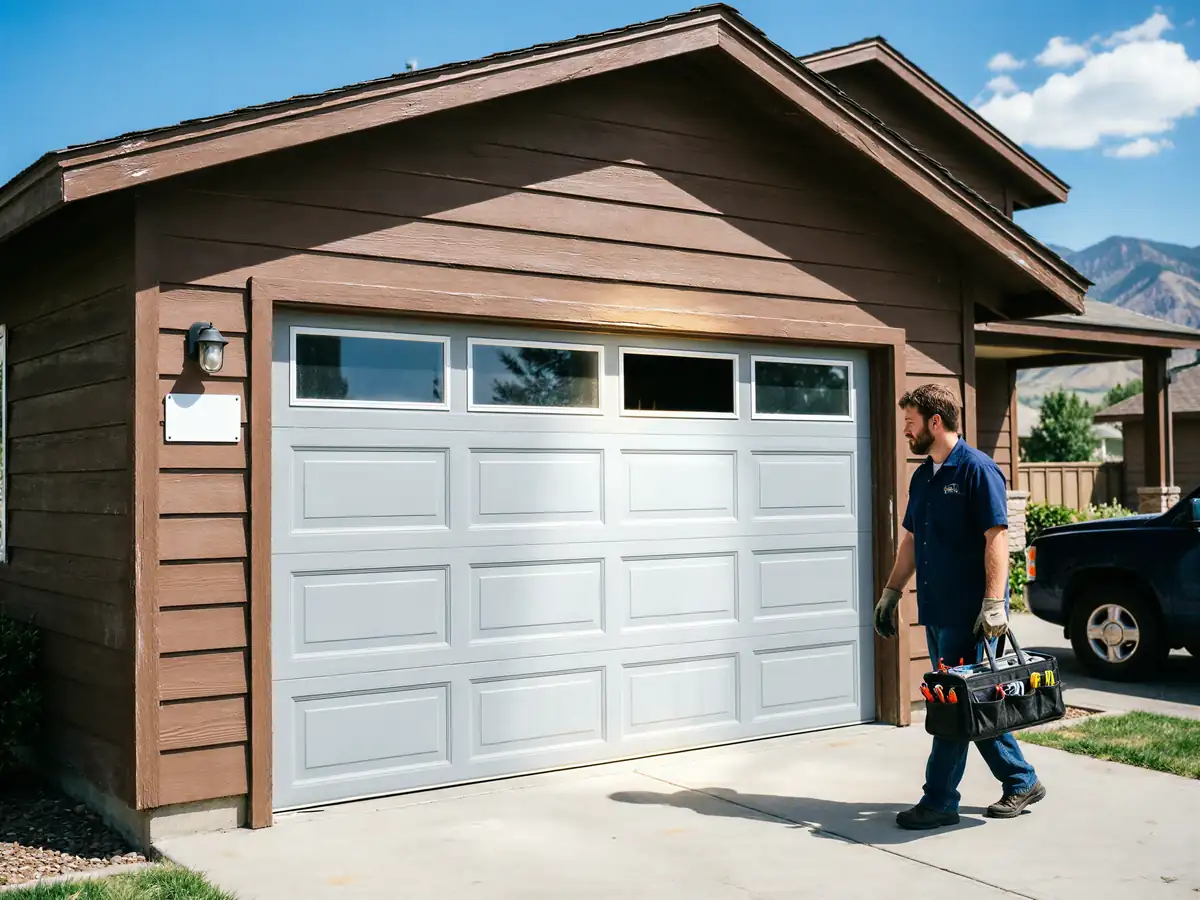
Most houses in the Grand Junction service area were built between 1977 and 1998, with a median year of 1984. That's not ancient, but it's old enough that the garage door and opener a lot of owners still have is original equipment. Torsion springs, rollers, and openers from that era were built to last maybe ten to fifteen years of regular use, not forty. So when a spring finally lets go or a panel starts sagging on a house from that stretch, the question isn't just "can this be fixed" - it's whether the rest of the hardware still has useful life in it or whether you're about to sink money into parts that are next in line to fail anyway. Across the five areas we work most - Orchard Mesa, Redlands, Fruitvale, Clifton - that 1980s and 90s stock is the norm, not the exception, so this isn't a rare call. We see the same door generation over and over, and the honest answer changes house to house depending on how it's aged, not just how old it is.
How Local Conditions Play In
Grand Junction sits in a cold, severe climate band, and that matters more to an old door than most owners think. Steel contracts in cold temperatures, which stiffens springs and makes a torsion spring that's already near the end of its cycle count more likely to snap on a cold morning rather than a mild afternoon. Nylon rollers from the 80s and 90s get brittle faster in that kind of swing between summer heat and winter cold. Weatherstripping on original doors was never rated for the kind of temperature range this valley sees, so a lot of the original seals are long gone even if the door itself looks fine. None of this means every old door is doomed - plenty of them are solid - but it does mean the clock runs faster here than it would in a mild coastal climate. If your door is from that original build era, the parts most likely to be the weak link are the spring, the rollers, and the seal, in roughly that order, and the cold is what pushes all three toward failure sooner.
Checking It Yourself
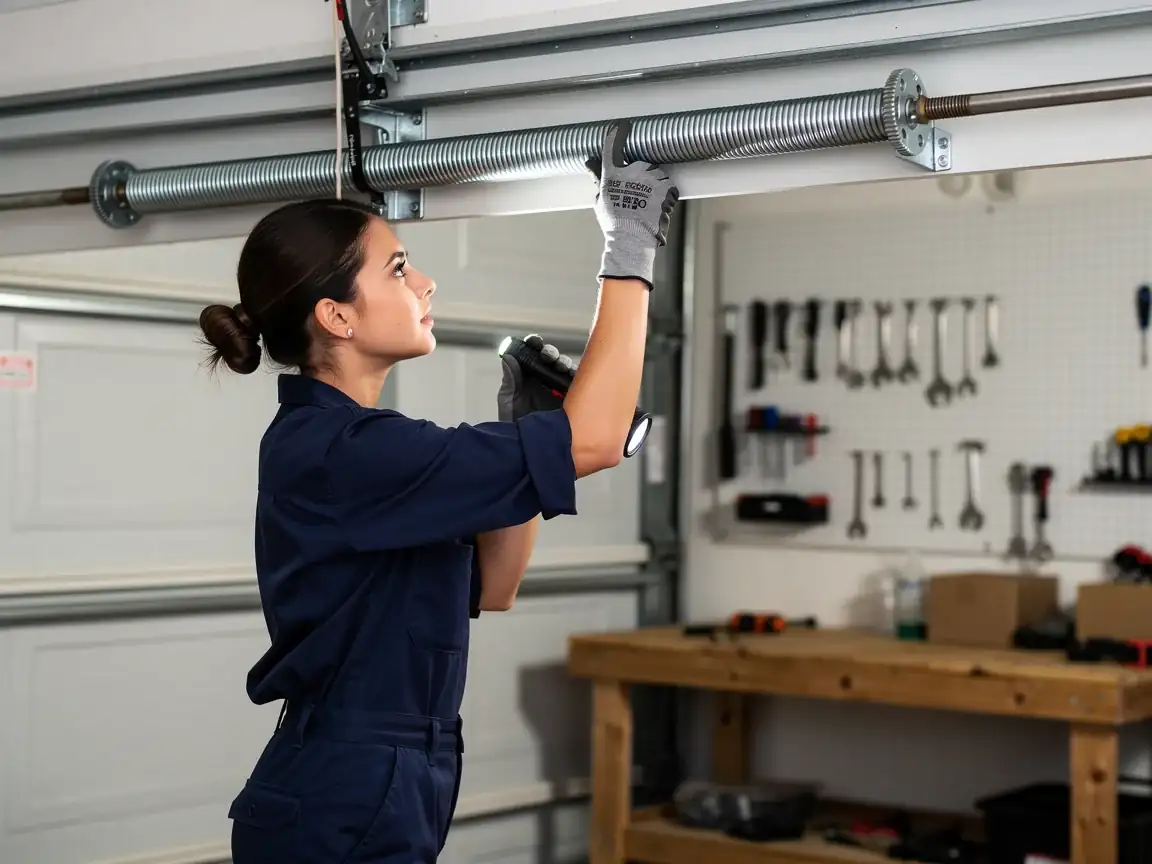
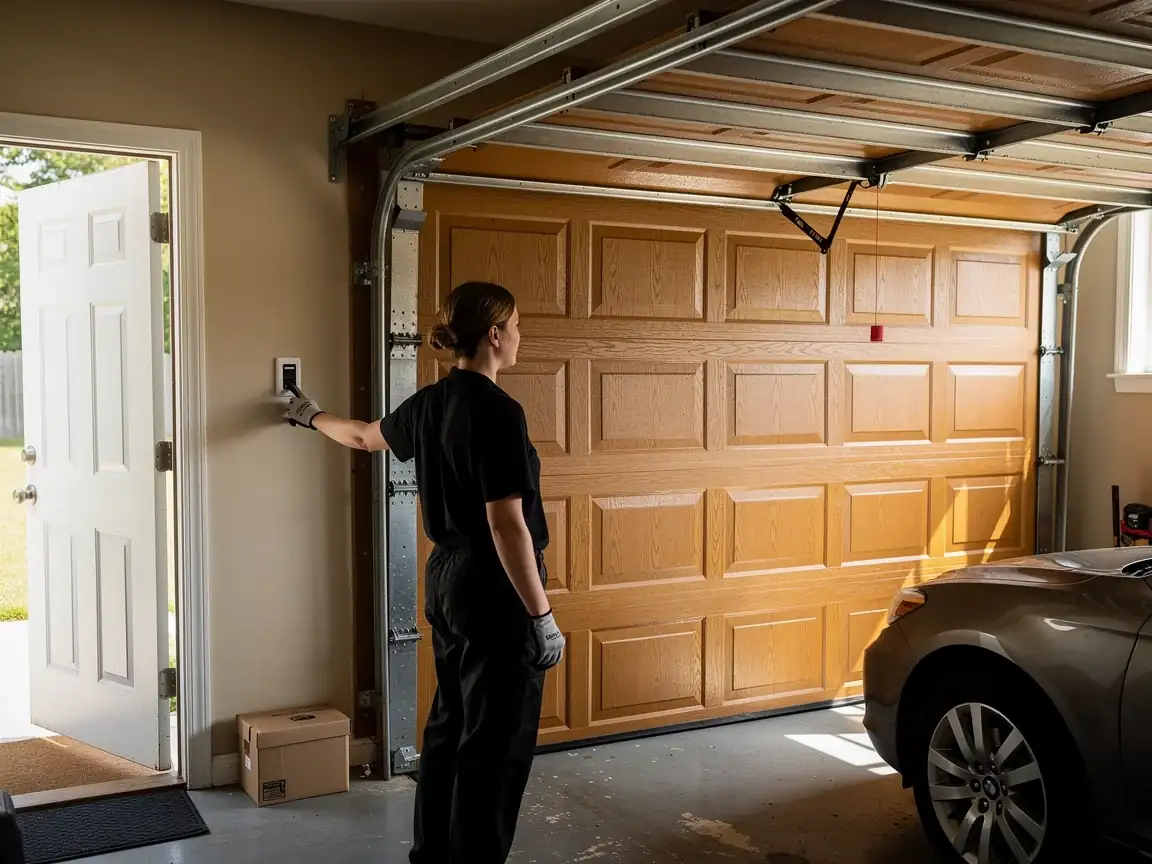
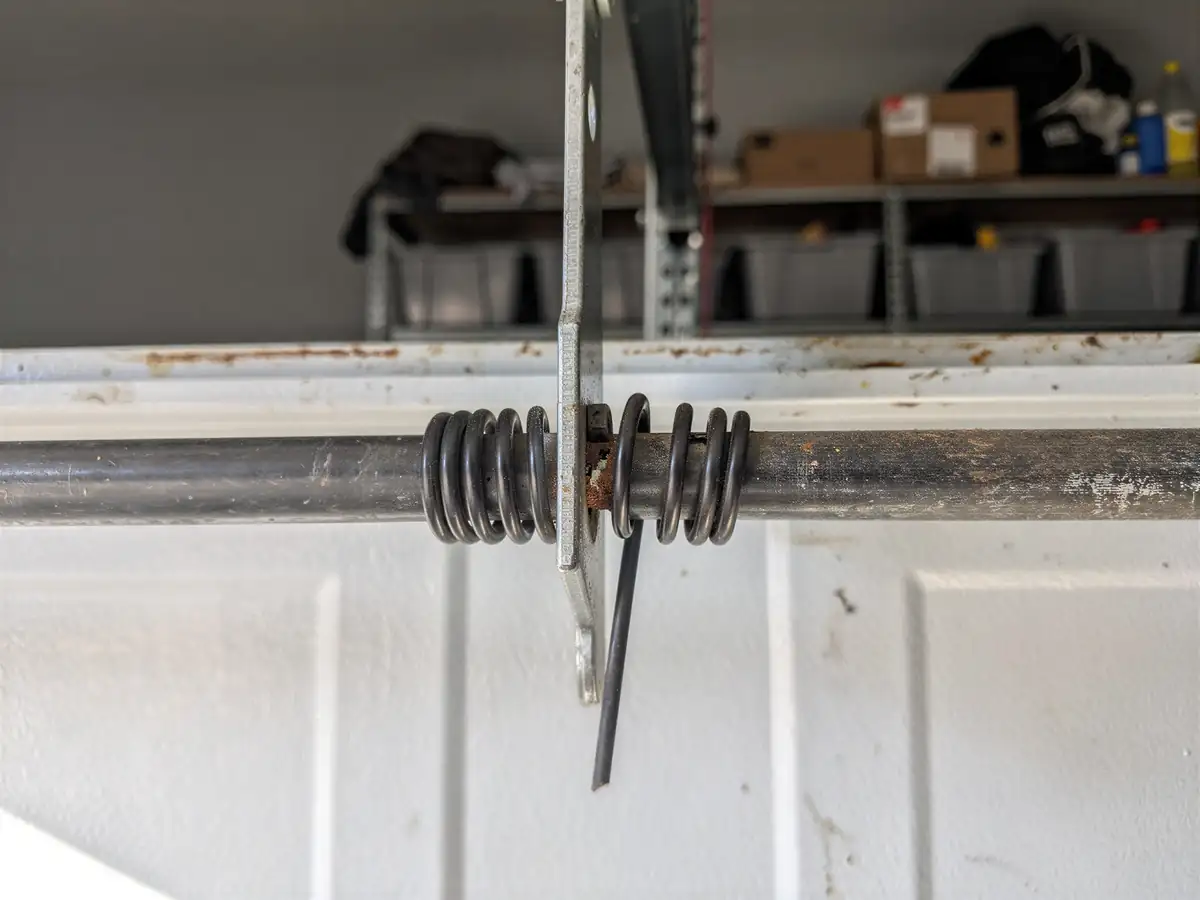
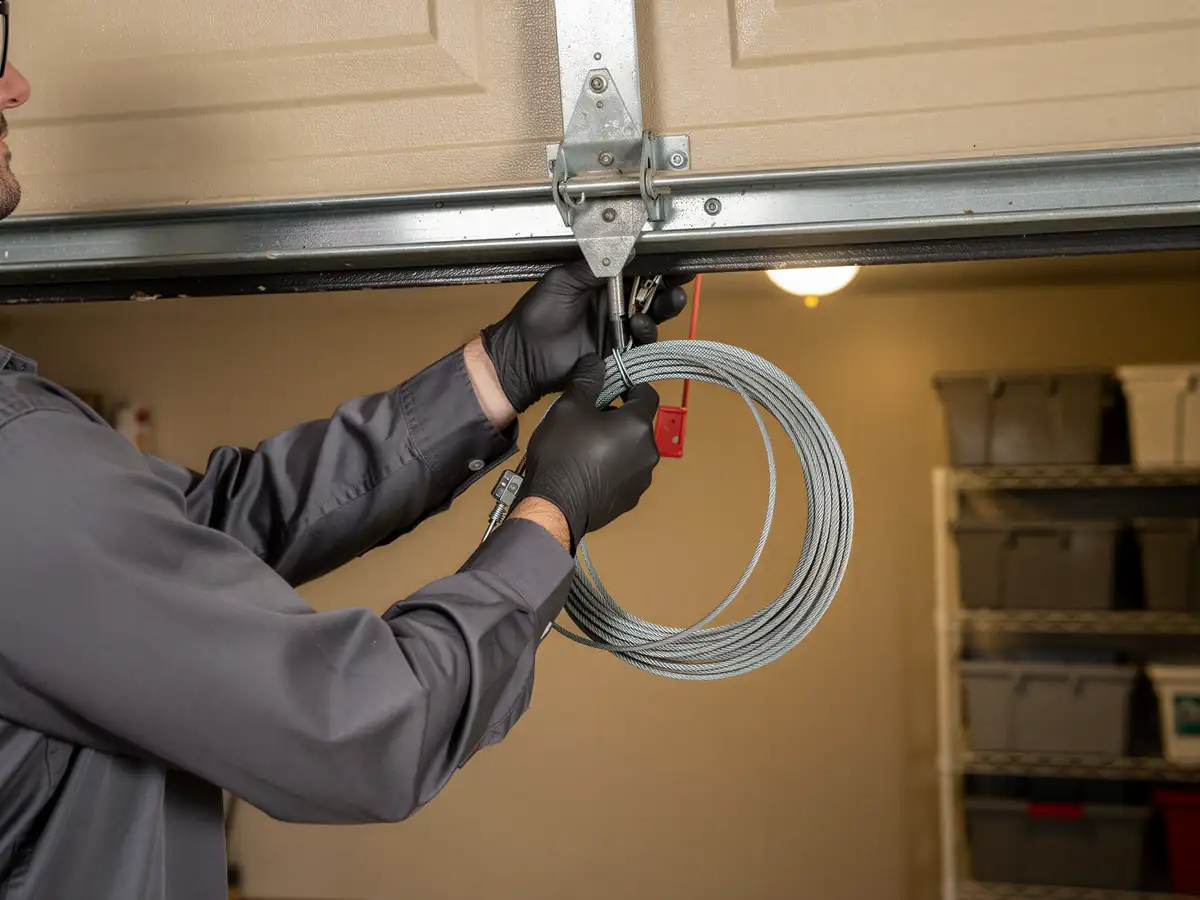
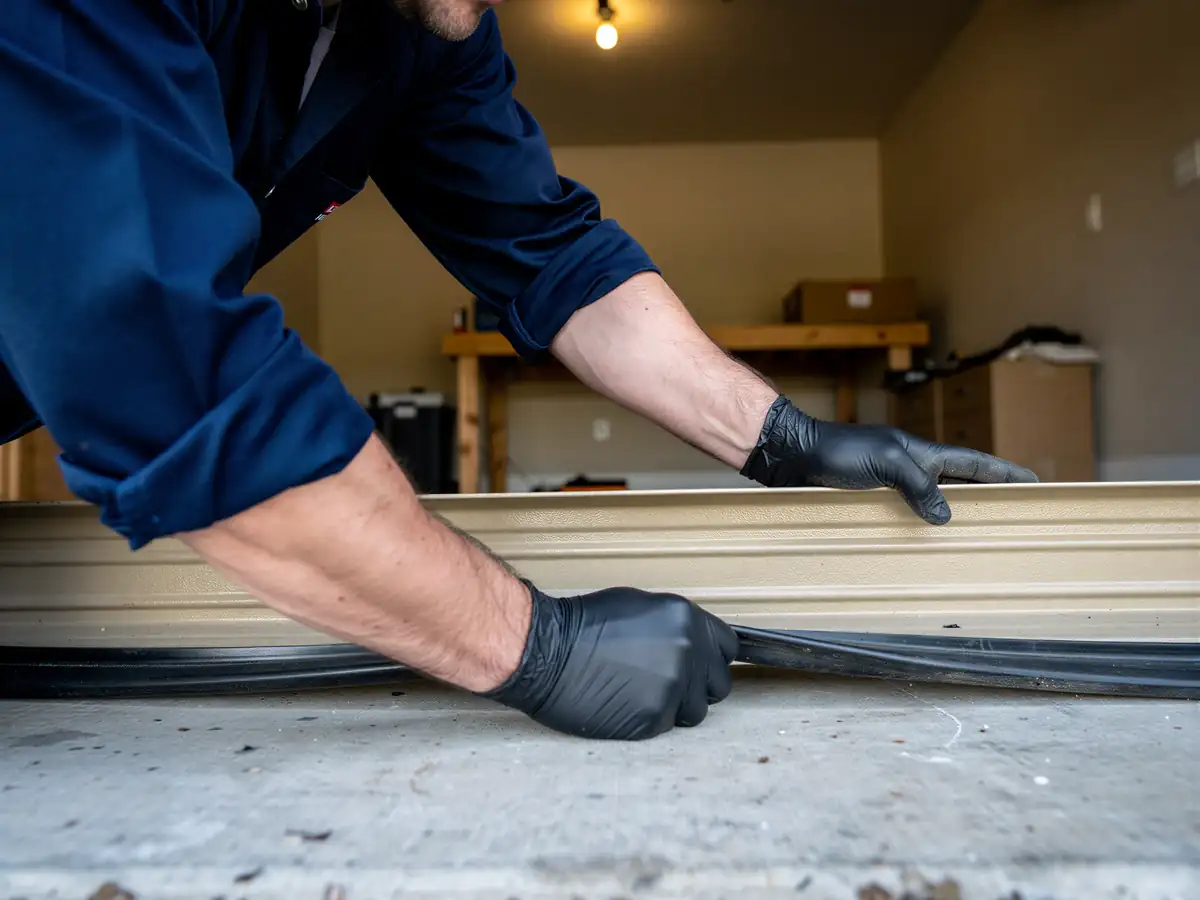
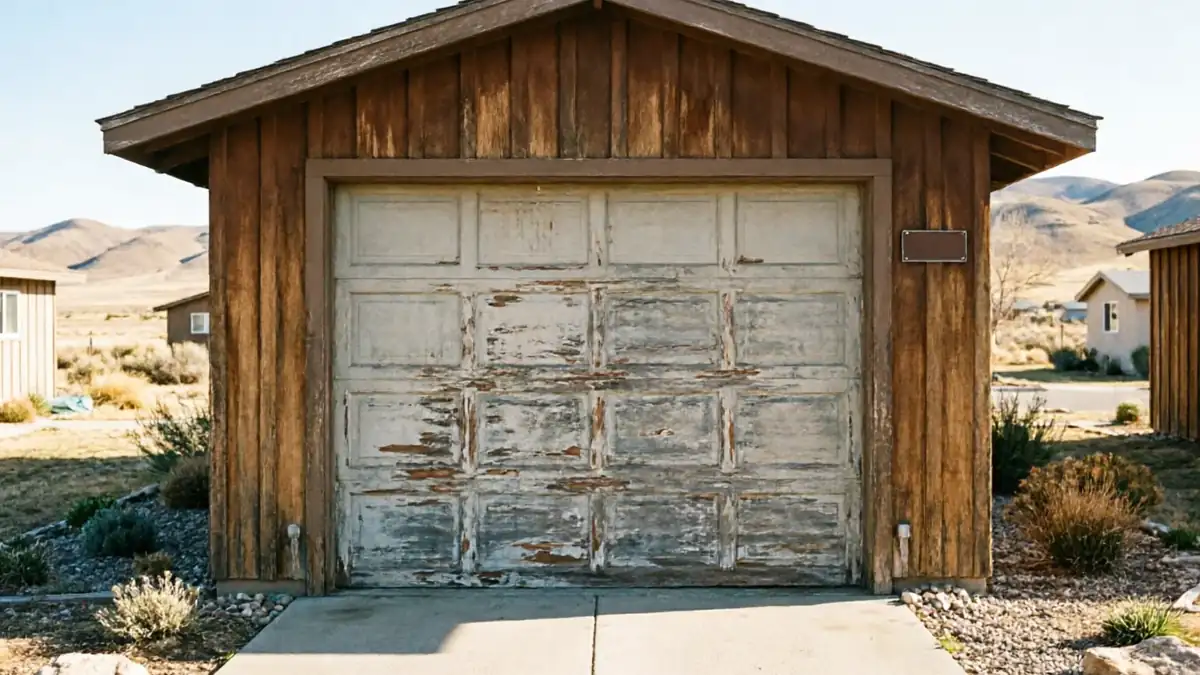
Open and close the door a few times watching the springs above the door, not the door itself. Rust, gaps between coils, or a spring that looks stretched compared to its neighbor are signs it's near the end. Listen for grinding or popping from the rollers - original 80s and 90s rollers are usually nylon on steel stems, and once they start chipping they get loud before they fail outright. Check the bottom seal: if it's cracked, flat, or missing chunks, it's doing nothing for you in a cold winter and it's cheap to replace on its own, no need to touch the rest of the door for that. Look at the panels for rust-through at the bottom, which is common on original steel doors once the factory coating has worn through over several decades. If the door is original to a house built in that 1977-1998 window and you're seeing two or more of these signs at once, that's usually the point where fixing one thing just means the next thing fails a season later.