Serving Grand Junction, CO & nearby
(970) 225-5718
Grand Junction, CO

What We Actually Check When We Come Out

A look at what a Grand Junction Garage Door Pros service call actually checks, built around the age of local housing stock and the valley's cold winters.

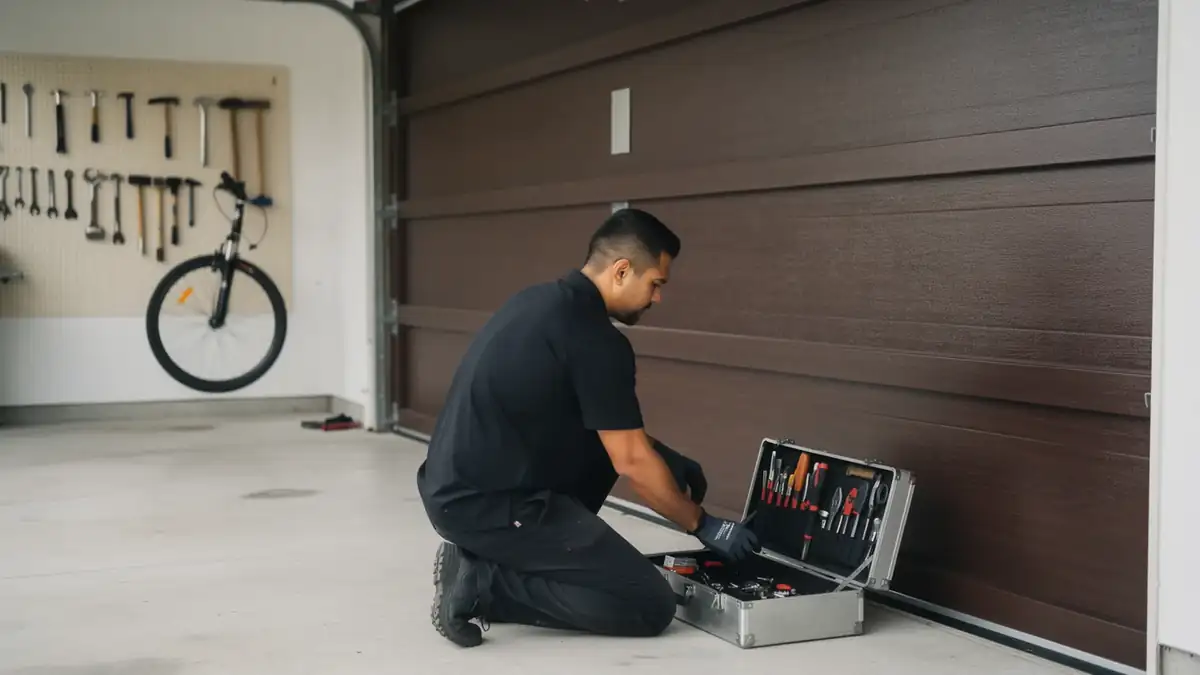
A technician kneels by a brown garage door, looking into an open toolbox.

The Problem

Most calls we take aren't about a door that won't open. They're about a door that opens wrong - slow, crooked, grinding, or dropping the last foot on its own. The house behind that door usually tells you why. Across this service area, most of the housing went up between 1977 and 1998, with a median build year around 1984. That means a lot of original torsion springs, original rollers, and openers that have outlived at least one owner. A service call on a house like that isn't a quick look-and-go. We're checking a system that's been running on the same hardware since Reagan was in office, and we price the visit knowing that. In Orchard Mesa, Redlands, Fruitvale, and Clifton, the pattern repeats: 1980s and 90s construction, steel sectional doors, torsion springs rated for a weight and cycle count nobody's tracked in thirty years. We don't assume the spring is the problem just because the door sounds bad. Half the calls we run on a noisy door end up being a track out of alignment or a cable starting to fray, not the spring at all - which matters because a spring swap costs more than a track adjustment and nobody wants to pay for the wrong fix.

How Local Conditions Play In

Grand Junction sits in a cold-severe climate band, and that shows up in the door hardware before it shows up anywhere else in the house. Steel contracts in winter. A torsion spring wound to spec in July can bind or lose tension by January, and a door that balanced fine in fall can suddenly feel heavy to the opener come a cold snap. On a service call we check spring tension against the season, not just against the door's weight rating on a sticker from 1986. We also look at weatherstripping and bottom seals, because on 1980s and 90s builds in this area, the original seals are long gone and whatever's been swapped in over the years rarely matches the track width. A gap that lets cold air in also lets grit in, and grit on an old roller track is what turns a quiet door into a grinding one by February. None of this is dramatic. It's slow wear that a cold winter accelerates, and it's why a call that starts as 'the door is loud' often ends with us replacing rollers and resealing the bottom panel rather than touching the spring at all.

Doing Nothing For Now

Not every noise or hesitation needs a truck out that week. If the door still opens and closes on its own power, closes flush with the floor, and the opener doesn't strain or reverse unexpectedly, you can usually wait. Where we tell people not to wait: a door that's starting to drop fast in the last few inches, a cable with visible fraying, or an opener that's begun straining audibly on a door built in the 1977-1998 window - that hardware is old enough that a spring failure under load can bend a track or crack a panel, and that's a bigger repair than the spring itself. Our honest limitation: we don't carry every obsolete part for doors from that era on the truck. Some original panel styles and bracket types from 1980s builds in Fruitvale or Clifton need a special order, and that can add a few days to the job. If your door is functioning and just aging, waiting costs you nothing. If it's showing the signs above, waiting costs you a bigger bill.

Checking It Yourself

Before you call anyone, there are a few things worth looking at yourself, especially if your house falls in that 1977-1998 build range common to this area. Pull the manual release and lift the door by hand - it should feel roughly balanced, not like dead weight. If it slams down or you can barely lift it, the spring has likely lost tension, which is common on hardware this old. Look at the rollers: metal rollers that are chipped or stiff-turning are a cheap fix now and a bigger one later. Check the bottom seal for gaps you can see daylight through, since on older builds in this climate band that seal is usually the original or a mismatched replacement. And listen for where the noise happens - at the top near the opener, or lower near the track - because that tells a tech more in one sentence than a full walk-through does. If none of this makes sense from the garage floor, that's exactly what the service call is for.
How it works

From “it’s stuck” to “it’s fixed”

A quick, honest process - no guesswork and no surprises, start to finish.

  1. 1
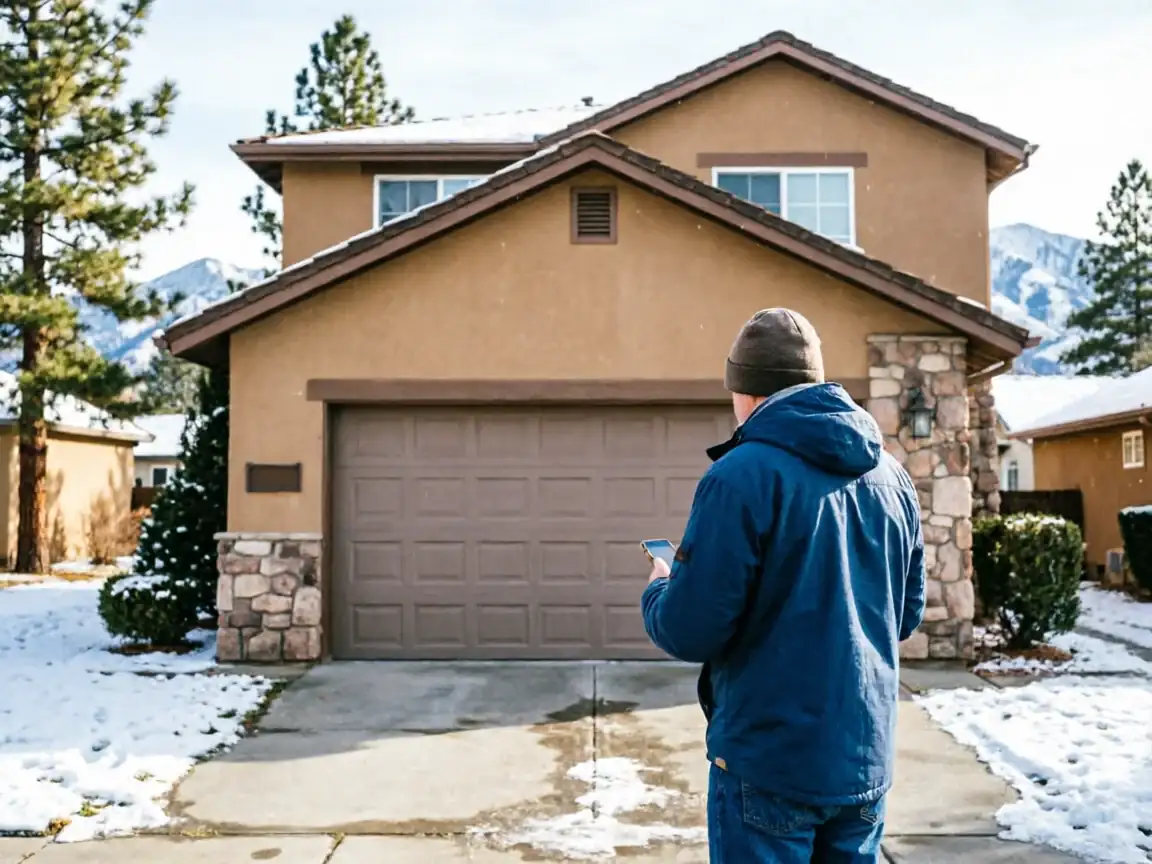
    A person in a blue jacket stands in a snowy driveway looking at a phone.

    Tell us what’s wrong

    Describe the symptom - won’t open, loud bang, opener runs but the door won’t move.

  2. 2
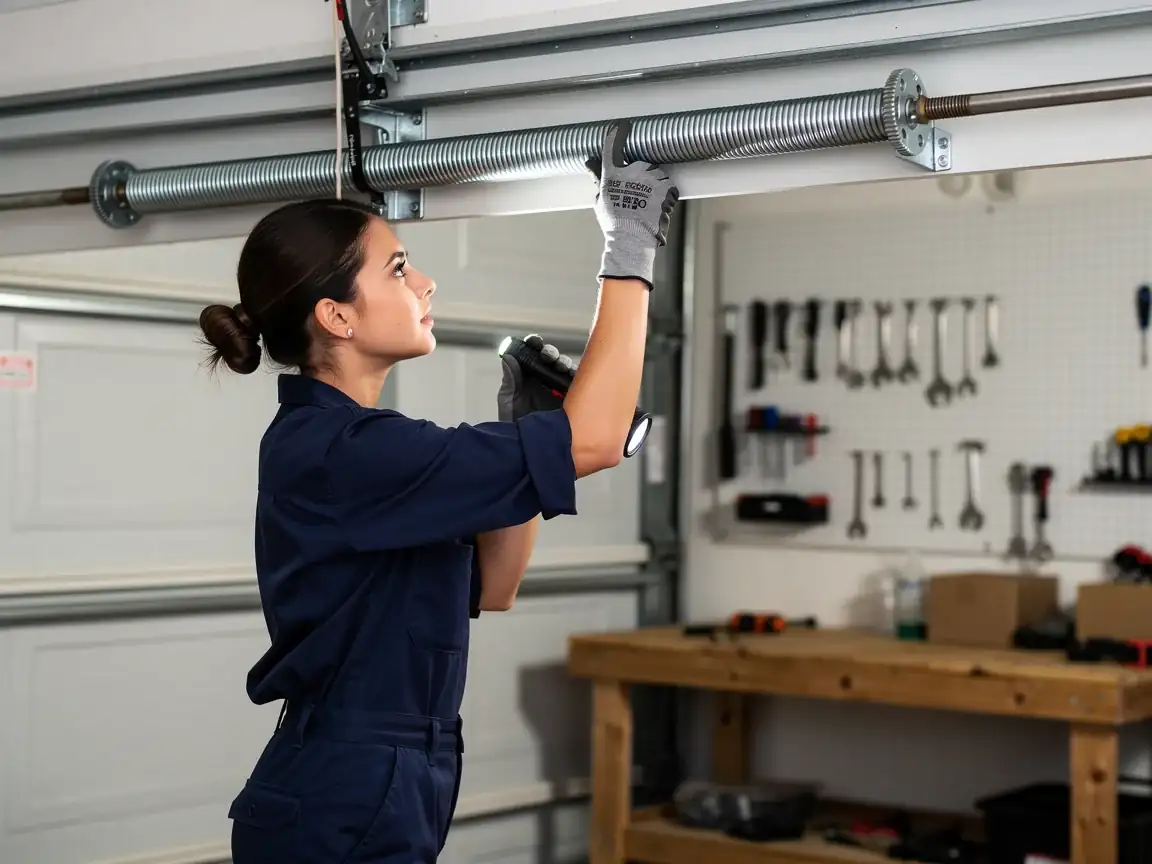
    A technician in a blue jumpsuit inspects a garage door torsion spring with a flashlight.

    On-site diagnosis

    A technician tests the door under power and by hand and finds what actually failed.

  3. 3
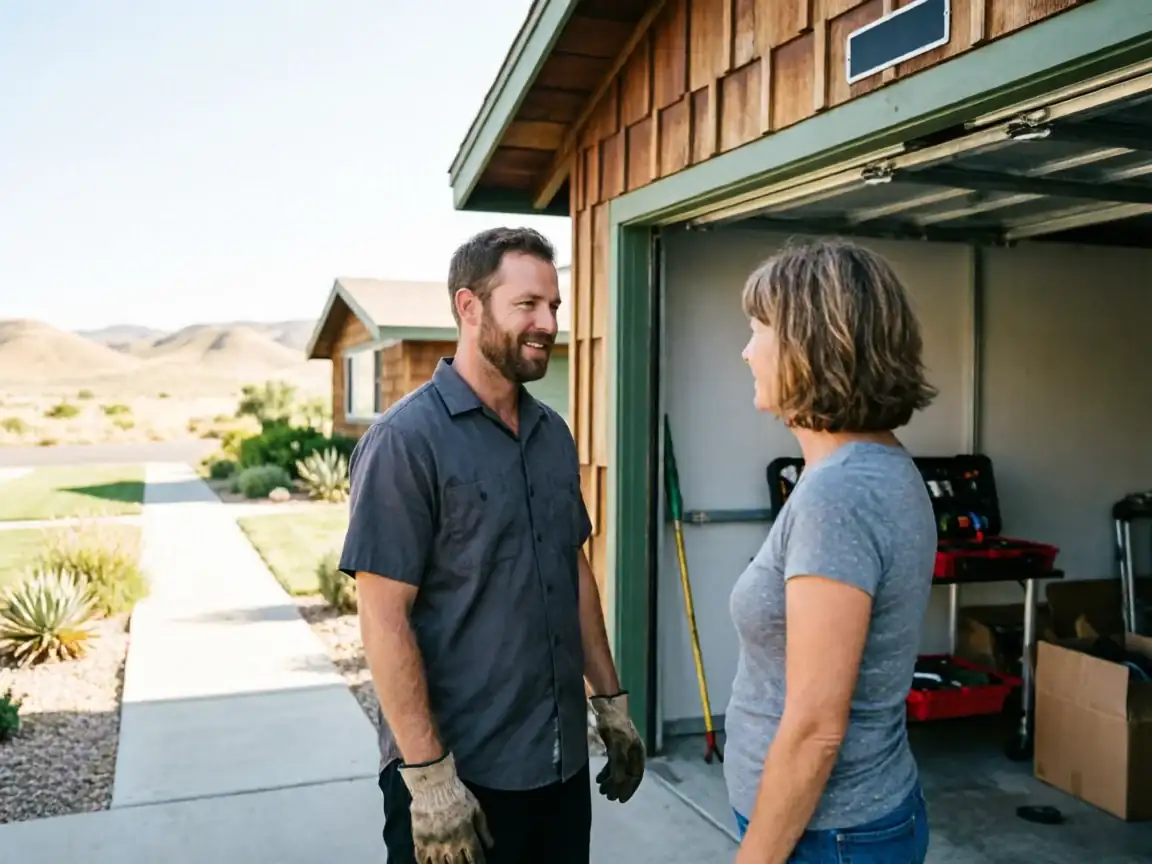
    A technician wearing gloves talks to a woman in front of an open garage.

    Clear, up-front plan

    You get the fix that’s needed and what drives the cost - before any work starts.

  4. 4
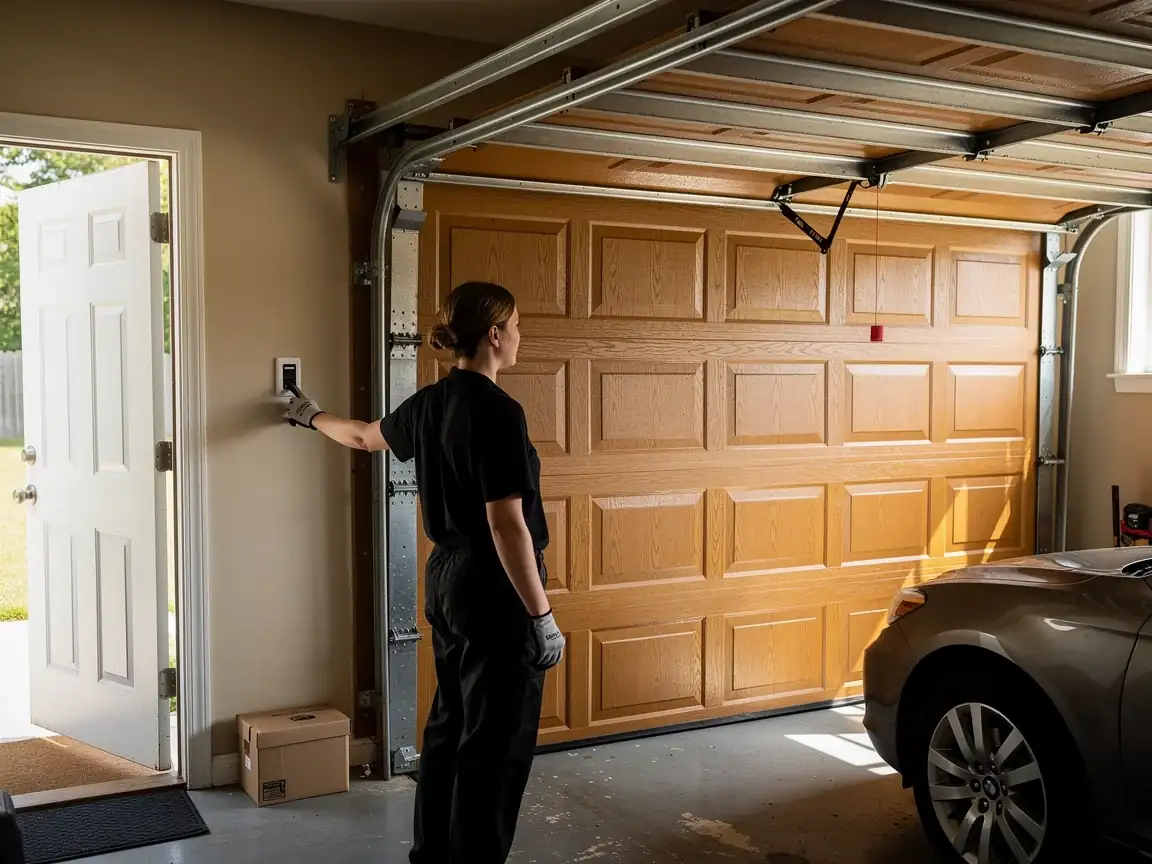
    A technician presses a button on the wall next to a closed wooden garage door.

    Repaired & tested

    The repair is done, the door is set true and tested, and the work area left clean.

Next step

Not sure which repair your door needs in Grand Junction, CO? Describe what it’s doing - every job starts with a diagnosis.

How we work

What to expect

  • Diagnosis firstEvery visit starts by finding what actually failed - not a pre-written parts list.
  • The right part for the doorSprings and openers matched to the door’s weight and age, so the fix holds up.
  • Straight answersWhen a repair makes more sense than a replacement - or the reverse - you hear it plainly.
  • Clean, careful workTension released safely, hardware set true, the door tested under power before we leave.
What we do

Garage Door Services

Repair and installation work for Grand Junction homes and businesses.

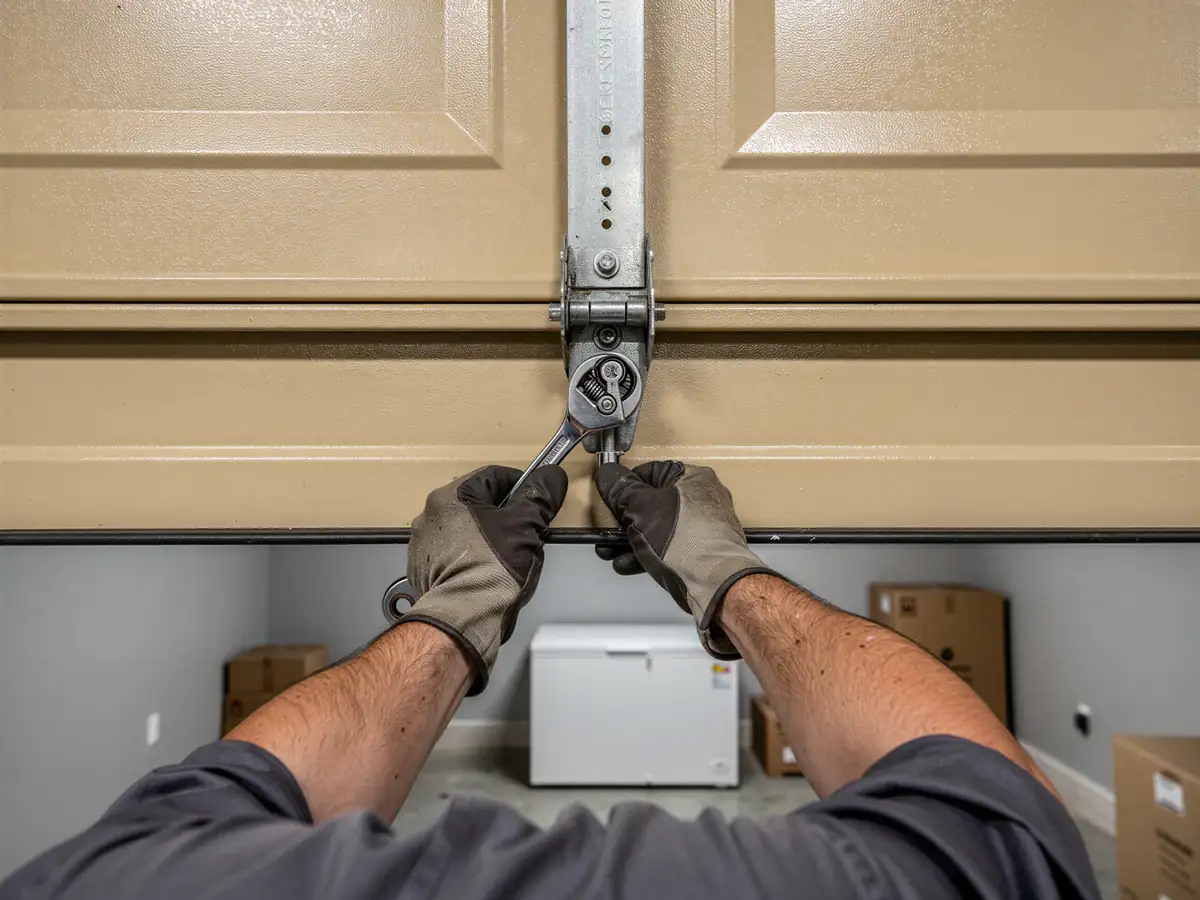
A technician in gloves uses a wrench to adjust a tan garage door.

Garage Door Repair

Garage door repair for Grand Junction homes built mostly between 1977 and 1998, from Orchard Mesa to Redlands. Spring, opener, and track fixes suited to our winters.

Learn more
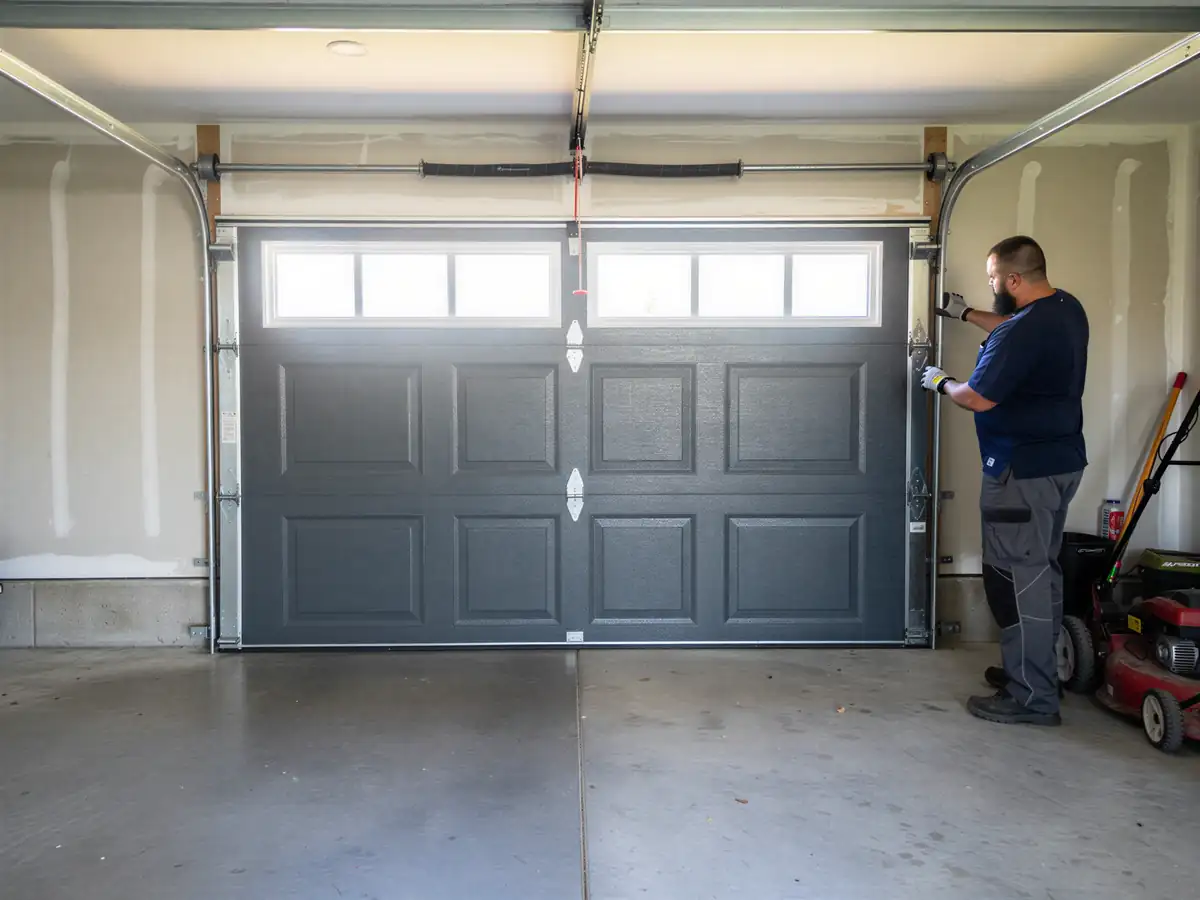
A technician adjusts a closed gray garage door with windows in a garage.

Garage Door Installation

New garage door installation for Grand Junction homes built between 1977 and 1998, matched to our cold-climate winters and the original openings on 1980s-90s houses.

Learn more
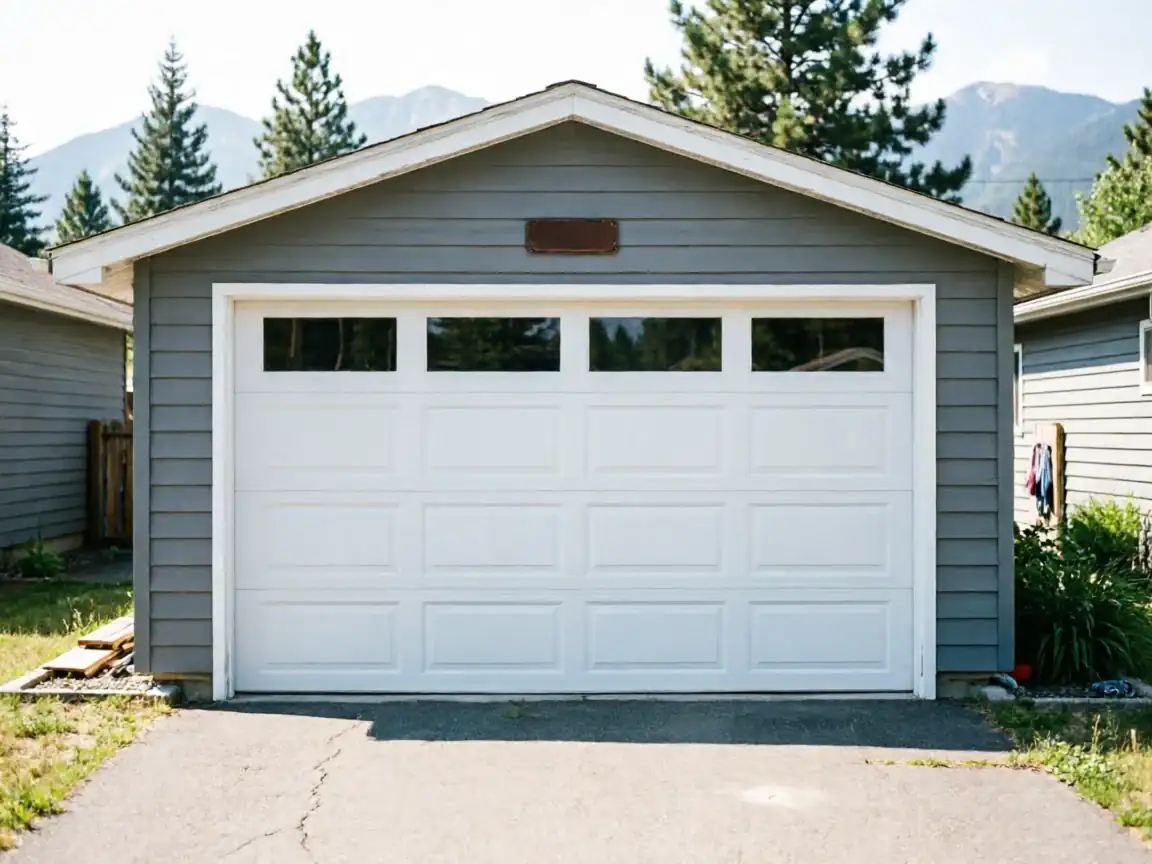
A white garage door with windows is on a gray detached garage.

Garage Door Service

Garage door service in Grand Junction, CO for homes built 1977-1998 with original torsion hardware. Cold-climate wear on springs, cables, and rollers explained plainly.

Learn more
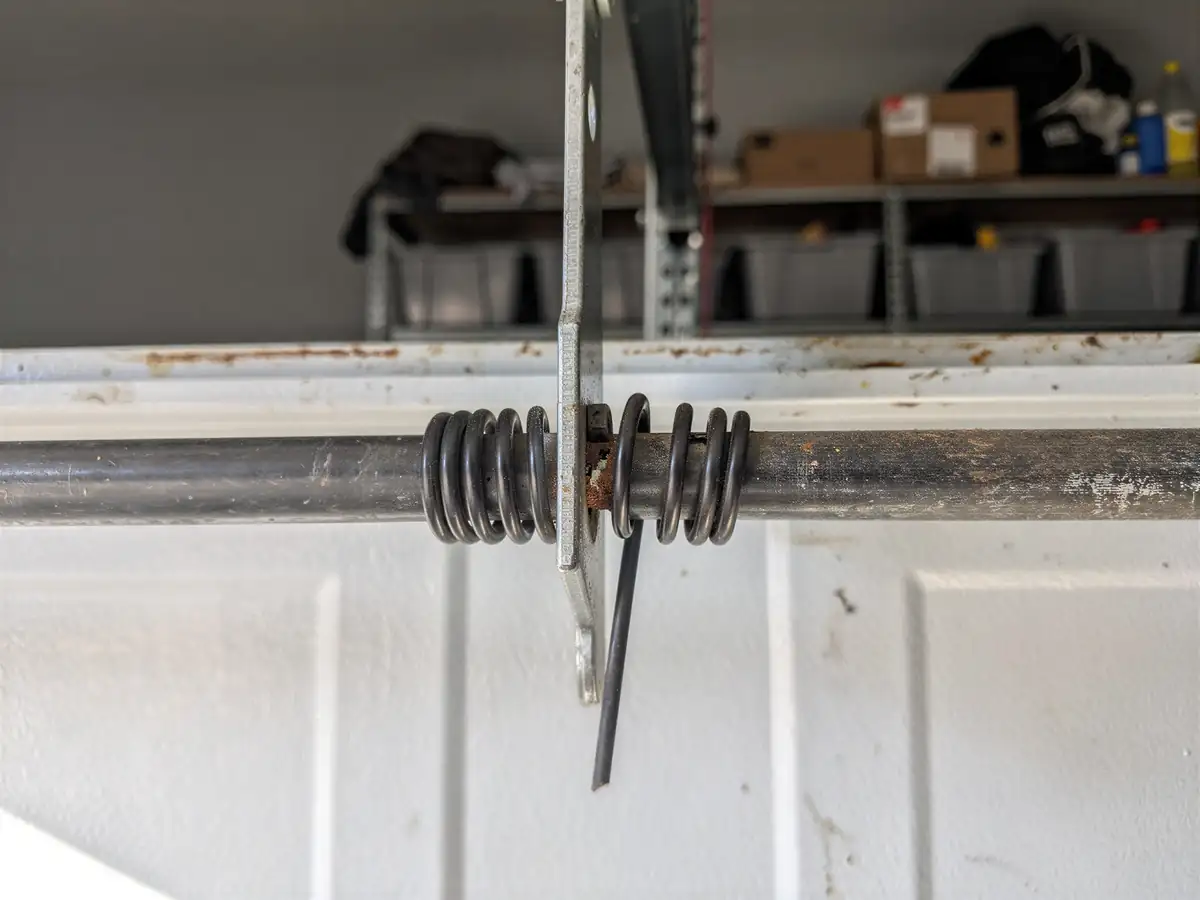
A close-up shows a garage door torsion spring on a metal shaft.

Spring Repair

Broken torsion spring on a house built in the 1980s or 90s? Grand Junction Garage Door Pros fixes spring failures across the valley, from Orchard Mesa to Fruita.

Learn more
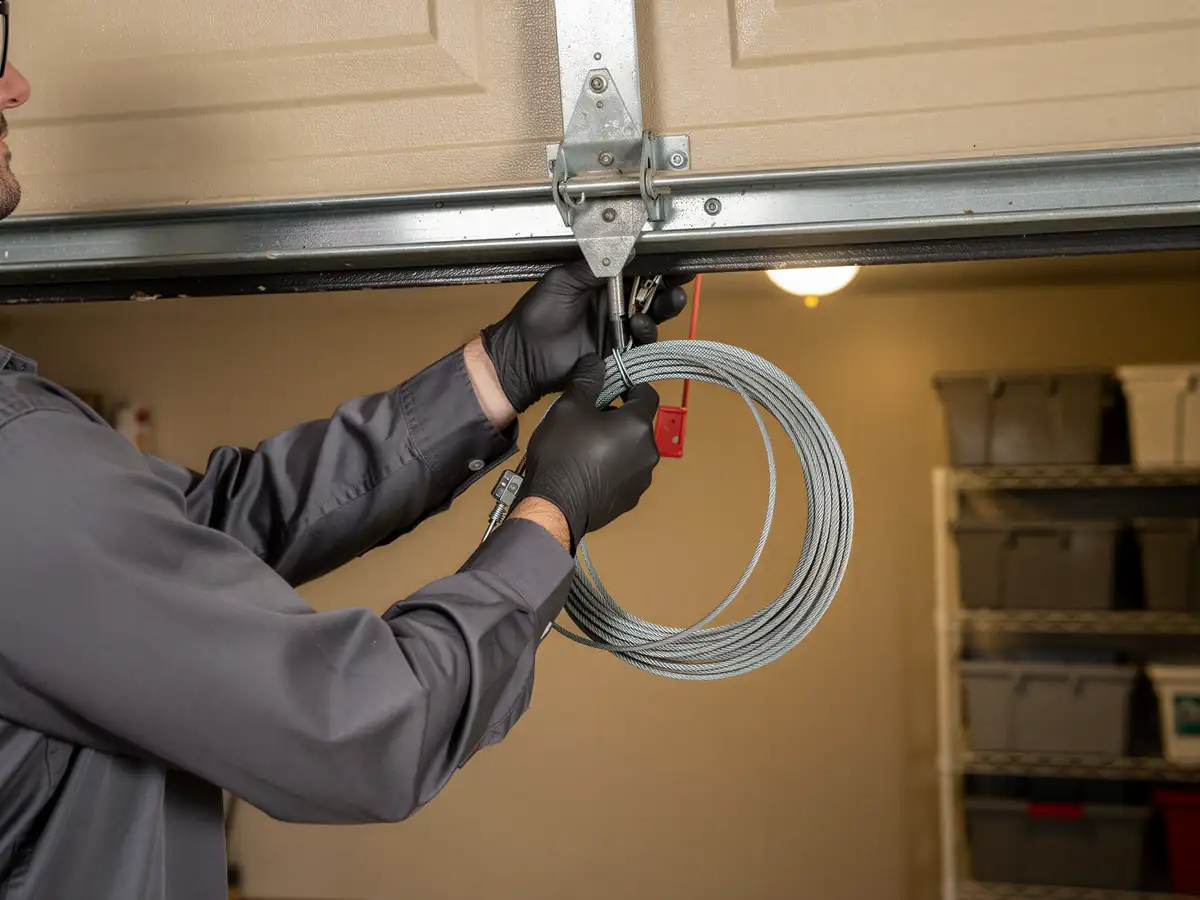
A technician in black gloves holds a coiled garage door cable.

Cable Repair

Snapped or frayed garage door cables are common on Grand Junction's 1980s-90s housing stock. Same-area service covering Orchard Mesa, Redlands, Fruitvale, Clifton.

Learn more
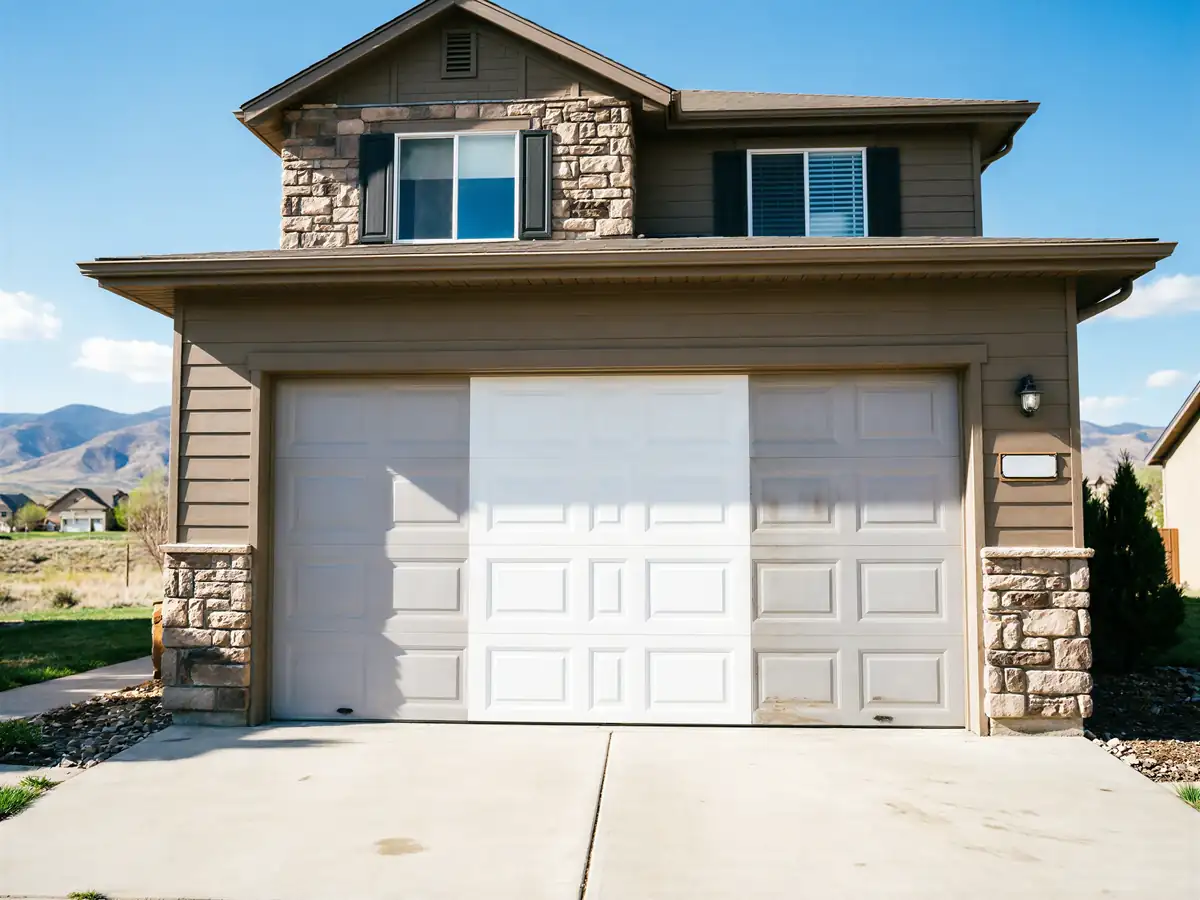
The garage door is half clean and half dirty, with a house and mountains behind it.

Panel Replacement

Dented or cracked garage door panels are common on Grand Junction's 1980s-90s housing stock. We match panels and replace sections across the Western Slope.

Learn more
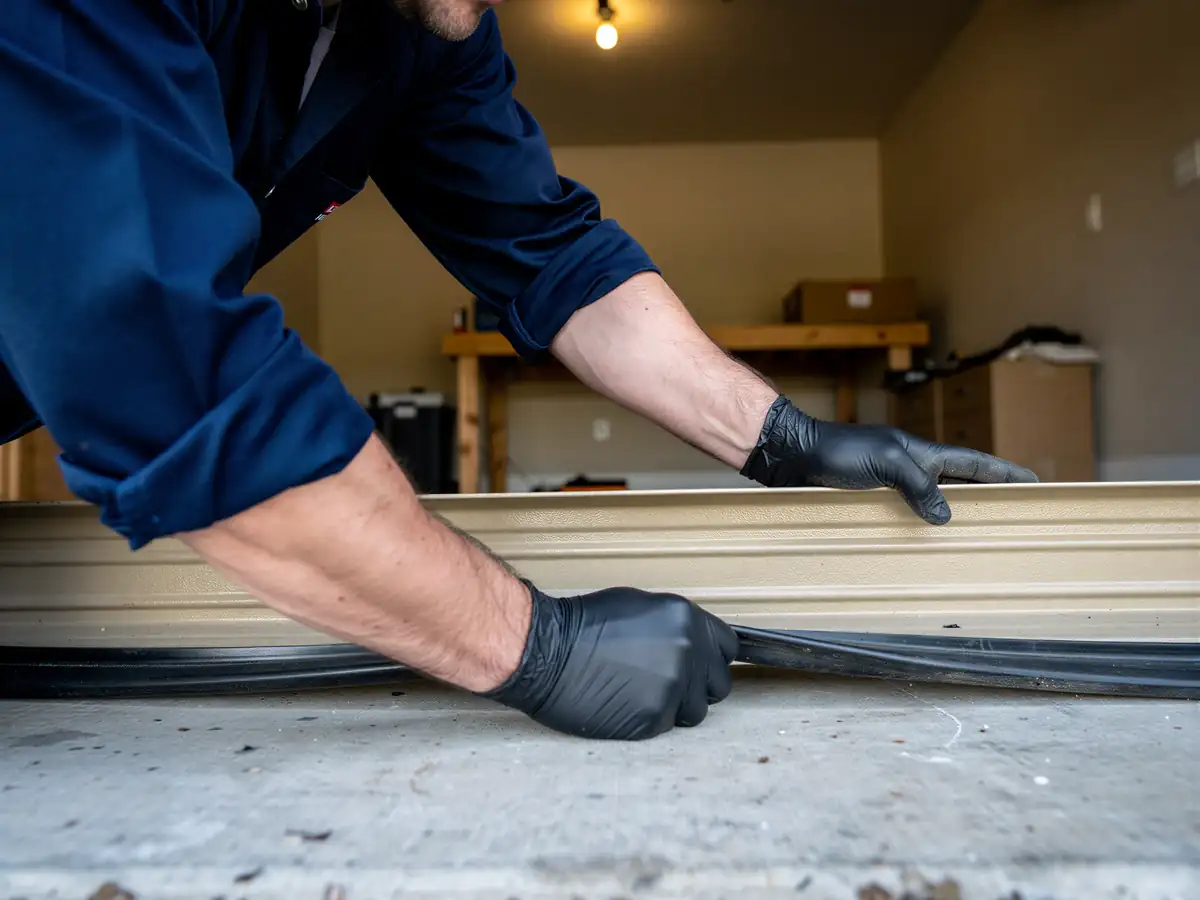
A technician wearing black gloves installs a new seal on the bottom of a garage door.

Maintenance

Garage door maintenance for Grand Junction homes built 1977-1998, where cold winters and original hardware wear springs, rollers, and openers faster than owners expect.

Learn more
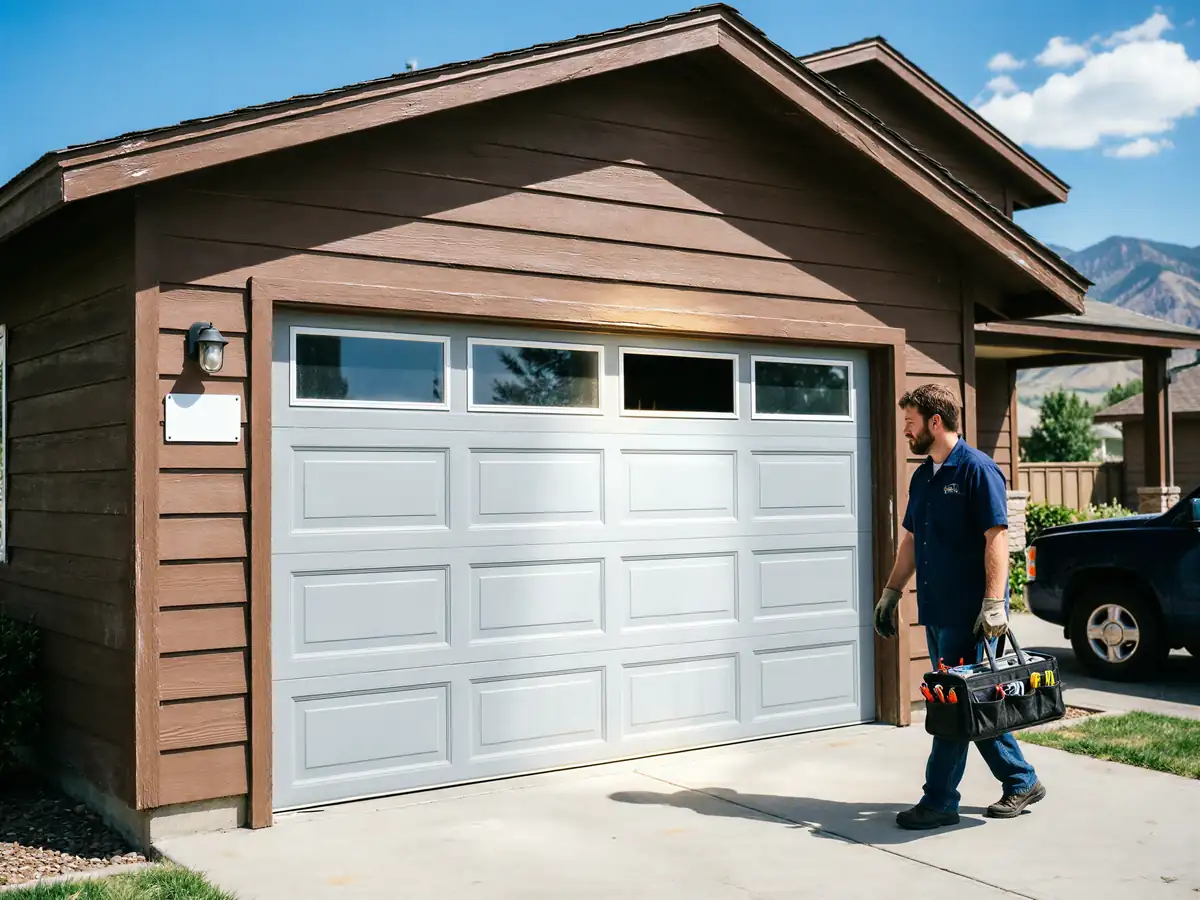
A technician walks past a closed gray garage door with windows.

Emergency Garage Door Repair

Broken spring or dead opener at 10pm? We cover Grand Junction and the surrounding mesa towns, with doors built for this valley's cold-season swings.

Learn more
Questions

Frequently asked

Straight answers about garage door repair in Grand Junction. Still unsure? Ask us directly.

How old does my door have to be before a service call makes sense instead of just living with the noise?

If your house was built in the 1977-1998 range common across this area, the spring and rollers are very likely original or close to it. A noisy door at that age is usually worth a look before it fails outright, since a spring failure under load can damage the track or a panel.

Does the cold actually affect my garage door, or is that just something you say to sell a visit?

It's real. This area sits in a cold-severe climate band, and steel springs and tracks respond to temperature swings. A door that balances fine in summer can feel heavy or bind in winter because the spring tension shifts with the cold.

Do you stock parts for older doors from the 1980s and 90s?

Most common parts, yes. Some original panel styles and brackets from that era need a special order, which can add a few days. We'll tell you upfront if your door falls into that category rather than guessing on the spot.

What's the first thing I should check before calling?

Pull the manual release and lift the door by hand. If it feels heavy, drops fast, or you can barely move it, the spring has likely lost tension - common on hardware from the 1977-1998 housing stock in this area.

Ready to get your garage door sorted?

Tell us what it’s doing and where you are in Grand Junction - we’ll take it from there.

Request a QuoteCall