What the Repair Takes
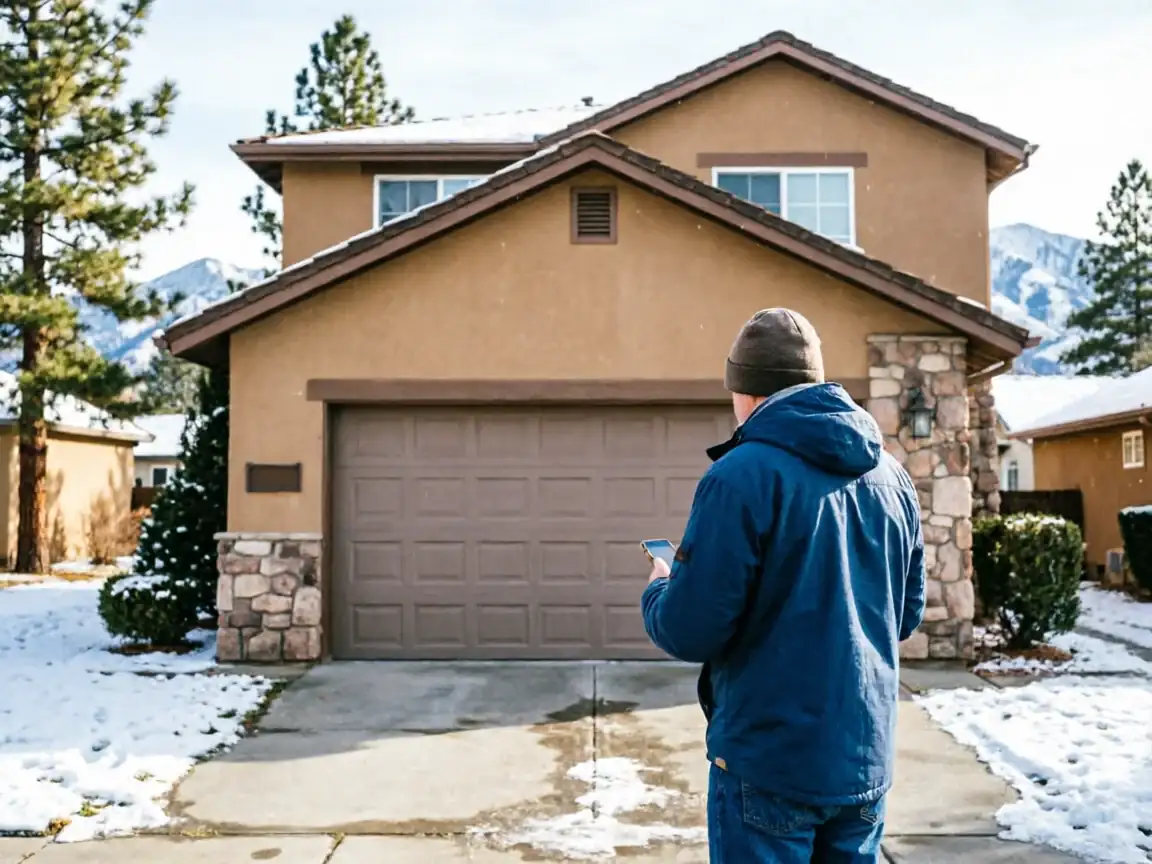
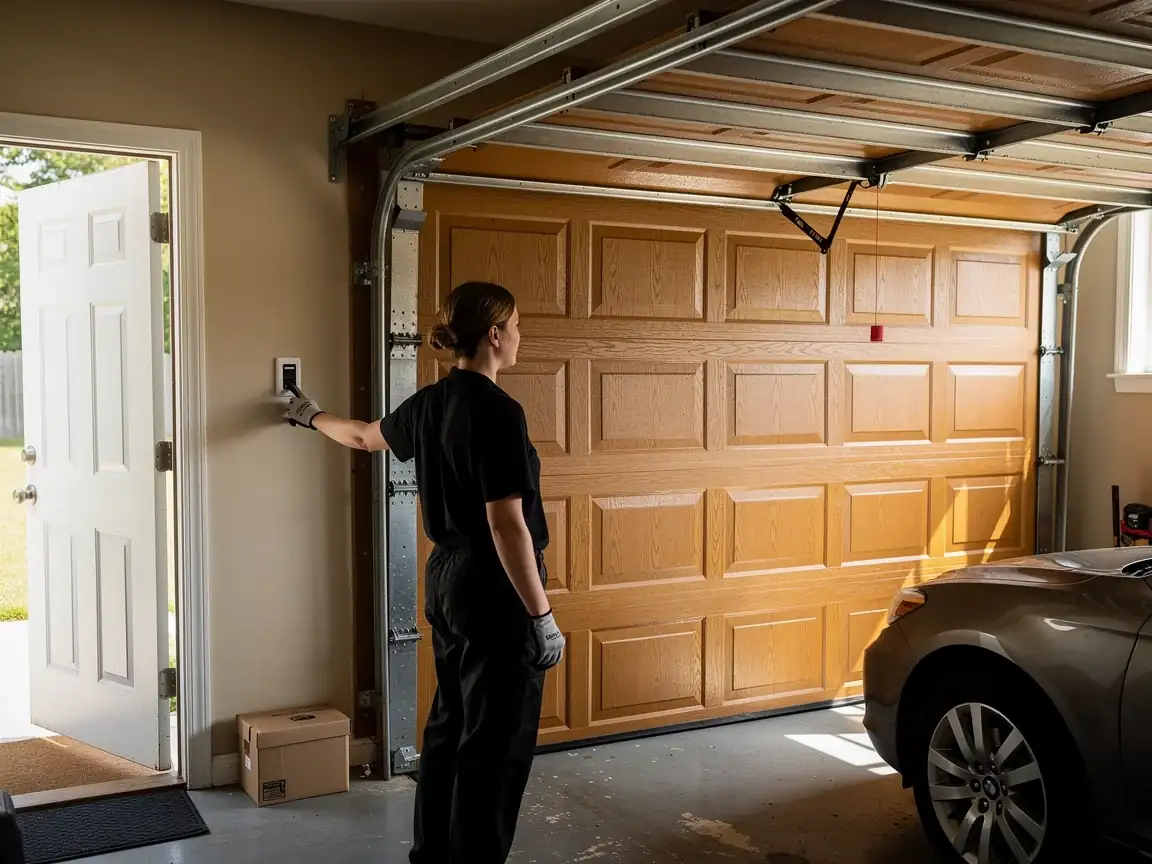
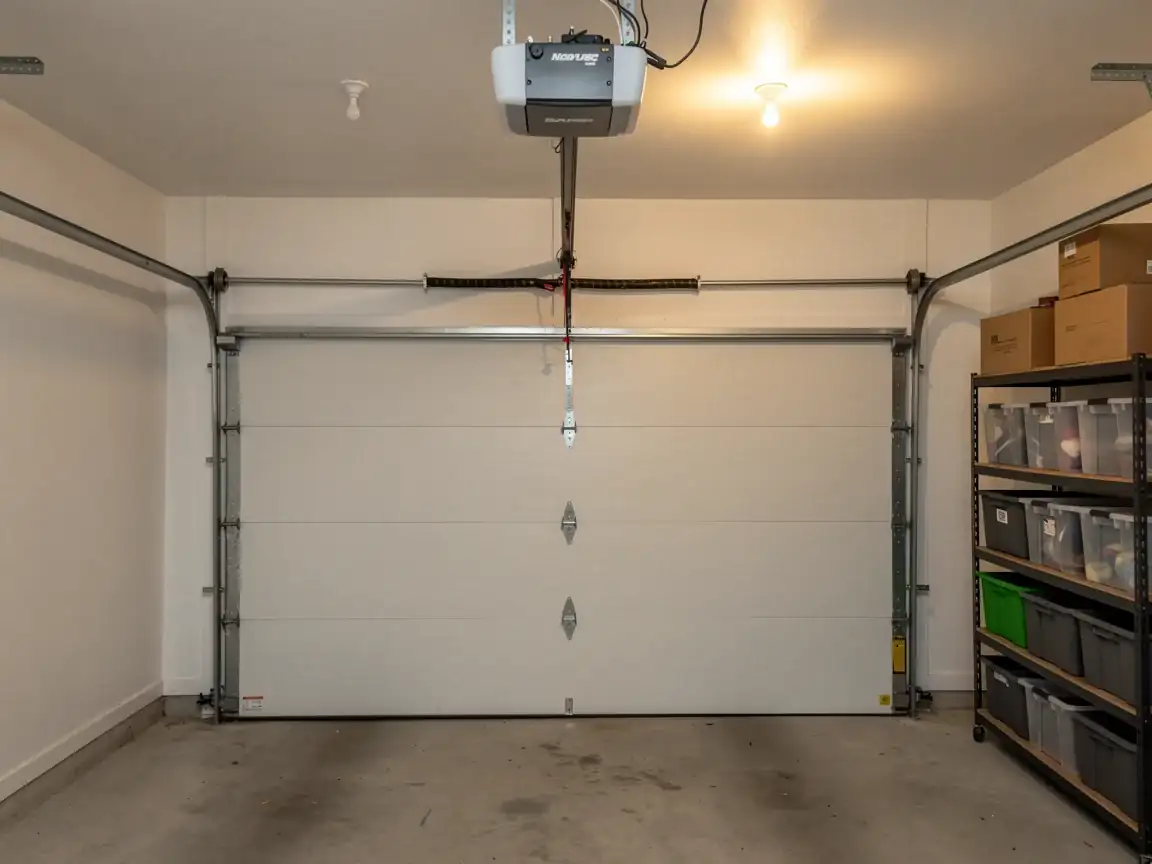
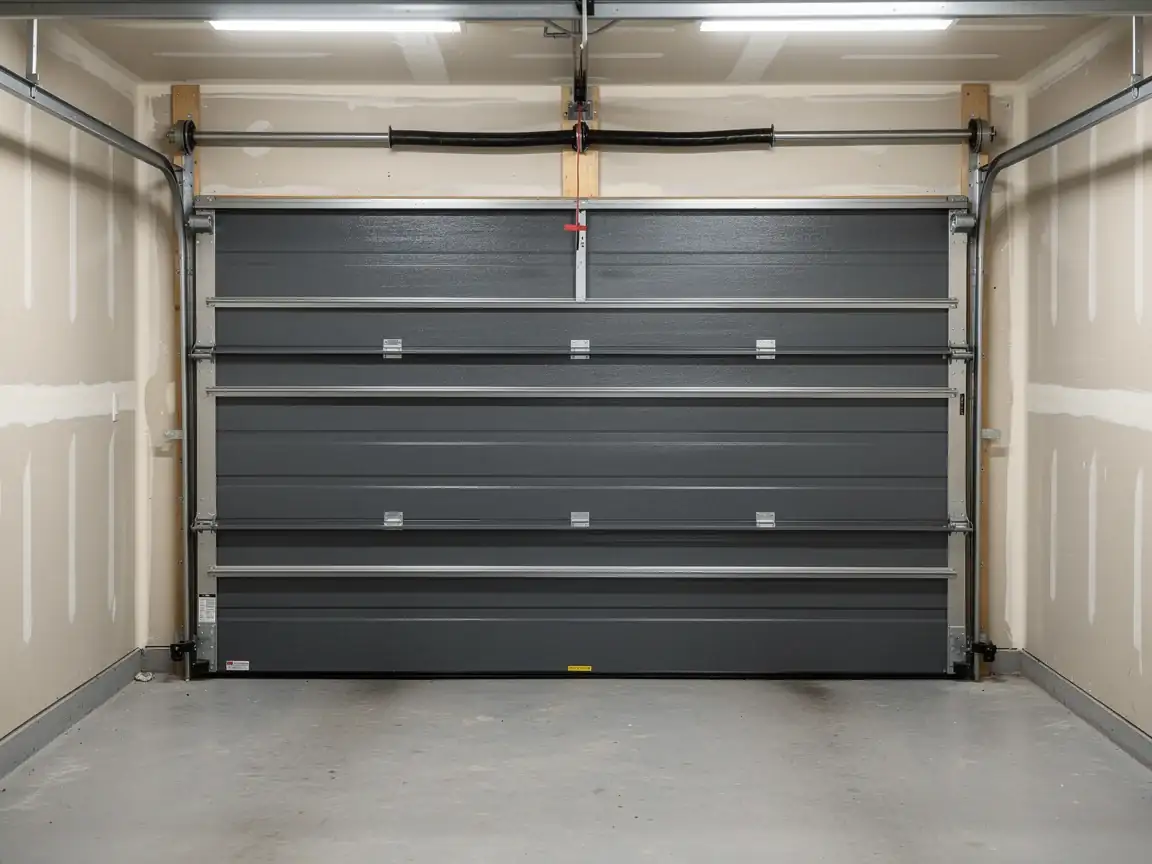
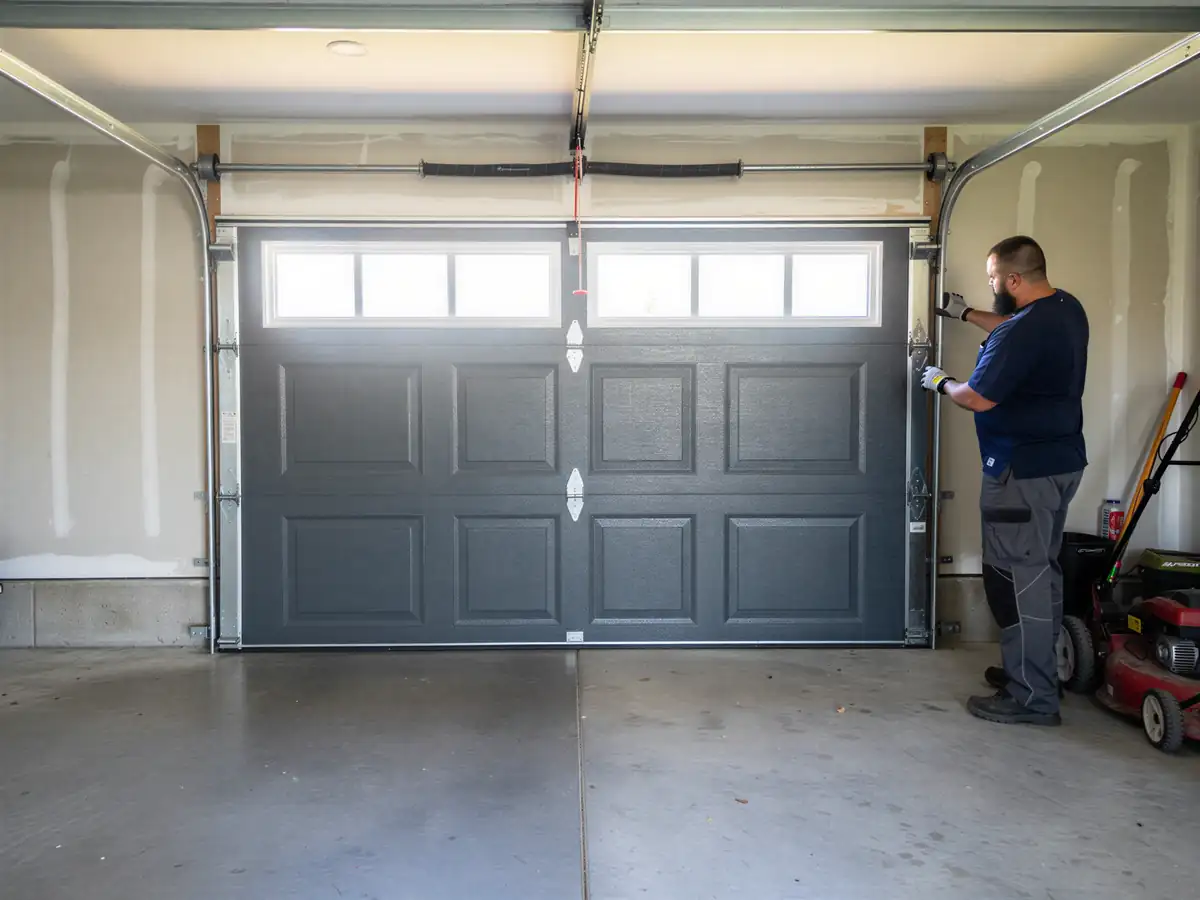
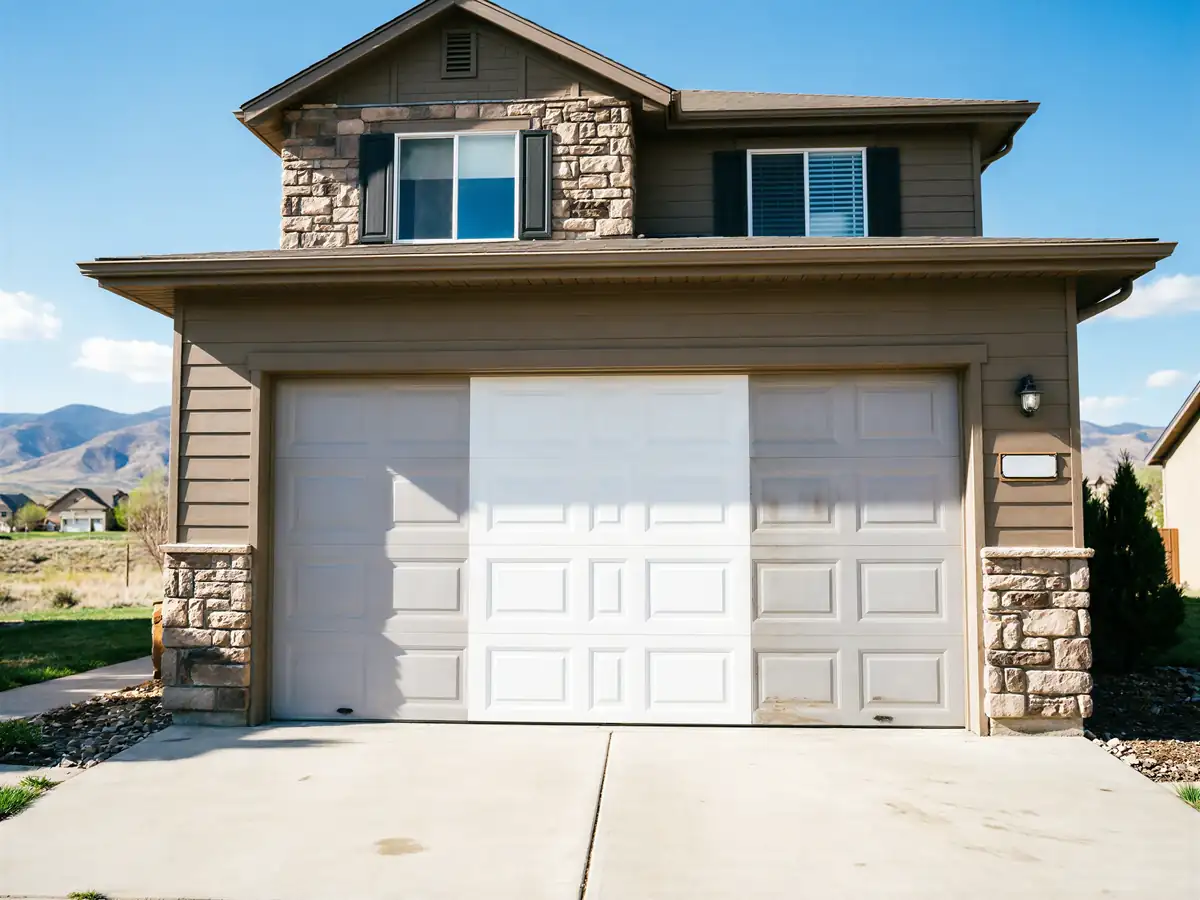
Fruitvale is small enough that we're not running a maintenance truck through here every day. About 3,332 households sit in this part of the service area, which means the work isn't volume - it's knowing what breaks on a door that's been sitting in the same garage since the Reagan administration. A maintenance visit here is lube, balance check, hardware inspection, and a look at the weatherstripping, same as anywhere. What changes is what we expect to find underneath. On a street of 1984-built houses, we're checking original rollers more often than we are in newer subdivisions, and we're not surprised when a spring that's never been touched is finally giving out.
We don't pad this with extra line items. If the door's tracking straight, the opener's not straining, and the spring's got life left, we say so and charge for what we did, not for what we didn't need to do.
Why It Happens Here
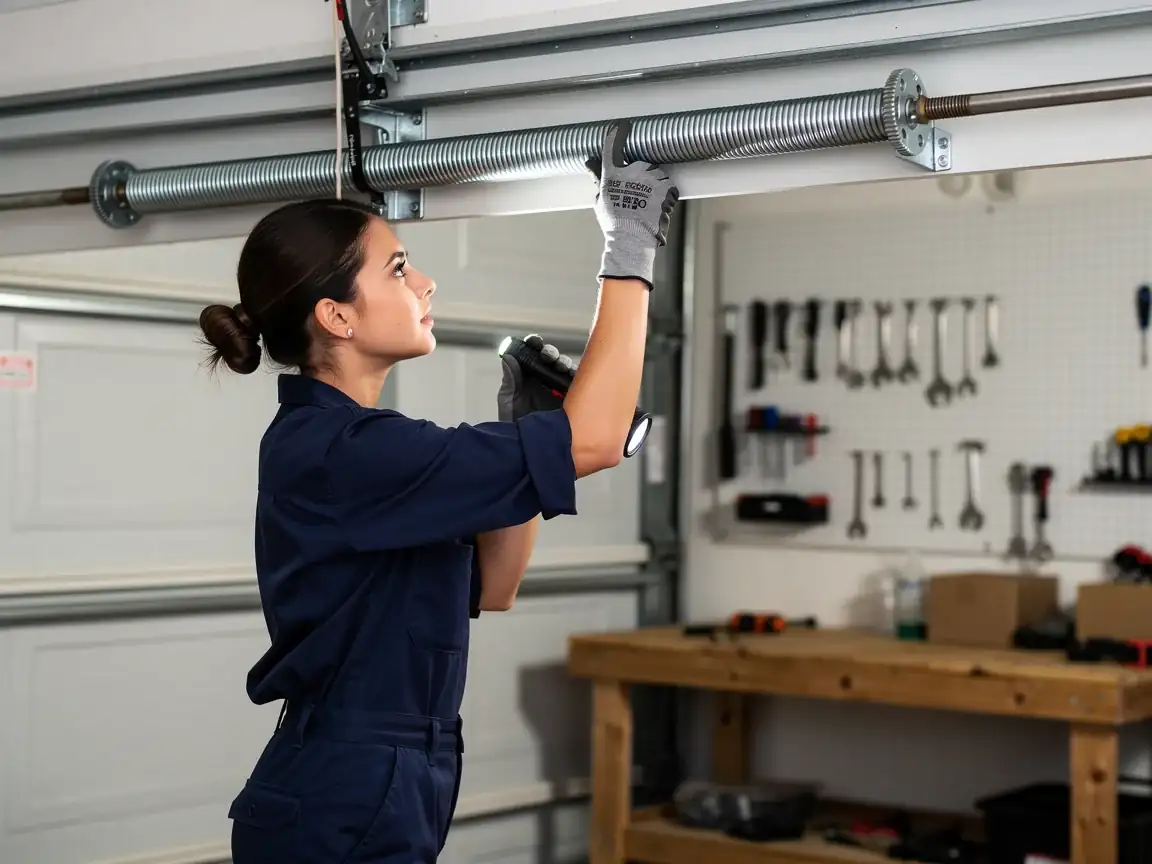
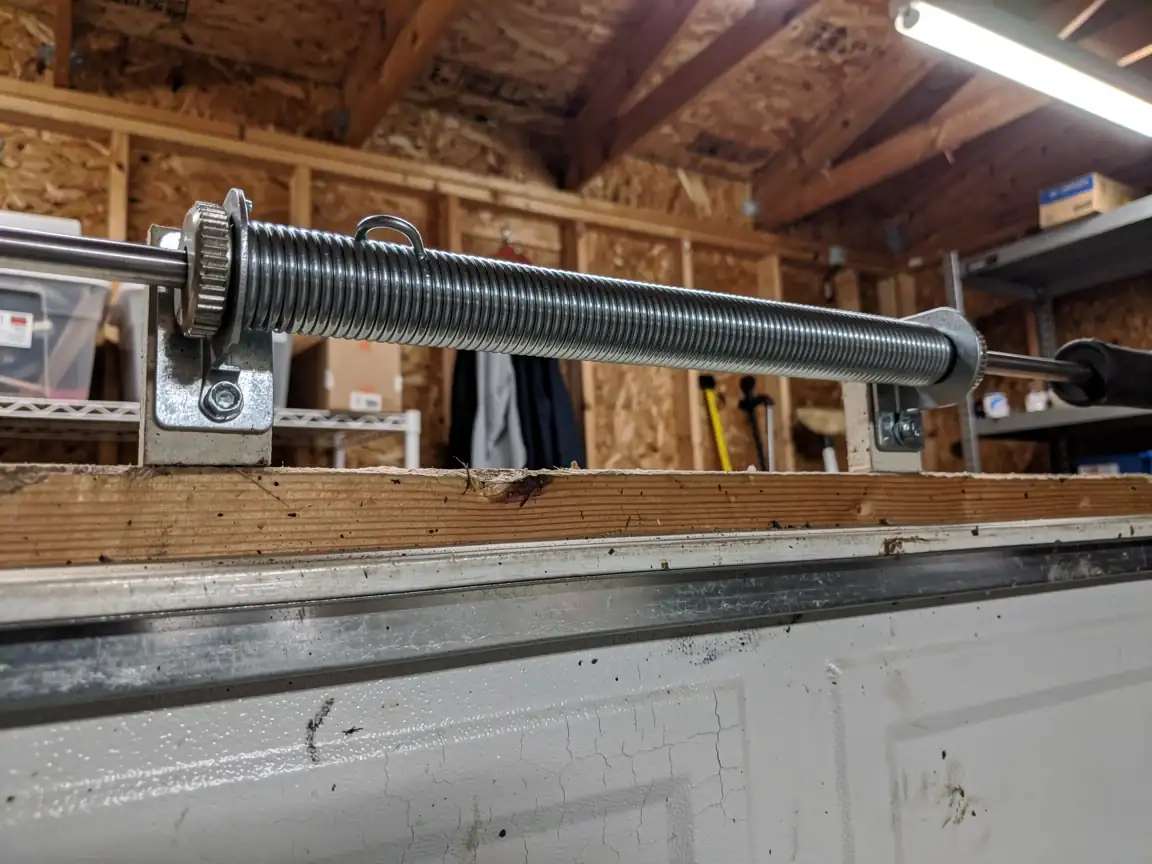
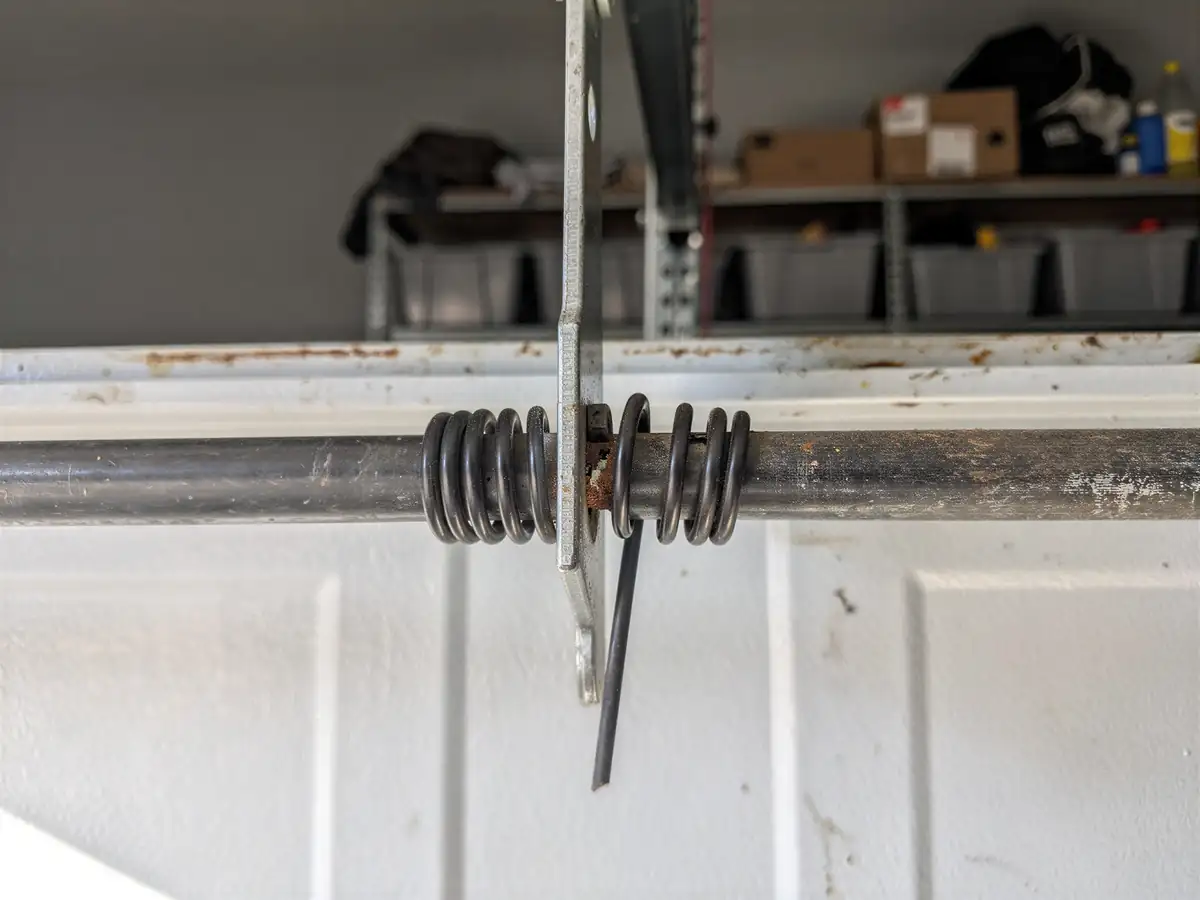
The median year built in this part of Fruitvale is 1984, which puts most of the housing stock square in the era of steel sectional doors on extension or early torsion spring setups - hardware that's now been cycling for close to forty years. Add a cold, severe climate band and you get a specific failure pattern: lubricant that's gone stiff or washed out, galvanized cable starting to fray where it wraps the drum, and torsion springs that have simply used up their cycle count. None of that is dramatic. It's just time plus temperature swings doing what they do to steel and nylon.
We're not guessing at this - it's the same 1980s-90s stock that shows up across the named areas in this service territory, Fruitvale included. The doors here aren't failing because of bad luck. They're failing on schedule.
How It Shows Up
On a door this age, the first sign is usually sound before it's function
A grinding or popping on the way up that wasn't there a year ago. Cold mornings make it worse; steel contracts, grease thickens, and a spring that's borderline will show it hardest on the first cold start of the day. We also see openers straining to lift doors that have lost spring tension gradually, which owners read as 'the opener's getting weak' when it's really the spring doing less of the work it used to.
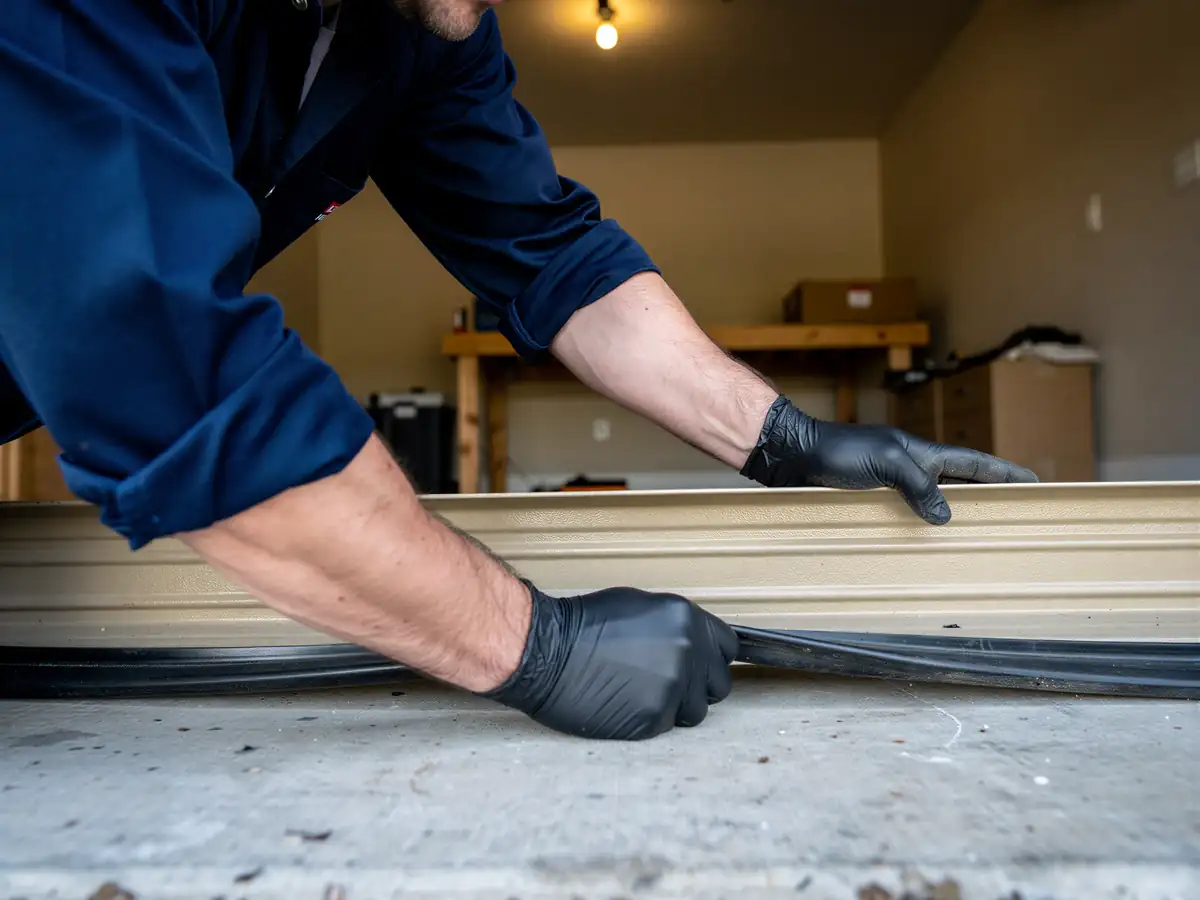
Weatherstripping on original doors has usually hardened and cracked by now
Which doesn't stop the door from working but does let cold air and dust through at the bottom seal. None of this means a full replacement - most of it is serviceable, which is the point of catching it on a maintenance visit instead of a breakdown call.
Parts We Carry
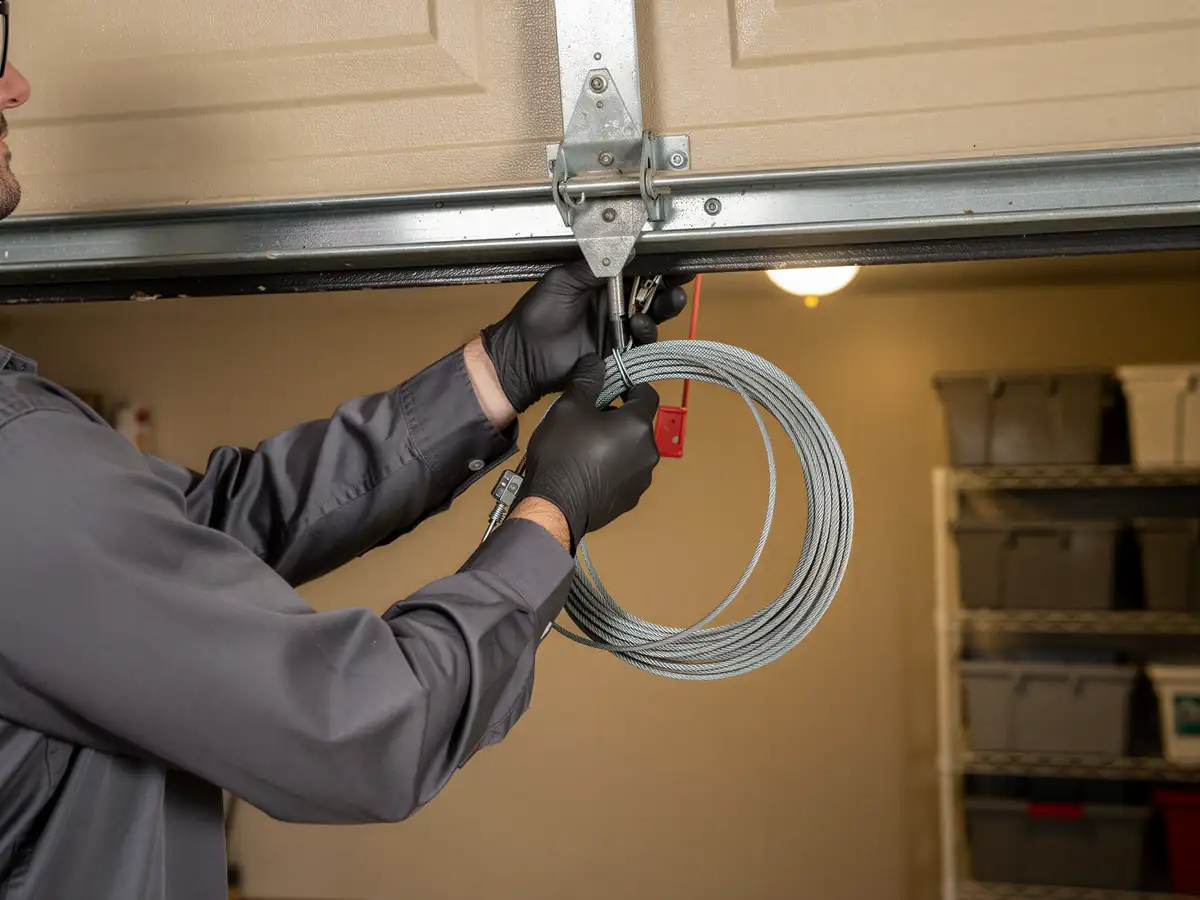
We carry torsion springs sized for the sectional doors common to 1980s construction, standard nylon and steel rollers, lift cable, and weatherstrip in the sizes that fit original door bottoms from that era. We also stock general-purpose hinges and center bearings, since those wear at roughly the same rate as the springs on a door this age.
Honest limitation here: if a door turns out to need a less common track width or an obsolete panel, we don't keep that on the truck. We'll tell you at the visit whether it's a stock part or an order, so you're not waiting on a surprise.
Time on the Job
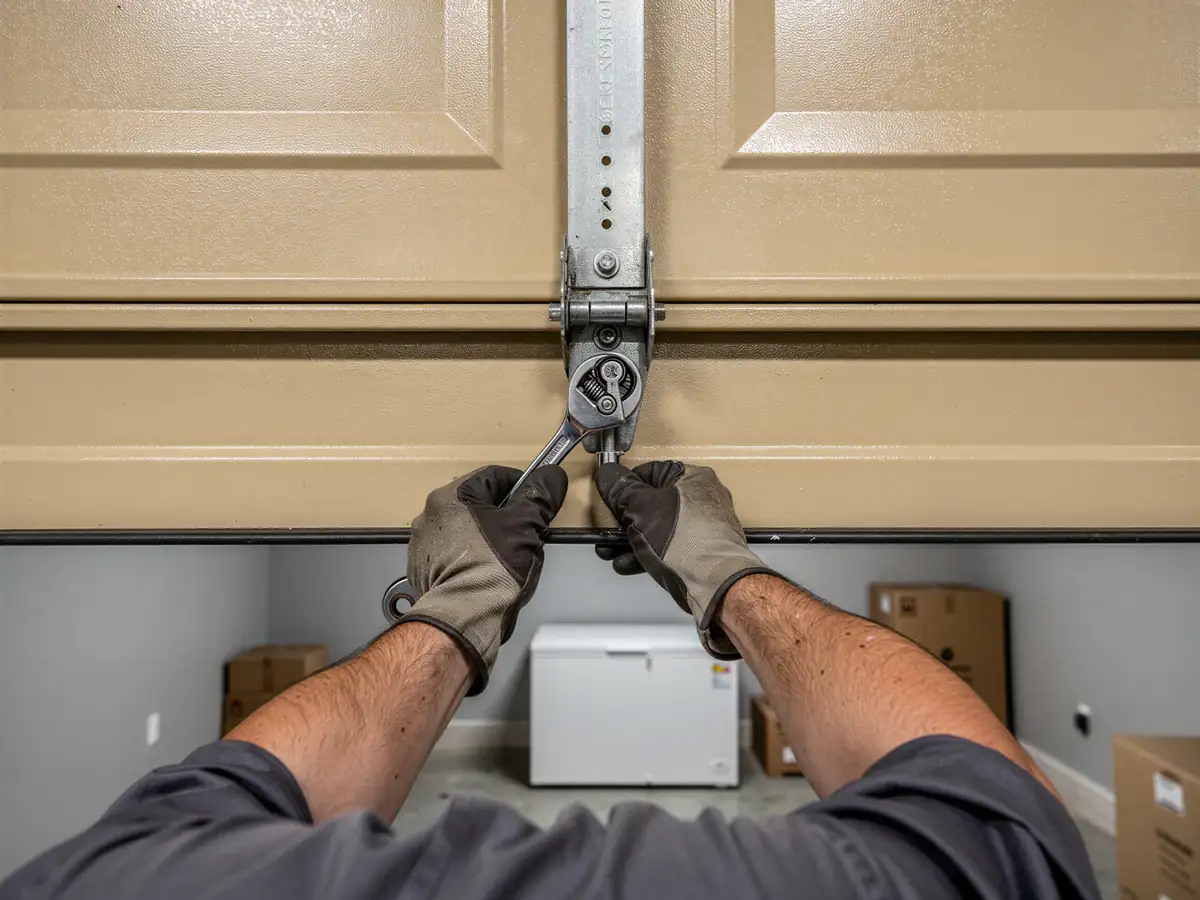
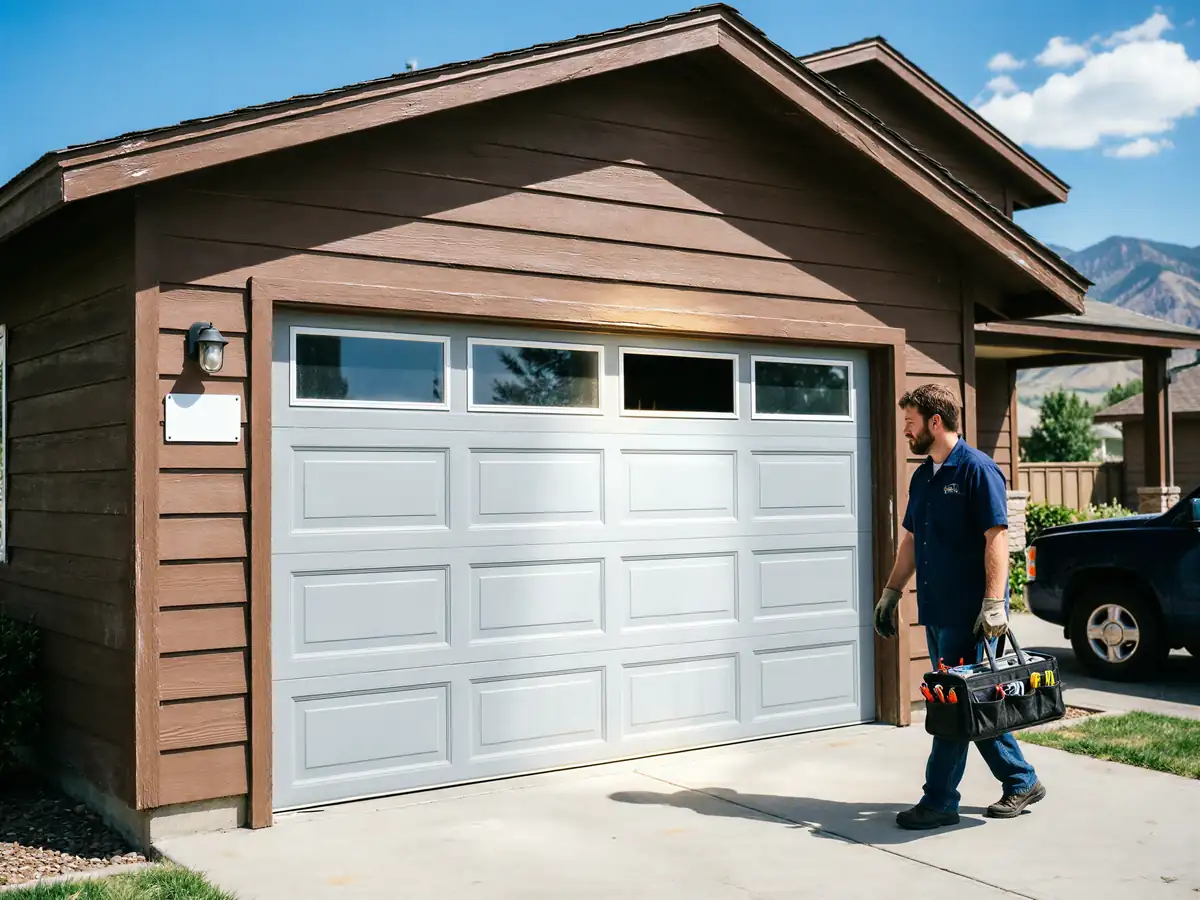
We travel to Fruitvale from Grand Junction, about 5 miles out, so we're not based in the neighborhood - we schedule the visit and show up for it. A standard maintenance check on a single door runs long enough to inspect, lube, and adjust balance; if we find a spring or cable that needs replacing, that's a separate step we'll walk you through before doing it, not an upsell sprung on you at the end.
With median household income in the service area at $76,339, most of what we see here is routine upkeep rather than deferred-to-failure repair - owners catching a noisy door before it strands the car inside. That's the cheaper way to own a garage door built in 1984, and it's the visit worth booking.