What the Repair Takes
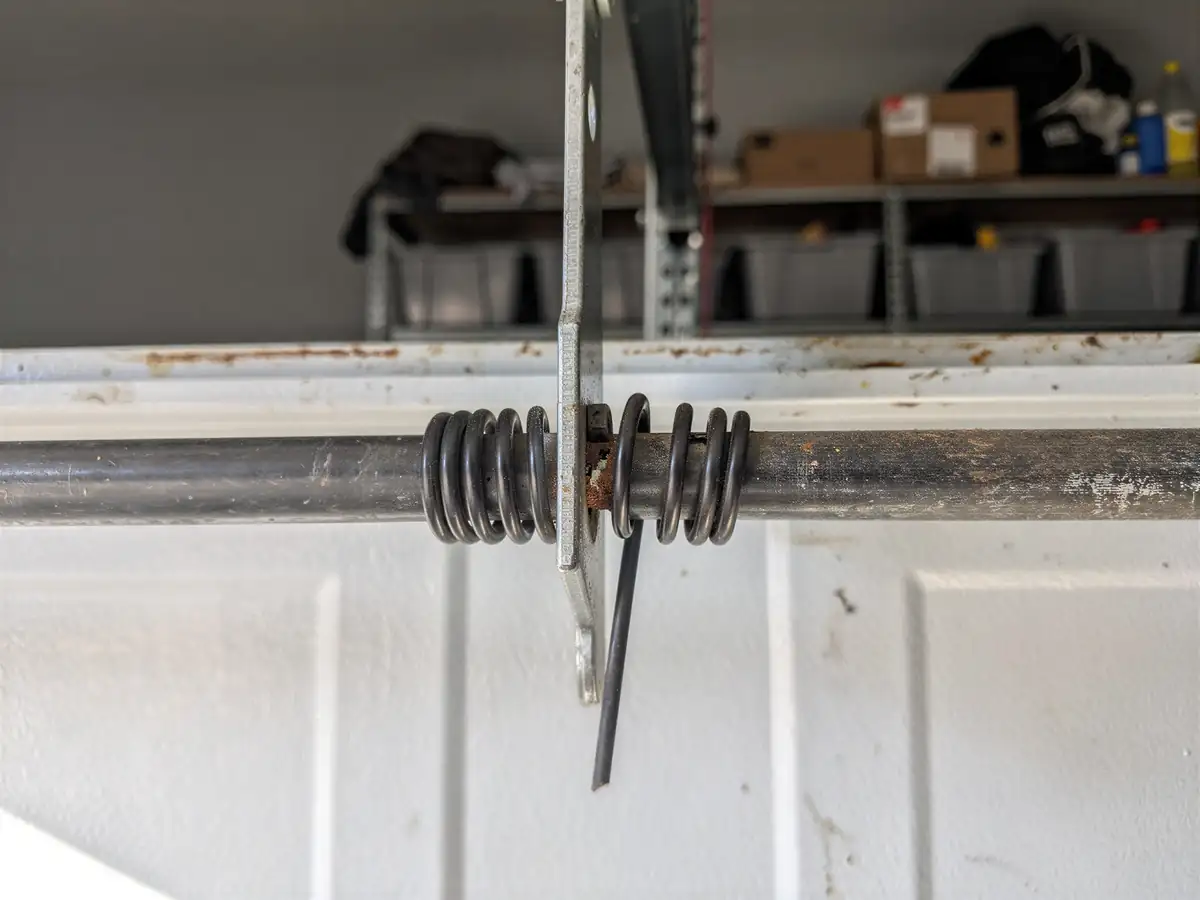
The call we get most out of Fruitvale is a torsion spring that's let go on a door that's never been touched since it went in. Second most common: rollers worn down to the stem, grinding in the track instead of rolling through it.
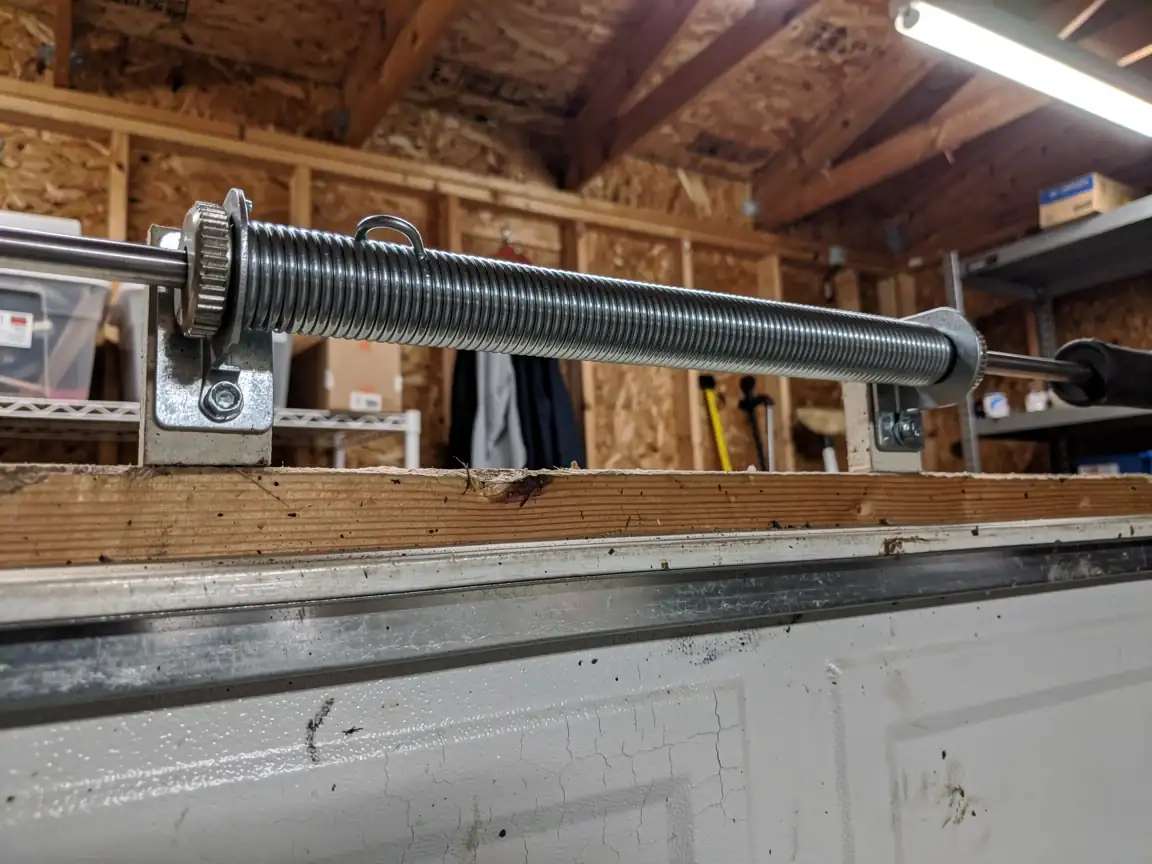
That's not random. Most houses in this corner of the valley went up between 1977 and 1998, with the median landing at 1984, and the housing stock across the area runs mostly 1980s and 90s builds. A door and opener installed in 1984 is pushing forty years of cycles. Springs are rated in cycles, not years, and a spring that's been lifting a 16-foot double door twice a day for four decades has usually used up what it had long before the day it finally snaps.
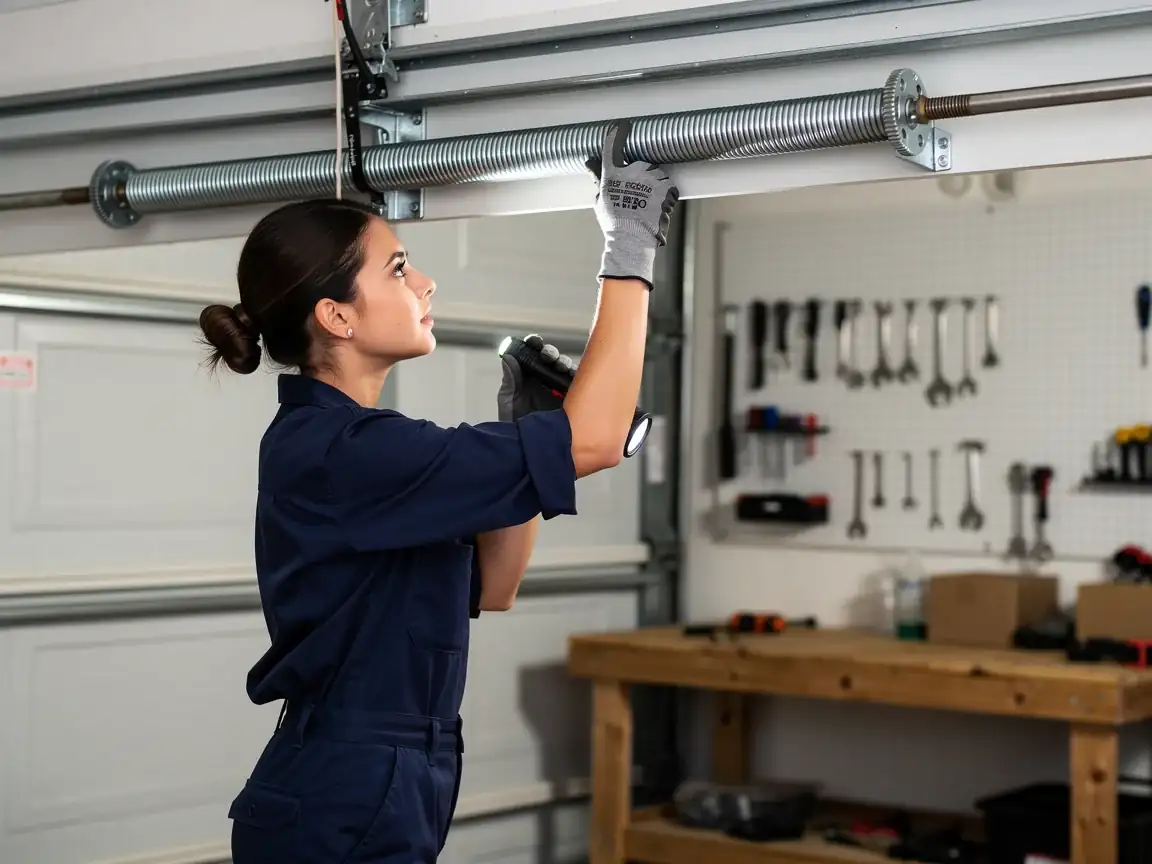
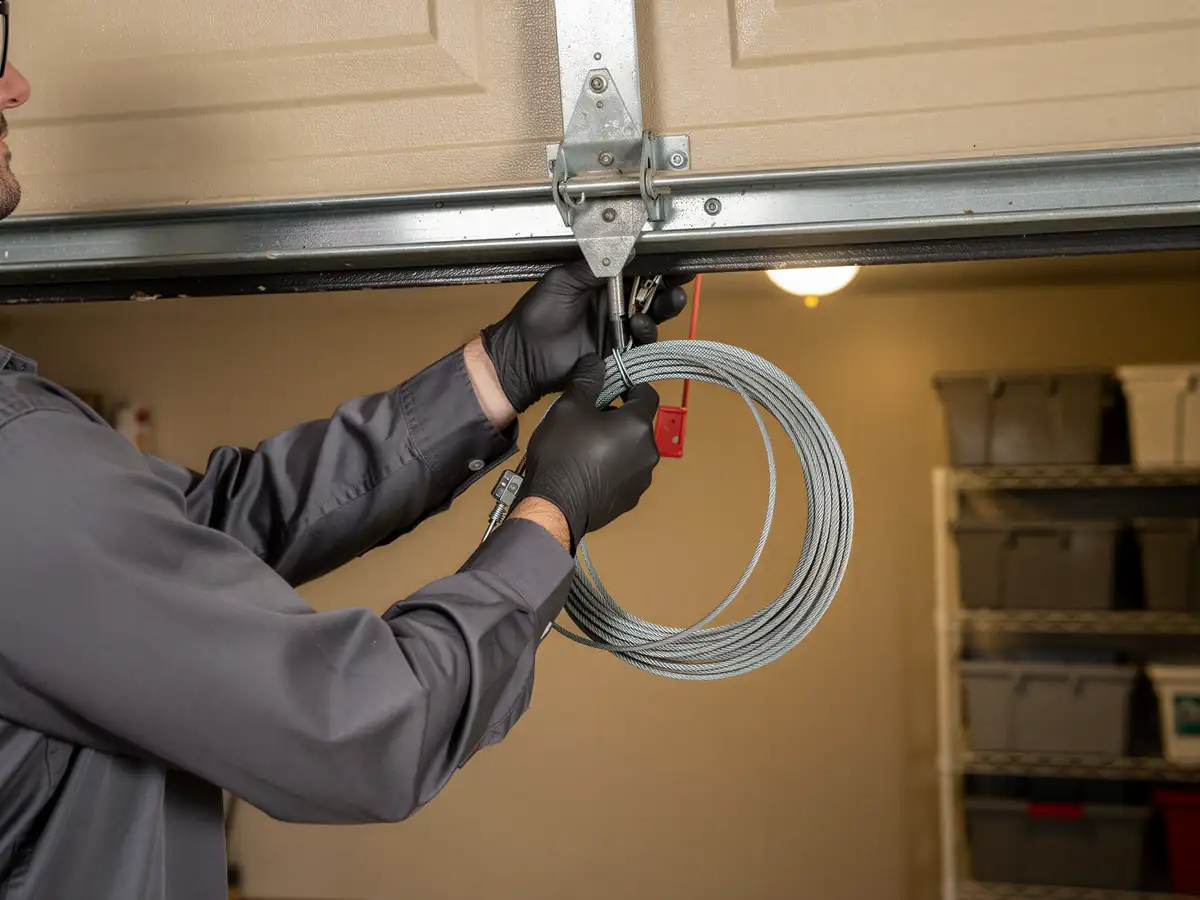
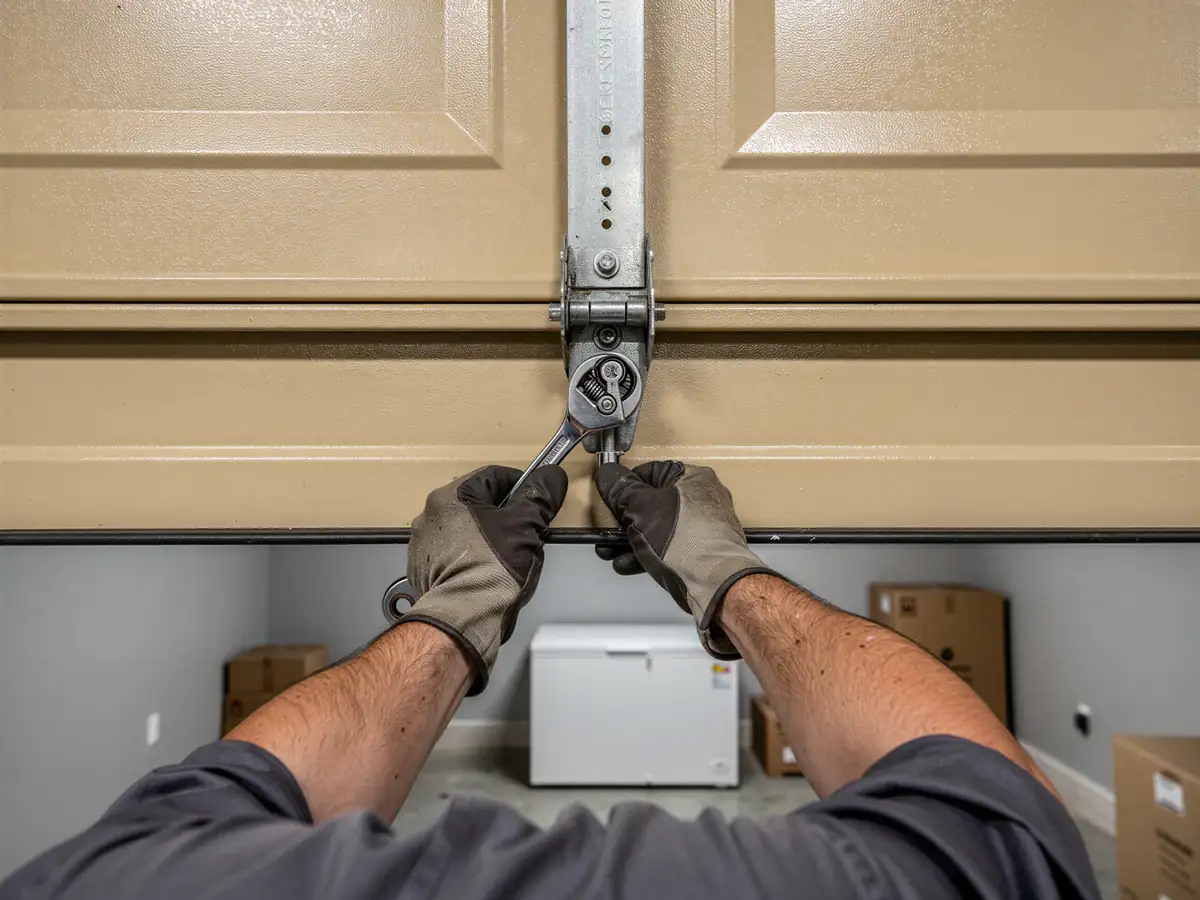
The fix itself is straightforward once we're looking at it: match the spring wire size and wind to the door weight, swap the rollers, check the cable for fraying at the drum. What takes the time isn't the wrench work, it's confirming we've got the right spring for a door that was never labeled when it went in.
Why It Happens Here
Grand Junction's winters put real stress on steel and grease, and Fruitvale's older housing stock has been absorbing that stress since the Reagan administration. Cold tightens steel, thickens old grease, and makes a torsion spring that's already fatigued more likely to go on a January morning than a July afternoon.
A door built in 1984 wasn't engineered with forty winters of that cycle in mind, it was engineered to code for its decade. Codes have moved since then, mostly around wind load and insulation, not spring life, so the age of the spring itself is the bigger factor.
We also see more full-door issues here than in the newer subdivisions closer to town. Steel rollers on steel track, common on 1980s-era doors, wear a track groove over time that a newer nylon roller never would. Once that groove is there, a new roller on an old track still binds.
How It Shows Up
The signs tend to follow a pattern tied to the age of the door rather than anything unusual about the house
A door that hangs crooked when it's halfway open, or one cable looks slack while the other is taut, usually means a spring has already failed on one side and the opener is fighting to lift the whole weight on the other.
A loud bang from the garage, especially first thing on a cold morning
Is almost always the torsion spring letting go. The door won't move after that, not because the opener is broken but because nothing is holding the door's weight anymore.
Grinding or a scraping sound as the door travels is usually the rollers
Worn past their nylon or steel coating, riding metal against metal in a track that's picked up that wear pattern over the years. None of this means the opener itself is bad. Most of the time the motor outlasts the spring and roller hardware by a wide margin, which is why we check the mechanical side first.
Parts We Carry
We stock torsion springs in the wire sizes and wind lengths common to the doors built across this stretch of the valley in the 70s, 80s, and 90s, along with steel and nylon rollers, galvanized lift cable, and standard drums and end bearings.
The honest limit here: a few of these older houses had doors installed with a less common spring size or a non-standard drum, and when that's the case, the part isn't on the truck. We'll order it in, which usually adds a day before we're back to finish the job. We'd rather tell you that up front than pretend every door is a stock fit.
We don't carry every opener model ever sold, either. If the opener itself needs replacing rather than repairing, we'll talk through current options rather than try to match a motor that hasn't been manufactured in twenty years.
Time on the Job
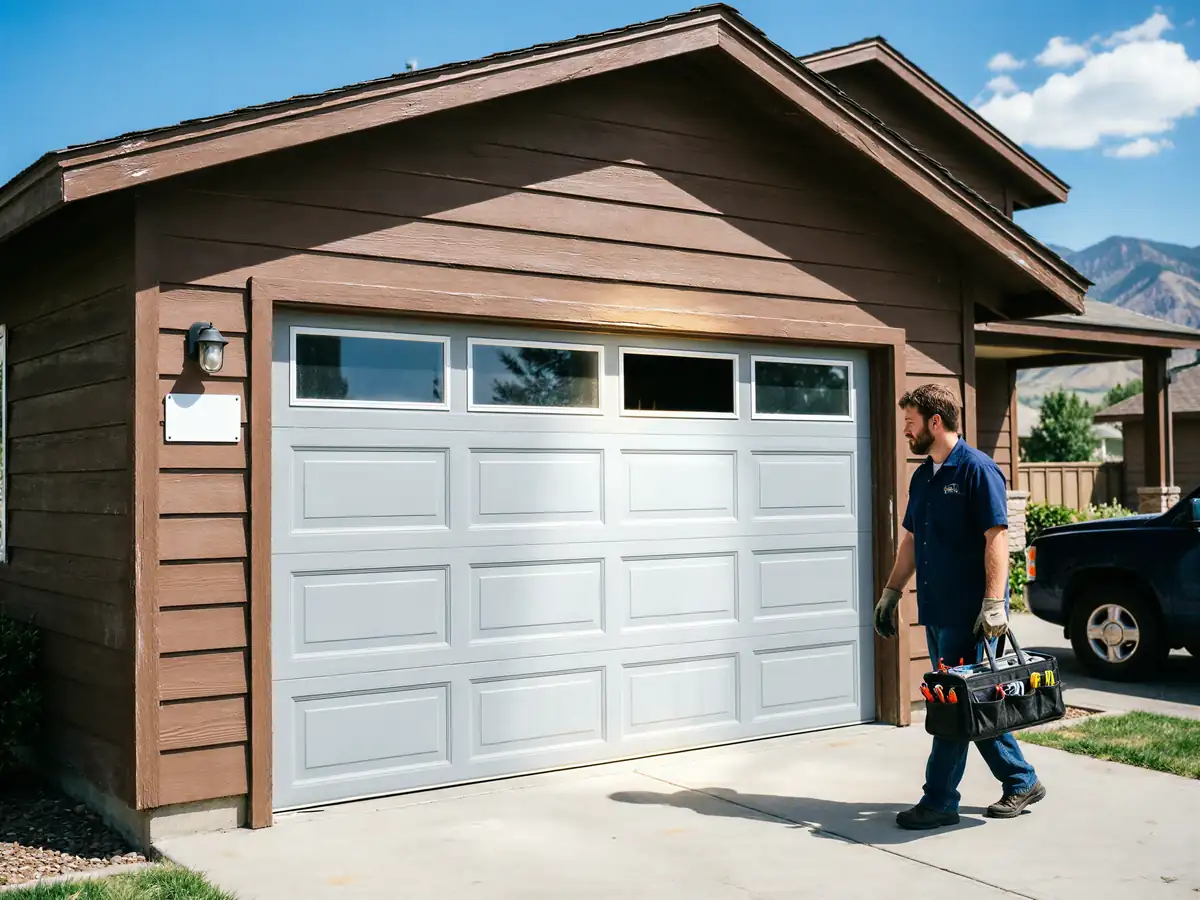
Fruitvale sits about five miles out from our Grand Junction shop, close enough that getting a truck out there isn't the slow part of the job. The slow part, when there is one, is parts.
A straightforward torsion spring swap with roller replacement is usually a same-visit job once we're on site and have confirmed the spring size. A full door or opener replacement takes longer, partly because of install time and partly because we're matching a new door to an opening that was framed to 1980s dimensions, which don't always match what's sold off the shelf today.
We don't give a blanket number for every job because the spread between a spring swap and a full teardown is wide, and guessing a time before we've seen the door does the homeowner no favors.