What the Repair Takes
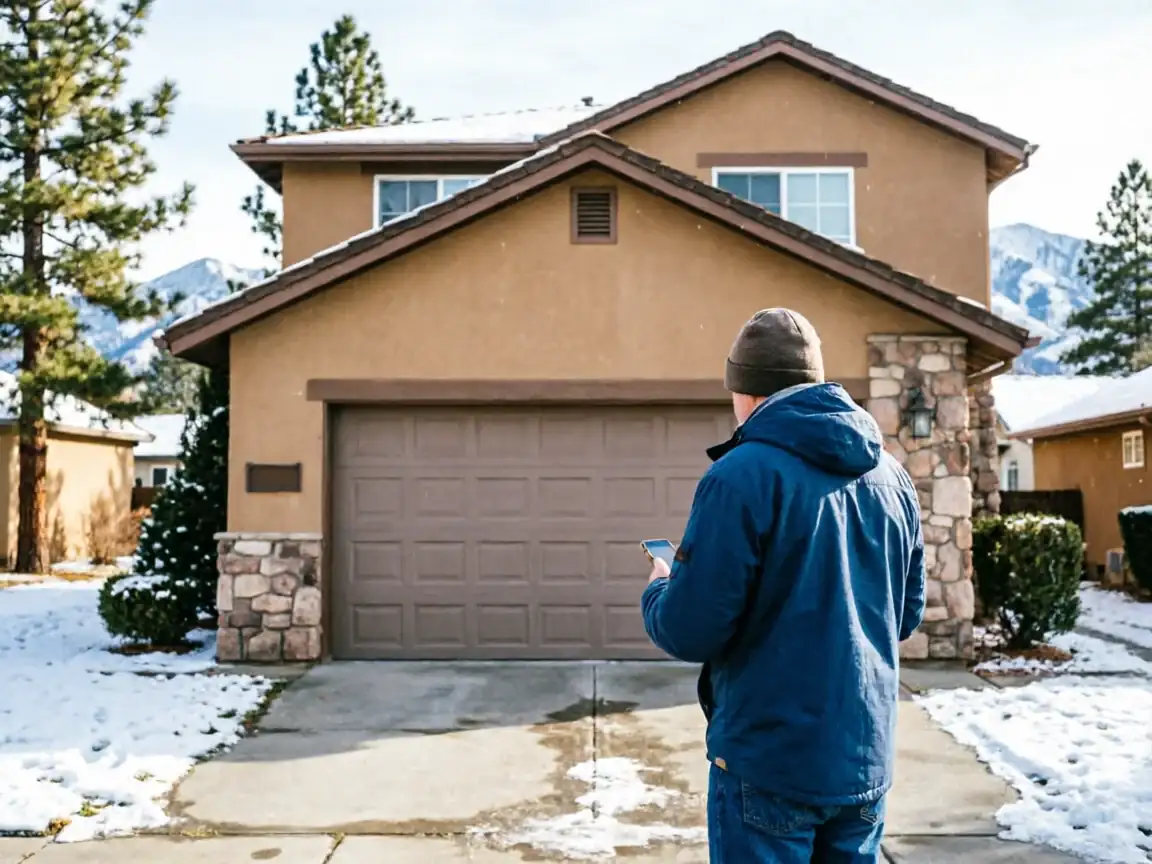
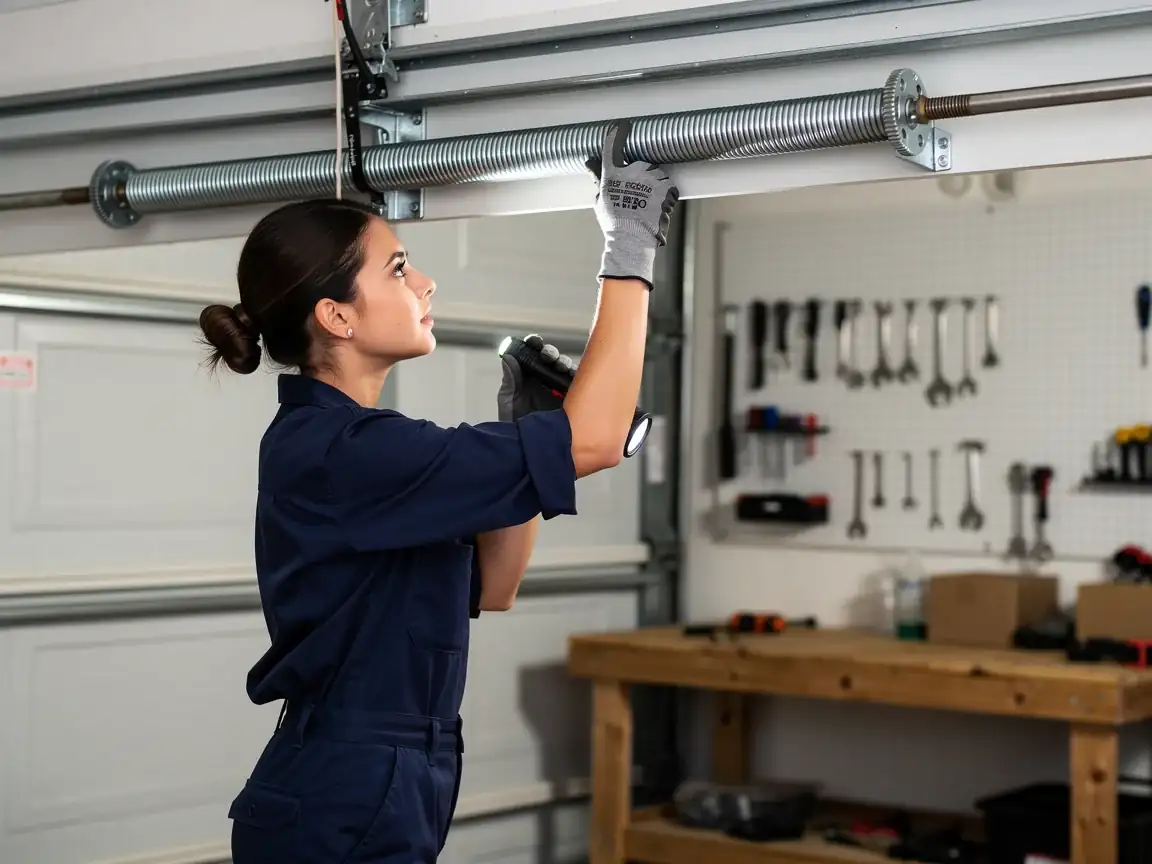
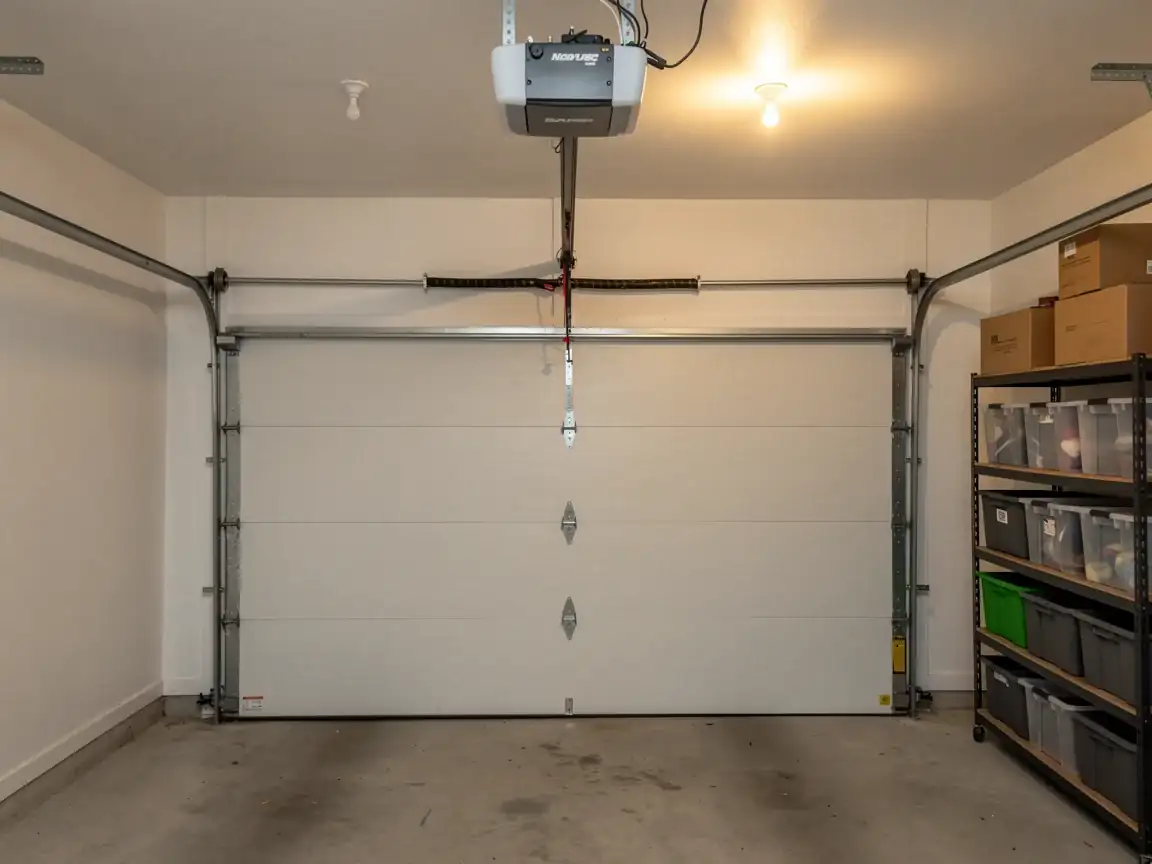
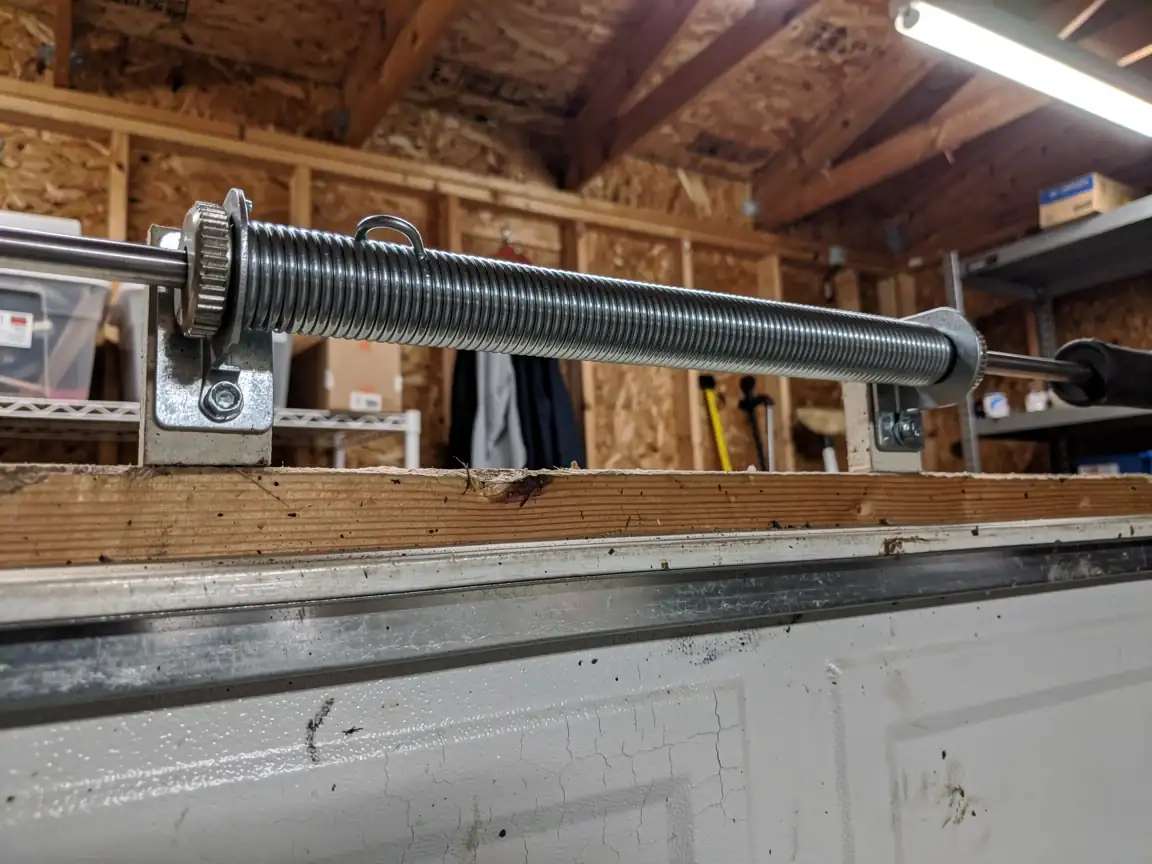
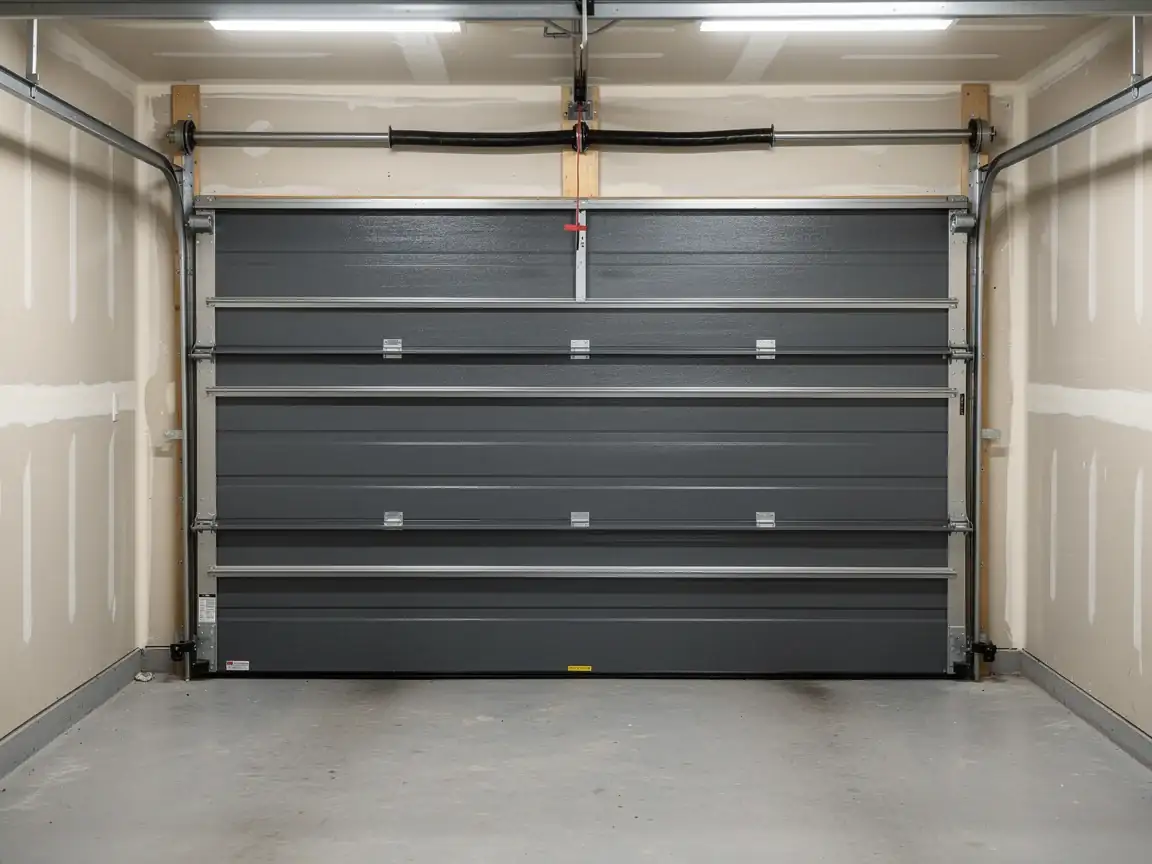
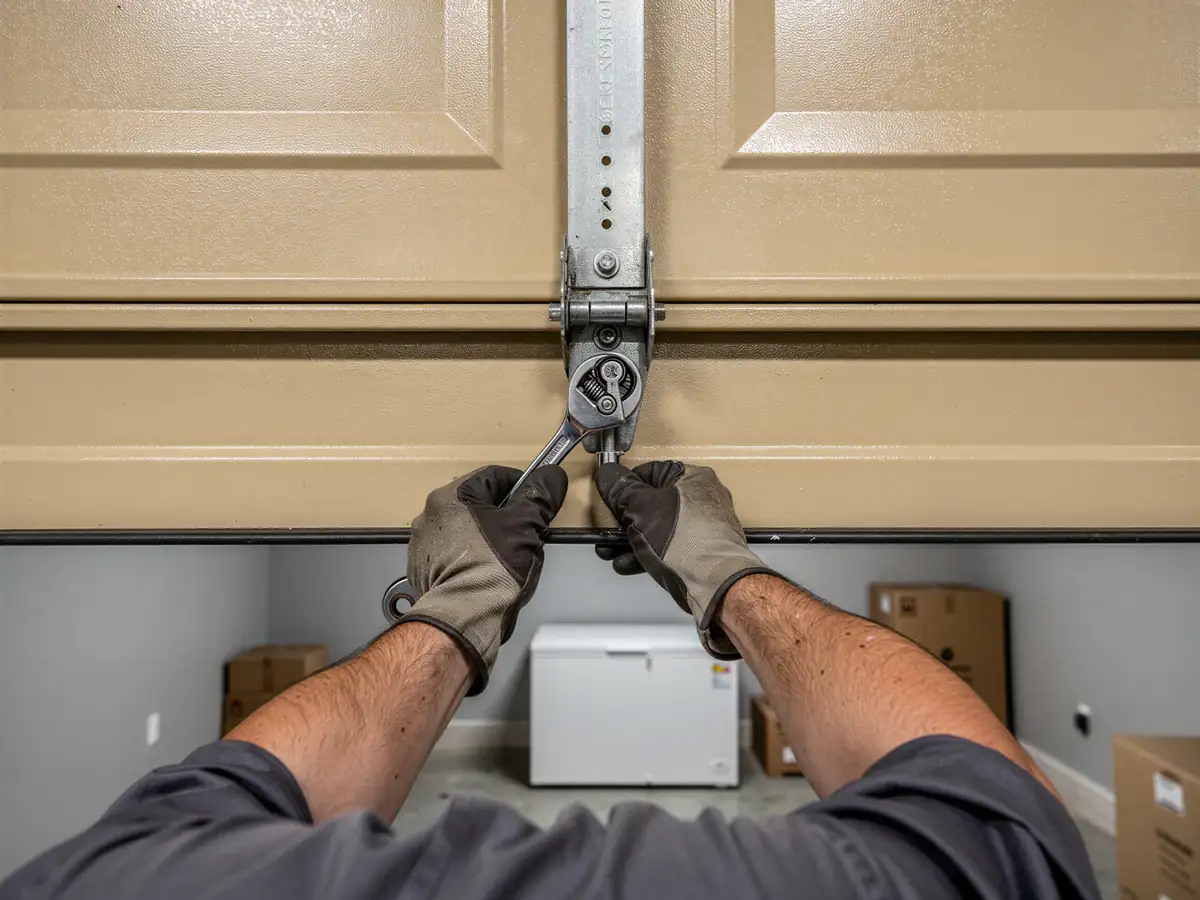
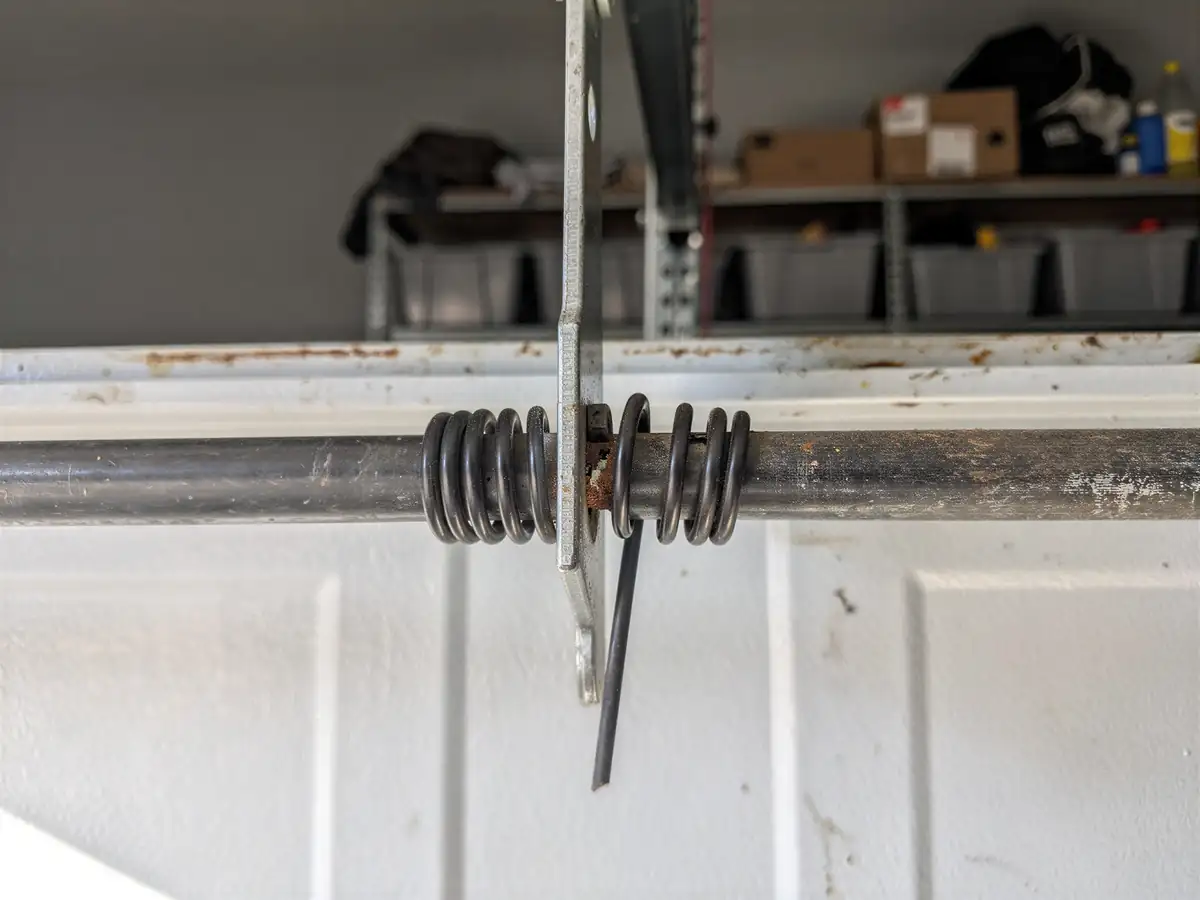
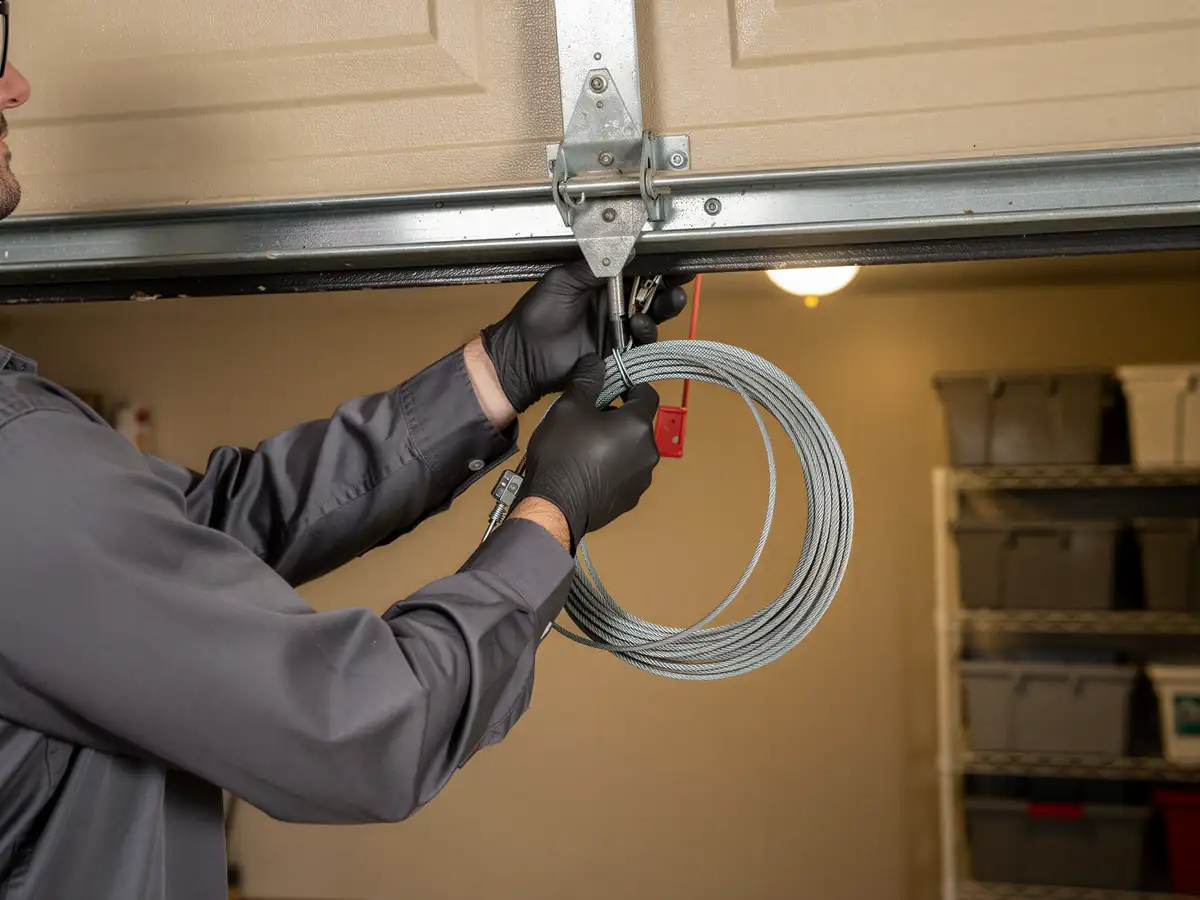
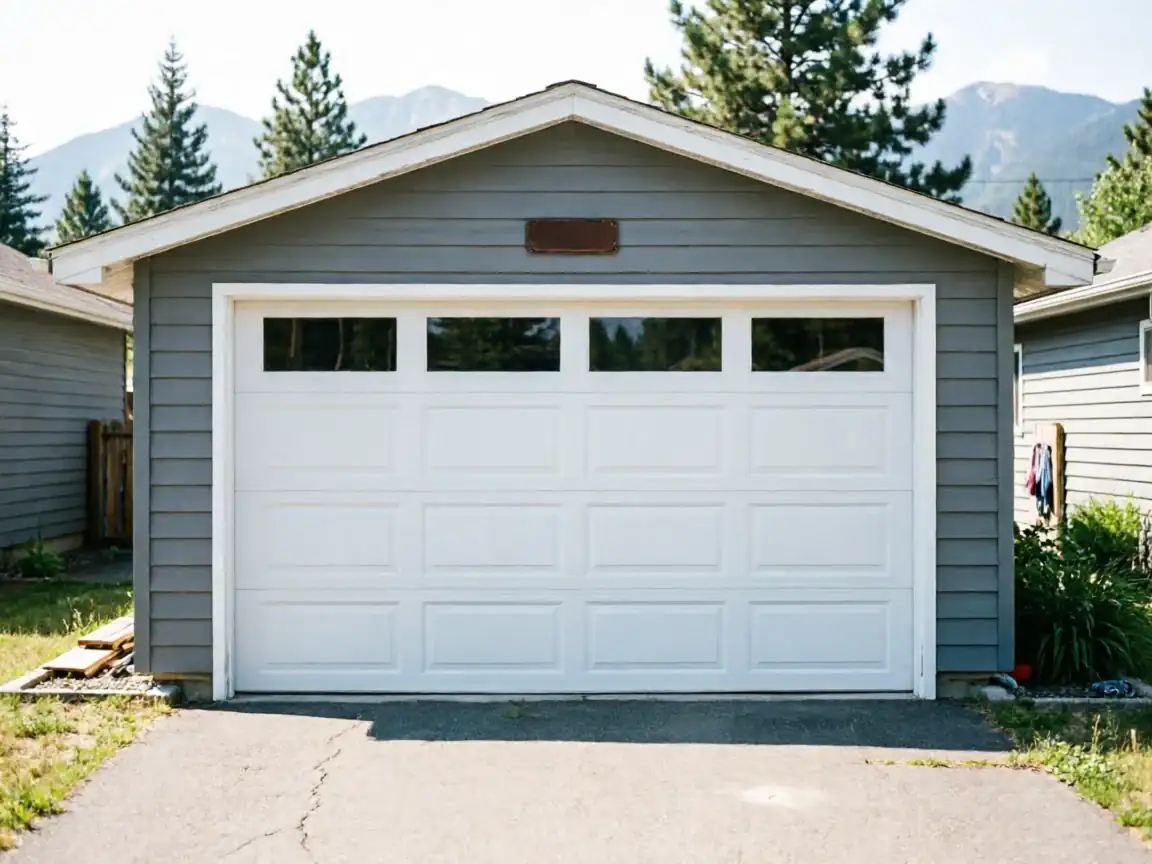
Most houses in Fruitvale went up around 1984, and a lot of what's bolted to the header above that door has never been touched. That's not a guess - it's what the build era tells us. A torsion spring from the early-80s wasn't rated for the cycle counts we ask of openers now, and once it's past its life it doesn't fail gently; the cable goes slack, the door drops crooked, or the spring itself lets go with a bang that brings everyone in the house to the window. The repair itself is usually straightforward once we're on site: match the spring to the door weight, check the drums and cable for wear that matches the spring's age, and look hard at the track alignment, since houses from this period settle enough over forty years to throw a track out of plumb. We carry spring stock sized for doors from this build window because we see it so often out this way. What we won't do is replace a spring and ignore a bent track next to it - that combination just breaks the new spring early.
Why It Happens Here
Fruitvale is a small pocket - about 3,332 households - sitting five miles out from Grand Junction, and it reads almost entirely as one build generation. That matters because it means the common failure here isn't random; it's the same handful of parts hitting the end of their service life around the same calendar years, across the whole area. Winters here fall in the cold-severe band, and a door that's fine in August seizes up or drags once overnight lows settle in, because stiff old grease and a slightly bent track don't show their problems until the metal contracts. We don't get called to Fruitvale for a dozen different eras of hardware - we get called for 1980s torsion setups wearing out together, which is a different job than what we see on a block with houses from five different decades.
Parts We Carry
Because so much of Fruitvale's housing stock lines up around 1984, we keep torsion springs, cable, and steel panel sections sized for that generation of doors on the truck more often than for other eras. That's a practical choice, not a marketing one - it cuts down on a second trip. What we don't stock is every obsolete opener logic board or a part specific to a door brand that stopped making parts years ago; if your opener is original to the house, there's a real chance the exact replacement board is gone and we'll talk through swapping the opener instead of chasing a part that doesn't exist anymore. That's the honest limit here: some original equipment from 1984 just isn't serviceable the way a 2015 unit is.
Time on the Job
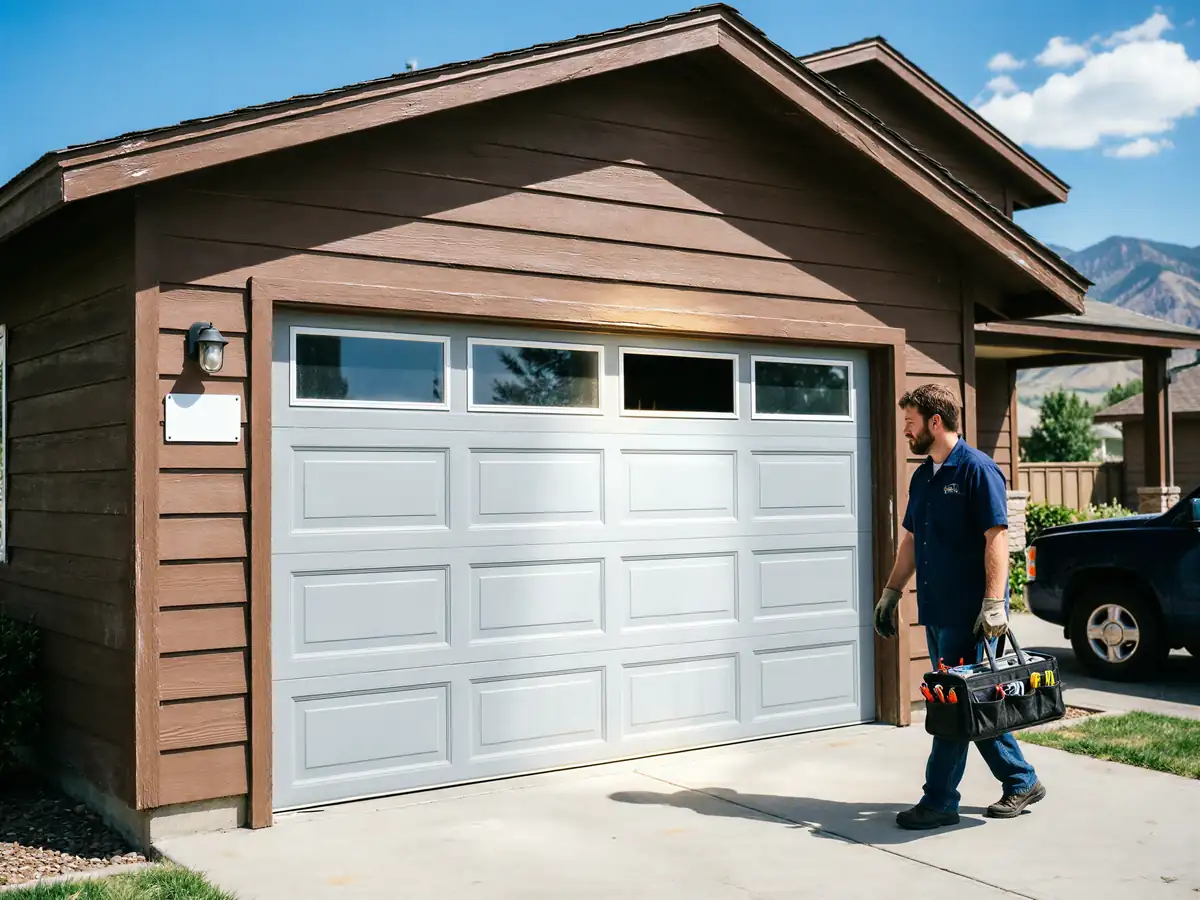
We come out to Fruitvale from Grand Junction, about five miles each way, so the job itself - not the drive - is where the time goes. A spring swap on a standard double door usually runs under two hours once we've confirmed the right spring size for the door weight. Track realignment adds time if the settling has pulled hardware out of square, which we see more in this area than in newer construction nearby. We don't rush a diagnosis just to get back on the road; a door that's original to a 1984 build often has two or three things wearing out at once, and fixing only the loud one means we're back out here in a few months for the next.