Where This Job Goes Sideways
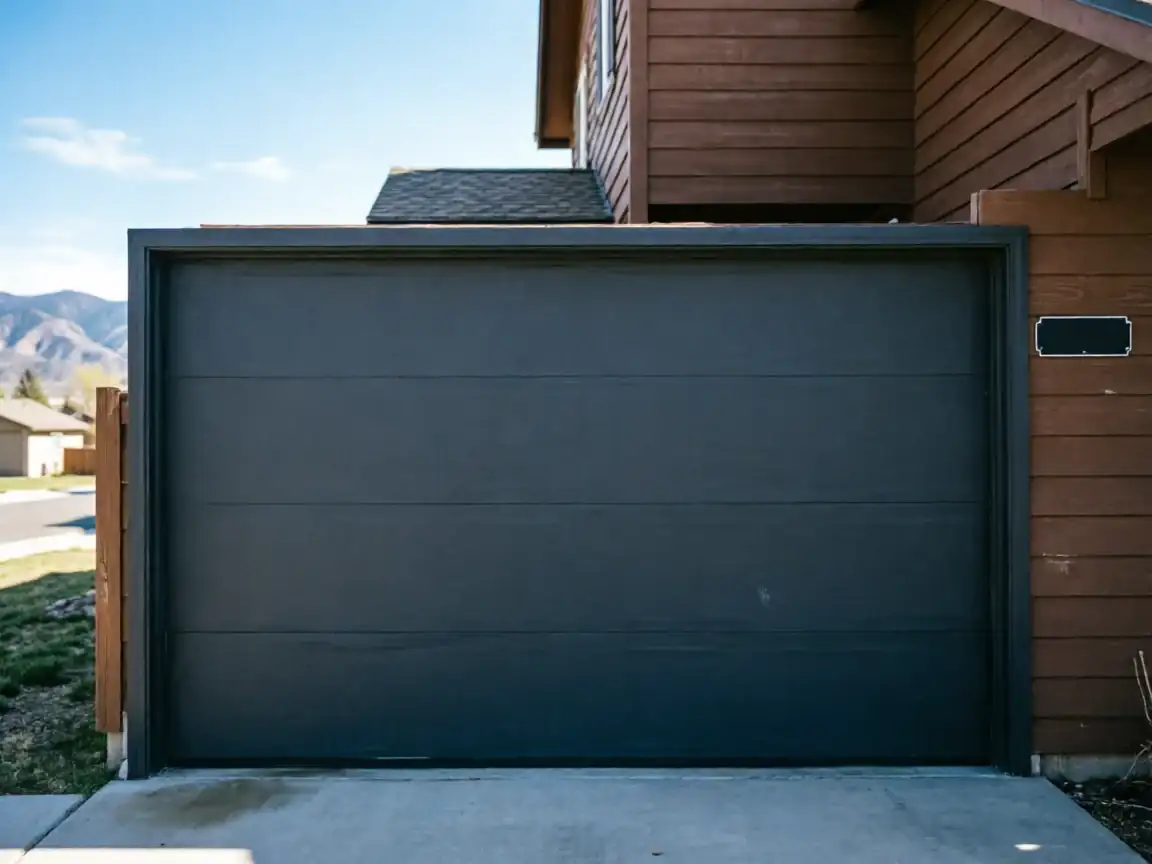
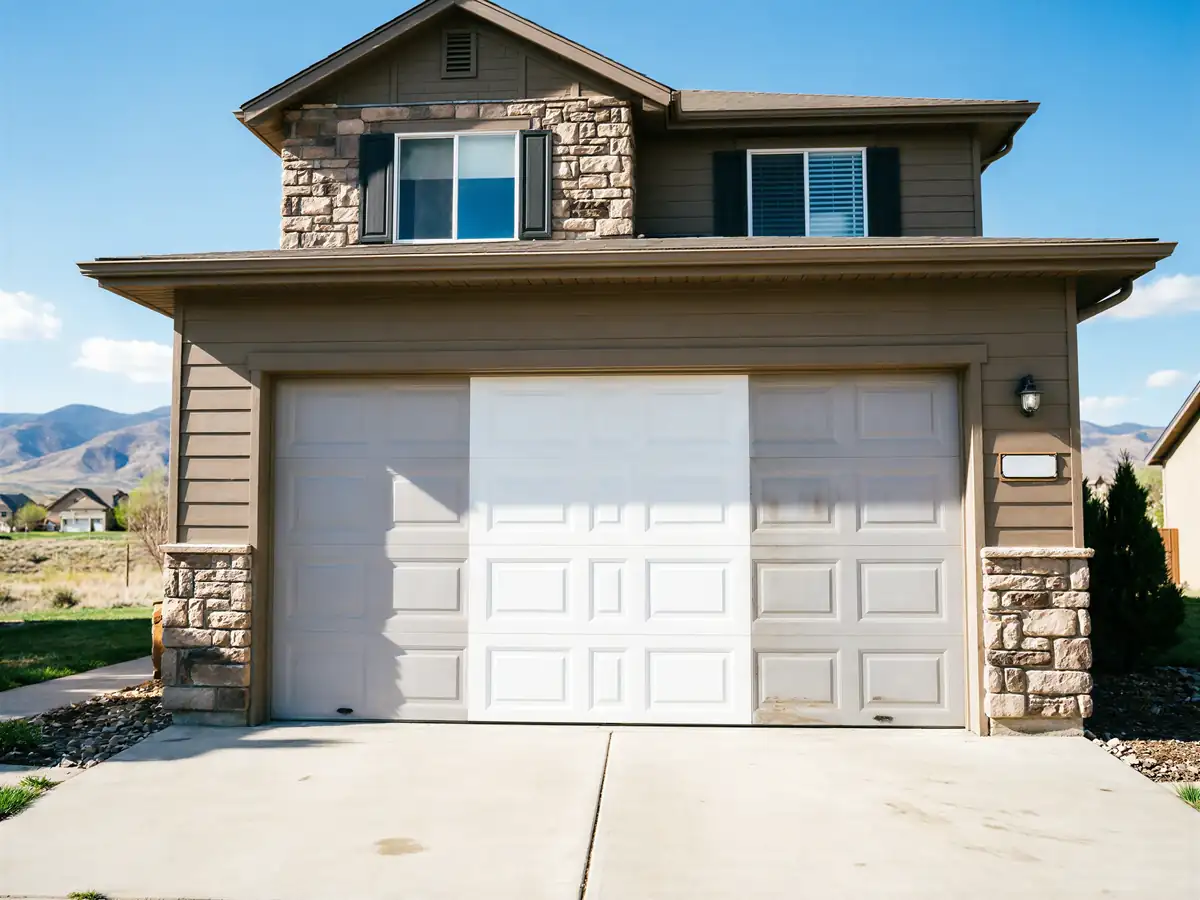
The fault we see most in Clifton isn't a door that won't open - it's a dented or caved-in panel on a door that's otherwise fine, and a homeowner who assumes you just order the matching piece and swap it in. That works on a door bought in the last ten years. It doesn't always work on a door from this neighborhood.
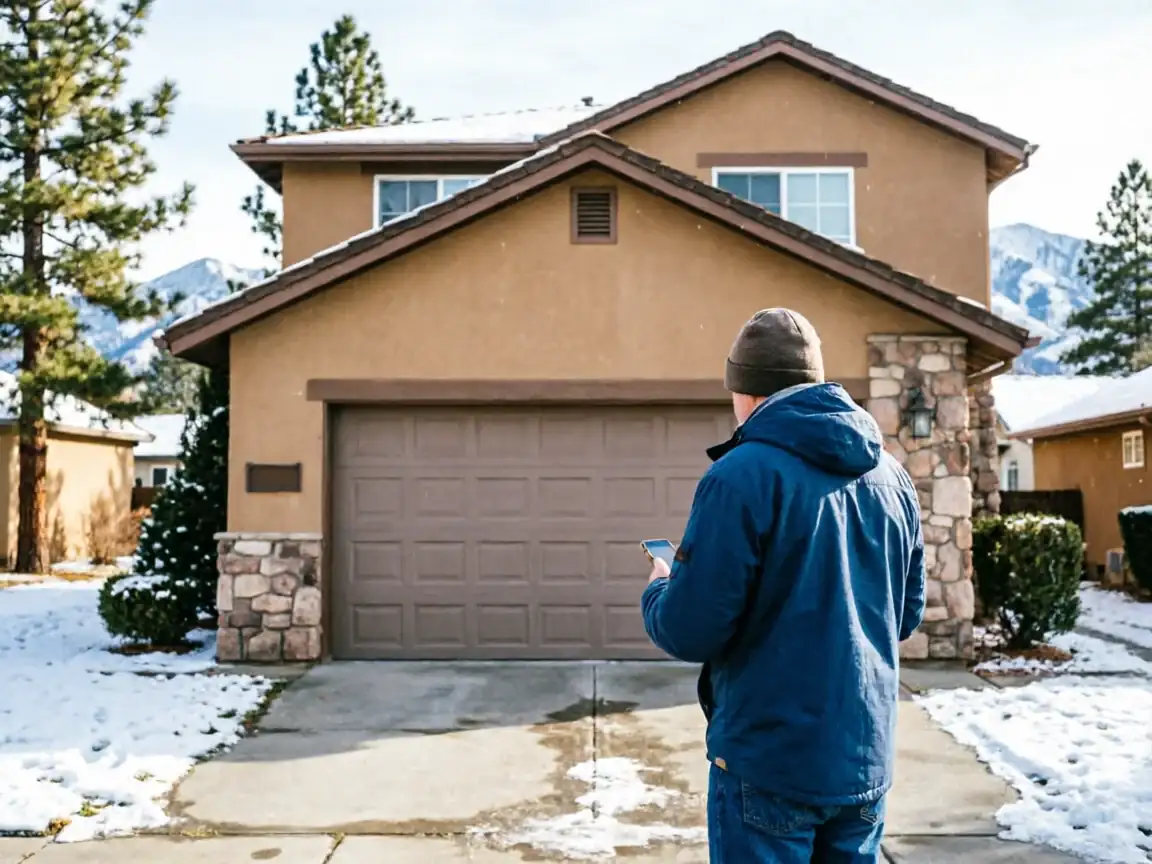
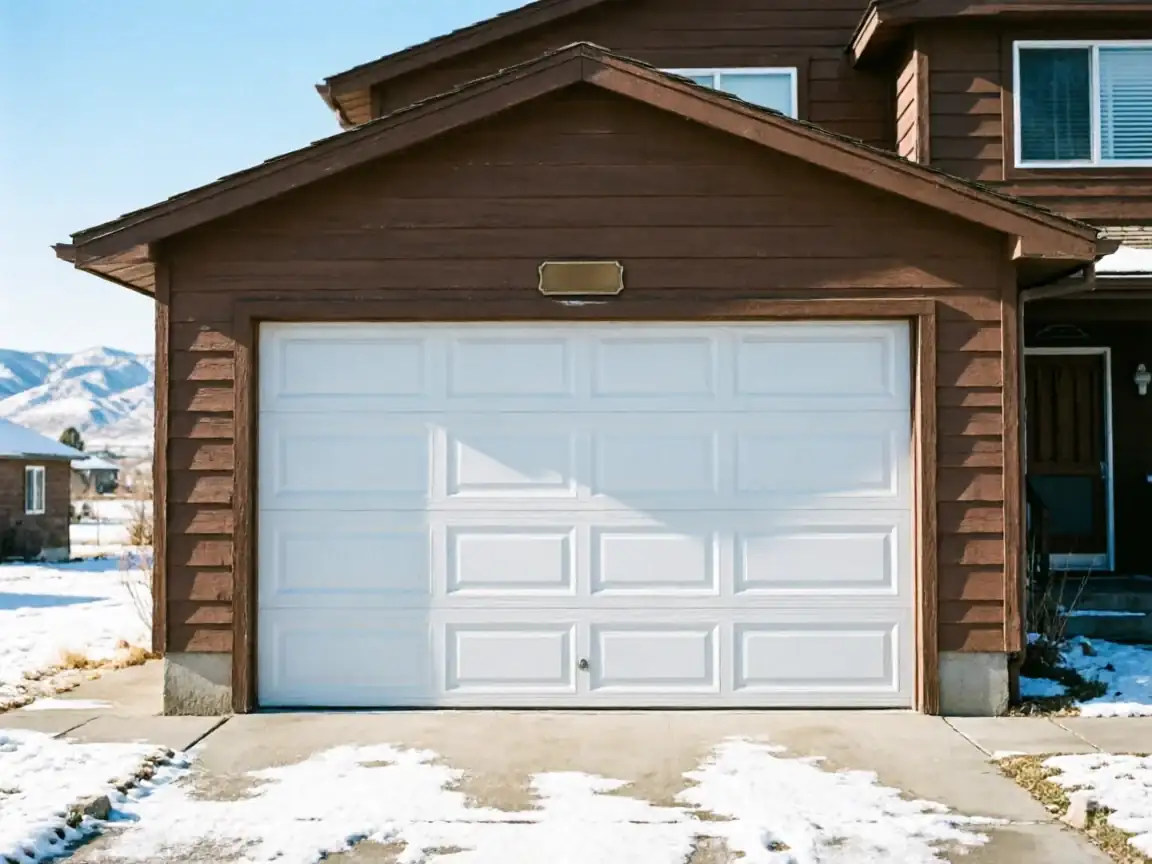
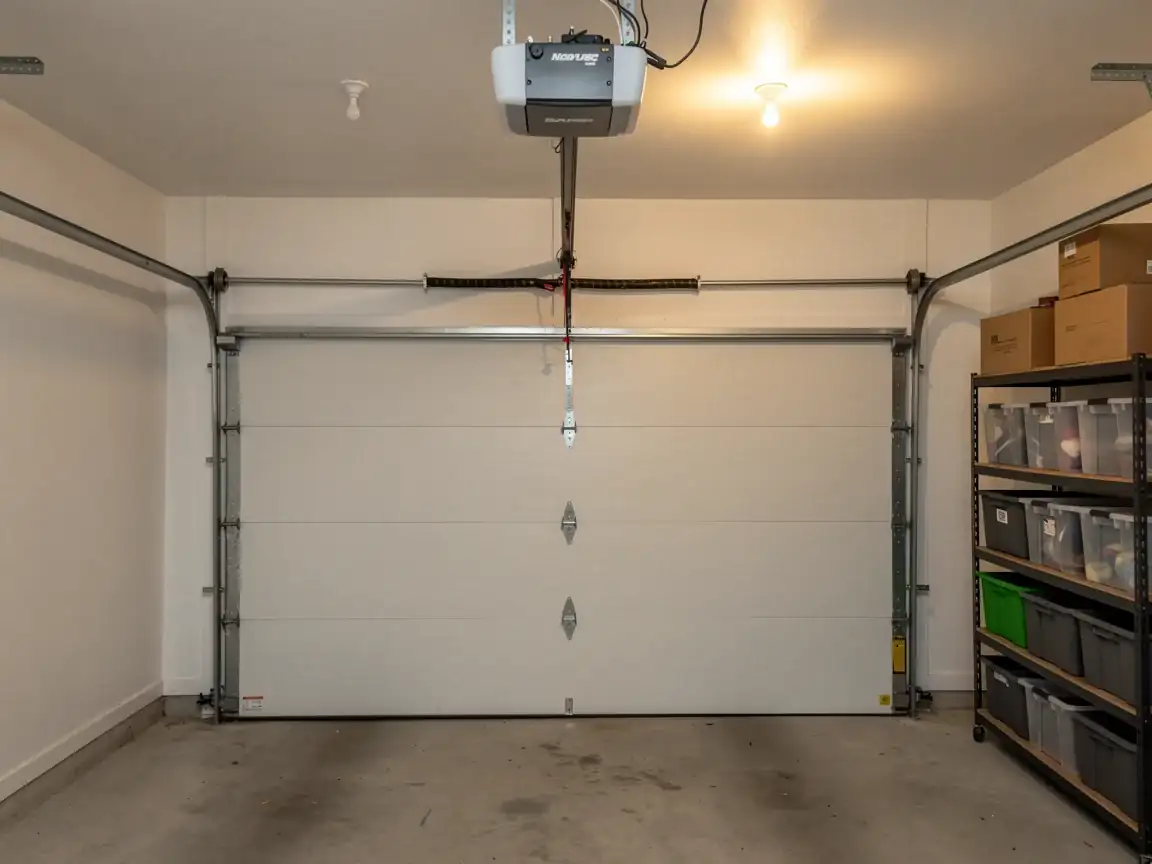
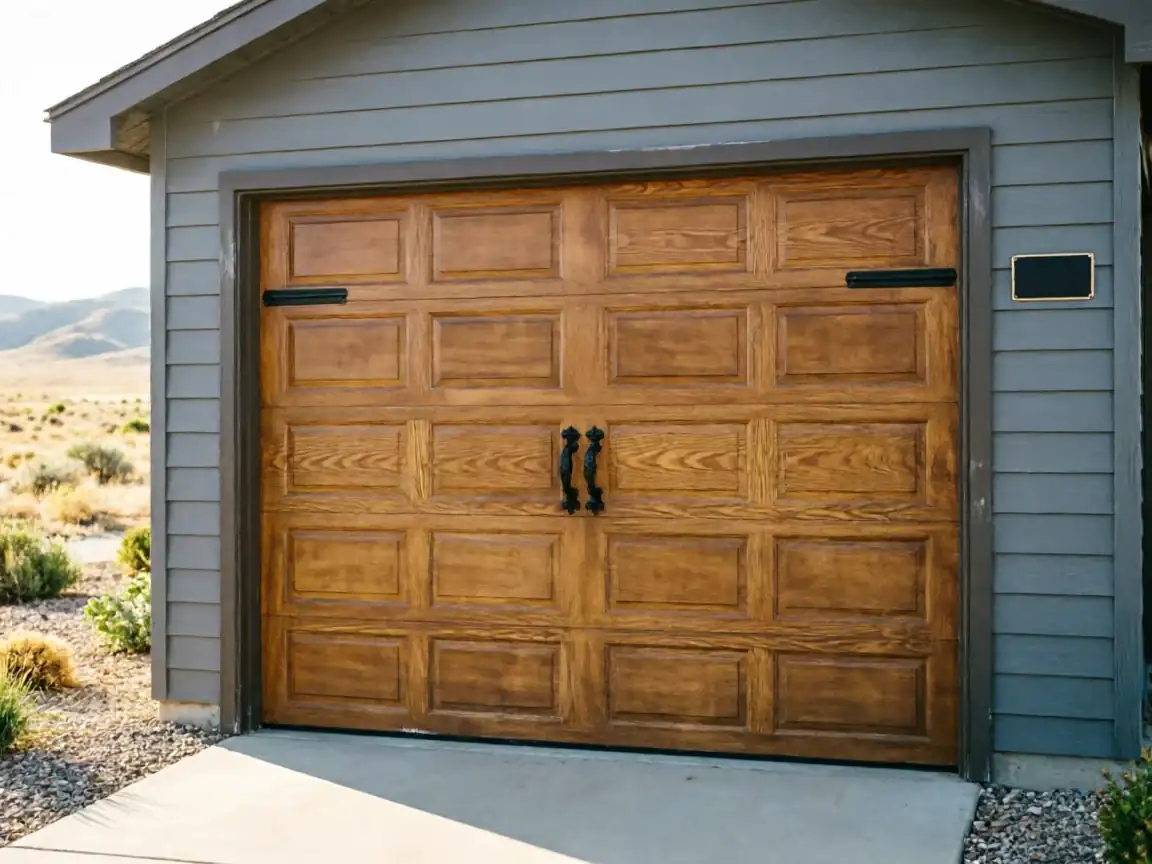
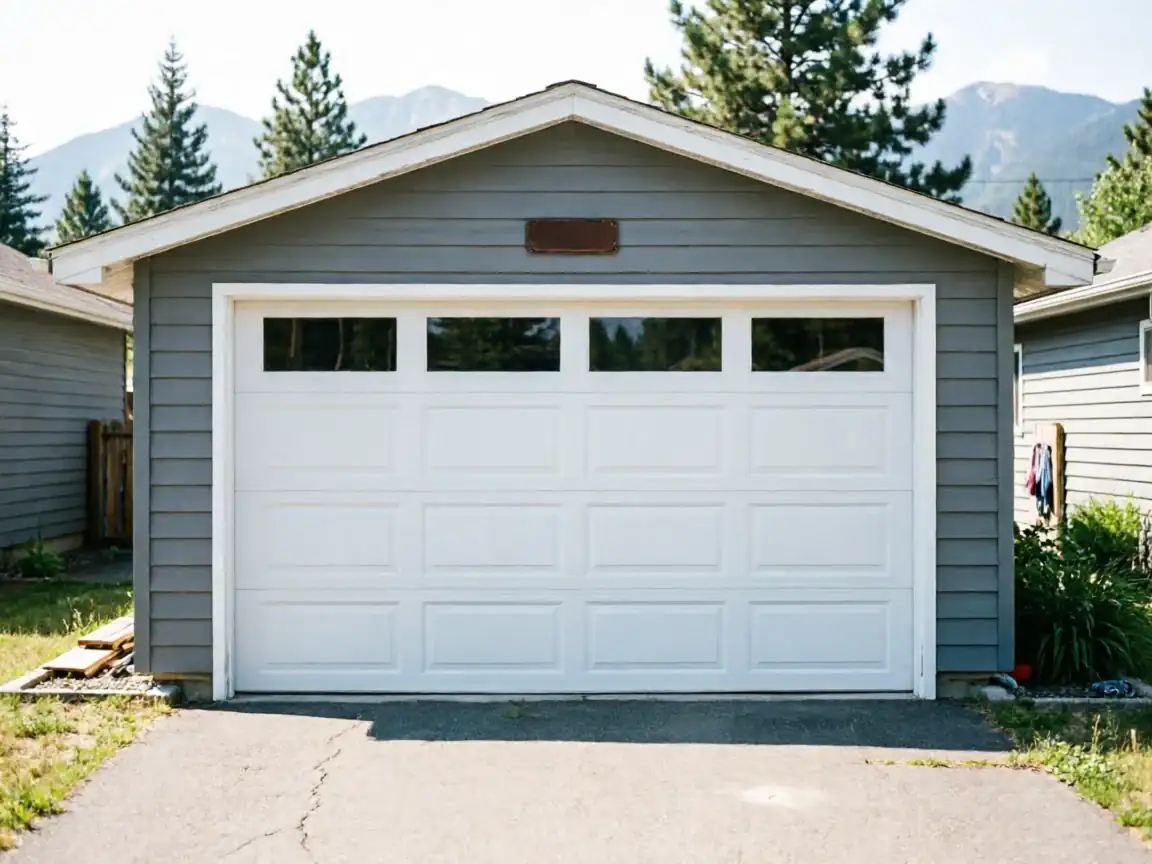
Most houses in Clifton went up around 1987, right in the middle of the area's 1977-1998 building run. Doors from that stretch were steel, raised-panel, often sold in profiles and widths that got discontinued or changed dimensions more than once since. A single cracked or bowed panel on one of these doors can mean the whole run is no longer made to spec, and a "quick panel swap" turns into a conversation about whether the rest of the door will even hold a new section without binding on the track. We'll tell you straight if that's what we're looking at before we start pulling screws.
Why It Happens Here
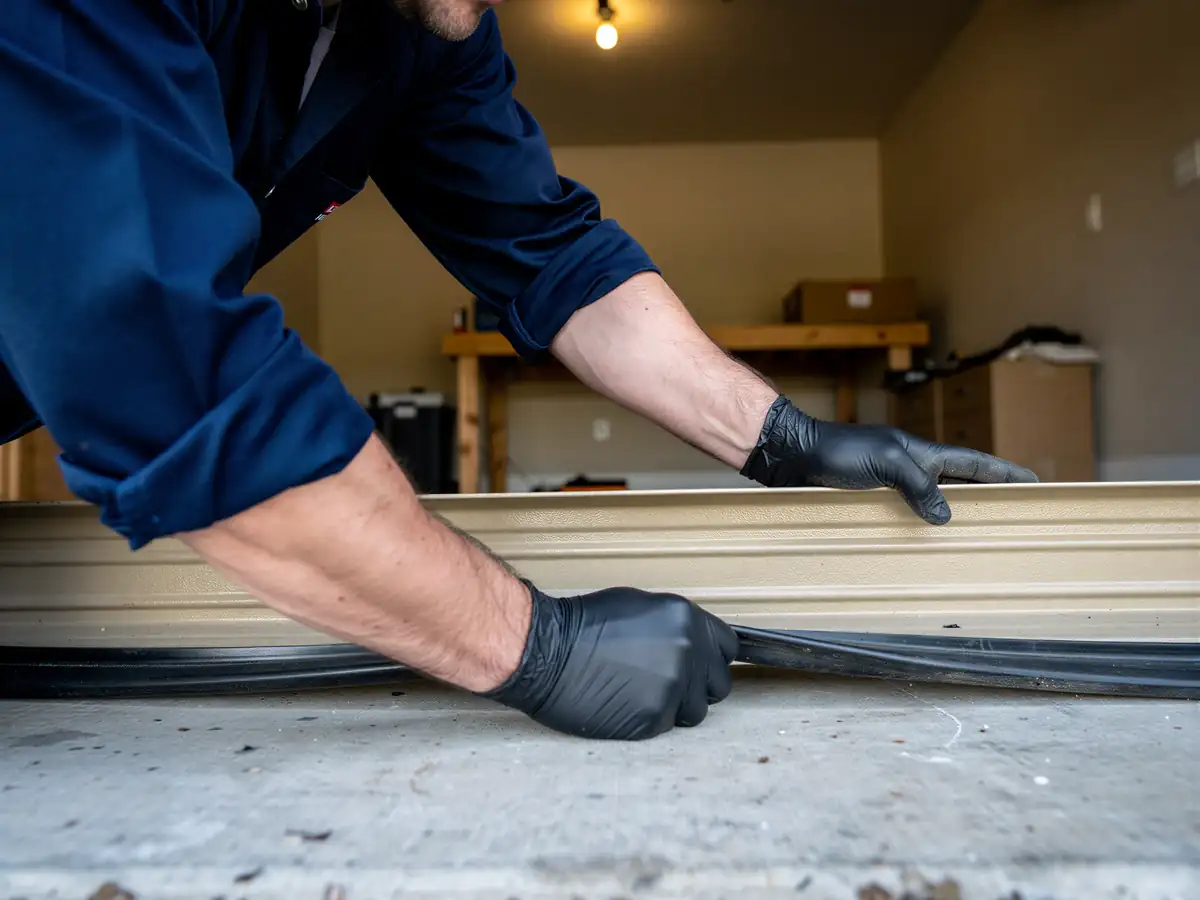
Two things stack up against panels on a house built in the late 1980s. First, the age of the steel itself - thirty-plus years of expansion and contraction at the seams, especially where a panel meets the bottom weatherstrip or the hinge bracket, is where rust and metal fatigue start first. Second, the climate band this region falls into is classed as severe cold, and that matters for panels specifically: foam-core sections from this era weren't always sealed the way current doors are, so moisture gets behind the steel skin, freezes, and pushes the panel face out or splits the seam along a hinge line.
Add an impact - a bumper, a basketball, a ladder knocked sideways - and a panel that was already thinning at the seam gives out where a newer, better-sealed door would've just dented and held. That's the pattern we're looking for before we quote anything: is this one bad hit on sound steel, or old steel that was already losing the fight to the cold.
The DIY Question
If you can find the exact panel
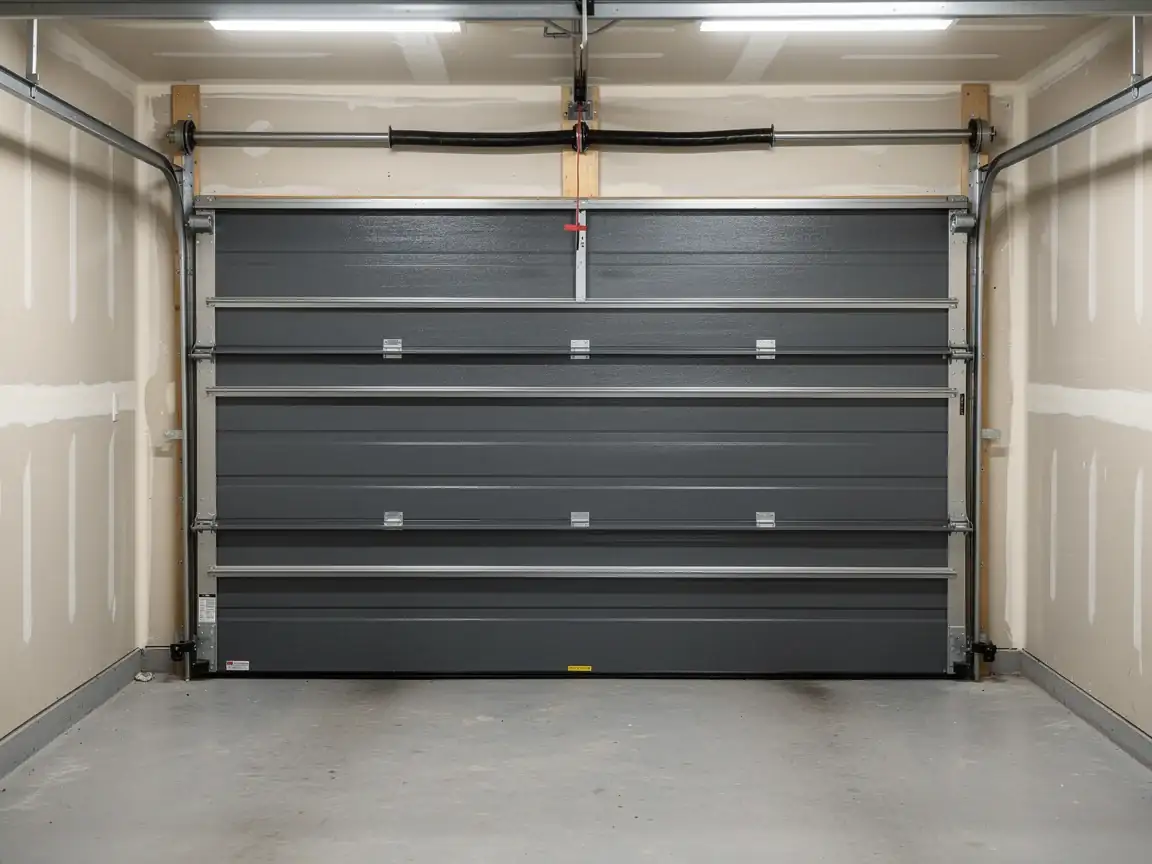
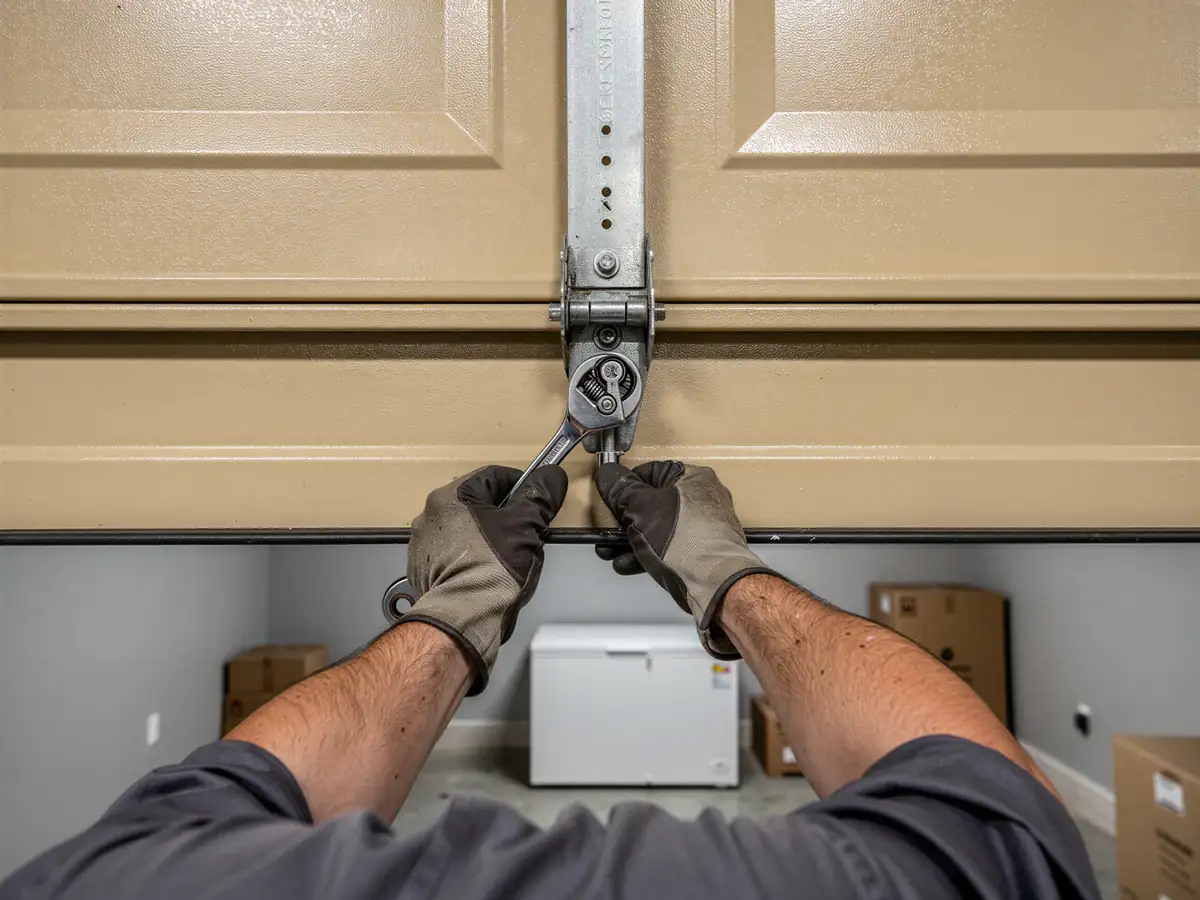
Same manufacturer, same profile, same width - a single-panel swap on a sectional door is a reasonable DIY job for someone comfortable with a drill and a level. The part most people get wrong is matching paint and panel height close enough that the door doesn't look patched, and getting the hinge spacing right so the new panel doesn't bind against the track.
Where we tell people to stop and call
If the door is from the 1980s-90s run common in this area and the panel profile is no longer made, or if more than one panel on the same door has started to go. At that point you're not replacing a piece, you're deciding whether to keep feeding parts into a door that's aging out, and that's a judgment call worth having someone look at in person rather than guess from a parts catalog online.
Time on the Job
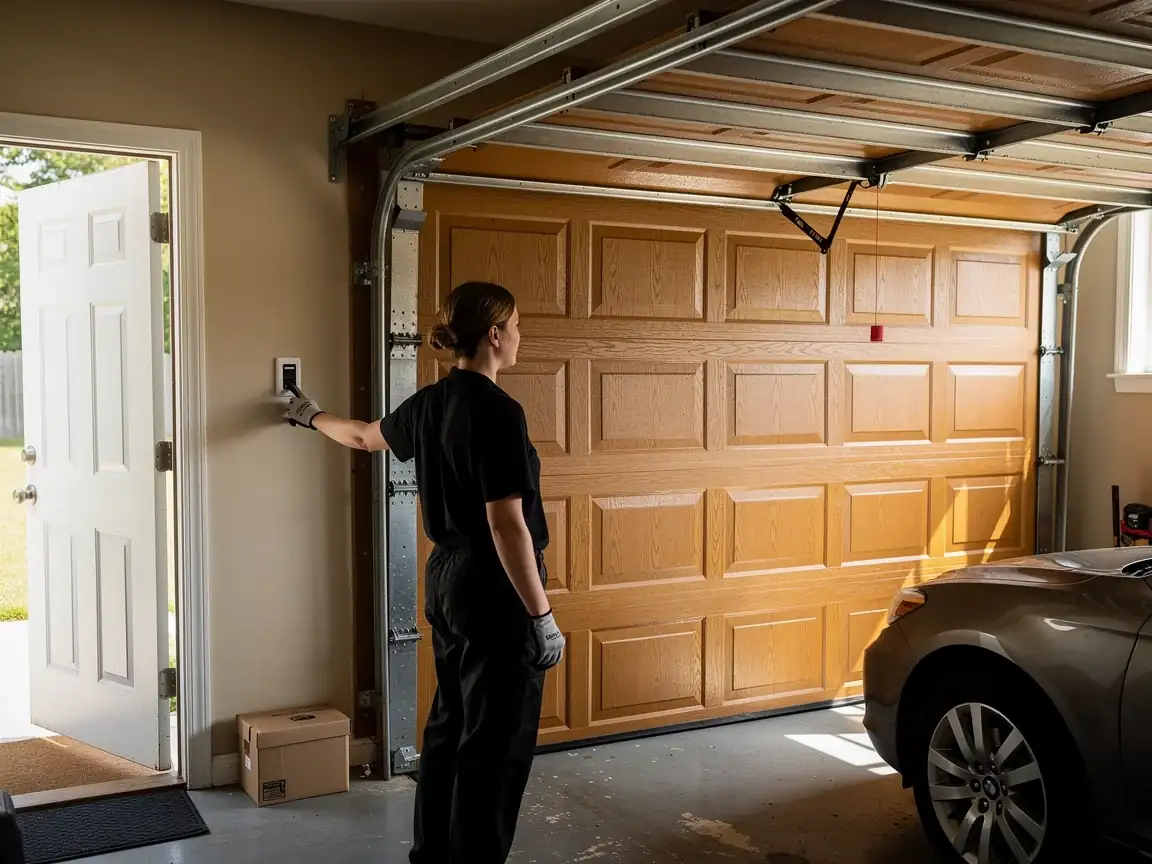
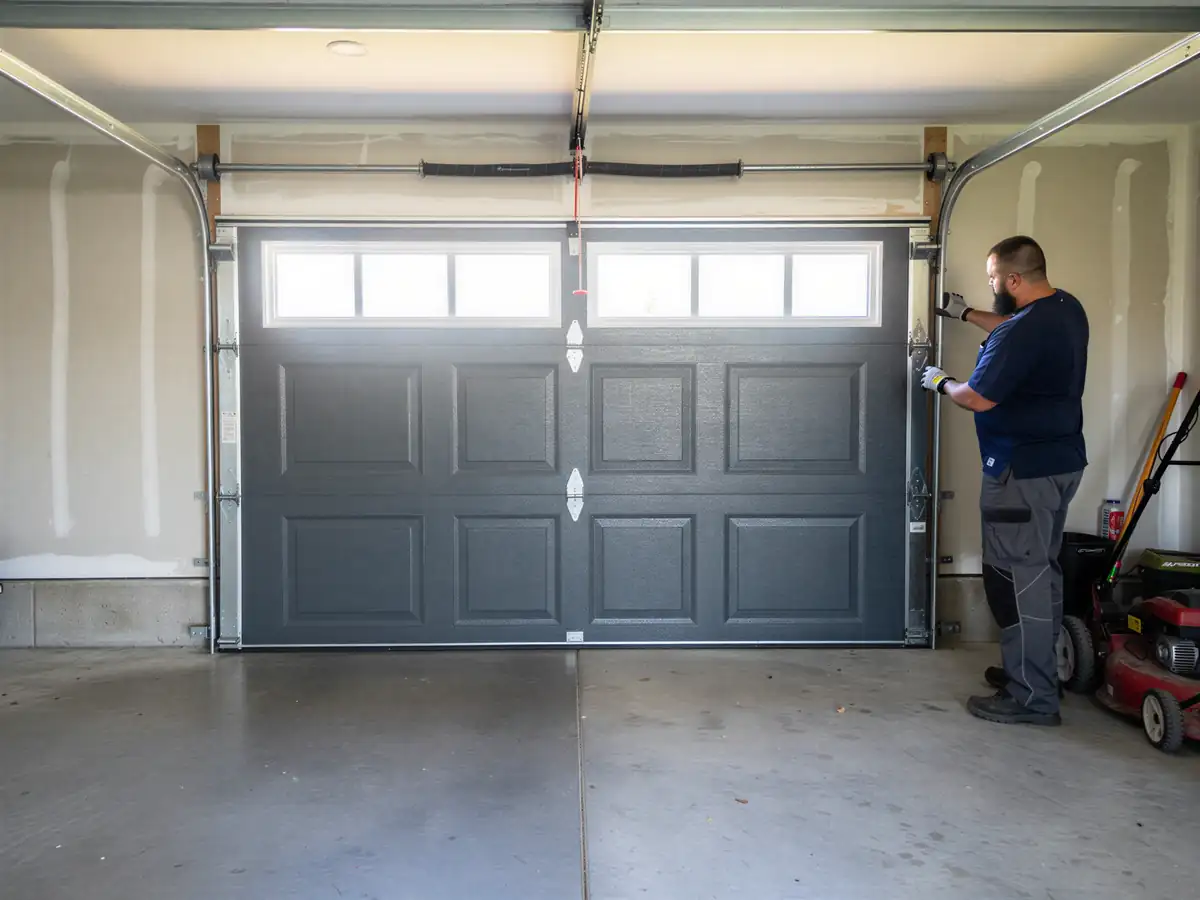
A straightforward single-panel swap, where the part is in stock and matches, is a same-visit job - most of the time goes into removing the damaged section cleanly without warping the panels next to it, not into the install itself.
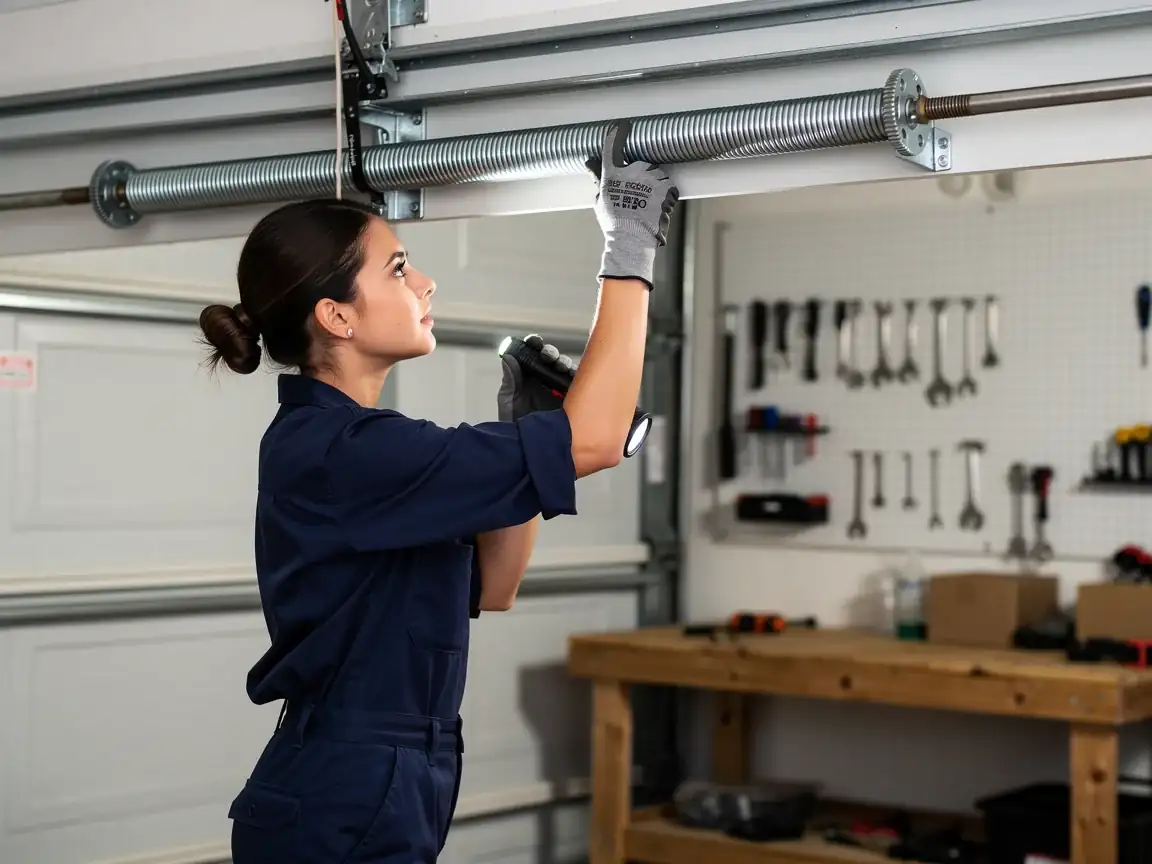
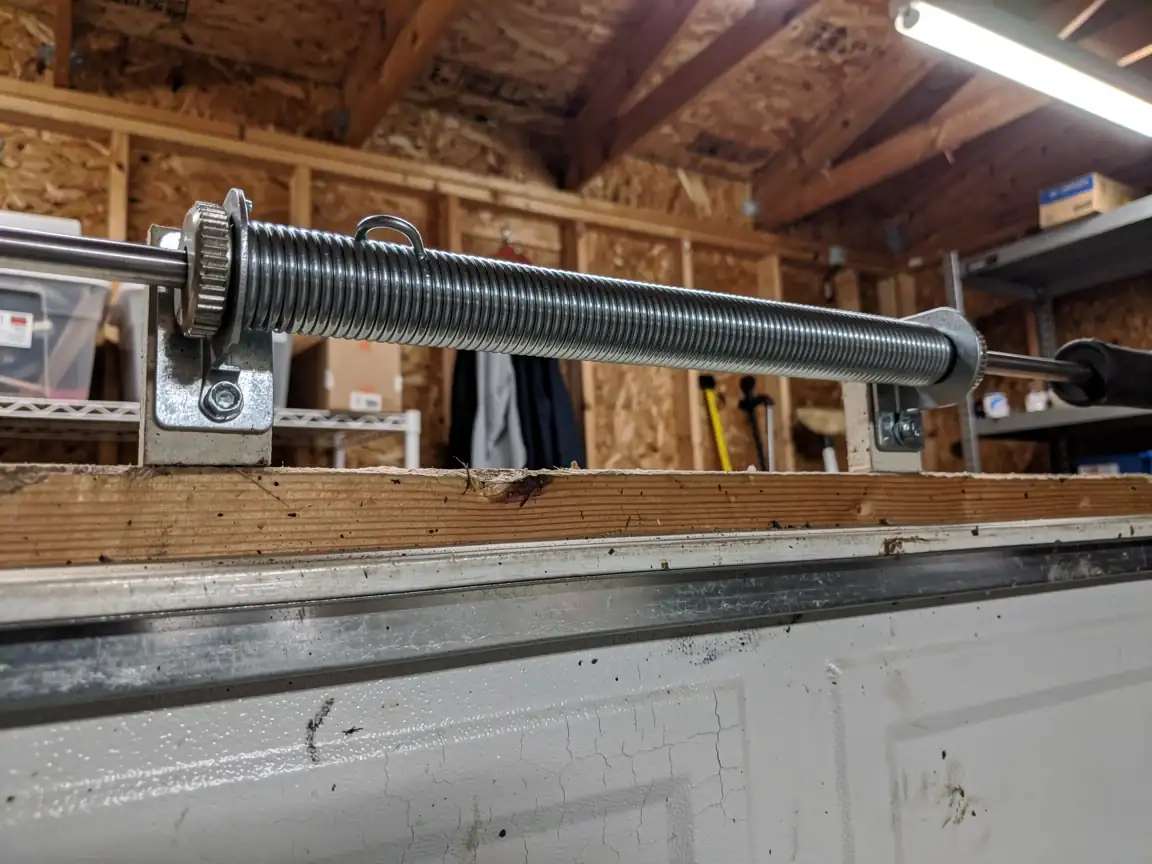
What stretches the timeline here is sourcing. On a door built to late-1980s specs, finding a matching panel sometimes means a special order rather than a shelf pull, and that's a lead-time issue on the manufacturer's end, not something we can rush from this side. We'll tell you up front if your door falls into that category so you're not waiting on a guess. If the hardware around the panel - hinges, rollers, the end stile - has also rusted through, that adds time too, since it's not just the panel but what's holding it that needs attention.
What You Pay
We're not going to put a number here that doesn't hold up once we've actually seen the door, so we won't guess at one. What we can tell you is what drives the cost up or down: whether it's one panel or several, whether the part is a stock match or a special order, and whether the surrounding hardware needs replacing along with the panel.
One honest factor worth naming for this area: household income here runs lower than the wider Grand Junction service area, and that's part of why we always walk through repair-versus-replace honestly rather than defaulting to a full door quote. If a single panel swap gets you several more years out of a door that's otherwise sound, that's usually the better call than replacing the whole thing.