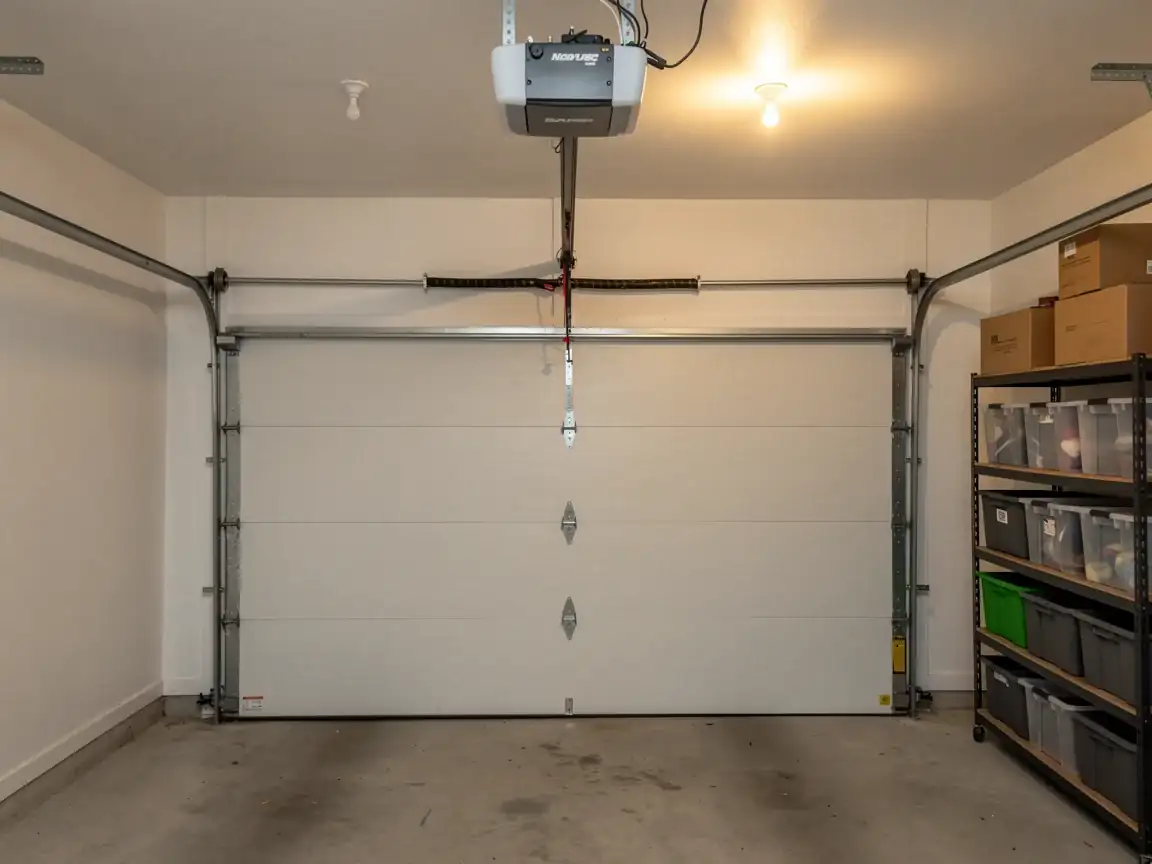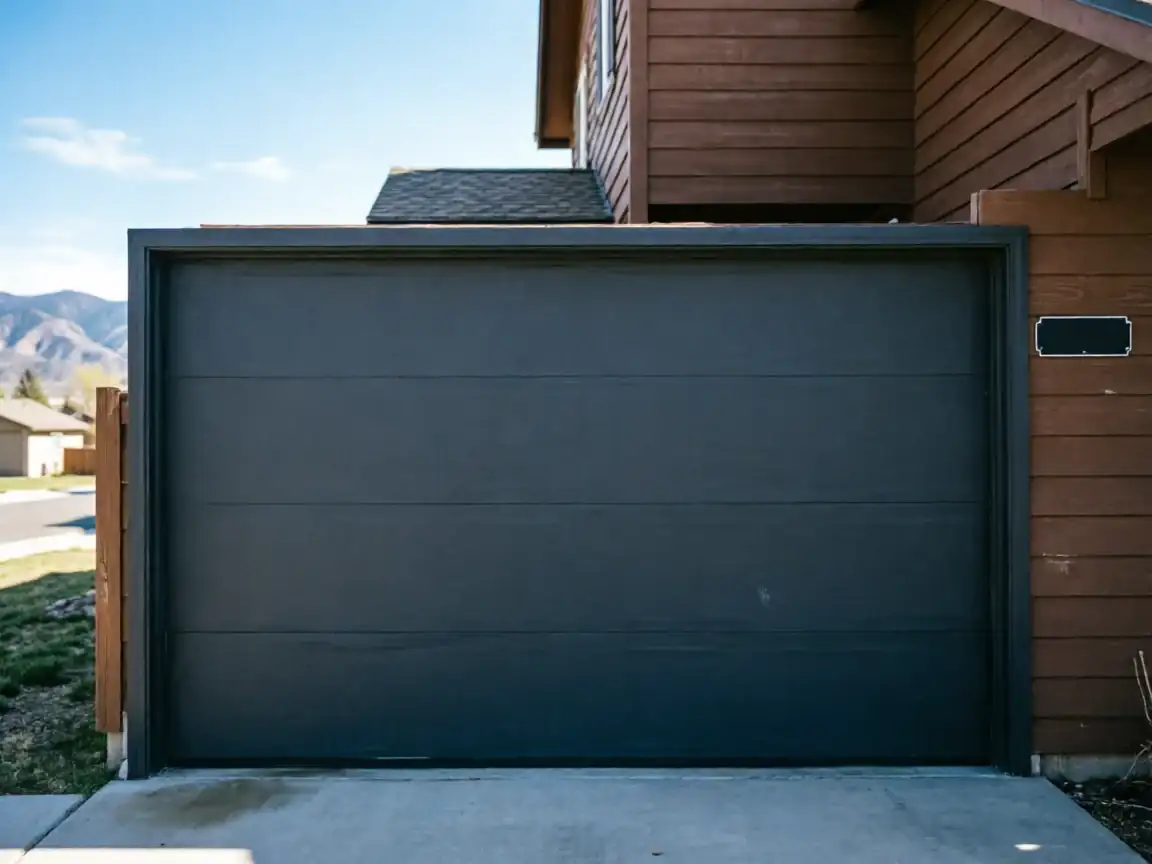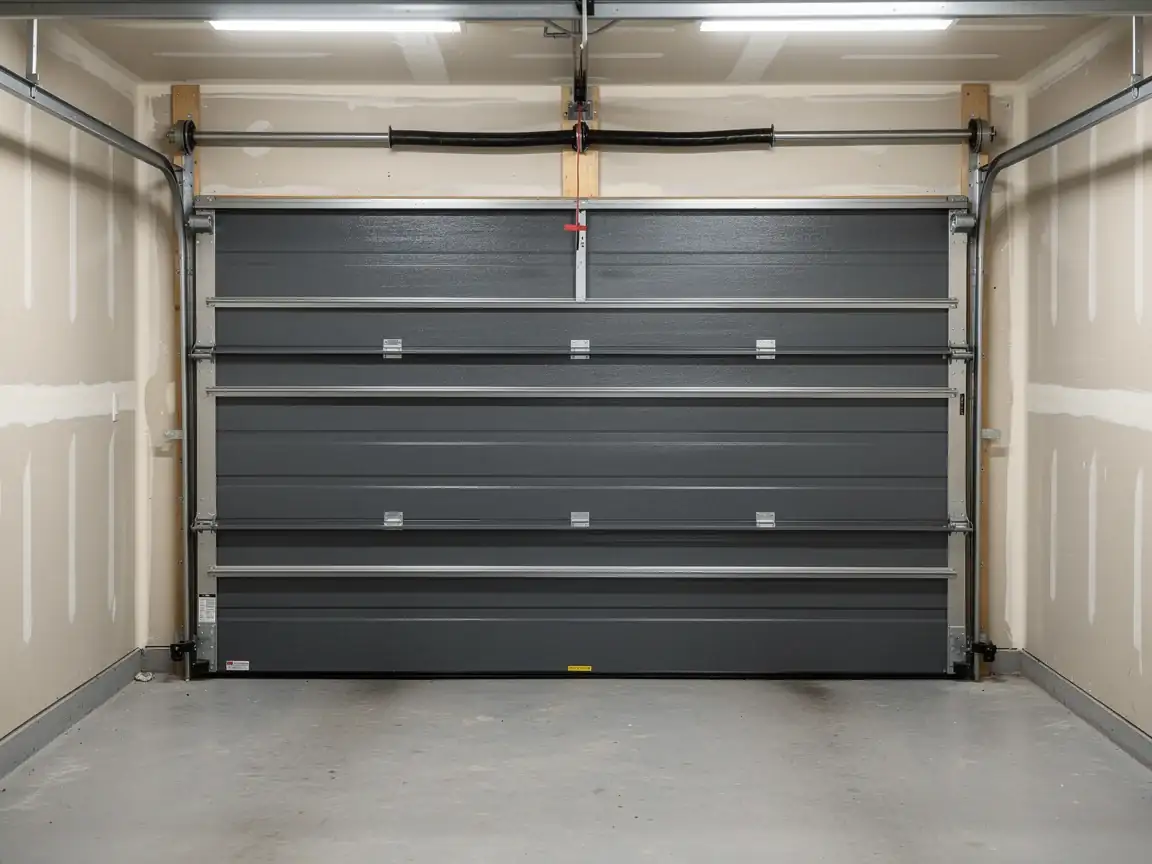
Where This Job Goes Sideways
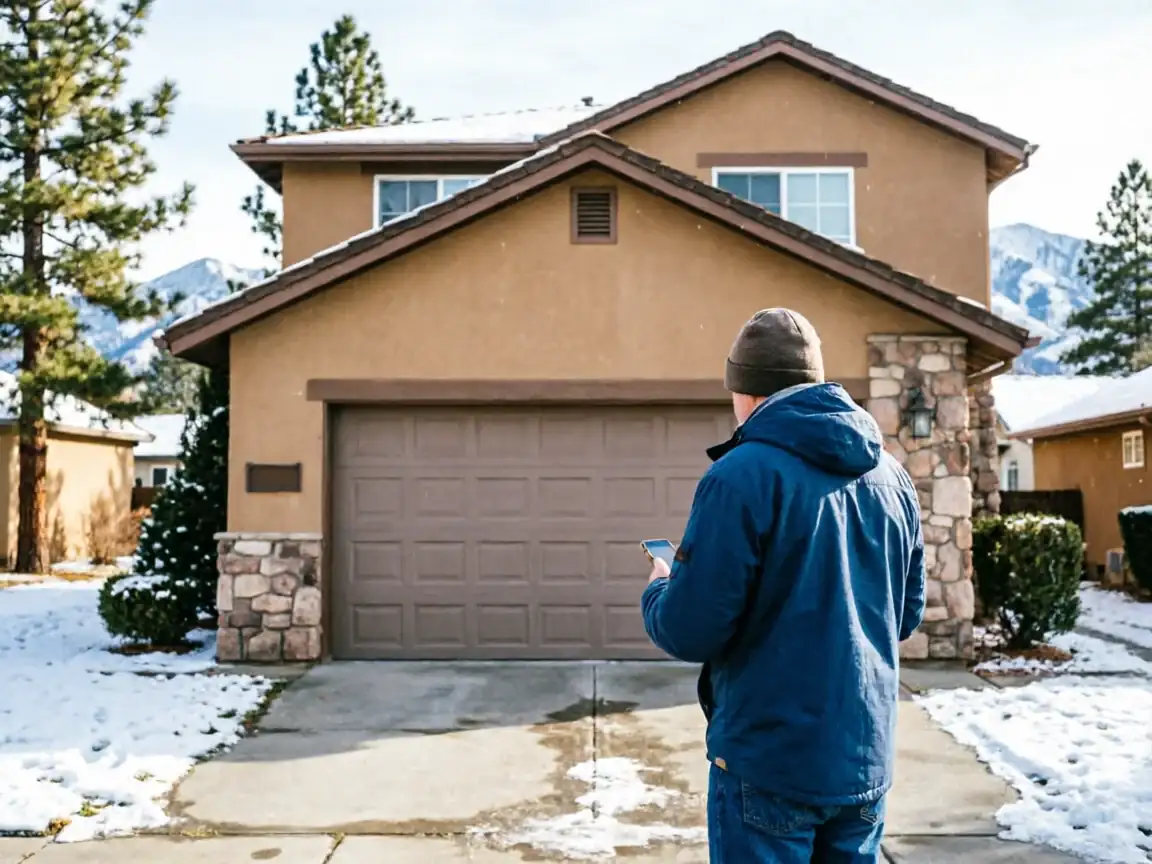
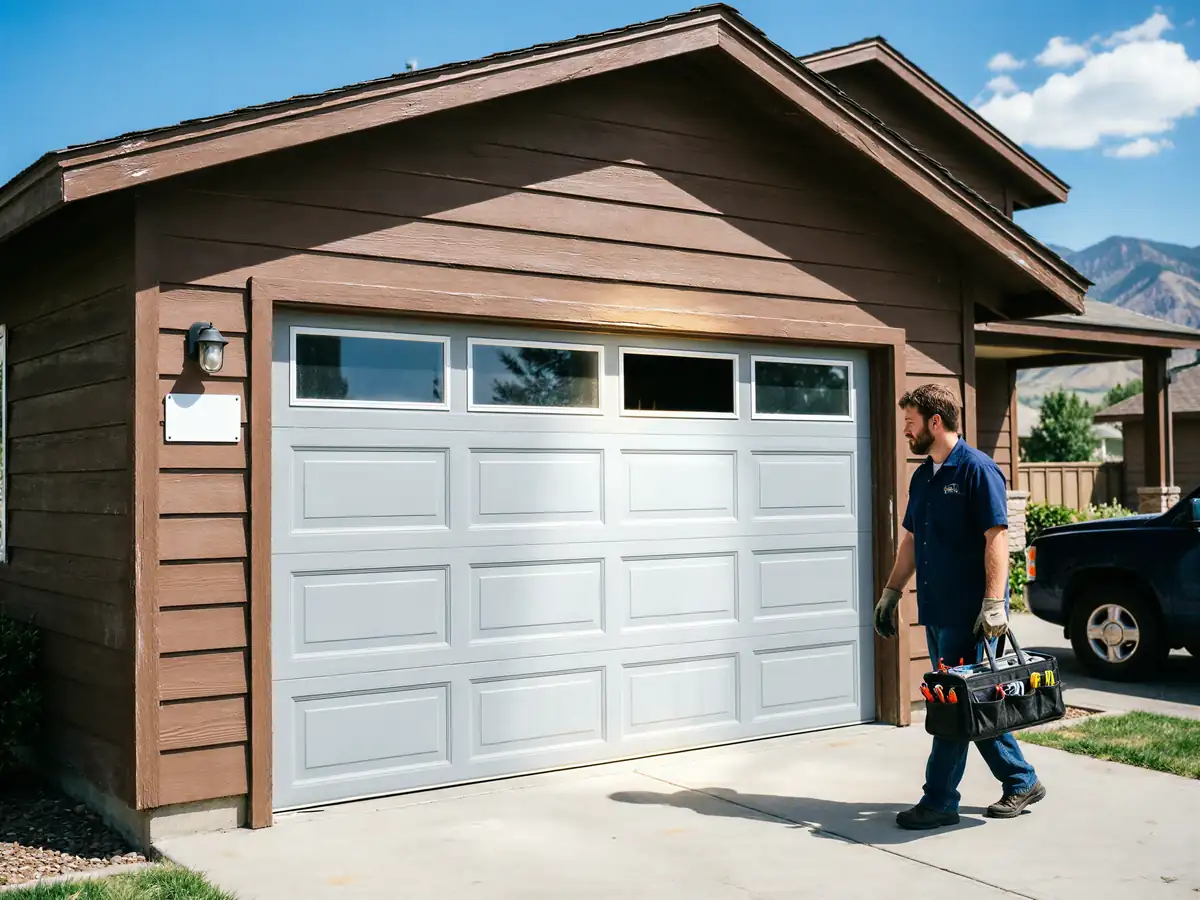
Clifton sits about 6 miles from our shop in Grand Junction, and that drive shapes how we run an install here. We don't carry a random assortment of panel sizes and track kits on the truck hoping one fits - we measure the opening and confirm the door style before we load up, because a second trip for the wrong hardware costs you a day you didn't need to lose.
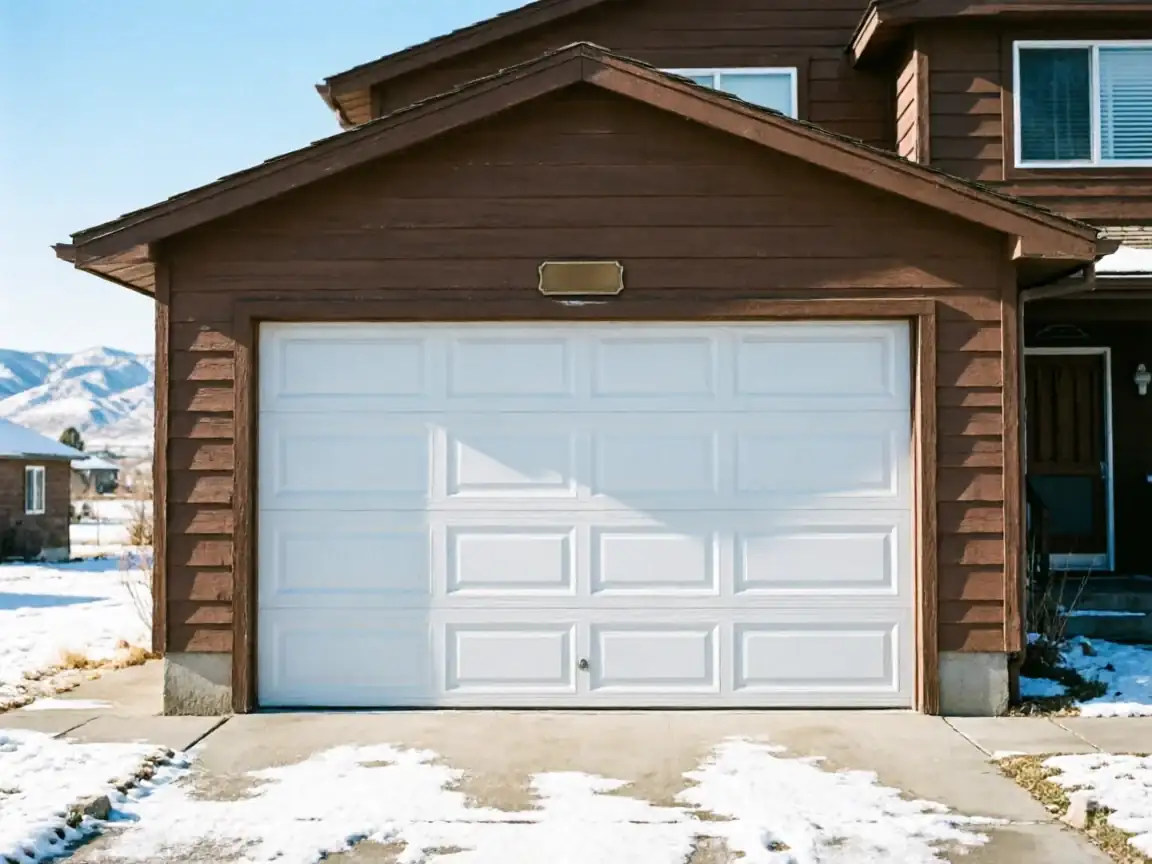
Where this goes sideways is usually the opening itself. A house built around 1987, which is about when most of Clifton's housing went up, often has a rough opening sized for the door that came with the house - not for whatever's on the showroom floor today. Older jamb widths, non-standard headroom, or a track that was never meant for an insulated steel door all show up as "surprises" on install day if nobody checked them first. We check them first.
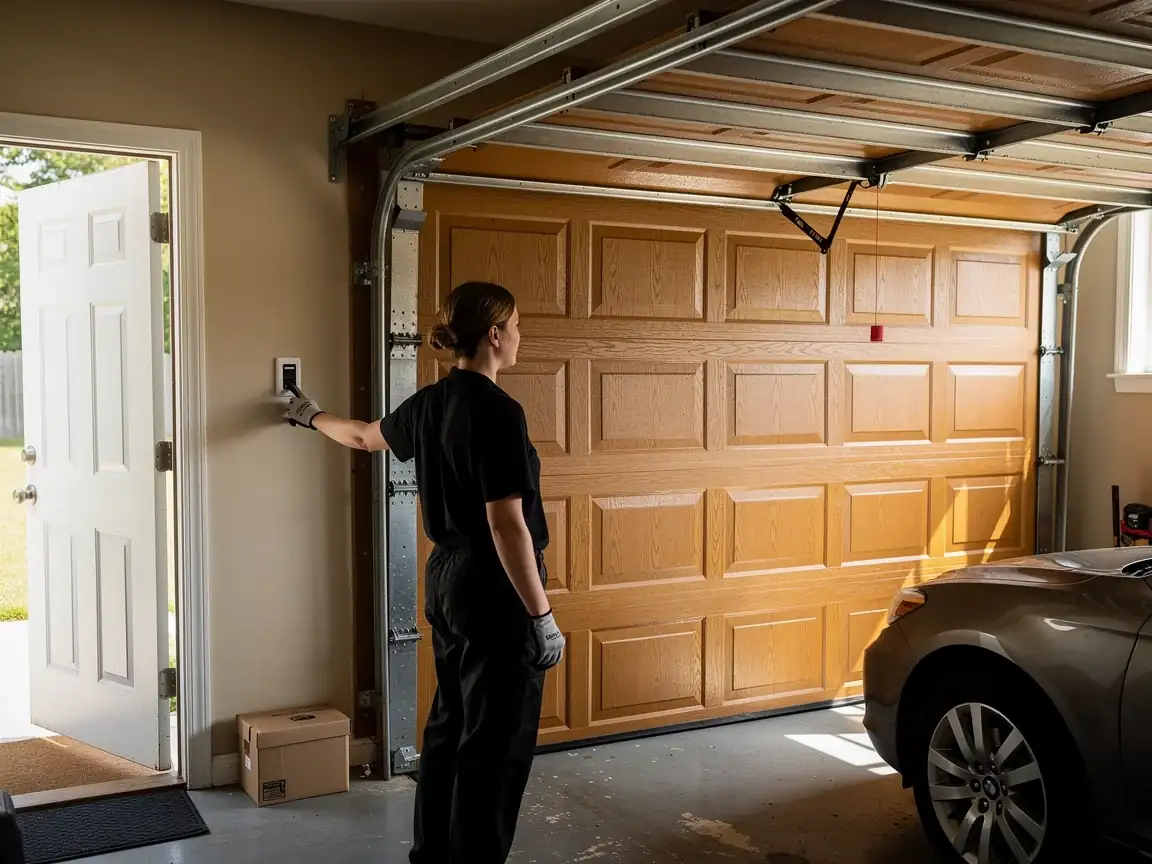
The other place it goes wrong is wiring the opener into a garage that was never built to code for a modern unit - outlet placement, a missing dedicated circuit, that kind of thing. We flag it before we start, not after the door's hanging and the opener won't mount.
Why It Happens Here
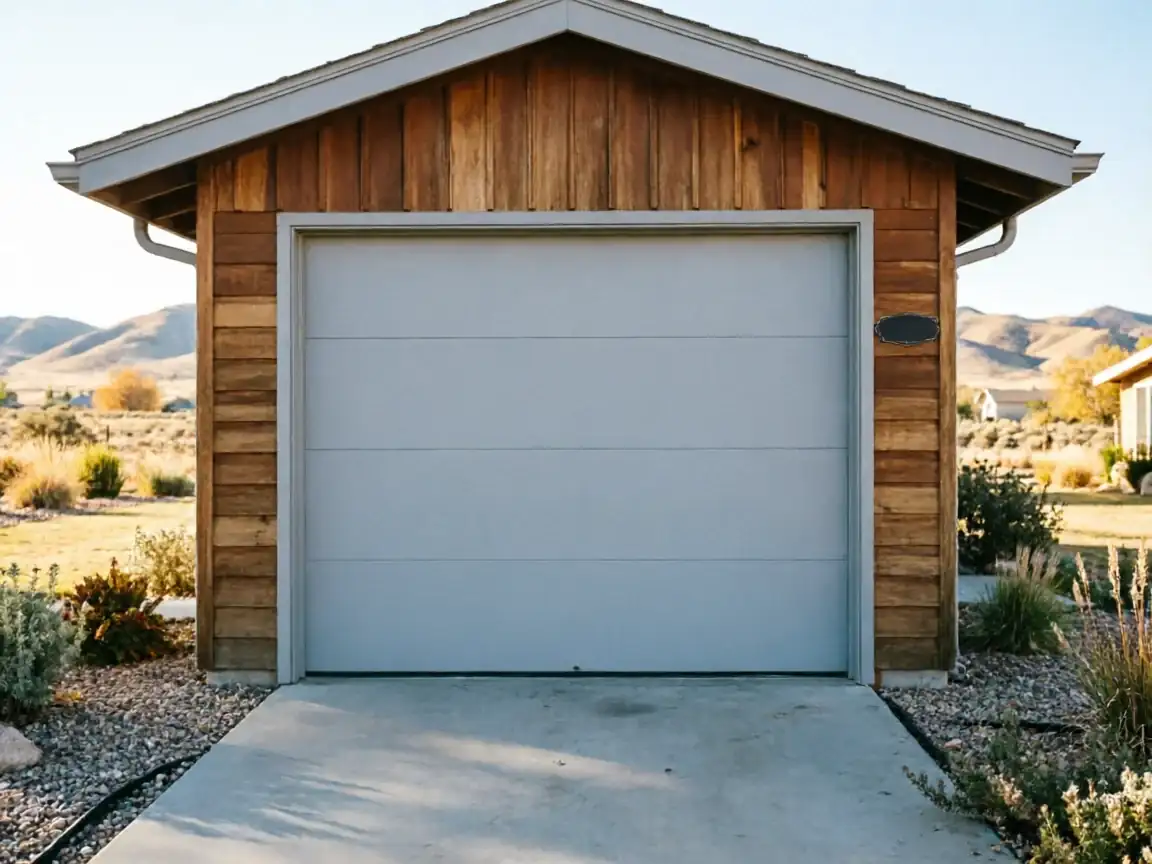
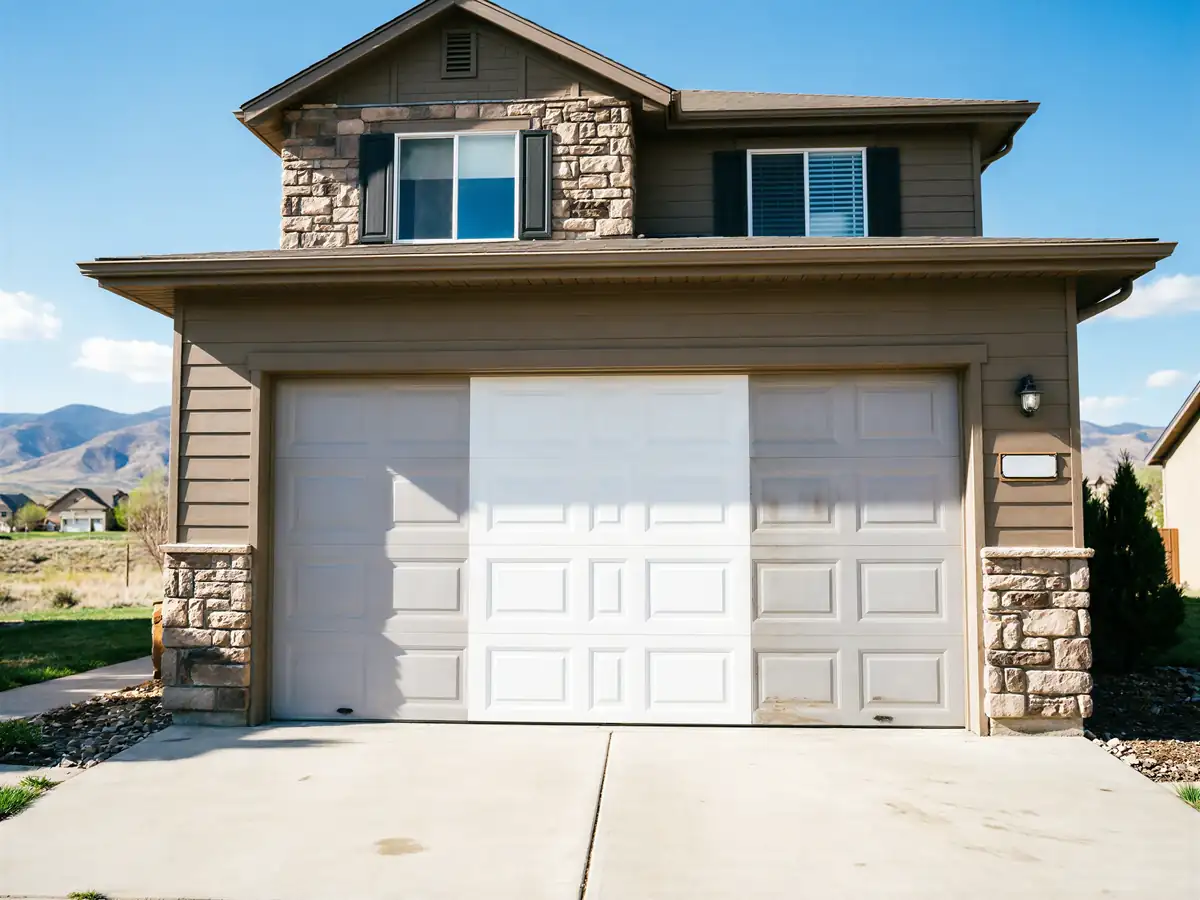
Clifton's housing stock runs mostly late 1970s through the 1990s, with a median build year around 1987 - newer than the farmhouses and older infill you'll find closer to the river, but still old enough that garage openings were framed to a different set of assumptions than today's doors. A lot of these openings were cut for lighter wood doors, not the heavier insulated steel sections that hold up in a cold winter.
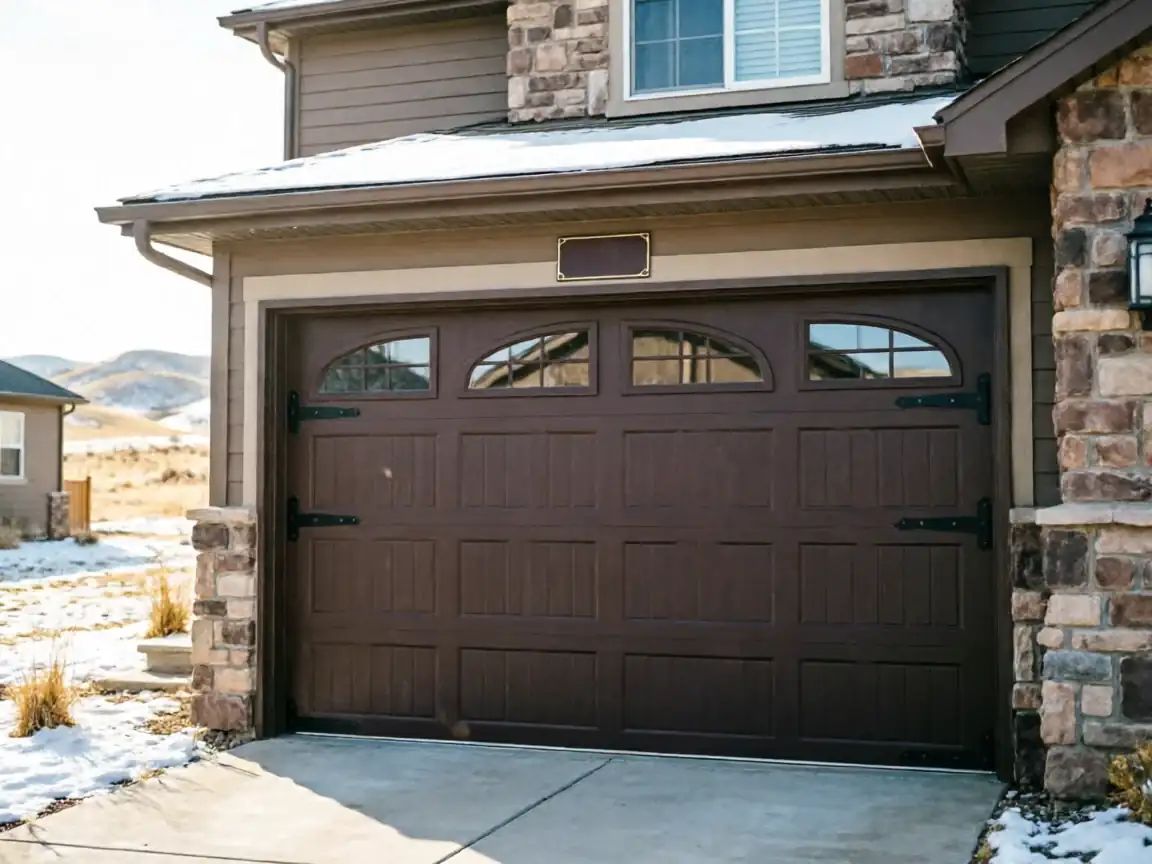
And winter here is the other half of the story. This area sits in a cold, severe climate band, which means an opener and a door built for a mild climate are the wrong call. Seals that are fine in a moderate winter will stiffen and crack here. Springs rated for average cycle counts work harder against cold, dense air and temperature swings between a heated house and an unheated garage. When we spec a door for a Clifton install, we're sizing it for that climate band, not a catalog average.
Put those two things together - openings built to a late-80s standard, and a climate that punishes the wrong materials - and you get a specific, not generic, reason doors here fail early if they weren't installed right the first time.
The DIY Question
A kit door from a home center can go in without a contractor
And plenty of handy Clifton homeowners have done it. The honest limitation here: we don't recommend it once you're past a single-car, lightweight door, and we won't talk anyone into a kit install just to make a sale.
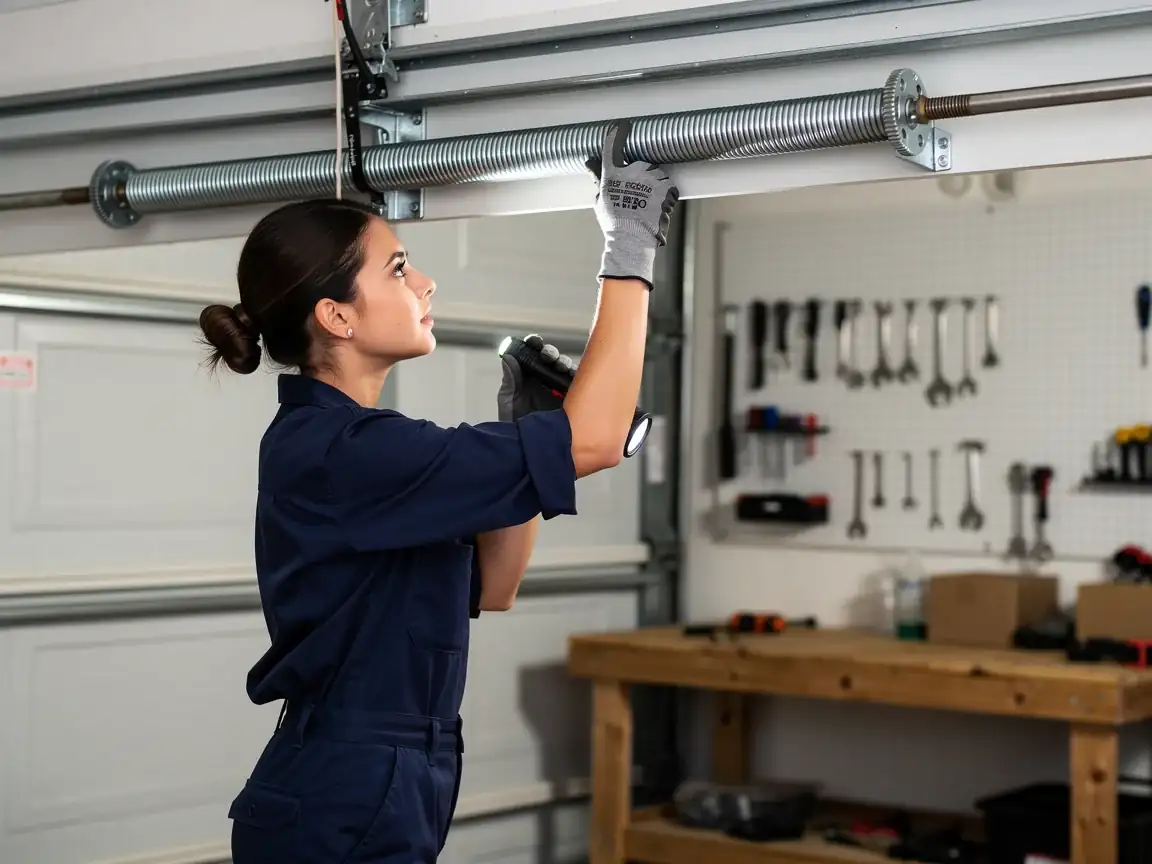
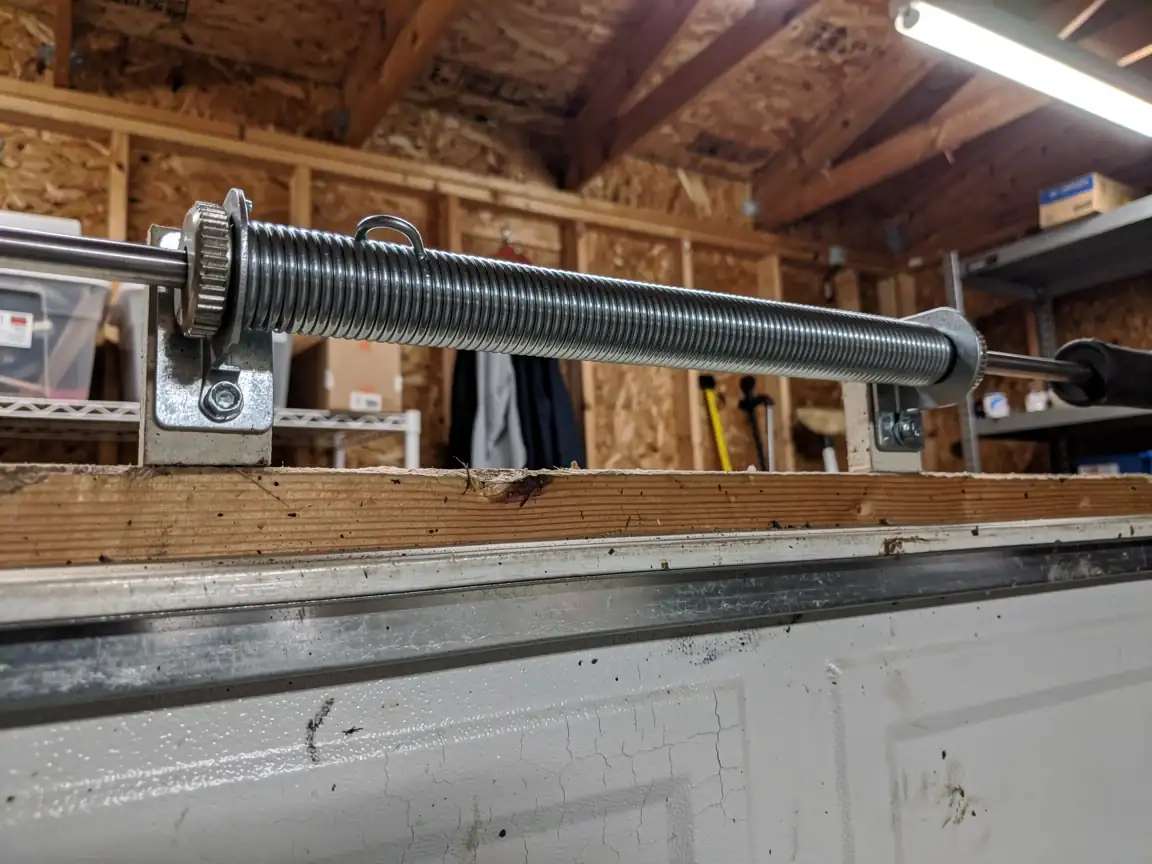
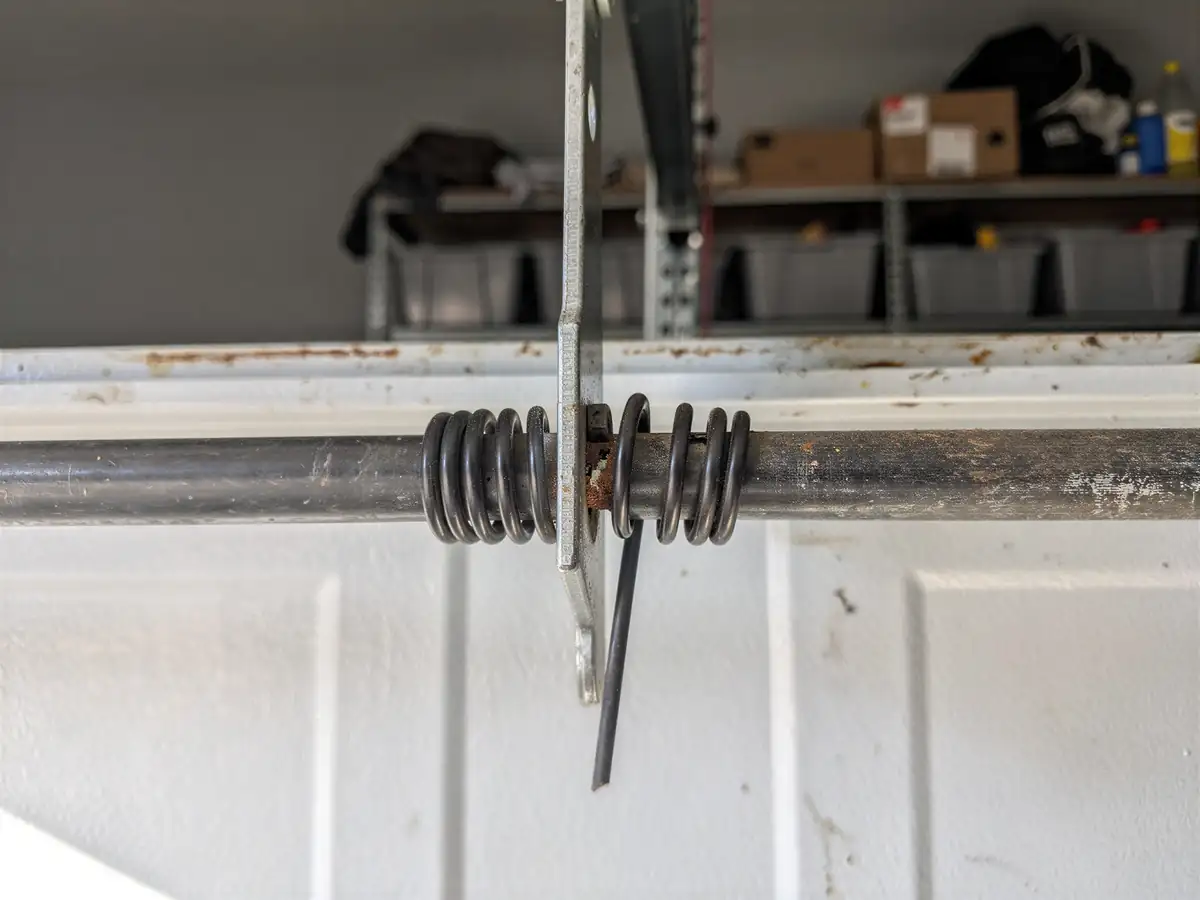
The spring system is the real risk
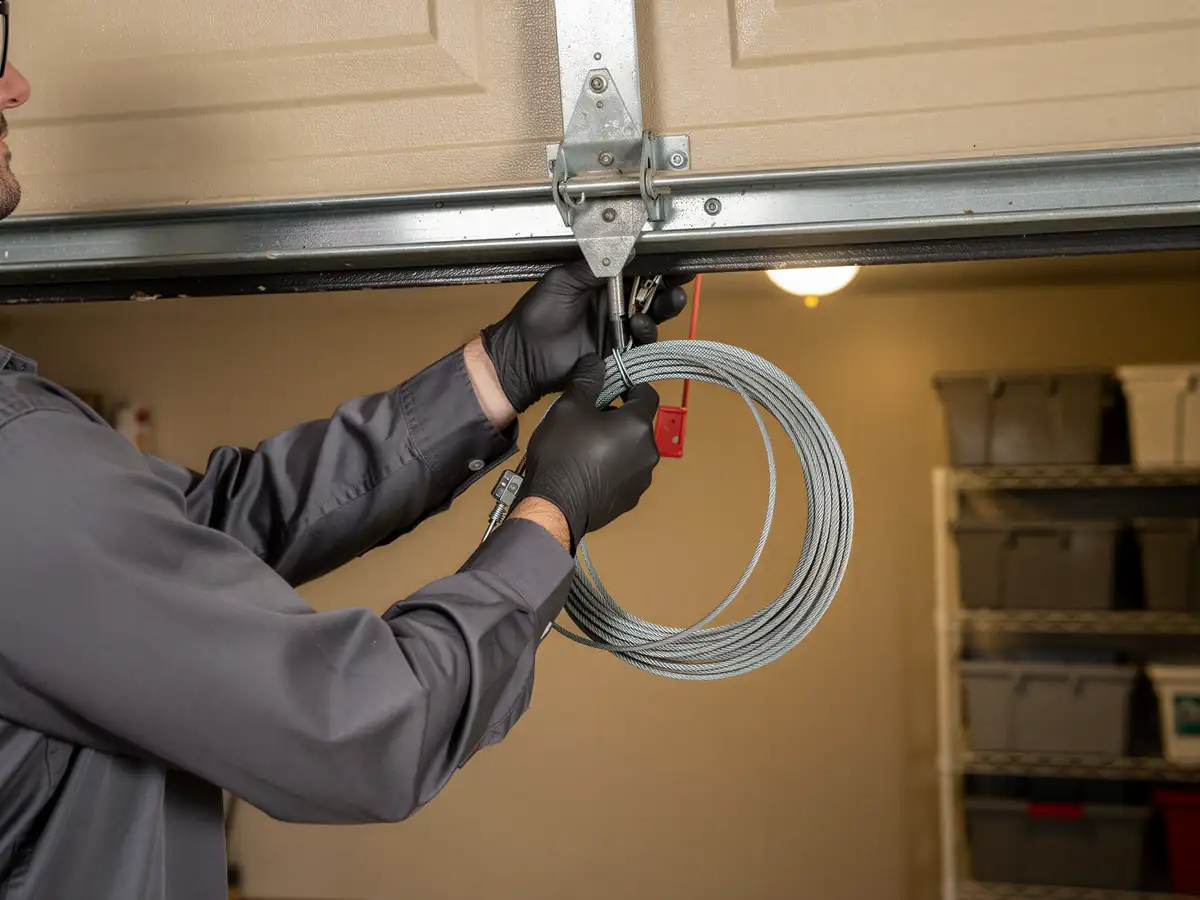
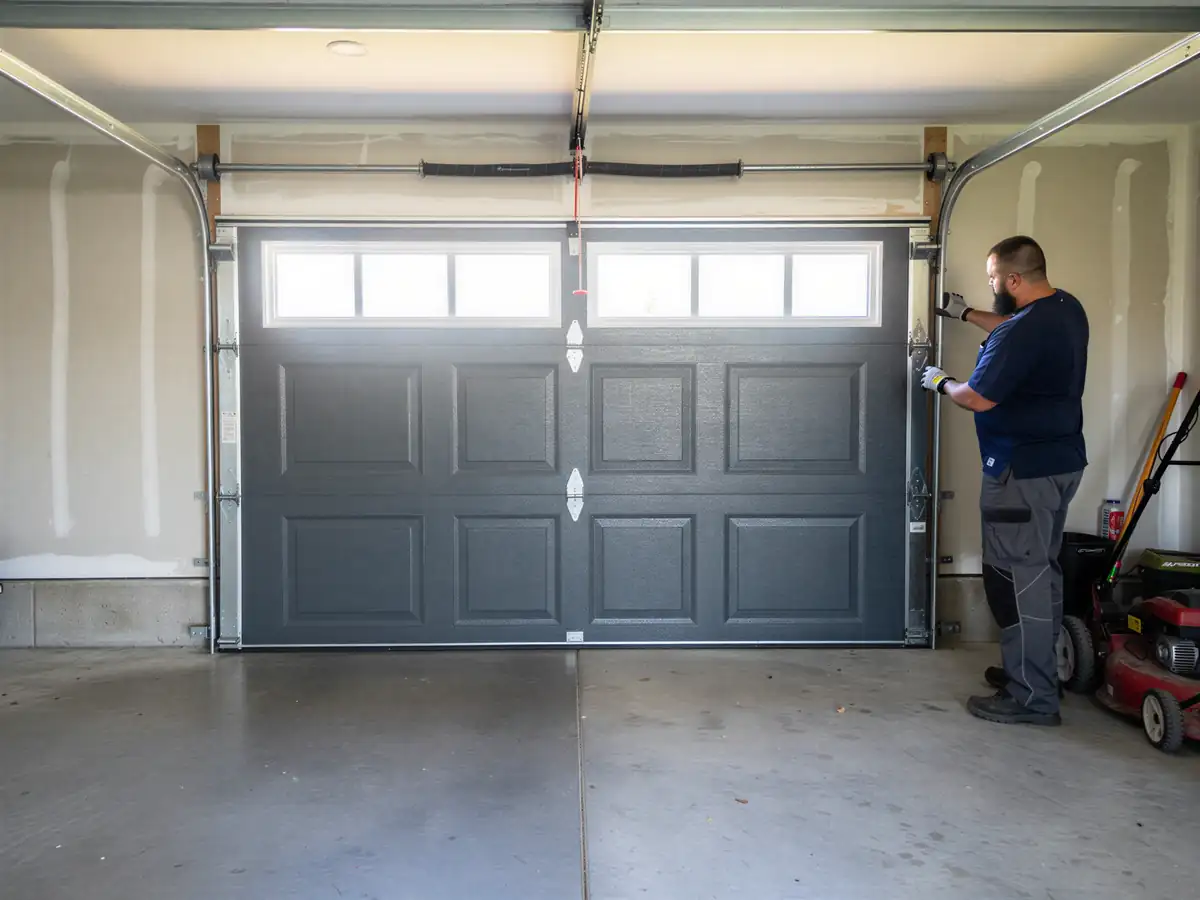
A torsion spring under tension can cause serious injury if it's wound or released wrong, and the tools for it aren't the ones in a typical homeowner's kit. On a two-car door with a heavier insulated panel - which is common in this area given the cold climate - the spring is sized heavier too, which raises the stakes on a DIY attempt, not lowers them.
Where DIY makes sense
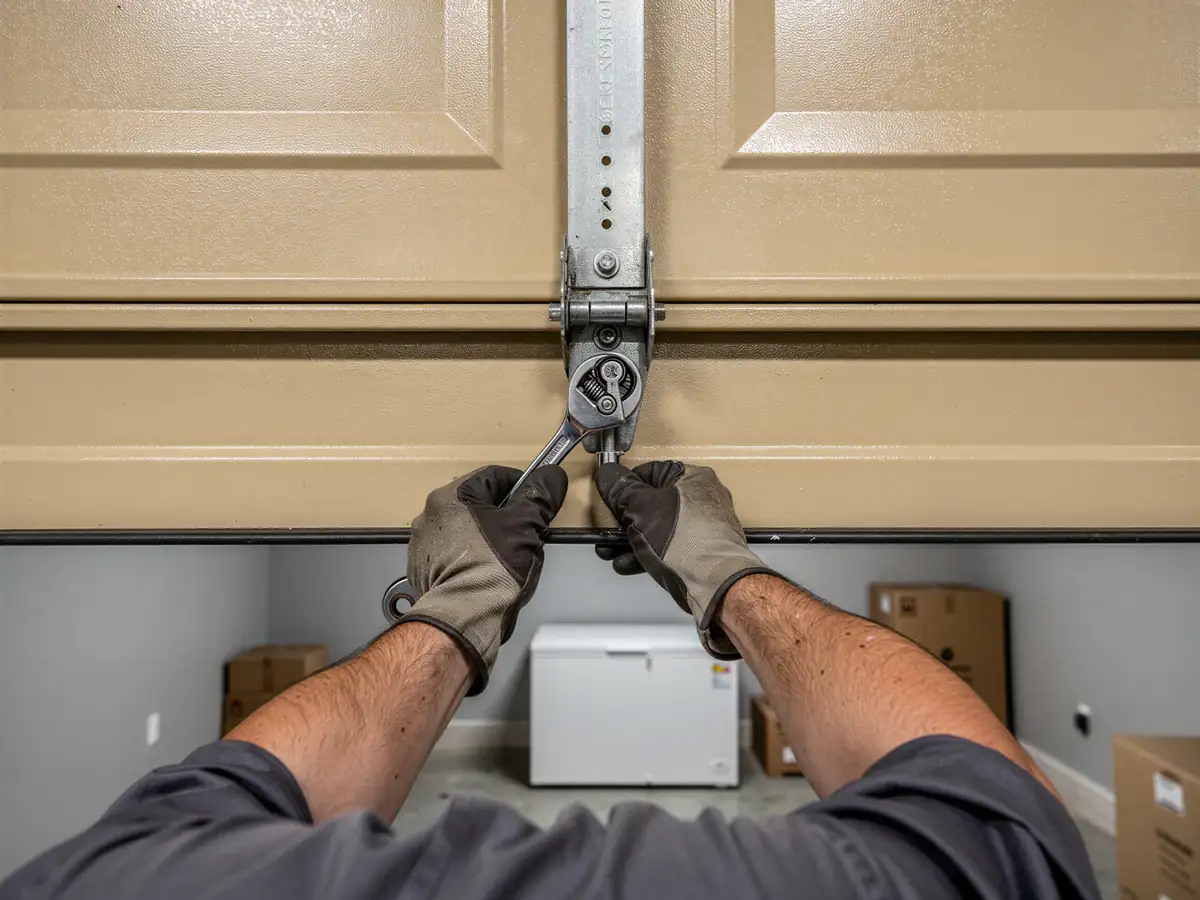
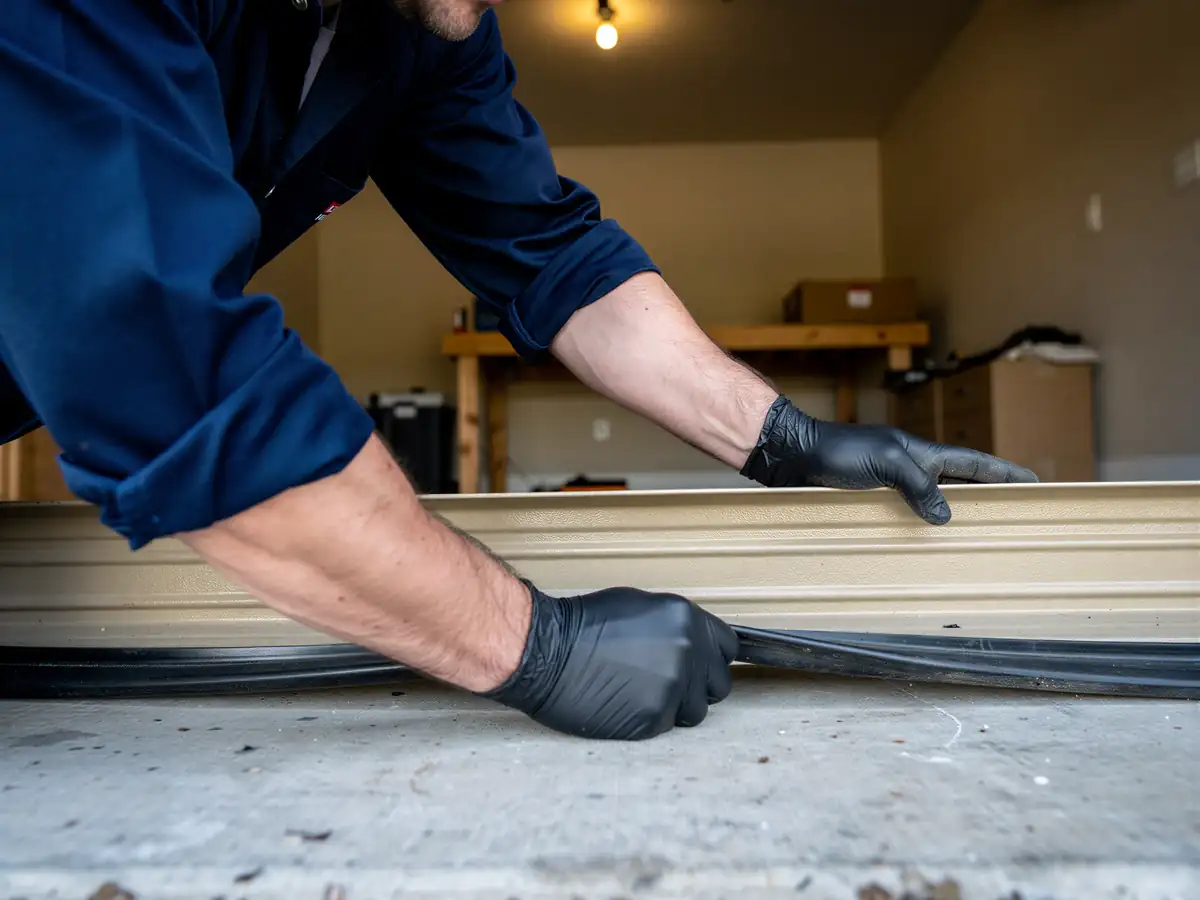
Cosmetic hardware, weatherstripping replacement on a door that's otherwise sound, repainting. Where it doesn't: anything touching the spring, the track alignment, or opener wiring tied into your home's electrical panel. If you're set on doing some of it yourself, we're fine quoting just the parts that need a professional and letting you handle the rest.
Time on the Job
Because Clifton is a drive from our Grand Junction base, not a next-door stop, we schedule the job as a full visit rather than splitting it into multiple short trips. A standard single-door swap on a house with a sound opening usually fits in one day once the door and hardware are on site. Add a second door, a non-standard opening that needs framing work, or an opener upgrade, and the timeline stretches.
The variable we can't promise away is parts lead time on anything outside a standard stock size. If your opening doesn't match a common width - more likely on some of the older end of Clifton's 1977-to-1998-era housing - the door itself may need to be special-ordered, and that's dictated by the supplier, not by us. We'll tell you up front if that's the case rather than quote you a date we can't hit.
We plan the trip out to Clifton around having everything we need loaded before we leave, since a forgotten part means a second 6-mile drive, not a quick walk back to the shop.
What You Pay
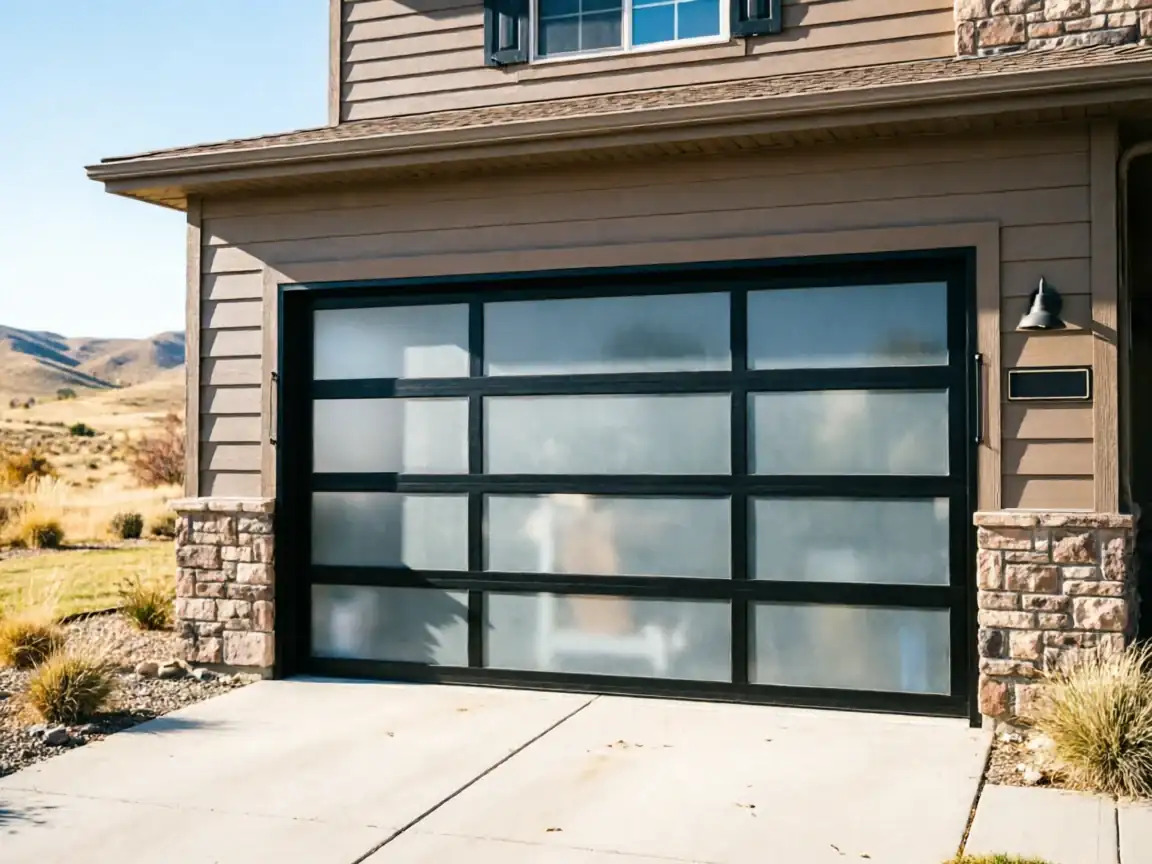
We don't have a flat number to quote you here - door size, insulation level, and opener choice move the price more than location does. What we can tell you is what factors into it for a Clifton job specifically: a door rated for a cold, severe climate costs more up front than a basic uninsulated panel, but it's the right spec for this area's winters, and we won't sell you the cheaper option and let you find out the hard way.
Income and household numbers for this part of the service area run below the broader Grand Junction averages, and we take that into account when we talk through options - there's usually a tier that balances upfront cost against what you'll spend on heating and repairs over the door's life. We'll walk through the real tradeoffs rather than push the top-shelf unit by default.
Get a firm number by having us look at your actual opening and current hardware. Anything quoted before that is a range, not a price.