Where This Job Goes Sideways
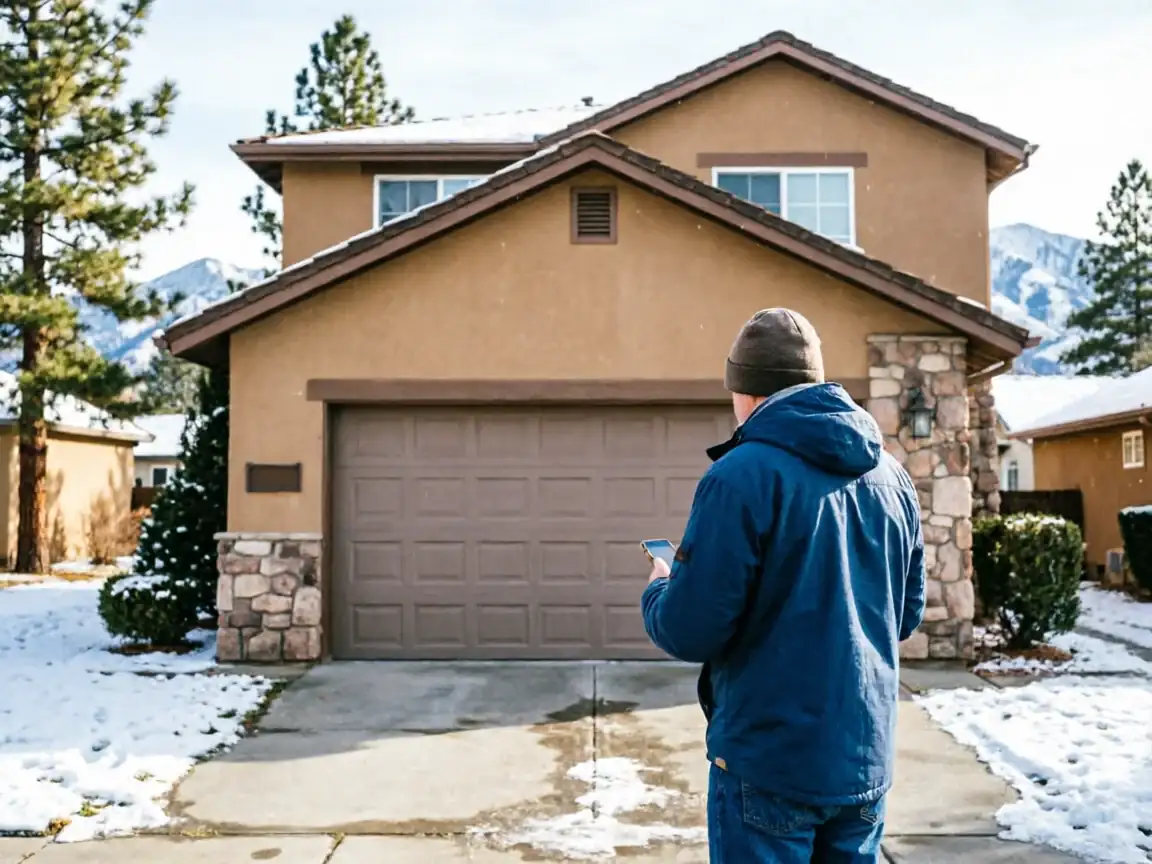
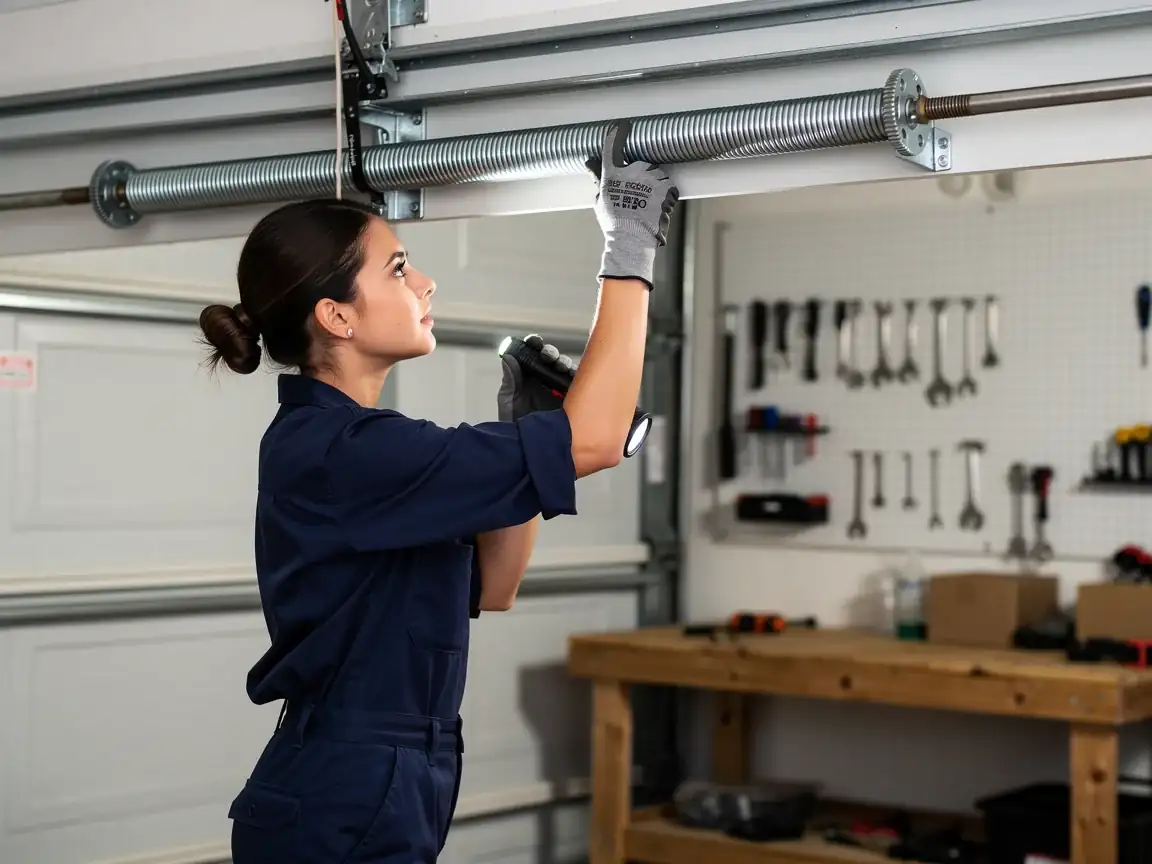
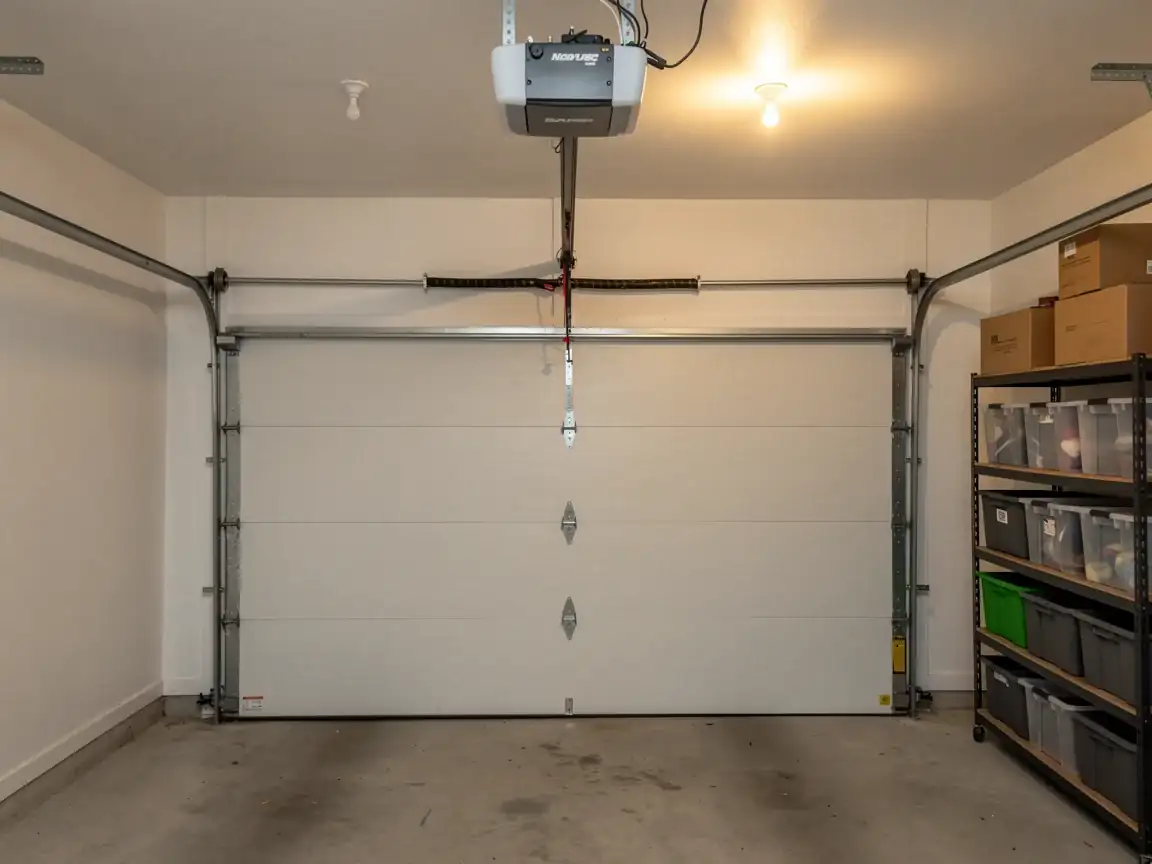
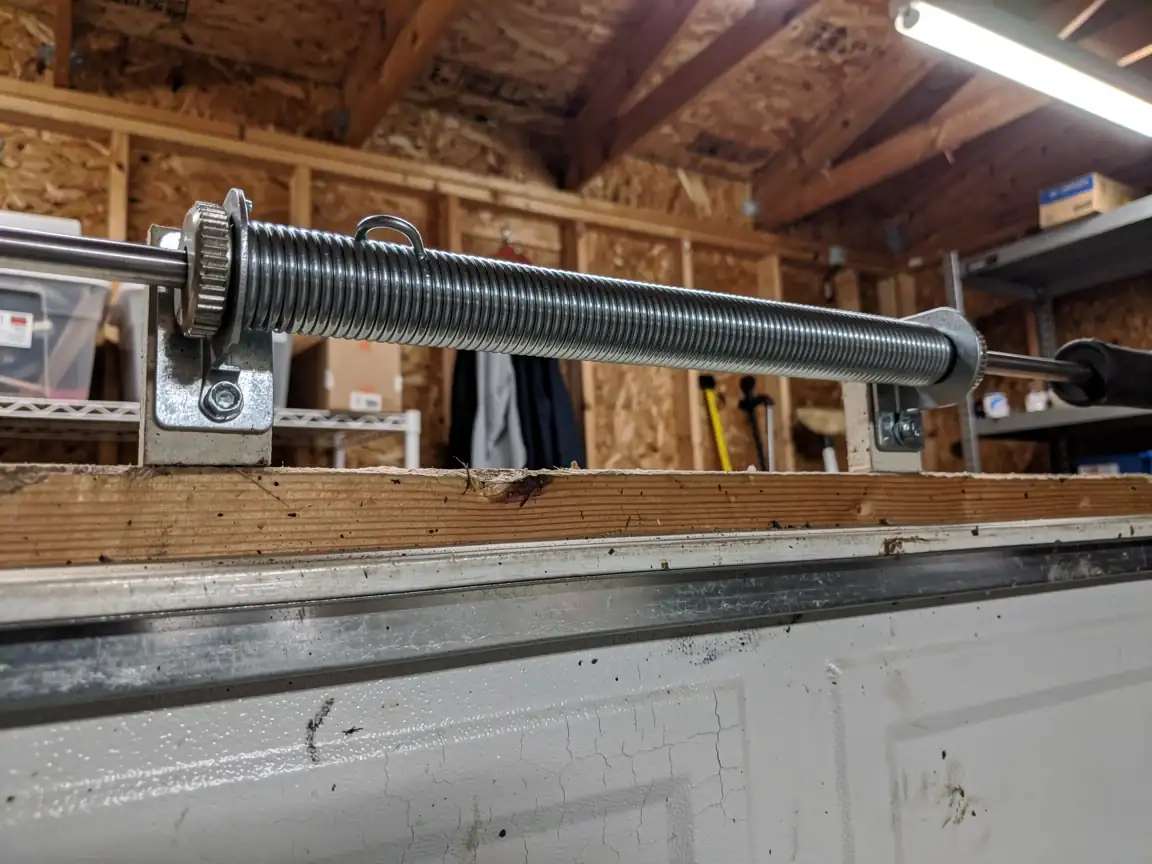
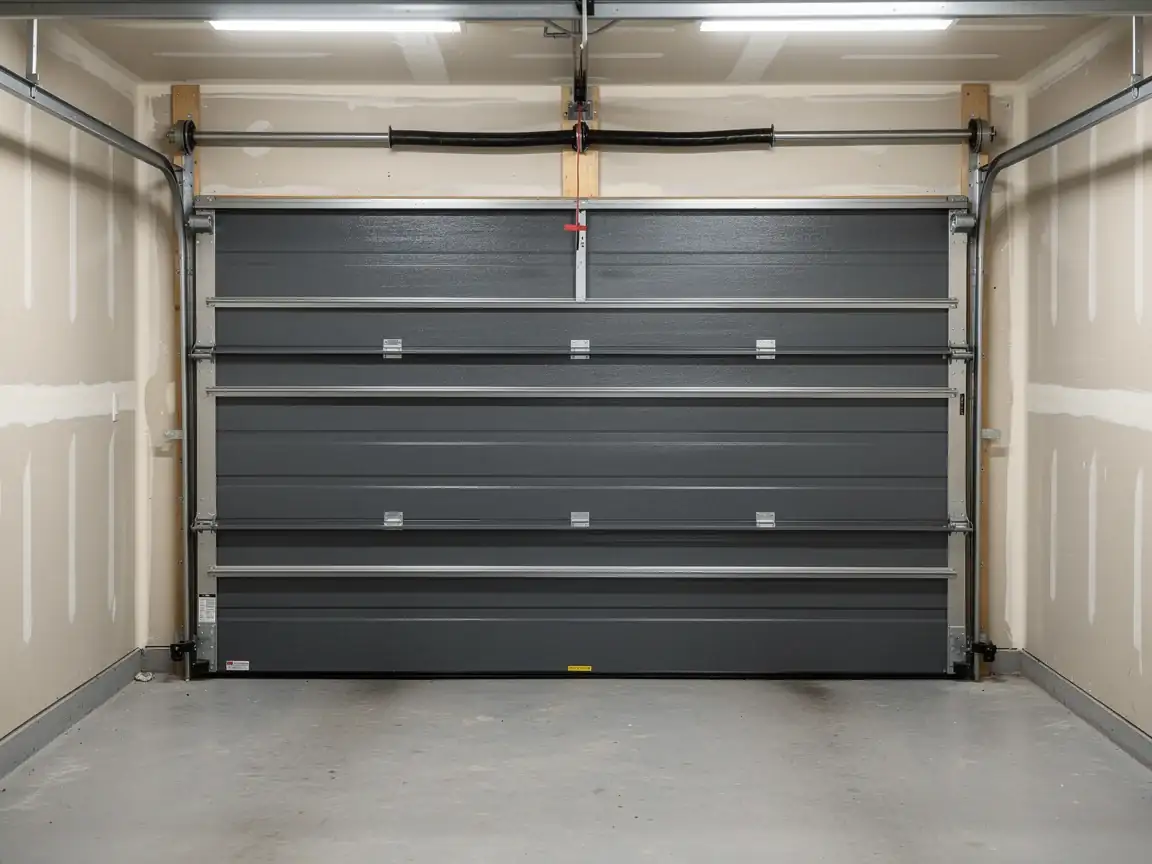
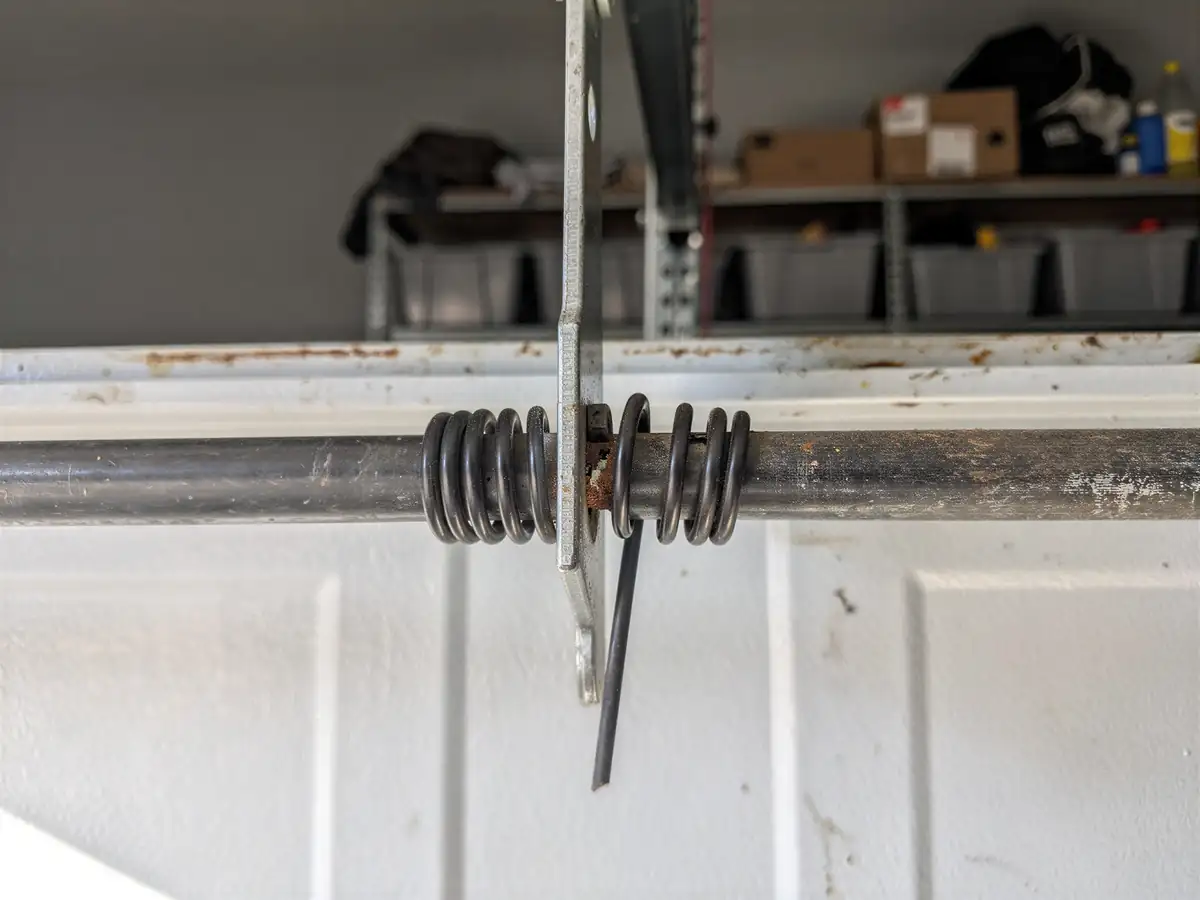
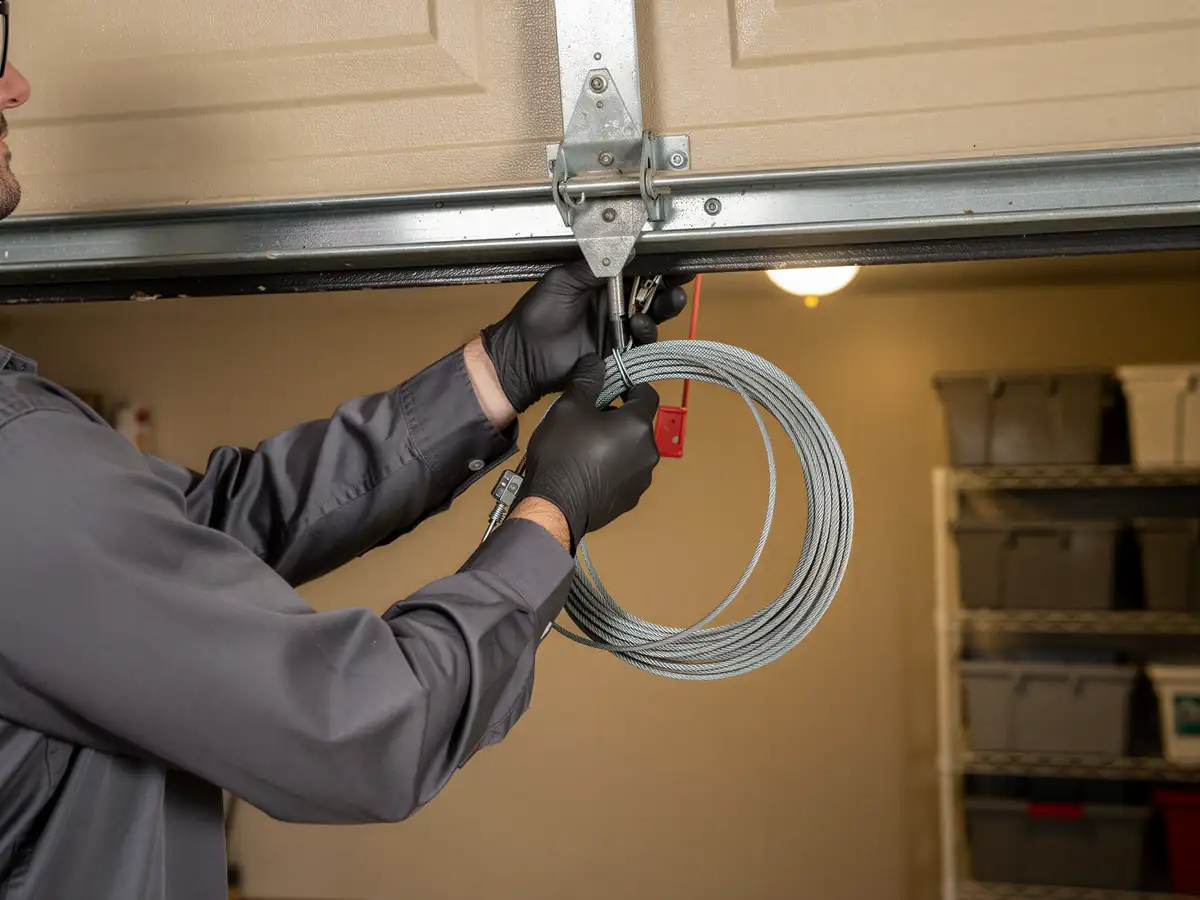
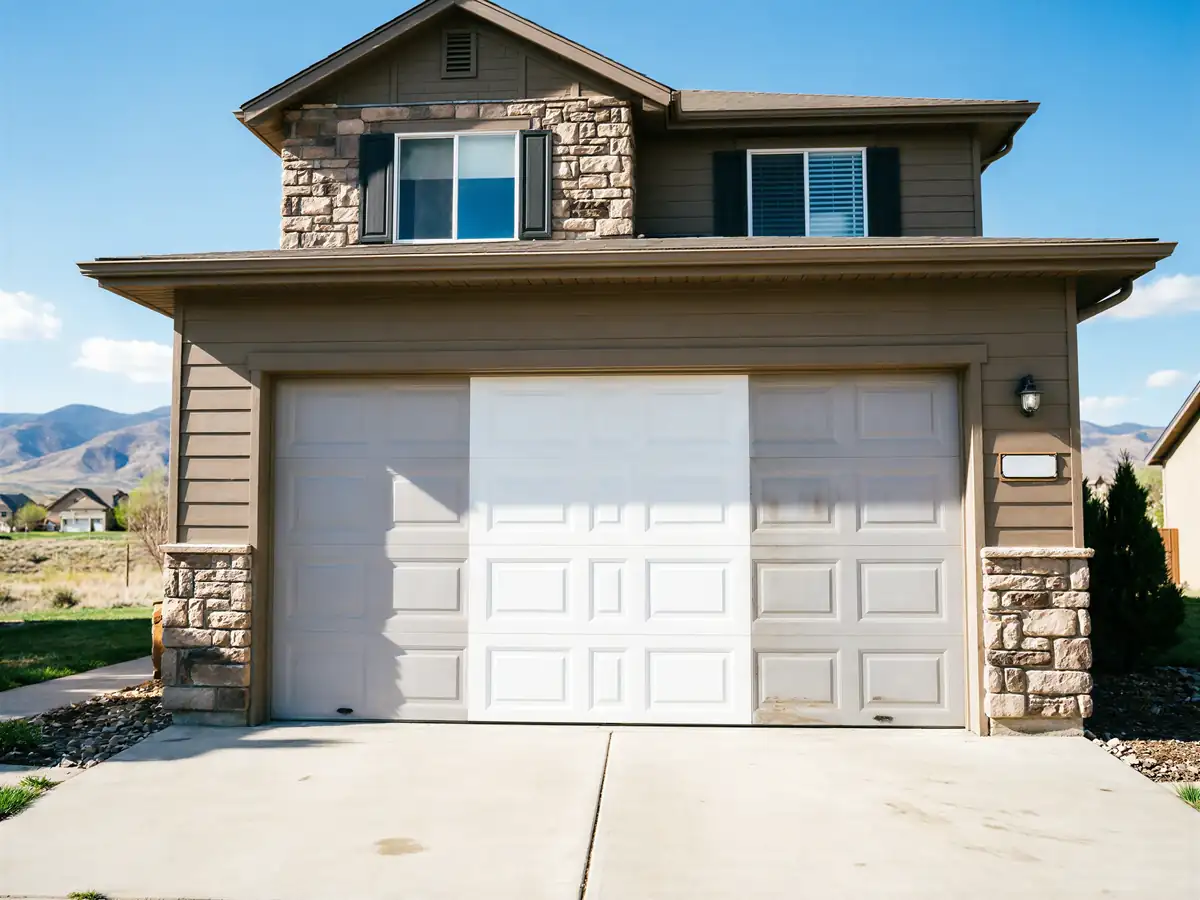
Most houses in Clifton went up around 1987, which puts the neighborhood squarely in the extension-spring era before safety cables became standard practice on a lot of builder-grade installs. That's the detail that drives most of the service calls we get from this side of the valley. A door from that period usually has two stretched extension springs mounted above the horizontal track instead of a single torsion spring over the opening, and if the cable snapped or was never run through it, a broken spring means a spring flying loose inside the garage rather than staying contained. We also see steel panels from this era with rollers that were never upgraded past the stamped-steel originals, so the roller stems wear oblong and the door starts binding in the track long before the spring itself fails. None of this means the door was built badly. It means the door is close to 40 years old and running original or near-original hardware, which changes what we look for first when we get the call.</br>Across the broader service area the housing stock runs 1977 to 1998 with a median around 1984, so Clifton sits right in the thick of that build window rather than off to one side of it.
Why It Happens Here
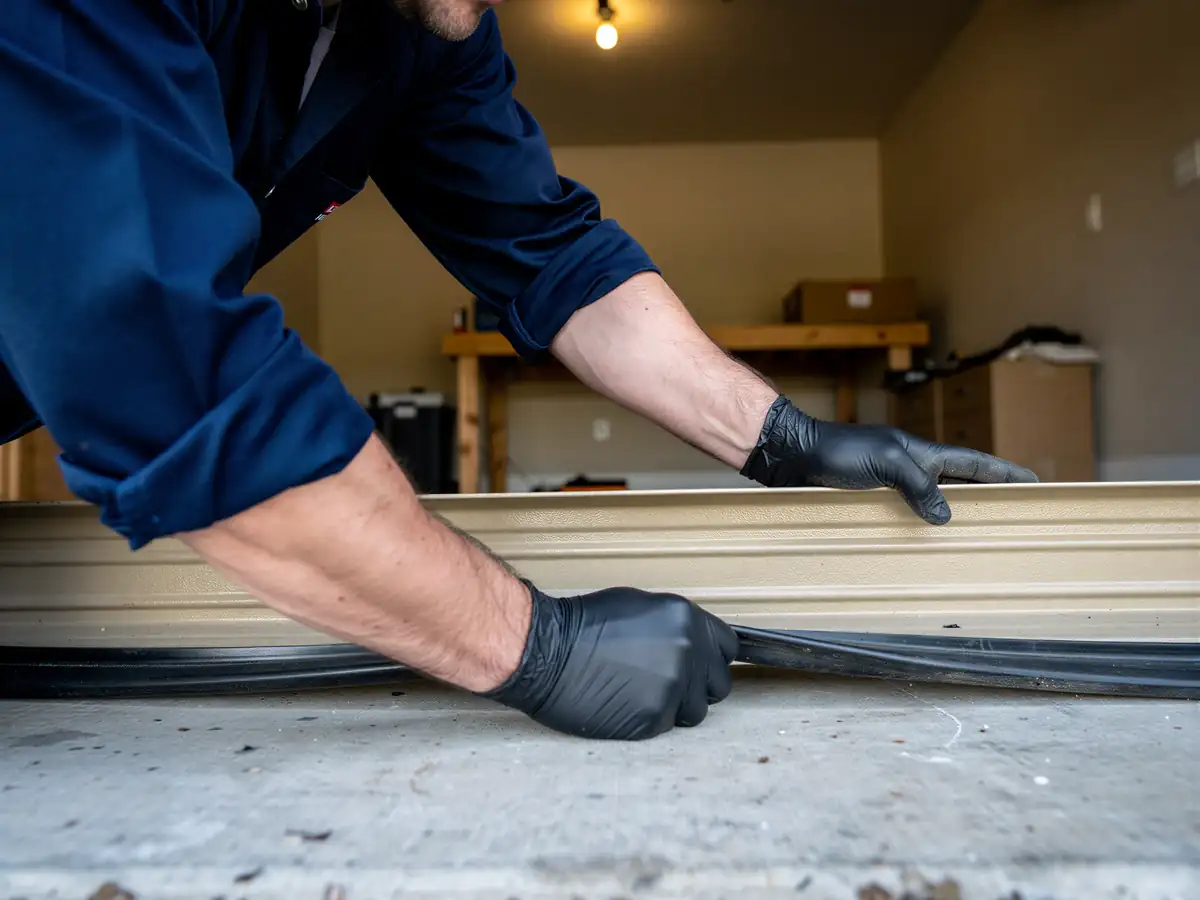
The region sits in a cold-climate band with severe winter conditions, and that matters more for a 1987 door than it would for something built in the last ten years. Steel contracts in cold weather, and on an older track that was never shimmed to spec, that contraction is enough to turn a door that worked fine in August into one that binds or jumps the track in January. Grease that was fine on install day thickens up in a cold garage and stops doing its job on rollers and hinges that already have decades of use on them. We also see galvanized cable starting to fray at the drum on doors this old, usually right where it's been flexing in the same spot for years. None of this is unique to one house - it's what happens to hardware from this build era once it's logged enough winters in a garage that isn't heated. The fix usually isn't exotic. It's spring, cable, and roller work sized to what a mid-80s door actually needs, not a generic parts list.
Time on the Job
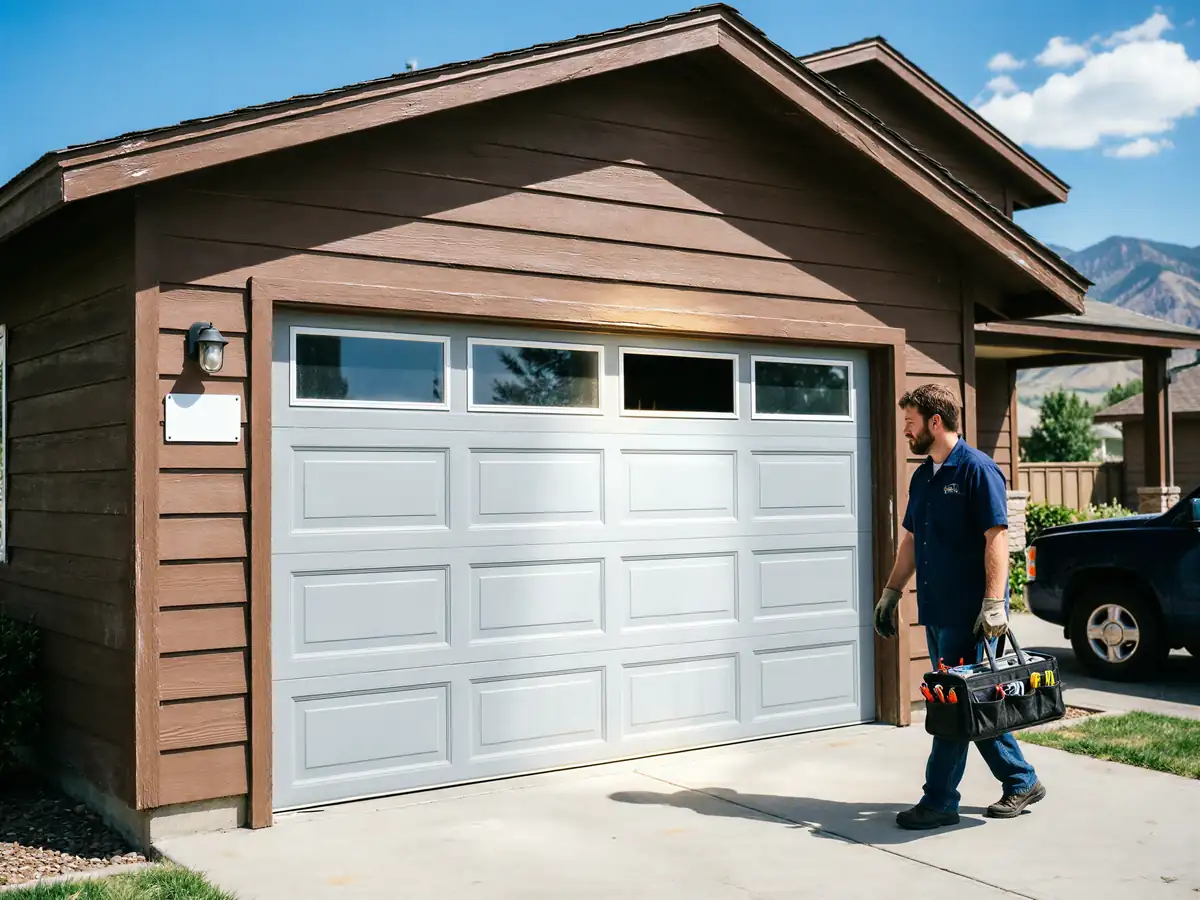
We run out of Grand Junction, about 6 miles from Clifton, so the drive itself isn't the bottleneck - what takes time is matching parts to a door that's closer to 40 years old than to new. A straightforward spring swap on a door we recognize from this era is quick once we're on site. A job where the track geometry was never quite right to begin with, or where a previous repair patched around a problem instead of fixing it, takes longer because we're diagnosing a house's specific history, not just replacing a part. We don't promise a window before we've seen the door, since a lot of what adds time in Clifton is the age of the hardware underneath, not the drive.
What You Pay
Clifton's median household income runs about $54,301, notably below the $76,339 figure for the wider service area, and that's part of why we're upfront about repair-versus-replace math rather than defaulting to a full door swap. On a 1987-era door, a spring and cable job often makes more financial sense than replacing the whole unit, especially if the panels themselves are still straight and the opener is working fine. We don't have a flat price to post here since spring size, cable length, and roller condition all vary house to house, but we'll always tell you plainly if a repair is throwing good money after bad versus a door that's genuinely worth saving.