Where This Job Goes Sideways
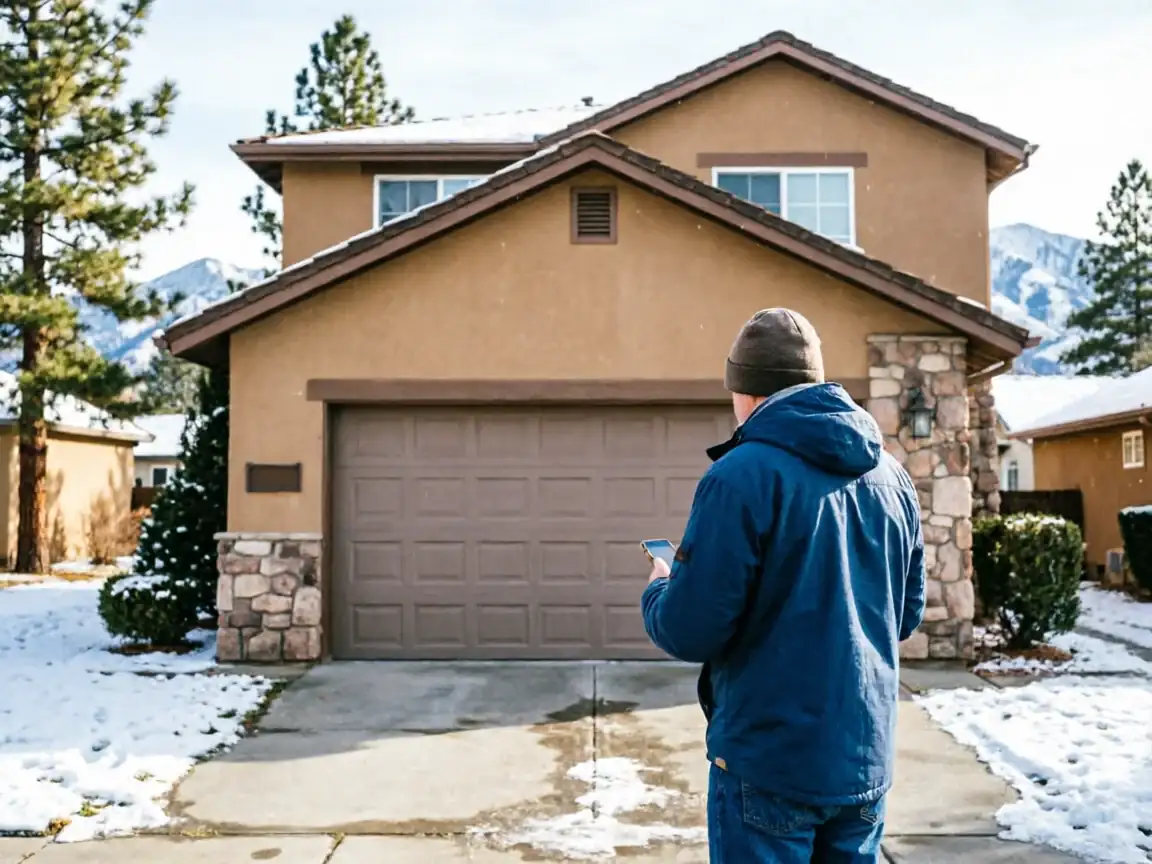
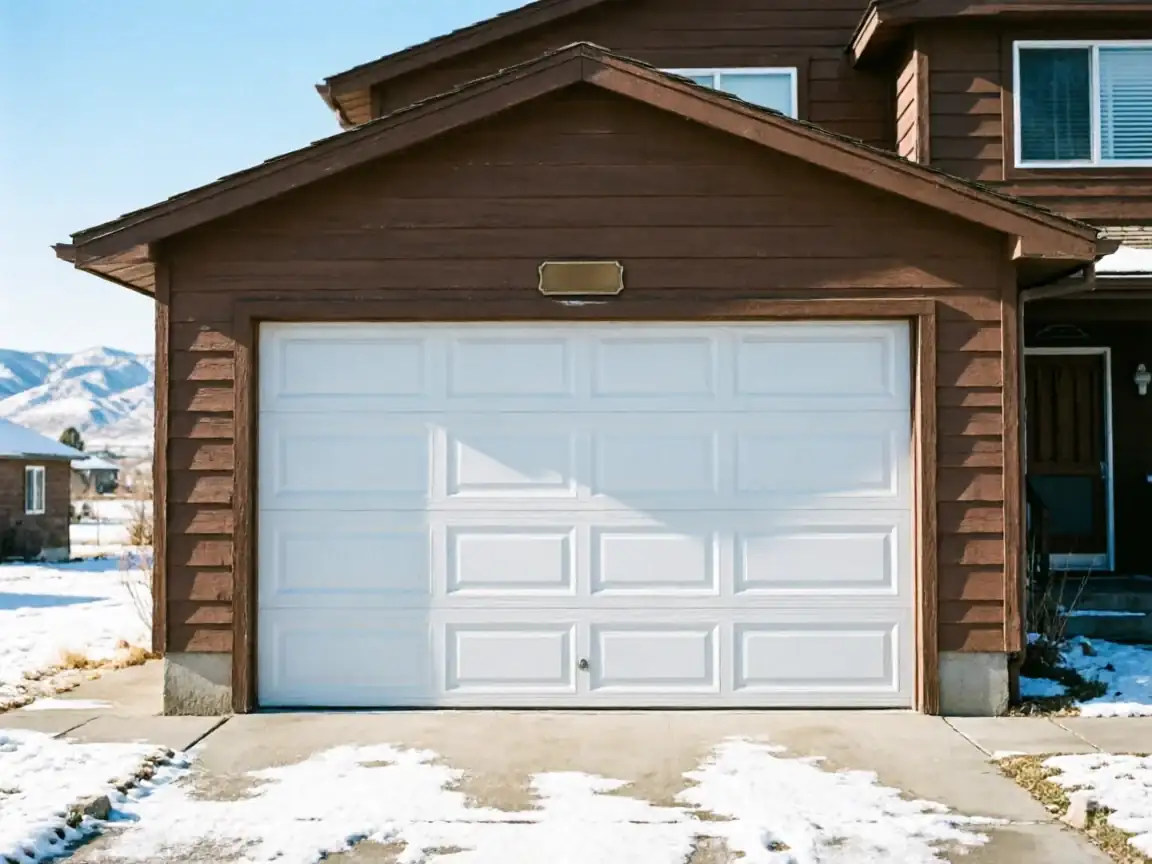
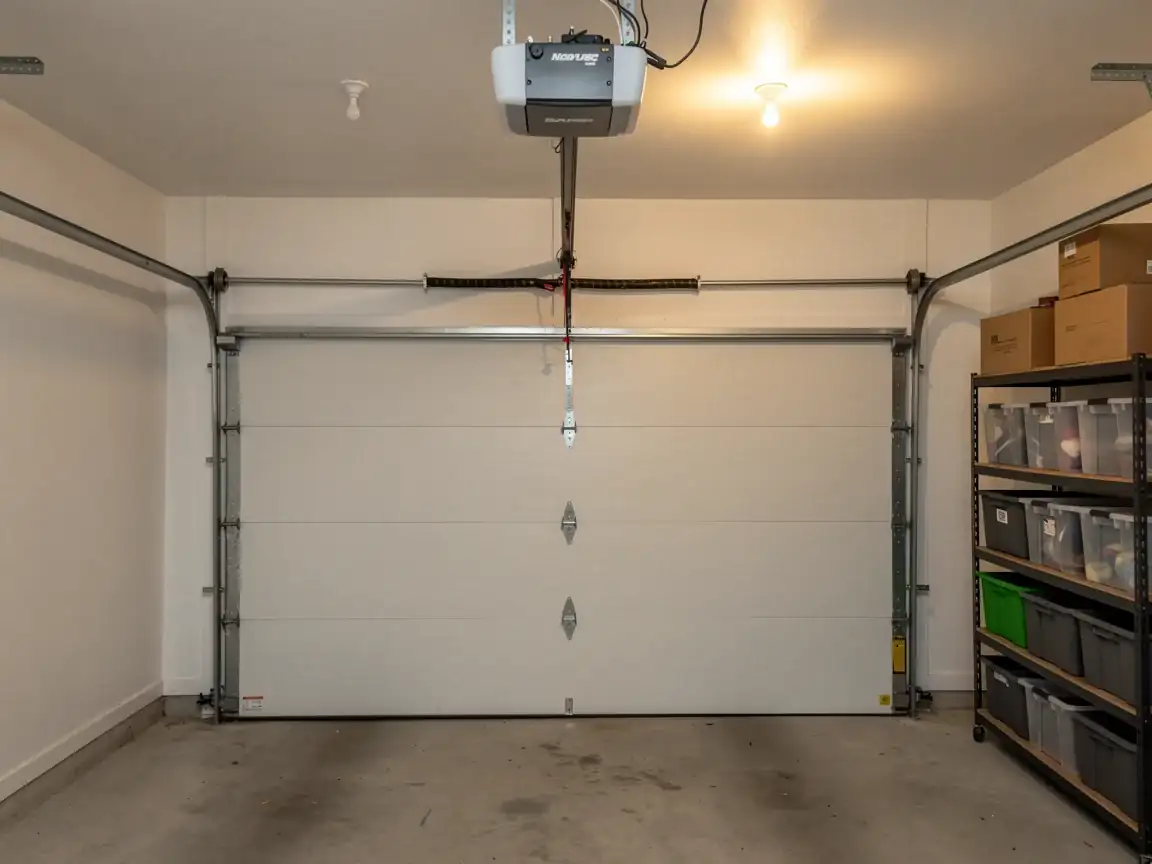
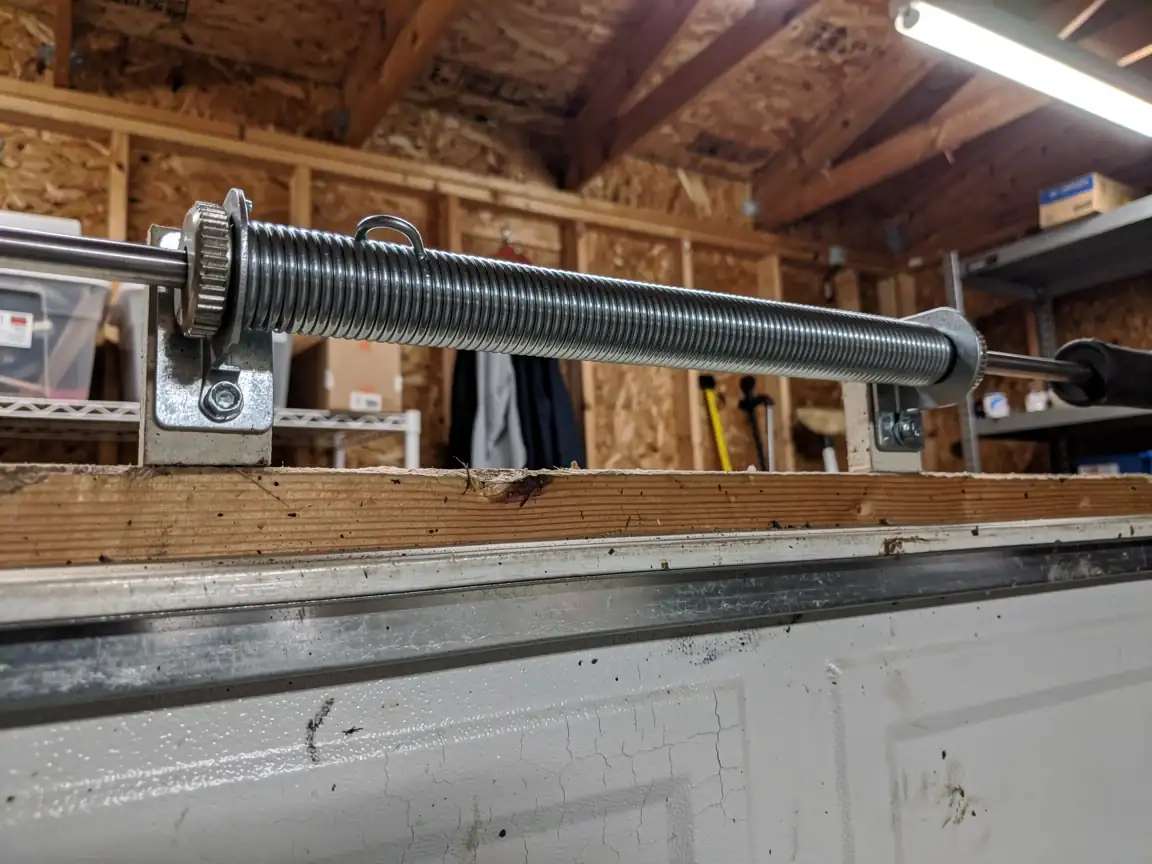
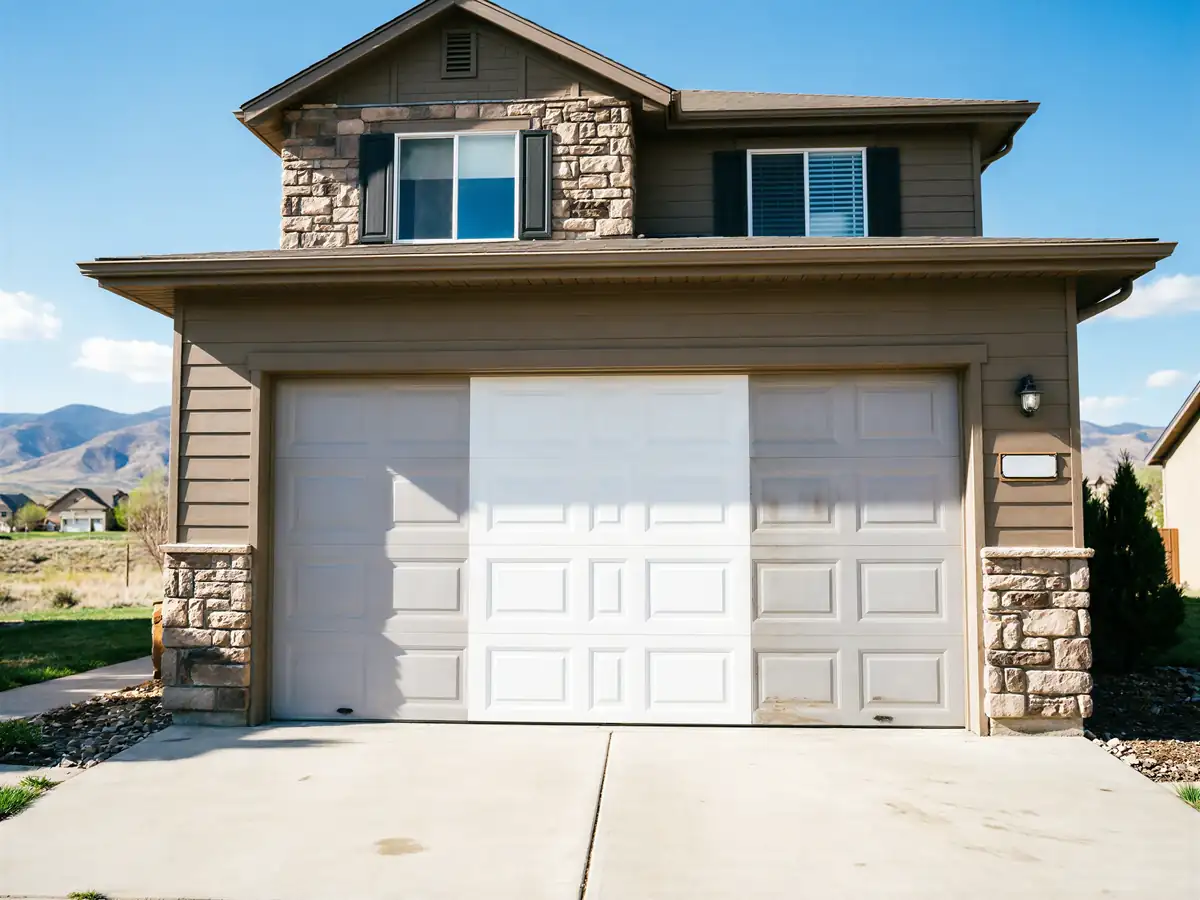
Clifton's median household income sits at $54,301, well under the $76,339 median for the wider service area. That gap matters the moment a spring snaps or a cable jumps the drum at six in the morning. A homeowner here is less likely to want a full opener-and-door replacement at the first phone call, and more likely to ask what the cheapest fix is that actually holds. That's a fair question, and the honest answer depends on the door in front of us. A torsion spring swap on a door that's otherwise sound is a different job than trying to save an opener that's already grinding gears. We'll tell you straight which side of that line you're on before we start turning wrenches, not after. Houses in Clifton went up around a median year of 1987, which puts a lot of original hardware from the late 80s and early 90s still in service - galvanized torsion springs rated for a cycle count that's long since run out, openers with chain drives that were standard then and are now the first thing to wear loose. That combination of an older income curve and older hardware is exactly why 'just replace it' isn't always the right call here, and why we price the repair path first.
Why It Happens Here
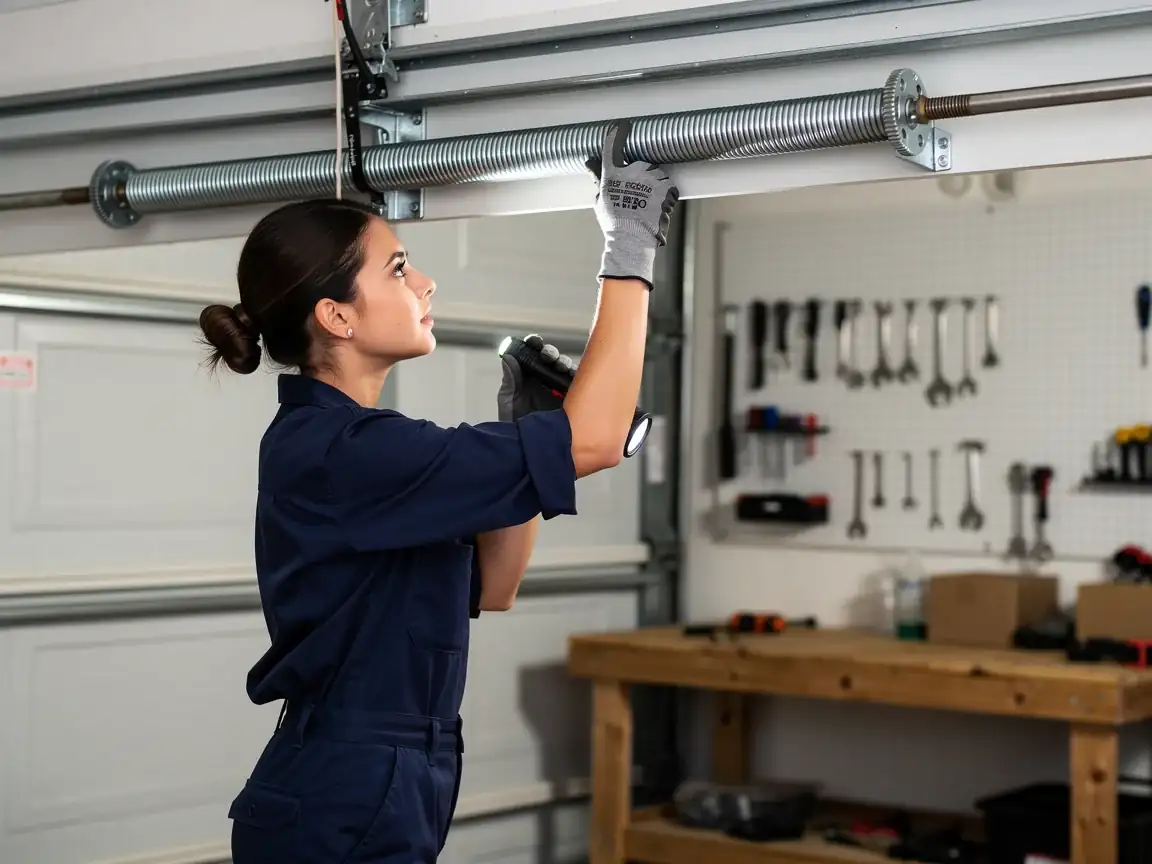
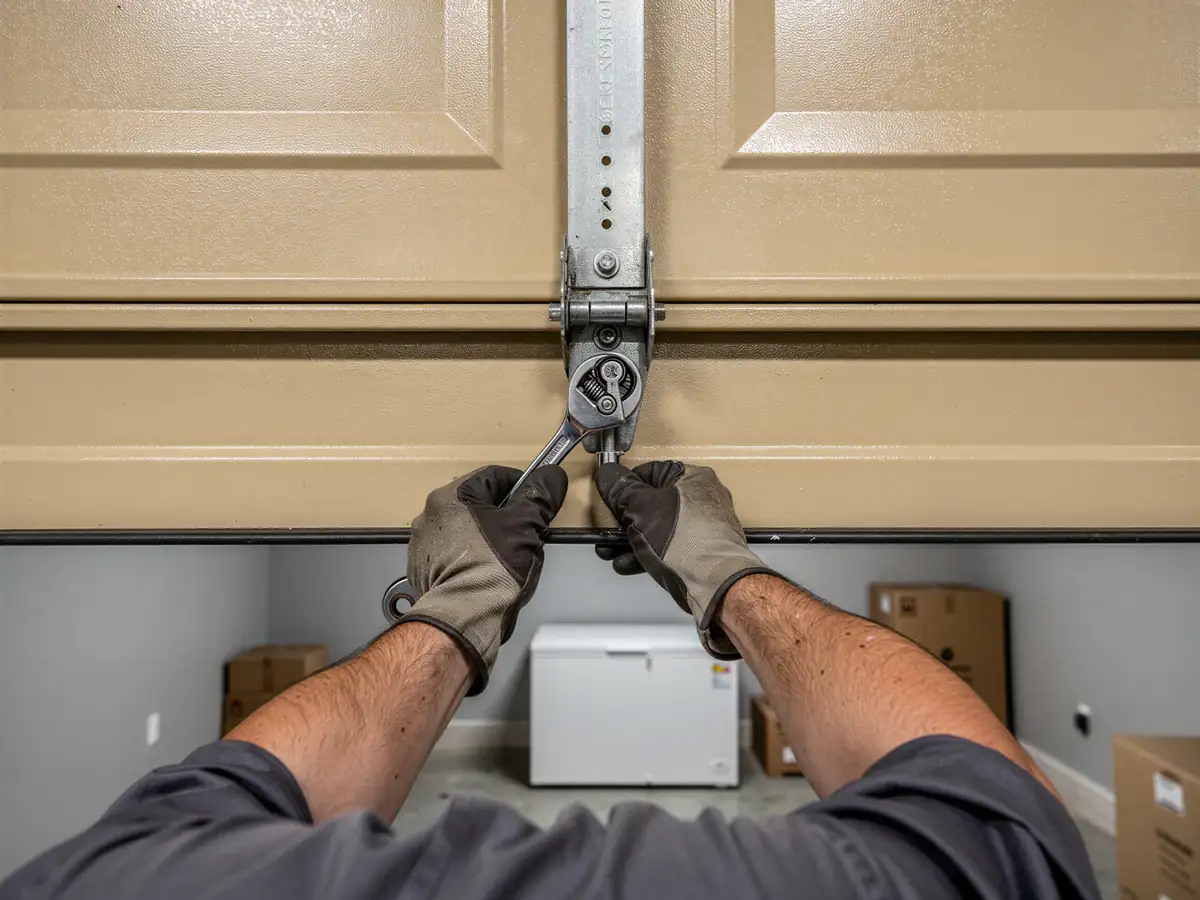
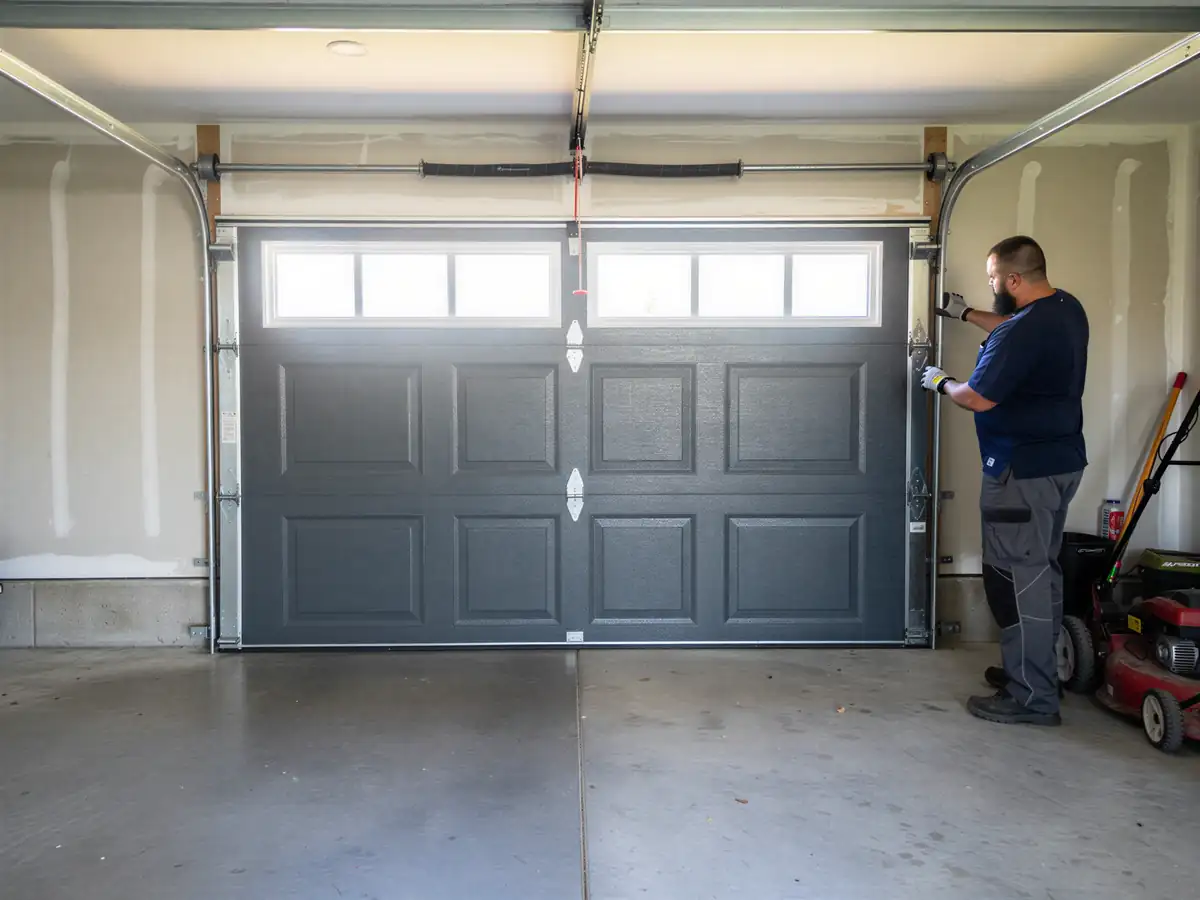
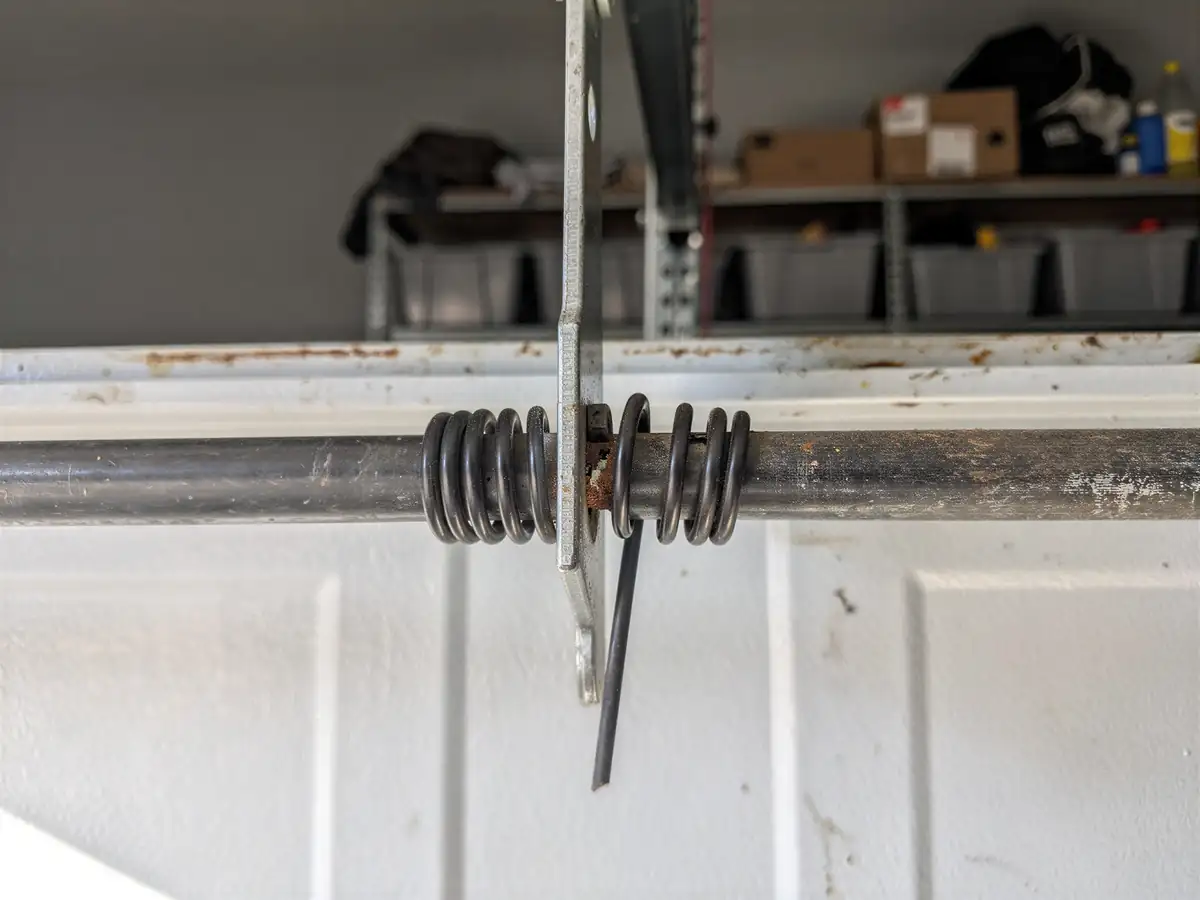
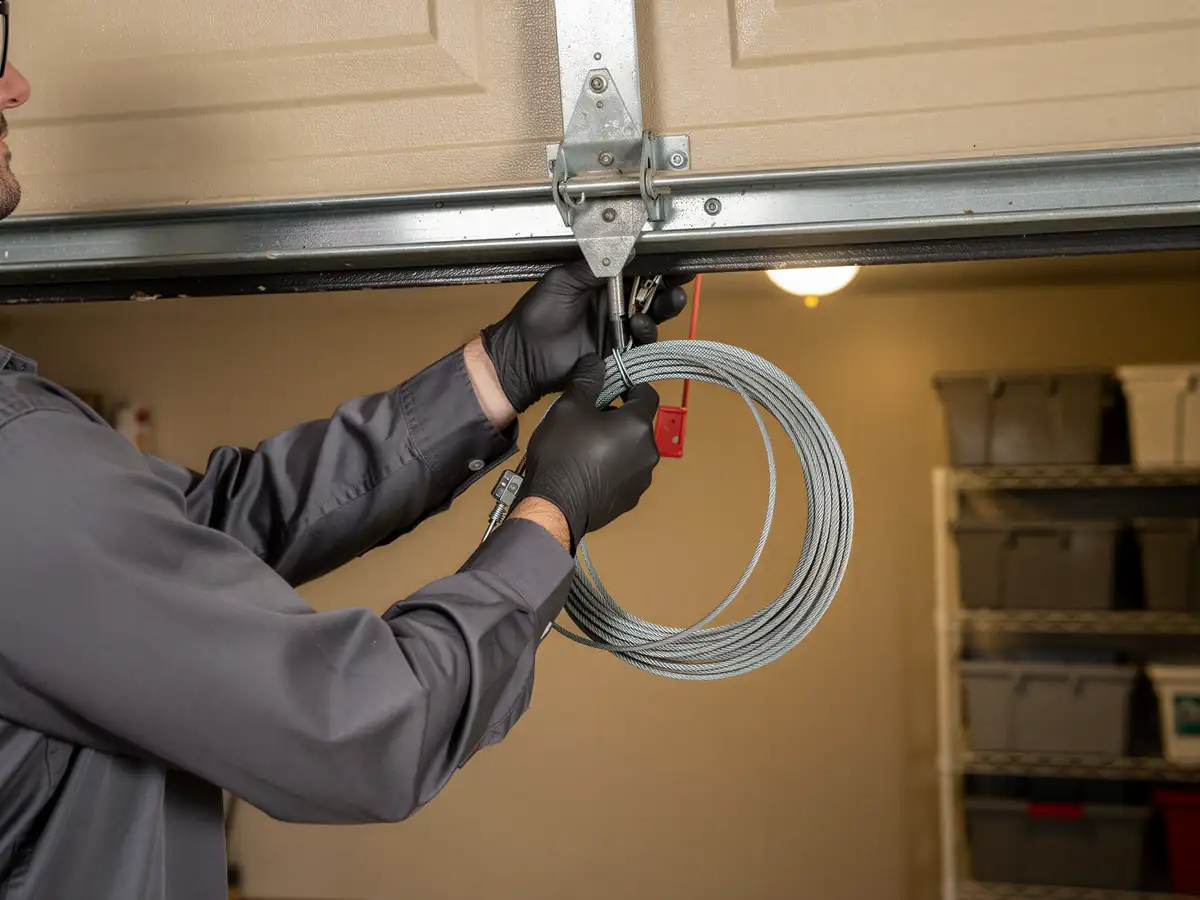
A door built to an 1987-era spec wasn't engineered for the same spring cycle ratings or insulation standards you'd spec today, and the service area sits in a cold, severe climate band - which means steel contracts hard on winter nights and springs lose tension faster than they would in a milder zone. On a torsion spring that's already 30-plus years old, that cold cycling is often the last straw, not the cause. The failure shows up as a spring letting go on the coldest morning of the stretch, a cable fraying where it's been rubbing a drum groove worn by age, or a roller finally seizing in a track that's never been lubricated. None of that is Clifton-specific hardware failure - it's Clifton-era hardware meeting a climate that doesn't forgive deferred maintenance. If your door was serviced or sprung within the last decade, your risk profile looks different than a neighbor's whose door hasn't been touched since it was installed.
Time on the Job
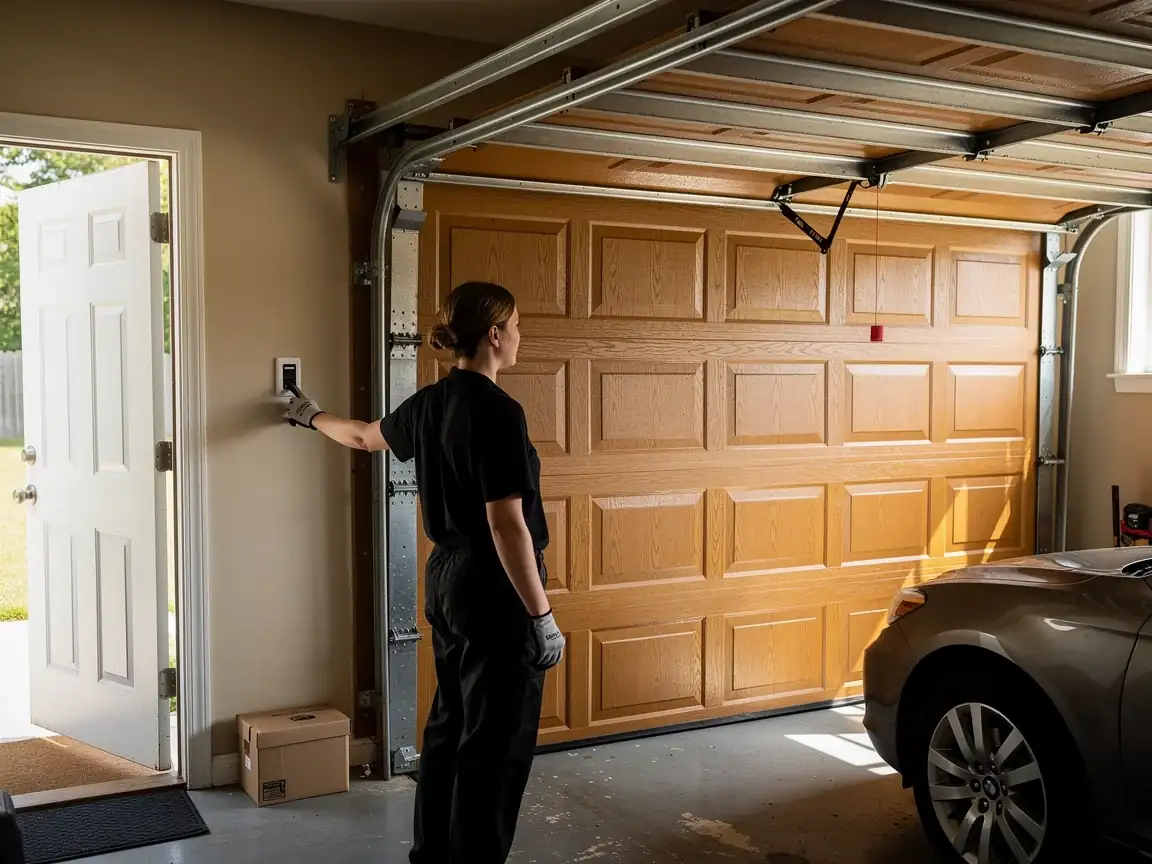
We run out of Grand Junction, about 6 miles from Clifton, so the drive is short but it's still a drive - we're not parked around the corner. Most torsion spring jobs, once we're on site with the right spring for a door built in the late 80s, run under two hours. Cable replacement and roller swaps are usually quicker. What slows a job down isn't the wrench time, it's parts - if your opener is an older model and the logic board has failed rather than the motor, we may not have that part on the truck, and a specialty order can push a full fix out a few days. We'll tell you up front if that's the situation rather than let you wait on a truck that isn't coming.
What You Pay
Given that Clifton's median household income runs about $54,301, a lot of households here are weighing a $300-$500 spring or cable repair against a $1,200-plus full door replacement, and that's the right comparison to make before signing off on anything. We don't have a published flat rate to quote you here - too much depends on spring size, opener model, and whether the track took damage along with the spring - but we will walk the repair-versus-replace math with you on site, using the actual door in front of us, not a guess made over the phone. If the door is original to a house built around 1987 and has already had one spring replaced, a second failure on the opposite side is common, and it's often worth doing both springs at once rather than paying for the truck twice.