Where This Job Goes Sideways
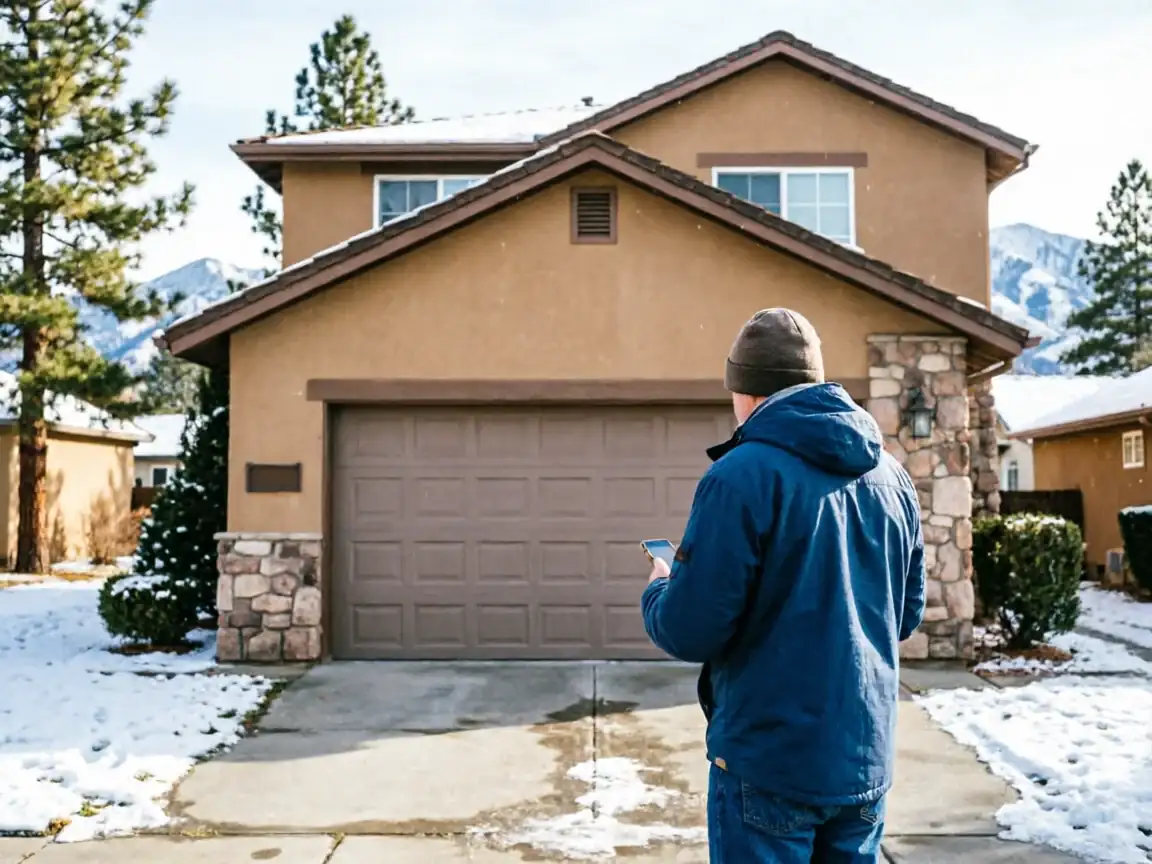
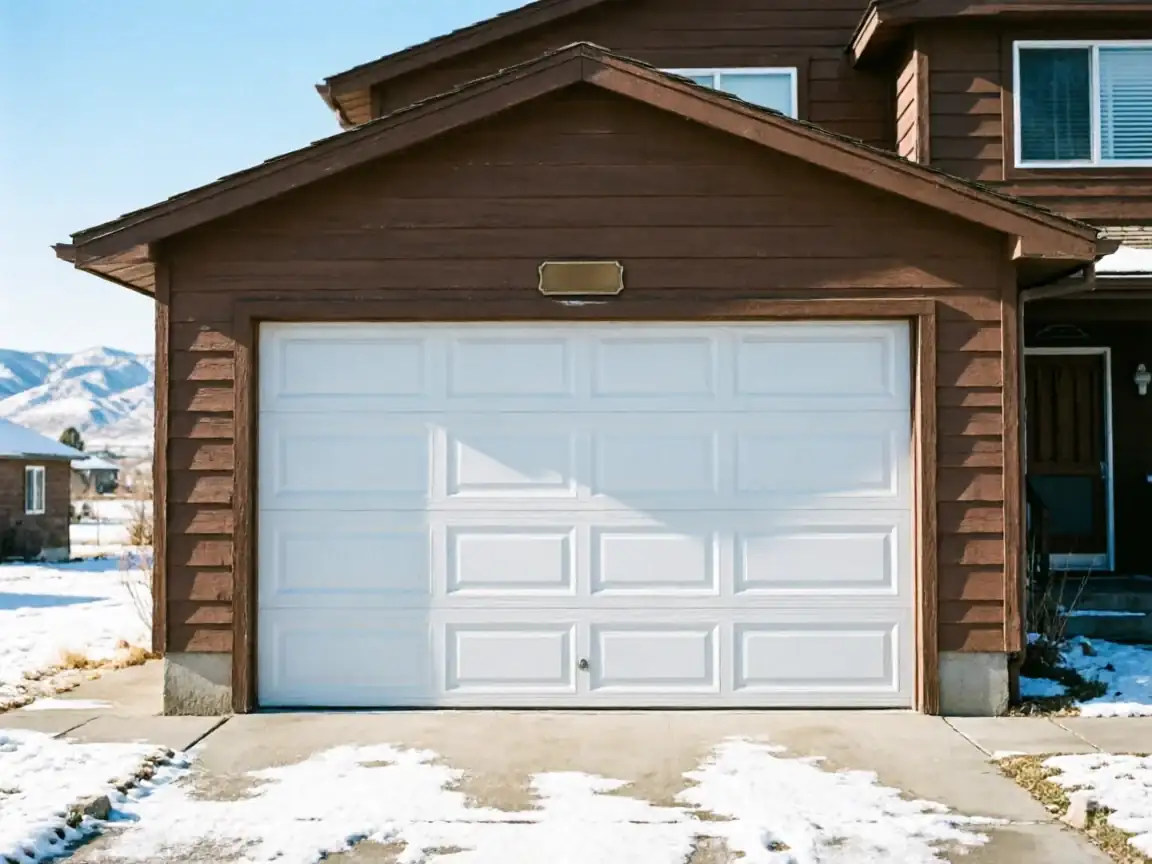
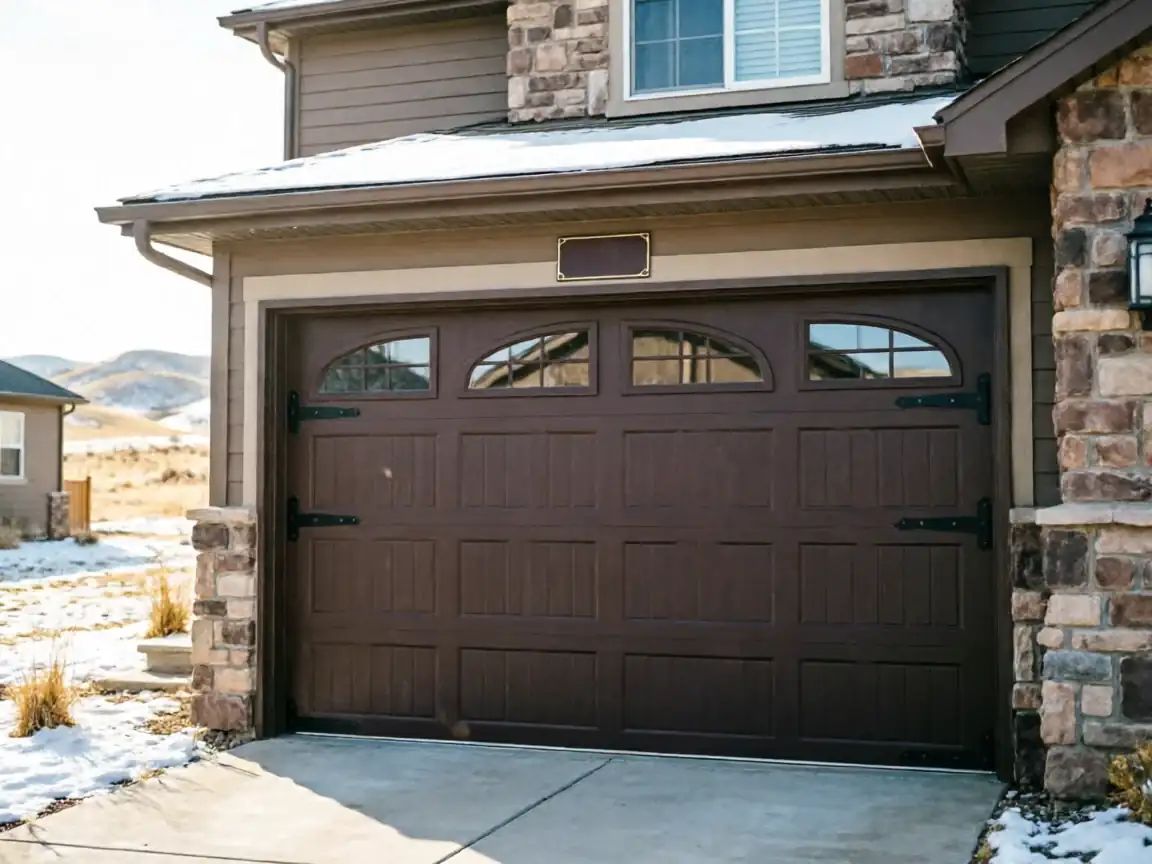
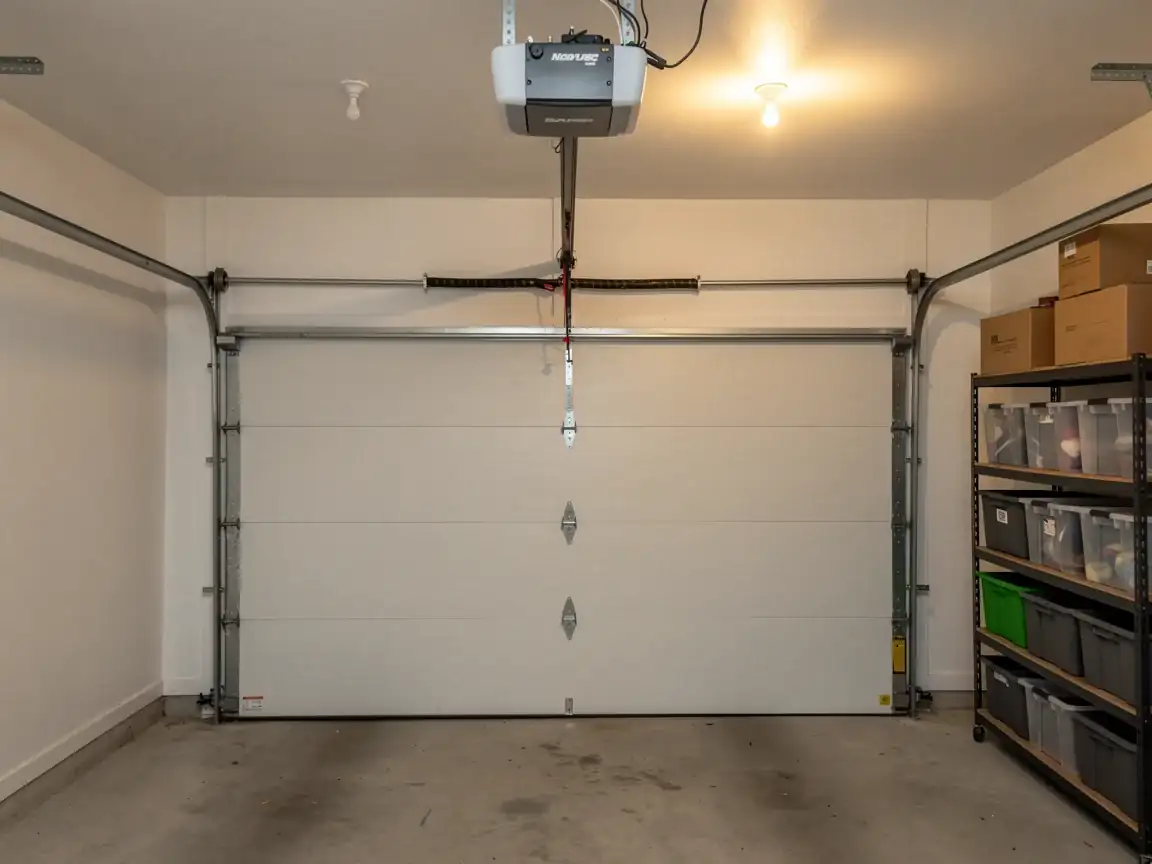
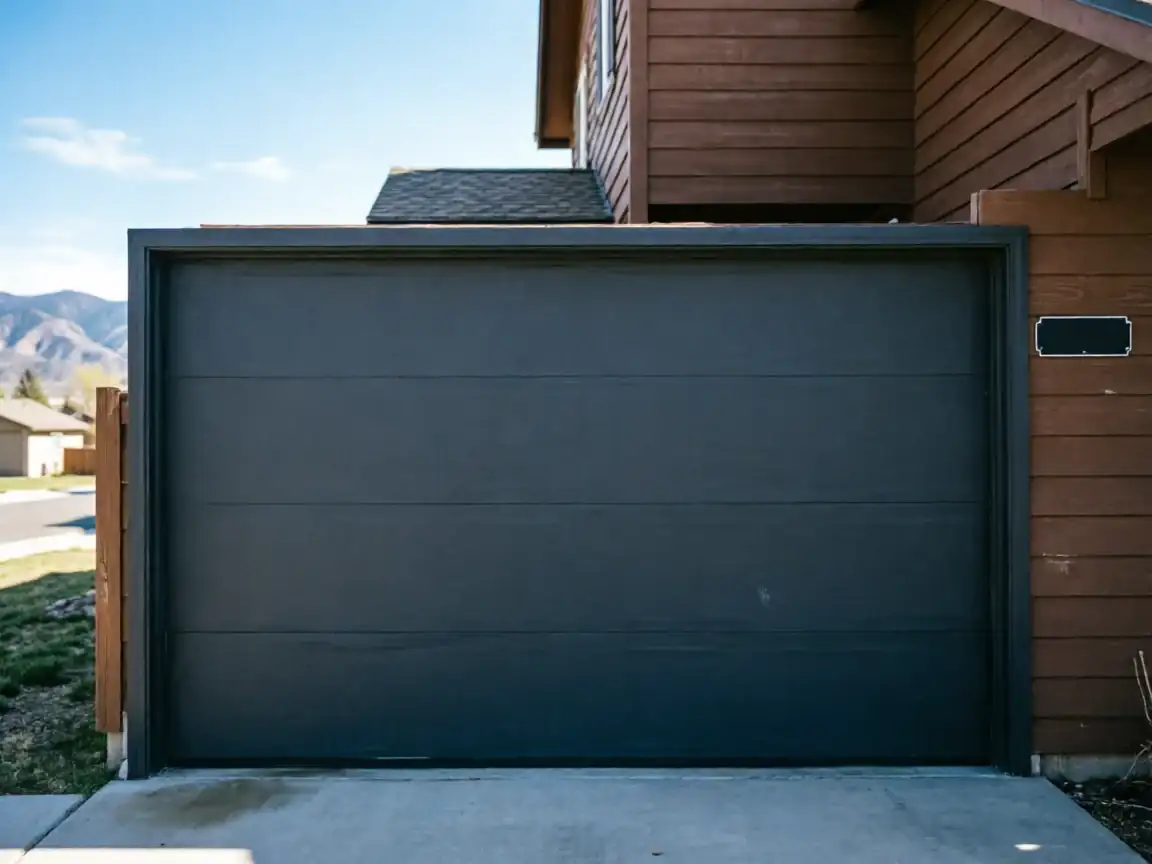
Clifton's housing centers on 1987, a bit later than the 1977-1998 stretch that covers the wider service area, where the midpoint sits closer to 1984. That three-year gap sounds small until you're standing in front of the door. Houses built right around 1987 in this region tend to carry the first generation of steel sectional doors paired with torsion springs sized for the openers of that era - lighter-duty than what went into homes built even five years later. Those springs are past due for replacement on cycle count alone, and the openers bolted to them are usually the original chain-drive units, not the belt-drive models that showed up later.
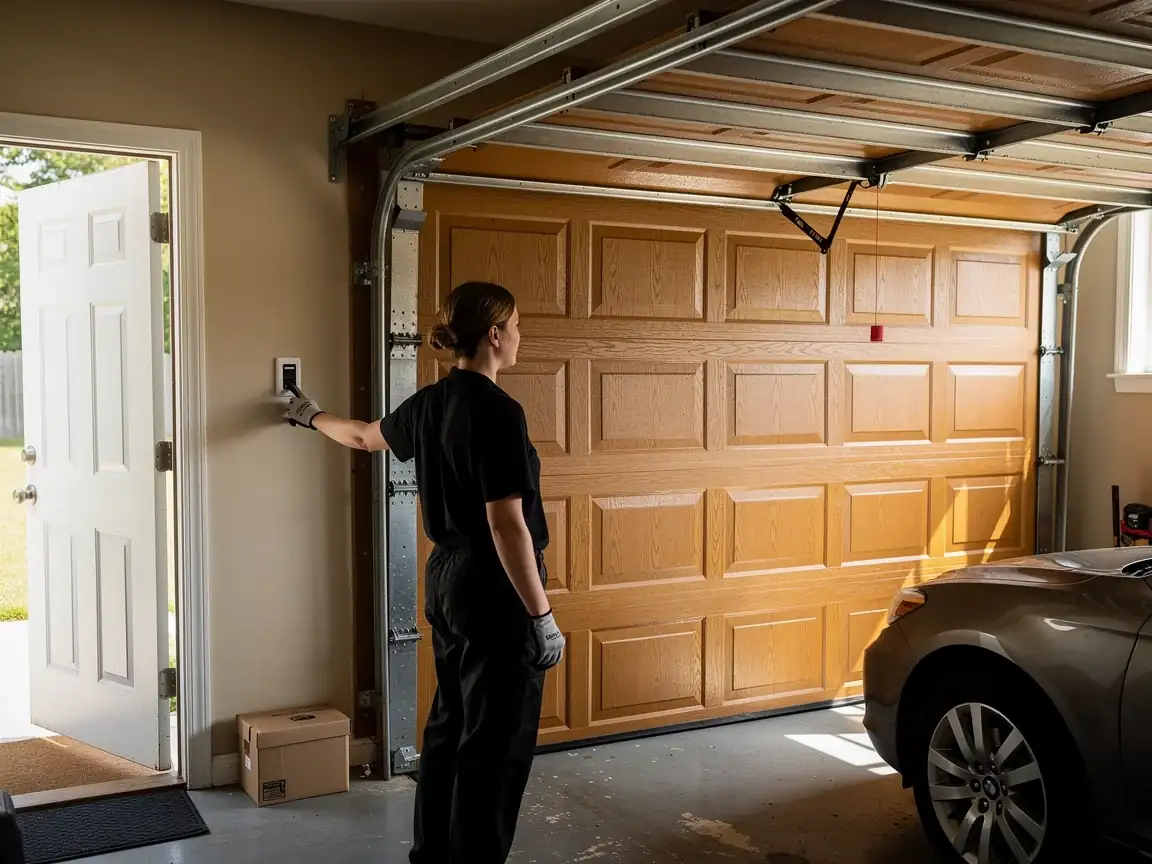
Where this goes sideways is when a homeowner assumes a 'tune-up' means the same thing it would on a newer door. On this vintage, maintenance means checking a spring that's likely original, inspecting roller tracks that have had three decades of expansion and contraction, and testing an opener's reversing mechanism that may predate the federal safety standard updates. Skip any one of those and the failure shows up as a dropped door, not a squeak.
Why It Happens Here
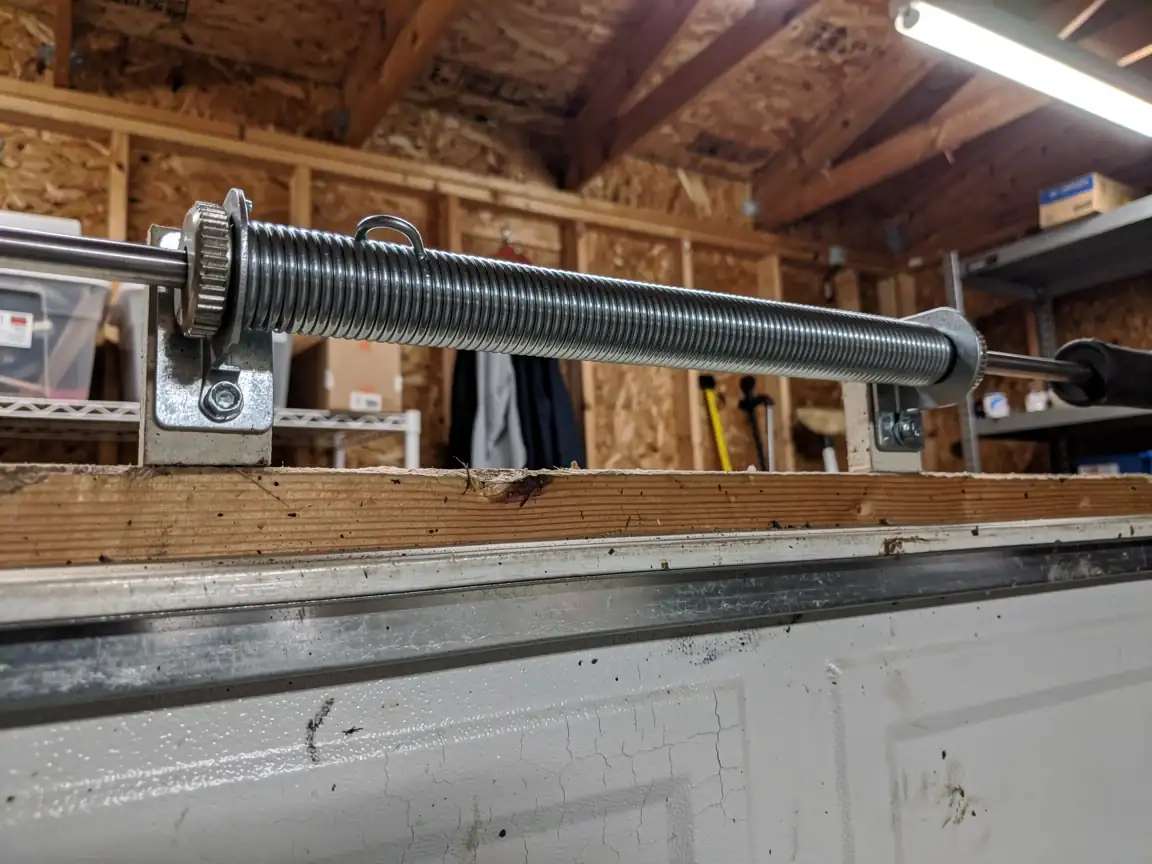
The service area sits in a COLD-severe climate band, and a door built in the late 1980s wasn't engineered with the weatherstripping or insulated panel standards that came later. Cold snaps shrink steel and stiffen lubricant inside torsion springs that are already thirty-plus years old. That's the combination - older spring, harsher seasonal swing - that causes the sudden snap instead of the slow fray you'd get in a milder climate or a newer build.
It also matters that household income here runs lower than the area average: $54,301 in Clifton against $76,339 across the wider service footprint. That's not a comment on anyone's house - it's relevant because it shapes which maintenance calls happen on schedule versus which ones get put off until something fails. A spring that gets inspected every year or two rarely strands anyone. One that doesn't get looked at until it breaks usually breaks on the coldest morning of the year, which is exactly when a garage door tech can't get there fast.
The DIY Question
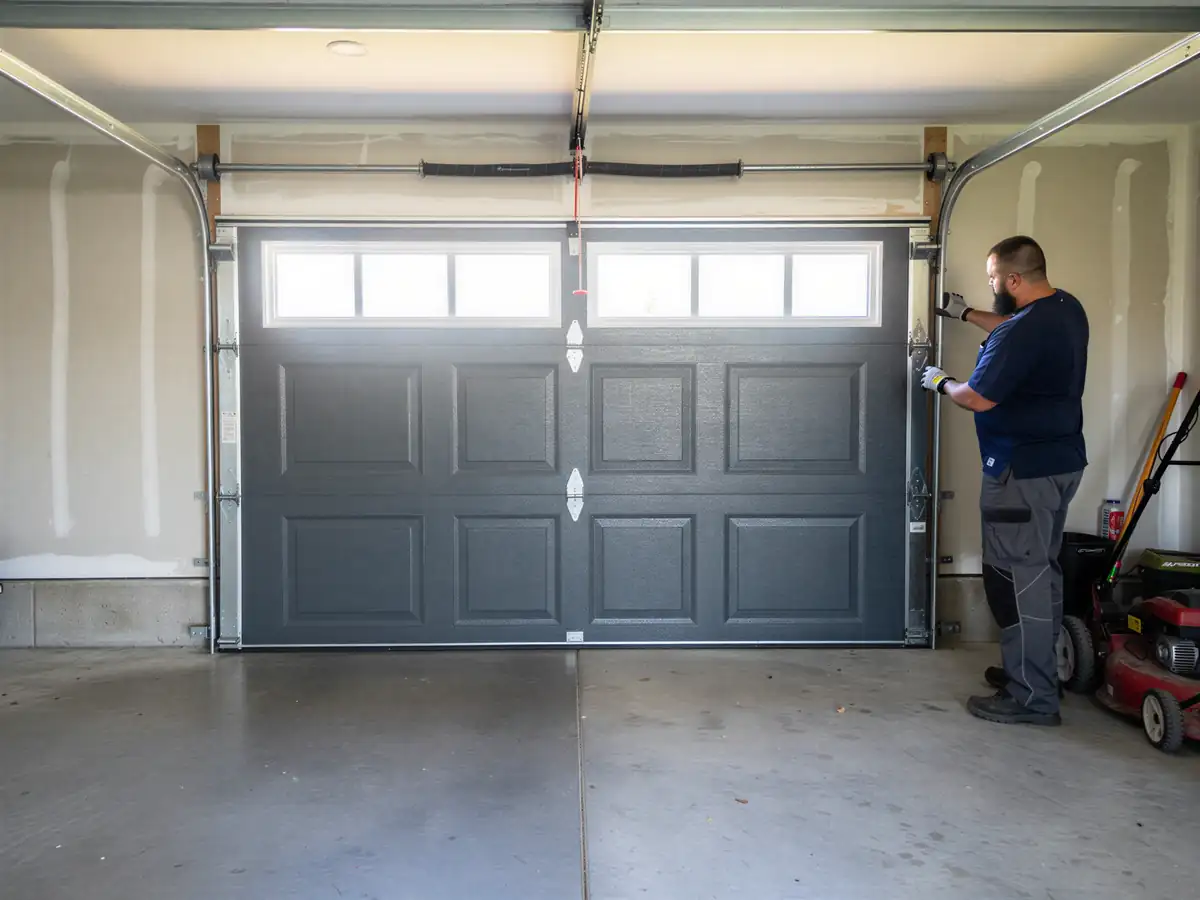
Lubricating hinges and rollers, vacuuming the track, and checking that the door is still balanced (disconnect the opener, lift the door halfway, see if it holds) are all fine to do yourself, regardless of the house's age
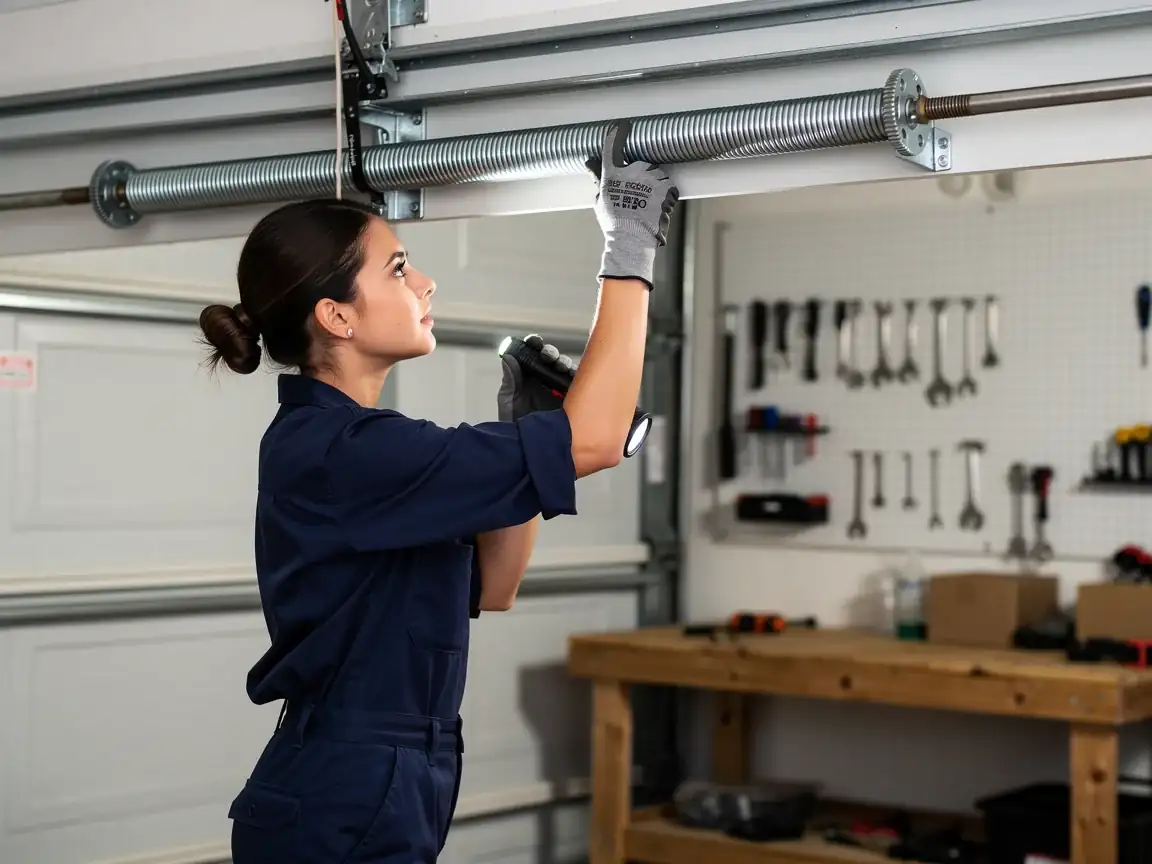
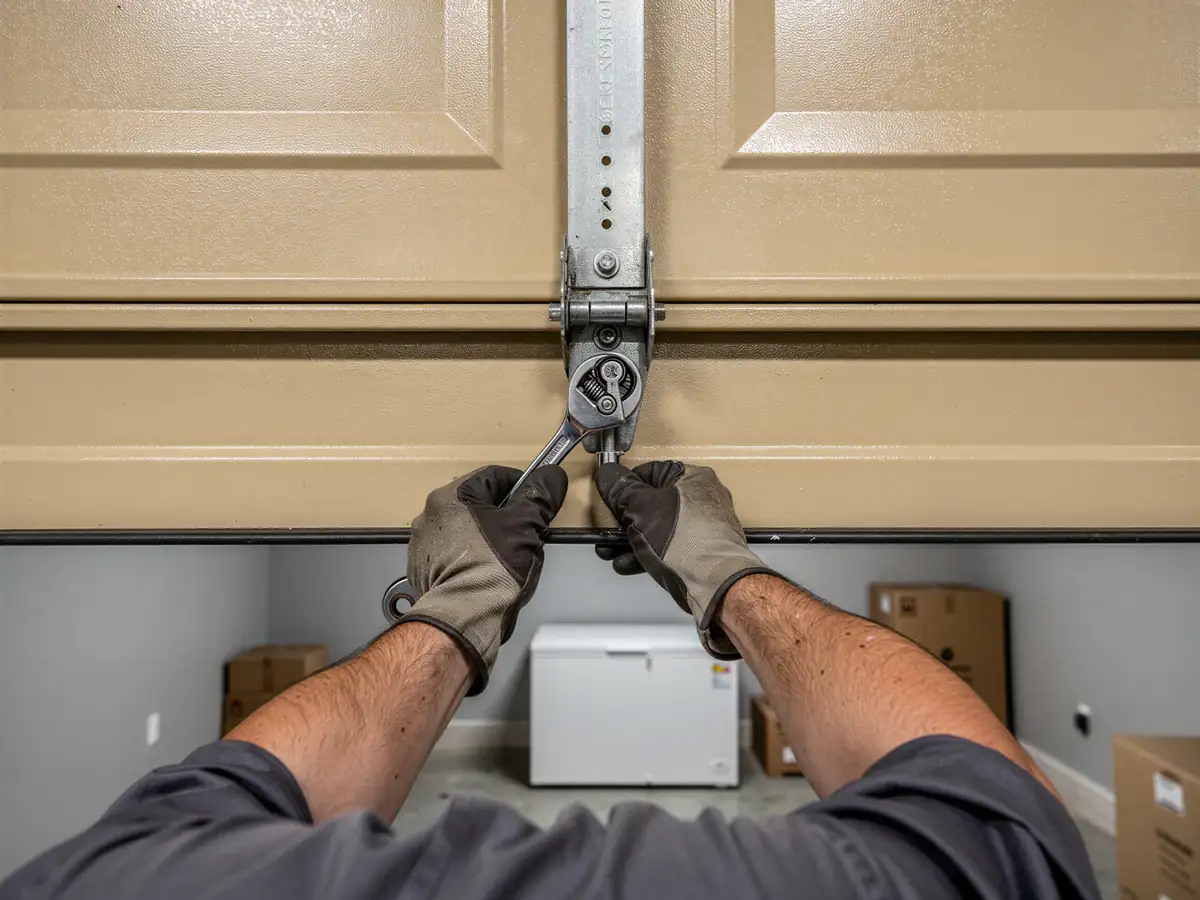
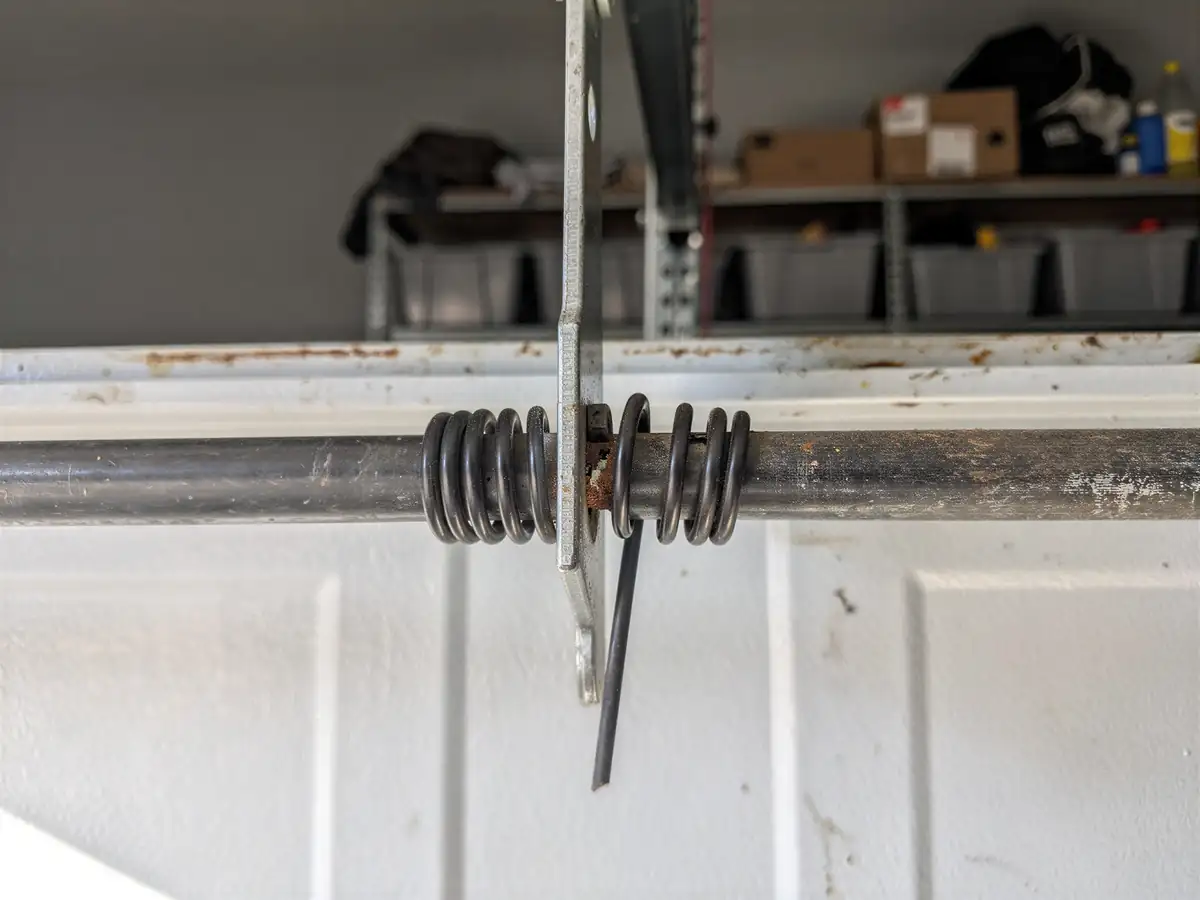
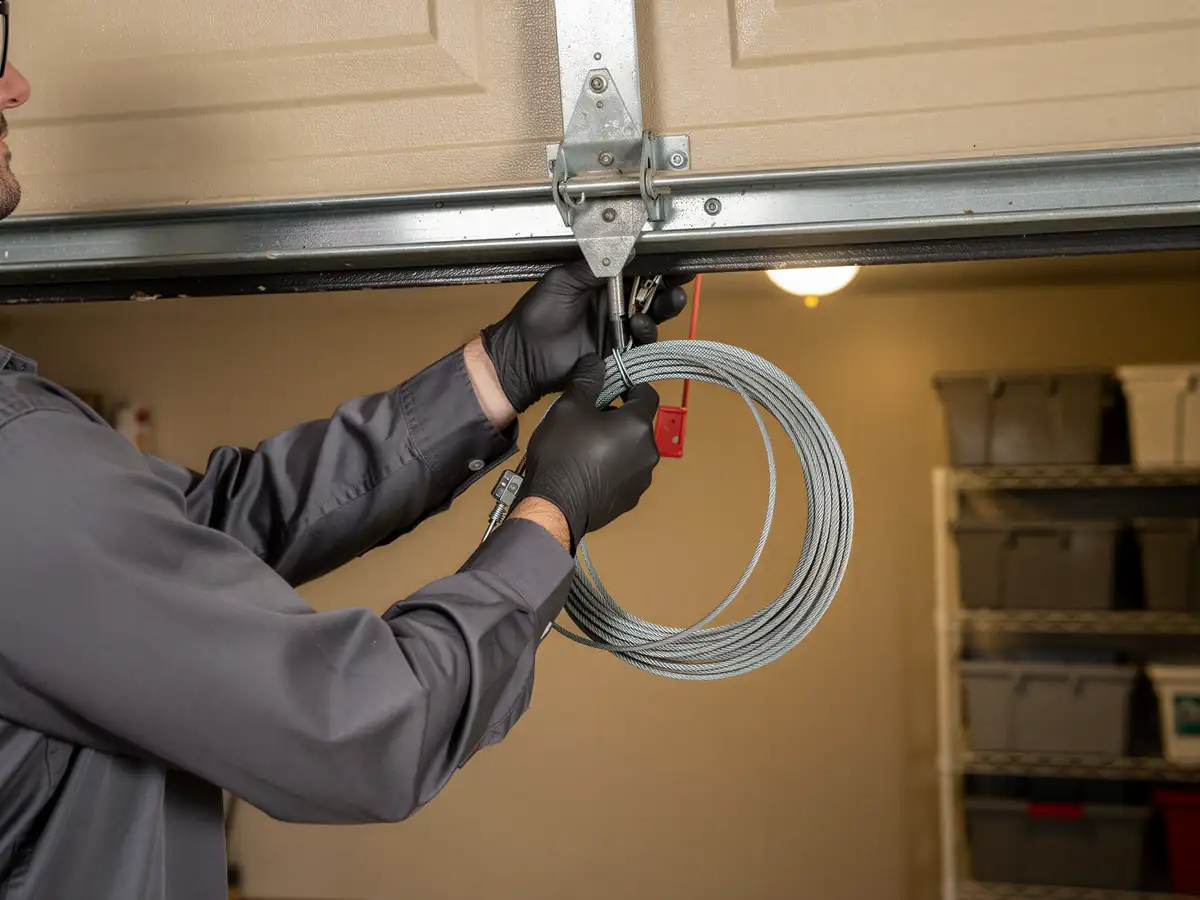
What isn't a DIY job on a door this old is anything involving the torsion spring itself - adjusting tension, swapping a cable, or re-seating a drum. Springs on 1980s-era doors are frequently under-sized for the door weight people have since added insulation or extra panels to, and an untrained hand on a wound spring is how people get hurt.
The honest limit here
We don't do same-day spring swaps sourced on the spot for every type of 1980s hardware. Some of these older drum and cable configurations use parts that aren't on every truck, and if yours is an odd one, there's a short wait while the part gets ordered. We'll tell you straight if that's the case rather than pretend otherwise.
Time on the Job
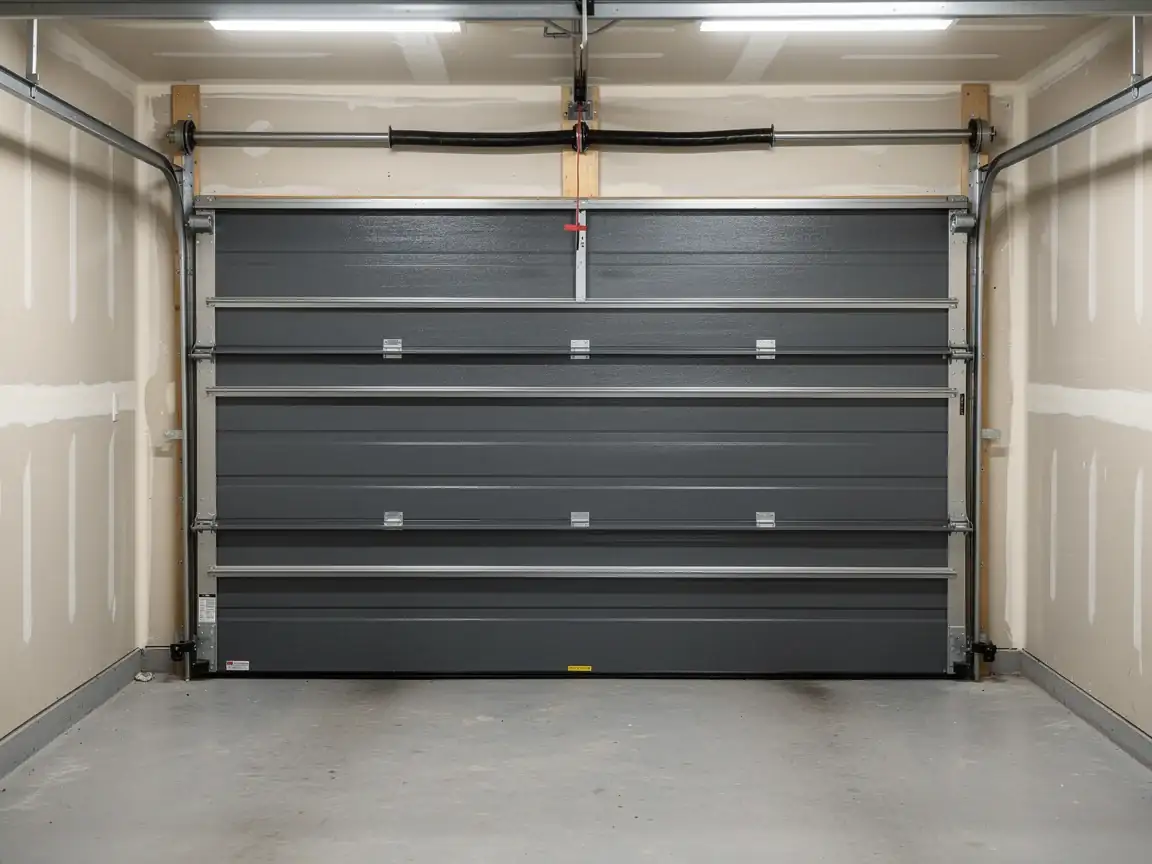
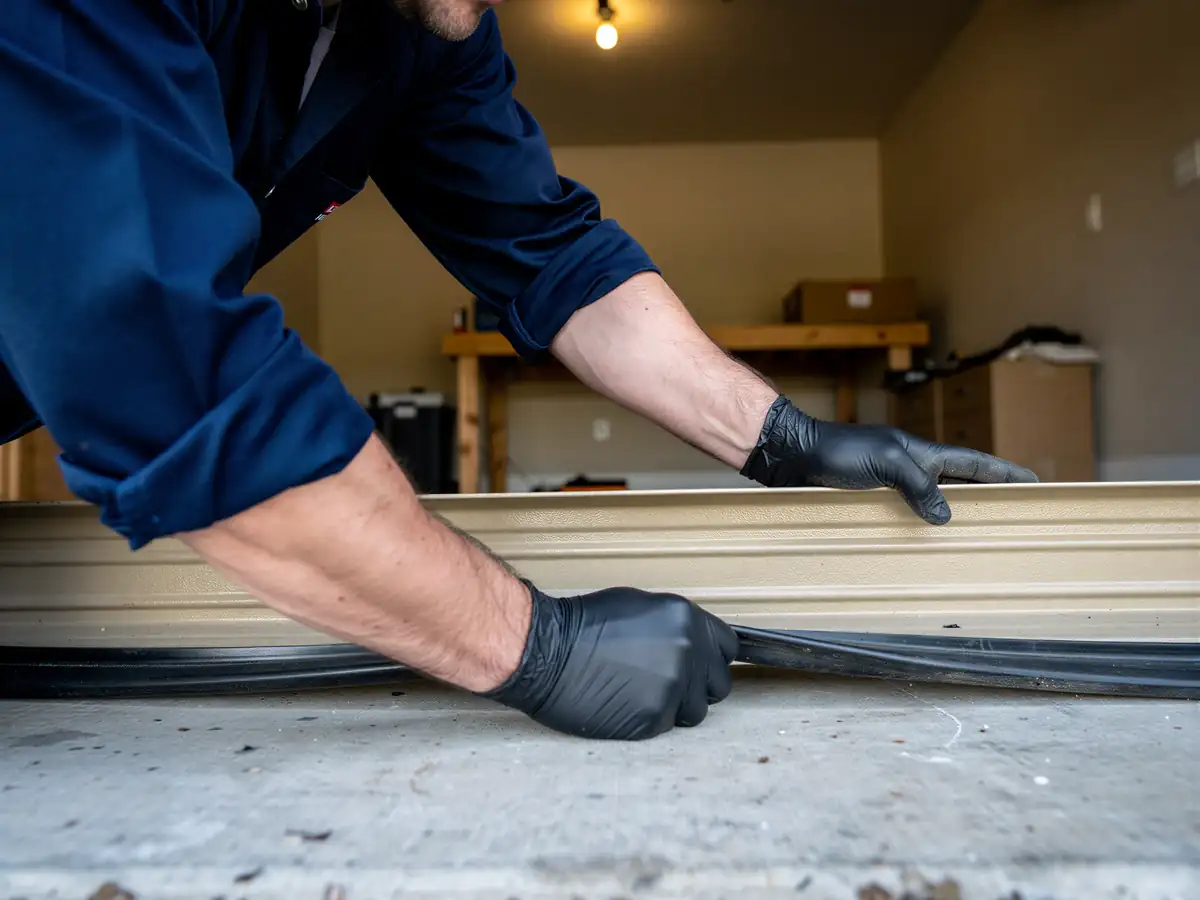
A standard maintenance visit - inspection, lubrication, hardware tightening, balance and opener safety check - runs about the same length of time whether the house is in Clifton or anywhere else in the service area. What adds time here is diagnosing hardware from the late 1980s build window: older track brackets rust differently, and drum-and-cable setups from that period take a few extra minutes to inspect properly compared to newer doors with sealed bearing plates.
Clifton sits six miles from the Grand Junction shop, which the crew factors into routing rather than treating as a special trip. It doesn't change what's done on site, just how the day gets planned around it.
What You Pay
We don't publish a flat maintenance price here because what a 1987-built door needs varies - some have already had the spring replaced once, some haven't. What we can tell you is that income levels in Clifton run lower than the area average ($54,301 versus $76,339 area-wide), and that's part of why we flag repair-versus-replace honestly on this stock: a 1980s door with an original spring and an aging chain-drive opener is often cheaper to keep running with regular maintenance than to replace outright, as long as the track and drums aren't warped. We'll say so on site, not push a replacement nobody asked for.