Why It Happens Here
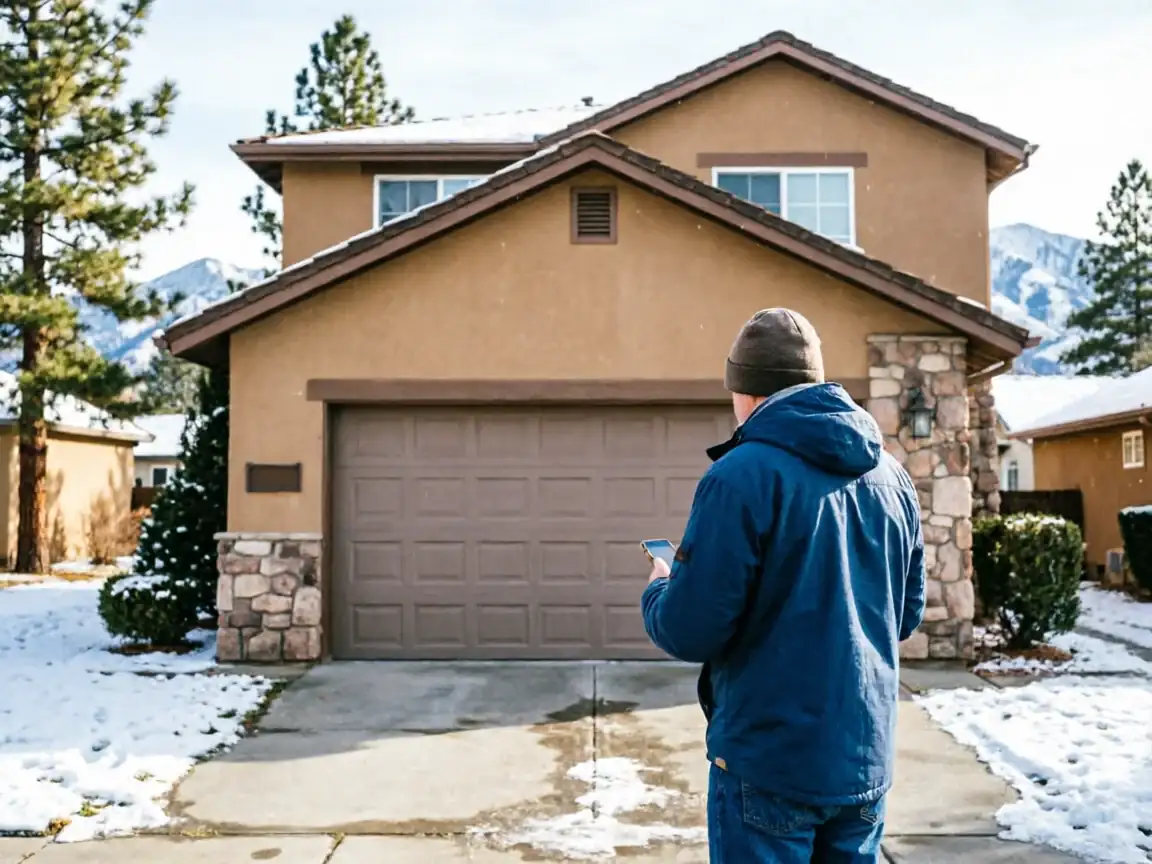
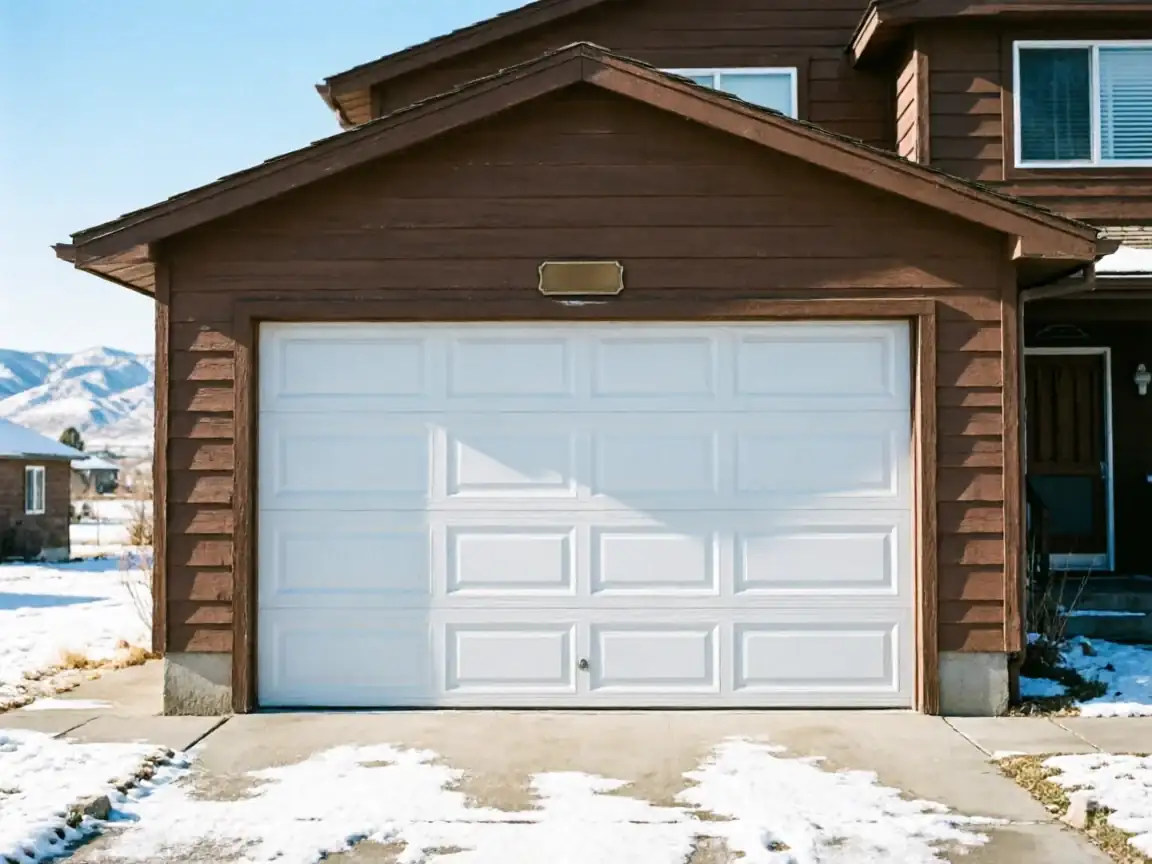
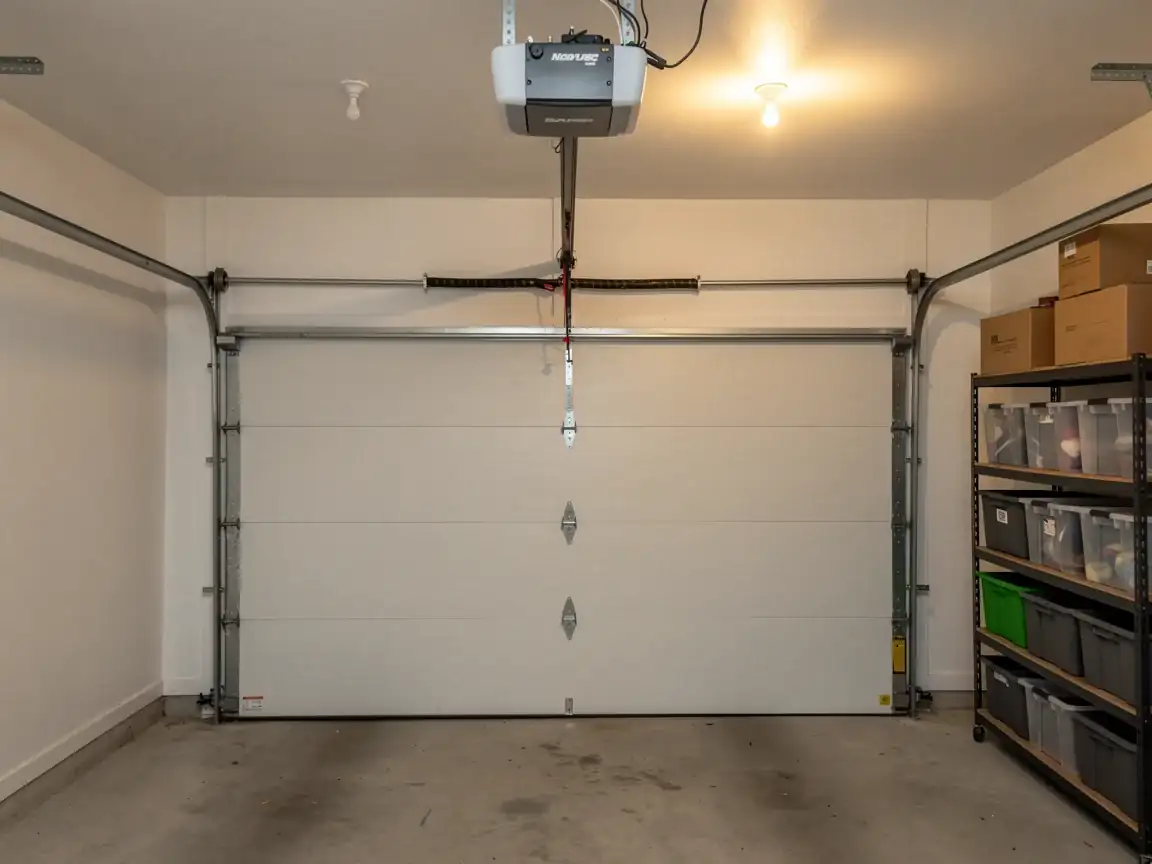
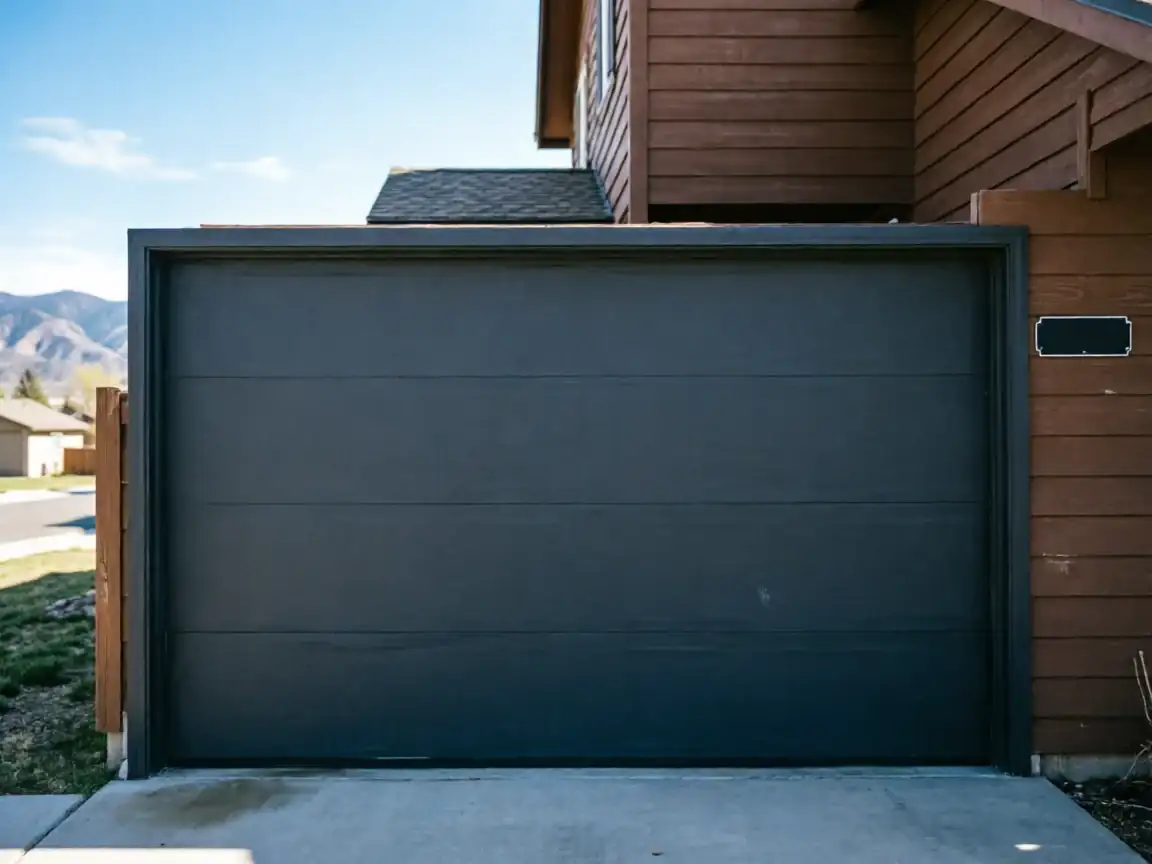
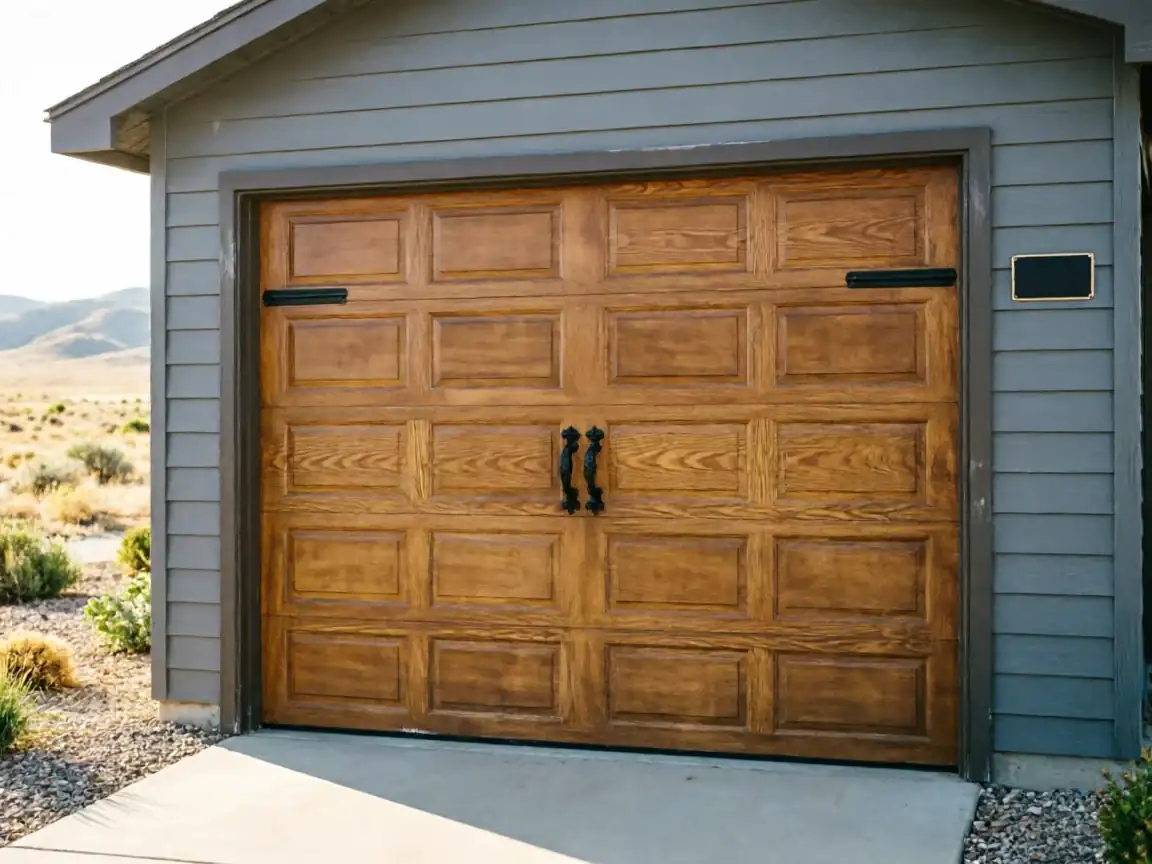
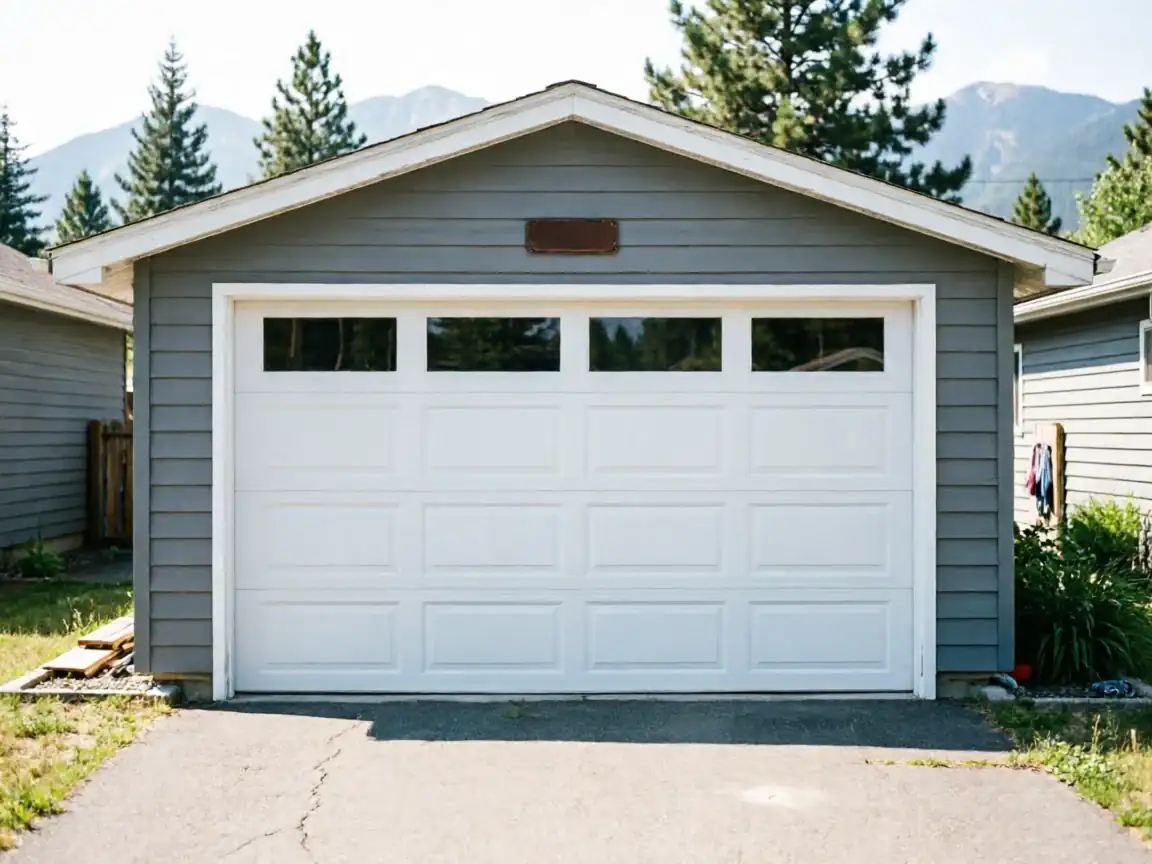
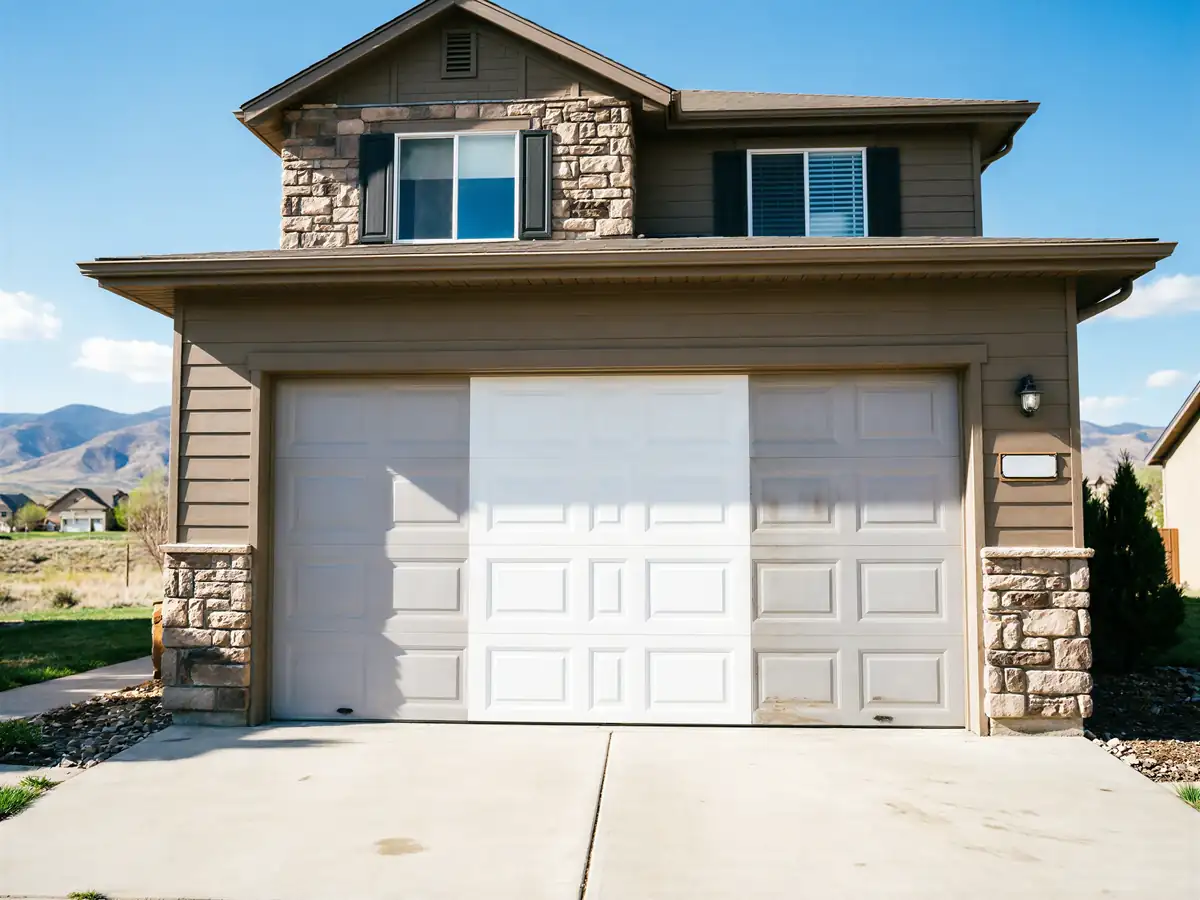
Most garages in Fruita went up around 1998, later than the 1977-1998 spread you see across the wider Grand Junction service area, which skews toward the earlier end with a median closer to 1984. That later build date matters for panel work: these are steel sectional doors from the point where manufacturers had already moved to factory baked-on finishes and foam-filled panels, not the thinner single-skin steel or older wood-composite sections you find on houses built a decade or two earlier. The panels are wider too, built for the two-car openings standard by the late 90s.
The failure mode follows from that. A foam-filled panel doesn't dent and pop back the way an old hollow one does - it takes a crease and holds it, and the foam bond can separate from the backing after an impact, which you'll feel as a soft spot before you see a visible dent. Factory finish means a replacement panel has to be color-matched or you live with a mismatched section, since repainting a textured steel face rarely looks right. The cold-severe winters here also stiffen the foam and the steel skin, so impacts that would just scuff a door in summer are more likely to crack a finish or snap a stile in January.
Where This Job Goes Sideways
The trouble with a 1998-era door isn't finding a panel - it's finding the exact panel. Builders in this window used a handful of common profiles, but trim details, window cutouts, and finish texture varied by manufacturer run, and a close match from a generic supplier can look wrong sitting next to 20-plus-year-old factory paint that's faded unevenly.
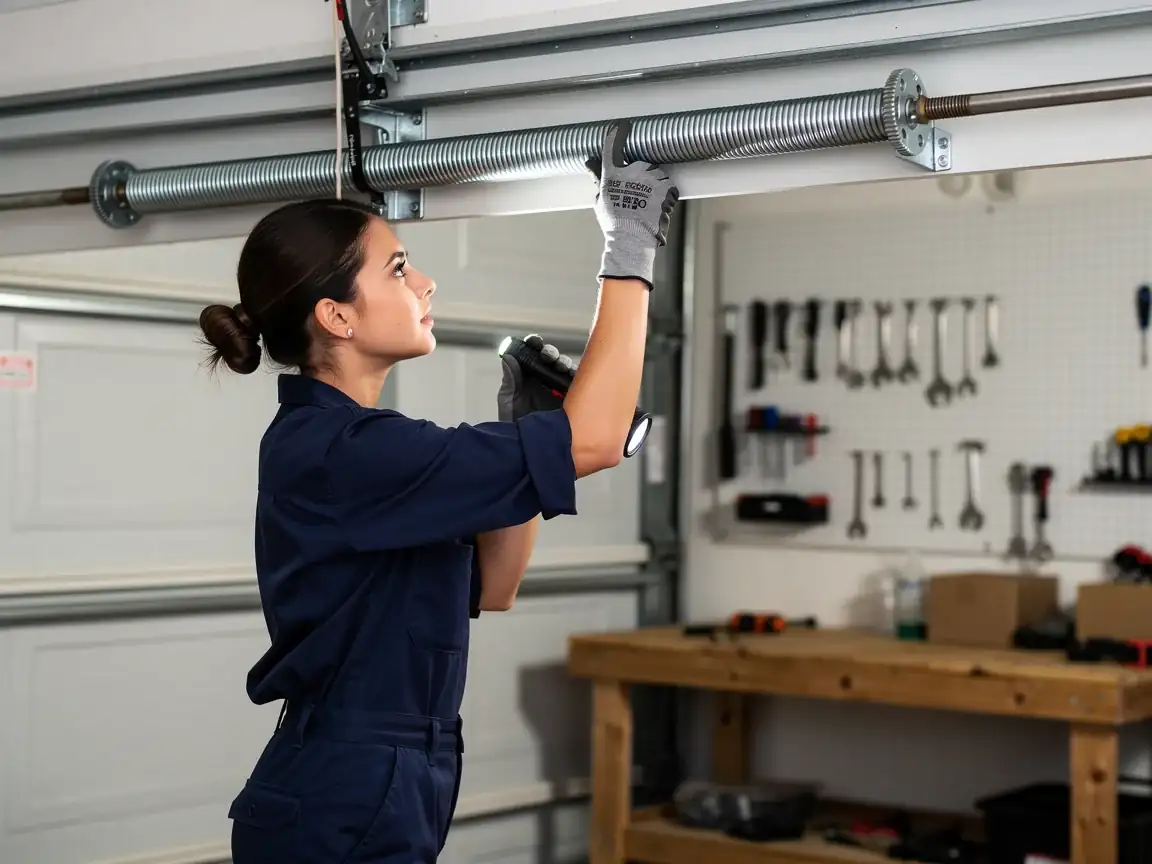
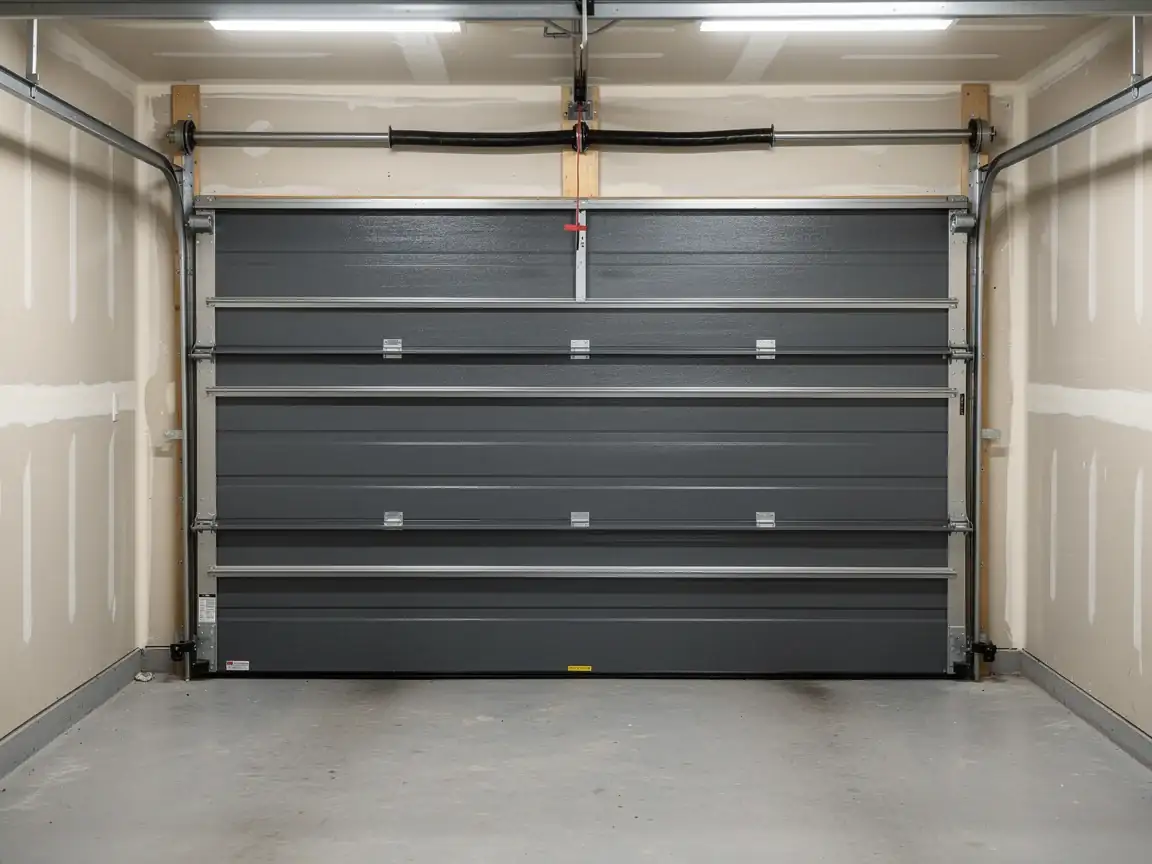
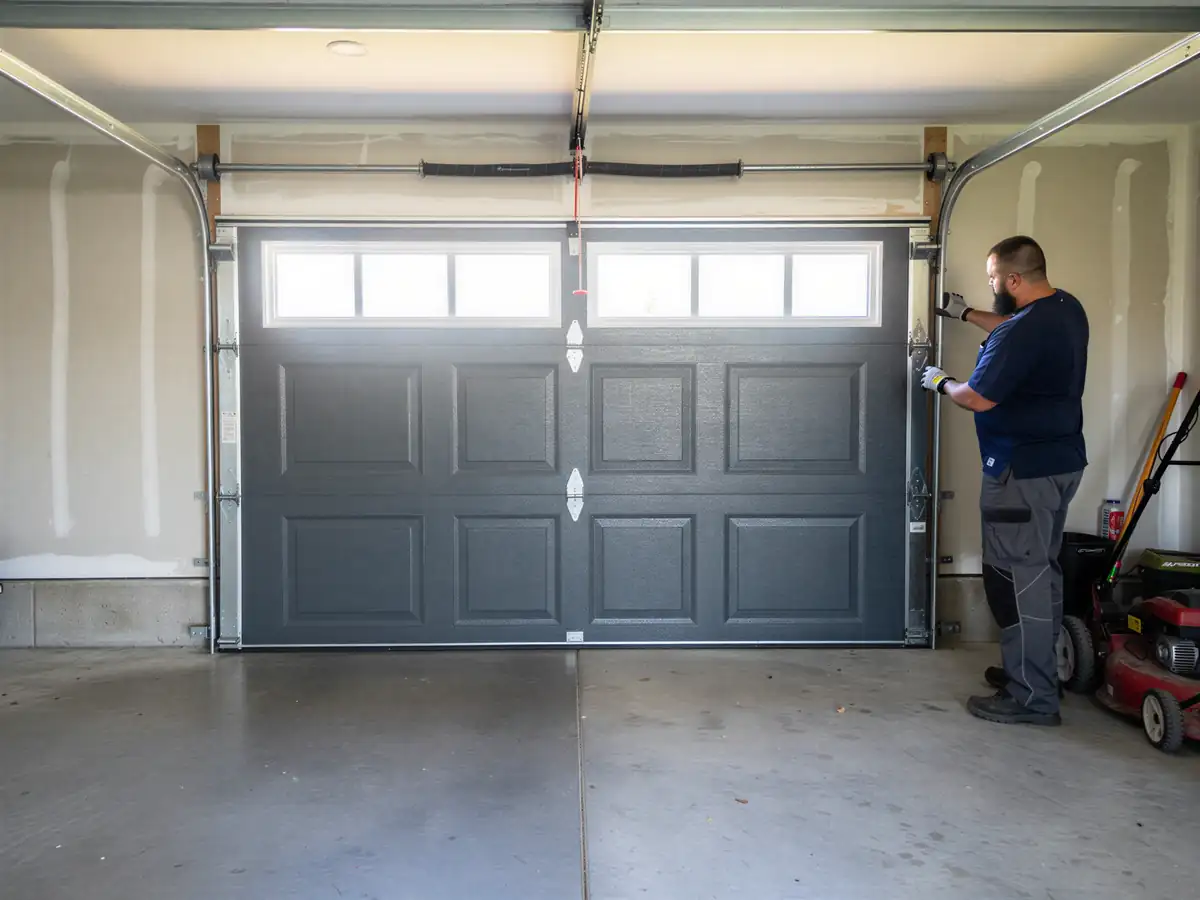
Width is the other issue. A lot of these garages were built for two full-size cars, so the doors run wider than older single-bay stock, and a wider panel flexes more under its own weight during a swap, especially with the track and rollers still carrying the rest of the door's weight while one section is out. If the track has shifted even slightly out of plumb over 25-plus years, a new panel that's dimensionally correct will still bind going in. That's the point where a job quoted as a one-panel swap turns into a track adjustment too, and it's worth knowing before you book that the two aren't always separable.
The DIY Question
Swapping a single garage door panel is within reach for someone comfortable with hand tools
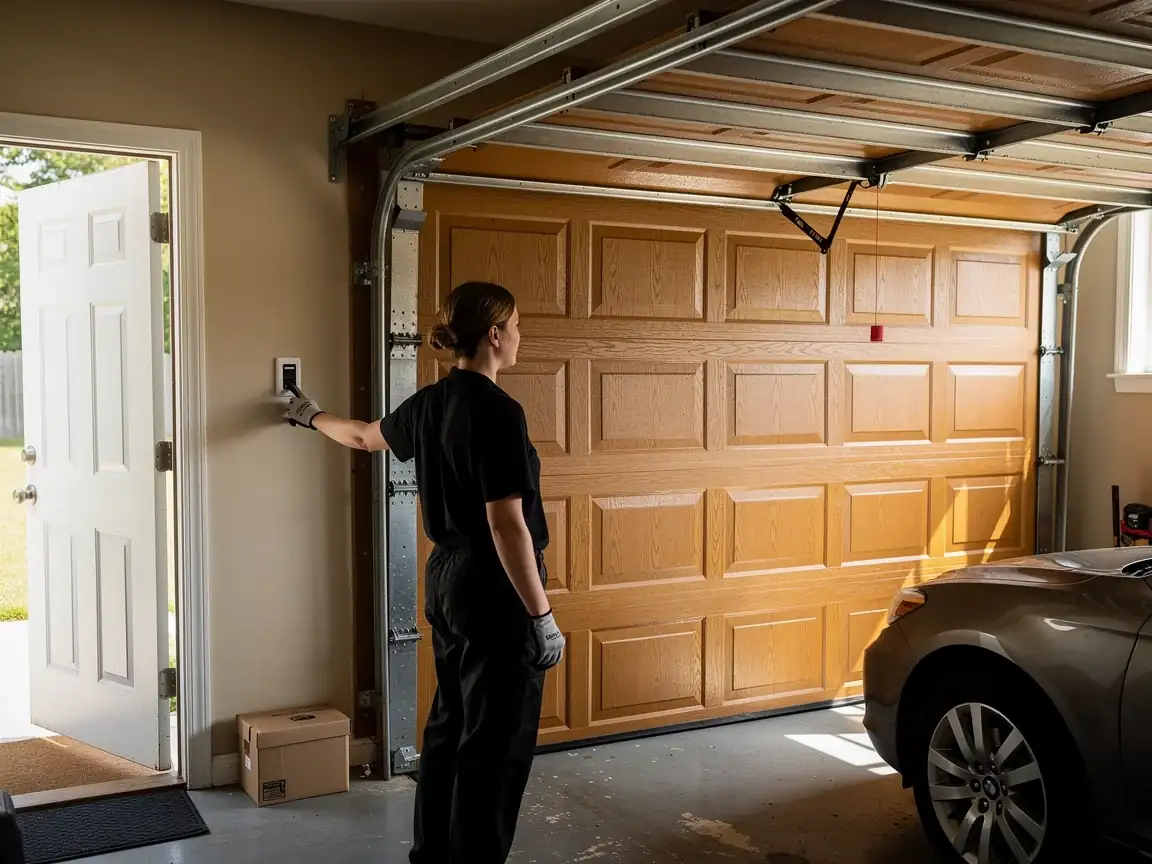
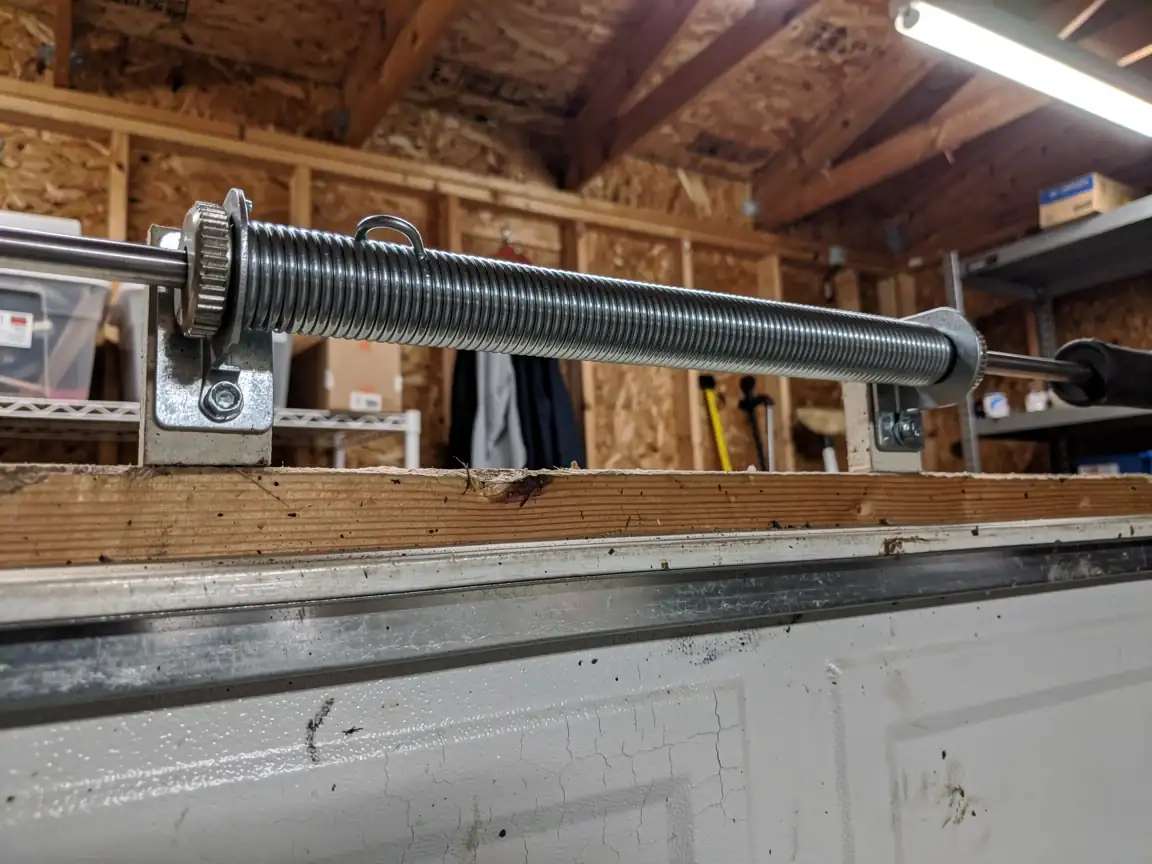
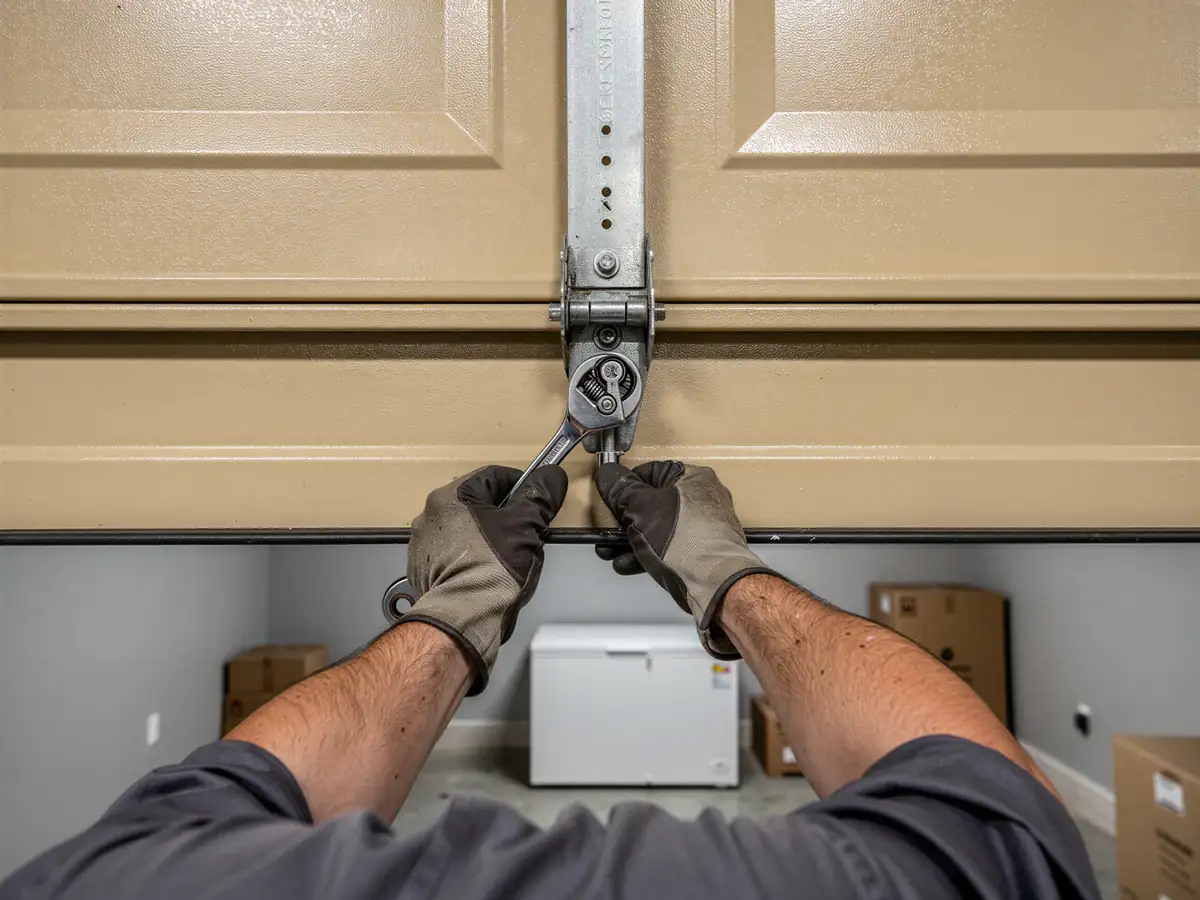
If the door is disconnected from the opener, the springs are left alone, and the replacement panel is confirmed to match before ordering. Where it stops being a weekend job is anything involving the end stiles, the hinges that carry spring tension, or a door where more than one panel shows damage - at that point you're often better off pricing a full door against a repeated panel order.
We won't talk anyone into a full replacement when a panel swap will hold up fine
And we also won't pretend a cracked bottom panel on a 25-year-old door is a quick fix if the track underneath has corroded or the rest of the panels don't match anymore. That's a case where fixing one piece just highlights how worn the rest is. Lead time on a color-matched replacement panel is the other honest limitation - stock sections ship faster than anything requiring a factory match, and we'll tell you which one you're looking at before you commit.
Booking a Visit
We run jobs out to Fruita from Grand Junction, about 10 miles out, so a panel replacement here gets scheduled as a travel visit rather than a same-area drop-in - worth knowing if you're comparing timing against work done closer to Grand Junction itself. We'll need the door's width, panel count, and ideally a photo of the section that's damaged before we can tell you whether it's a stock match or a longer-lead factory-matched order.
See our Fruita area page for the rest of what we cover out this way, or check panel replacement details for Grand Junction if you want the broader rundown on how we handle this job.