Why It Happens Here
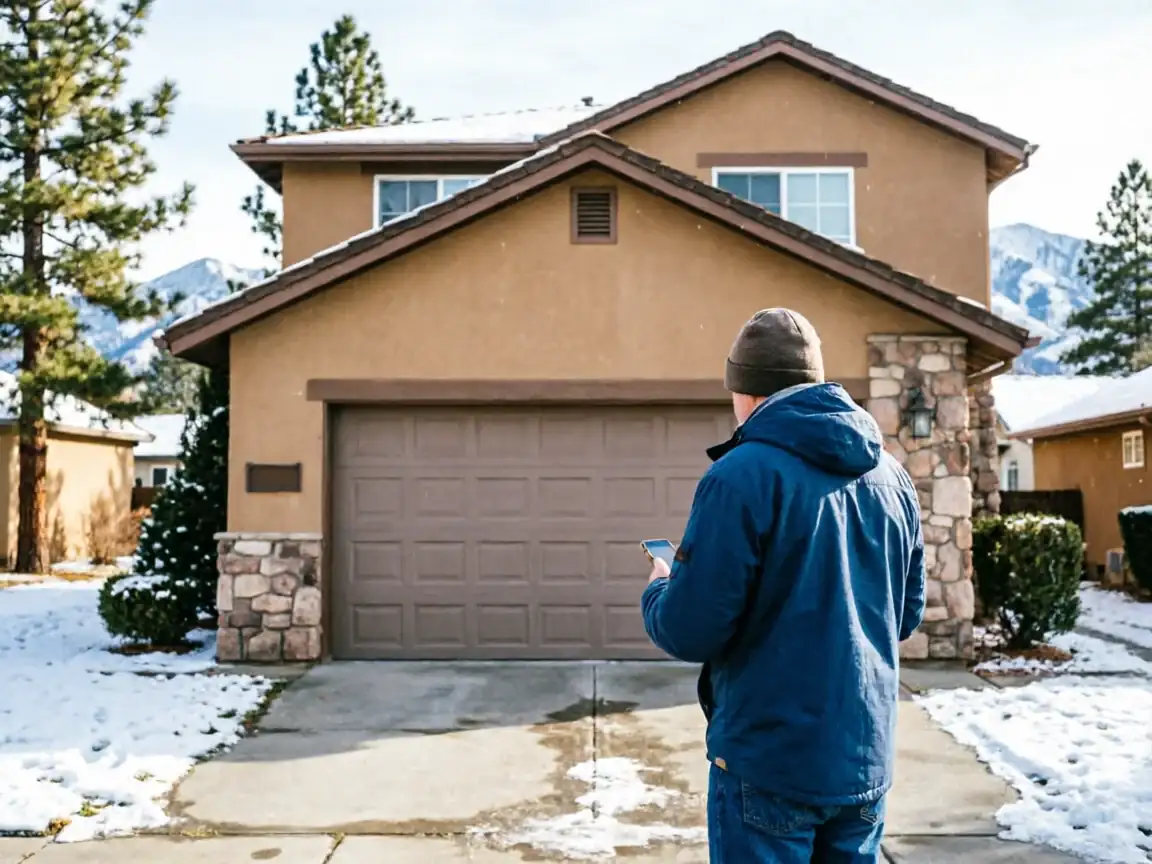
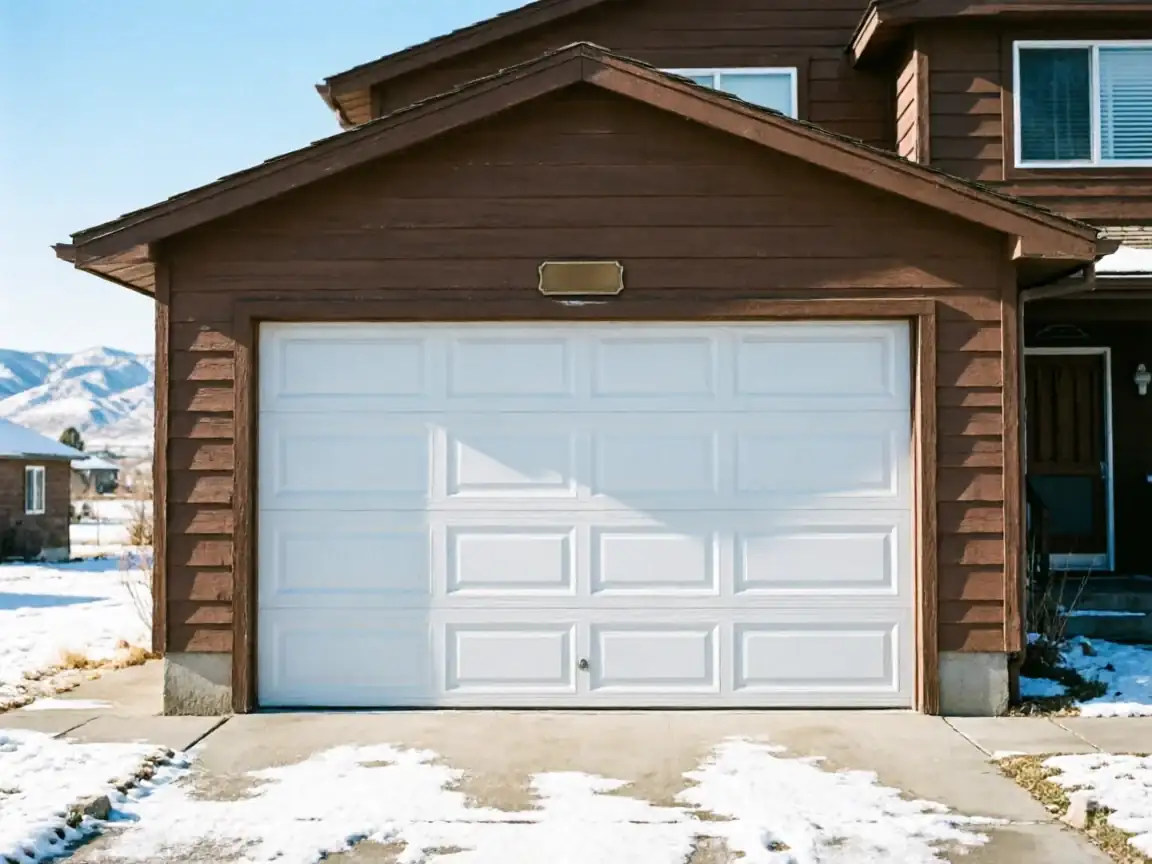
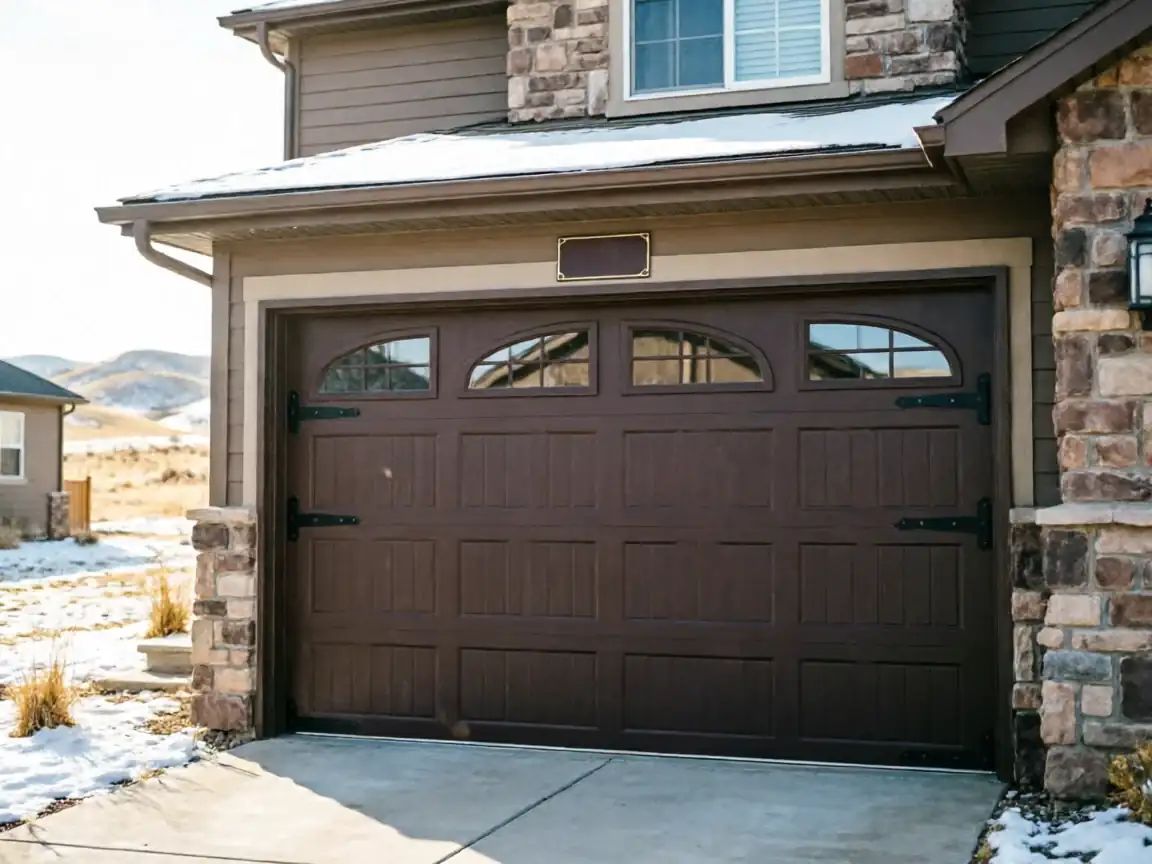
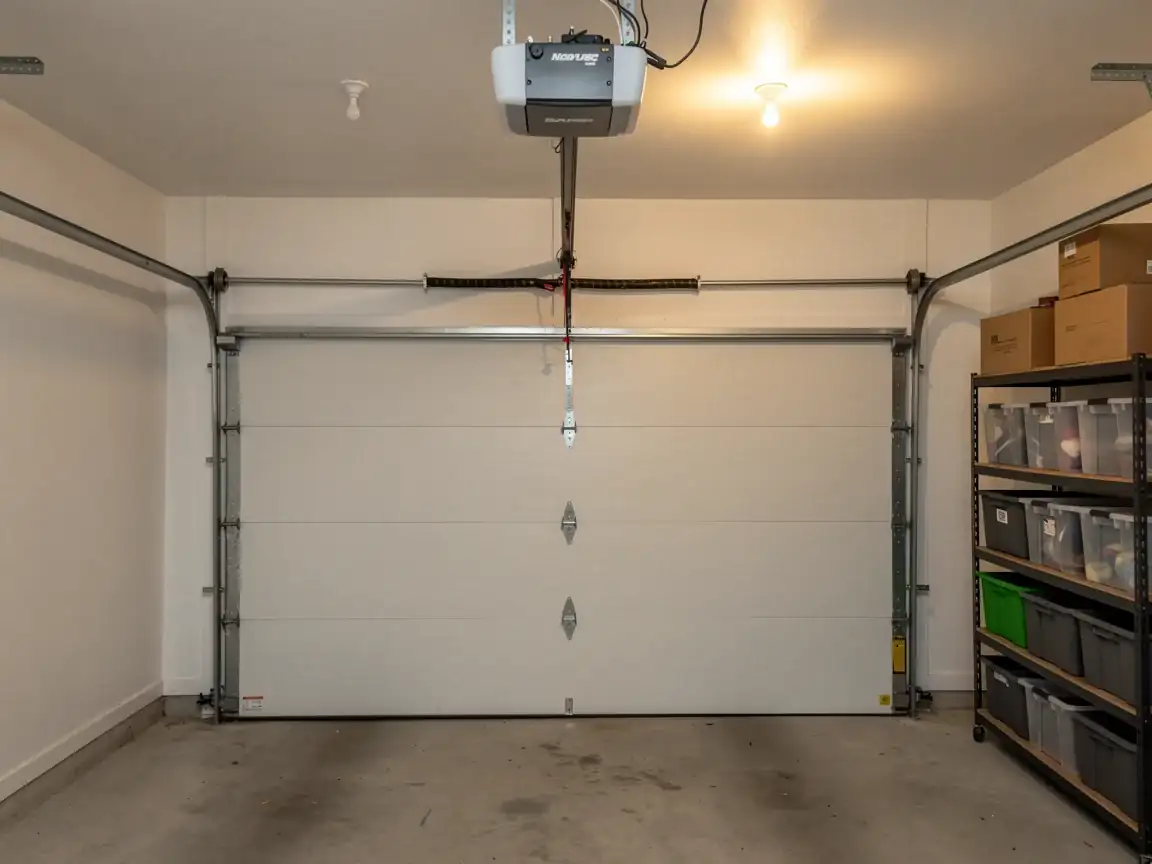
Most of the calls we get out of Fruita aren't spring calls. The housing stock here runs newer than a lot of the rest of the valley - median year built is 1998, which puts the bulk of these garages on openers with circuit boards and photo-eye safety sensors rather than the older relay-and-chain units you'd find in a house from the 1970s or 80s. That changes what actually breaks at 9pm on a Sunday.
When a door won't close here, it's more often a sensor knocked out of alignment, a logic board that's taken a power surge, or a wall control that's stopped talking to the head unit. Cold snaps make it worse - this area sits in a severe cold climate band, and a board or sensor that's marginal in October can fail outright the first hard freeze of the year. Doors that were working fine in September suddenly won't close, or close and reverse for no visible reason, right when the weather turns.
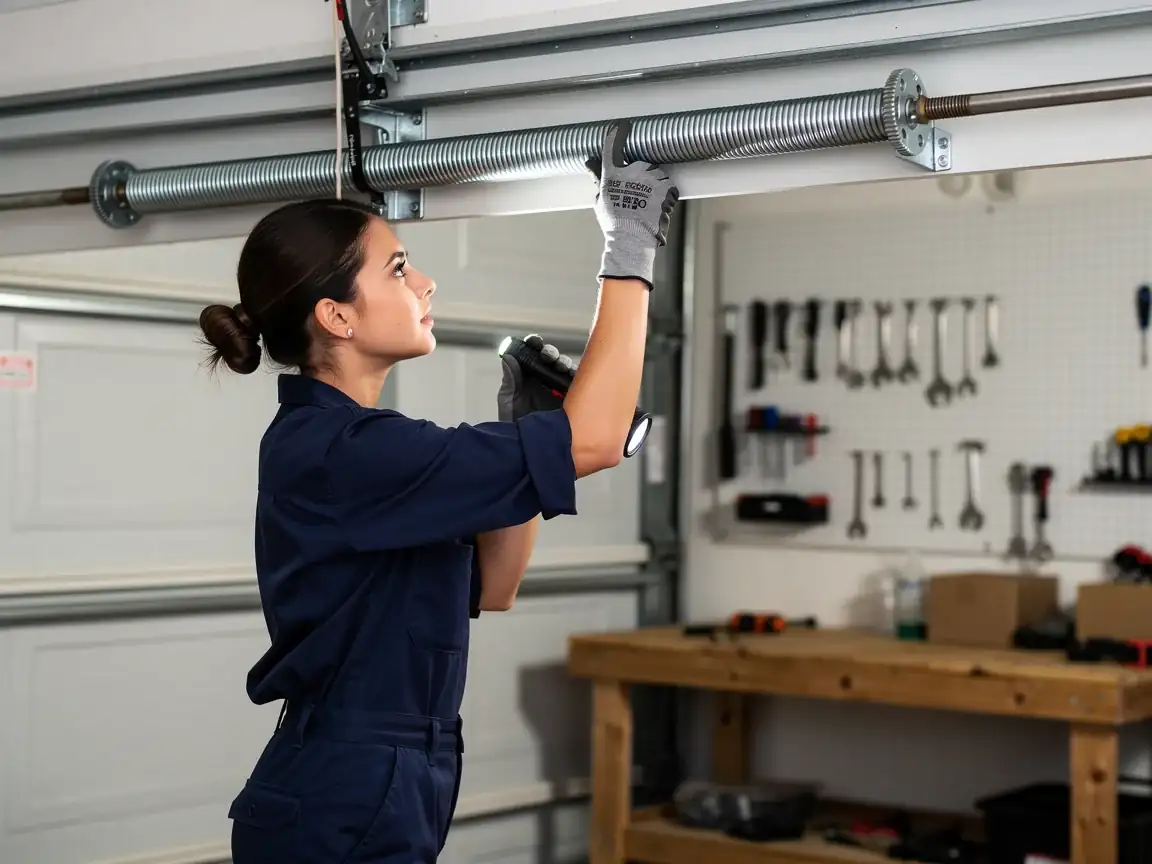
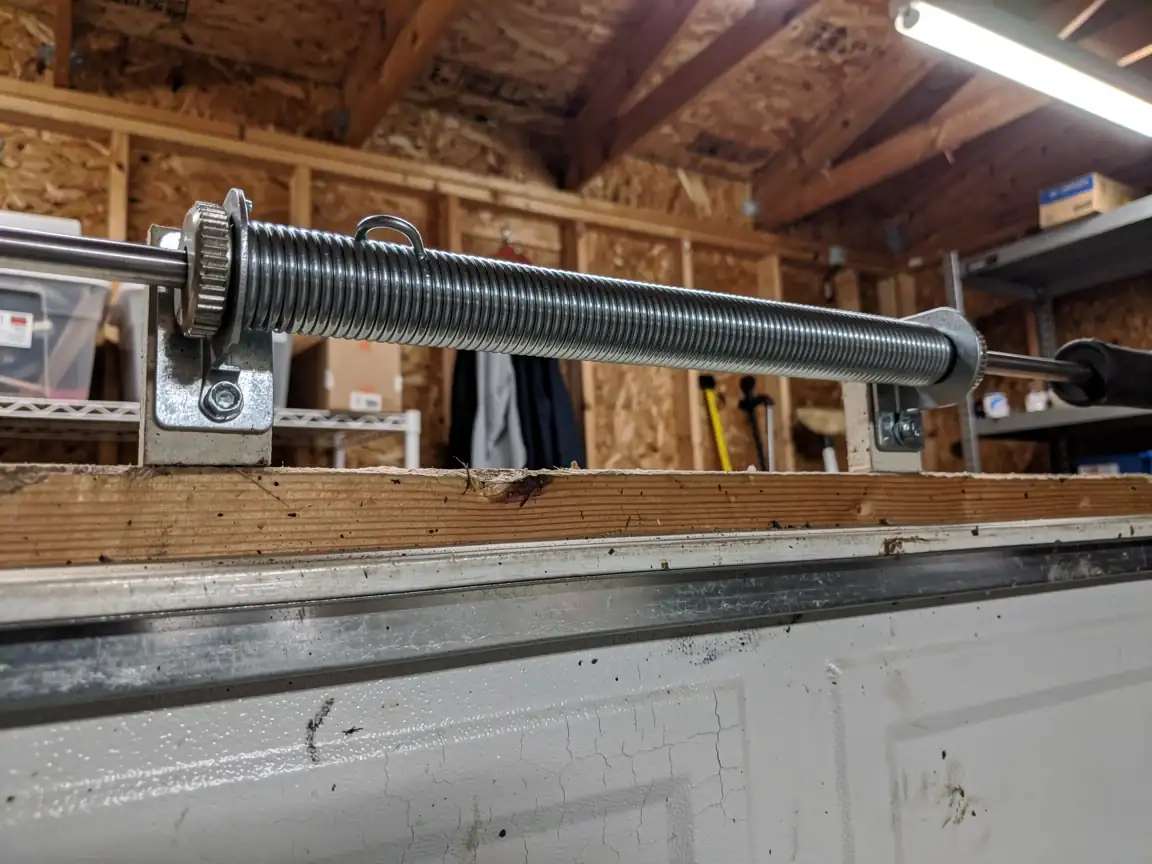
Springs still break, obviously - any door with enough cycles on it will eventually snap a spring. But if your house in Fruita is one of the newer ones, the first thing we check isn't the spring, it's the opener electronics and the sensor eyes near the floor.
Where This Job Goes Sideways
The mistake we see most with newer openers is someone unplugging the unit and plugging it back in, which resets nothing and sometimes makes the fault harder to diagnose because the error light pattern is gone. If your opener has a logic board issue, cycling power can mask the symptom for one try and then fail again at the worst moment.
The other place this goes sideways is sensor alignment. People bump a sensor moving a bike or a ladder, the door starts refusing to close, and they assume it's the opener itself. Nine times out of ten with these newer setups it's a sensor that's off by a few degrees - cheap to fix if you catch it, but it looks exactly like a bigger electrical fault from the homeowner's side of things.
We're honest about one thing here: if a board is actually fried, we may not carry that exact replacement part on the truck for every opener brand, and getting the right board can mean a short wait rather than a same-trip fix. We'll tell you straight when that's the case instead of guessing at a part that doesn't match your unit.
The DIY Question
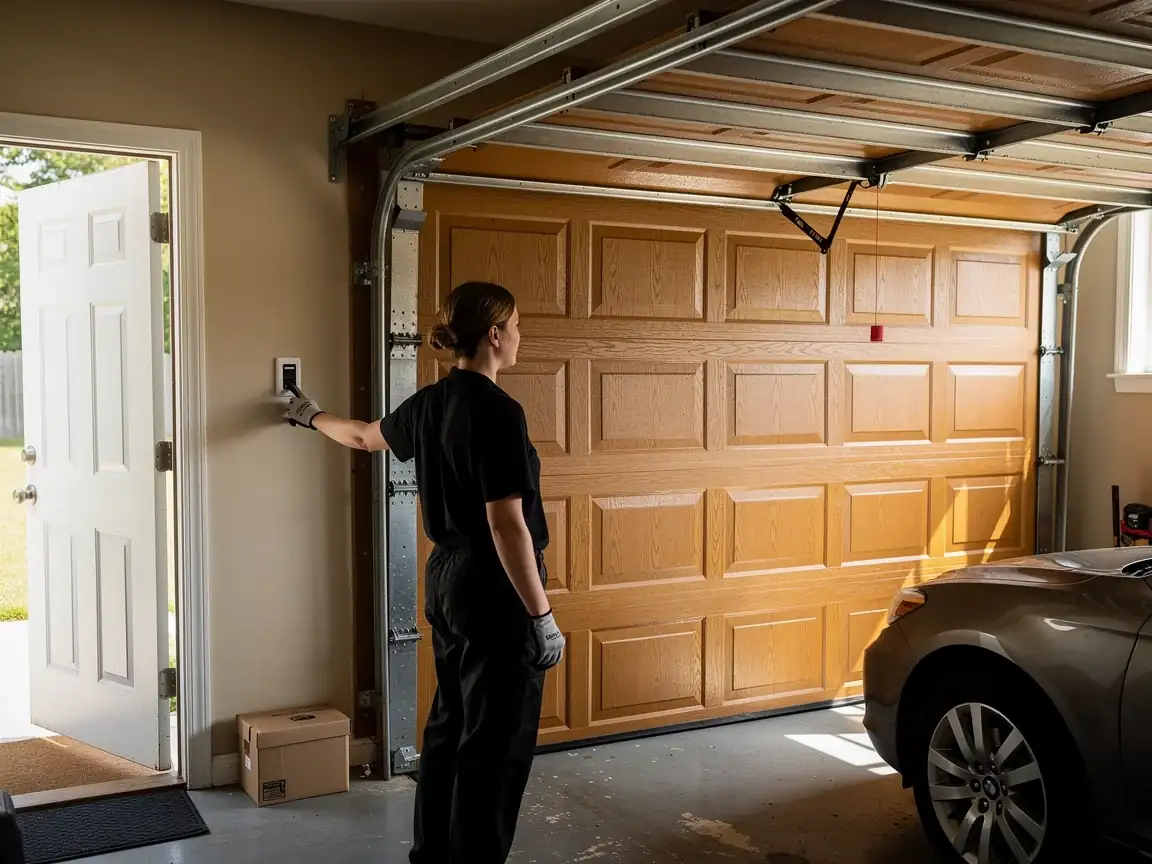
Realigning a sensor or clearing an obstruction from the track is something a homeowner can do safely in most cases
It's low voltage, low risk, and often fixes the no-close problem on the spot. Check that both sensor eyes are pointed at each other, nothing's blocking the beam, and the lenses aren't fogged or caked with shop dust.
What you shouldn't touch is anything involving the spring system or the opener's internal wiring
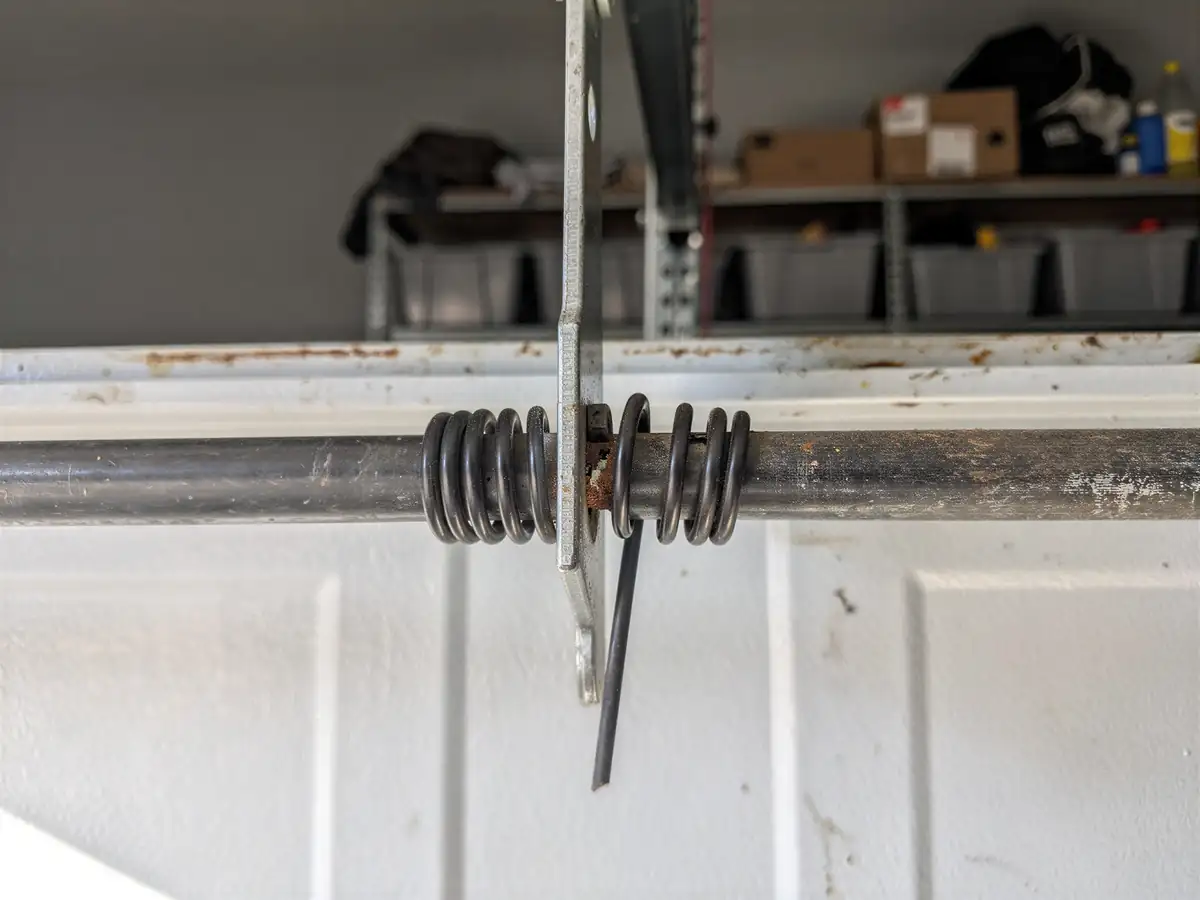
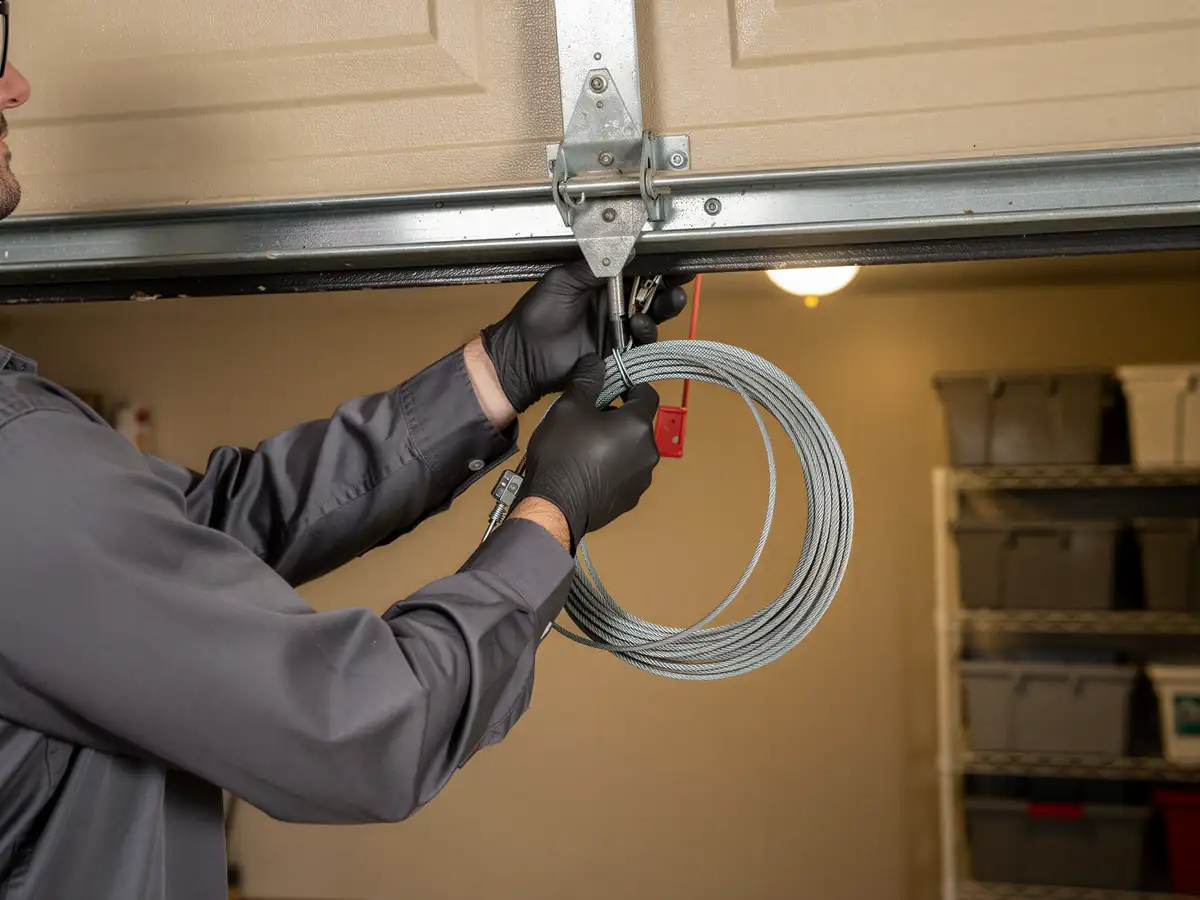
A broken torsion spring under tension can cause real injury, and poking at a logic board you don't understand can turn a one-part repair into a full opener replacement. If the door is making grinding noises, sagging on one side, or the cable looks frayed, that's a call-us job, not a tool-box job.
If your opener is original to a mid-90s build and it's starting to act up along with other signs of age
Slow response, inconsistent reversing, a control panel that's stopped lighting up - sometimes replacing the unit outright costs less over time than chasing intermittent board faults one at a time.
Booking a Visit
We run out of Grand Junction, and Fruita is about a 10-mile drive from there, so when you call we're coming from across town rather than around the corner - worth knowing if you're timing things around a tight schedule. We still take the same emergency calls for broken springs, stuck doors, and dead openers that we take anywhere else in the service area.
Tell us the opener brand if you know it and whether the door is stuck open or stuck shut - that's often enough for us to bring the right sensor or board stock before we even see the door. See our Fruita area page for more on what we cover out this way, or check the main emergency repair page for the full rundown of what counts as an emergency call.