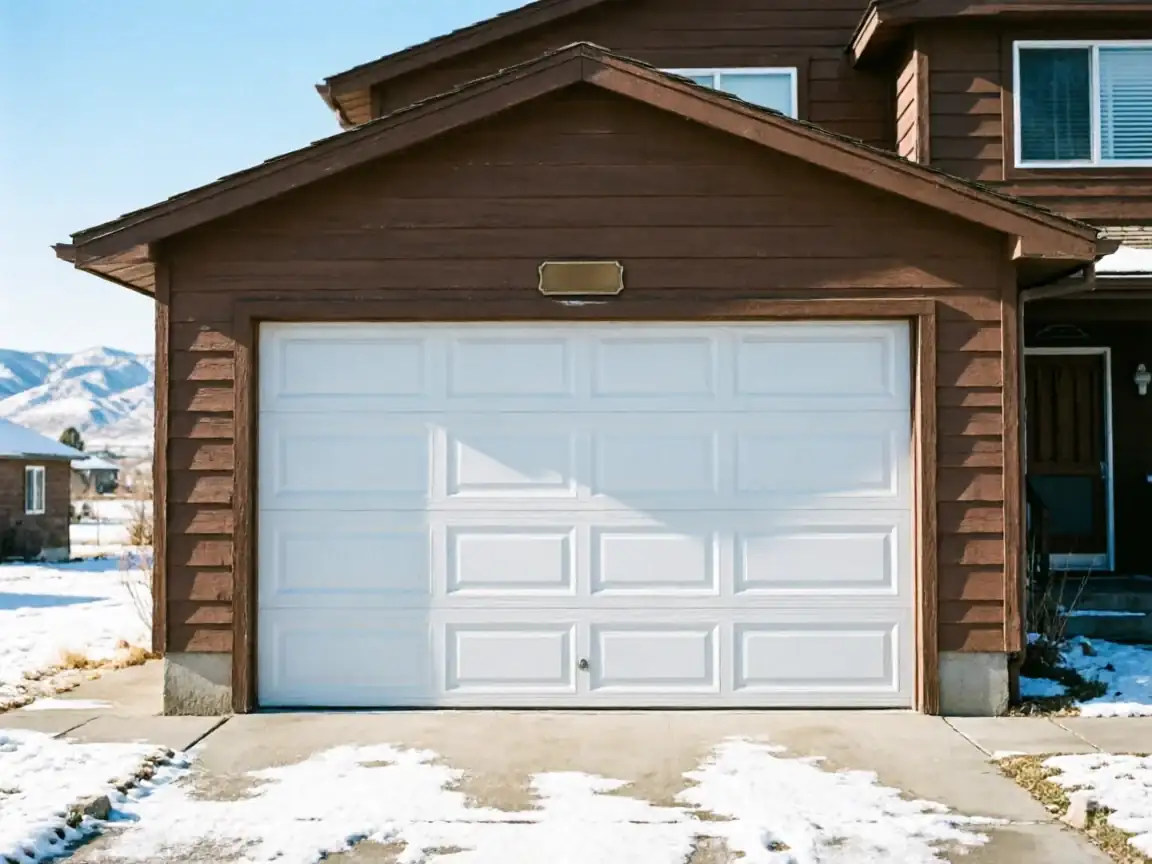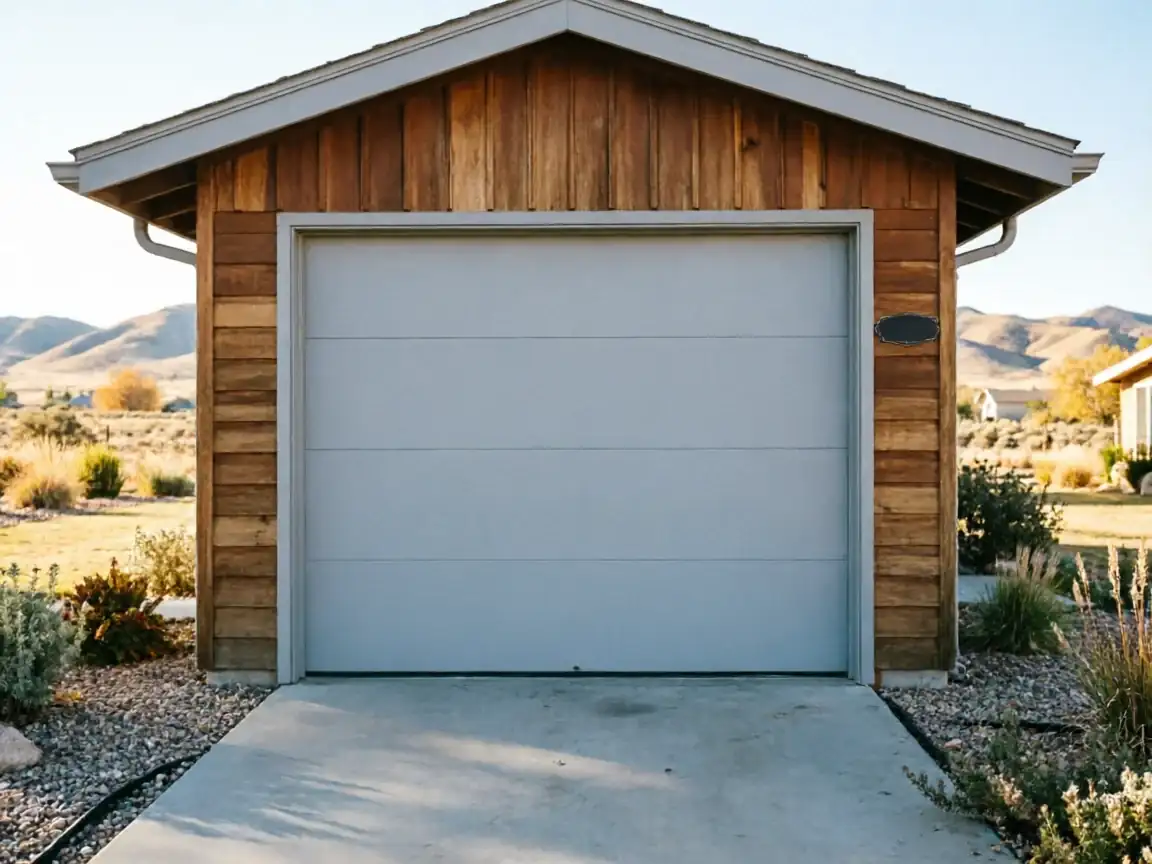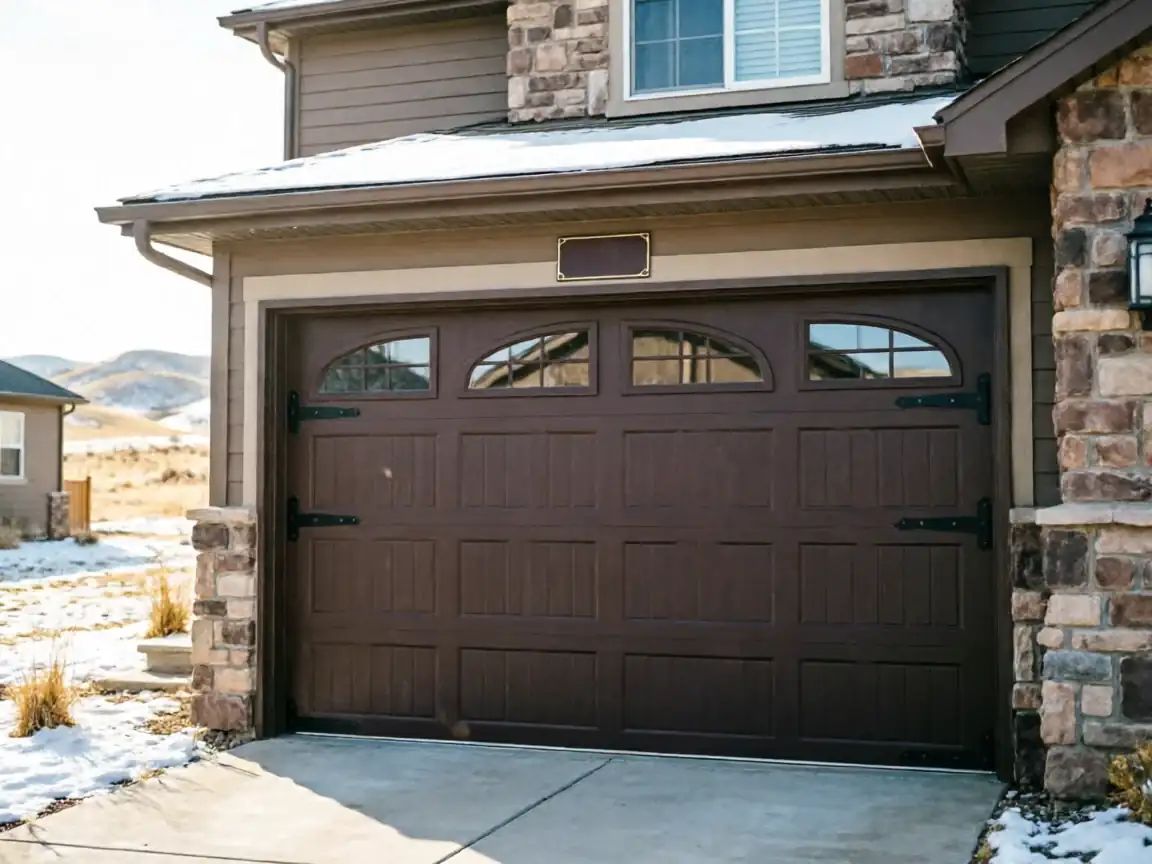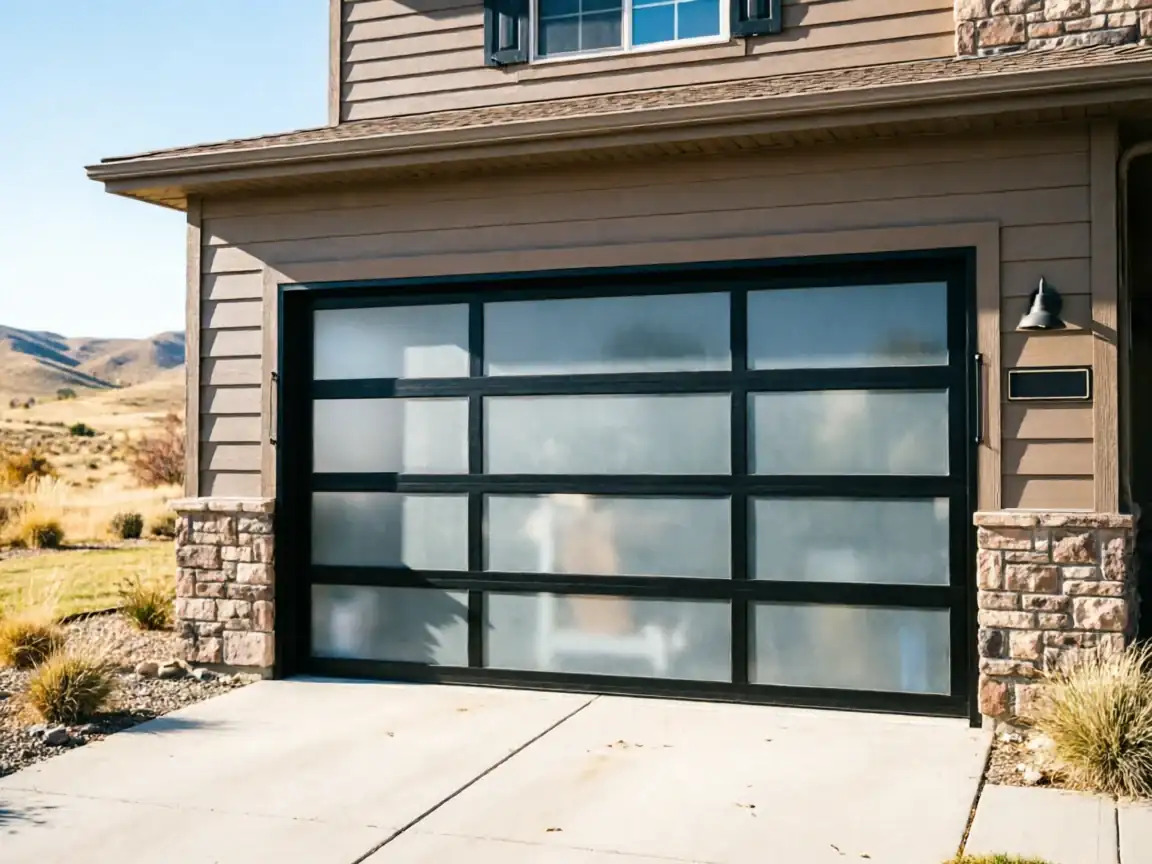
Why It Happens Here
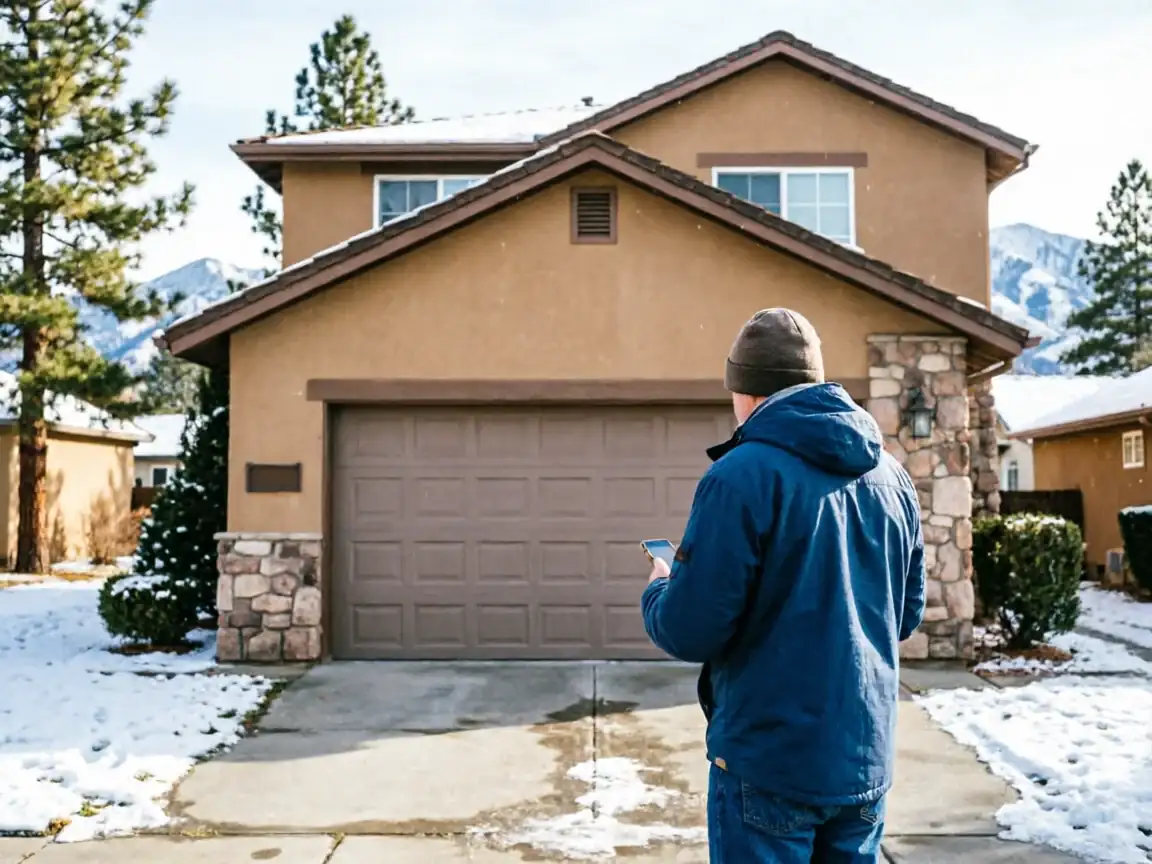
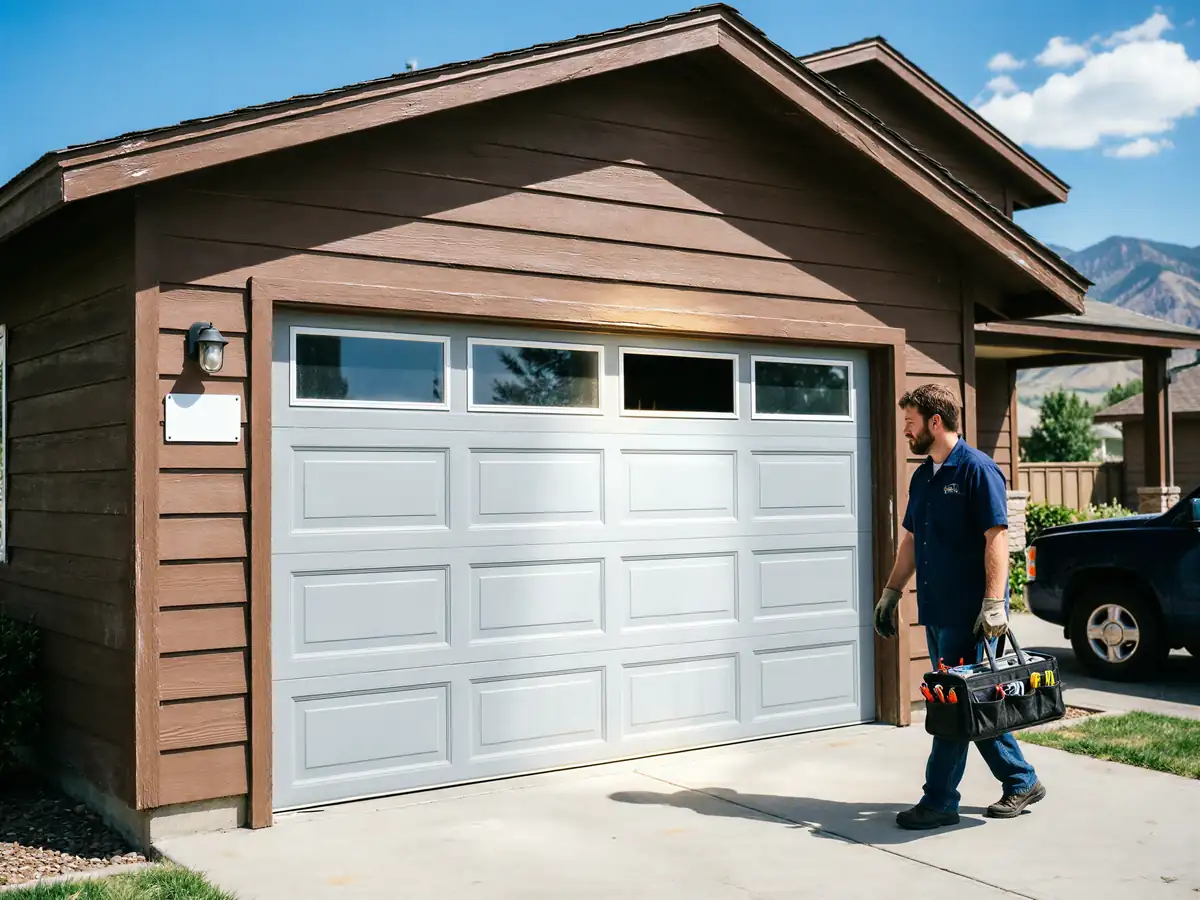
Every call to Fruita starts with the same 10-mile drive out from Grand Junction, and that drive shapes how the job runs more than people expect. We're not pulling up from a shop around the corner, so when we get the call, we want to know what we're walking into before the truck leaves - what the door is, roughly how old, what it's doing or not doing.
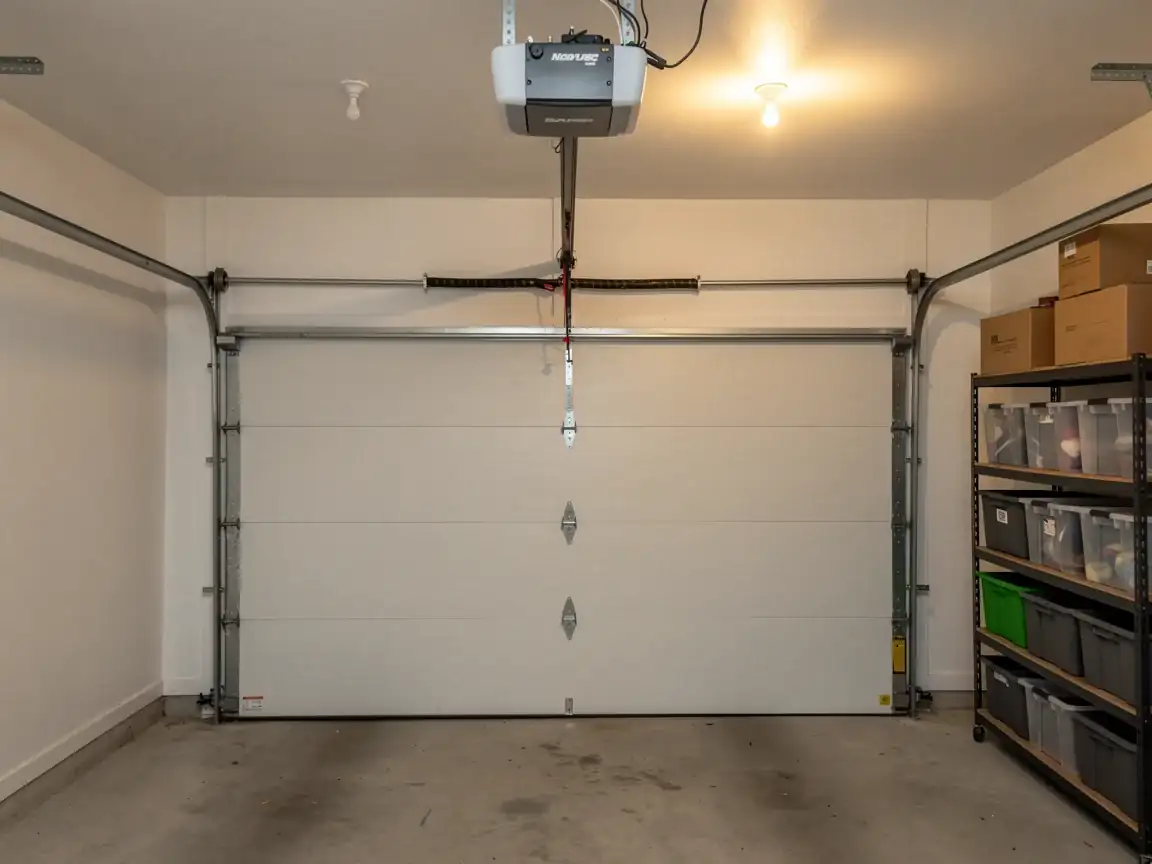
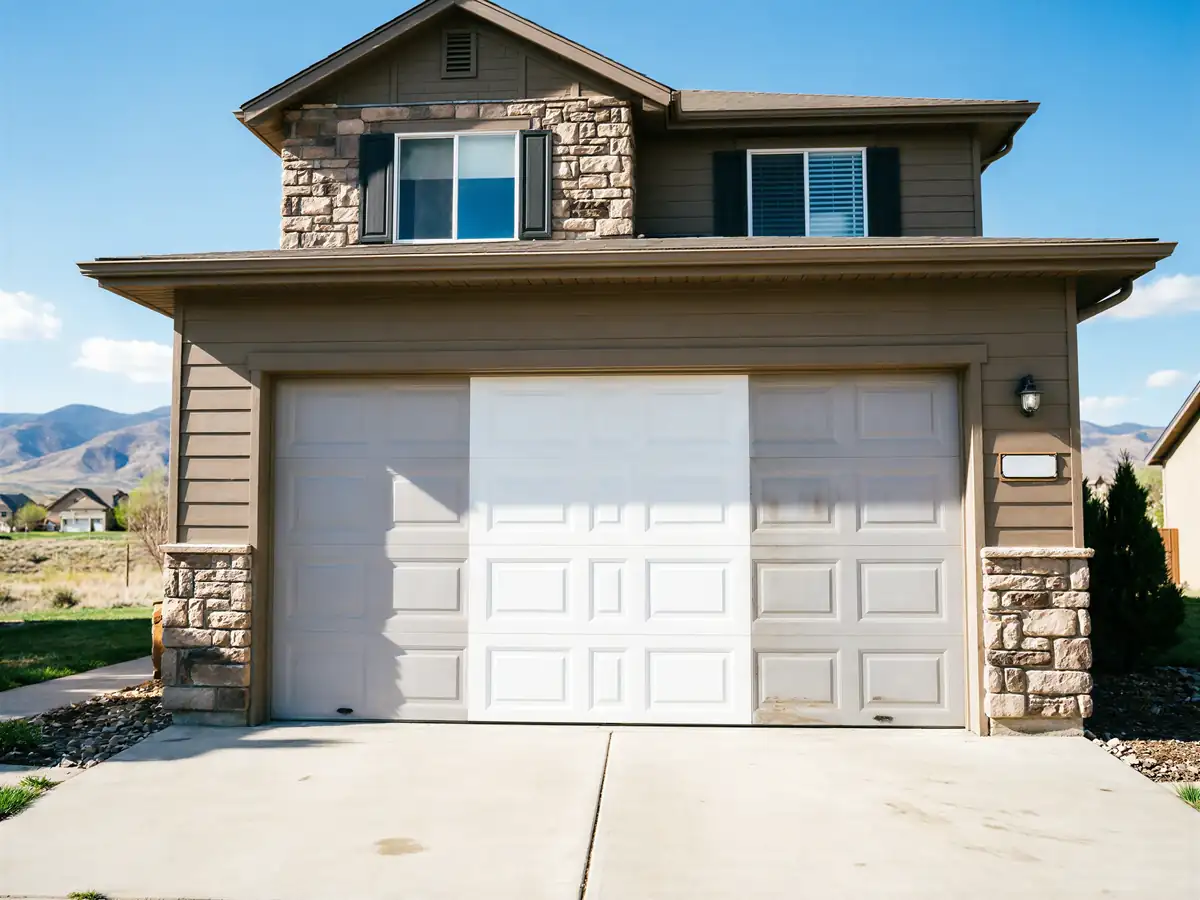
That matters here specifically because Fruita's housing stock skews newer than a lot of what we service elsewhere in the valley. The median home here was built around 1998, compared to a service-area-wide median closer to 1984. That's a real gap - homes a decade and a half younger on average, with doors and openers to match. You're less likely to be dealing with the original 1970s hardware we see in older parts of the service area, and more likely dealing with late-90s torsion systems that are now old enough for springs, cables, and rollers to be on their second or even third replacement cycle.
Add the climate - this is a cold, severe-winter region - and even newer steel doors take a beating from repeated freeze-thaw cycling on seals, hinges, and track alignment. Newer doesn't mean trouble-free. It means a different set of parts wearing out than you'd expect in an older house.
Where This Job Goes Sideways
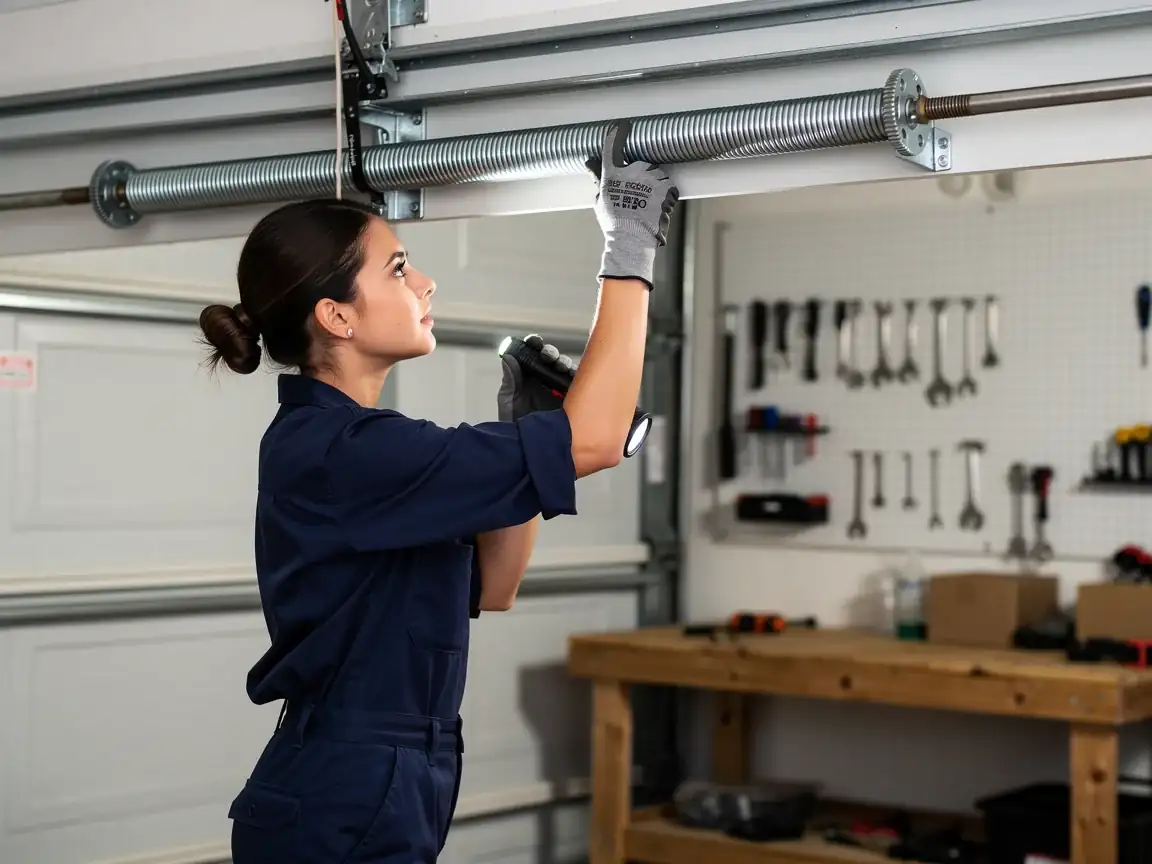
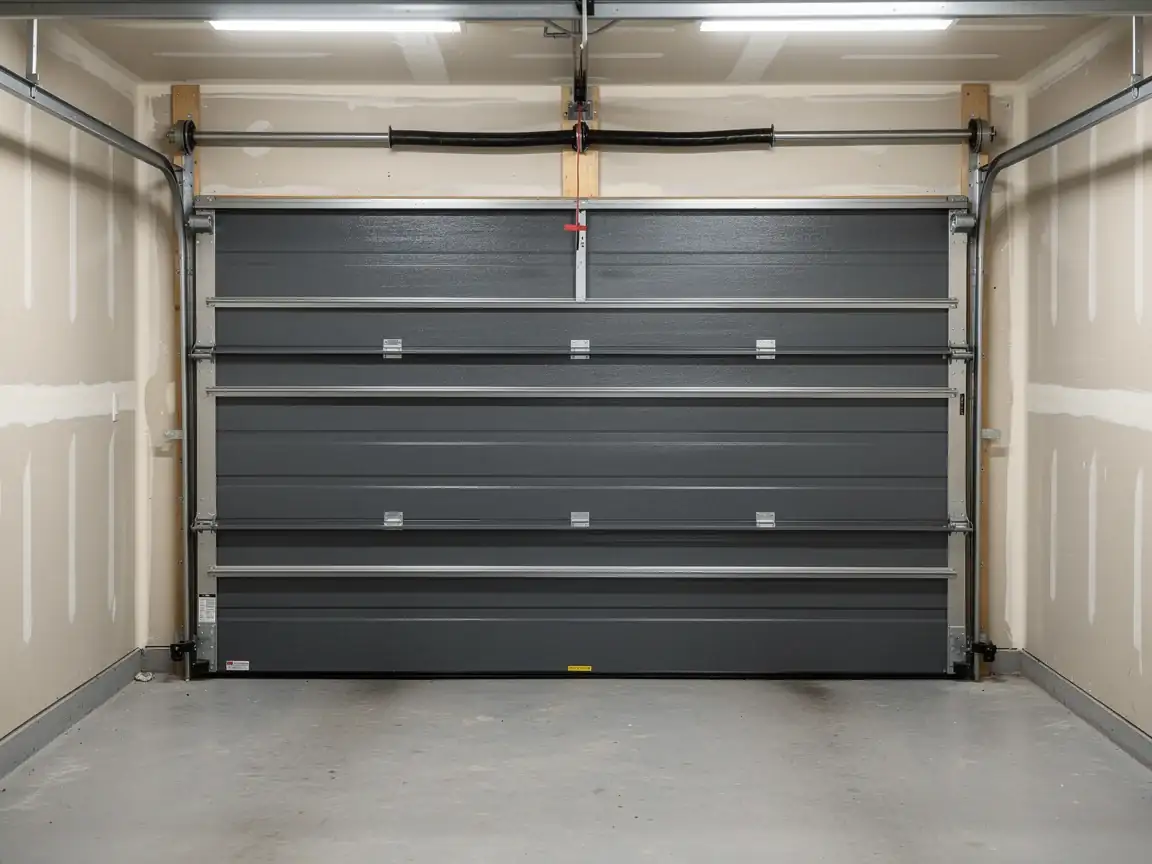
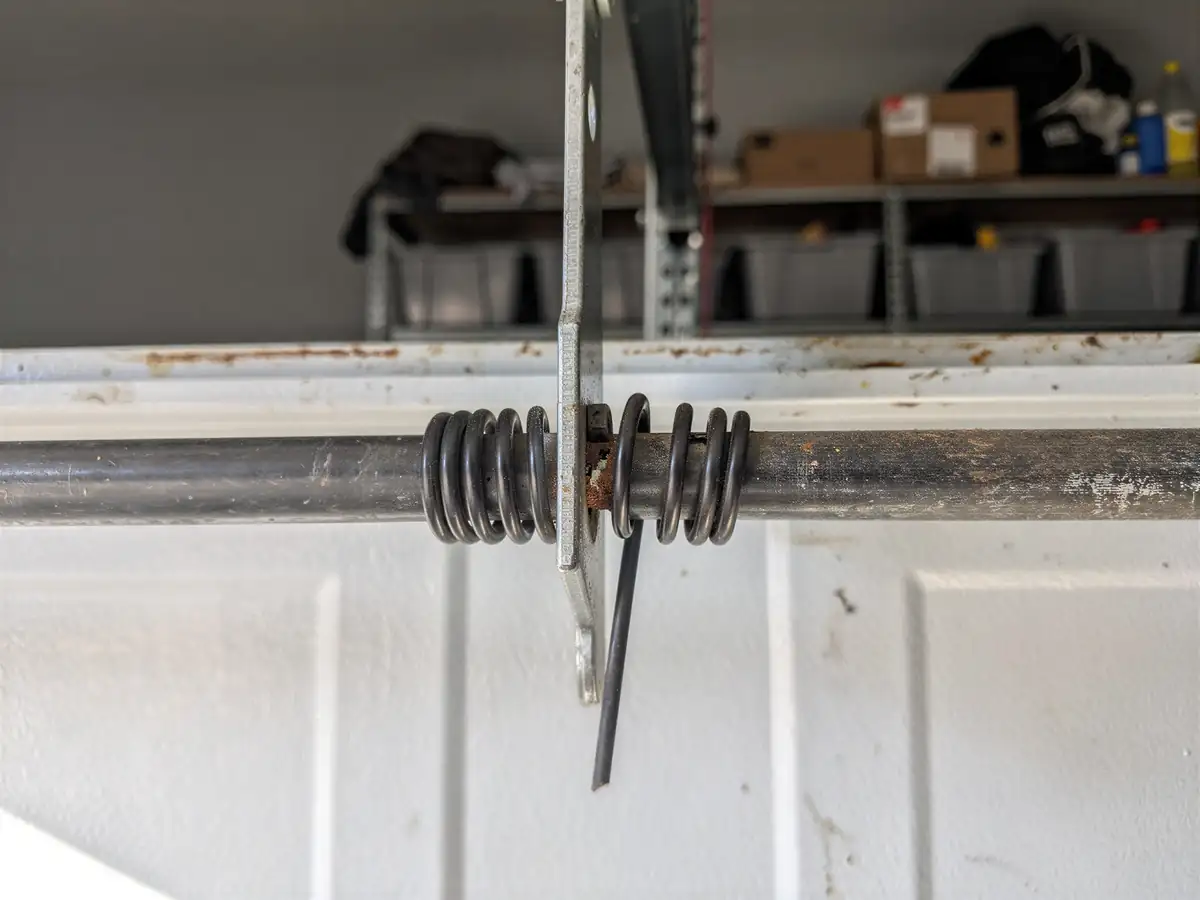
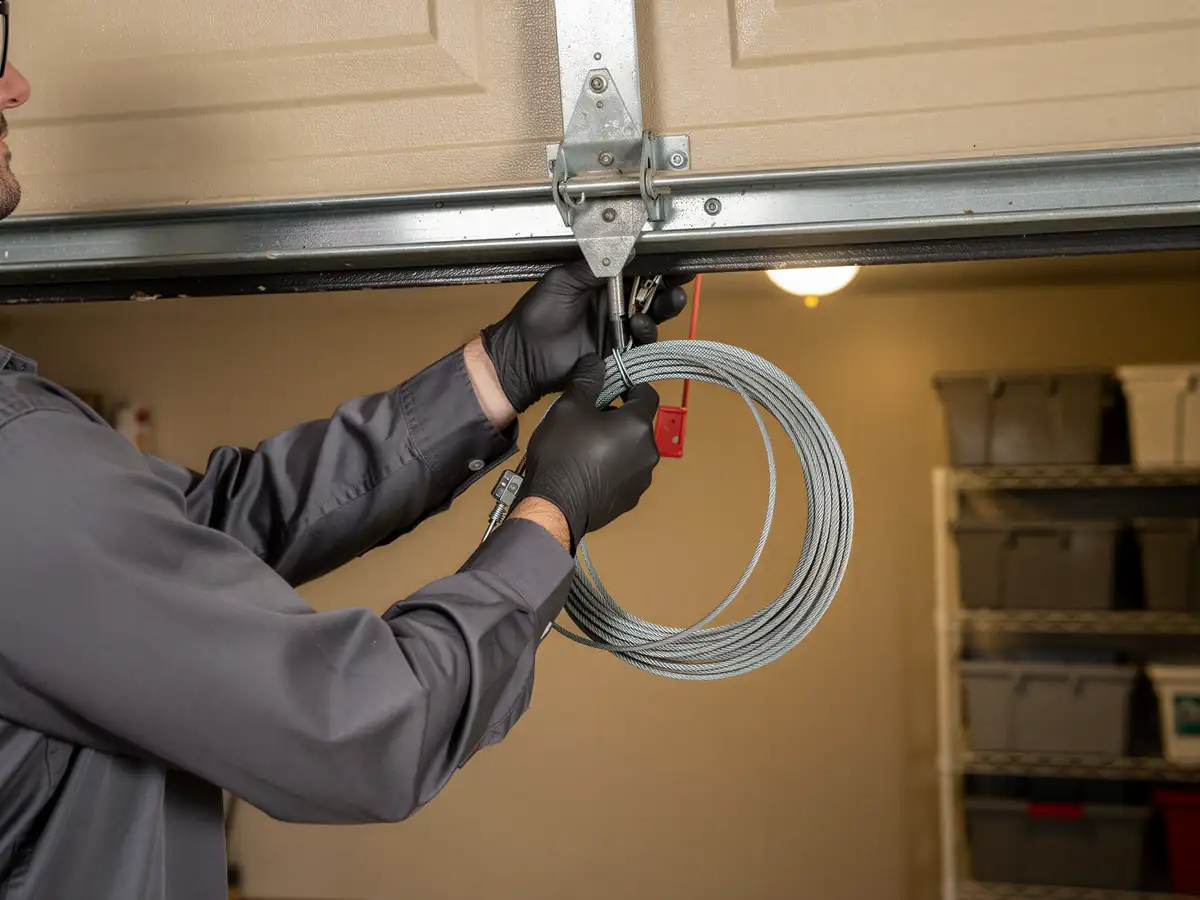
On a door from the late 1990s, the spring is usually original or a first replacement - which means when it breaks, the opener, track brackets, and drums are often still factory-matched to it. Swap in a generic replacement spring without checking the door's actual weight and wind count, and you get a door that slams down or won't stay up, which then gets blamed on the opener instead of the spring.
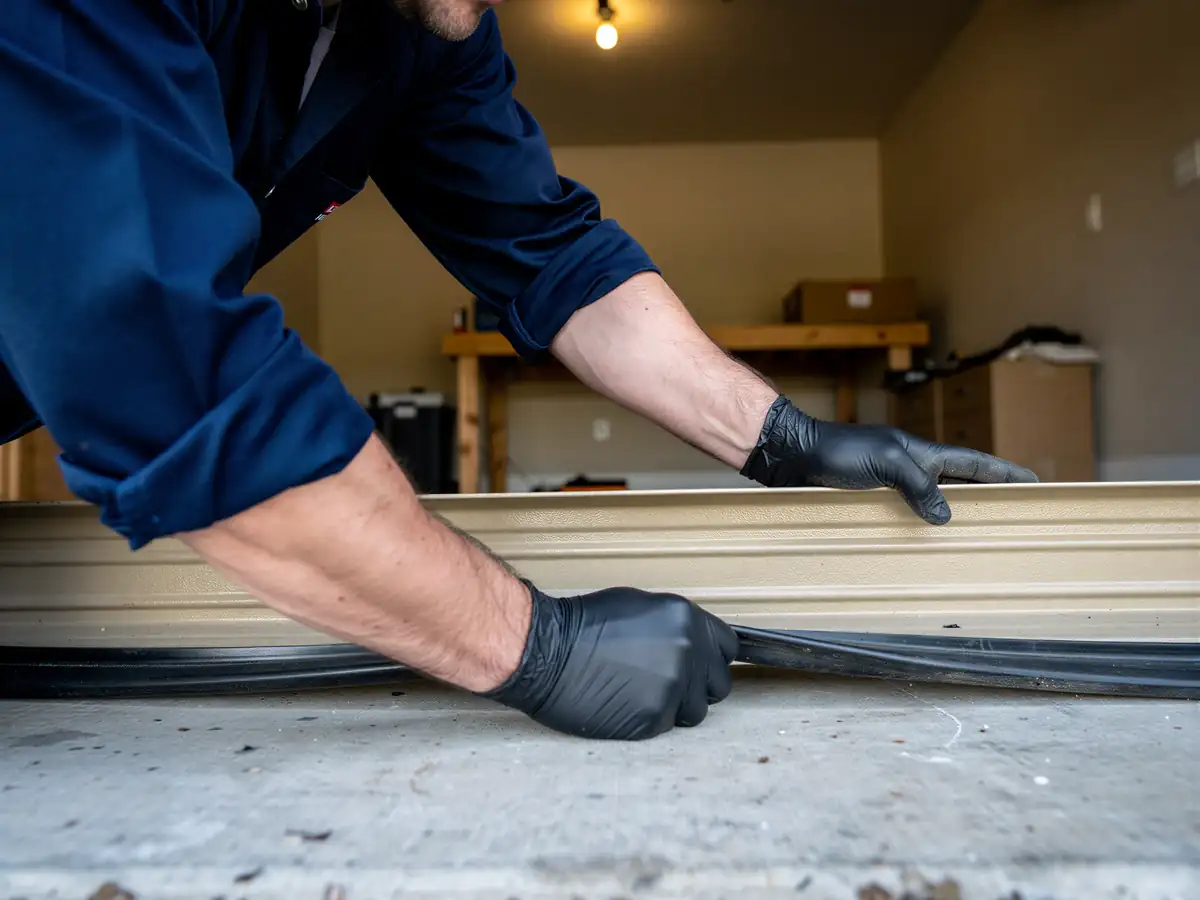
Cold-weather sealant failure is the other one we see a lot in homes this age. Bottom seals on doors installed in the 90s were rated for a milder spec than what's sold today, and after two decades of winter they crack and let the track ice up at the bottom corners. That ice throws the roller alignment off just enough that the door binds halfway down - and a homeowner forcing it with the opener motor burns out a gear set that otherwise had years left.
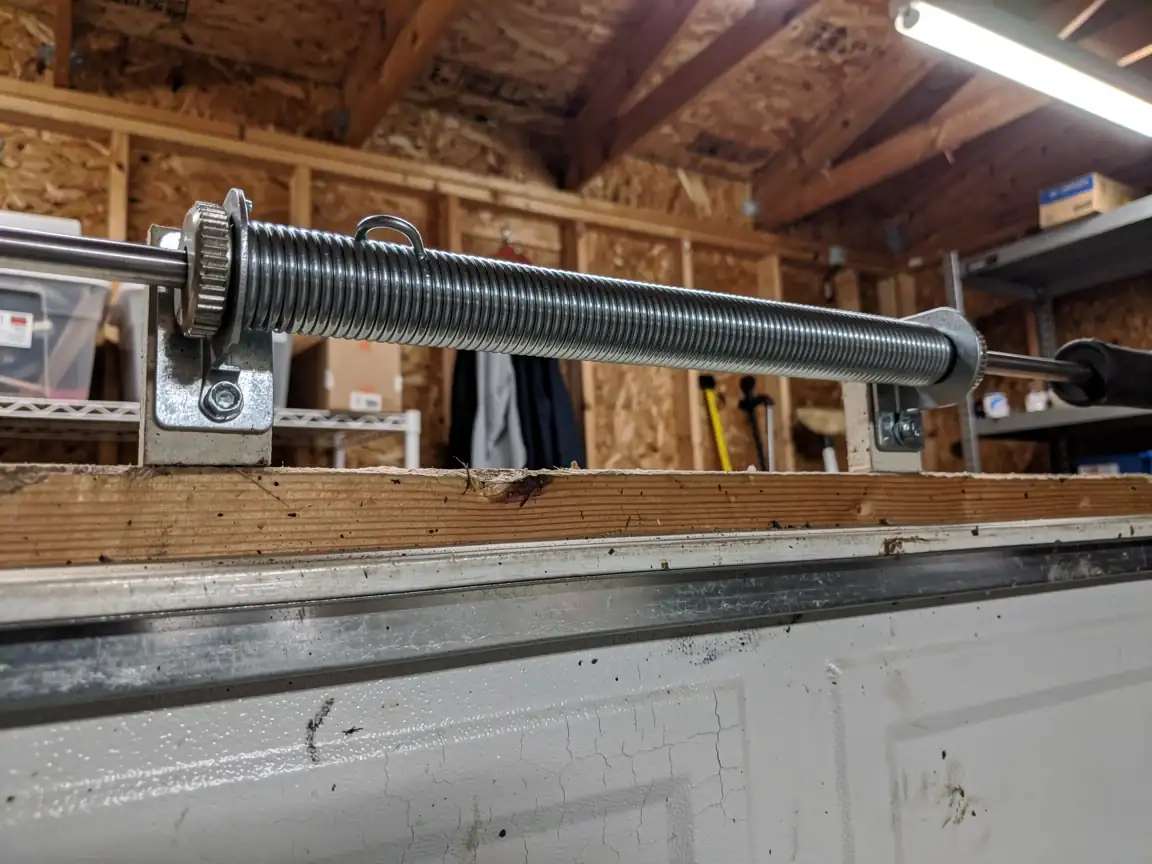
The other failure point is extension springs on older garage conversions or detached outbuildings, which don't follow the same torsion logic as the main house door and get misdiagnosed if someone's only used to working on one or the other.
The DIY Question
Replacing a bottom seal or tightening loose track bolts
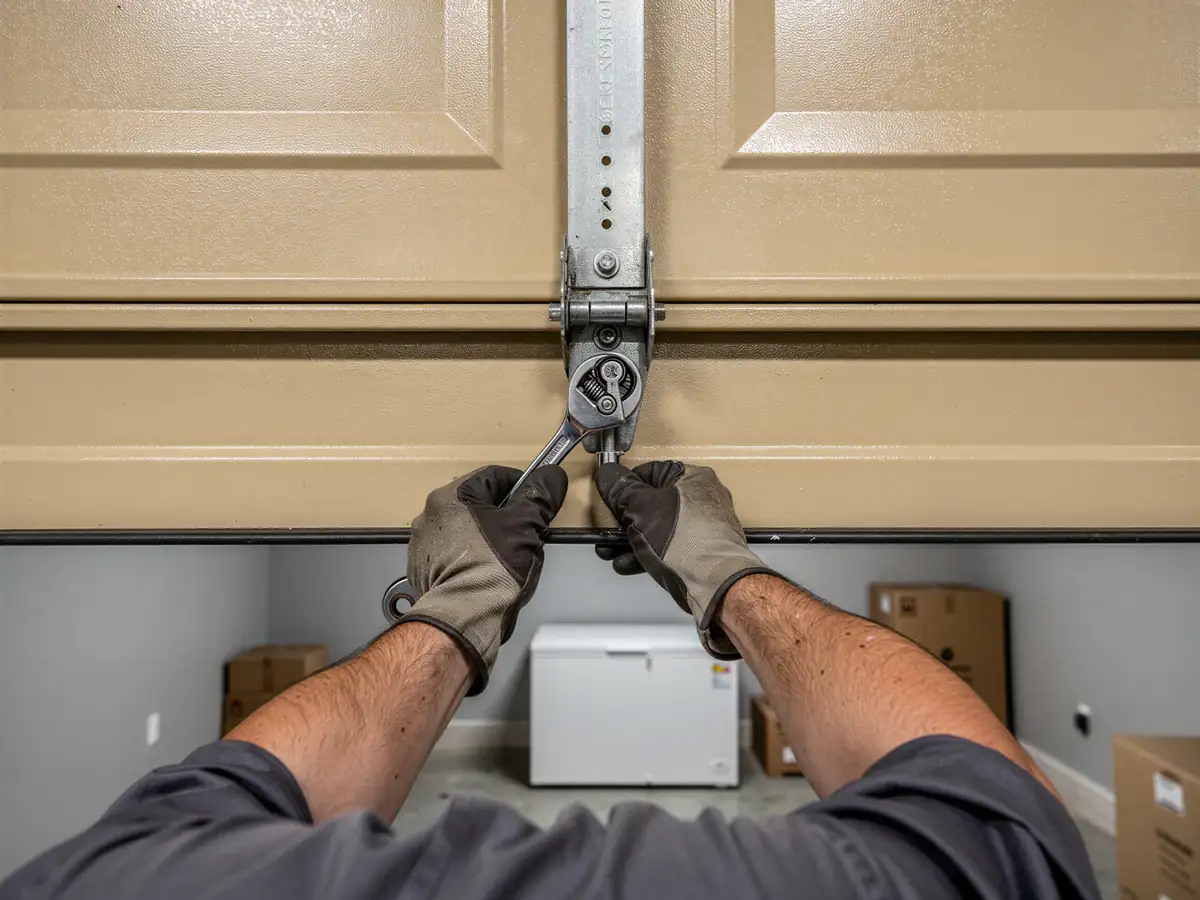
Reasonable for most homeowners to handle themselves. A torsion spring under load is not, full stop, no matter how old or new the door is; the wind tension on even a newer 1990s-era spring can put someone in the hospital if the winding bars slip.
Here's the honest limitation
Because this is a drive-out job from Grand Junction rather than a local shop, we can't offer same-day emergency service the way a business based in Fruita itself might. If your spring breaks on a Tuesday night, the door stays down until we can get a truck out. For most households, that's a day, not a week, but it's worth knowing going in rather than finding out when you're stuck.
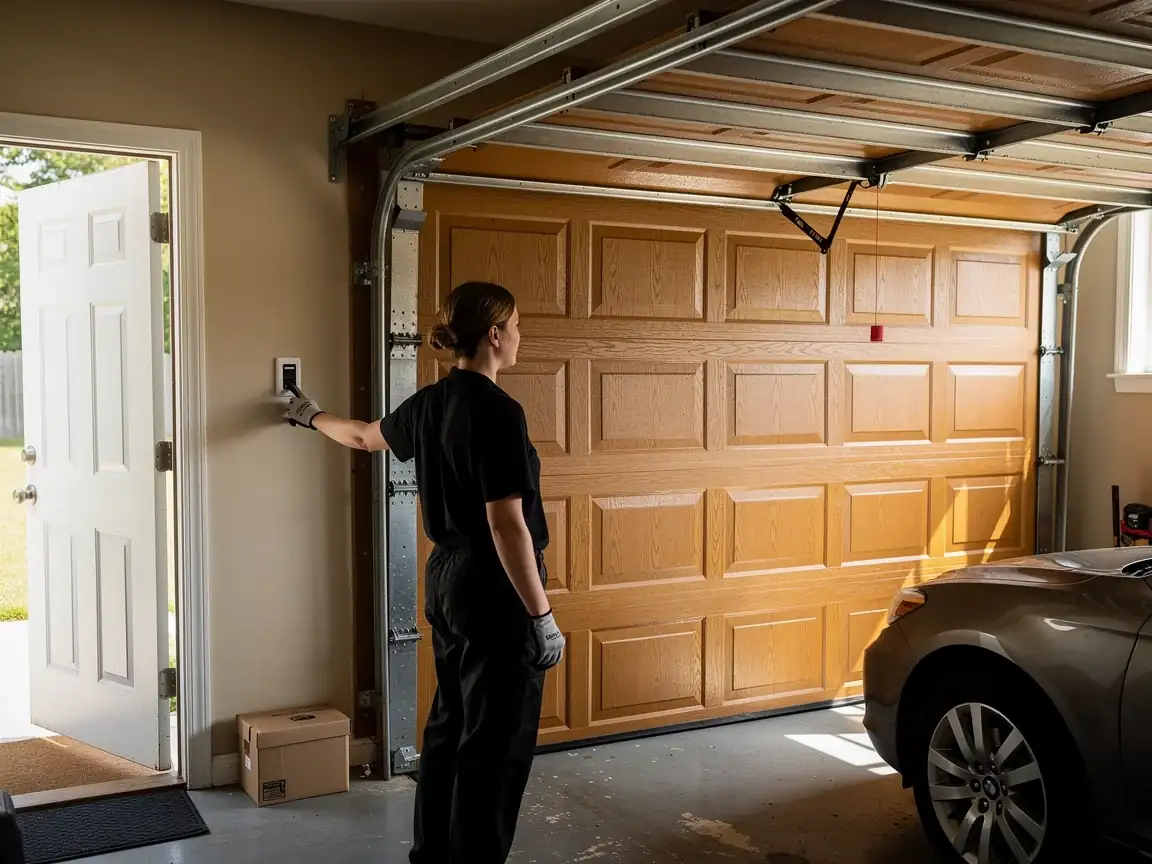
If the opener is newer but just needs reprogramming or a sensor realigned
That's a fast fix once we're there. If the door itself is original to a 1998-era build and the panels are rusted or the track is bent beyond adjustment, replacement usually beats another round of patch repairs - we'll tell you straight when that's the case instead of running up a repair bill on a door that's done.
Booking a Visit
We cover Fruita as part of the wider Grand Junction service area, which also runs out to Orchard Mesa, Redlands, Fruitvale, Clifton. When you call, tell us the door's approximate age and what it's doing - that's what lets us bring the right spring size and hardware on the first trip instead of a second one.
See more on our Fruita area coverage, or check the main Grand Junction garage door repair page for the full range of repair work we handle across the service area.